

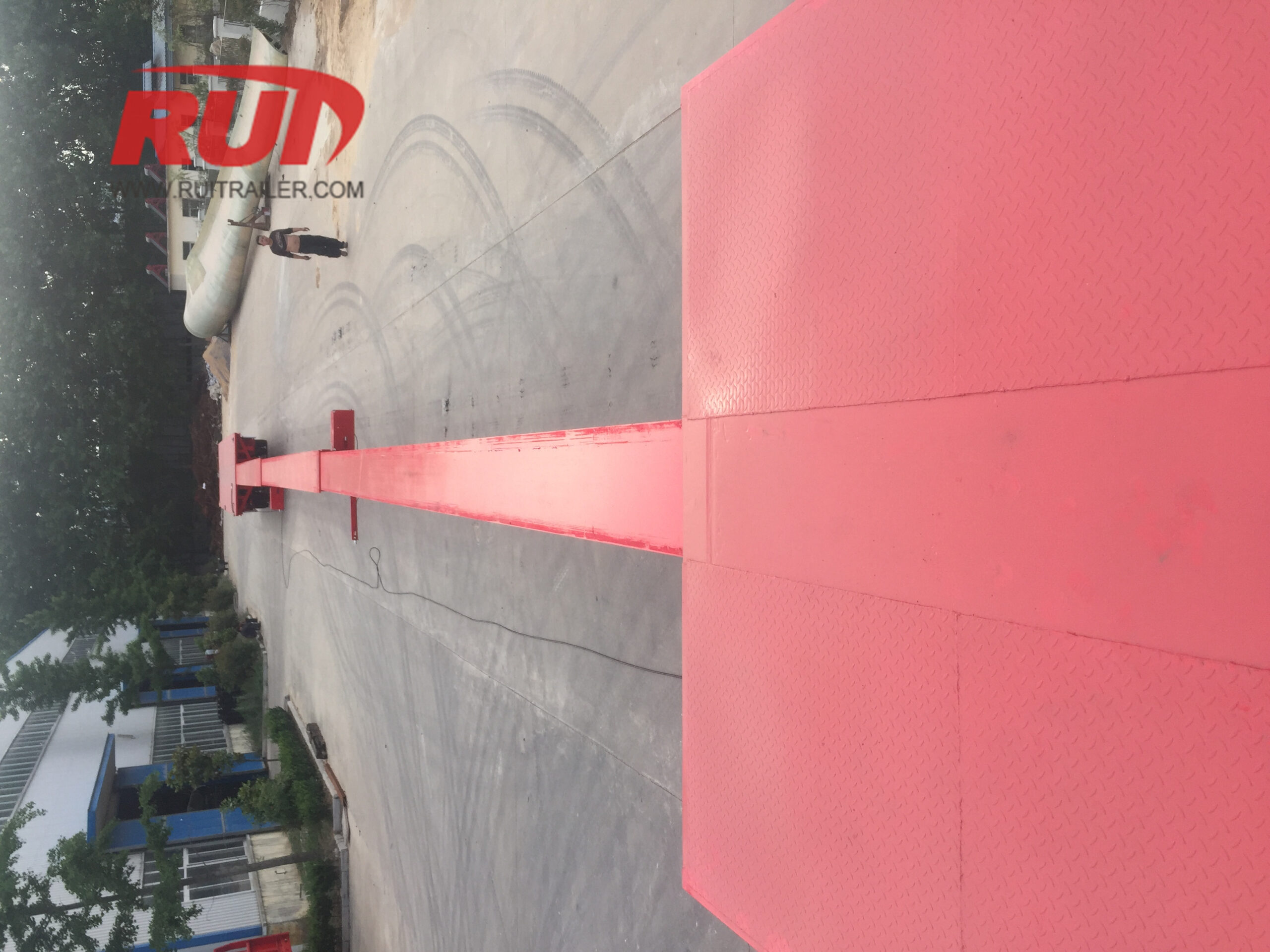
Bảng tham chiếu kích thước tiêu chuẩn của rơ moóc mở rộng
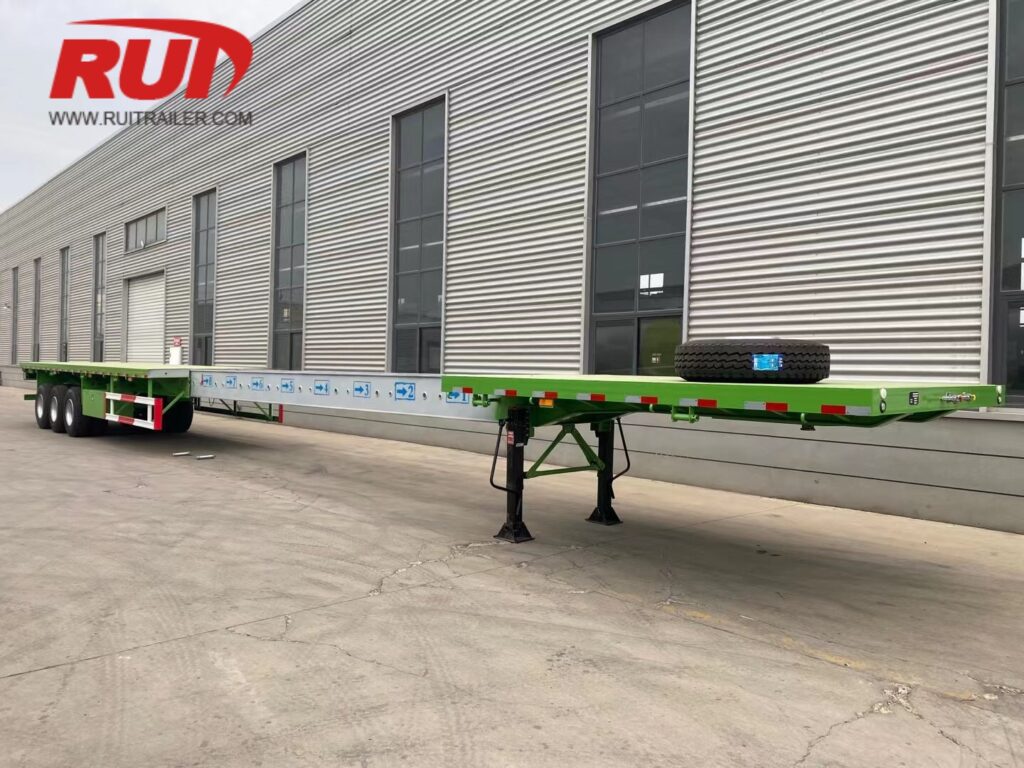
Việc phù hợp tải trọng hàng hóa có chiều dài cực đoan với Kích thước rơ moóc mở rộng đòi hỏi lập kế hoạch kích thước chính xác. Khi kéo dài chiều dài khung chassis, các nhà vận chuyển hàng hóa phải cân bằng độ cao của sàn, khoảng cách trục theo luật cầu và mô men uốn. Chúng tôi thiết kế khung chassis telescopic của mình để duy trì độ bền xoắn cao trong tất cả các giai đoạn mở rộng trong khi giữ trọng lượng không tải tối ưu.
Dưới đây là bảng tham chiếu kỹ thuật cốt lõi so sánh giữa diện tích đóng tiêu chuẩn và mở rộng tối đa trong hoạt động của các loại rơ moóc chở hàng nặng.
Ma trận kích thước kỹ thuật: Kích thước, Khoảng cách, và Công suất
| Cấu hình Rơ moóc | Chiều dài khi thu gọn | Chiều dài tối đa khi mở rộng | Chiều rộng sàn sử dụng được | Chiều cao sàn khi tải | Cấu hình trục xe | Khả năng tải trọng danh định |
|---|---|---|---|---|---|---|
| Rơ moóc phẳng mở rộng (Một giai đoạn) | 48 ft / 14,63 m | 80 ft / 24,38 m | 102 in / 2.590 mm | 59 in / 1.500 mm | Từ 2 đến 3 trục | 88.000 lbs / 40 tấn |
| Xe tải chở hàng mở rộng (Hai cấp) | 53 ft / 16.15 m | 120 ft / 36.58 m | 102 in / 2.590 mm | 59 in / 1.500 mm | 3 đến 4 trục | 50.000 lbs / 50 tấn |
| Bệ bước mở rộng | 48 ft / 14,63 m | 75 ft / 22.86 m | 102 in / 2.590 mm | 36 in / 915 mm | 2 đến 4 trục | 43.000 lbs / 43 tấn |
| Xe tải thấp mở rộng (Khoang RGN) | 26 ft / 7.92 m (Khoang) | 50 ft / 15.24 m (Khoang) | 102–120 in / 2.590–3.048 mm | 18–24 in / 457–610 mm | 3 đến 3+2 trục | 60.000 lbs / 60 tấn |
| Xe tải kéo cánh telescopic nhiều cấp | 65 ft / 19.81 m | 230+ ft / 70.10 m | 100–118 in / 2.540–3.000 mm | 38–48 in / 965–1.220 mm | 3 đến 6 trục (hướng lái được) | 120.000 lbs / 55 tấn |
Tiêu chuẩn kích thước cốt lõi
- Chiều dài đóng kín so với mở rộng: Khung gầm tiêu chuẩn bắt đầu từ chiều dài hợp pháp trên đường cao tốc (48 ft hoặc 53 ft) và mở rộng qua các dầm trượt bên trong theo các bước điều chỉnh 2 ft đến 5 ft (600 mm đến 1.500 mm).
- Hồ sơ chiều cao sàn: Các loại sàn thấp có thể mở rộng cung cấp chiều cao sàn tải siêu thấp xuống đến 18 inch (457 mm) để phù hợp với các thành phần công nghiệp cao lớn dưới các cấu trúc trên đầu, trong khi các sàn bước kéo dài trung bình 36 inch (915 mm) cho máy móc dài, chiều cao trung bình.
- Cấu hình trục và cơ chế tải trọng: Khi chiều dài cơ sở tăng lên, khả năng chịu tải tập trung ở nhịp giữa sẽ giảm xuống. Chúng tôi tích hợp hệ thống trục tự lái thủy lực hoặc đánh lái cưỡng bức trên các sàn chở dài hơn 80 ft (24,38 m) để duy trì sự tuân thủ quy định về cầu đường và giảm mài mòn lốp khi cua gấp.
Kích thước sơ mi rơ moóc sàn rút dài (Moóc Trombone)
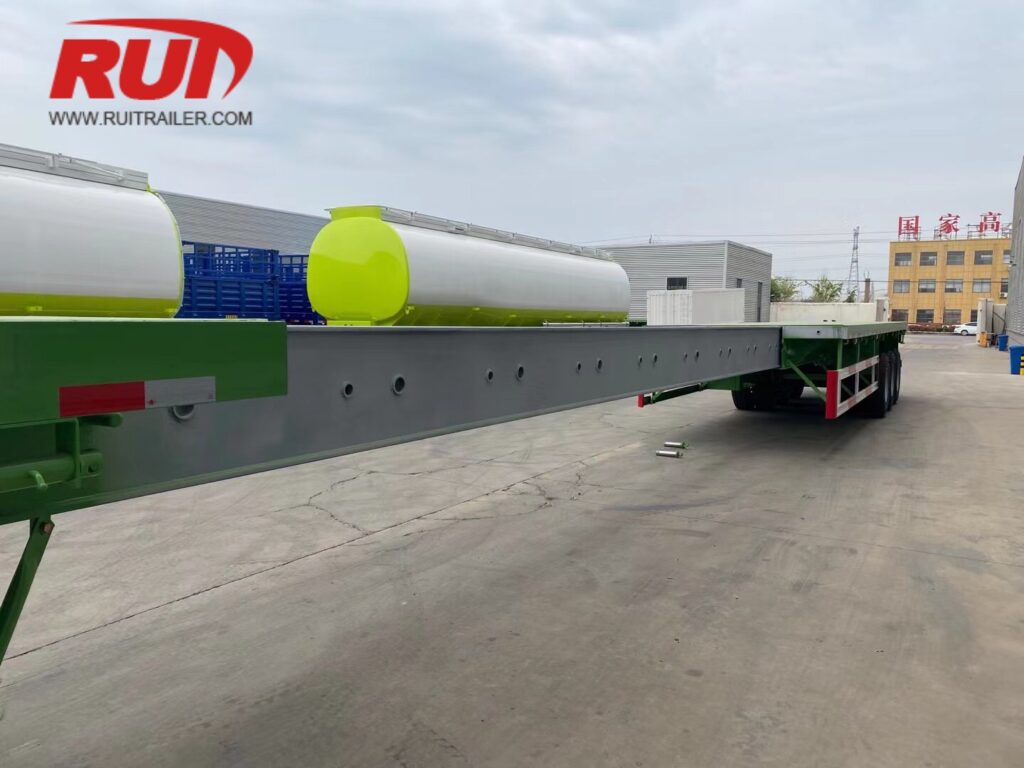
Chúng tôi thiết kế các dòng sơ mi rơ moóc trombone và kéo dài để chuyên chở dầm thép kết cấu, ống dài, bó cốt thép và hàng hóa cồng kềnh tự chịu lực, đồng thời vẫn đảm bảo độ linh hoạt để chạy không tải theo kích thước tiêu chuẩn.
Kích thước khung gầm rút gọn tiêu chuẩn
Khi thu gọn, các dòng moóc sàn kéo dài của chúng tôi phù hợp với cấu hình đường cao tốc tiêu chuẩn để vận hành mà không cần giấy phép vận chuyển hàng siêu trường trên các tuyến đường chạy không tải chiều về:
Mẫu tiêu chuẩn 48 ft: Chiều dài thu gọn 48 ft (14,63 m) với chiều rộng mặt sàn tiêu chuẩn 102 in (2,59 m).
Mẫu tiêu chuẩn 53 ft: Chiều dài thu gọn 53 ft (16,15 m) với chiều rộng mặt sàn tiêu chuẩn 102 in (2,59 m).
Chiều rộng mặt sàn khả dụng: 8 ft 6 in (2,59 m) với các hốc cắm cọc bên, thanh nẹp và hốc giữ ống tích hợp.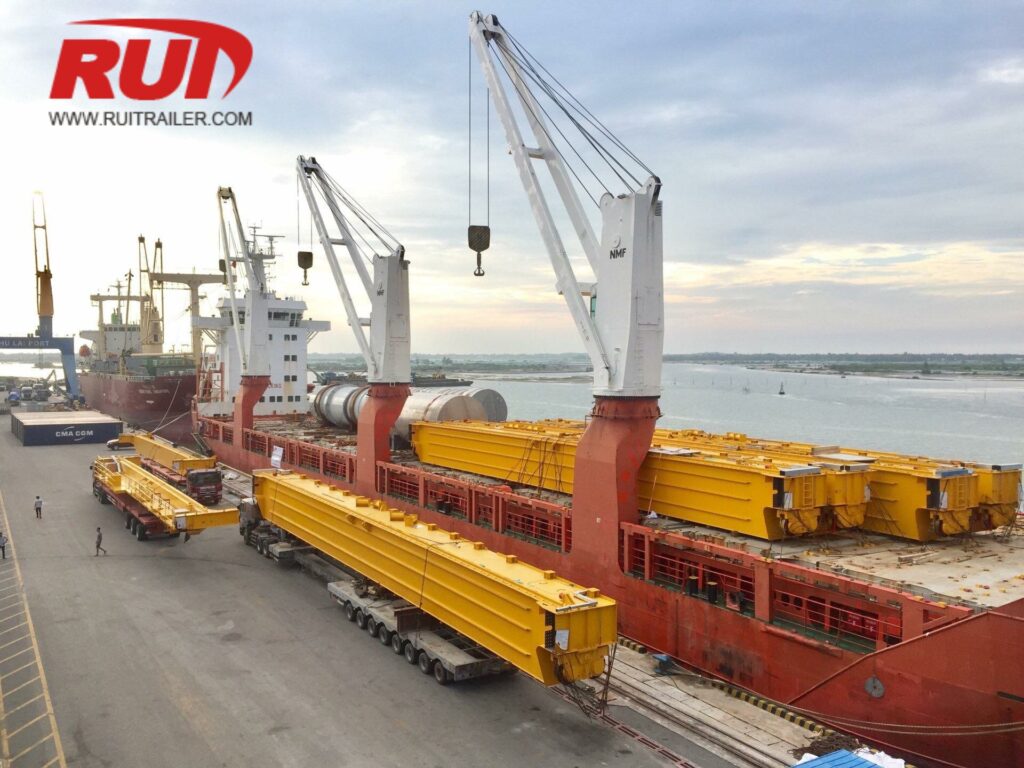
Phạm vi mở rộng một tầng và hai tầng
Để đáp ứng các kích thước siêu dài, chúng tôi sử dụng dầm hộp ống lồng bằng thép cường lực cao, trượt mượt mà trên các đệm chống mòn:
Hệ thống ống lồng một tầng: Kéo dài moóc 48 ft lên đến 80 ft (24,38 m) hoặc moóc 53 ft lên đến 90 ft (27,43 m).
Hệ thống ống lồng hai tầng: Sử dụng hệ thống dầm hộp trung tâm trượt kép giúp kéo dài khung gầm từ 53 ft lên tổng chiều dài 120 ft (36.58 m).
Để biết thêm thông số vận hành cho các chuyến hàng siêu dài khác, hãy xem qua hướng dẫn năng lực tải đa dạng của sơ mi rơ moóc rút dài đánh giá xếp hạng khung qua các khoảng cách khác nhau.
| Chỉ số | 48 ft Một cấp độ | 53 ft Một cấp độ | 53 ft Hai cấp độ |
|---|---|---|---|
| Chiều dài đóng | 48 ft (14,63 m) | 53 ft (16,15 m) | 53 ft (16,15 m) |
| Chiều dài tối đa khi mở rộng | 80 ft (24,38 m) | 90 ft (27,43 m) | 120 ft (36,58 m) |
| Chiều rộng boong tàu | 102 in (2,59 m) | 102 in (2,59 m) | 102 in (2,59 m) |
| Chiều cao sàn khi tải | 59 in (1.498 mm) | 60 in (1.524 mm) | 61 in (1.549 mm) |
| Khoảng cách khóa chốt | 2 ft / 5 ft (0,6 m / 1,5 m) | 2 ft / 5 ft (0,6 m / 1,5 m) | 2 ft / 5 ft (0,6 m / 1,5 m) |
Hồ sơ chiều cao boong trên lốp 22,5 inch
Chạy trên lốp radial tải nặng tiêu chuẩn 295/75R22.5 hoặc 11R22.5, chiều cao boong mở rộng của chúng tôi được tối ưu hóa để tải trực tiếp bằng xe nâng và cần cẩu:
Chiều cao boong không tải: 61 inch đến 63 inch (1.549 mm đến 1.600 mm) tại hệ thống treo phía sau.
Chiều cao sàn khi tải: Ổn định giữa 59 inch và 60 inch (1.498 mm đến 1.524 mm) dưới tải trọng trục hợp pháp tiêu chuẩn.
Khoảng cách dưới khung xe: 14 inch đến 18 inch (355 mm đến 457 mm) dưới dầm trung tâm telescopic tại giữa khung.
Khoảng cách và vị trí cố định chốt khí nén
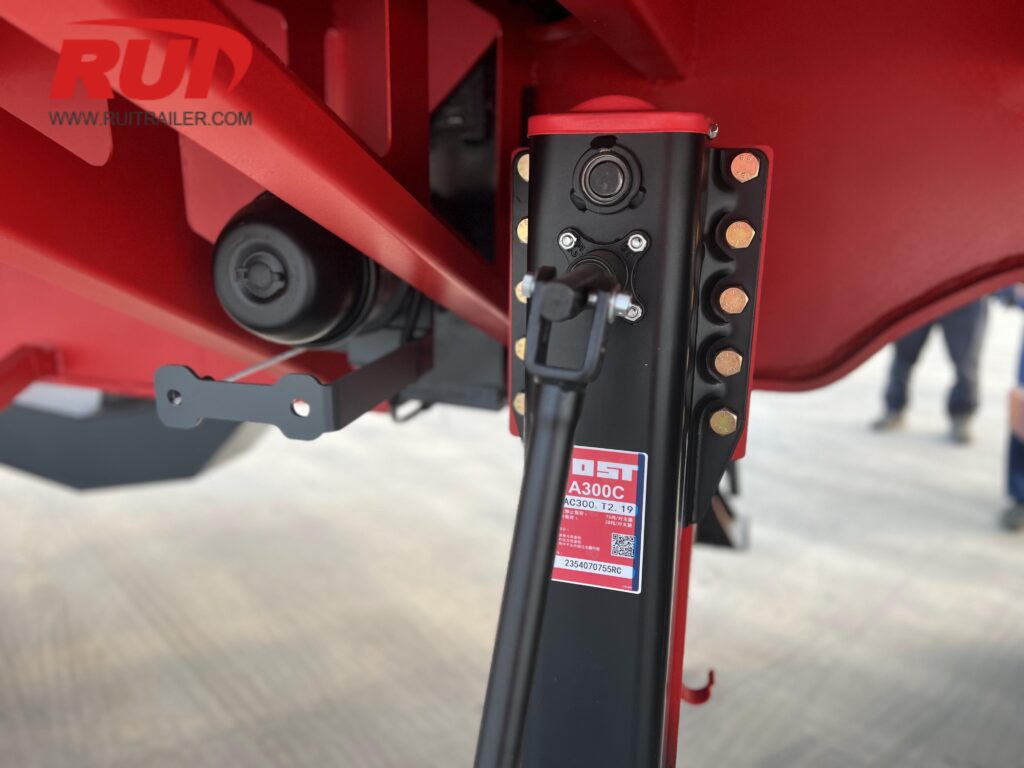
Hệ thống khung telescopic của chúng tôi có các chốt cố định khí nén chịu tải nặng được điều khiển trực tiếp từ bảng van phía người lái hoặc qua các công tắc khí nén trong cabin:
Khoảng cách cố định: Các chốt dừng khoan chính xác được định vị mỗi 24 inch (610 mm) hoặc 60 inch (1.524 mm) dọc theo dầm hộp cấu trúc chính.
Dây dẫn trong chuỗi năng lượng: Các chuỗi e-chains kín hoàn toàn bảo vệ các đường ống phanh khí và dây điện khỏi bị kẹp, mắc vào hoặc kéo căng khi khung mở và đóng.
Phát hành bằng khí nén: Các khóa an toàn có lò xo đảm bảo các chốt giữ chặt cơ học ngay cả khi mất áp lực khí trong quá trình vận chuyển.
Kích thước Bệ Bước Có Thể Mở Rộng và Bệ Hạ Drop Deck
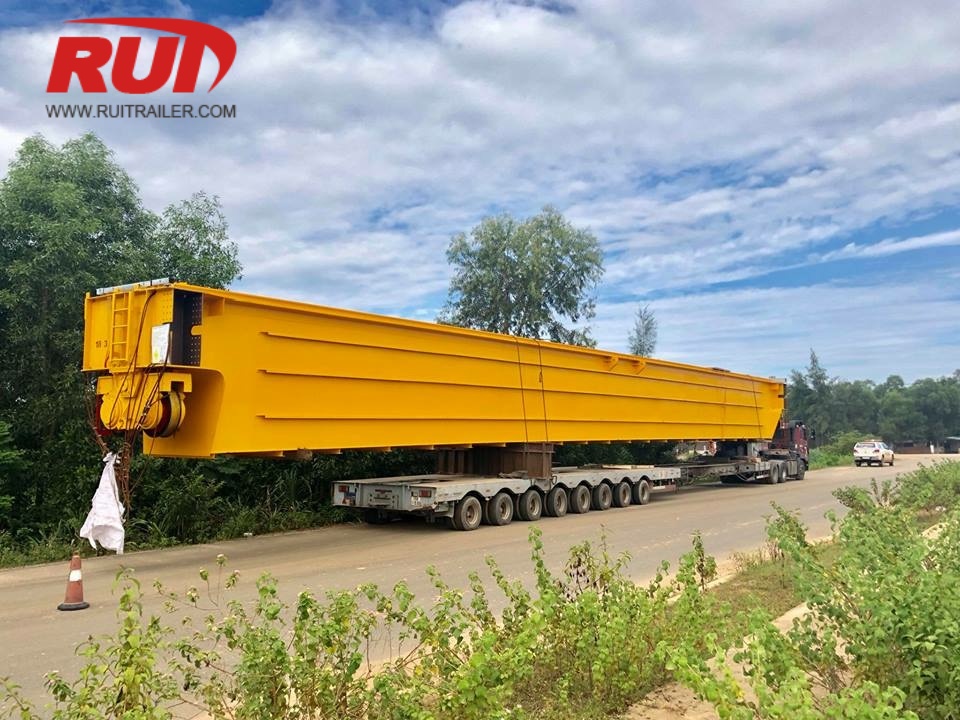
Các trailer bệ bước mở rộng (drop deck) của chúng tôi giải quyết thách thức vận chuyển hàng dài quá cao so với mặt bằng phẳng tiêu chuẩn. Bằng cách hạ thấp trọng tâm và cung cấp chiều dài deck biến đổi, những trailer này cho phép bạn vận chuyển hàng công nghiệp cao, tự đứng vững trong khi vẫn nằm trong giới hạn thông qua tiêu chuẩn.
Chiều Dài Bệ Trên so với Kích Thước Hầm Dưới Có Thể Mở Rộng
Bố trí khung gầm chia không gian deck sử dụng thành một bệ trên cố định và một hầm dưới telescopic:
- Bệ Trên (Khu Vực Gối): Thông thường dài từ 10 ft đến 11 ft (3.048 mm đến 3.353 mm), cung cấp chiều cao deck tải tiêu chuẩn 60 in (1.524 mm) để hỗ trợ vận chuyển thiết bị, rigging hoặc hàng phụ nhỏ hơn.
- Hầm Dưới Đóng: Cung cấp chiều dài deck rõ ràng cơ bản từ 37 ft đến 42 ft (11.278 mm đến 12.800 mm).
- Hầm Dưới Mở Rộng: Các dầm trung telescopic một cấp mở rộng deck chính lên đến 63 ft–75 ft (19.200 mm đến 22.860 mm), tổng chiều dài trailer mở rộng lên tới 86 ft (26.212 mm).
+------------------+----------------------------------------------------+
| Bệ Trên Cố Định | Hầm Dưới Mở Rộng (Deck Chính) |
| 10 ft - 11 ft | Đóng: 37 ft - 42 ft ===> Kéo dài: Lên tới 75 ft |
+------------------+----------------------------------------------------+
Chiều Cao Deck Thấp để Tăng Khoảng Trống Cao Cho Hàng Cao
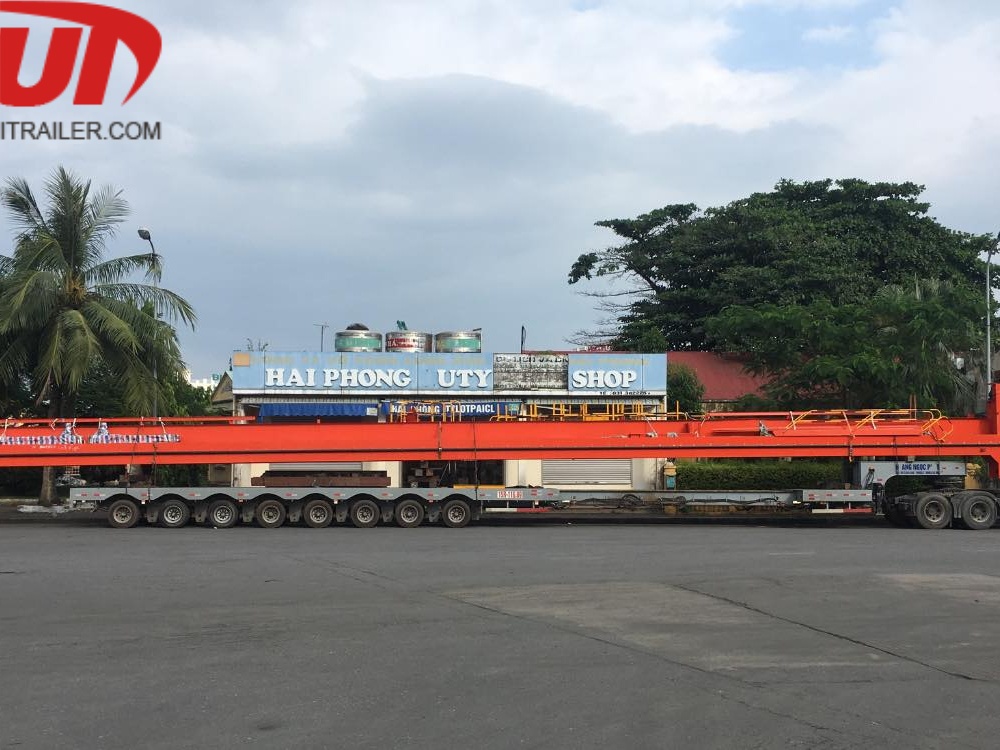
Chiều cao deck dưới giúp bạn có khoảng trống hợp pháp để vận chuyển máy móc cao, tàu thuyền, và các thành phần cấu trúc. Các thông số kỹ thuật tiêu chuẩn của trailer drop deck mở rộng của chúng tôi cung cấp chiều cao deck dưới khi tải từ 34 in đến 40 in (864 mm đến 1.016 mm) trên lốp thấp profile 255/70R22.5.
Khi cần khoảng trống cao cực đoan, chúng tôi thiết kế các cấu hình siêu thấp sử dụng bộ truyền động 17.5 inch để hạ thấp chiều cao deck tải xuống còn 30 in đến 33 in (762 mm đến 838 mm). Đối với các ứng dụng cực đoan yêu cầu hồ sơ mặt đất thấp hơn nữa, chúng tôi cũng sản xuất các thiết bị chuyên dụng như trailer modular deck profile thấp thiết kế cho giới hạn trần cao nghiêm ngặt.
Thông số kỹ thuật chiều dài của sàn rơi có thể mở rộng
| Thông số Kỹ Thuật Theo Đơn Vị Metric | Tiêu chuẩn Imperial | Tiêu chuẩn Đo mét |
|---|---|---|
| Chiều dài tổng thể (Đóng) | 48 ft / 53 ft | 14.630 mm / 16.154 mm |
| Chiều dài tổng thể (Mở rộng hoàn toàn) | 75 ft đến 86 ft | 22.860 mm đến 26.212 mm |
| Chiều dài khoang chính (Mở rộng) | Lên đến 75 ft | Lên đến 22.860 mm |
| Chiều cao khoang chứa hàng khi đã tải | 34 in đến 40 in | 864 mm đến 1.016 mm |
| Chiều rộng sàn tiêu chuẩn | 8 ft 6 in (102 in) | 2.590 mm |
| Chiều rộng mở rộng của chân đế chống nghiêng | Lên đến 10 ft 6 in | Lên đến 3.200 mm |
| Khoảng sáng gầm xe (khi tải) | 8 in đến 10 in | 203 mm đến 254 mm |
Khoảng cách hạ thấp của cổ gà và khoảng trống đuôi hươu
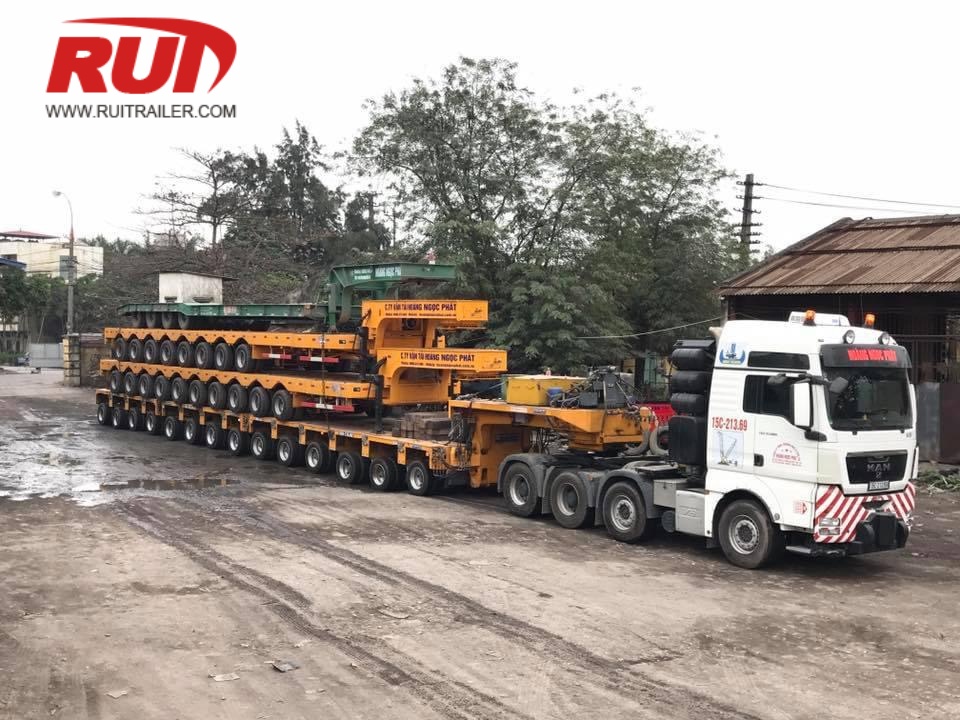
- Độ dốc chuyển tiếp hạ thấp: Được xây dựng với chuyển tiếp góc 45 độ hoặc 90 độ sạch sẽ từ boong trên xuống boong dưới. Thiết kế này ngăn chặn tải trọng cấu trúc dài bị kẹt trung tâm cao trong quá trình vận chuyển.
- Chuyển tiếp bánh xe phía sau: Một chuyển tiếp thuôn dài đến bộ truyền động phía sau đảm bảo rằng thiết bị dài vượt qua hầm không bị mắc kẹt trên khung trục sau.
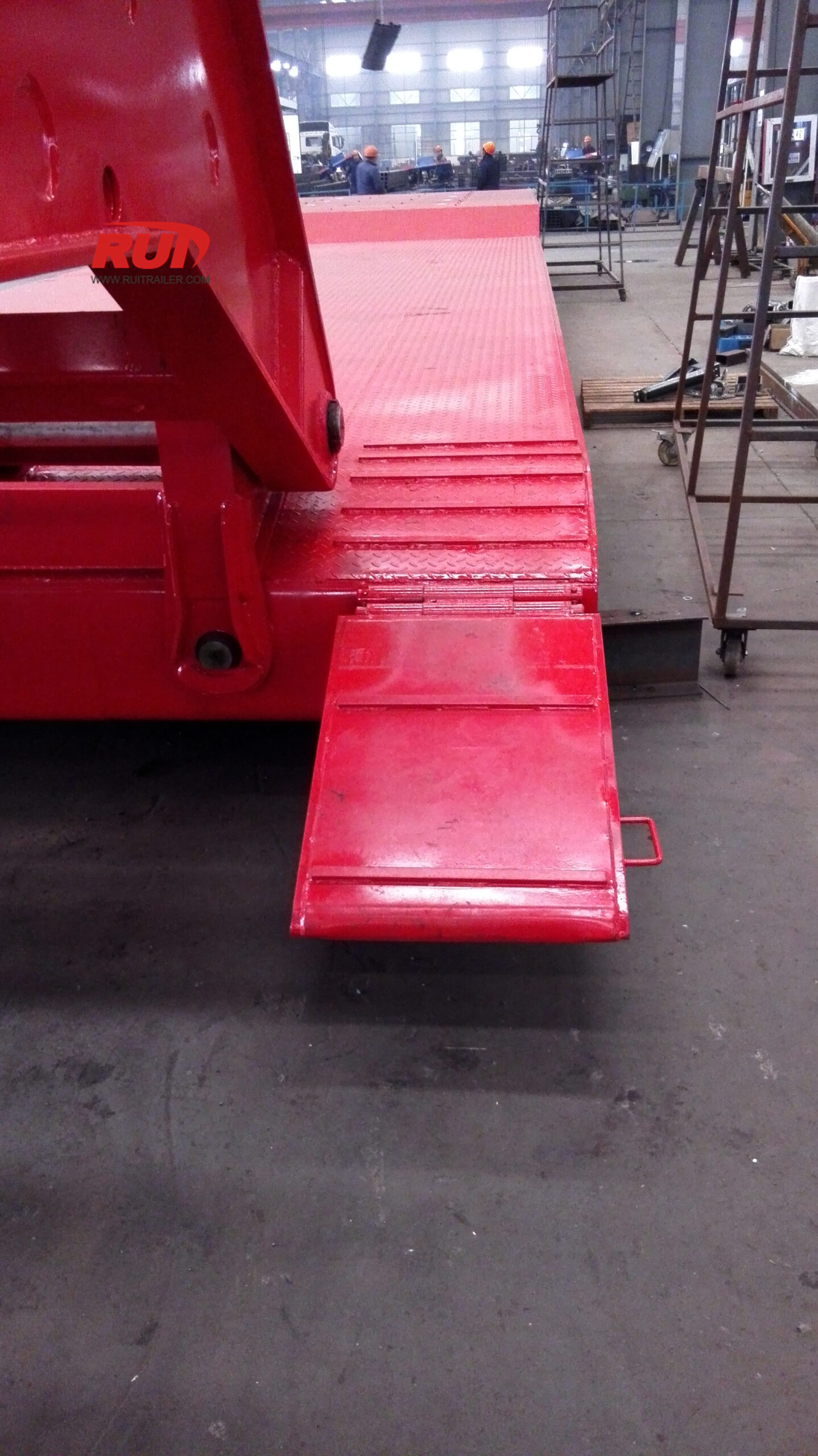
- Tùy chọn đuôi hươu và dốc lên: Các đuôi beaver phía sau tùy chọn dài từ 4 ft đến 5 ft (1.219 mm đến 1.524 mm) với các dốc nâng trợ lực bằng lò xo hoặc thủy lực chịu tải nặng cung cấp góc tải từ 14 đến 16 độ cho thiết bị lên xuống.
Kích thước của Xe kéo Lowboy và RGN có thể mở rộng
Khi vận chuyển hàng hóa cao, tự đứng vững như lò hơi công nghiệp, thành phần nhà máy lọc dầu hoặc máy móc nặng, việc kết hợp chiều cao sàn thấp với chiều dài có thể điều chỉnh là điều cần thiết. Các nền thấp kéo dài và nền gắn rời của chúng tôi giải quyết các hạn chế về chiều cao dọc trong khi vẫn phù hợp với chiều dài trục bánh xe kéo dài. Để khám phá các cấu hình nền tiêu chuẩn, hãy xem hướng dẫn toàn diện của chúng tôi hướng dẫn về các loại, thông số kỹ thuật và công dụng của xe kéo lowboy.
Chiều dài sàn rõ ràng từ 26 ft khi đóng đến 65 ft khi mở rộng
Khoảng trống sàn chính cung cấp nền tảng chính cho hàng hóa nặng tập trung. Chúng tôi kích thước lowboy có thể mở rộng cung cấp các giai đoạn chiều dài tiêu chuẩn sau:
- Khoảng trống cơ sở thu gọn: 26 ft đến 30 ft (7,92 m đến 9,14 m) cho các chuyến đi khu vực tiêu chuẩn và vận chuyển trống rỗng.
- Khoảng cách mở rộng hoàn toàn: 50 ft đến 65 ft (15,24 m đến 19,81 m) không gian sàn rõ ràng cho các cấu trúc dài.
- Chiều dài tổng thể: Mở rộng từ 53 ft (16,15 m) khi đóng đến hơn 90 ft (27,43+ m) bao gồm các bộ gối đỡ gooseneck và bộ gối đỡ phía sau tandem/tridem.
Hình dạng độ cao mặt đất siêu thấp (18 inch đến 24 inch)
Giảm thiểu độ cao của mặt sàn giúp có thêm không gian dưới cầu đường cao tốc và dây điện:
- Chiều cao sàn khi tải: 18 inch đến 24 inch (457 mm đến 610 mm) dưới tải trọng đầy tải.
- Khoảng cách gầm xe khi tải: 4 inch đến 6 inch (102 mm đến 152 mm) để di chuyển, được thiết kế để tránh va chạm đáy khi qua đường ray và giao lộ không bằng phẳng.
- Các biến thể thiết kế boong tàu: Hố trũng phẳng, dầm hạ bên hoặc cấu hình dầm và giằng cho việc nâng đỡ hàng hóa cực cao.
Chèn trượt dầm chính và khóa chốt thủy lực
Chạy trượt dưới tải trọng nặng yêu cầu cơ chế khóa cấu trúc chắc chắn. Chúng tôi chế tạo các hố mở rộng này với các dầm hộp cấu trúc chịu lực cao và hệ thống khóa chính xác:
| Thông số kích thước | Thông số theo hệ Imperial | Thông số theo hệ Mét |
|---|---|---|
| Chiều dài hố thu gọn | 26 ft – 30 ft | 7.92 m – 9.14 m |
| Chiều dài hố mở rộng tối đa | 50 ft – 65 ft | 15.24 m – 19.81 m |
| Chiều cao boong hàng khi đã chất tải | 18 in – 24 in | 457 mm – 610 mm |
| Khoảng sáng gầm xe (khi chở hàng) | 4 in – 6 in | 102 mm – 152 mm |
| Khoảng cách chốt khóa | Mỗi 24 inch đến 60 inch | Mỗi 600 mm đến 1.500 mm |
- Dầm trong và dầm ngoài cường độ cao: Được chế tạo từ thép cường độ cao để chốngõ võng trên các nhịp dài mà không làm tăng trọng lượng tĩnh.
- Chốt chặn khí nén và thủy lực: Các chốt khóa có lực cắt cao khớp chắc chắn tại các khoảng gia cố xác định dọc theo trục mở rộng.
- Chuyển tiếp tháo lắp mượt mà: Kết nối liền mạch với thiết kế cổ phía trước của chúng tôi, phù hợp với tính linh hoạt trong vận hành có trong dòng dòng rơ-moóc cổ ngỗng tháo rời RGN của chúng tôi.
Kích thước rơ-moóc chở cánh quạt ống lồng đa tầng
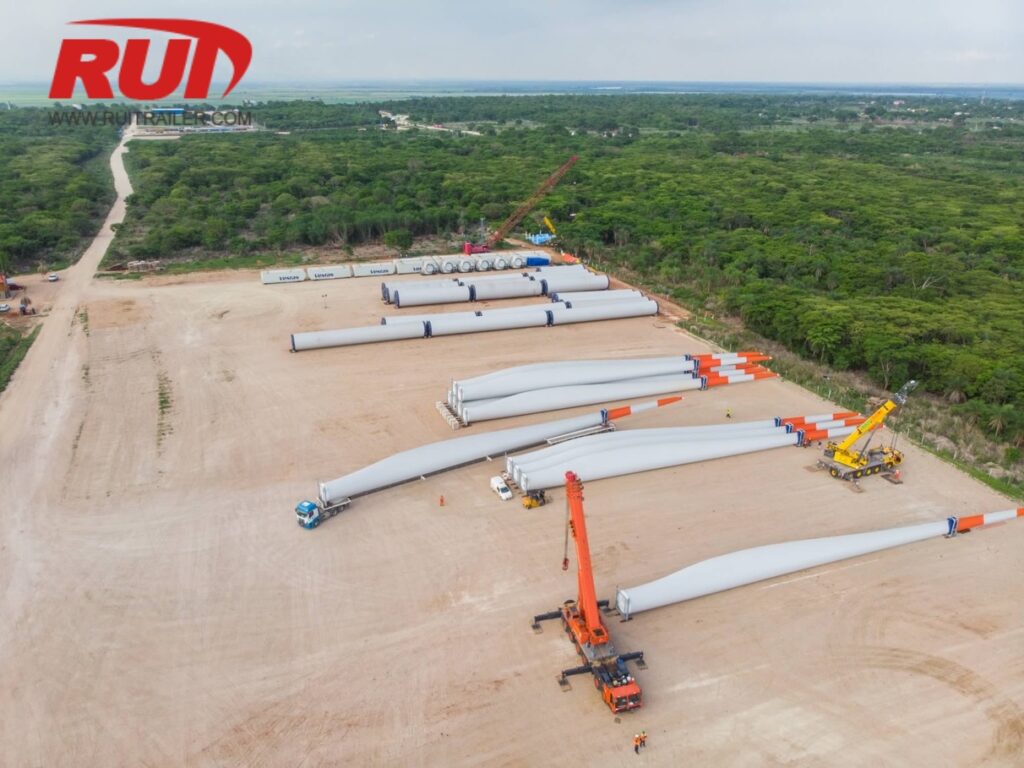
Việc vận chuyển các cánh tuabin gió trên bờ hiện đại đòi hỏi tầm với cực lớn và độ ổn định xoắn. Chúng tôi thiết kế các dòng rơ-moóc chở cánh quạt ống lồng đa tầng để xử lý chiều dài cánh quạt lớn trong khi vẫn duy trì sự tuân thủ nghiêm ngặt các quy định đường bộ trong các chuyến về không tải.
Động lực mở rộng thụt telescopic nhiều giai đoạn
Khung gầm trailer telescopic nhiều giai đoạn của chúng tôi sử dụng các dầm mở rộng 3 giai đoạn, 4 giai đoạn và 5 giai đoạn điều chỉnh linh hoạt dựa trên chiều dài lưỡi cắt:
- Chiều dài khi đóng: 65 ft đến 72 ft (19.8 m đến 21.9 m) cho vận chuyển trống hợp pháp.
- Chiều dài mở rộng tối đa: Mở rộng liền mạch từ 175 ft đến hơn 230 ft (53.3 m đến trên 70 m).
- Các bước khóa trung gian: Các chốt khóa khí nén tự động giữ các phần telescopic cố định tại các khoảng cách tùy chỉnh mỗi 3 ft đến 5 ft (0.9 m đến 1.5 m).
- Cấu hình trục xe phía sau: 3 đến 6 trục trục thủy lực pendular cung cấp bán kính quay hẹp và hệ thống lái tự theo dõi.
Đối với cấu hình tuyến đường khu vực, triển khai một rơ moóc cánh quạt turbine gió đảm bảo tổng chiều dài tổ hợp của bạn nằm trong phạm vi làn đường cho phép trong khi vượt qua các điểm chật hẹp trên đường.
Hình dạng hộp thép xoắn
Các khoảng mở rộng cực đoan tạo ra các mô men uốn nghiêm trọng. Chúng tôi xây dựng xương sống trung tâm bằng hình dạng hộp thép chịu lực cao, được chế tạo từ thép cấu trúc chịu lực cao:
- Khả năng chống chịu của khung gầm: Xương sống trung tâm kín ngăn chặn lệch hướng ngang và loại bỏ xoắn vặn của khung gầm qua các khoảng vượt quá 200 ft (61 m).
- Các đường dây/cáp bên trong: Chuỗi năng lượng chạy bên trong qua các dầm telescopic, bảo vệ các đường thủy lực và dây điện khỏi bị kẹt hoặc bụi bẩn trên đường trong quá trình telescoping.
| Thông số kỹ thuật | Tiêu chuẩn Imperial | Tiêu chuẩn Đo mét |
|---|---|---|
| Chiều dài tổng thể khi rút lại | 65 ft 7 in | 20.000 mm |
| Chiều dài tổng thể khi mở rộng hoàn toàn | 232 ft 11 in | 71.000 mm |
| Các giai đoạn mở rộng | Thang telescoip 3 đến 5 giai đoạn | Thang telescoip 3 đến 5 giai đoạn |
| Chiều cao sàn tải khi đã chất hàng (Bogie phía sau) | 37 in đến 41 in | 950 mm đến 1.050 mm |
| Chiều rộng khung gầm | 8 ft 4 in đến 9 ft 10 in | 2.550 mm đến 3.000 mm |
Kích thước bàn xoay thủy lực và bộ điều chỉnh gốc lưỡi cắt
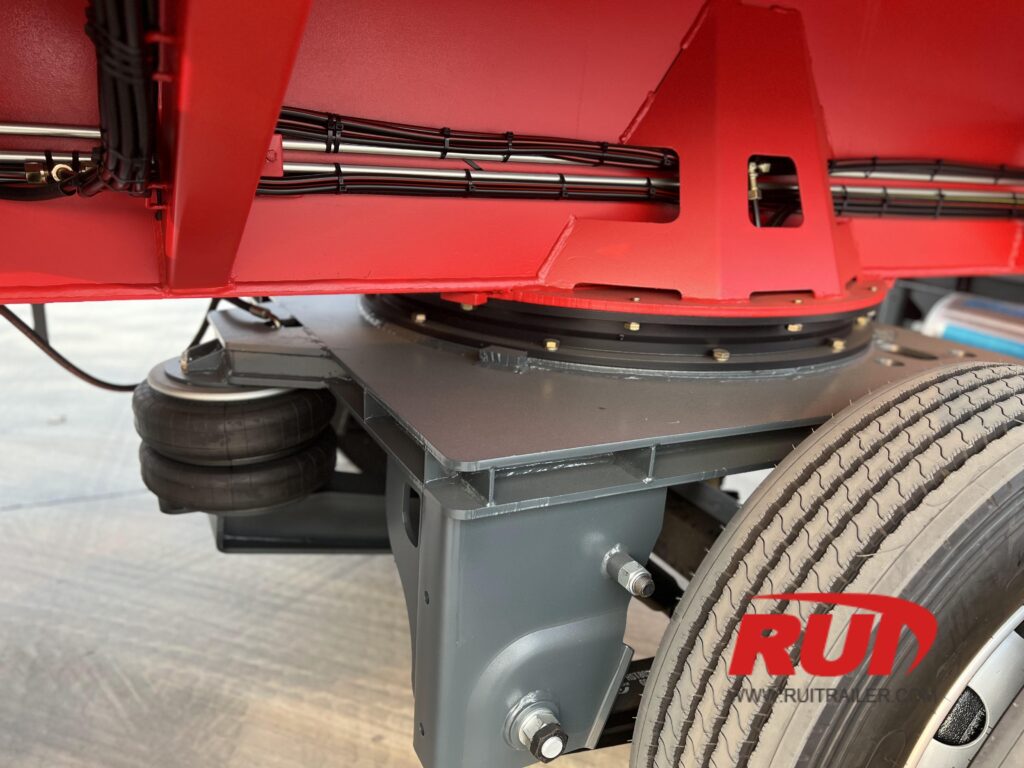
Đường kính gốc cuối cố định yêu cầu các giao diện gắn chắc chắn để hấp thụ lực gia tốc và lực phanh:
- Bàn xoay tích hợp: Các bộ đỡ trượt thủy lực hấp thụ ma sát vận chuyển và bù đắp độ uốn cong của lưỡi cắt trên địa hình không bằng phẳng.
- Thiết bị kẹp gốc: Bộ điều chỉnh gốc tròn bolt-circle đa năng phù hợp với các đường kính gốc lưỡi cắt tiêu chuẩn từ 9.8 ft đến 14.8 ft (3.0 m đến 4.5 m).
- Khả năng điều khiển địa hình cực đoan: Đối với các tuyến đường tiếp cận nhà máy điện gió miền núi, kết hợp khung gầm với một bộ chuyển đổi lưỡi quay cho phép góc nghiêng cánh quạt lên đến 60 độ và xoay 360 độ để vượt qua hàng cây và các đường cong dốc hẹp.
Thông số về chiều rộng, khoảng sáng và độ lệch cấu trúc
Việc kiểm soát tổng chiều rộng, khoảng sáng của xe kéo và độ lệch của khung gầm giữa các trục là điều cần thiết khi cấu hình thiết bị kéo dài trọng tải nặng. Khi kích thước của xe kéo mở rộng dài hơn, việc quản lý hình học cấu trúc đảm bảo thiết bị vẫn hợp pháp, ổn định và không chạm vào mặt đường dưới tải trọng tối đa.
Đánh giá chiều rộng khung gầm và các chân chống mở rộng
Các nền tảng mở rộng tiêu chuẩn có chiều rộng vận chuyển cơ bản là 8 ft 6 in (2,59 m / 2.590 mm) để tuân thủ quy định không cho phép vận chuyển trên đường cao tốc. Đối với hàng hóa quá khổ, thiết bị nặng và máy móc có footprint rộng, chúng tôi tích hợp các chân chống mở rộng chịu tải nặng (giá đỡ bên) dọc theo các dầm viền.
- Chiều rộng cơ bản tiêu chuẩn: 8 ft 6 in (2,59 m / 2.590 mm)
- Chiều rộng chân chống mở rộng: 10 ft 0 in đến 12 ft 0 in (3,05 m đến 3,66 m / 3.050 mm đến 3.660 mm)
- Khả năng chịu tải của chân chống: Được đánh giá để hỗ trợ tải trọng phân phối theo chu vi sử dụng các tấm chống đỡ bằng gỗ cứng hoặc nhôm nặng.
| Thông số kỹ thuật | Tiêu chuẩn Imperial | Hệ mét (ISO) | Ứng dụng / Chức năng |
|---|---|---|---|
| Chiều rộng sàn cơ sở | 8 ft 6 in (102 in) | 2.590 mm | Chiều rộng làn đường hợp pháp tiêu chuẩn |
| Chiều rộng mở rộng của chân đế chống nghiêng | 10 ft 0 in – 12 ft 0 in | 3.050 mm – 3.660 mm | Hỗ trợ máy móc và tàu thuyền rộng |
| Bán kính quay của cần gật gù | 84 in – 110 in | 2.134 mm – 2.794 mm | Khoảng cách rãnh cabin và khung cho xe kéo nhiều trục |
| Cài đặt lùi vị của kingpin | 16 in, 24 in, 36 in | 406 mm, 610 mm, 914 mm | Tối ưu hóa phân phối trọng lượng trục dẫn của tractor |
| Cung trước uốn cong | 1.5 in – 3.5 in | 38 mm – 89 mm | Biện pháp chống lệch dưới khung tải trọng tải |
Bán kính quay của cổ gà, cài đặt Kingpin, và khoảng sáng của xe kéo
Khoảng cách phù hợp giữa khung xe, cabin ngủ, và cổ trailer ngăn chặn tiếp xúc trong các thao tác quay chặt. Chúng tôi thiết kế các kingpin thương mại có thể điều chỉnh, nhiều vị trí (tùy chọn 2 inch / 50.8 mm và 3.5 inch / 88.9 mm) phù hợp với các chiều dài cơ sở của xe kéo đa dạng và nhóm trục sau.
- Vị trí Kingpin đôi: Các tấm nền có thể điều chỉnh hai mức cho phép điều chỉnh nhanh giữa các khoảng lùi 16 inch (406 mm) và 36 inch (914 mm).
- Khoảng sáng của cổ gà: Các hồ sơ quay được thiết kế từ 84 inch đến 110 inch (2.134 mm đến 2.794 mm) phù hợp với các xe kéo tải nặng 3 trục và 4 trục, tích hợp mượt mà với các cấu hình như xe chở hàng thấp gập cổ gáo để tránh khung thắng sau và chắn bùn.
Kỹ thuật Cột Chính Tiên Phong Có Tiền Uốn để Chống Sụp Giữa Khung
Khi một dầm telescopic mở rộng đến các khung dài, các mô men uốn tự nhiên tăng lên. Nếu không có thiết kế phù hợp, sự uốn cong này gây ra sụp cấu trúc ở giữa trailer, làm giảm khoảng sáng gầm tải trọng xuống dưới mức an toàn và gây nguy cơ va chạm mặt đất qua các điểm giao cắt đường ray và đỉnh đường.
- Hình dạng cung phía trên tích hợp: Chúng tôi chế tạo cột chính trung tâm của mình với độ uốn trước tích cực (một cung phía trên từ 1.5 inch đến 3.5 inch / 38 mm đến 89 mm khi trống).
- Kiểm soát lệch khi tải: Khi trailer chở hàng tập trung ở mức mở rộng tối đa, sự uốn cong được thiết kế kéo sàn xuống thành một mặt phẳng phẳng, cân đối.
- Chất liệu thép cường độ cao: Được chế tạo bằng các dầm hộp thép chịu lực cao, khung xe chống biến dạng vĩnh viễn và duy trì toàn bộ tính toàn vẹn cấu trúc qua các chiều dài mở rộng khác nhau.
Khoảng cách trục, hình học lái, và tuân thủ luật cầu đường
Khi mở rộng kích thước trailer có thể mở rộng đối với tải trọng cực lớn, việc quản lý phân phối trọng lượng và khả năng điều khiển trở nên vô cùng quan trọng. Việc kéo dài chiều dài cơ sở thay đổi tải trọng trục theo Công thức Cầu đường liên bang, yêu cầu các phân bố nhóm trục cụ thể và cơ chế điều hướng chủ động để vẫn hợp pháp trên đường và dễ điều khiển.
Cấu hình Nhóm Trục Theo Công Thức Cầu Đường
Kéo dài khung xe làm thay đổi khoảng cách giữa các cầu bên trong, thay đổi giới hạn trọng lượng hợp pháp của trục trên các mạng lưới đường cao tốc. Chúng tôi thiết kế các bộ treo sau của mình với các bố trí khoảng cách linh hoạt:
Phân bố Trục Đôi & Trục Ba Tiêu Chuẩn: Khoảng cách trục cố định hoặc trượt đặt tại 54 in (1.370 mm), 60 in (1.524 mm), hoặc 72 in (1.829 mm) để tối ưu hóa trọng lượng tổng thể của xe (GVWR).
Cấu hình Phân bố Rộng & Bốn Trục: Khoảng cách lên tới 108 in (2.743 mm) hoặc nhóm trục modular 4 trục để phân bổ đều trọng lượng tập trung qua các cầu đường.
Tối ưu hóa Trọng lượng Không Tải: Thiết lập chính xác khoảng cách từ kingpin đến trục trung tâm để đảm bảo tuân thủ các công thức cầu đường khu vực mà không quá tải các trục dẫn động của tractor.
+------------------------------------------------------------------------------------+
| Chiều dài cơ sở rút / kéo dài | Tuân thủ Công thức Cầu Đường | Phân chia Trọng lượng Nhóm Trục |
+------------------------------------------------------------------------------------+
| 48 ft (14.6 m) đóng | Giới hạn hợp pháp tiêu chuẩn | Trục đôi 50/50 trực tiếp |
| 80-120+ ft (24.4-36.5+ m) mở | Cầu đường quá khổ được phép | Phân bổ chủ động |
+------------------------------------------------------------------------------------+
Hệ Thống Định Hướng Thủy Lực (Góc lên đến 55°)
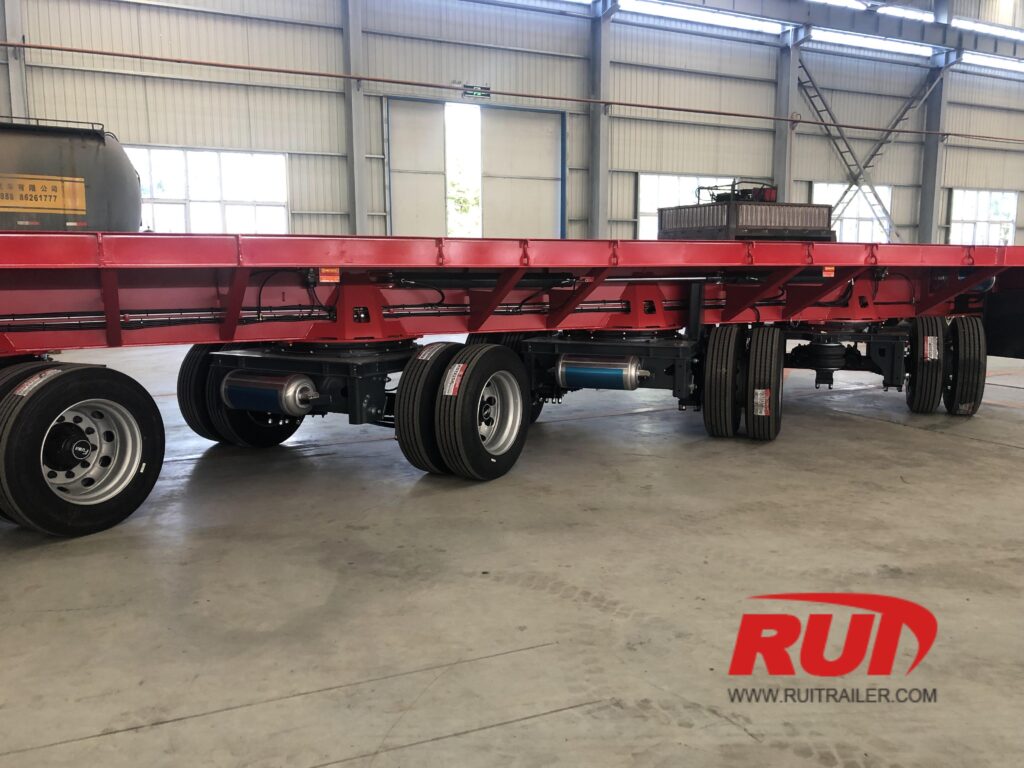
Kích thước của xe kéo dài tạo ra các thách thức nghiêm trọng về trượt lốp và góc cua chặt trên các tuyến đường đô thị hoặc núi. Chúng tôi trang bị cho các xe kéo đa cấp và xe kéo tải trọng nặng của mình hệ thống định hướng góc cao:
Điều khiển Nêm & Bàn xoay: Liên kết định hướng cơ khí-thủy lực đồng bộ hóa góc quay của trục chính của cần kéo với trục sau của xe kéo.
Bán kính quay cực kỳ nhỏ: Trục thủy lực cho các ứng dụng công nghiệp nặng cung cấp góc định hướng tiến bộ lên đến 55 độ, giảm thiểu đáng kể việc theo dõi khi cắt vào đường cua.
Điều khiển Từ xa Không dây: Điều khiển từ xa cầm tay không dây cho phép người vận hành điều hướng các trục sau độc lập ở tốc độ thấp để vượt qua các vòng xoay phức tạp và các công trình chật hẹp.
Triển khai Trục nâng cho các chuyến quay về không tải
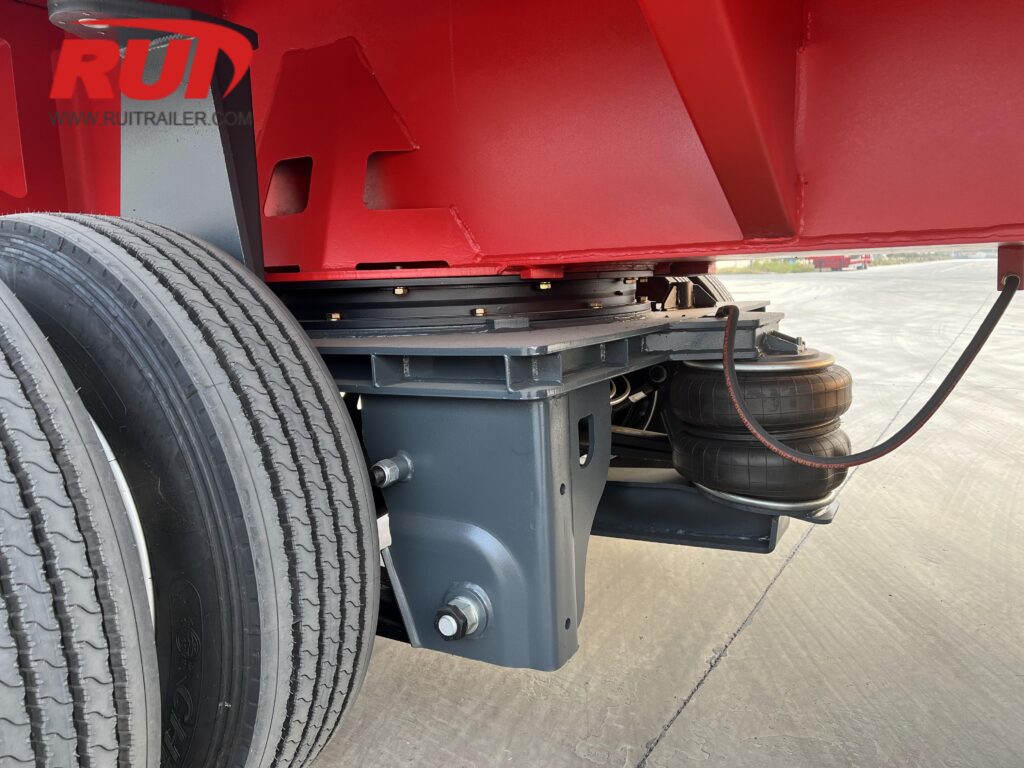
Kéo các bộ phận trục nhiều trục trong các chuyến quay về không tải làm tăng tiêu thụ nhiên liệu và mài mòn lốp.
Hệ thống Nâng khí nén & Thủy lực tự động: Nâng các trục phụ phía trước hoặc phía sau khi chạy rỗng để rút ngắn chiều dài bánh xe tiếp xúc mặt đất.
Giảm Trượt Lốp & Mài mòn: Loại bỏ sự trượt bên của lốp khi cua chặt trong trạng thái trống, tiết kiệm tuổi thọ lốp và giảm phí phân loại phí cầu đường trên các tuyến vận chuyển.
Phù hợp Kích thước Hàng hóa và Kích thước Tải:
Phù hợp diện tích vật lý của tải trọng với kích thước của xe kéo mở rộng đúng cách để tránh quá tải cấu trúc, biến dạng quá mức và vi phạm chiều cao thông gầm. Chúng tôi thiết kế khung telescopic của mình dựa trên ba loại hàng hóa khác nhau:
Bê tông đúc sẵn và Dầm thép cấu trúc
Các dải cấu trúc dài thường tự chịu lực dọc theo chiều dài của chúng nhưng đòi hỏi vị trí hỗ trợ chính xác tại các điểm chịu lực đã định:
Bố trí điểm hỗ trợ: Chúng tôi cấu hình các khoảng khóa của khung gầm rút gọn/kéo dài sao cho các thanh đỡ đặt ngay dưới các điểm nâng được thiết kế của dầm, ngăn ngừa mô-men uốn âm trong quá trình vận chuyển.
Nhịp so với Tải trọng định mức: Xe rà mi-ni sàn kéo dài tiêu chuẩn 53 ft (16,15 m) được kéo dài đến 90 ft (27,43 m) sẽ chuyển tải trọng công việc kết cấu sang phần sống lưng trung tâm. Đối với các cấu kiện thép không tự chống đỡ, bắt buộc phải sử dụng các tấm đệm giữa nhịp hoặc thiết kế khung gầm sống lưng đôi để duy trì giới hạn độ võng hợp pháp dưới 1,5 in (38 mm).
Tháp tuabin gió so với Cánh quạt
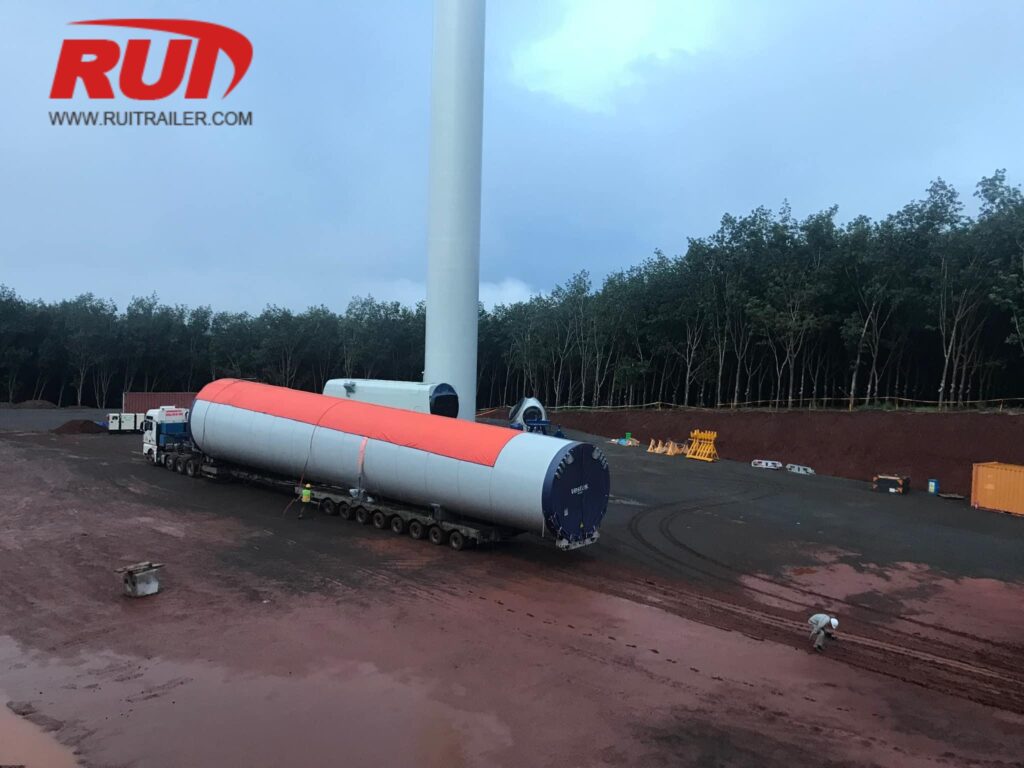
Các linh kiện năng lượng gió đặt ra những thách thức hoàn toàn khác biệt về kích thước:
Các phần của tháp: Các đoạn đế và đoạn giữa có đường kính lớn đòi hỏi năng lực chịu tải tập trung tối đa kết hợp với chiều cao sàn xe siêu thấp (dưới 18 in / 457 mm) để vượt qua các cầu vượt cao tốc. Chúng tôi sử dụng loại xe moóc sàn lùn tải trọng nặng chuyên chở hàng siêu trường siêu trọng với các cấu hình sàn lõm có thể kéo dài để vận chuyển an toàn các tải trọng hình trụ nặng này.
Cánh quạt: Các cánh quạt hiện đại dài từ 70 m đến hơn 100 m (230 ft đến 330 ft) tạo ra trọng lượng trục tối thiểu nhưng lại tạo ra lực văng đuôi và sức gió cắt cực lớn. Chúng tôi chế tạo xe moóc chở cánh quạt kéo dài 3 giai đoạn và 4 giai đoạn vươn tới 240 ft (73,15 m), được tích hợp với bộ chuyển đổi gốc mâm quay và cụm trục sau đánh lái cưỡng bức để di chuyển an toàn qua các khúc cua hẹp.
Tính toán kích thước khoảng sáng gầm trên cao cho Bình chịu áp lực
Các thiết bị công nghiệp, tháp chưng cất phân đoạn và nồi hấp đòi hỏi việc quản lý nghiêm ngặt kích thước theo chiều dọc:
Tính toán chiều cao vận chuyển: Tổng chiều cao vận chuyển bằng đường kính ngoài của thiết bị cộng với chiều cao yên đỡ và khoảng sáng gầm sàn xe khi có tải.
Tối ưu hóa sàn xe: Để vận chuyển một bồn chứa đường kính 12 ft (3,66 m) dưới gầm cầu vượt tiêu chuẩn 14 ft 6 in (4,42 m), chiều cao sàn xe khi có tải không được vượt quá 24 in (610 mm). Đối với những tải trọng cực lớn này, chúng tôi cấu hình các loại sàn lõm kéo dài biên dạng thấp có thể hạ xuống khoảng sáng gầm từ 12 in đến 15 in (305 mm đến 381 mm) khi chịu tải toàn phần.
Năng lực Kỹ thuật và Chế tạo Xe moóc Kéo dài Tùy chỉnh
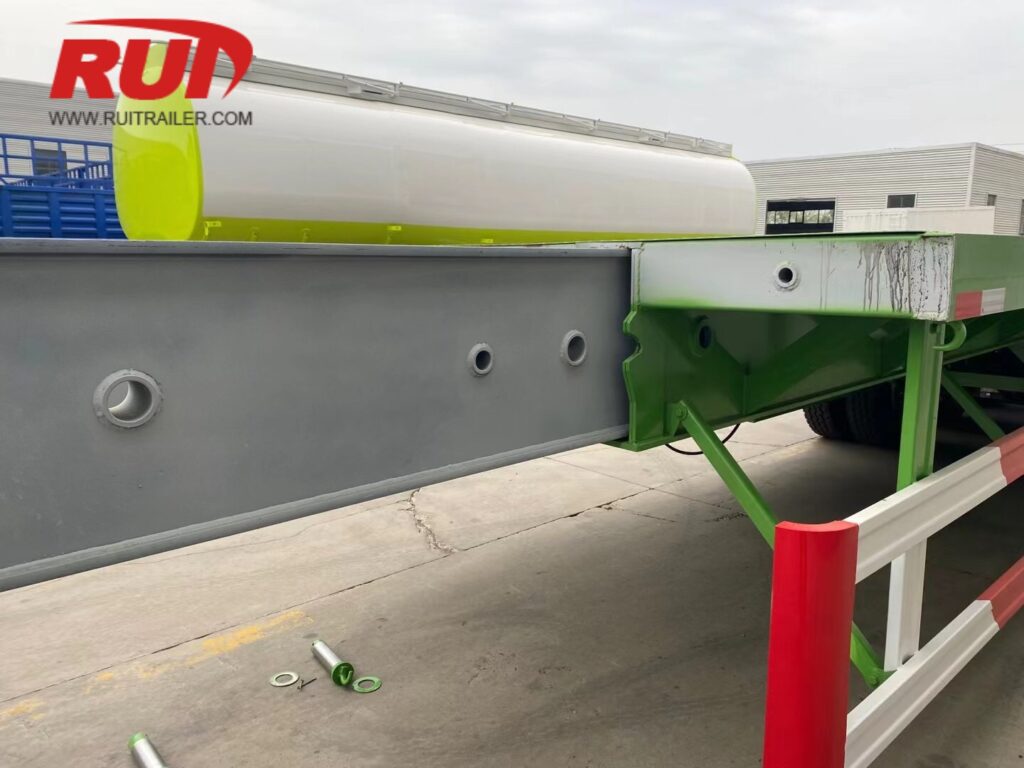
Chúng tôi thiết kế và chế tạo các loại xe moóc kéo dài chuyên chở hàng siêu trường siêu trọng để phù hợp chính xác với diện tích chân đế hàng hóa, luật giao thông đường bộ về cầu đường tại Việt Nam, và các yêu cầu tải trọng cực hạn. Khi các thông số kỹ thuật tiêu chuẩn có sẵn không đáp ứng được giới hạn vận hành của quý khách, đội ngũ kỹ thuật của chúng tôi sẽ tùy chỉnh từng chỉ số kích thước từ đầu.
Khung Thép Tải Trọng Cao
Để tối đa hóa tải trọng hàng hóa trong khi giảm thiểu trọng lượng không tải, chúng tôi chế tạo khung gầm xe kéo mở rộng của mình bằng thép cấu trúc có độ chịu lực cao:
Thép Q690 & HG785: Các loại thép cấu trúc cường độ cao được áp dụng cho các dầm hộp trung tâm và ống telescopic bên trong để ngăn ngừa sụt lún giữa nhịp khi mở rộng.
Strenx 700 / Weldox: Các tấm thép có độ chịu lực cực cao được sử dụng trong các phần mặt bích chịu tải cao và các chuyển tiếp cổ gà để chống mệt mỏi cực đoan.
Kiểm soát uốn cong tối ưu: Thiết kế trước độ nghiêng tích hợp trực tiếp vào trục chính để đảm bảo mặt sàn luôn phẳng hoàn toàn dưới tải trọng tập trung đầy đủ.
Chuyến mở rộng thủy lực tùy chỉnh và điều khiển chốt tự động
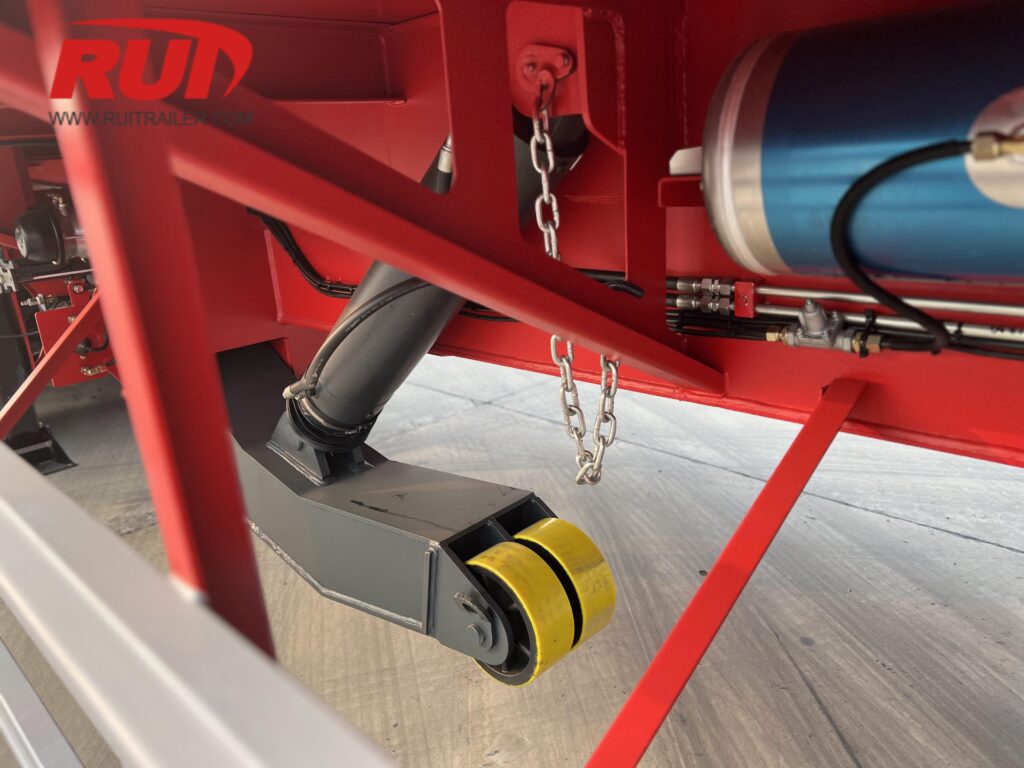
Chúng tôi thiết kế các cơ chế kéo dài phù hợp với quy trình vận hành cụ thể của đội xe bạn:
Chiều dài hành trình tùy chỉnh: Các mở rộng telescopic một, hai, ba hoặc bốn cấp được thiết kế để đạt được chiều dài mở và đóng mục tiêu của bạn.
Hệ thống truyền động trượt thủy lực: Hai xi-lanh thủy lực cung cấp công suất đẩy-kéo liên tục, được kiểm soát để kéo dài hoặc thu gọn gram rơ-moóc một cách trơn tru mà không cần các thao tác kéo bằng xe đầu kéo.
Chốt khóa nhả khí nén tự động: Các bộ điều khiển khóa khí nén được lắp trên cabin và rơ-moóc khóa chặt vào các vòng kẹp chốt gia cố theo khoảng cách 2 ft (600 mm) hoặc 5 ft (1.500 mm).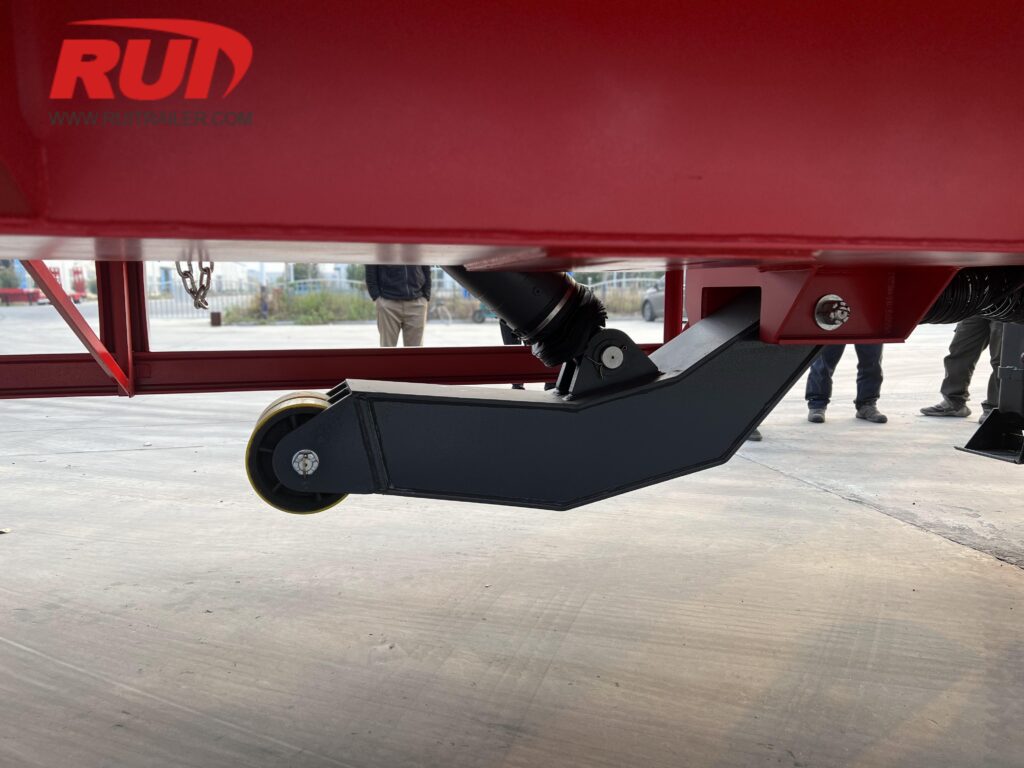
Tích hợp dạng mô-đun cho tải trọng trục cực lớn
Đối với các siêu tải trọng đòi hỏi tuân thủ nghiêm ngặt các quy định về cầu đường, chúng tôi thiết kế khung gầm kéo dài để tích hợp nhanh chóng các thành phần mô-đun:
Khớp nối xe đẩy Jeep (Jeep Dolly): Hộp chốt phía trước được gia cố và phần mở rộng cổ ngỗng giúp phân bổ trọng lượng chốt vua (kingpin) trên các dòng trục phía trước bổ sung.
Trục lật & Bộ trợ lực khí nitơ: Các trục lật lắp chốt phía sau và bộ trợ lực cân bằng tải thủy lực/nitơ giúp kéo dài chiều dài cơ sở tổng thể và bảo vệ các cụm trục khỏi tình trạng quá tải.
Tương thích đa trục mô-đun: Hoàn toàn tương thích với dòng các loại rơ-moóc mô-đun và thông số kỹ thuật hạng nặng cùng các tính năng chuyên dụng của rơ-moóc cổ ngỗng tháo rời RGN cho vận tải hàng siêu trường siêu trọng đa trục phức tạp.
Các câu hỏi thường gặp về kích thước rơ-moóc kéo dài
Chiều dài tối đa hợp pháp của trailer mở rộng là bao nhiêu?
Khi đóng, các đơn vị tiêu chuẩn hoạt động theo kích thước hợp pháp của 48 ft (14,63 m) or 53 ft (16,15 m) với một 8,5 ft (2,59 m) chiều rộng, cho phép di chuyển không cần giấy phép. Khi mở rộng, các thiết kế đơn và đa cấp của chúng tôi rơ moóc mở rộng đạt tới từ 80 ft (24,38 m) đến 230+ ft (70+ m). Việc vận hành ở các chiều dài mở rộng này thuộc quy định tải quá khổ, yêu cầu giấy phép vận chuyển của bang hoặc khu vực, khảo sát tuyến đường được chỉ định và cấu hình hộ tống cụ thể dựa trên tổng chiều dài tổ hợp.
Việc mở rộng trailer ảnh hưởng như thế nào đến khả năng chịu tải tập trung của nó?
Việc kéo dài khung gầm thay đổi mô-men uốn của cấu trúc trailer. Khi khoảng cách giữa kingpin và nhóm trục sau tăng lên, khả năng chịu tải tập trung ở giữa giảm:
Kéo dài hoàn toàn: Trailer hỗ trợ tải trọng tối đa theo đánh giá tập trung trên một đoạn sàn ngắn (thường từ 10 đến 15 ft / 3 đến 4,5 m).
Kéo dài hoàn toàn: Khả năng chịu tải tập trung tối đa giảm bởi 40% đến 60% trừ khi hàng hóa tự hỗ trợ (như dầm cầu thép hoặc bê tông đúc sẵn) hoặc trọng lượng phân bổ đều khắp toàn bộ khung chính.
Chiều cao sàn nào phù hợp nhất cho hàng hóa vượt chiều cao mở rộng?
Lựa chọn chiều cao sàn phụ thuộc trực tiếp vào chiều cao của tải trọng và hạn chế trên tuyến đường:
Bệ bước mở rộng: Cung cấp chiều cao sàn tải được tải đầy tải giữa 34 in đến 40 in (864 mm đến 1.016 mm), cân bằng khả năng tải dài của sàn với độ cao thấp của xe.
Xe kéo Lowboy / RGN mở rộng: Cung cấp chiều cao sàn tải siêu thấp từ 18 in đến 24 in (457 mm đến 610 mm) với 6 in đến 8 in (152 mm đến 203 mm) độ cao gầm xe. Một rơ moóc kéo dài có đầu kéo có thể tháo rời là lựa chọn tiêu chuẩn để vận chuyển các bình chứa công nghiệp cao, bể chứa nặng và máy móc quá khổ.
Khi nào cần thiết phải có hệ thống lái thủy lực cưỡng bức trên xe kéo dài?
Các trục lái thủy lực cưỡng bức trở nên cần thiết khi chiều dài tổng thể của xe kéo mở rộng vượt quá 80 ft đến 100 ft (24.38 m đến 30.48 m). Khi chiều dài cơ sở kéo dài:
Các trục cố định hoặc trục trượt ma sát tiêu chuẩn gây ra sự mài mòn lốp nghiêm trọng và áp lực ngang cấu trúc.
Liên kết lái thủy lực hoặc bàn xoay tự động cung cấp tới góc quay 55 độ, giảm đáng kể bán kính quay vòng và giữ kích thước đường đi trong phạm vi cho phép hợp pháp trên các giao lộ chật hẹp.
Xe kéo mở rộng có thể hỗ trợ tải trọng tập trung ở giữa mà không cần chặn trung gian không?
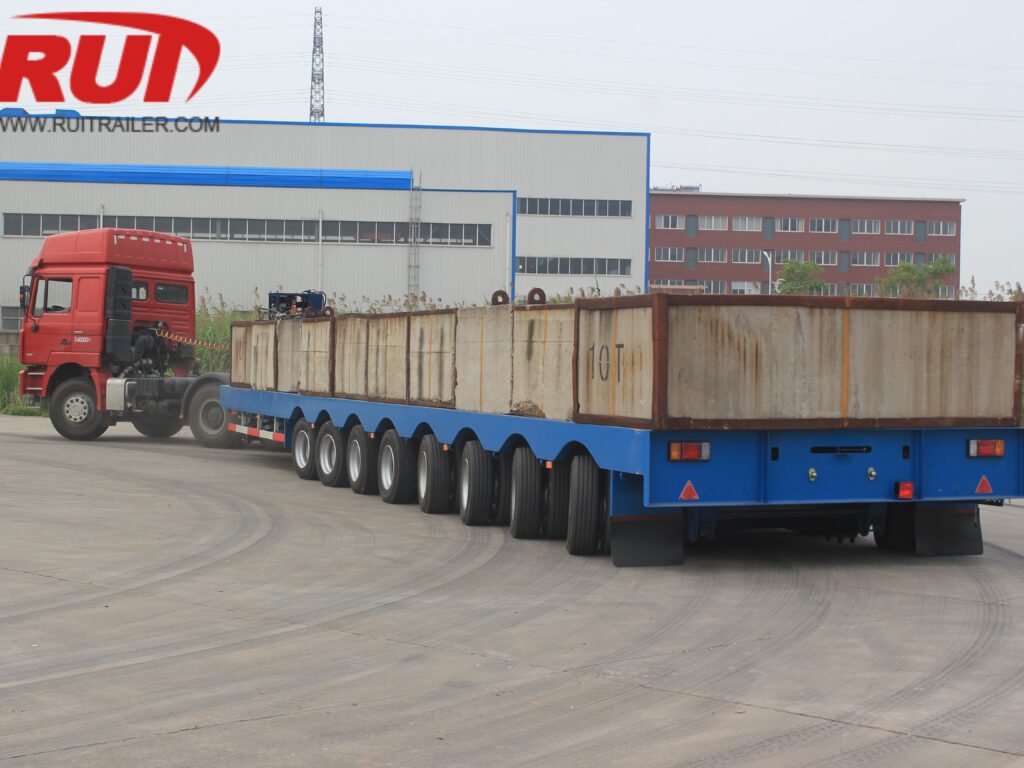
Không. Tải trọng nặng điểm trên phần trung tâm không được hỗ trợ của dầm telescoip mở rộng có thể gây biến dạng vĩnh viễn khung hoặc hỏng cấu trúc. Khi vận chuyển hàng hóa tập trung không tự hỗ trợ:
Đặt tải trọng lên các khu vực hỗ trợ chính (trên phần chuyển tiếp của cổ gà hoặc phía sau của xe đẩy).
Sử dụng các hỗ trợ chéo trung gian, xe đẩy tăng cường cấu trúc, hoặc chặn phân phối để truyền lực tải trực tiếp vào các dầm hộp bên ngoài.
 Vietnamese
  English
  German
  Turkish
  French
  Portuguese
  Russian
  Arabic
  Hindi
Hindi  Chinese
  Spanish
  Indonesian
  Swahili