

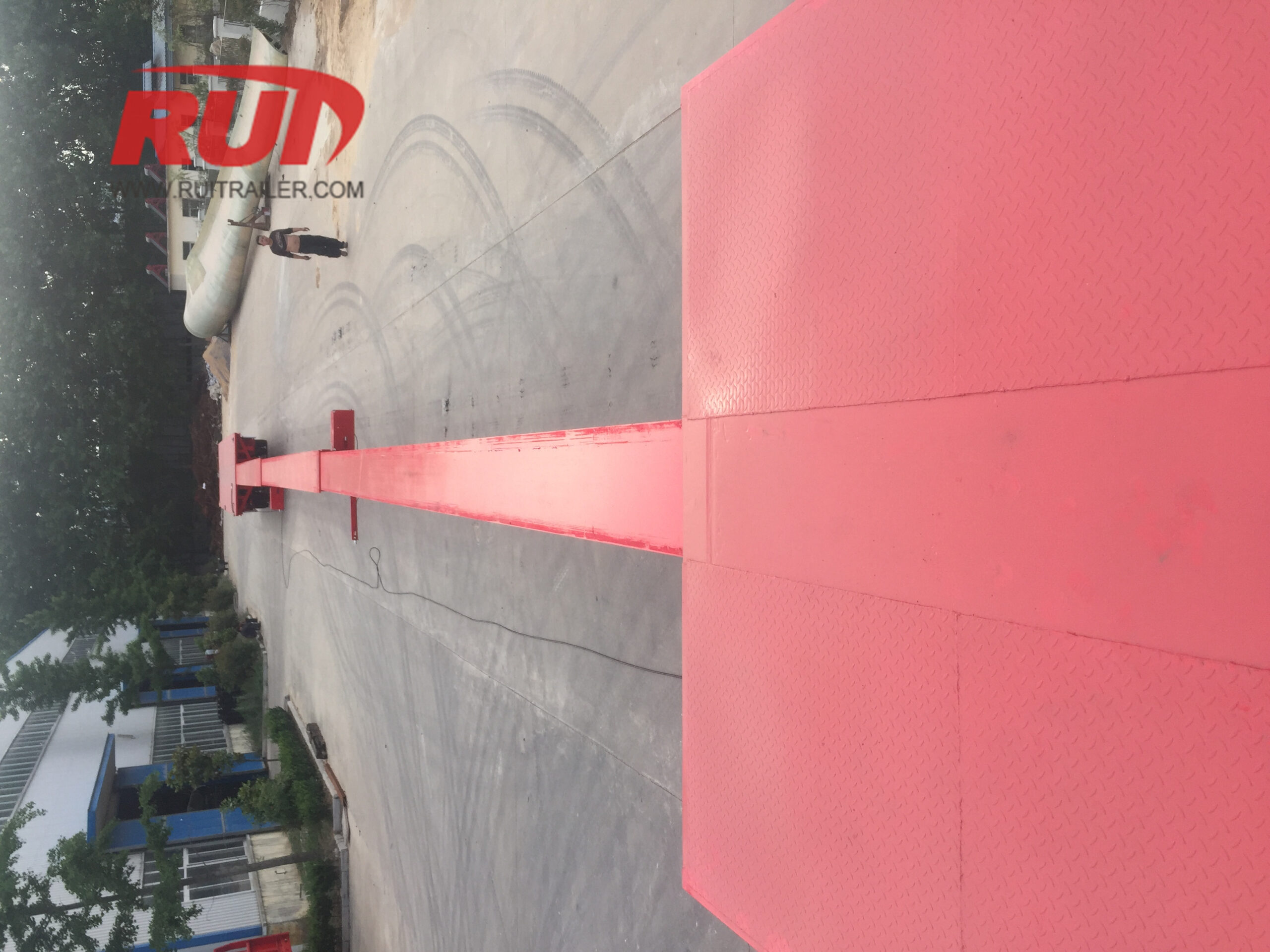
مصفوفة مرجعية لأبعاد المقطورة القابلة للتمديد القياسية
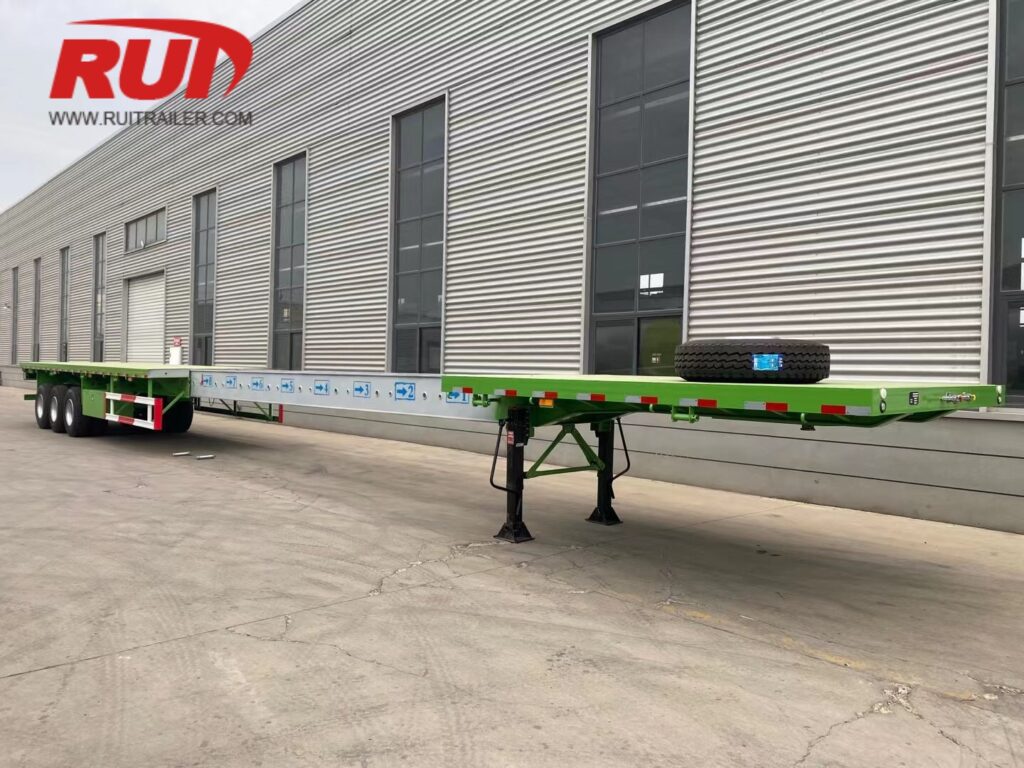
مطابقة حمولة ذات طول أقصى مع أبعاد المقطورة القابلة للتمديد تتطلب تخطيط أبعاد دقيق. عند تمديد طول الهيكل، يجب على مشغلي الشحن موازنة ارتفاع السطح، ومسافة محور قانون الجسر، وعزوم الانحناء. نحن نصمم هيكلنا التلسكوبي للحفاظ على قوة عزم دورانية عالية عبر جميع مراحل التمديد مع الحفاظ على وزن فارغ محسّن.
فيما يلي مصفوفة مرجعية هندسية أساسية تقارن بين الأبعاد القياسية للمساحات المغلقة مقابل أقصى امتدادات تشغيلية عبر أنواع المقطورات الثقيلة.
مصفوفة تحديد الحجم الهندسي: الأبعاد، الفواصل، والسعات
| تكوين المقطورة | الطول عند الانكماش | الطول الأقصى الممتد | عرض السطح القابل للاستخدام | ارتفاع السطح المحمّل | تكوينات المحاور | سعة الحمولة المصنفة |
|---|---|---|---|---|---|---|
| مقطورة مسطحة قابلة للتمديد (مرحلة واحدة) | 48 قدم / 14.63 متر | 80 قدم / 24.38 متر | 102 إنش / 2,590 ملم | 59 إنش / 1,500 ملم | محورين إلى ثلاثة محاور | 88,000 رطل / 40 طن |
| مسطحة قابلة للتمديد (مرحلتان) | 53 قدم / 16.15 متر | 120 قدم / 36.58 متر | 102 إنش / 2,590 ملم | 59 إنش / 1,500 ملم | 3 إلى 4 محاور | 110,000 رطل / 50 طن |
| لوح قابل للتمديد | 48 قدم / 14.63 متر | 75 قدم / 22.86 متر | 102 إنش / 2,590 ملم | 36 بوصة / 915 ملم | 2 إلى 4 محاور | 95,000 رطل / 43 طن |
| منخفض قابل للتمديد (حوض RGN) | 26 قدم / 7.92 متر (حوض) | 50 قدم / 15.24 متر (حوض) | 102–120 بوصة / 2,590–3,048 ملم | 18–24 بوصة / 457–610 ملم | 3 إلى 3+2 محاور | 132,000 رطل / 60 طن |
| مقطورة شفرة تلسكوبية متعددة المراحل | 65 قدم / 19.81 متر | 230+ قدم / 70.10 متر | 100–118 بوصة / 2,540–3,000 ملم | 38–48 بوصة / 965–1,220 ملم | 3 إلى 6 محاور (قابل للتوجيه) | 120,000 رطل / 55 طنًا |
معايير الأبعاد الأساسية
- الطول المغلق مقابل الطول الممتد: تبدأ الشاحنات القياسية عند أطوال الطرق القانونية (48 قدم أو 53 قدم) وتمتد عبر عوارض الانزلاق الداخلية بزيادات مضبوطة من 2 قدم إلى 5 أقدام (600 ملم إلى 1,500 ملم).
- ملامح ارتفاع السطح: توفر العربات القابلة للتمديد أسطح تحميل منخفضة جدًا تصل إلى 18 بوصة (457 ملم) لتناسب المكونات الصناعية الطويلة تحت الهياكل العلوية، بينما يبلغ متوسط ارتفاع سطوح التمدد 36 بوصة (915 ملم) للآلات الطويلة والمتوسطة الارتفاع.
- تكوين المحاور وميكانيكا الحمولة: مع اتساع قاعدة العجلات، تقل سعة الحمولة المركزة في المنتصف. نحن ندمج خطوط محاور توجيه ذاتية هيدروليكية أو توجيه إجباري على المنصات التي تزيد عما يزيد عن 80 قدماً (24.38 متراً) للحفاظ على توافق صيغة الجسر وتقليل تآكل الإطارات في المنعطفات الضيقة.
أبعاد مقطورة المسطحة القابلة للتمديد (مقطورة ترومبون)
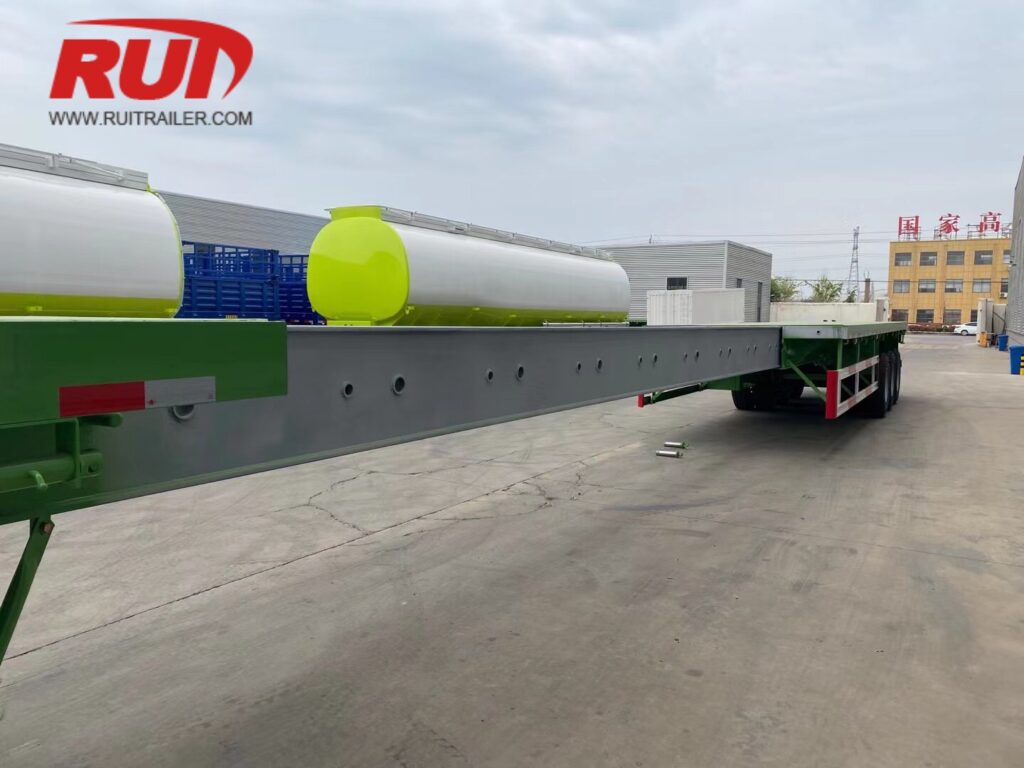
نحن نقوم بتصميم مقطورات الترومبون والمسطحة القابلة للتمديد لنقل عوارض الصلب الإنشائية، والأنابيب الطويلة، وحزم حديد التسليح، والبضائع الطويلة ذاتية الدعم، مع الحفاظ على مرونة كافية للعمل فارغة ضمن الأبعاد القانونية القياسية.
حجم الشاسيه القياسي المنسحب
عند الإغلاق، تتطابق مقطوراتنا المسطحة القابلة للتمديد مع تكوينات الطرق السريعة القياسية لتعمل دون تصاريح حمولة زائدة على طرق العودة الفارغة:
نموذج القاعدة 48 قدماً: طول منسحب يبلغ 48 قدماً (14.63 متراً) مع عرض سطح قياسي يبلغ 102 بوصة (2.59 متراً).
نموذج القاعدة 53 قدماً: طول منسحب يبلغ 53 قدماً (16.15 متراً) مع عرض سطح قياسي يبلغ 102 بوصة (2.59 متراً).
عرض السطح القابل للاستخدام: 8 أقدام و6 بوصات (2.59 متر) مع جيوب دعامات جانبية، وقضبان احتكاك، وجيوب أنابيب مدمجة.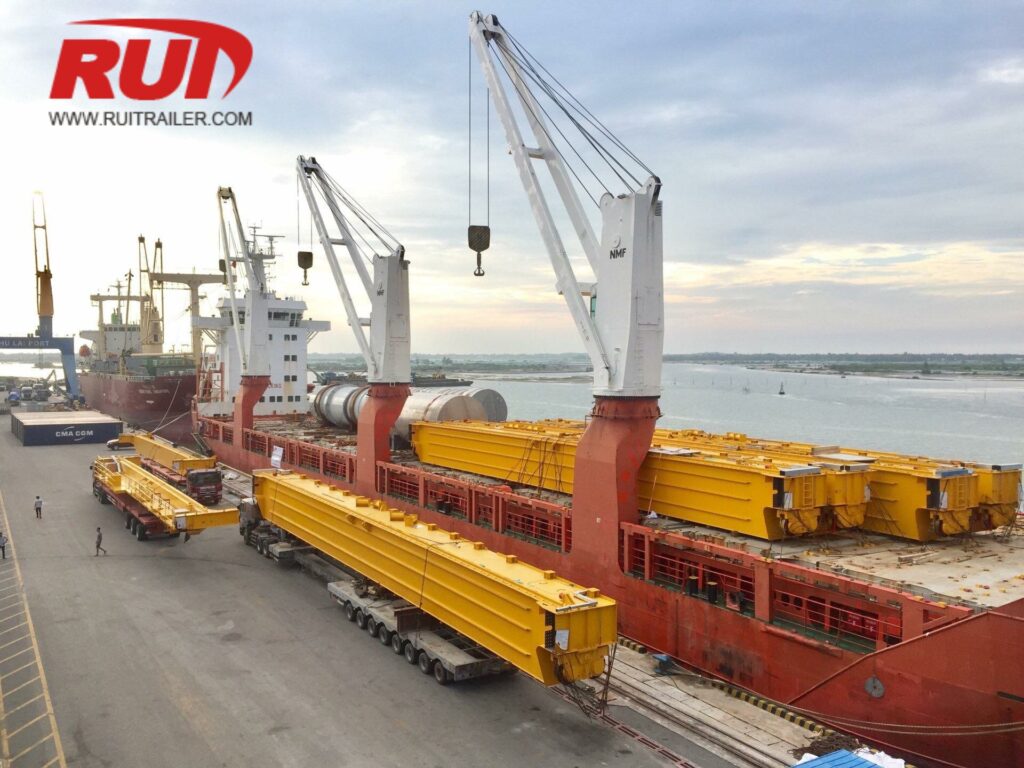
نطاقات التمديد أحادية المرحلة ومزدوجة المرحلة
للاستيعاب الأطوال القصوى، نستخدم عوارض صندوقية تلسكوبية من الصلب عالي الشد انزلق بسلاسة على وسادات التآكل:
التمددات التلسكوبية أحادية المرحلة: تمدد مقطورة بطول 48 قدماً حتى 80 قدماً (24.38 متراً) أو مقطورة بطول 53 قدماً حتى 90 قدماً (27.43 متراً).
التمددات التلسكوبية مزدوجة المرحلة: تستخدم نظام عارضة صندوقية مركزية مزدوجة الانزلاق يمدد الشاسيه من 53 قدماً ليصل إلى 120 قدماً (36.58 متراً) إجمالاً.
لمعرفة المعلمات التشغيلية عبر عمليات نقل البضائع الطويلة المختلفة، تحقق من دليل سعة الحمولة المتنوعة للمقطورة القابلة للتمديد لتقييم تصنيفات الإطارات عبر فترات زمنية مختلفة.
| المقياس | 48 قدم مرحلة واحدة | 53 قدم مرحلة واحدة | 53 قدم مرحلتين |
|---|---|---|---|
| الطول المغلق | 48 قدم (14.63 م) | 53 قدم (16.15 م) | 53 قدم (16.15 م) |
| الطول الأقصى الممتد | 80 قدم (24.38 م) | 90 قدم (27.43 م) | 120 قدم (36.58 م) |
| عرض السطح | 102 إنش (2.59 م) | 102 إنش (2.59 م) | 102 إنش (2.59 م) |
| ارتفاع السطح المحمّل | 59 إنش (1,498 مم) | 60 إنش (1,524 مم) | 61 إنش (1,549 مم) |
| فواصل قفل الدبوس | 2 قدم / 5 قدم (0.6 م / 1.5 م) | 2 قدم / 5 قدم (0.6 م / 1.5 م) | 2 قدم / 5 قدم (0.6 م / 1.5 م) |
ملامح ارتفاع سطح السطح العلوي على إطارات 22.5 إنش
عند التشغيل على إطارات قياسية 295/75R22.5 أو 11R22.5 ذات التحمل الثقيل، فإن ارتفاعات سطح السطح القابلة للتمديد لدينا مُحسنة لتحميل مباشر بواسطة الرافعة الشوكية والرافعة:
ارتفاع سطح السطح بدون حمولة: 61 إلى 63 بوصة (1,549 مم إلى 1,600 مم) عند التعليق الخلفي.
ارتفاع السطح المحمل: يستقر بين 59 بوصة و60 بوصة (1,498 مم إلى 1,524 مم) تحت الأحمال القانونية العادية للمحاور.
الارتفاع تحت الإطار: 14 إلى 18 بوصة (355 مم إلى 457 مم) تحت شعاع المركز التلسكوبي عند منتصف الامتداد.
فواصل ومواقع دبابيس القفل الهوائية
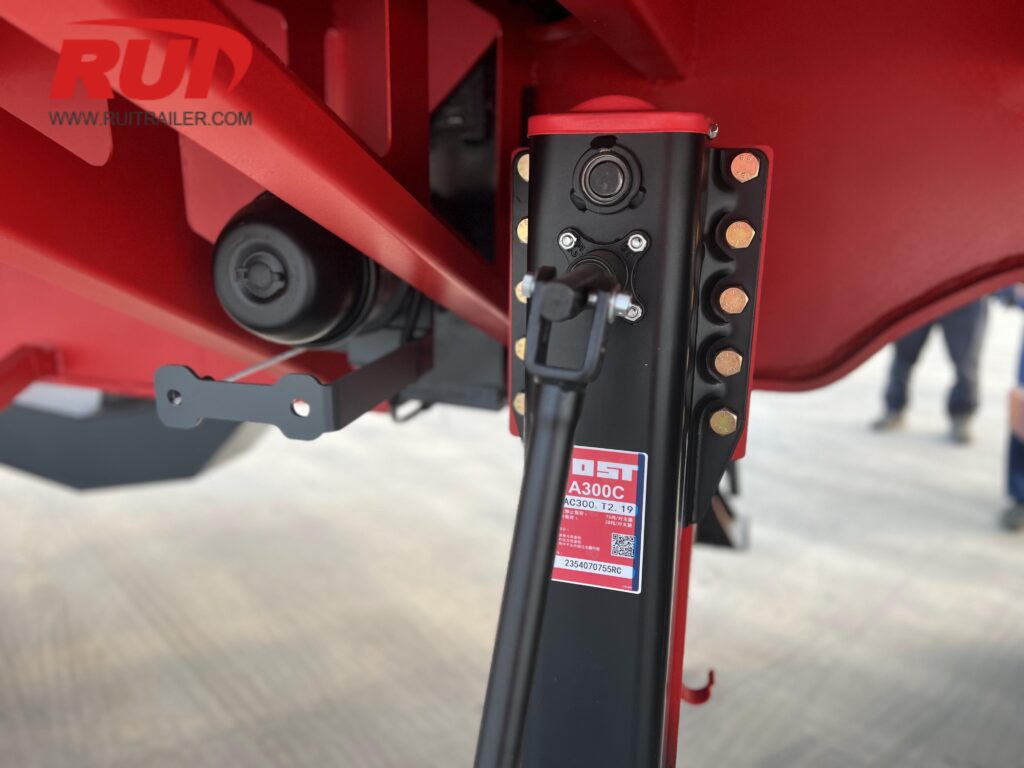
تتميز أنظمة الهيكل التلسكوبي لدينا بدبابيس قفل هوائية ثقيلة التحكم مباشرة من وحدة صمام الجانب السائق أو عبر مفاتيح هوائية داخل الكابينة:
فواصل القفل: محطات دبابيس مثقوبة بدقة موضوعة كل 24 بوصة (610 مم) أو 60 بوصة (1,524 مم) على طول شعاع الصندوق الهيكلي الرئيسي.
مسارات كابل سلسلة الطاقة: تحمي سلاسل الكهرباء المغلقة بالكامل خطوط فرامل الهواء والكابلات الكهربائية من الضغط أو الالتفاف أو التمدد أثناء فتح وإغلاق الهيكل.
إطلاق بواسطة الهواء: تضمن الأقفال الآمنة المزودة بنابض بقاء الدبابيس مثبتة ميكانيكيًا حتى في حالة فقدان ضغط الهواء أثناء النقل.
تحديد حجم منصة الخطوة القابلة للتمديد ومنصة الإسقاط
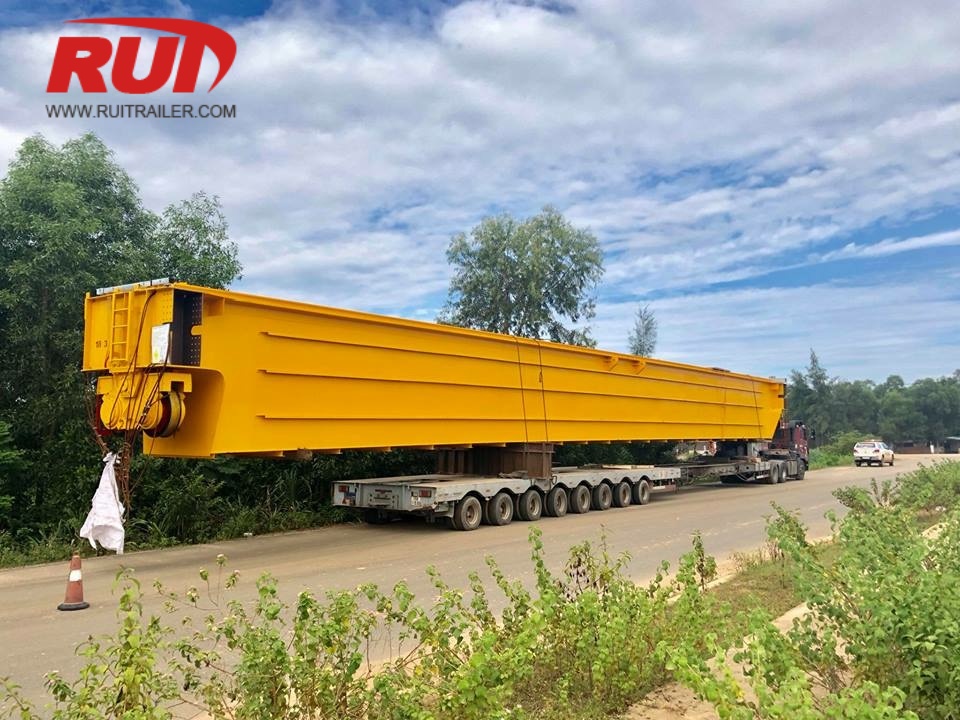
تحل مقطورات منصة الخطوة القابلة للتمديد (منصة الإسقاط) لدينا مشكلة نقل البضائع الطويلة التي تكون عالية جدًا بالنسبة لمنصة عادية مسطحة. من خلال خفض مركز الثقل وتوفير أطوال منصة متغيرة، تتيح لك هذه المقطورات نقل البضائع الصناعية الطويلة التي تدعم نفسها مع البقاء ضمن حدود ارتفاع الجسر القياسية.
طول المنصة العلوية مقابل أبعاد الحوض السفلي القابل للتوسعة
يقسم تصميم الهيكل مساحة المنصة القابلة للاستخدام إلى منصة علوية ثابتة وحوض سفلي تلسكوبي:
- المنصة العلوية (منطقة الذيل الزجاجي): عادةً ما تكون بطول 10 أقدام إلى 11 قدمًا (3,048 مم إلى 3,353 مم)، وتوفر ارتفاع منصة محملة قياسي يبلغ 60 بوصة (1,524 مم) لدعم معدات النقل، والتثبيت، أو البضائع الثانوية الصغيرة.
- الحوض السفلي المغلق: يقدم طول منصة واضح أساسي يتراوح بين 37 قدمًا إلى 42 قدمًا (11,278 مم إلى 12,800 مم).
- الحوض السفلي الممتد: عوارض مركزية تلسكوبية ذات مرحلة واحدة توسع المنصة الرئيسية إلى 63 قدمًا إلى 75 قدمًا (19,200 مم إلى 22,860 مم)، مما ينتج عنه طول مقطورة ممتدة يصل إلى 86 قدمًا (26,212 مم).
+------------------+----------------------------------------------------+
| منصة علوية ثابتة | حوض سفلي قابل للتوسعة (المنصة الرئيسية) |
| 10 أقدام - 11 قدمًا | مغلق: 37 قدمًا - 42 قدمًا ===> ممتد: حتى 75 قدمًا |
+------------------+----------------------------------------------------+
ارتفاعات منصة منخفضة للتمكن من عبور البضائع الطويلة بوضوح
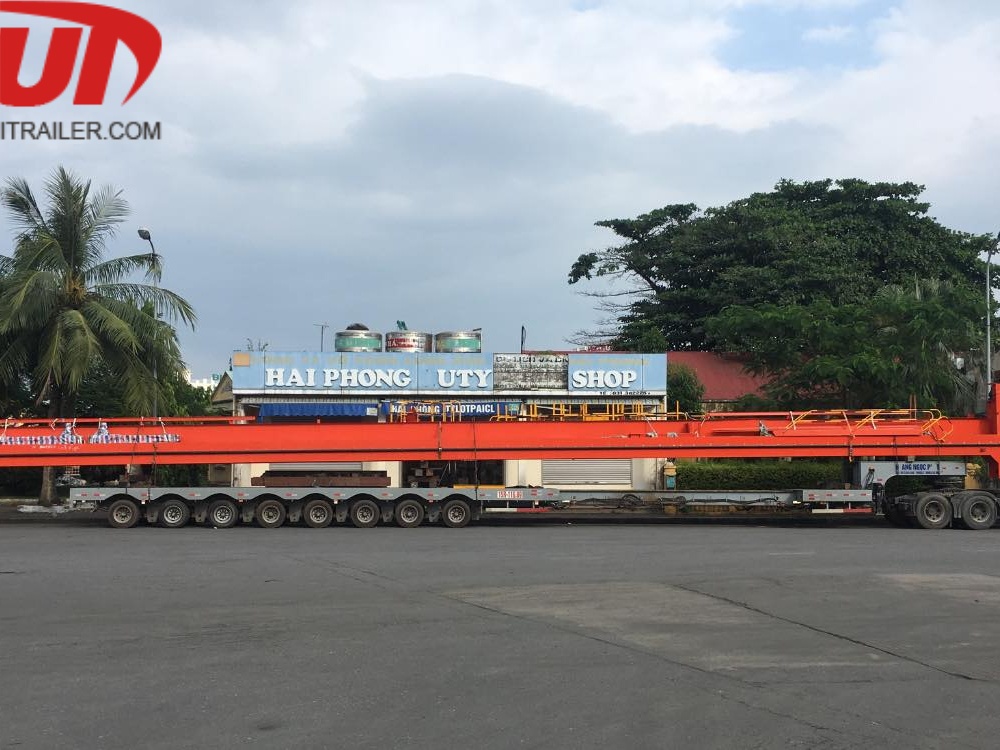
ارتفاع المنصة السفلى يمنحك ارتفاعًا قانونيًا فوق الرأس للبضائع الطويلة والآلات والمعدات الهيكلية. توفر مواصفات مقطورة الإسقاط القابلة للتمديد القياسية لدينا ارتفاع منصة منخفضة محملة بين 34 بوصة و 40 بوصة (864 مم إلى 1,016 مم) على إطارات منخفضة الملف الشخصي بقياس 255/70R22.5.
عندما يكون من الضروري وجود ارتفاع عمودي كبير جدًا، نقوم بتصميم تكوينات منخفضة جدًا باستخدام معدات تشغيل بقياس 17.5 بوصة لخفض ارتفاع المنصة المحملة إلى 30 بوصة إلى 33 بوصة (762 مم إلى 838 مم). ولتطبيقات قصوى تتطلب ملفات تعريف أرضية أدنى، نقوم أيضًا بتصنيع معدات متخصصة مثل مقطورة منصة منخفضة الملف الشخصي المودولارية المصممة للقيود الصارمة على ارتفاع الرأس.
مواصفات الأبعاد للسطح القابل للتمديد
| المواصفات بالوحدة المترية | المعيار الإمبراطوري | المعيار المترى |
|---|---|---|
| الطول الكلي (مغلق) | 48 قدم / 53 قدم | 14,630 ملم / 16,154 ملم |
| الطول الكلي (ممدود بالكامل) | 75 قدم إلى 86 قدم | 22,860 ملم إلى 26,212 ملم |
| طول الحوض الرئيسي (ممدود) | حتى 75 قدم | حتى 22,860 ملم |
| ارتفاع الحوض المحمل | 34 بوصة إلى 40 بوصة | 864 ملم إلى 1,016 ملم |
| عرض السطح القياسي | 8 قدم و6 بوصات (102 بوصة) | 2,590 ملم |
| عرض الذراع الممتد | حتى 10 قدم 6 بوصة | حتى 3,200 ملم |
| ارتفاع الأرض (محمل) | من 8 إلى 10 بوصات | 203 ملم إلى 254 ملم |
انتقال انخفاض العنق الحنوي ومسافات ذيل القندس
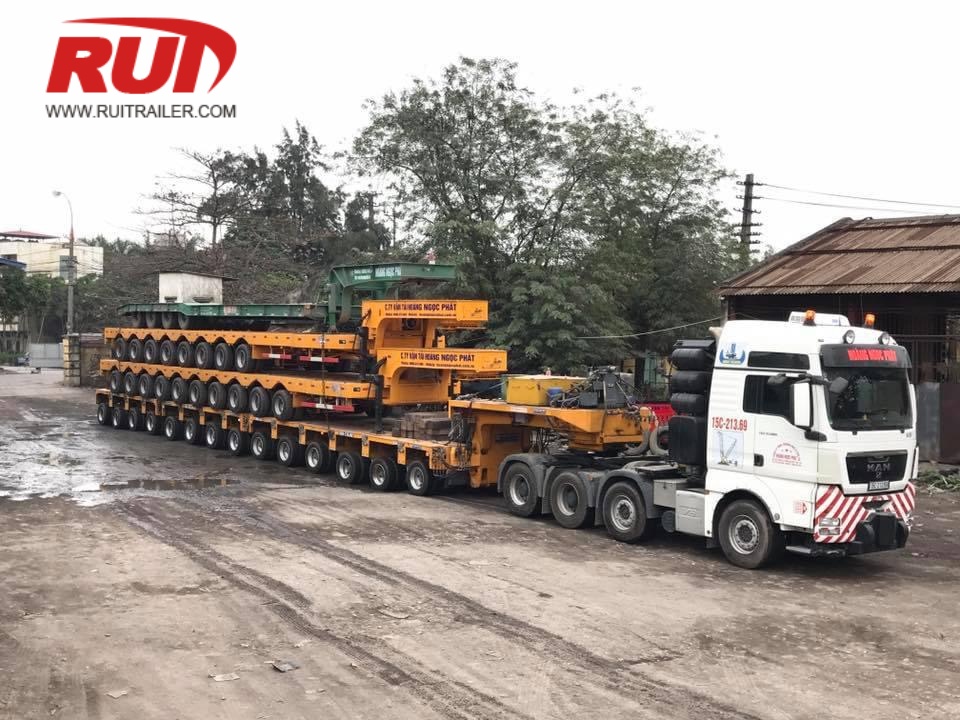
- ميل الانتقال المنخفض: مصمم بانتقال نظيف بزاوية 45 درجة أو 90 درجة من السطح العلوي إلى السطح السفلي. يمنع هذا التصميم الأحمال الهيكلية الطويلة من التمركز العالي أثناء النقل.
- انتقال العربة الخلفية: انتقال مخروطي إلى معدات القيادة الخلفية يضمن عدم توقف المعدات الطويلة التي تخرج من البئر على إطار المحور الخلفي.
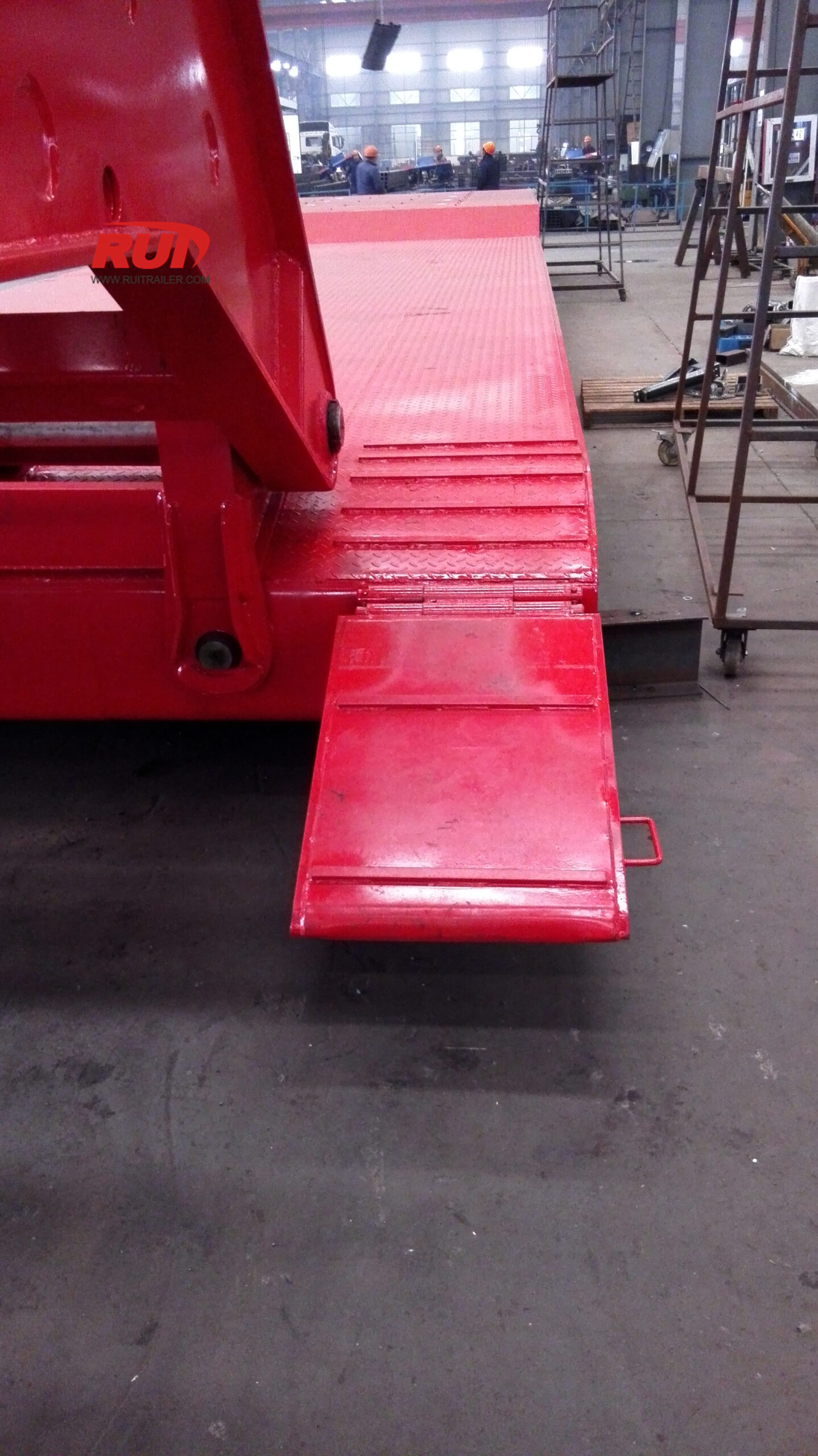
- خيارات ذيل القندس والمنحدر: ذيل قندس خلفي اختياري بطول 4 أقدام إلى 5 أقدام (1,219 ملم إلى 1,524 ملم) مع منحدرات رافعة أو هيدروليكية عالية التحمل توفر زاوية تحميل من 14 إلى 16 درجة للمعدات التي تسير عليها.
أبعاد مقطورة لويبويس القابلة للتمديد وRGN
عند نقل حمولة عالية، داعمة ذاتياً مثل الأوتوكلايفات الصناعية، مكونات المصافي، أو الآلات الثقيلة، من الضروري الجمع بين ارتفاع منخفض للسطح وطول قابل للتعديل. تحل منصات لويبويس الممتدة والمنفصلة ذات العنق القابل للفصل مشكلة ارتفاعات الرأسية الضيقة مع استيعاب قواعد العجلات الممتدة. لاستكشاف إعدادات المنصات القياسية، راجع دليلنا الشامل دليل مقطورة لويبويس منخفضة الارتفاع للأنواع والمواصفات والاستخدامات.
طول منصة الوادي الواضح من 26 قدم مغلقة حتى 65 قدم ممتدة
يوفر وادي التحميل الواضح المنصة الأساسية للشحن الثقيل المركّز. نحن أبعاد لويبويس القابلة للتمديد نوفر المراحل التالية للطول القياسي:
- وادي القاعدة القابل للسحب: من 26 قدم إلى 30 قدم (7.92 م إلى 9.14 م) للسفر الإقليمي القياسي وقيادة فارغة.
- الامتداد الكامل للمدى: من 50 قدم إلى 65 قدم (15.24 م إلى 19.81 م) من مساحة منصة الوادي الواضح للهياكل ذات الامتداد الطويل.
- الطول الإجمالي الكلي: يمتد من 53 قدم (16.15 م) مغلقًا حتى أكثر من 90 قدم (27.43 م) بما في ذلك العنق القابل للفصل وتجميعات الت tandem/tridem الخلفية.
ملفات ارتفاع الأرضية ذات التحميل الفائق المنخفض (18 بوصة إلى 24 بوصة)
تقليل ارتفاع السطح العلوي يسمح بمساحة إضافية تحت جسور الطرق السريعة وخطوط الكهرباء:
- ارتفاع السطح المحمل: من 18 بوصة إلى 24 بوصة (457 مم إلى 610 مم) تحت وزن الحمولة الكاملة.
- ارتفاع الأرضية المحملة: من 4 بوصة إلى 6 بوصة (102 مم إلى 152 مم) من مساحة التشغيل، مصممة لمنع الاحتكاك مع عبور السكك الحديدية والتقاطعات غير المستوية.
- أنواع تصميم السطح: تكوينات البئر المسطحة، شعاع الجانب المنخفض، أو شعاع ورافعة لاحتضان الشحنات الضخمة جدًا.
مداخل انزلاق الشعاع الرئيسي وقفل الدبوس الهيدروليكي
الأنابيب القابلة للسحب تحت الأحمال الثقيلة تتطلب آليات قفل هيكلية قوية. نبني هذه الآبار الممتدة باستخدام عوارض هيكلية أنبوبية قابلة للسحب عالية القوة وأنظمة قفل دقيقة:
| المعلمة الأبعاد | المواصفة الإمبراطورية | المواصفة المترية |
|---|---|---|
| طول البئر عند الانكماش | 26 قدم – 30 قدم | 7.92 م – 9.14 م |
| الحد الأقصى لطول البئر الممتد | 50 قدم – 65 قدم | 15.24 م – 19.81 م |
| ارتفاع سطح البئر المحمل | 18 بوصة – 24 بوصة | 457 مم – 610 مم |
| الارتفاع عن الأرض (محمل) | 4 بوصة – 6 بوصة | 102 مم – 152 مم |
| فواصل دبابيس القفل | كل 24 بوصة إلى 60 بوصة | كل 600 مم إلى 1,500 مم |
- عوارض داخلية وخارجية عالية الإنتاجية: مصنوعة من الصلب عالي التحمل لمقاومة الانحراف عبر الامتدادات الطويلة دون إضافة وزن ميت.
- مُثبتات الأوسطاس الهوائية والهيدروليكية: تعشيق دبابيس القفل عالية القص بشكل آمن عند زيادات محددة على طول عمود الامتداد.
- انتقالات سلسة قابلة للفصل: اتصال سلس بتصميمات الرقبة الأمامية لديناميكية التشغيل المتوفرة عبر خط مقطورات العنق القابل للإزالة RGN.
أبعاد مقطورة شفرات التلسكوب متعددة المراحل
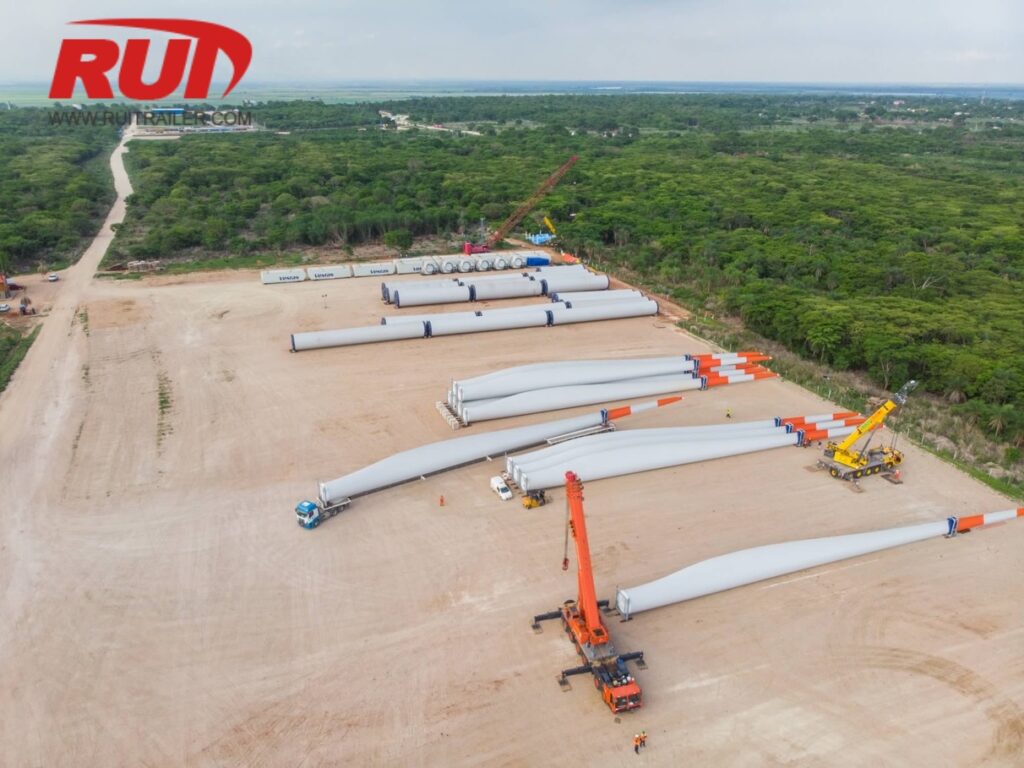
يتطلب نقل شفرات توربينات الرياح البرية الحديثة مدىextreme وثباتاً التوائياً. نحن نصمم مقطورات الشفرات التلسكوبية متعددة المراحل للتعامل مع أطوال الشفرات الضخمة مع الحفاظ على الامتثال الصارم للطرق أثناء رحلات العودة الفارغة.
ديناميكيات الامتداد التلسكوبي متعدد المراحل
تستخدم هياكل مقطورة التلسكوبية متعددة المراحل لدينا أعمدة تمديد من 3 مراحل، 4 مراحل، و5 مراحل تتكيف ديناميكيًا بناءً على طول الشفرة:
- الطول عند الإغلاق: 65 قدم إلى 72 قدم (19.8 م إلى 21.9 م) للنقل الفارغ القانوني.
- الطول الأقصى عند التمديد: يتوسع بسلاسة من 175 قدم حتى أكثر من 230 قدم (53.3 م إلى أكثر من 70 م).
- خطوات القفل الوسيطة: تقوم دبابيس القفل الهوائية التلقائية بتأمين الأقسام التلسكوبية عند فواصل مخصصة كل 3 أقدام إلى 5 أقدام (0.9 م إلى 1.5 م).
- تكوين العجلة الخلفية: توفر من 3 إلى 6 خطوط محور هيدروليكية معلقة نطاق دوران ضيق وتوجيه ذاتي التتبع.
بالنسبة لتكوينات الطرق الإقليمية، فإن نشر مقطورة شفرات توربين الرياح يضمن بقاء الطول الإجمالي للمجموعة ضمن مسارات الحارة المسموح بها مع تجنب نقاط ضغط الطريق.
ملف تعريف صندوق العارضة الالتوائية
تولد فترات التمديد القصوى عزم انحناء شديد. نبني العمود الفقري المركزي باستخدام ملف تعريف صندوقي عالي القوة مغلق مصنوع من فولاذ هيكلي عالي المقاومة:
- مقاومة الهيكل: يمنع العمود الفقري المركزي المغلق الانحراف الجانبي ويقضي على التواء الهيكل الالتوائي عبر فترات تتجاوز 200 قدم (61 م).
- مسارات الكابلات/الأنابيب الداخلية: تمتد سلاسل الطاقة داخليًا عبر الأعمدة التلسكوبية، وتحمي خطوط الهيدروليك والأسلاك الكهربائية من الالتواء أو الحطام أثناء فترات التلسكوب.
| معلمة المواصفات | المعيار الإمبراطوري | المعيار المترى |
|---|---|---|
| الطول الإجمالي المسحوب | 65 قدم 7 إنش | 20,000 ملم |
| الطول الإجمالي عند الامتداد الكامل | 232 قدم 11 إنش | 71,000 ملم |
| مراحل الامتداد | تلسكوبي من 3 إلى 5 مراحل | تلسكوبي من 3 إلى 5 مراحل |
| ارتفاع السطح المحمل (عربة خلفية) | 37 إنش إلى 41 إنش | 950 ملم إلى 1,050 ملم |
| عرض الهيكل | 8 قدم 4 إنش إلى 9 قدم 10 إنش | 2,550 ملم إلى 3,000 ملم |
أحجام دوارات هيدروليكية وموصل جذر الشفرة
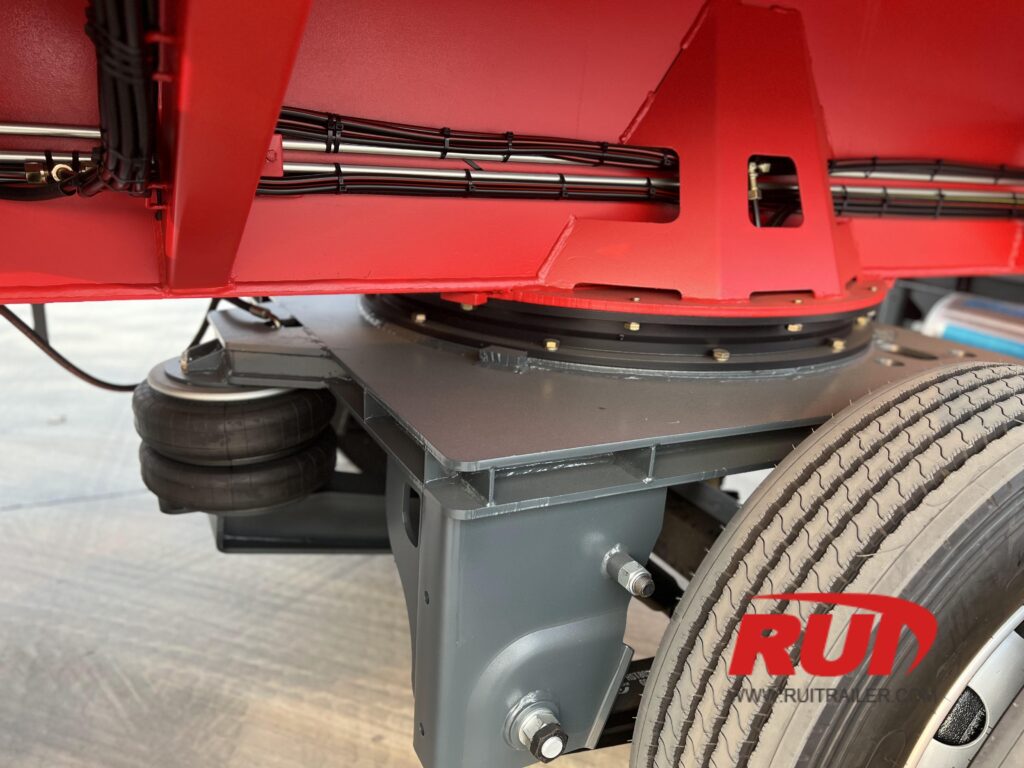
تتطلب أقطار جذر التثبيت تأمينًا بواجهات تثبيت صلبة لامتصاص قوى التسارع والكبح:
- دوارات مدمجة: تمتص الدعامات المنزلقة الهيدروليكية احتكاك النقل وتعوض انحناء الشفرة على التضاريس غير المستوية.
- ثوابت تثبيت الجذر: محولات جذور دائرة البرغي العالمية تتكيف لتناسب أقطار جذور الشفرات القياسية من 9.8 قدم إلى 14.8 قدم (3.0 م إلى 4.5 م).
- القدرة على المناورة في التضاريس الوعرة: لطرق الوصول إلى مزارع الرياح الجبلية، يدمج الهيكل مع نوع خاص من محول شفرة التوربينات الهوائية يسمح بزوايا إمالة الشفرة تصل إلى 60 درجة ودوران كامل 360 درجة لتجاوز خطوط الأشجار والمنحنيات الضيقة على التلال.
معلمات العرض، والوضوح، وانحراف الهيكل
التحكم في العرض الكلي، ومسافات الخلوص للجرار، وانحراف الهيكل عند منتصف الامتداد ضروري عند تكوين معدات الشحن الثقيلة. مع زيادة أبعاد المقطورة القابلة للتمديد، يضمن إدارة الهندسة الهيكلية بقاء الجهاز متوافقًا قانونيًا، ومستقرًا، وخاليًا من الرصيف تحت الحمولة القصوى.
تصنيفات عرض الهيكل وأرجل التوازن القابلة للفتح
تتميز المنصات القابلة للتمديد القياسية بعرض نقل أساسي يبلغ 8 أقدام و6 إنشات (2.59 م / 2,590 ملم) للامتثال لقواعد عبور الطرق غير المصرح بها. للبضائع ذات الحجم الكبير، والمعدات الثقيلة، والأجهزة ذات الأبعاد الواسعة، ندمج أرجل توازن قوية قابلة للفتح (دعامات جانبية) على طول حواف الهيكل.
- عرض القاعدة القياسي: 8 أقدام و6 إنشات (2.59 م / 2,590 ملم)
- عرض الأرجل الموسعة: 10 قدم 0 بوصة إلى 12 قدم 0 بوصة (3.05 م إلى 3.66 م / 3,050 مم إلى 3,660 مم)
- سعة العارضة الخارجية: مُصنّف لدعم الأحمال المحيطية الموزعة باستخدام ألواح عارضة خارجية من الخشب الصلب الثقيل أو الألمنيوم.
| معلمة المواصفات | المعيار الإمبراطوري | المعيار (ISO) | التطبيق / الوظيفة |
|---|---|---|---|
| عرض سطح القاعدة | 8 قدم و6 بوصات (102 بوصة) | 2,590 ملم | عرض حارة السير القانونية القياسية |
| عرض الذراع الممتد | 10 قدم 0 بوصة – 12 قدم 0 بوصة | 3,050 مم – 3,660 مم | دعم واسع للآلات والسفن |
| نصف قطر دوران الذراع المنحني | 84 بوصة – 110 بوصة | 2,134 مم – 2,794 مم | مسافة خلوص الكابينة والإطار للمحركات متعددة المحاور |
| إعدادات تراجع نقطة الربط الرئيسية | 16 بوصة، 24 بوصة، 36 بوصة | 406 مم، 610 مم، 914 مم | تحسين توزيع وزن محور القيادة للمحرك |
| قوس ما قبل الانحناء للعمود الفقري | 1.5 بوصة – 3.5 بوصة | 38 مم – 89 مم | تدابير مقاومة الانحراف تحت الامتداد المحمل |
نطاق دوران العنق الطويل، إعدادات رأس الملك، وخلوصات الجرار
يمنع الخلوص الصحيح بين إطار الجرار، والكابينة، وعنق المقطورة الاتصال أثناء المناورات الضيقة. نحن نصمم رؤوس ملك تجارية قابلة للتعديل ومتعددة الوضعيات (خيارات 2 بوصة / 50.8 مم و3.5 بوصة / 88.9 مم) لتتناسب مع قواعد عجلات الجرارات المختلفة وتجمعات محاور الدفع الخلفية.
- مواقع رؤوس الملك المزدوجة: تسمح الألواح الأساسية ذات الإعداد المزدوج بسرعة التعديل بين 16 بوصة (406 مم) و36 بوصة (914 مم) للخلفيات.
- خلوص العنق الطويل: تصاميم دوران محسنة تتراوح من 84 بوصة إلى 110 بوصة (2,134 مم إلى 2,794 مم) تستوعب جرارات التحميل الثقيل ذات الثلاثة وأربعة محاور، وتندمج بسلاسة مع تكوينات مثل مُحمّل منخفض الرأس القابل للطي للتخلص من إطارات الرافعات الخلفية والأقواس.
تصميم العمود المسبق المنحني لمقاومة ترهل منتصف الامتداد
عندما يمتد شعاع تلسكوبي إلى مسافات طويلة، تزداد لحظات الانحناء الطبيعية. بدون تصميم مناسب، يتسبب هذا الانحناء في ترهل هيكلي في وسط المقطورة، مما يخفض الخلوص الأرضي للسطح المحمل إلى ما دون الحدود الآمنة ويعرضها لضربات على معابر السكك الحديدية وتلال الطرق.
- قوس داخلي مدمج: نصنع العمود المركزي الرئيسي لدينا مع انحناء إيجابي مسبق (قوس للأعلى من 1.5 بوصة إلى 3.5 بوصة / 38 مم إلى 89 مم عند فارغ).
- التحكم في الانحراف عند التحميل: عندما تحمل المقطورة حمولة مركزة عند أقصى امتداد، يساهم الانحناء المصمم في سحب السطح إلى مستوى مستوي ومستوٍ.
- بناء من فولاذ عالي المقاومة: مصنوع من عوارض صندوقية من الصلب عالي الشد، يقاوم الهيكل التشوه الدائم ويحافظ على السلامة الهيكلية الكاملة عبر أطوال التمدد المختلفة.
تباعد المحاور، هندسة التوجيه، والامتثال لقوانين الجسور
عند التوسعة أبعاد المقطورة القابلة للتمديد لحمولات الحمل القصوى، يصبح إدارة توزيع الوزن والقدرة على المناورة أمرًا حاسمًا. يغير تمديد قاعدة العجلات من تحميل المحاور وفقًا لنموذج الجسر الفيدرالي، مما يتطلب توزيعات محددة لمجموعات المحاور وآليات توجيه نشطة للبقاء قانونيًا على الطرق وقابلًا للمناورة.
تكوينات تجميع محاور نموذج الجسر
يؤدي تمديد الهيكل إلى تغيير تباعد الجسر الداخلي، مما يغير تصاريح وزن المحاور القانونية عبر شبكات الطرق السريعة. نقوم بتصميم عرباتنا الخلفية بتخطيطات تباعد مرنة:
توزيعات الت tandem و Tridem القياسية: تباعدات المحاور الثابتة أو المنزلقة المحددة عند 54 إنش (1,370 مم)، 60 إنش (1,524 مم)، أو 72 إنش (1,829 مم) لتحسين تصنيفات الوزن الإجمالية للمركبة (GVWR).
توزيعات واسعة و تكوينات رباعية: تباعدات تصل إلى 108 إنش (2,743 مم) أو مجموعات محاور رباعية معيارية لتوزيع الوزن المركز بشكل متساوٍ عبر جسور الطرق.
تحسين وزن الشاحنة الفارغة: ضبط دقيق لمسافة القفل المركزي إلى المحور الأوسط لضمان الامتثال لنماذج الجسور الإقليمية دون تحميل زائد على محاور قيادة الجرار.
+------------------------------------------------------------------------------------+
| قاعدة العجلات الممدودة / المجمعة | الامتثال لنموذج الجسر | تقسيم حمولة مجموعة المحاور |
+------------------------------------------------------------------------------------+
| 48 قدم (14.6 متر) مغلق | حدود قانونية قياسية | توجيه مباشر 50/50 ت tandem |
| 80-120+ قدم (24.4-36.5+ متر) مفتوح | جسر مسموح بالحجم الزائد | توزيع نشط |
+------------------------------------------------------------------------------------+
أنظمة التوجيه الهيدروليكية القسرية (حتى زاوية 55°)
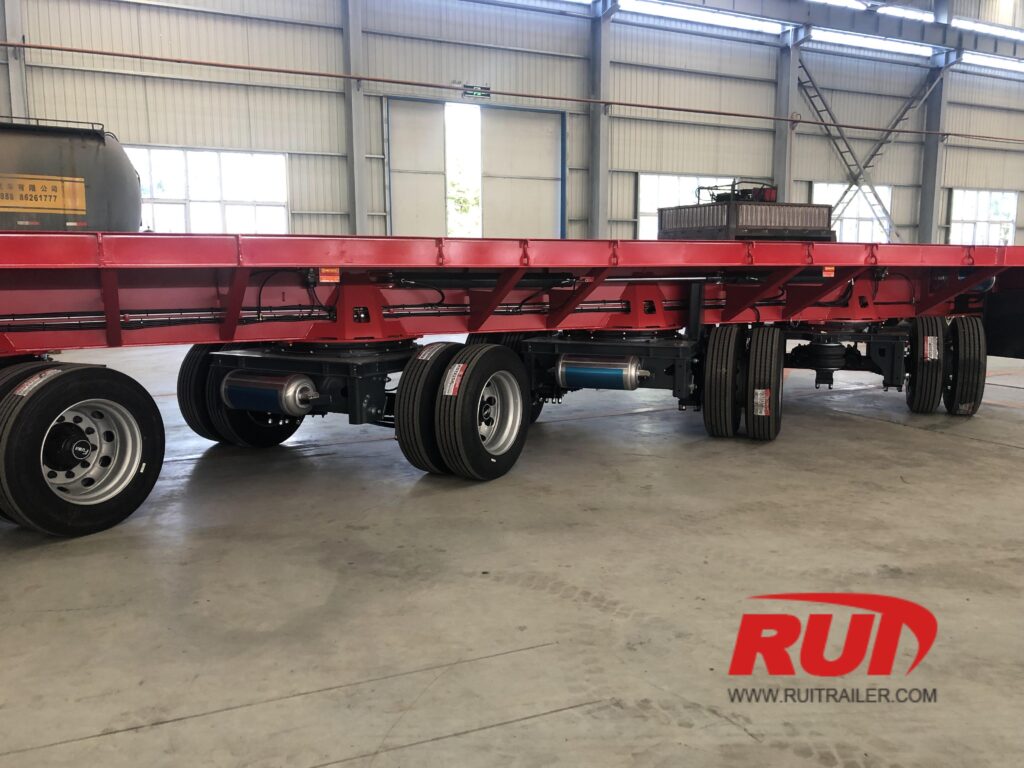
أبعاد المقطورة الطويلة تخلق تحديات شديدة في فرك الإطارات والانعطافات الضيقة على الطرق الحضرية أو الجبلية. نجهز مقطوراتنا متعددة المراحل والثقيلة بدمج توجيه بزاوية عالية:
تحكم الحافة والدوران: روابط التوجيه الميكانيكية الهيدروليكية تزامن زاوية محور الرأس مع محور العجلة الخلفي.
نصف قطر الانعطاف القصوى: محاور هيدروليكية للتطبيقات الصناعية الثقيلة تقدم زوايا توجيه تدريجية تصل إلى 55 درجة، مما يقلل بشكل كبير من تتبع القطع عند الدخول.
تجاوز التحكم عن بعد اللاسلكي: جهاز التحكم عن بعد اللاسلكي المحمول يتيح للمشغلين توجيه المحاور الخلفية بشكل مستقل عند السرعات المنخفضة للتنقل في الدوارات المعقدة ومواقع العمل الضيقة.
نشر محور الرفع للرحلات العودة بدون حمولة
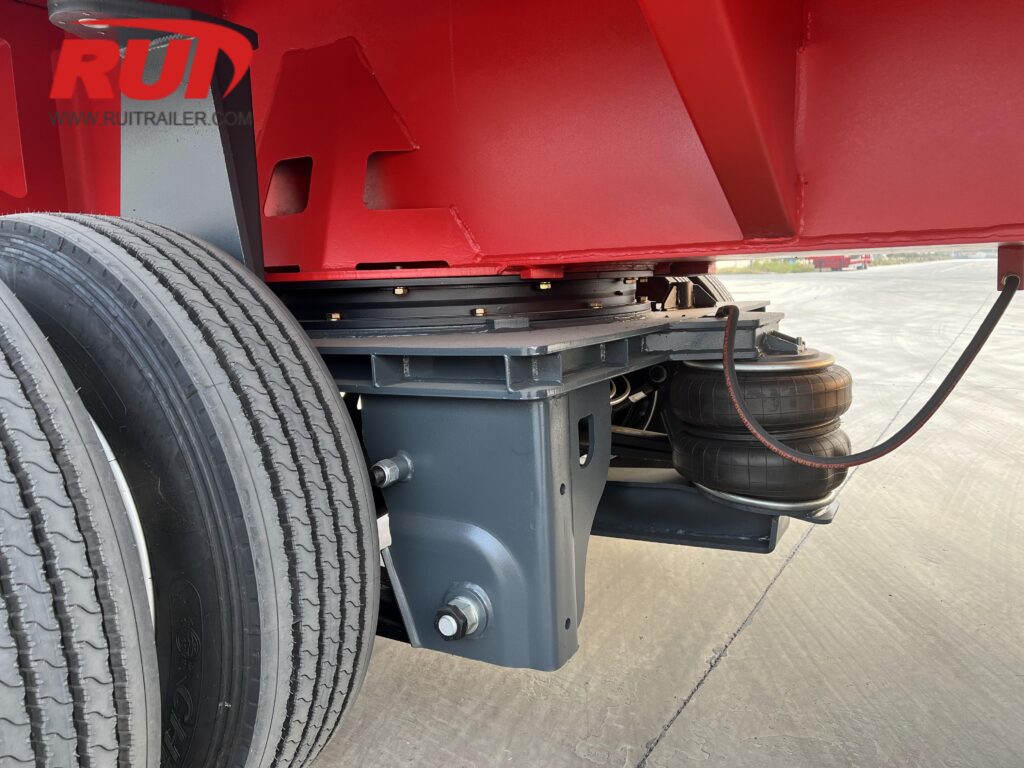
سحب مجموعات المحاور المتعددة في رحلات العودة بدون تحميل يزيد من استهلاك الوقود وتآكل الإطارات.
أنظمة الرفع الهوائية والهيدروليكية الآلية: رفع المحاور المساعدة الأمامية أو الخلفية عند التشغيل فارغًا لتقصير قاعدة العجلات على الأرض.
فرك الإطارات وتقليل السحب: يقضي على السحب الجانبي للإطارات عند الانعطافات الضيقة أثناء التفريغ، مما يوفر عمر الإطارات ويخفض رسوم فئة الرسوم على طرق النقل.
مطابقة أبعاد الحمولة وحجم الحمولة
مطابقة البصمة الفيزيائية للحمولة مع أبعاد المقطورة القابلة للتمديد بشكل صحيح يمنع التحميل الزائد الهيكلي، والانحراف المفرط، وانتهاكات ارتفاع السقف. نقوم بتصميم هيكلنا التلسكوبي حول ثلاث فئات مختلفة من الحمولة:
الخرسانة سابقة الصب والجوائز الفولاذية الإنشائية
تكون البحور الإنشائية الطويلة عادة ذاتية الدعم على طولها ولكنها تتطلب وضع دعامات دقيقة في نقاط ارتحال مخصصة:
تحديد موضع نقاط الدعم: نقوم بتكوين فترات قفل الهيكل التلسكوبي الخاص بنا لمحاذاة عوارض الدعم مباشرة تحت نقاط الرفع المصممة هندسياً للجائز، مما يمنع عزوم الانحناء السلبية أثناء النقل.
البحر مقابل التصنيف: الشاحنة المسطحة القياسية بطول 53 قدماً (16.15 متراً) والممتدة إلى 90 قدماً (27.43 متراً) تنقل عبء العمل الإنشائي إلى العمود الفقري المركزي. بالنسبة للأجزاء الفولاذية غير ذاتية الدعم، يلزم استخدام كتل منتصف البحر أو تصاميم الهيكل ذي العمود الفقري المزدوج للحفاظ على حدود الانحراف القانونية دون 1.5 بوصة (38 مم).
أبراج توربينات الرياح مقابل شفرات الدوار
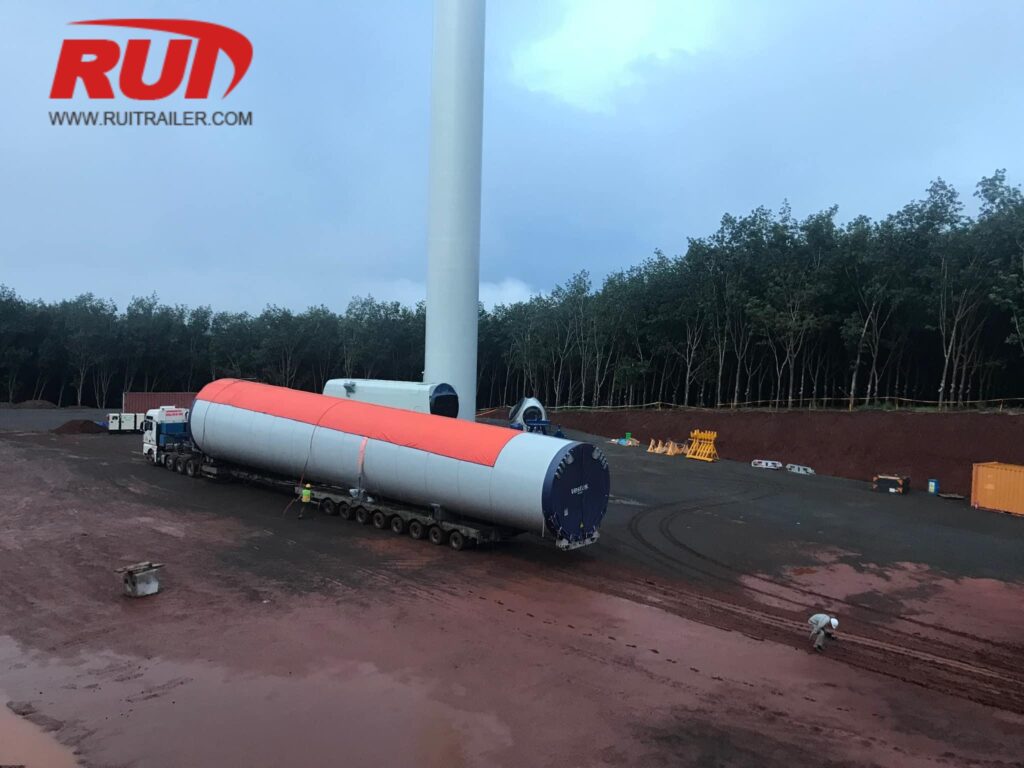
تمثل مكونات طاقة الرياح تحديات أبعاد مختلفة تماماً:
أقسام البرج: تتطلب الأقسام الأساسية والوسطى ذات القطر الكبيرة الحد الأقصى من سعة الوزن المركز مع ارتفاع منخفض للغاية لسطح الشاحنة المحملة (أقل من 18 بوصة / 457 مم) لتجاوز الجسور العلوية على الطرق السريعة. نحن نستخدم مقطورة السرير المنخفض ذات التحميل الأمامي لتكوينات النقل الثقيل مع أسطح آبار قابلة للتمدد لحمل هذه الأحمال الاسطوانية الثقيلة بأمان.
شفرات الدوار: الشفرات الحديثة التي يتراوح طولها بين 70 متراً وأكثر من 100 متر (230 قدماً إلى 330 قدماً) تبدي وزناً ضئيلاً على المحاور ولكنها تولد تأرجحاً هائلاً في المؤخرة وقص الرياح. نقوم بناء مقطورات شفرات تلسكوبية من 3 و4 مراحل تمتد حتى 240 قدماً (73.15 متراً)، ومدمجة مع محولات قاعدة دوارة وعربات خلفية توجيهية قسرية لتتبع المسار بأمان عبر المنعطفات الضيقة.
تحجيم الخلوص العلوي لأوعية الضغط
تتطلب الأعمدة الصناعية، ومجزئات التقطير، والأوتوكلاف إدارة صارمة للأبعاد الرأسية:
حساب ارتفاع النقل: يساوي إجمالي ارتفاع النقل القطر الخارجي للوعاء مضافاً إليه ارتفاع سرج الحامل وخلوص أرضية السطح المحمل.
تحسين سطح الشاحنة: لنقل خزان بقطر 12 قدماً (3.66 متراً) تحت خلوص جسر علوي قياسي بارتفاع 14 قدم و6 بوصات (4.42 متراً)، يجب ألا يتجاوز ارتفاع السطح المحمل 24 بوصة (610 مم). لهذه الأحمال القصوى، نقوم بتكوين أسطح آبار قابلة للتمدد منخفضة المظهر تنخفض إلى 12 بوصة إلى 15 بوصة (305 مم إلى 381 مم) من الخلوص الأرضي تحت الحمولة الكاملة.
قدرات الهندسة والتصنيع لمقطورات التلسكوب المخصصة
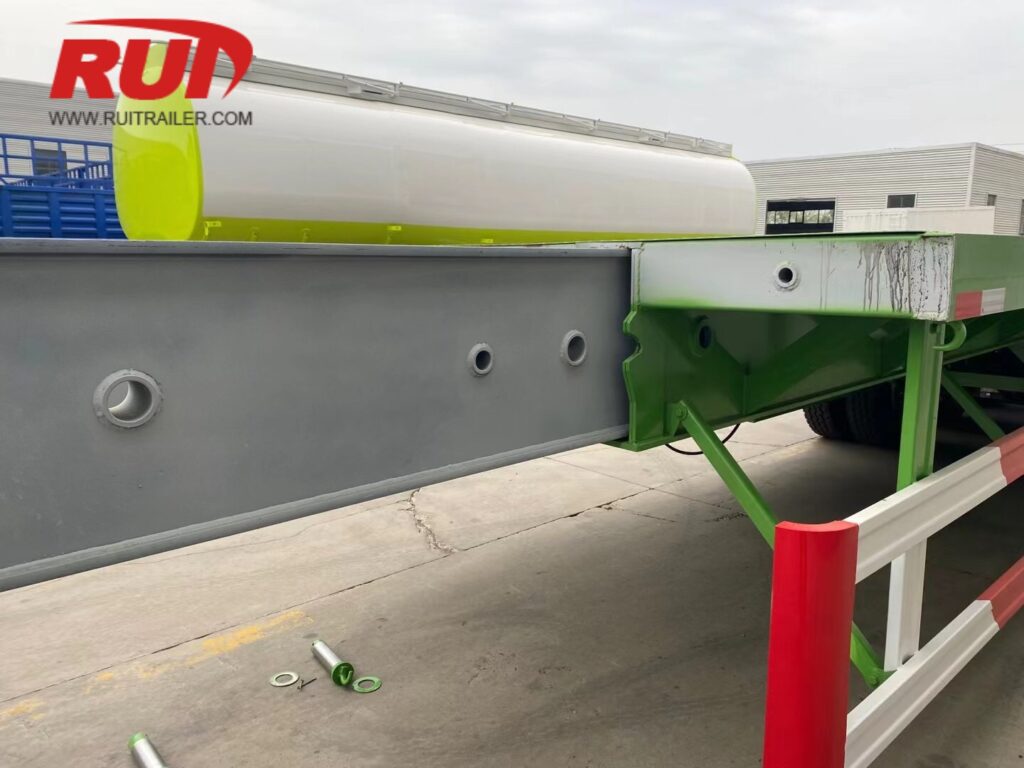
نصمم ونصنع مقطورات التمدد الثقيلة لتلبية أبعاد الحمولة الدقيقة، قوانين الجسور في مصر، ومتطلبات الأحمال القصوى. عندما لا تلبي المواصفات القياسية المتوفرة احتياجاتك التشغيلية، يقوم فريق الهندسة لدينا بتخصيص كل مقياس أبعاد من الصفر.
تصنيع إطار من الصلب عالي الشد
لزيادة الحمولة مع تقليل وزن الشاحنة الفارغة، نبني هيكل المقطورة القابل للتمديد باستخدام صلب هيكلي عالي الإنتاجية:
صلب Q690 و HG785: درجات الصلب عالية القوة تُطبق على العوارض المركزية وأنابيب التلسكوب الداخلية لمنع الترهل في منتصف الامتداد عند التمديد.
صلب Strenx 700 / Weldox: صفائح الصلب عالية الإنتاجية تُستخدم في أقسام الحواف ذات الإجهاد العالي وتحويلات العنق الزجاجي لمقاومة التعب الشديد.
تحكم محسّن في الانحراف: تم تصميم الميل المسبق مباشرة في العمود الفقري لضمان بقاء السطح مستويًا تمامًا تحت تصنيفات الحمولة المركزة الكاملة.
نوبات التمديد الهيدروليكية المخصصة والتحكم الآلي في الدبابيس
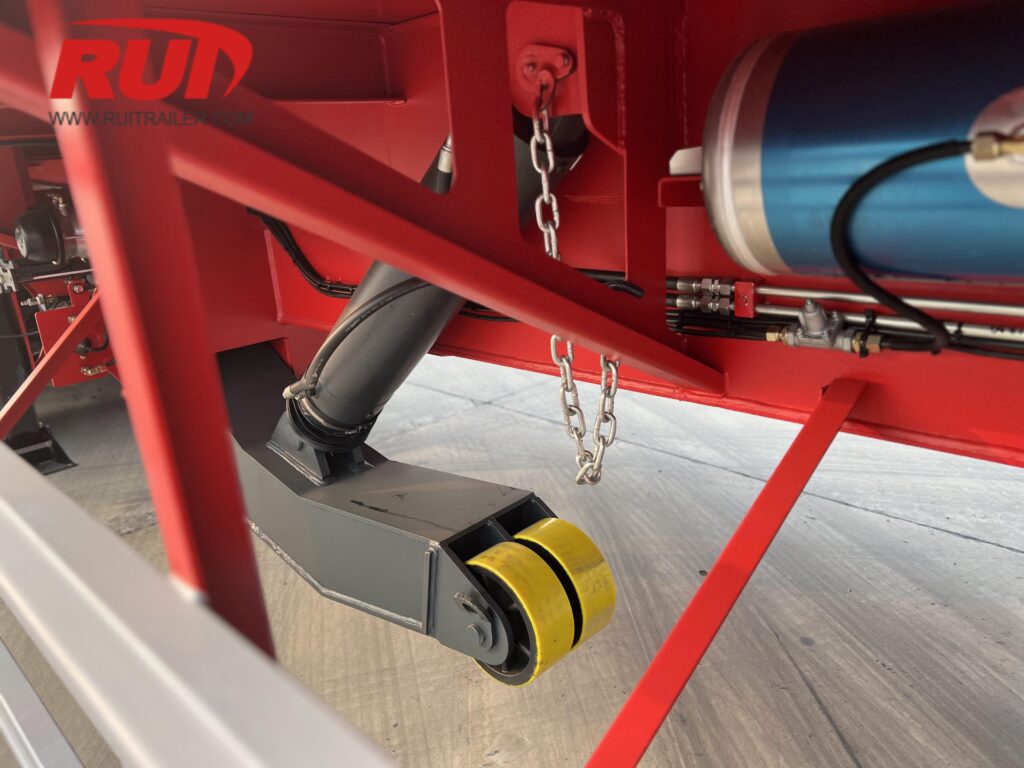
We engineer extension mechanisms around your fleet's specific operational workflows:
أطوال ضرب مخصصة: وصلات تلسكوبية أحادية أو مزدوجة أو ثلاثية أو رباعية المراحل مصممة لتحقيق الأطوال المستهدفة المفتوحة والمغلقة.
تشغيل الانزلاق الهيدروليكي: أسطوانات هيدروليكية مزدوجة توفر طاقة دفع وسحب مستمرة ومتحكم فيها لمد أو سحب الهيكل بسلاسة دون الحاجة إلى مناورات سحب الجرار.
دبابيس قفل تعمل بالهواء المضغوط ومؤتمتة: تحكم هوائي يتم التحكم فيه من مقصورة القيادة ومثبت على المقطورة ليقفل في أطواق دبابيس معززة على فترات 2 قدم (600 مم) أو 5 أقدام (1,500 مم).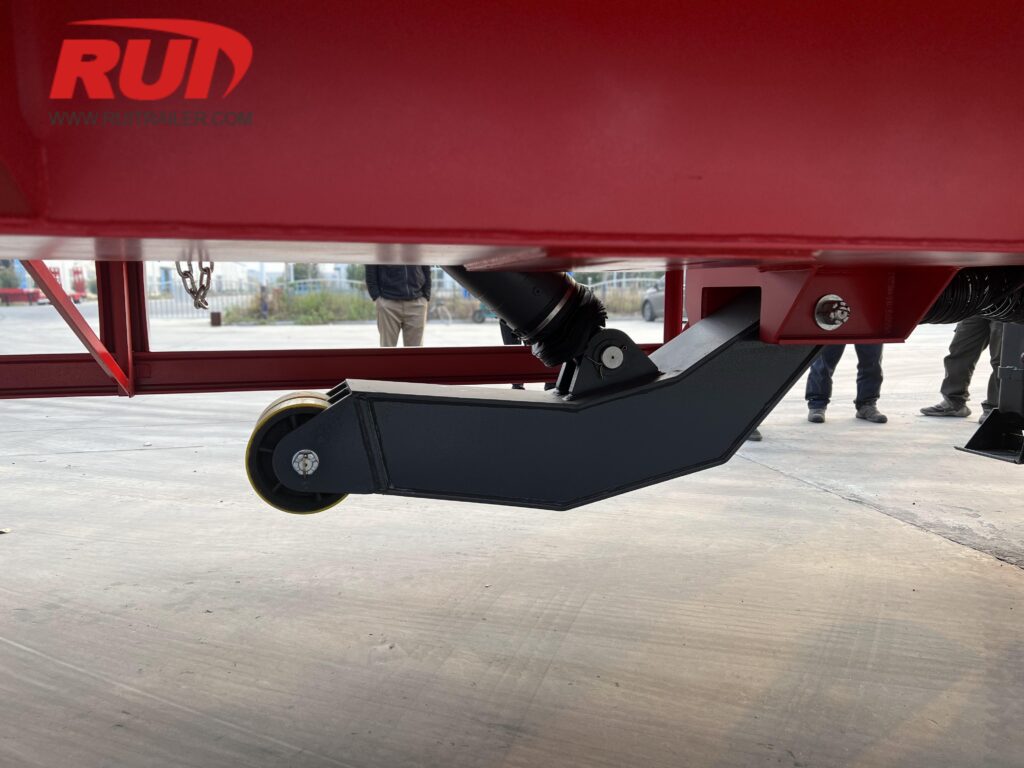
تكامل وحدوي لأحمال المحاور القصوى
بالنسبة للأحمال الضخمة التي تتطلب امتثالاً صارماً لقوانين الجسور، نقوم هندسياً بتصميم هيكلنا القابل للتمديد لتكامل المكونات وحدوية الشكل بسرعة:
اتصال عربة الجيب (Jeep Dolly): صناديق دبابيس أمامية معززة ووصلات عنق الإوزة توزع وزن مسمار الملك عبر خطوط محاور إضافية أمامية.
المحاور القابلة للطي ومقويات النيتروجين: المحاور الخلفية القابلة للطي ومقويات موازنة الأحمال الهيدروليكية/النيتروجينية تمد قاعدة العجلات الإجمالية وتحمي مجموعات المحاور من التحميل الزائد.
توافق وحدوي متعدد المحاور: متوافق تماماً مع أنواع ومواصفات المقطيرات وحدوية الشكل الثقيلة لدينا وميزات مقطورة الرقبة القابلة للفصل (RGN) المتخصصة للنقل الثقيل المعقد متعدد المحاور.
الأسئلة الشائعة حول أبعاد المقطيرات القابلة للتمديد
ما هو الحد الأقصى القانوني لطول الامتداد للشاحنة المقطورة القابلة للتمديد؟
عند الإغلاق، تعمل الوحدات القياسية بالأبعاد القانونية البالغة 48 قدم (14.63 م) or 53 قدم (16.15 م) مع عرض 8.5 قدم (2.59 متر) مما يسمح بالسفر بدون تصريح. بمجرد التمدد، فإن تصميماتنا ذات المرحلة الواحدة والمراحل المتعددة مقطورة قابلة للتمديد تصل إلى أي مسافة تتراوح من 80 قدم (24.38 م) وصولاً إلى أكثر من 230 قدمًا (أكثر من 70 مترًا). إن التشغيل بهذه الأطوال الممتدة يندرج تحت لوائح الأحمال ذات الحجم الزائد، مما يتطلب تصاريح نقل محلية في مصر، ودراسات مسار مخصصة، وتكوينات مرافقة محددة بناءً على الطول الإجمالي للمركبة.
كيف يؤثر تمديد المقطورة على سعة الحمولة المركزة لها؟
يؤدي تطويل الهيكل إلى تغيير عزم الانحناء الهيكلي للمقطورة. مع زيادة المسافة بين مسمار التوجيه (kingpin) ومجموعة المحور الخلفي، تنخفض سعة الحمولة المركزة المسموح بها في منتصف المسافة:
منكمشة بالكامل: تدعم المقطورة الحد الأقصى المقدر لحمولتها المركزة على قسم سطح قصير (عادة من 10 إلى 15 قدمًا / 3 إلى 4.5 متر).
ممتدة بالكامل: تنخفض سعة الحمولة المركزة القصوى بنسبة 40% إلى 60% ما لم تكن البضائع داعمة لنفسها (مثل عوارض الجسور الفولاذية أو الخرسانة مسبقة الصب) أو كان الوزن موزعا بشكل منتظم عبر العمود الفقري بأكمله.
ما هو ارتفاع السطح الأفضل للشحن القابل للتمديد ذي الارتفاع الزائد؟
يعتمد اختيار ارتفاع السطح بشكل مباشر على ارتفاع الحمولة والقيود المفروضة على الارتفاعات العلوية للمسار:
مقطورة سطح منخفض قابل للتمديد: توفر ارتفاعات سطح محملة تتراوح بين 34 بوصة و 40 بوصة (864 مم إلى 1,016 مم), مما يوازن بين قدرة السطح الطويل والخلوص منخفض الارتفاع.
مقطورة منخفضة جداً / عنق أتاحة (RGN) قابلة للتمديد: تقدم ارتفاعات سطح محملة منخفضة للغاية تتراوح من 18 بوصة إلى 24 بوصة (457 مم إلى 610 مم) مع 6 بوصات إلى 8 بوصات (152 مم إلى 203 مم) من الخلوص الارضي. تعتبر المقطورة القابلة للتمديد ذات العنق القابل للإزالة الاختيار القياسي لنقل الأوعية الصناعية الطويلة، والخزانات الثقيلة، والآلات كبيرة الحجم.
متى يلزم توجيه هيدروليكي إجباري على مقطورة قابلة للتمدد؟
تصبح محاور التوجيه الهيدروليكي الإجباري ضرورية بمجرد أن يتجاوز الطول الإجمالي للمقطورة الممتدة 80 قدم إلى 100 قدم (24.38 متر إلى 30.48 متر). مع تمدد قاعدة العجلات:
المحاور الثابتة أو ذات الاحتكاك القياسية تسبب احتكاك إطارات شديد وضغط جانبي هيكلي.
روابط التوجيه الهيدروليكية أو الطاولات الدوارة الآلية توفر حتى زاويا دوران تصل إلى 55 درجة, مما يقلل بشكل كبير من نصف قطر الالتفاف ويحافظ على أبعاد المسار الممسوح ضمن متطلبات التصريح القانوني عند التقاطعات الضيقة.
هل يمكن لمقطورة قابلة للتمديد دعم الأحمال المركزة في الامتداد الأوسط بدون حجز وسيط؟
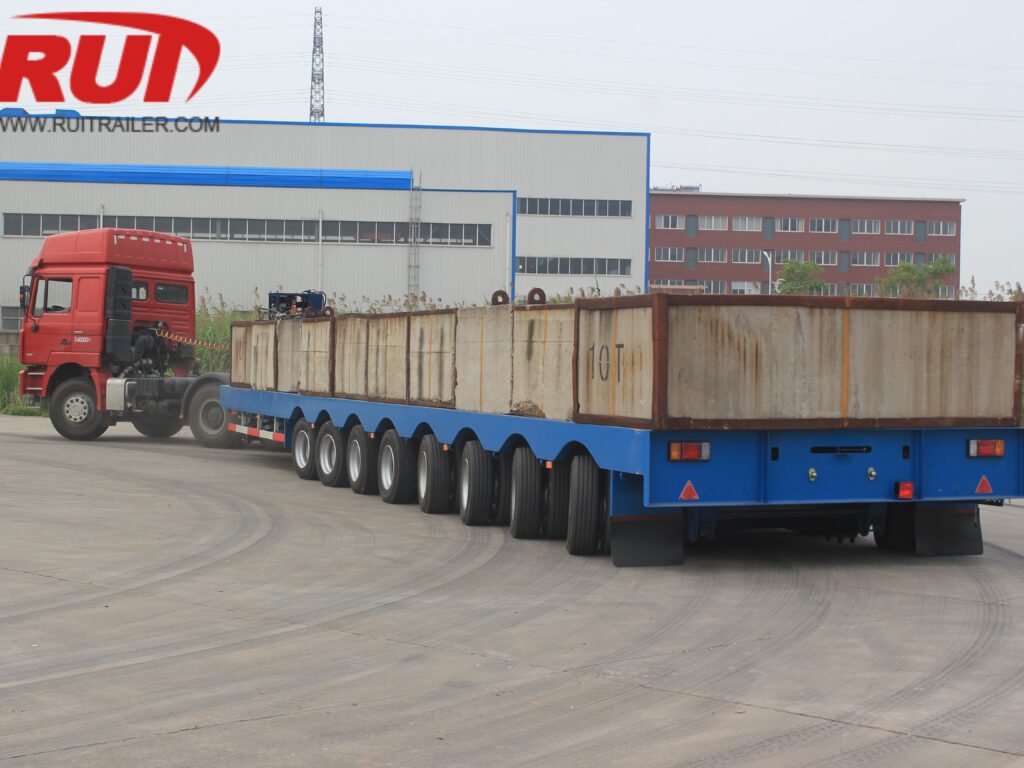
لا. تحميل الآلات الثقيلة بنقطة في القسم الأوسط غير المدعوم من شعاع تلسكوبي ممتد يمكن أن يسبب انحراف دائم في الهيكل أو فشل هيكلي. عند نقل حمولة مركزة غير داعمة ذاتية:
ضع الحمولة فوق المناطق الرئيسية للدعم (فوق انتقال الذيل أو العجلة الخلفية).
استخدم دعائم عابرة وسيطة، أو دعامات هيكلية، أو حواجز موزعة لنقل قوى الحمل مباشرة إلى عوارض الصندوق الخارجية.
 Arabic
  English
  German
  Turkish
  French
  Portuguese
  Russian
  Hindi
Hindi  Vietnamese
  Chinese
  Spanish
  Indonesian
  Swahili