

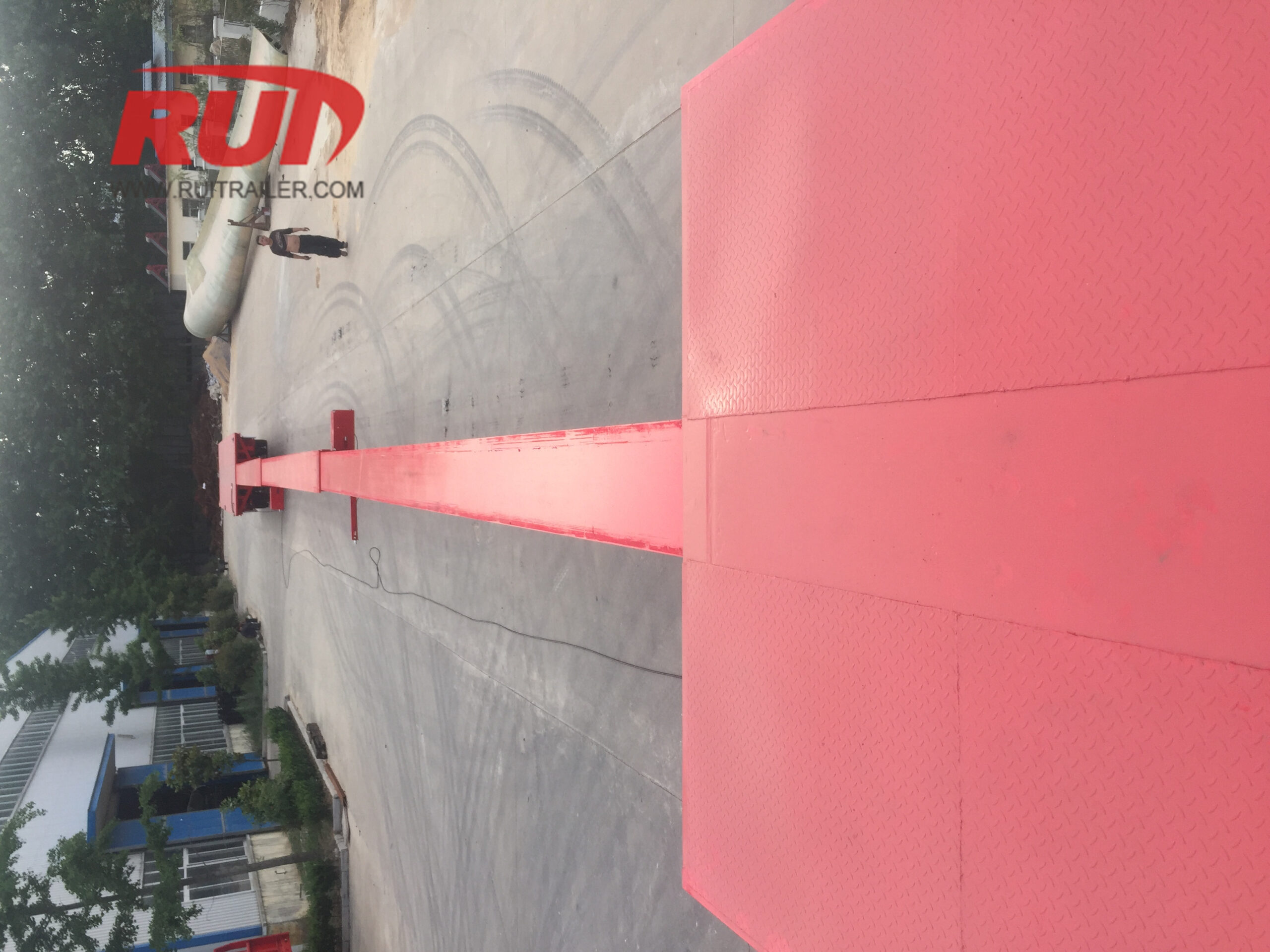
Стандартная матрица справочных размеров выдвижных прицепов
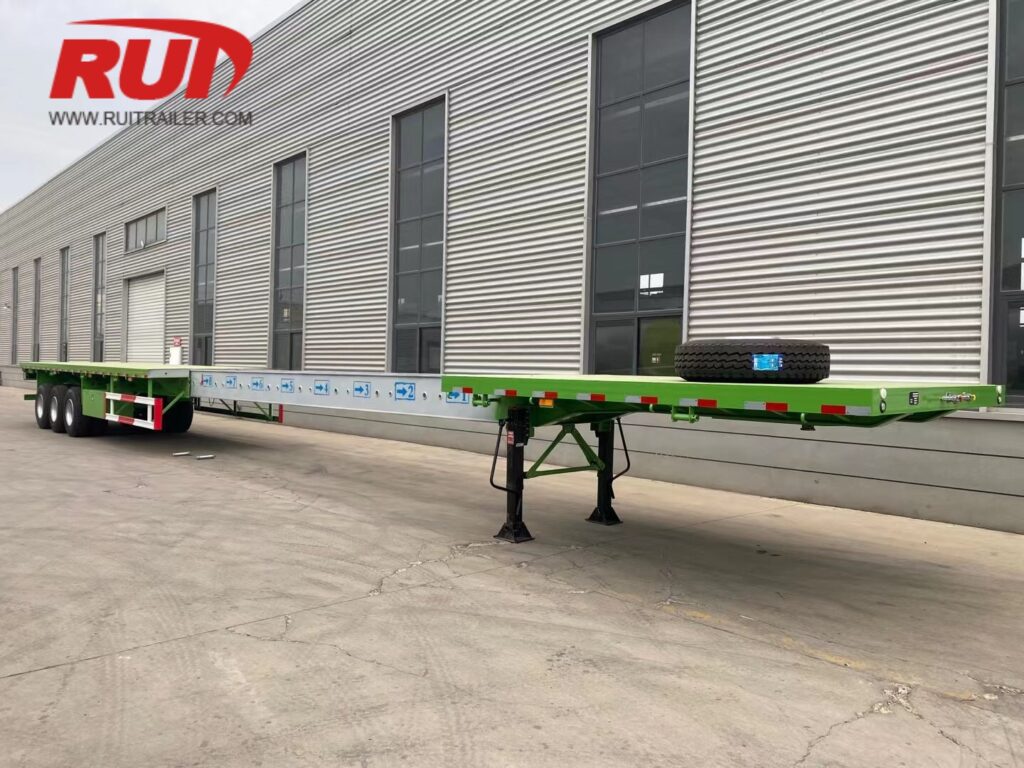
Соответствие экстремальной длины груза правильным габаритам выдвижного прицепа требует точного планирования размеров. При удлинении рамы операторы грузоперевозок должны балансировать зазор на платформе, межосевое расстояние по мостовому закону и моменты изгиба. Мы проектируем наши телескопические рамы так, чтобы сохранять высокую крутильную прочность на всех этапах расширения, одновременно оптимизируя собственный вес.
Ниже представлена наша основная инженерная справочная матрица, сравнивающая стандартные закрытые габариты с максимальными эксплуатационными расширениями для различных типов тяжелых прицепов.
Инженерная матрица размеров: габариты, зазоры и грузоподъемность
| Конфигурация прицепа | Длина в сложенном виде | Максимальная длина в разложенном виде | Доступная ширина платформы | Высота загруженной палубы | Конфигурации осей | Номинальная грузоподъемность |
|---|---|---|---|---|---|---|
| Выдвижной плоский прицеп (одноступенчатый) | 48 футов / 14,63 м | 80 футов / 24,38 м | 102 дюйма / 2590 мм | 59 дюймов / 1500 мм | От 2 до 3 осей | 40 000 фунтов / 18 тонн |
| Выдвижной плоский прицеп (двухступенчатый) | 53 фута / 16,15 м | 120 футов / 36,58 м | 102 дюйма / 2590 мм | 59 дюймов / 1500 мм | 3 до 4 осей | 50 000 кг / 50 тонн |
| Выдвижная платформа с лестницей | 48 футов / 14,63 м | 75 футов / 22,86 м | 102 дюйма / 2590 мм | 36 дюймов / 915 мм | 2 до 4 осей | 43 000 кг / 43 тонны |
| Выдвижный низкий борт (RGN с погружной платформой) | 26 футов / 7,92 м (Погружная часть) | 50 футов / 15,24 м (Погружная часть) | 102–120 дюймов / 2 590–3 048 мм | 18–24 дюйма / 457–610 мм | 3 до 3+2 осей | 60 000 кг / 60 тонн |
| Многоступенчатый телескопический трал | 65 футов / 19,81 м | 230+ фут / 70,10 м | 100–118 дюймов / 2 540–3 000 мм | 38–48 дюймов / 965–1 220 мм | от 3 до 6 осей (рулевые) | 120 000 фунтов / 55 тонн |
Ключевые показатели размеров
- Закрытая vs. Расширенная длина: Стандартные шасси начинаются с допустимых дорожных длин (48 футов или 53 фута) и расширяются за счет внутренних слайд-балок с шагом от 2 до 5 футов (600 мм до 1 500 мм).
- Профили высоты платформы: Выдвижные низкорамные платформы обеспечивают очень низкую высоту загрузки до 18 дюймов (457 мм), чтобы разместить высокие промышленные компоненты под навесами, в то время как удлиненные ступенчатые платформы имеют среднюю высоту 36 дюймов (915 мм) для длинных, средне-высоких машин.
- Конфигурация осей и механика нагрузки: По мере увеличения базы колес, сосредоточенная грузоподъемность в центре уменьшается. Мы используем гидравлические системы самонаведения или принудительного управления осями на платформах длиной более 80 футов (24,38 м), чтобы соблюдать формулу моста и уменьшить износ шин при резких поворотах.
Размеры расширяемого платформенного полуприцепа (тромбонные прицепы)
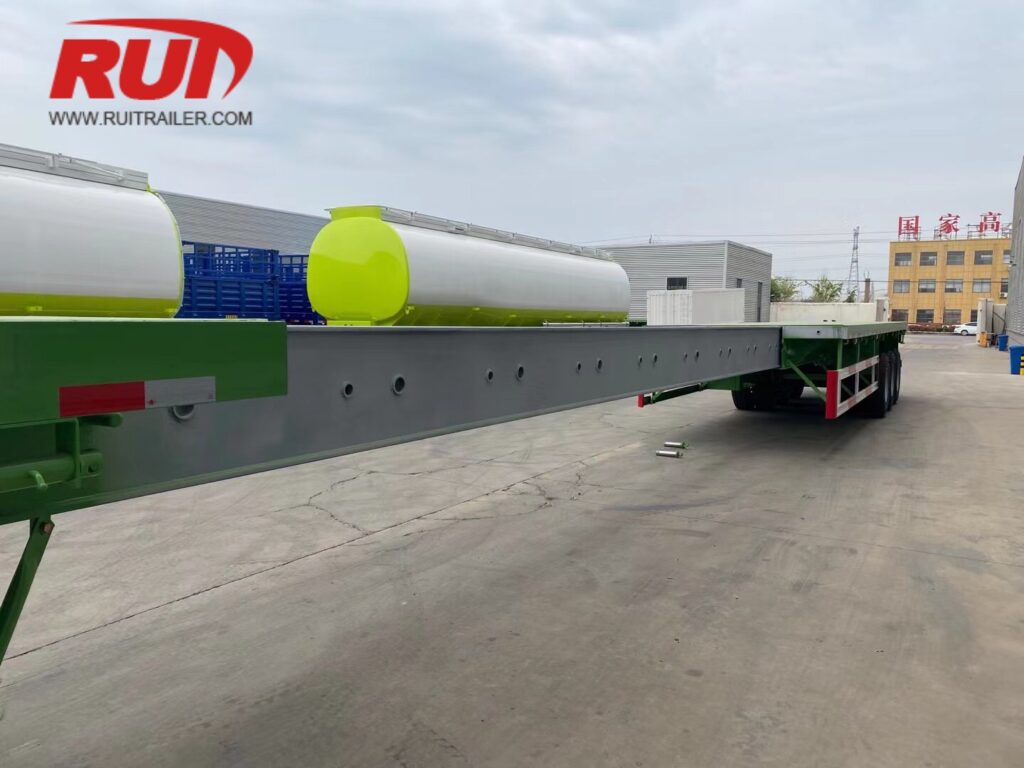
Мы проектируем наши тромбонные и растяжные платформенные прицепы для перевозки конструкционных стальных балок, длинных труб, связок арматуры и самонесущих длинных грузов, оставаясь достаточно маневренными для перевозки пустым по стандартным легальным габаритам.
Стандартные размеры выдвижной рамы
Когда закрыт, наши растяжные платформы соответствуют стандартным дорожным конфигурациям для перевозки без разрешений на сверхгруз на маршрутах возврата без груза:
Базовая модель 48 футов: Выдвижная длина 48 футов (14,63 м) с шириной стандартной платформы 102 дюйма (2,59 м).
Базовая модель 53 фута: Выдвижная длина 53 фута (16,15 м) с шириной стандартной платформы 102 дюйма (2,59 м).
Полезная ширина платформы: 8 футов 6 дюймов (2,59 м) с боковыми карманами для опор, боковыми рельсами и встроенными карманами для труб.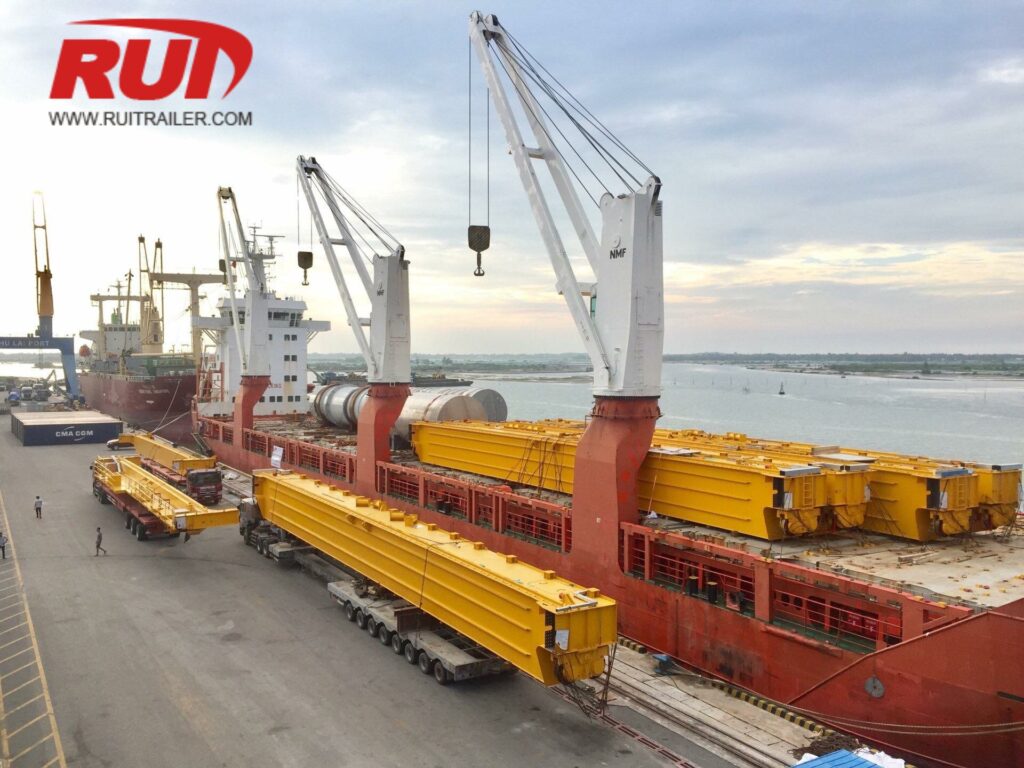
Диапазоны одноступенчатых и двухступенчатых выдвижений
Для обеспечения экстремальных длин мы используем телескопические коробчатые балки из высокопрочной стали, которые плавно скользят по износостойким подушкам:
Одноступенчатые телескопические выдвижения: Расширяет прицеп длиной 48 футов до 80 футов (24,38 м) или прицеп длиной 53 фута до 90 футов (27,43 м).
Двухступенчатые телескопические выдвижения: Использует систему центральных коробчатых балок с двойным скольжением, которая растягивает раму с 53 футов до в целом 120 футов (36,58 м).
Для операционных параметров при перевозке различных длинных грузов ознакомьтесь с нашим руководством по универсальной грузоподъемности расширяемых прицепов для оценки характеристик рамы при различных пролетах.
| Параметр | 48 футов Одноступенчатый | 53 фута Одноступенчатый | 53 фута Двухступенчатый |
|---|---|---|---|
| Длина в сложенном виде | 48 футов (14,63 м) | 53 фута (16,15 м) | 53 фута (16,15 м) |
| Максимальная длина в разложенном виде | 80 футов (24,38 м) | 90 футов (27,43 м) | 120 футов (36,58 м) |
| Ширина палубы | 102 дюйма (2,59 м) | 102 дюйма (2,59 м) | 102 дюйма (2,59 м) |
| Высота загруженной палубы | 59 дюймов (1 498 мм) | 60 дюймов (1 524 мм) | 61 дюйм (1 549 мм) |
| Интервалы блокировки штифтов | 2 фута / 5 футов (0,6 м / 1,5 м) | 2 фута / 5 футов (0,6 м / 1,5 м) | 2 фута / 5 футов (0,6 м / 1,5 м) |
Профили высоты верхней палубы на шинах 22,5 дюйма
Работая на стандартных шинах 295/75R22.5 или 11R22.5 тяжелого типа, наши регулируемые высоты платформы оптимизированы для прямой загрузки погрузчиком и краном:
Высота палубы без нагрузки: 61 дюйм до 63 дюймов (1549 мм до 1600 мм) на задней подвеске.
Высота загруженной платформы: Устанавливается между 59 дюймами и 60 дюймами (1498 мм до 1524 мм) при стандартных легальных нагрузках на ось.
Клиренс под рамой: 14 дюймов до 18 дюймов (355 мм до 457 мм) под телескопической центральной балкой в середине пролета.
Интервалы и позиционирование пневматических фиксирующих шпилек
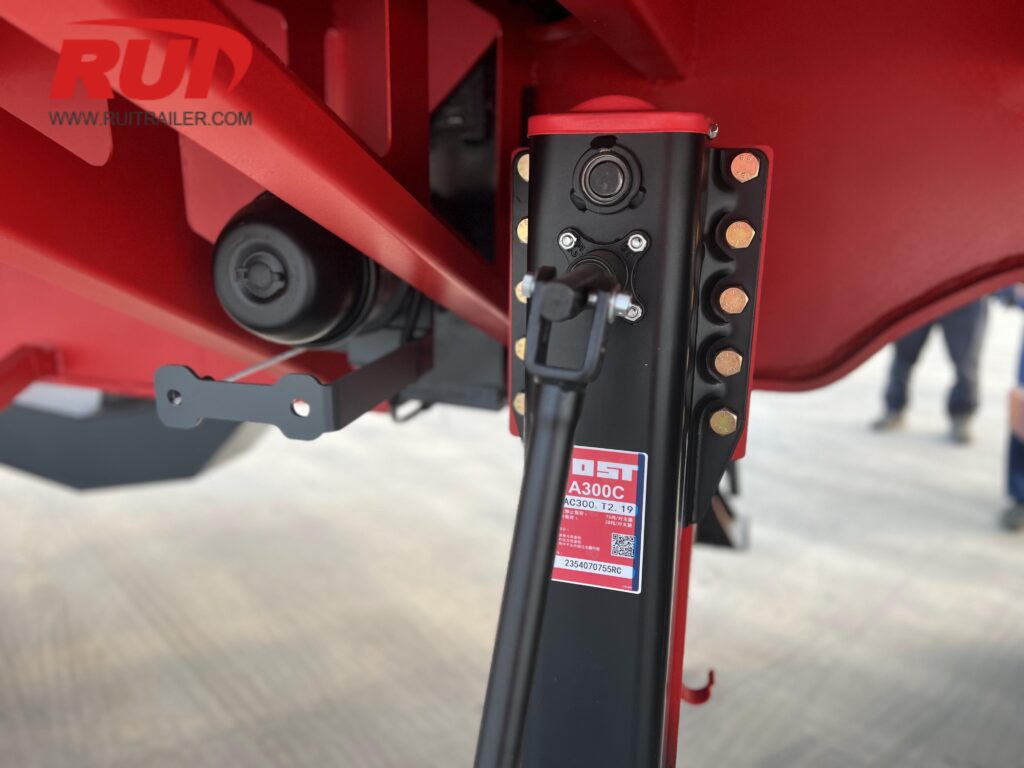
Наши телескопические шасси оснащены тяжелыми пневматическими фиксирующими шпильками, управляемыми напрямую с клапанной консоли водителя или через пневматические переключатели в кабине:
Интервалы фиксации: Точные просверленные стопоры шпилек, расположенные каждые 24 дюйма (610 мм) или 60 дюймов (1524 мм) вдоль основной структурной балки коробки.
Кабельные трассы цепей энергии: Полностью закрытые цепи защищают воздушные тормозные линии и электрические жгуты от защемления, зацепления или растяжения при открытии и закрытии шасси.
Аэродинамический выпуск: Механические предохранительные замки с пружинным механизмом обеспечивают надежное механическое закрепление шпилек даже при потере давления воздуха во время транспортировки.
Размеры выдвижной ступенчатой платформы и платформы с понижением
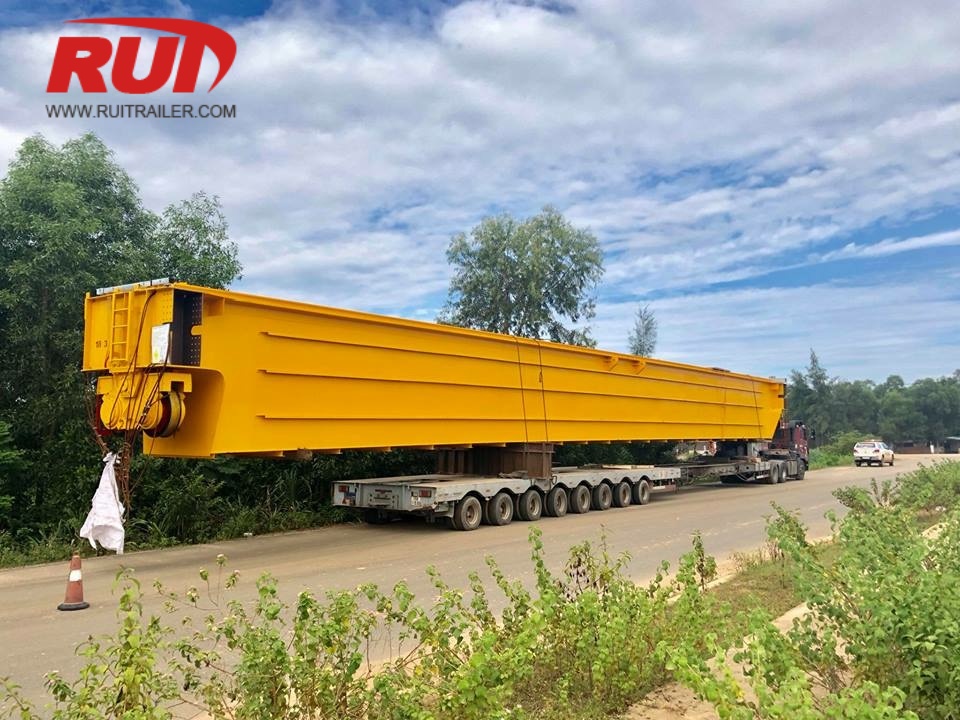
Наши выдвижные трейлеры с платформой-ступенькой (с платформой с понижением) решают проблему перевозки длинных грузов, которые слишком высоки для стандартной плоской платформы. Путем понижения центра тяжести и предоставления переменной длины платформы эти трейлеры позволяют перевозить высокие, самонесущие промышленный груз, оставаясь в пределах стандартных ограничений по высоте мостов.
Длина верхней платформы против размеров выдвижной нижней части
Конфигурация шасси делит доступное пространство платформы на фиксированную верхнюю платформу и телескопическую нижнюю часть:
- Верхняя платформа (область носового участка): Обычно имеет длину от 10 до 11 футов (3 048 мм до 3 353 мм), обеспечивая стандартную высоту загруженной платформы 60 дюймов (1 524 мм) для перевозки поддерживающего оборудования, такелажа или меньших вторичных грузов.
- Закрытая нижняя часть: Обеспечивает базовую чистую длину платформы от 37 до 42 футов (11 278 мм до 12 800 мм).
- Расширенная нижняя часть: Одноступенчатые телескопические центральные балки расширяют основную платформу до 63–75 футов (19 200 мм до 22 860 мм), что дает общую длину трейлера до 86 футов (26 212 мм).
+------------------+----------------------------------------------------+
| Фиксированная верхняя платформа | Расширяемая нижняя часть (Основная платформа) |
| 10–11 футов | Закрытая: 37–42 футов ===> Расширенная: до 75 футов |
+------------------+----------------------------------------------------+
Низкопрофильные высоты платформ для высокого грузового просвета
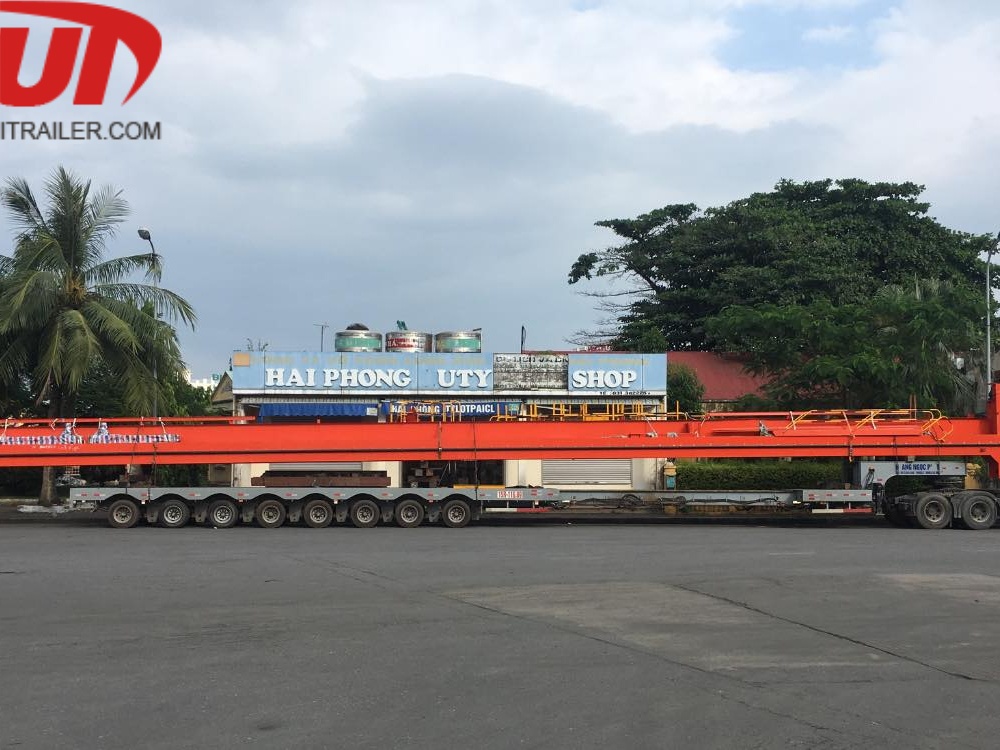
Высота нижней платформы обеспечивает законный просвет для высокого оборудования, судов и конструктивных элементов. Стандартные характеристики выдвижного трейлера с пониженной платформой предусматривают загруженную высоту нижней платформы в диапазоне 34 дюйма и 40 дюймов (864 мм до 1 016 мм) на низкопрофильных шинах 255/70R22.5.
Когда необходим экстремальный вертикальный просвет, мы разрабатываем сверхнизкие конфигурации с использованием 17,5-дюймового ходового механизма, чтобы снизить высоту загруженной платформы до 30–33 дюймов (762 мм до 838 мм). Для экстремальных применений, требующих еще меньших профилей по земле, мы также производим специализированное оборудование, такое как наш модульный трейлер с низкопрофильной платформой предназначенный для строгих ограничений по высоте.
Расширяемые габаритные характеристики откидной платформы
| Спецификация по метрике | Стандарт Империал | Стандарт по метрике |
|---|---|---|
| Общая длина (в сложенном виде) | 48 футов / 53 фута | 14 630 мм / 16 154 мм |
| Общая длина (полностью выдвинутая) | 75 футов до 86 футов | 22 860 мм до 26 212 мм |
| Длина основного отсека (выдвинутая) | До 75 футов | До 22 860 мм |
| Высота загруженного отсека | 34 дюйма до 40 дюймов | 864 мм до 1 016 мм |
| Стандартная ширина платформы | 8 футов 6 дюймов (102 дюйма) | 2 590 мм |
| Ширина выдвинутого опорного выносного устройства | До 10 футов 6 дюймов | До 3 200 мм |
| Клиренс от пола (загруженный) | От 8 до 10 дюймов | 203 мм до 254 мм |
Переходы гусеничного хвоста и зазоры для бивер-тайла
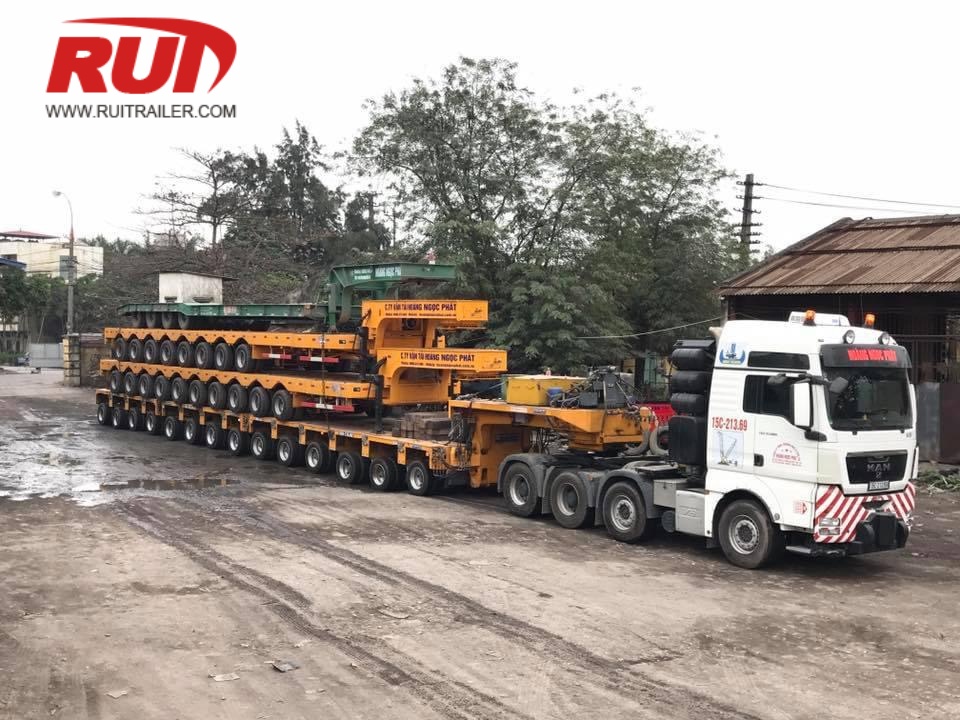
- Уклон перехода: Создан с чистым переходом под углом 45 или 90 градусов от верхней палубы к нижней. Этот дизайн предотвращает длительные структурные нагрузки при высоком центре во время транспортировки.
- Переход задней тележки: Сужающийся переход к заднему ходовому механизму обеспечивает, чтобы длинное оборудование, проходящее через отверстие, не застревало на раме задней оси.
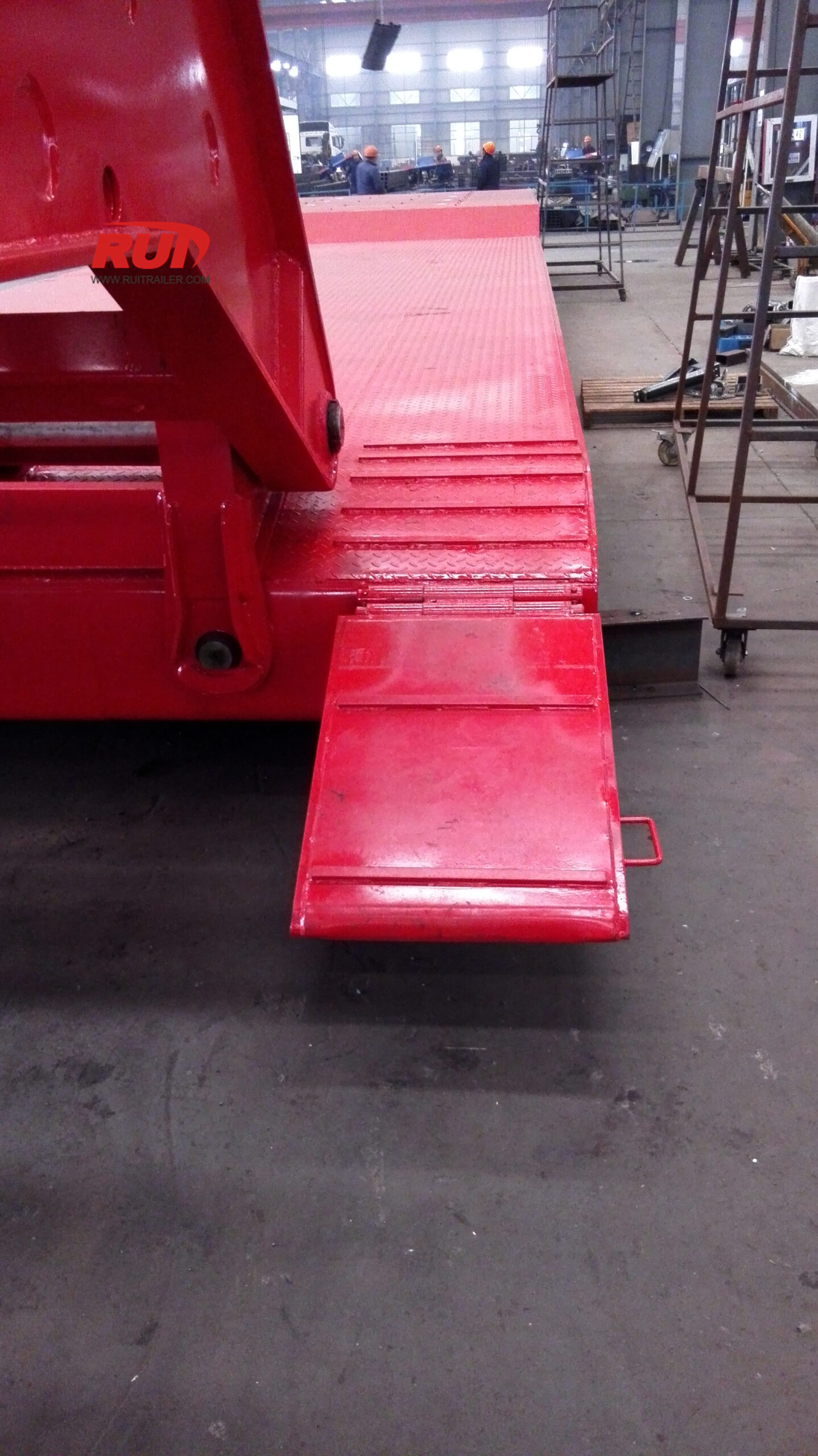
- Опции бивер-тайла и рампы: Дополнительные бивер-тайлы задней части длиной 4 фута до 5 футов (1 219 мм до 1 524 мм) с тяжелыми пружинными или гидравлическими рампами обеспечивают угол загрузки от 14 до 16 градусов для заезда оборудования.
Габариты выдвижного низкорамного и RGN прицепа
При перевозке высоких, самонесущих грузов, таких как промышленные автоклавы, компоненты нефтеперерабатывающих заводов или тяжелая техника, сочетание низкой высоты платформы с регулируемой длиной является необходимостью. Наши выдвижные низкорамные платформы и съемные носовые платформы решают проблему ограниченной вертикальной высоты, одновременно позволяя перевозить удлиненные колесные базы. Чтобы ознакомиться со стандартными конфигурациями платформ, просмотрите наш полный руководство по типам, характеристикам и применению низкорамных прицепов.
Чистая длина грузовой платформы от 26 футов в закрытом состоянии до 65 футов в развернутом виде
Чистая грузовая площадка обеспечивает основную платформу для концентрированных тяжелых грузов. Наши выдвижные низкорамные размеры представляют собой следующие стандартные этапы длины:
- Сложенная базовая платформа: от 26 до 30 футов (от 7,92 м до 9,14 м) для региональных перевозок и пустых пробегов.
- Полностью развернутый пролет: от 50 до 65 футов (от 15,24 м до 19,81 м) свободной грузовой платформы для длинных пролетов.
- Общая длина: от 53 футов (16,15 м) в закрытом состоянии до более 90 футов (27,43 м) с учетом носового и заднего тележечного узла и сборки тридемных осей.
Профили сверхнизкой посадки (от 18 до 24 дюймов)
Минимизация высоты верхней части платформы позволяет иметь дополнительное пространство под мостами и линиями электропередач:
- Высота загруженной платформы: от 18 до 24 дюймов (457 мм до 610 мм) при полной нагрузке.
- Клиренс под грузом: 4 дюйма до 6 дюймов (102 мм до 152 мм) зазор для движения, предназначенный для предотвращения застревания на железнодорожных переездах и неровных перекрестках.
- Варианты конструкции платформы: Плоская шахта, боковая балка с опусканием или конфигурации балка и арматура для сверхвысокого удержания грузов.
Вставки для скольжения основной балки и гидравлические блокировки шпилек
Телескопическая конструкция при тяжелых нагрузках требует надежных механических систем блокировки. Мы создаем эти растягивающиеся шахты с высокопрочными телескопическими структурными коробчатыми балками и точными системами блокировки:
| Размерные параметры | Имперские спецификации | Метрические спецификации |
|---|---|---|
| Длина втянутой шахты | 26 футов – 30 футов | 7,92 м – 9,14 м |
| Максимальная длина выдвинутой шахты | 50 футов – 65 футов | 15,24 м – 19,81 м |
| Высота платформы при загрузке | 18 дюймов – 24 дюйма | 457 мм – 610 мм |
| Дорожный просвет (с грузом) | 4 дюйма – 6 дюймов | 102 мм – 152 мм |
| Интервалы фиксатора | Каждые 24 дюйма до 60 дюймов | Каждые 600 мм до 1500 мм |
- Высокопроизводительные внутренние и внешние балки: Изготовлены из высокопрочной стали для сопротивления прогибу на длинных пролетах без увеличения мертвого веса.
- Воздушные и гидравлические ограничители штифтов: Высокотяговые замковые штифты надежно зафиксированы на определенных интервалах вдоль удлинителя.
- Плавные съемные переходы: Бесшовное соединение с нашими передними шейками, соответствующее операционной гибкости, присущей нашей линейке съемных гусеничных прицепов с гусеничным носом.
Многоступенчатые телескопические размеры лезвий прицепа
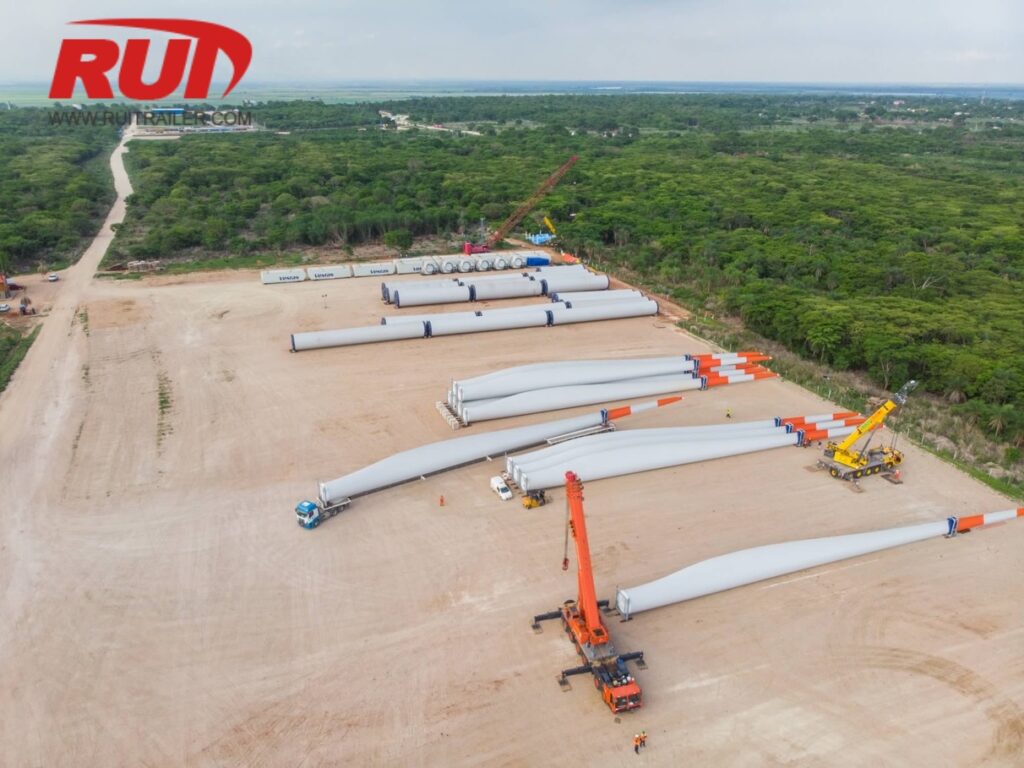
Перевозка современных ветровых турбинных лопастей требует экстремальной дальности и крутильной стабильности. Мы проектируем наши многоступенчатые телескопические прицепы для лопастей, чтобы справляться с огромными длинами лопастей, одновременно соблюдая строгие требования дорожных правил во время возвращения без груза.
Многоступенчатая телескопическая динамика расширения
Наши многоступенчатые телескопические шасси прицепов используют выдвижные балки с 3, 4 и 5 ступенями, которые динамически регулируются в зависимости от длины лезвия:
- Закрытая длина: 65 футов до 72 футов (19,8 м до 21,9 м) для легальной перевозки в пустом состоянии.
- Максимальная выдвижная длина: Бесшовно расширяется от 175 футов до более чем 230 футов (53,3 м до более 70 м).
- Промежуточные ступени блокировки: Автоматические пневматические запорные штифты фиксируют телескопические секции на пользовательских интервалах каждые 3 фута до 5 футов (0,9 м до 1,5 м).
- Конфигурация задней тележки: От 3 до 6 гидравлических маятниковых осевых линий обеспечивают минимальный радиус поворота и автоматическую рулевую настройку.
Для региональных маршрутов, использование специально предназначенного прицепом для лопастей ветровых турбин обеспечивает соблюдение общей длины комбинации в пределах разрешенных полос движения, избегая узких участков дороги.
Профиль торового коробчатого бруса
Экстремальные пролеты расширения создают сильные изгибающие моменты. Мы строим центральную ось, используя высокопрочный закрытый профиль коробчатого бруса, изготовленный из высокопрочного конструкционного стали:
- Прочность шасси: Закрытая центральная ось предотвращает боковое отклонение и исключает крутящий момент шасси при пролётах свыше 200 футов (61 м).
- Внутренние кабельные/трубопроводные каналы: Энергетические цепи проходят внутри телескопических балок, защищая гидравлические линии и электропроводку от заедания или дорожного мусора во время телескопирования.
| Параметр спецификации | Стандарт Империал | Стандарт по метрике |
|---|---|---|
| Общая длина в сложенном виде | 65 футов 7 дюймов | 20 000 мм |
| Полностью выдвинутая общая длина | 232 фута 11 дюймов | 71 000 мм |
| Этапы выдвижения | Телескопическая от 3 до 5 ступеней | Телескопическая от 3 до 5 ступеней |
| Высота загруженной платформы (задний бульдозер) | 37 дюймов до 41 дюйма | 950 мм до 1 050 мм |
| Ширина шасси | 8 футов 4 дюйма до 9 футов 10 дюймов | 2 550 мм до 3 000 мм |
Гидравлические поворотные платформы и размеры адаптеров для корня лезвия
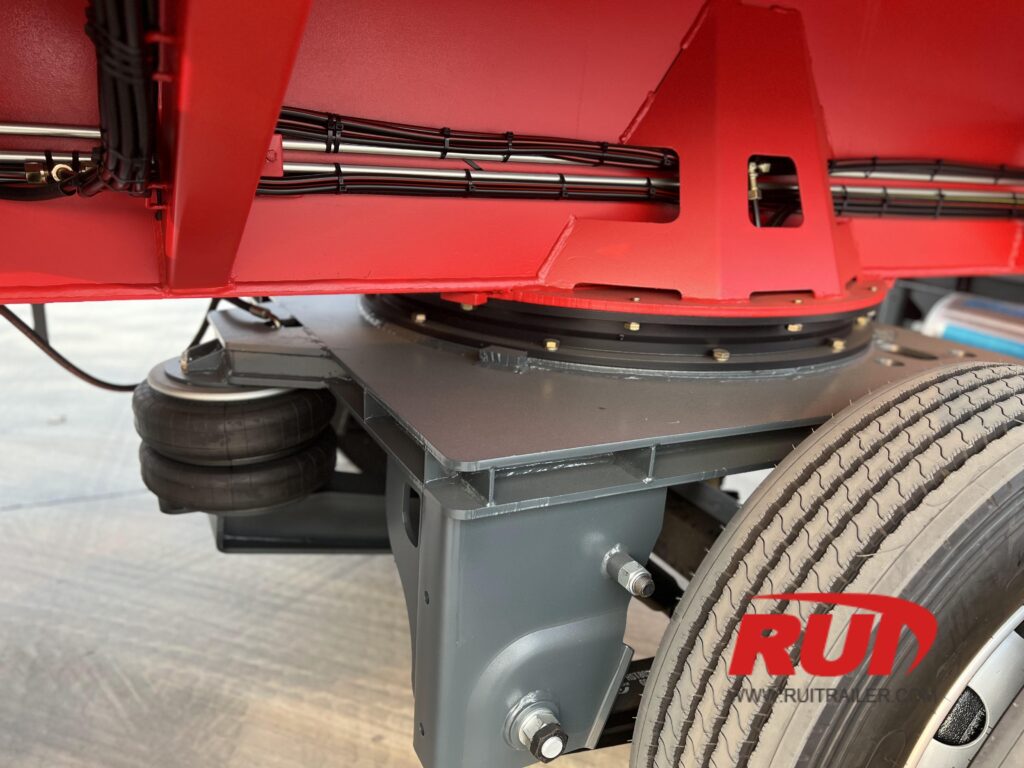
Диаметры крепления корня требуют жестких монтажных интерфейсов для поглощения сил ускорения и торможения:
- Интегрированные поворотные платформы: Гидравлические скользящие опоры поглощают трение при транспортировке и компенсируют изгиб лезвия по неровной местности.
- Зажимные фиксаторы для корня: Универсальные адаптеры для корня с болтовым кругом регулируются для соответствия стандартным диаметрам корня лезвия от 3,0 м до 4,5 м (9,8 футов до 14,8 футов).
- Маневренность на экстремальных участках: Для подъездных дорог к горным ветропаркам, сочетание шасси с специализированным адаптера лопасти ротора позволяет достигать углов наклона лопастей до 60 градусов и полного вращения на 360 градусов для обхода линий деревьев и узких склонов.
Параметры ширины, зазора и структурных отклонений
Контроль общей ширины, зазоров трактора и средних отклонений шасси является важным при настройке оборудования для тяжелых перевозок. По мере увеличения длины выдвижных прицепов управление структурной геометрией обеспечивает соответствие требованиям, стабильность и отсутствие препятствий на дороге при максимальной нагрузке.
Рейтинги ширины шасси и выдвижные опоры
Стандартные выдвижные платформы имеют базовую транспортную ширину 8 футов 6 дюймов (2,59 м / 2 590 мм), чтобы соответствовать правилам перевозки по дорогам без разрешения. Для крупногабаритных грузов, тяжелого оборудования и широких машинных следов мы интегрируем тяжелые выдвижные опоры (боковые кронштейны) по периметру балок.
- Стандартная базовая ширина: 8 футов 6 дюймов (2,59 м / 2 590 мм)
- Расширенная ширина опор: 10 футов 0 дюймов до 12 футов 0 дюймов (3,05 м до 3,66 м / 3 050 мм до 3 660 мм)
- Вместимость опор: Рекомендуется для поддержки распределенных нагрузок по периметру с использованием тяжелых твердых пород древесины или алюминиевых приставных досок.
| Параметр спецификации | Стандарт Империал | Метрическая (ISO) | Применение / Функция |
|---|---|---|---|
| Ширина базовой палубы | 8 футов 6 дюймов (102 дюйма) | 2 590 мм | Стандартная ширина легальной полосы движения |
| Ширина выдвинутого опорного выносного устройства | 10 футов 0 дюймов – 12 футов 0 дюймов | 3 050 мм – 3 660 мм | Поддержка широкой техники и судов |
| Радиус качания гусеничного носа | 84 дюйма – 110 дюймов | 2 134 мм – 2 794 мм | Клиренс кабины и рамы для многоколесных тракторов |
| Настройки смещения коронки | 16 дюймов, 24 дюйма, 36 дюймов | 406 мм, 610 мм, 914 мм | Оптимизация распределения веса ведущих осей трактора |
| Арка предварительного наклона позвоночника | 1,5 дюйма – 3,5 дюйма | 38 мм – 89 мм | Меры противодействия отклонению под нагрузкой на пролёт |
Радиус качания гусеничного крюка, настройки коронной шарниры и зазоры трактора
Правильный зазор между рамой трактора, кабиной-спальником и шейкой прицепа предотвращает контакт во время маневров с узким радиусом. Мы разрабатываем регулируемые многопозиционные коммерческие коронные шарниры (варианты 2 дюйма / 50,8 мм и 3,5 дюйма / 88,9 мм) для соответствия различным базам колес трактора и группам задних ведущих осей.
- Двойные расположения коронных шарниров: Двойные базовые пластины позволяют быстро регулировать зазоры между 16 дюймами (406 мм) и 36 дюймами (914 мм).
- Зазор гусеничного крюка: Инженерные профили качания, варьирующиеся от 84 до 110 дюймов (2 134 мм до 2 794 мм), позволяют использовать трактора тяжелого типа с 3 и 4 осями, плавно интегрируясь с конфигурациями, такими как складной низкорамный трал с гуськом для обхода задних рам и крыльев лебедки.
Инженерия предварительного наклона позвоночника для противодействия прогибу в середине пролёта
Когда телескопическая балка вытягивается на большие пролёты, увеличиваются естественные изгибающие моменты. Без правильного проектирования такое изгибание вызывает прогиб конструкции в середине прицепа, снижая дорожный просвет под платформой ниже безопасных границ и создавая риск зацепления за землю при переезде через железнодорожные переезды и дорожные кромки.
- Встроенный подъёмный арк: Мы изготавливаем наш главный центральный позвоночник с положительным предварительным наклоном (подъемом 1,5 дюйма до 3,5 дюйма / 38 мм до 89 мм при пустом состоянии).
- Контроль прогиба под нагрузкой: Когда прицеп перевозят концентрированный груз на максимальной длине выдвижения, инженерный изгиб тянет платформу вниз в плоскую, горизонтальную плоскость.
- Конструкция из высокопрочной стали: Изготовлен из высокопрочных стальных коробчатых балок, каркас сопротивляется постоянной деформации и сохраняет полную структурную целостность при различных длинах растяжения.
Расстояние между осями, геометрия рулевого управления и соблюдение правил мостов
При расширении раздвижные размеры прицепа для экстремальных нагрузок управление распределением веса и маневренностью становится критически важным. Продление базы колес увеличивает нагрузку на оси согласно Федеральной формуле моста, требуя определённых распределений групп осей и активных механизмов рулевого управления для соблюдения требований дорожного законодательства и обеспечения маневренности.
Конфигурации групп осей по формуле моста
Удлинение шасси смещает внутреннее расстояние между мостами, изменяя допустимые легальные веса осей по всей дорожной сети. Мы проектируем наши задние тележки с универсальными схемами расположения:
Стандартные распределения тандема и триплета: Фиксированные или скользящие расстояния между осями, установленные на 1370 мм, 1524 мм или 1829 мм для оптимизации максимальной допустимой массы транспортного средства (GVWR).
Широкие распределения и конфигурации с четырьмя осями: Расстояния до 2743 мм или модульные группировки из 4 осей для равномерного распределения концентрированной нагрузки по мостам дорог.
Оптимизация веса без нагрузки: Точные настройки расстояния от центральной шары до центральной оси обеспечивают соблюдение региональных формул моста без перегрузки ведущих осей тягача.
+------------------------------------------------------------------------------------+
| Вложенная / Расширенная база колес | Соответствие формуле моста | Распределение нагрузки по осям |
+------------------------------------------------------------------------------------+
| 48 футов (14,6 м) закрытая | Стандартные легальные ограничения | Прямой 50/50 тандем |
| 80-120+ футов (24,4-36,5+ м) открытая | Разрешённый сверхразмерный мост | Активное распределение |
+------------------------------------------------------------------------------------+
Гидравлические системы принудительного управления рулевым управлением (до 55° угла)
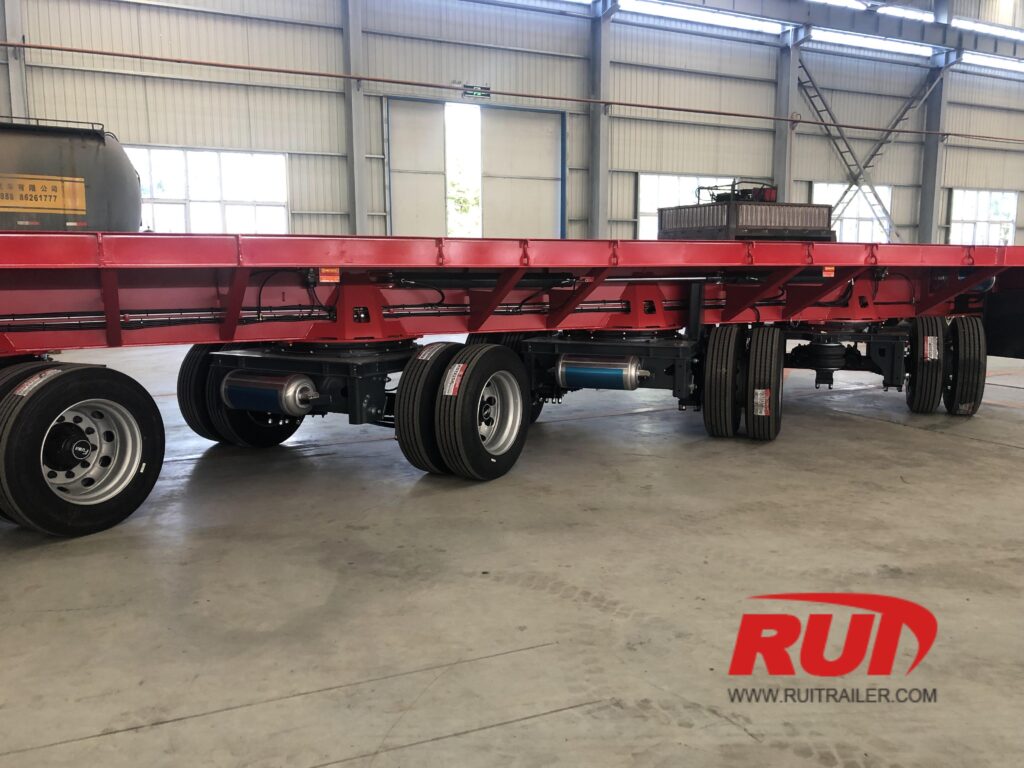
Длина трейлера создает серьезные проблемы с износом шин и сложностями при маневрировании на городских или горных маршрутах. Мы оснащаем наши многоступенчатые и тяжелые трейлеры системой высокого угла поворота:
Контроль клина и поворотного устройства: Механико-гидравлические рулевые тяги синхронизируют угол поворота коронки цапфы и задней оси.
Экстремальный радиус поворота: Гидравлические оси для тяжелых промышленных применений обеспечивают прогрессивные углы поворота до 55 градусов, значительно сокращая траекторию входа в поворот.
Беспроводной дистанционный контроль: Ручной беспроводной пульт позволяет операторам независимо управлять задними осями на низких скоростях для навигации по сложным круговым движениям и узким участкам работы.
Размещение ведущей оси для возвратных рейсов без груза
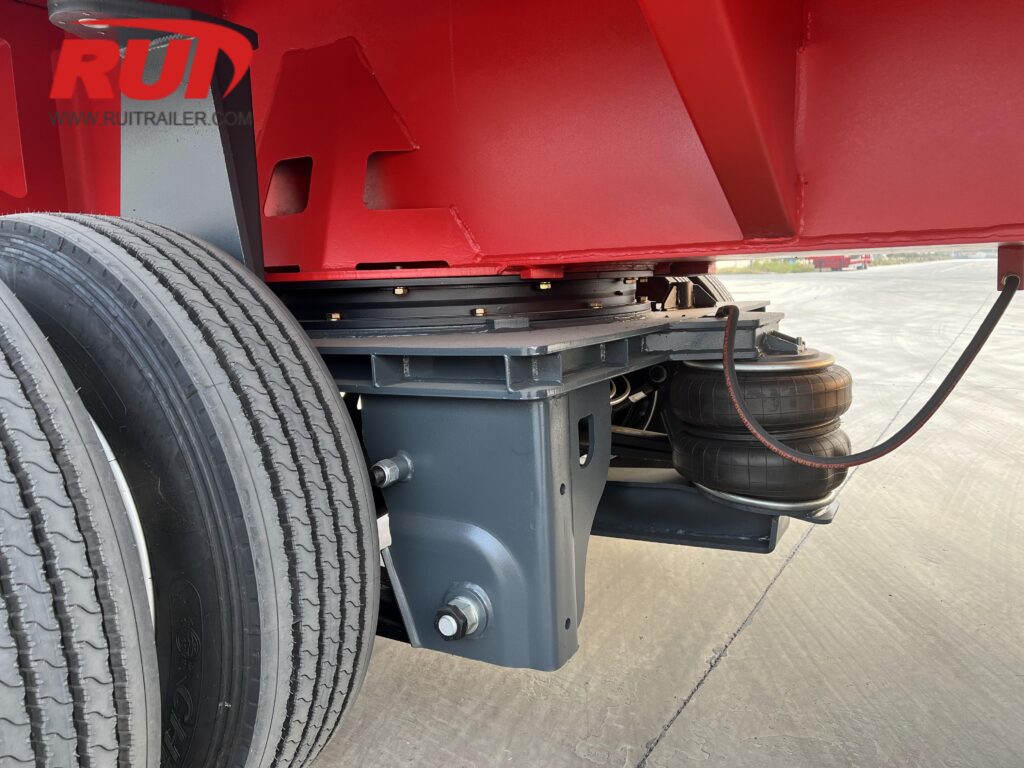
Тяга многосоставных осей при возвращении без груза увеличивает расход топлива и износ шин.
Автоматические пневматические и гидравлические подъемники: Поднимают передние или задние вспомогательные оси при пустом ходе, чтобы сократить базу контакта с землей.
Снижение износа шин и сопротивления при движении: Устраняет боковой износ шин при маневрах на узких поворотах без груза, продлевая срок службы шин и снижая плату за проезд по транспортным маршрутам.
Соответствие габаритам груза и размер загрузки
Соответствие физических размеров вашей нагрузки правильным выдвижным размерам трейлера предотвращает перегрузку конструкции, чрезмерное прогибание и нарушение высотных ограничений. Мы проектируем наши телескопические шасси с учетом трех различных категорий грузов:
Залитые бетонные и конструкционные стальные балки
Длинные конструкционные пролеты обычно поддерживаются самостоятельно по длине, но требуют точного размещения опор в назначенных точках опоры:
Размещение точек поддержки: Мы настраиваем интервалы блокировки телескопической шасси так, чтобы балки опоры располагались прямо под инженерными точками подъема балки, предотвращая отрицательные моменты изгиба во время транспортировки.
Пролет vs. Грузоподъемность: Стандартная 16,15 м (53 фута) плоская платформа с выдвижением до 27,43 м (90 футов) перераспределяет структурную нагрузку на центральную ось. Для несамоопорных стальных элементов необходимы блокировки посередине пролета или конструкции шасси с двойной осью для соблюдения допустимых отклонений менее 38 мм (1,5 дюйма).
Башни ветровых турбин vs. Лопасти ротора
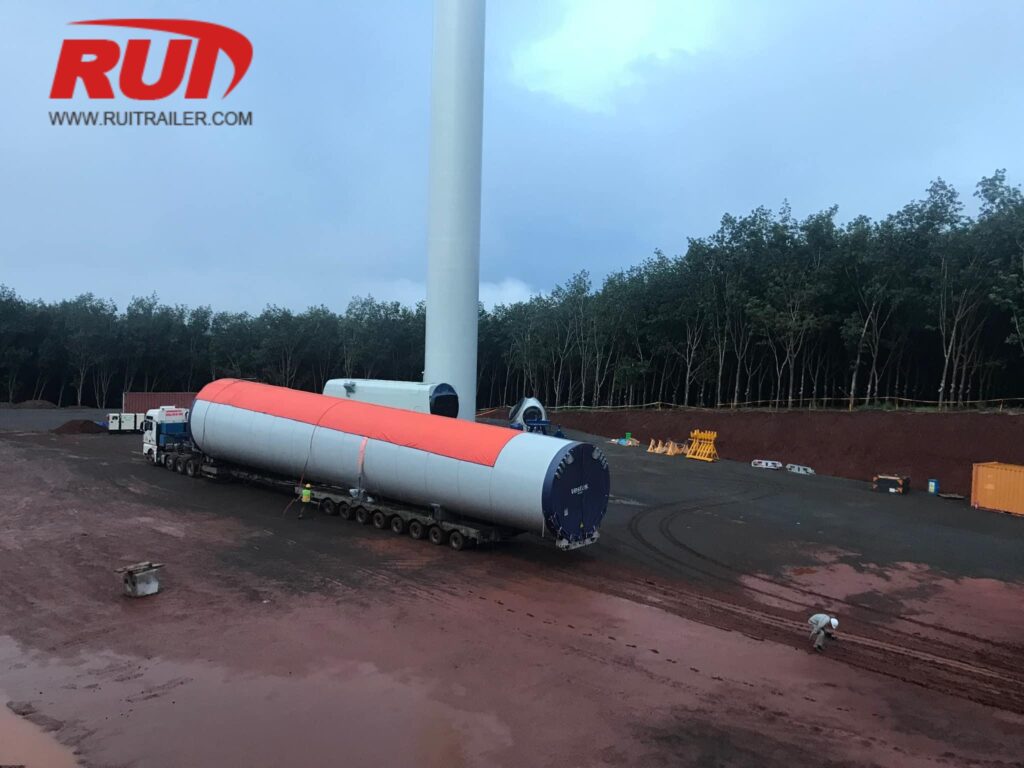
Компоненты ветровой энергетики предъявляют совершенно разные требования к размерам:
Секции башни: Большие диаметры основания и средних секций требуют максимальной концентрации веса и ультранизкой высоты платформы (менее 457 мм / 18 дюймов), чтобы преодолеть дорожные эстакады. Мы используем наши тяжелые передние низкорамные прицепы для тяжелых перевозок с выдвижными платформами для безопасной перевозки этих тяжелых цилиндрических грузов.
Лопасти ротора: Современные лопасти длиной от 70 м до более 100 м (230 футов до 330 футов) оказывают минимальный осевой вес, но создают значительный свес и ветровое сдвиговое усилие. Мы производим телескопические прицепы для лопастей с тремя и четырьмя ступенями, длиной до 73,15 м (240 футов), оснащенные адаптерами для корней и задними управляемыми тележками для безопасного прохождения узких поворотов.
Размеры по высоте для надземных сосудов
Промышленные сосуды, фракционаторы и автоклавы требуют строгого контроля вертикальных размеров:
Расчет высоты транспортировки: Общая высота транспортировки равна внешнему диаметру сосуда плюс высота опорной опоры и дорожный просвет загруженной платформы.
Оптимизация платформы: Чтобы перевезти резервуар диаметром 3,66 м (12 футов) под стандартным дорожным просветом 4,42 м (14 футов 6 дюймов), высота загруженной платформы не должна превышать 610 мм (24 дюйма). Для таких экстремальных нагрузок мы используем низкопрофильные выдвижные платформы, опускающиеся до 305-381 мм (12-15 дюймов) под полную нагрузку.
Индивидуальные инженерные и производственные возможности телескопических прицепов
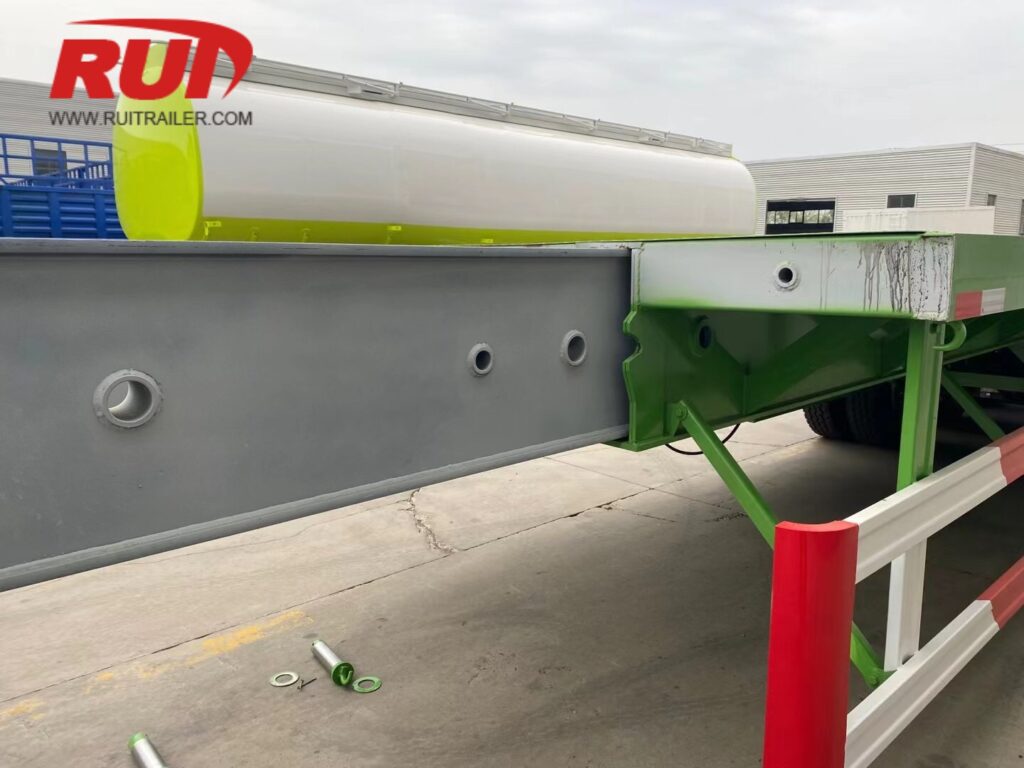
Мы проектируем и производим тяжелые транспортные телескопические прицепы, точно соответствующие габаритам груза, требованиям дорожных законов и экстремальным нагрузкам. Когда стандартные спецификации не соответствуют вашим операционным ограничениям, наша инженерная команда разрабатывает каждую деталь с нуля, исходя из ваших требований.
Изготовление каркаса из высокопрочной стали
Чтобы максимально увеличить грузоподъемность при минимизации собственного веса, мы строим наш выдвижной шасси при помощи высокопрочных конструкционных сталей:
Сталь Q690 и HG785: Высокопрочные конструкционные марки, применяемые к центральным балкам и телескопическим внутренним трубам, чтобы предотвратить прогиб посередине при выдвижении.
Strenx 700 / Weldox: Пластины из сверхвысокопрочной стали, используемые в участках фланцев с высоким напряжением и переходах гусеничного устройства для экстремальной усталостной стойкости.
Оптимизированный контроль прогиба: Инженерный предварительный наклон, встроенный непосредственно в позвоночник, чтобы обеспечить полное выравнивание платформы при полном нагрузочном режиме.
Индивидуальные гидравлические ходы выдвижения и автоматические управление шпильками
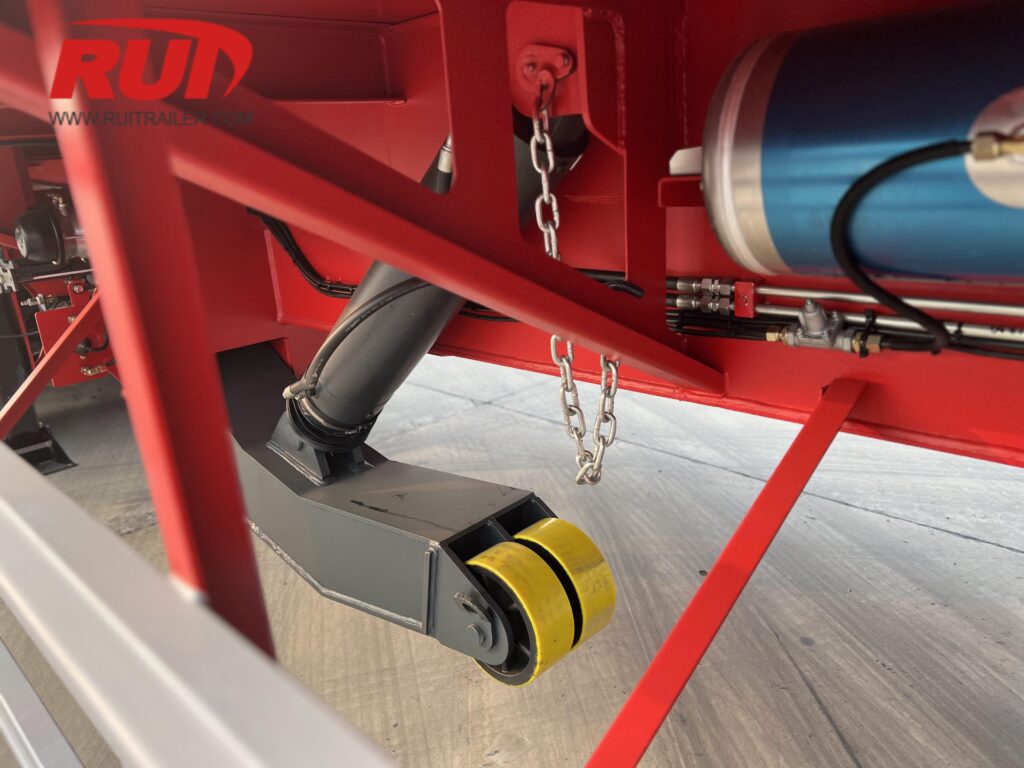
We engineer extension mechanisms around your fleet's specific operational workflows:
Индивидуальные длины хода: Одноступенчатые, двухступенчатые, трехступенчатые или четырехступенчатые телескопические выдвижения, предназначенные для достижения целевых открытых и закрытых длин.
Гидравлическое управление слайдером: Двойные гидравлические цилиндры обеспечивают непрерывную, управляемую силу толчка-тяга для плавного выдвижения или втягивания шасси без необходимости маневров трактора.
Автоматические фиксаторы с воздушным выпуском: Пневматические блокировки, управляемые из кабины и прицепа, фиксируются в усиленных кольцах с штифтами на интервалах 2 фута (600 мм) или 5 футов (1500 мм).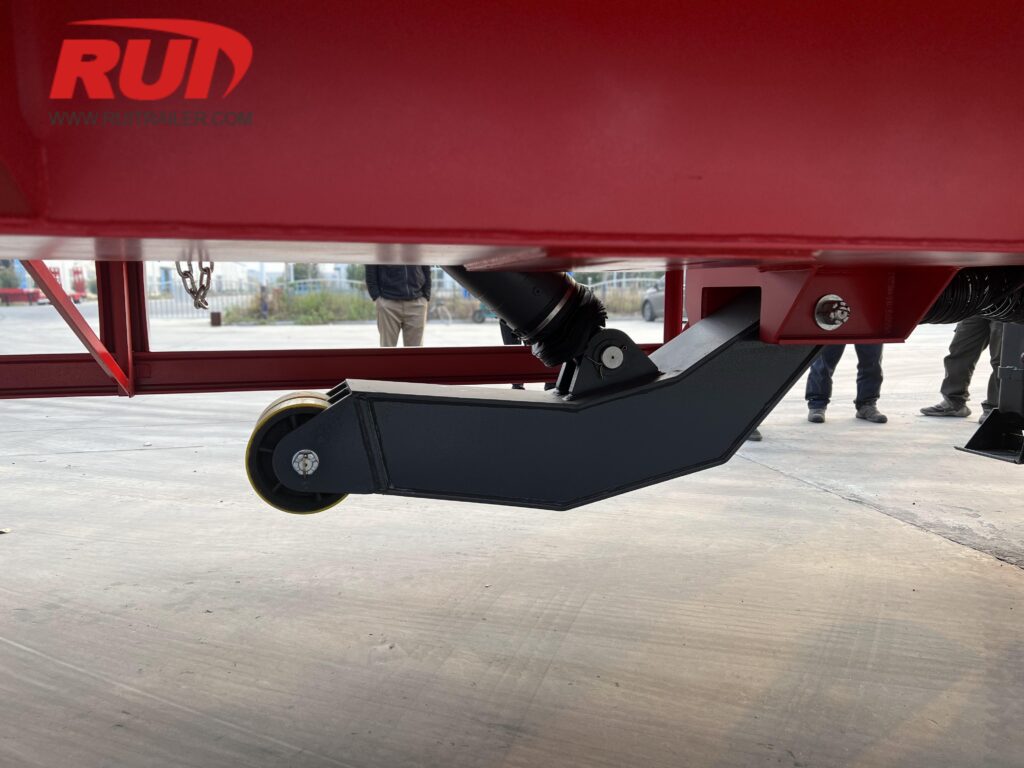
Модульная интеграция для экстремальных нагрузок на оси
Для сверхнагрузок, требующих строгого соблюдения правил по мостам, мы разрабатываем наше выдвижное шасси для быстрой модульной интеграции компонентов:
Подключение джип-долли: Усиленные передние штифтовые коробки и удлинения гусеничного типа распределяют вес коронного штифта по дополнительным передним осям.
Переворотные оси и нитрогазовые усилители: Задние переворотные оси с штифтом и гидравлические/азотные усилители для выравнивания нагрузки увеличивают общую длину базы и защищают группы осей от перегрузки.
Модульная совместимость с многосекционными осями: Полностью совместимы с нашими тяжелыми модульными типами и характеристиками прицепов и специализированными отъемными гусеничными прицепами RGN для сложных перевозок тяжелых грузов с несколькими осями.
Часто задаваемые вопросы о размерах выдвижных прицепов
Какова максимальная законная длина выдвижения для выдвижного прицепа?
При закрытом положении стандартные единицы соответствуют законным габаритам 48 футов (14,63 м) or 53 фута (16,15 м) с 8,5 фт (2,59 м) шириной, позволяющей свободный проезд без разрешения. После развертывания наши одноступенчатые и многоступенчатые расширяемый прицеп конструкции достигают от 80 футов (24,38 м) до 230+ фт (70+ м). Работа на этих удлинённых длинах подпадает под правила перевозки крупногабаритных грузов, требующих разрешений на транспортировку в регионе, обследования маршрутов и специальных сопровождений в зависимости от общей длины состава.
Как влияет удлинение прицепа на его сосредоточенную грузоподъемность?
Удлинение шасси изменяет изгибающий момент конструкции прицепа. По мере увеличения расстояния между коронной петлёй и задней осью, допустимая сосредоточенная нагрузка на середине уменьшается:
Полностью втянутый: Прицеп поддерживает свою максимальную номинальную нагрузку, сосредоточенную на коротком участке платформы (обычно 10-15 фт / 3-4,5 м).
Полностью выдвинутый: Максимальная сосредоточенная нагрузка снижается на 40% до 60% если груз не является самонесущим (например, стальные мостовые балки или предварительно изготовленный бетон) или вес равномерно распределён по всей длине рамы.
Какая высота платформы лучше для перевозки грузов с превышением по высоте?
Выбор высоты платформы напрямую зависит от высоты груза и ограничений по высоте маршрута:
Выдвижная ступенчатая платформа: Предлагает загруженные высоты платформы в диапазоне 34 дюйма и 40 дюймов (864 мм до 1 016 мм), балансируя возможность длинной палубы с низкопрофильным просветом.
Расширяемый Lowboy / RGN: Обеспечивает очень низкую высоту загруженной палубы от 18 дюймов до 24 дюймов (457 мм до 610 мм) перемещая все, от газовых турбин до промышленных генераторов. Эти проекты требуют 6 дюймов до 8 дюймов (152 мм до 203 мм) от дорожного просвета. Стандартным выбором является съемный гусеничный трейлер с расширяемой платформой для перевозки высоких промышленных сосудов, тяжелых танков и крупногабаритного оборудования.
Когда требуется гидравлическое принудительное управление рулевым управлением на растяжном трейлере?
Гидравлические оси с принудительным управлением становятся необходимыми, как только общая длина расширенного трейлера превышает 80 футов до 100 футов (24,38 м до 30,48 м). По мере увеличения базы колес:
Standard fixed or friction-steer axles cause severe tire scrub and structural lateral stress.
Hydraulic steering linkages or automated turntables provide up to 55-degree turning angles, drastically reducing the turning radius and keeping swept-path dimensions within legal permit requirements on tight intersections.
Can an extendable trailer support concentrated loads in the center span without intermediate blocking?
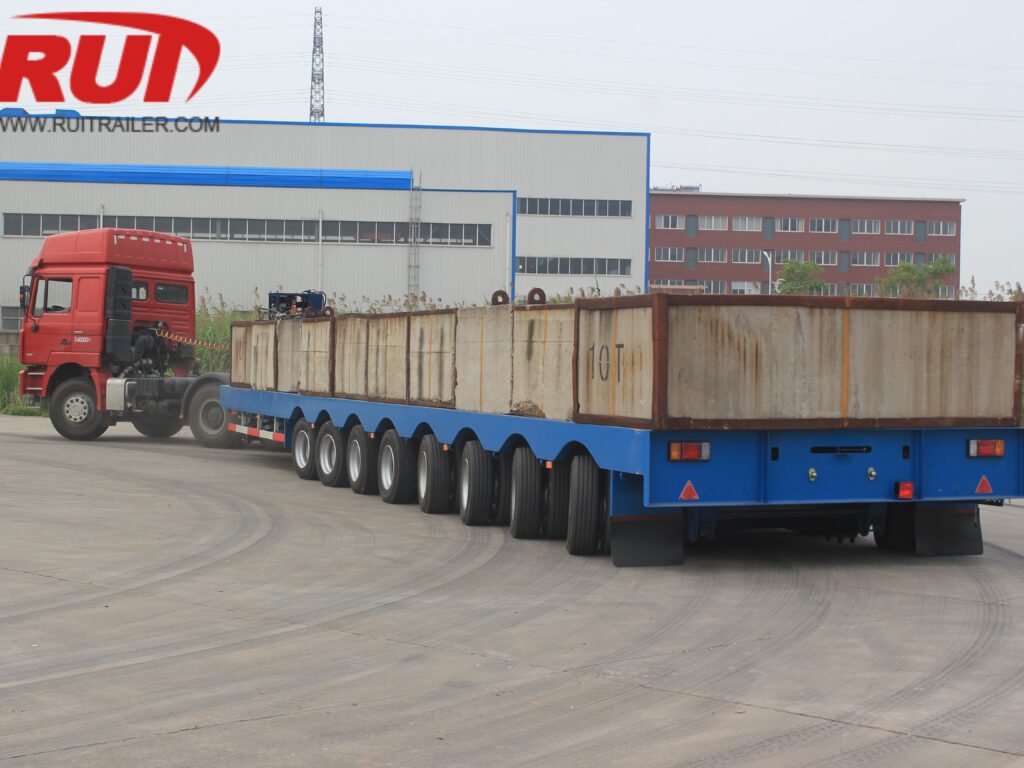
No. Point-loading heavy machinery in the unsupported center section of an extended telescopic beam can cause permanent chassis deflection or structural failure. When moving non-self-supporting concentrated cargo:
Position the payload over the main support areas (over the gooseneck transition or the rear bogie).
Use intermediate cross-bunk supports, structural bolster dollies, or distributed blocking to transfer load forces directly into the outer box beams.
 Russian
  English
  German
  Turkish
  French
  Portuguese
  Arabic
  Hindi
Hindi  Vietnamese
  Chinese
  Spanish
  Indonesian
  Swahili