

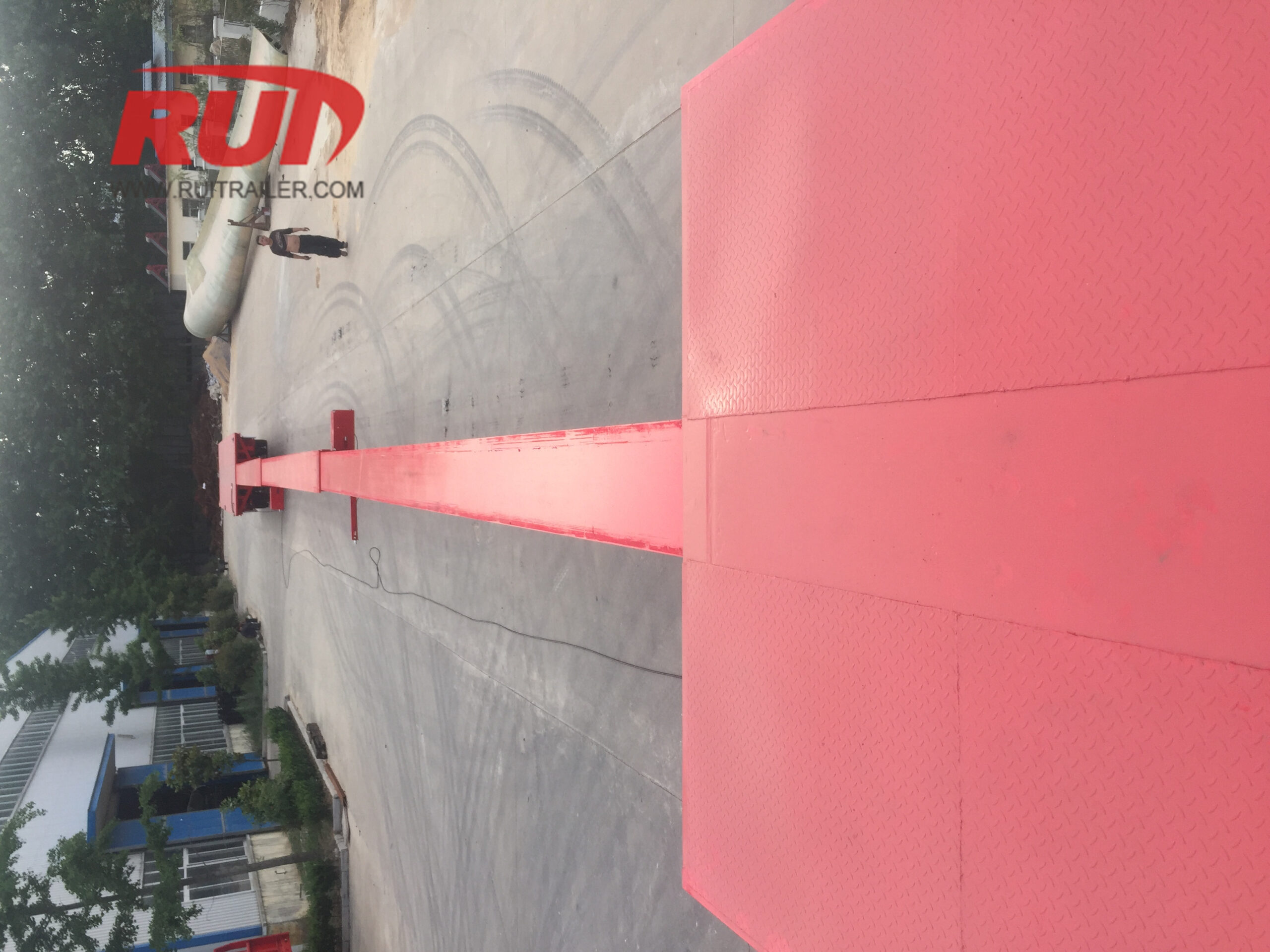
Maktaba ya Kumbukumbu ya Vipimo vya Trailer Zinazoweza Kupanuliwa Kawaida
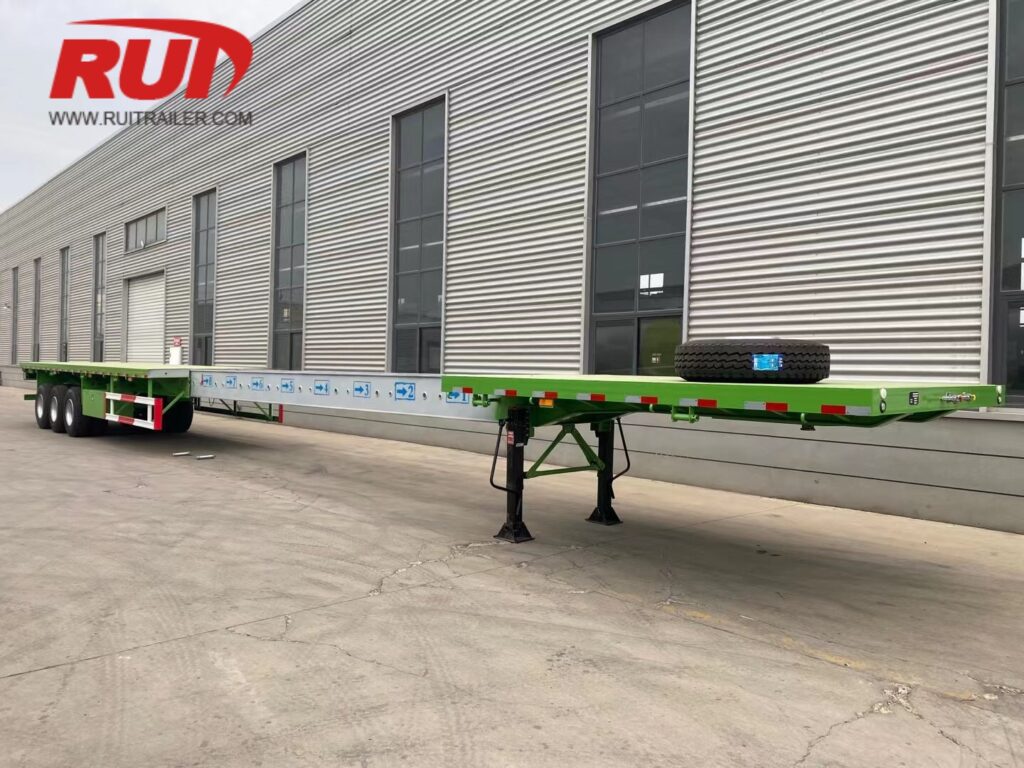
Kulinganisha mzigo wa urefu wa kipekee na Vipimo vya Trailer Zinazoweza Kupanuliwa kunahitaji upangaji sahihi wa vipimo. Wakati wa kupanua urefu wa chassis, wafanyabiashara wa mizigo lazima waendelee na usawa wa nafasi ya sakafu, sheria za daraja la meli na umbali wa akseli, na nyakati za kuzunguka. Tunahakikisha chassis yetu ya telescopic ili kudumisha nguvu kubwa ya torsional katika hatua zote za upanuzi huku tukihifadhi uzito wa tare kwa ufanisi.
Hapa chini ni maktaba yetu kuu ya marejeo ya uhandisi ikilinganisha alama za msingi za alama za kufunga zilizofungwa dhidi ya upanuzi wa operesheni wa juu zaidi kwa aina za trailer za mzigo mzito.
Maktaba ya Uwezo wa Uhandisi: Vipimo, Usawa, na Mifumo
| cURL Too many subrequests by single Worker invocation. To configure this limit, refer to https://developers.cloudflare.com/workers/wrangler/configuration/#limits | Urefu wa Kurudishwa | Urefu wa Upanuzi wa Juu | Upana wa Sakafu Inayoweza Kutumika | Urefu wa Sakafu Wakiwa na Mzigo | Mipangilio ya Axle | Uwezo wa Mzigo Uliyoratibiwa |
|---|---|---|---|---|---|---|
| Trailer Inayoweza Kupanuliwa ya Flatbed (Hatua Moja) | 48 ft / 14.63 m | 80 ft / 24.38 m | Inchi 102 / mm 2,590 | Inchi 59 / mm 1,500 | Akseli 2 hadi 3 | Pauni 88,000 / tani 40 |
| Gari la Mtaa Lenye Mtaa Uliopanuliwa (Hatua Mbili) | 53 ft / 16.15 m | 120 ft / 36.58 m | Inchi 102 / mm 2,590 | Inchi 59 / mm 1,500 | Axles 3 hadi 4 | Lbs 110,000 / tani 50 |
| Gari la Mtaa Lenye Mtaa Uliopanuliwa la Hatua | 48 ft / 14.63 m | 75 ft / 22.86 m | Inchi 102 / mm 2,590 | 36 in / 915 mm | Axles 2 hadi 4 | Lbs 95,000 / tani 43 |
| Gari la Lowboy Lenye Mtaa Uliopanuliwa (RGN Well) | 26 ft / 7.92 m (Well) | 50 ft / 15.24 m (Well) | 102–120 in / 2,590–3,048 mm | 18–24 in / 457–610 mm | Axles 3 hadi 3+2 | Lbs 132,000 / tani 60 |
| Gari la Mtaa la Multi-Hatua la Pembe Telescopic | 65 ft / 19.81 m | 230+ ft / 70.10 m | 100–118 in / 2,540–3,000 mm | 38–48 in / 965–1,220 mm | Axles 3 hadi 6 (Zenye kuendesha) | Pounds 120,000 / tani 55 |
Viashiria vya Msingi vya Vipimo
- Umefungwa dhidi ya Urefu wa Kupanua: Chassis za kawaida huanza na urefu wa barabara za kisheria (48 ft au 53 ft) na huongeza kupitia boriti za ndani za kuzungusha kwa nyongeza za 2 ft hadi 5 ft (600 mm hadi 1,500 mm).
- Profaili za Urefu wa Meli: Meli za chini zinazoweza kupanuliwa hutoa urefu wa chini wa mzigo hadi inchi 18 (457 mm) ili kuendana na sehemu kubwa za viwandani chini ya miundo ya juu, wakati meli za hatua za kupanua wastani wa inchi 36 (915 mm) kwa mashine ndefu, za kati za urefu wa kati.
- Mipangilio ya Axle & Mechanics za Mizigo: Kadri ya gurudumu inapanuka, uwezo wa mzigo wa makini katikati ya urefu wa muundo hupungua. Tunajumuisha mistari ya matairi ya kujisimamia kwa majimaji au ya kuendesha kwa nguvu kwenye majukwaa yanayozidi futi 80 (24.38 m) ili kudumisha ufanisi wa fomula ya daraja na kupunguza msuguano wa tairi kwenye mizunguko mikali.
Vipimo vya Gari la Mbele la Flatbed Linaloweza Kupanuliwa (Trombone Trailers)
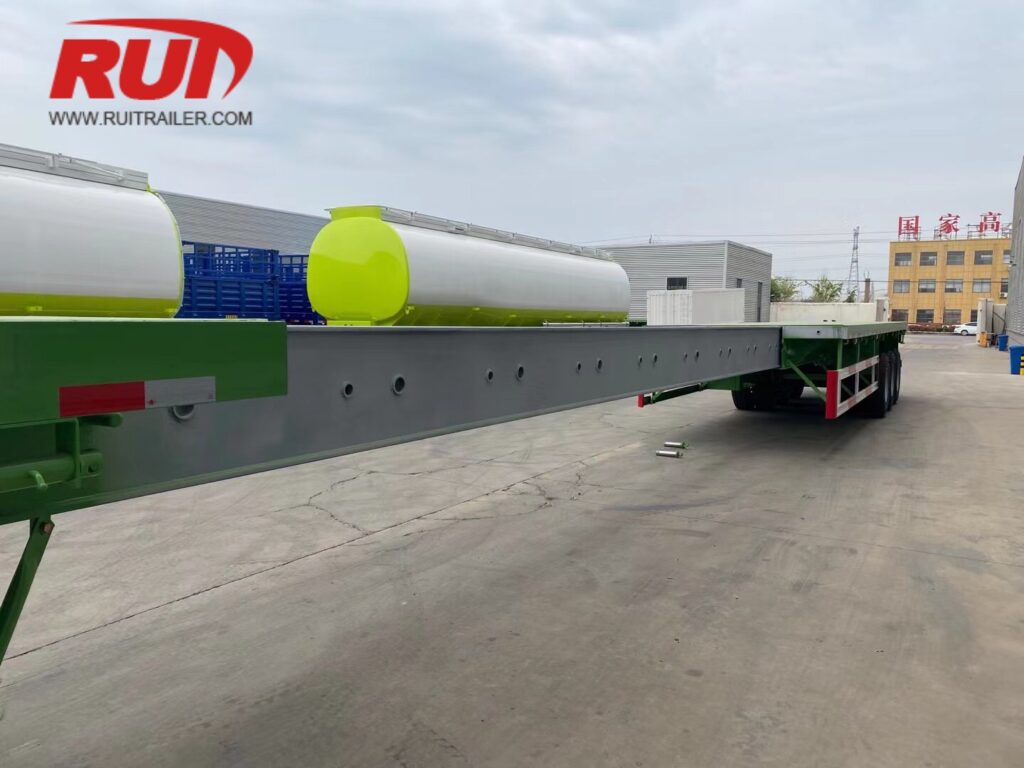
Tunabuni magari yetu ya trombone na flatbed yanayopanuka ili kubeba nyaya za chuma za muundo, bomba refu, vifungo vya rebar, na mizigo mirefu inayojitegemea huku ikibaki nyepesi vya kutosha kuendesha bila mzigo wa ziada chini ya vipimo vya kisheria vya kawaida.
Vipimo vya Chassis vya Kawaida Vinavyobadilika
Wakati wa kufungwa, flatbeds zetu zinazopanuka zinaendana na muundo wa barabara kuu wa kawaida ili kuendesha bila vibali vya mzigo mkubwa zaidi kwenye njia za kurudi za deadhead:
Modeli ya Msingi ya futi 48: Urefu wa kufungwa wa futi 48 (14.63 m) na upana wa daraja wa kawaida wa inchi 102 (2.59 m).
Modeli ya Msingi ya futi 53: Urefu wa kufungwa wa futi 53 (16.15 m) na upana wa daraja wa kawaida wa inchi 102 (2.59 m).
Upana wa Daraja Unaotumika: Futi 8 6 (2.59 m) pamoja na mifuko ya nguzo za pembeni, reli za kupitisha, na mifuko ya bomba iliyojumuishwa.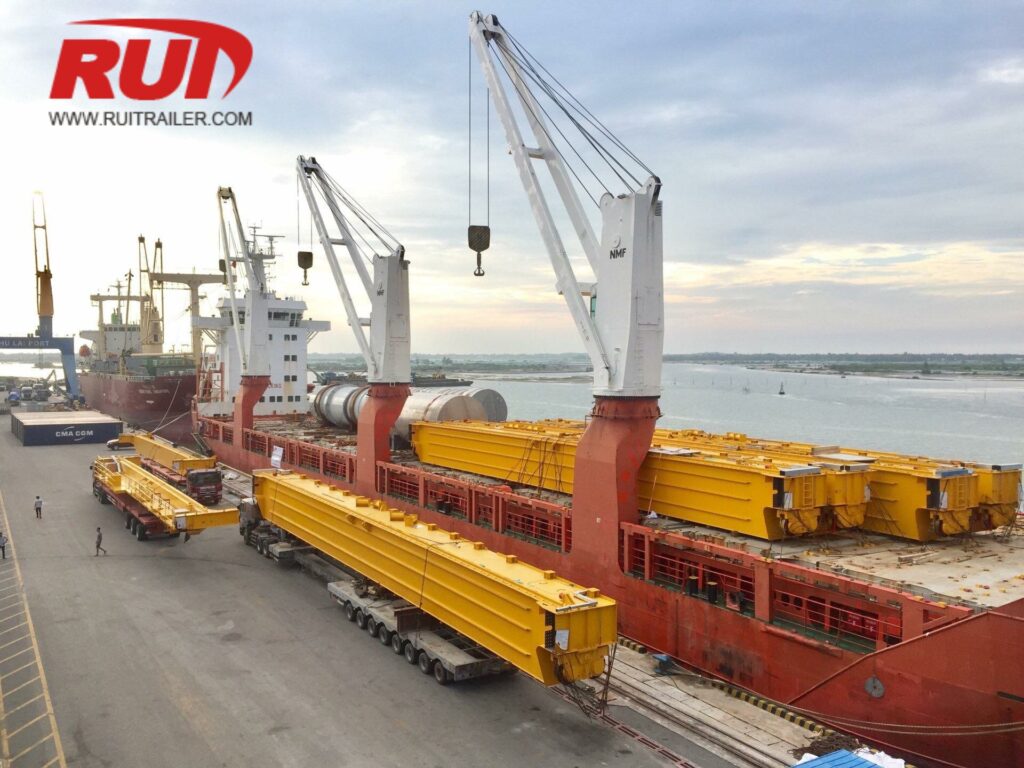
Mipango ya Kupanua kwa Hatua Moja na Hatua Mbili
Ili kuendana na urefu wa hali ya juu, tunatumia nyaya za chuma za telescopic za box zinazotumika kwa nguvu kubwa zinazoshikamana kwa ustadi kwenye vigae vya kuvaa:
Kupanua kwa Hatua Moja kwa telescopic: Inapanua trailer ya futi 48 hadi futi 80 (24.38 m) au trailer ya futi 53 hadi futi 90 (27.43 m).
Kupanua kwa Hatua Mbili kwa telescopic: Inatumia mfumo wa box-beam wa katikati wa slide mbili unaopanua chassis kutoka futi 53 hadi jumla ya futi 120 (36.58 m).
Kwa vigezo vya uendeshaji kwa mizigo mirefu tofauti, angalia mwelekeo wa uwezo wa mzigo wa trailer inayopanuka wa matumizi mengi kuth evaluation ratings ya fremu kwa vipindi tofauti.
| Kipimo | 48 ft Kimoja-Katwa | 53 ft Kimoja-Katwa | 53 ft Marudio-Moja |
|---|---|---|---|
| Urefu wa Kufunga | 48 ft (14.63 m) | 53 ft (16.15 m) | 53 ft (16.15 m) |
| Urefu wa Upanuzi wa Juu | 80 ft (24.38 m) | 90 ft (27.43 m) | 120 ft (36.58 m) |
| Upana wa Deck | 102 in (2.59 m) | 102 in (2.59 m) | 102 in (2.59 m) |
| Urefu wa Sakafu Wakiwa na Mzigo | 59 in (1,498 mm) | 60 in (1,524 mm) | 61 in (1,549 mm) |
| Vipindi vya Kufunga Pin | 2 ft / 5 ft (0.6 m / 1.5 m) | 2 ft / 5 ft (0.6 m / 1.5 m) | 2 ft / 5 ft (0.6 m / 1.5 m) |
Miundo ya Urefu wa Deck Juu kwenye Matairi ya 22.5-Inchi
Inayoendesha kwenye matairi ya radial ya kawaida 295/75R22.5 au 11R22.5 za kazi nzito, urefu wa deck unaoelea umeboreshwa kwa kupakia moja kwa moja na forklift na crane:
Urefu wa Ghorofa Usiozidi Uzito: 61 in hadi 63 in (1,549 mm hadi 1,600 mm) kwenye kusimamisha nyuma.
Urefu wa Ghorofa Wakiwa Wamebeba: Unashuka kati ya inchi 59 na 60 (1,498 mm hadi 1,524 mm) chini ya mzigo wa akseli wa kisheria wa kawaida.
Upeo wa Mfuko wa Chassis: 14 in hadi 18 in (355 mm hadi 457 mm) chini ya boriti kuu ya telescopic katikati ya urefu wa kati.
Vipindi vya Kifuniko cha Locking cha Pneumatic na Nafasi za Kuweka
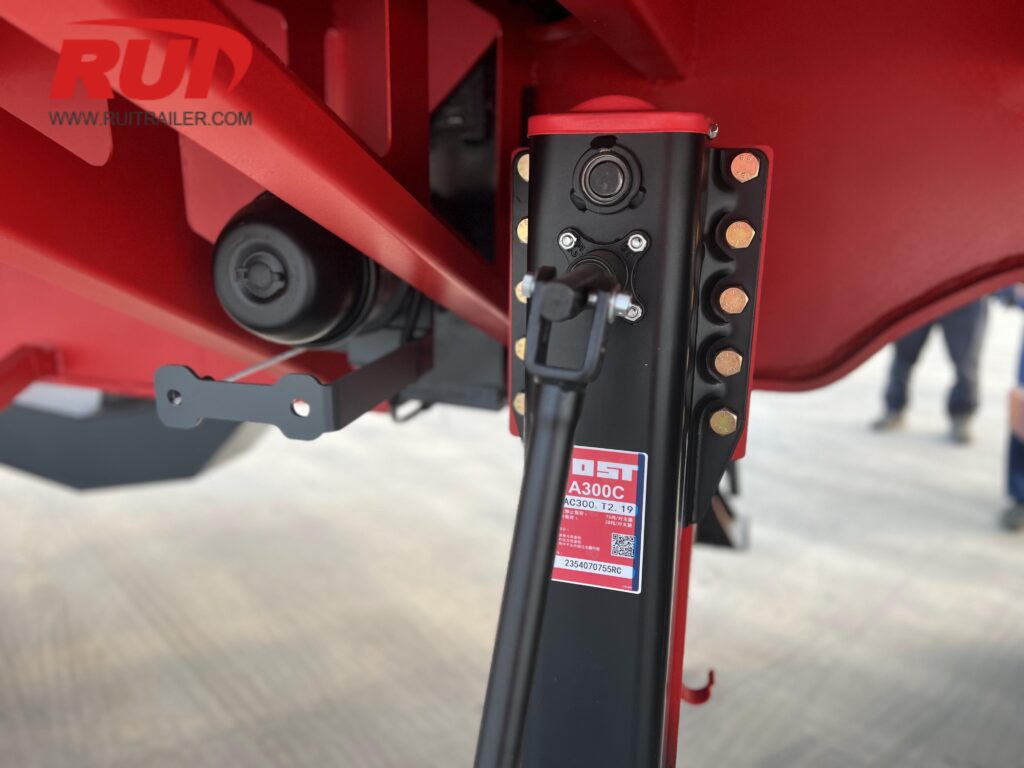
Mifumo yetu ya chassis ya telescopic ina pini za kufunga za pneumatic za nguvu kubwa zinazodhibitiwa moja kwa moja kutoka kwa valvu ya upande wa dereva au kupitia vitufe vya pneumatic vya ndani ya cabi:
Vipindi vya Kufunga: Vituo vya pini vilivyopigwa kwa usahihi vinavyowekwa kila inchi 24 (610 mm) au inchi 60 (1,524 mm) kando ya boriti kuu ya muundo wa sanduku.
Njia za Kamba za Mnyororo wa Nguvu: Mifumo ya e-chains iliyozingirwa kikamilifu inalinda mistari ya hewa ya breki na nyaya za umeme dhidi ya kukandamizwa, kukwama, au kupanuka wakati chassis inafunguliwa na kufungwa.
Kutoa kwa Kazi kwa Anga: Vifungo vya usalama vinavyotegemea chemchemi huhakikisha pini zinabaki zimefungwa kihimili hata katika hali ya kupoteza shinikizo la hewa wakati wa usafiri.
Urefu wa Ghorofa la Hatua na Uwezo wa Ghorofa la Drop
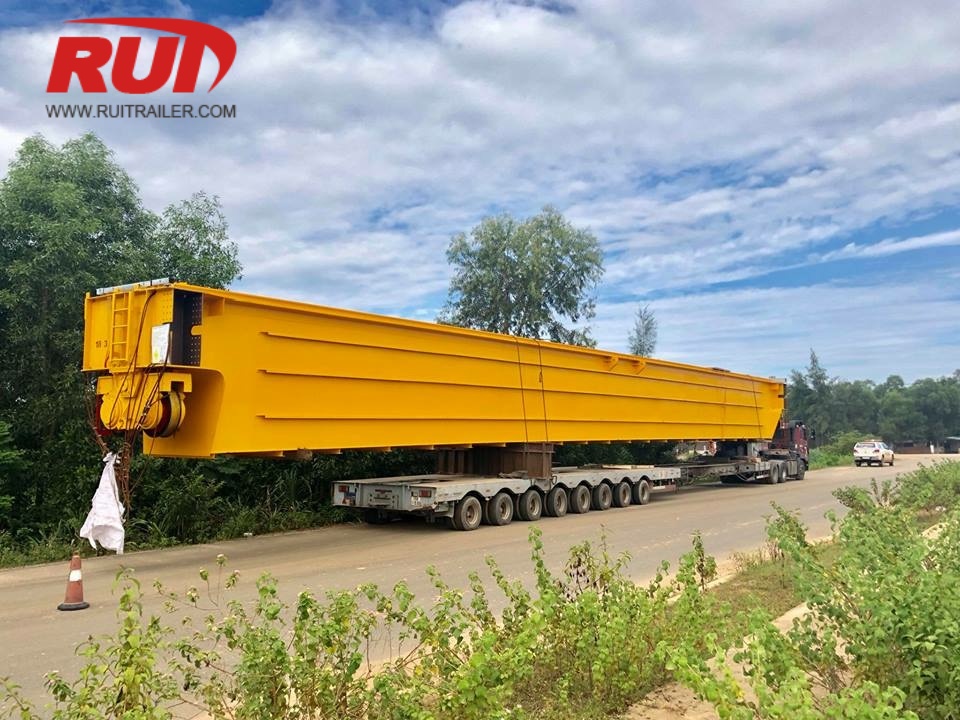
Trailers zetu za ghorofa la hatua zinazoweza kupanuliwa (drop deck) zinatatua changamoto ya kubeba mizigo mirefu ambayo ni ndefu kuliko ghorofa ya kawaida. Kwa kupunguza katikati ya uzito na kutoa urefu tofauti wa ghorofa, trailers hizi zinakuwezesha kubeba mizigo mirefu, yenye kujitegemea ya viwanda huku ukiwa ndani ya mipaka ya urefu wa daraja wa kawaida.
Urefu wa Ghorofa Juu dhidi ya Uwezo wa Ghorofa la Chini Linalopanuka
Mpangilio wa chassis huigawanya nafasi ya ghorofa inayotumika kuwa ghorofa la juu lililowekwa na ghorofa la chini linalobadilika kwa telescopic:
- Ghorofa Juu (Eneo la Gooseneck): Kawaida hupima mita 3 hadi 3.4 (10 ft hadi 11 ft) kwa urefu, kutoa urefu wa ghorofa wa kawaida wa 60 inchi (1,524 mm) kwa msaada wa vifaa vya kubeba, uunganishaji, au mizigo midogo ya sekondari.
- Ghorofa la Chini Lililofungwa: Linatoa urefu wa ghorofa safi wa msingi wa futi 37 hadi 42 (11,278 mm hadi 12,800 mm).
- Ghorofa la Chini Lililopanuka: Mawimbi ya katikati ya telescopic ya hatua moja yanapanua ghorofa kuu hadi futi 63–75 (19,200 mm hadi 22,860 mm), na kuleta urefu wa jumla wa trailer ulio panuka hadi futi 86 (26,212 mm).
+------------------+----------------------------------------------------+
| Ghorofa la Juu Lililowekwa | Ghorofa la Chini Linalopanuka (Ghorofa Kuu) |
| 10 ft - 11 ft | Lililofungwa: 37 ft - 42 ft ===> Linalopanuka: Hadi futi 75 |
+------------------+----------------------------------------------------+
Urefu wa Ghorofa wa Kipimo cha Chini kwa Uwezo wa Kupisha Mizigo Mirefu
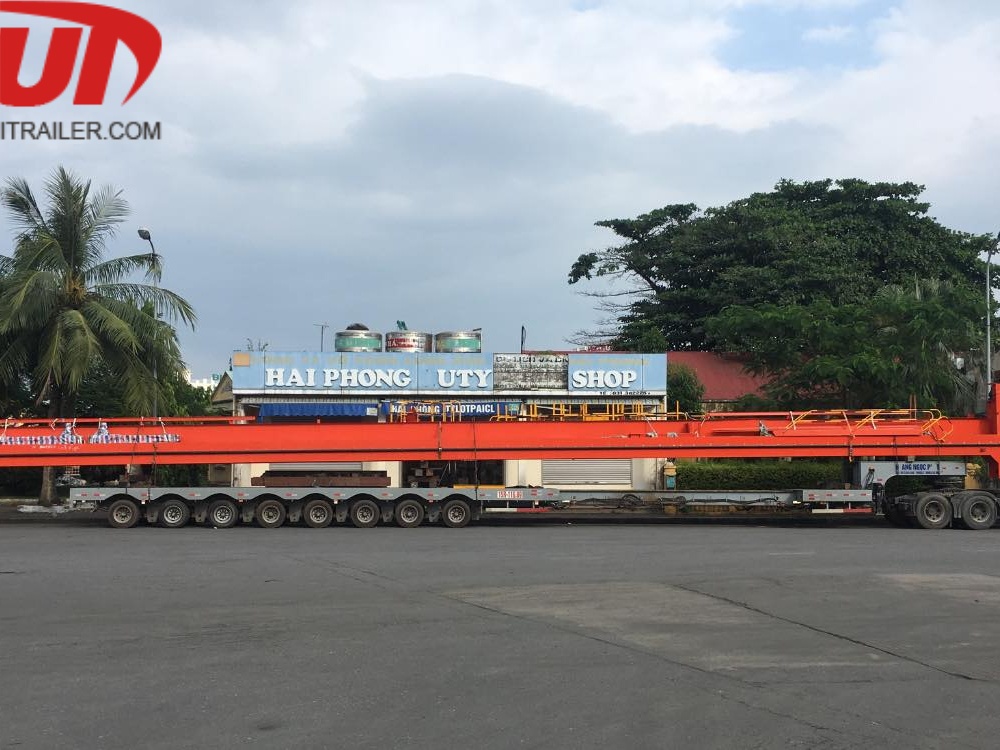
Urefu wa ghorofa la chini hukupa uhuru wa kisheria wa kupita kwa mizigo mirefu, mashine kubwa, meli, na sehemu za muundo. Vipimo vya kawaida vya trailer ya drop deck inayopanuka vinatoa urefu wa ghorofa la chini lililobeba mizigo kati ya 34 inchi na 40 inchi (864 mm hadi 1,016 mm) kwa matairi ya low-profile ya 255/70R22.5.
Wakati uhitaji wa kupisha kwa urefu wa juu sana ni muhimu, tunaunda miundo ya kipekee kwa kutumia vifaa vya 17.5-inch ili kupunguza urefu wa ghorofa lililobeba mizigo hadi futi 30 hadi 33 (762 mm hadi 838 mm). Kwa matumizi makali yanayohitaji miundo ya chini zaidi ya ardhi, pia tunatengeneza vifaa maalum kama vile trailer ya moduli ya meli ya chini ya profaili imeundwa kwa ajili ya vikwazo kali vya juu.
Vipimo vya Mita vya Meli Inayoweza Kupanuliwa
| Sifa ya Mita | Kawaida ya Imperial | Kawaida ya Mita |
|---|---|---|
| Urefu wa Jumla (Funga) | 48 ft / 53 ft | 14,630 mm / 16,154 mm |
| Urefu wa Jumla (Umepanuliwa Kikamilifu) | 75 ft hadi 86 ft | 22,860 mm hadi 26,212 mm |
| Urefu wa Mfereji Mkuu (Umepanuliwa) | Hadi 75 ft | Hadi 22,860 mm |
| Urefu wa Urefu wa Mfereji wa Kupakia | 34 in hadi 40 in | 864 mm hadi 1,016 mm |
| Upana wa Meli wa Kawaida | 8 ft 6 in (102 in) | 2,590 mm |
| Upana wa Kuongeza wa Outrigger | Hadi 10 ft 6 in | Hadi 3,200 mm |
| Urefu wa Ardhi (Wakiwa na Mizigo) | 8 in hadi 10 in | 203 mm hadi 254 mm |
Kuruka kwa Goose neck na Uwazi wa Beaver-Tail
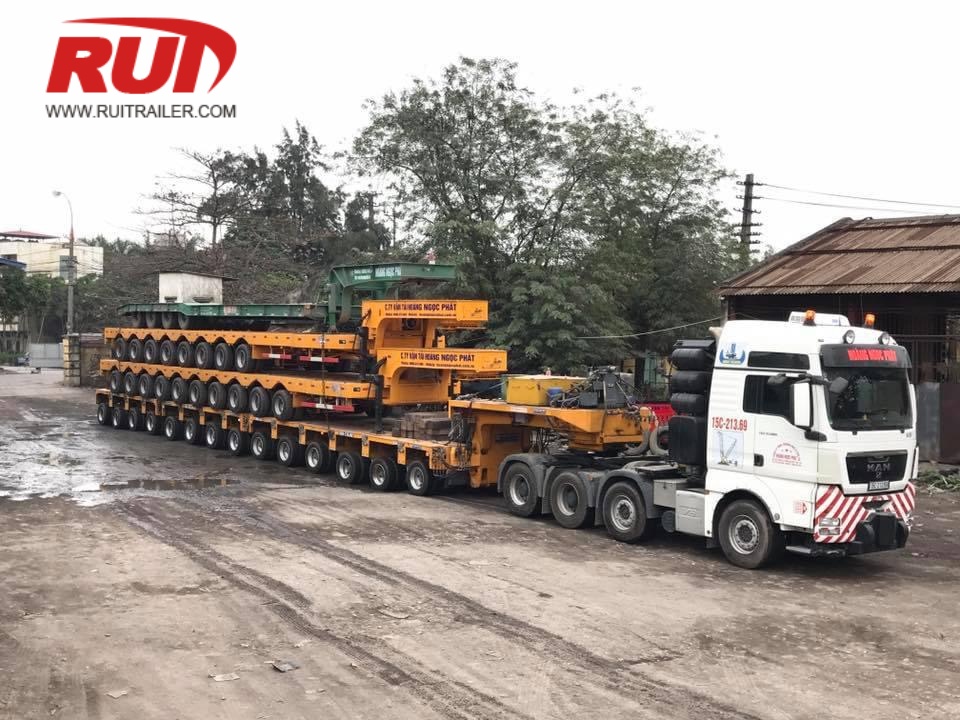
- Mwinuko wa Kuruka kwa Drop: Imejengwa na mabadiliko safi ya digrii 45 au 90 kutoka jukwaa la juu hadi jukwaa la chini. Muundo huu unazuia mzigo mrefu wa muundo kutoka kwa kujiinua kwa juu wakati wa usafiri.
- Mabadiliko ya Bogie ya Nyuma: Mabadiliko ya mwelekeo wa mviringo kuelekea kwenye vifaa vya nyuma huhakikisha kuwa vifaa virefu vinavyopita kwenye kisima havisimami kwenye fremu ya mti wa mduara wa nyuma.
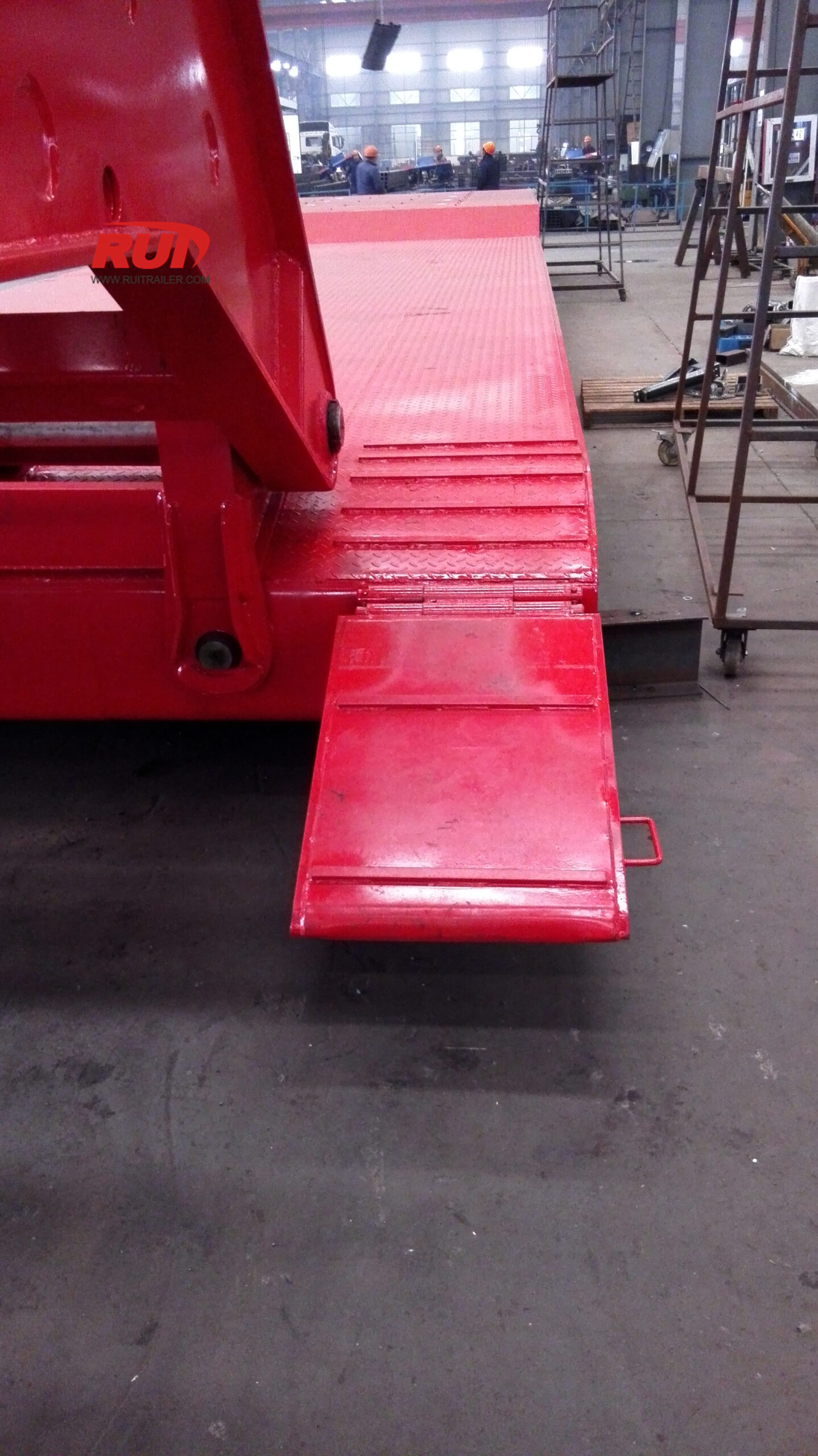
- Chaguzi za Beaver-Tail & Ramp: Beaver-tails za nyuma za 4 ft hadi 5 ft (1,219 mm hadi 1,524 mm) zenye mikanda ya mshtuko wa nguvu au ramp za majimaji hutoa pembe ya kupakia ya digrii 14 hadi 16 kwa vifaa vinavyopakiwa kwa kuendesha juu.
Urefu wa Trailers za Lowboy na RGN zinazoweza kupanuliwa
Wakati wa kusafirisha mizigo mirefu, inayojitegemea kama vile autoclaves za viwanda, sehemu za refinery, au mashine nzito, kuunganisha urefu wa chini wa sakafu na urefu wa kubadilika ni muhimu. Lowbed yetu inayopanuka na majukwaa ya gooseneck yanayoweza kutenganishwa yanatatua upungufu wa nafasi ya wima wakati wa kubeba wheelbase ndefu. Ili kuchunguza mipangilio ya kawaida ya jukwaa, angalia muongozo wa trailer wa lowboy kwa aina, vipimo, na matumizi.
Urefu wa wazi wa sakafu ya kisima kutoka 26 ft Funga hadi 65 ft Kupanua
Sakafu ya kupakia wazi inatoa jukwaa kuu la mizigo nzito iliyokusanywa. Our vipimo vya lowboy vinavyopanuka vinatoa hatua zifuatazo za urefu wa kawaida:
- Sakafu ya Msingi Iliyopunguzwa: 26 ft hadi 30 ft (7.92 m hadi 9.14 m) kwa safari za mkoa wa kawaida na kusafirisha mizigo tupu.
- Upeo wa Kupanua Kamili: 50 ft hadi 65 ft (15.24 m hadi 19.81 m) za nafasi ya sakafu wazi kwa miundo ya urefu mrefu.
- Urefu wa Jumla wa Jumla: Unapanuka kutoka 53 ft (16.15 m) funga hadi zaidi ya 90 ft (27.43+ m) ikiwa ni pamoja na gooseneck na seti za tandem/tridem za nyuma.
Profaili za Upeo wa chini sana za Kupakia (18 in hadi 24 in)
Kupunguza urefu wa juu wa meza kunaruhusu nafasi zaidi chini ya madaraja ya barabara kuu na mistari ya umeme:
- Urefu wa Ghorofa Wakiwa Wamebeba: 18 inchi hadi 24 inchi (457 mm hadi 610 mm) chini ya uzito kamili wa mzigo.
- Urefu wa Ardhi uliopakwa mizigo: 4 inchi hadi 6 inchi (102 mm hadi 152 mm) urefu wa kuendesha, ulioundwa kuzuia kugonga chini kwenye njia za reli na makutano yasiyo sawa.
- Aina za Muundo wa Meli: Mfumo wa shimo tambarare, mshipi wa upande wa kushusha, au muundo wa mshipi na stirrup kwa ajili ya kubeba mizigo mikubwa sana.
Viingilio vya Mshipi Mkuu na Vifungo vya Hydrauliki vya Kifuniko
Kusogea kwa telescoping chini ya mizigo mizito kunahitaji mifumo imara ya kufunga miundo. Tunajenga mashimo haya ya stretch kwa kutumia mizinga ya mifumo ya miundo ya nguvu kubwa na mifumo sahihi ya kufunga:
| Kigezo cha Kipimo | Maelezo ya Kimataifa | Maelezo ya Kimetriki |
|---|---|---|
| Urefu wa Shimo lililorudishwa | 26 ft – 30 ft | 7.92 m – 9.14 m |
| Urefu wa Shimo uliozidi zaidi | 50 ft – 65 ft | 15.24 m – 19.81 m |
| Urefu wa Meli iliyobeba mizigo | 18 inchi – 24 inchi | 457 mm – 610 mm |
| Urefu wa Ardhi (Wakati wa Kupakia) | 4 in – 6 in | 102 mm – 152 mm |
| Vipindi vya Kifuniko cha Kufunga | Kila 24 in hadi 60 in | Kila 600 mm hadi 1,500 mm |
- Mawimbi ya Ndani na Nje yenye Mazao Makubwa: Imetengenezwa kutoka kwa chuma chenye nguvu kubwa ili kupinga mabadiliko ya mwelekeo kwa umbali mrefu bila kuongeza uzito wa kufa.
- Vizuizi vya hewa na vya Hydrauliki: Vifuniko vya kufunga vya shear kubwa vinashikamana kwa usalama kwa nyongeza zilizowekwa maalum kwenye uti wa mgongo wa nyongeza.
- Mabadiliko laini yanayoweza kutenganishwa: Muunganisho usio na mshono kwa miundo yetu ya shingo ya mbele, ikilinganishwa na kubadilika kwa uendeshaji unaopatikana kote Mstari wa trela la gooseneck linaloweza kuondolewa RGN.
Vipimo vya Trela la Blade la Telescopic la Hatua nyingi
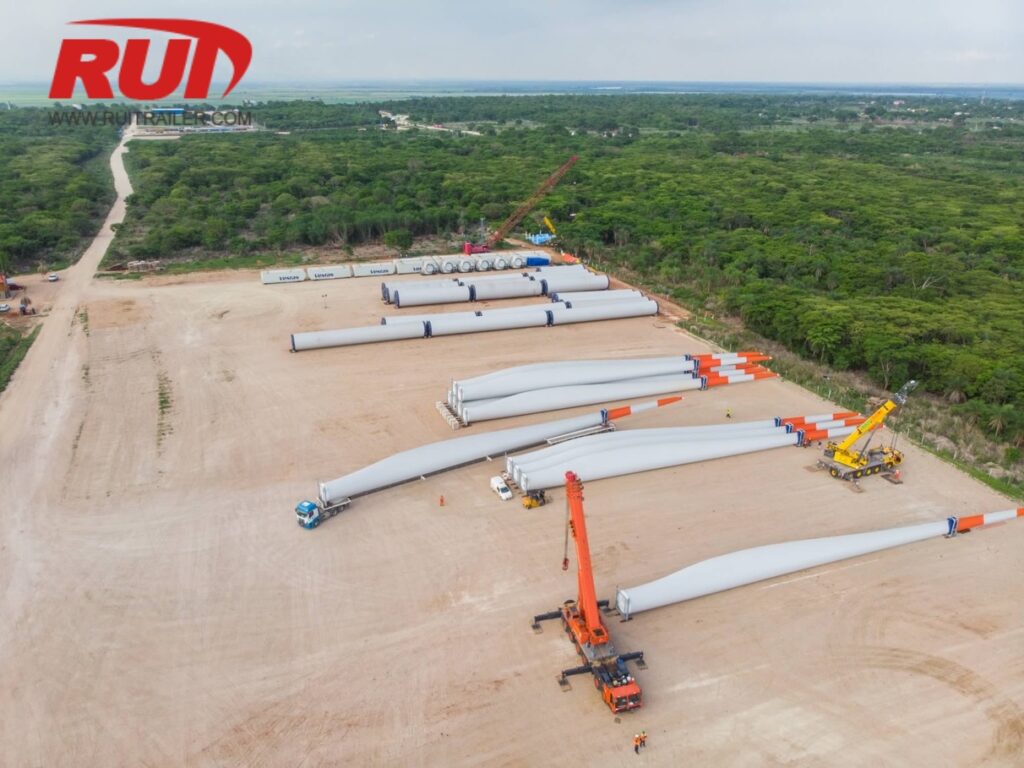
Usafirishaji wa blades za turbine za upepo za kisasa za pwani unahitaji urefu wa hali ya juu na utulivu wa torsional. Tunaunda trela zetu za blade za telescopic za hatua nyingi ili kushughulikia urefu mkubwa wa blade huku tukihakikisha ufanisi mkali wa barabara wakati wa safari za kurudi bila mzigo.
Mwelekeo wa Kuongeza kwa Hatua nyingi za Telescopic
Chassis ya trela yetu ya telescopic ya hatua nyingi hutumia nyaya za nyongeza za hatua 3, 4, na 5 zinazobadilika kiatomatikia kulingana na urefu wa blade:
- Urefu wa Kufunga: Futi 65 hadi 72 (mita 19.8 hadi 21.9) kwa usafiri wa bure wa kisheria.
- Urefu wa Kupanua wa Juu zaidi: Inapanuka bila mshono kutoka futi 175 hadi zaidi ya 230 (mita 53.3 hadi zaidi ya 70).
- Hatua za Kufunga za Kati: Vipu vya kufunga vya hewa kiotomatiki vinahakikisha sehemu za telescopic ziko salama kwa vipindi maalum kila futi 3 hadi 5 (0.9 m hadi 1.5 m).
- Mipangilio ya Bogie la Nyuma: Mstari wa akseli za majimaji 3 hadi 6 za pendular hutoa mduara wa mzunguko mkali na uendeshaji wa auto-tracking.
Kwa mipangilio ya njia za mkoa, kuanzisha trailer ya blade ya turbine ya upepo huhakikisha urefu wa jumla wa mchanganyiko wako unakaa ndani ya njia zilizoruhusiwa huku ukiondoa maeneo ya kupiga barabara.
Mfumo wa Mfuko wa Torsional wa Profile ya Mbao ya Box
Urefu wa kupanua kwa kiwango kikali huleta nguvu kubwa ya kupinda. Tunajenga uti wa mgongo wa kati kwa kutumia profaili ya box-beam yenye nguvu kubwa iliyotengenezwa kutoka kwa chuma cha ujenzi cha kiwango cha juu:
- Ustahimilivu wa Chassis: Mstari wa katikati uliowekwa katikati unazuia kupinda kwa upande na kuondoa kuzunguka kwa chasi kwa torsional kwenye umbali wa zaidi ya miguu 200 (61 m).
- Njia za Kabeli/Hose za Ndani: Mifumo ya nishati huendesha ndani kupitia mialo ya telescopic, inalinda mistari ya majimaji na nyaya za umeme dhidi ya kuunganishwa au vumbi vya barabarani wakati wa mikondo ya telescoping.
| Kigezo cha Ufafanuzi | Kawaida ya Imperial | Kawaida ya Mita |
|---|---|---|
| Urefu wa Jumla wa Kukunjwa | 65 ft 7 in | 20,000 mm |
| Urefu wa Jumla wa Kupanua Kikamilifu | 232 ft 11 in | 71,000 mm |
| Hatua za Upanuzi | Telescopic ya Hatua 3 hadi 5 | Telescopic ya Hatua 3 hadi 5 |
| Urefu wa Ghorofa lililobeba mzigo (Bogie la Nyuma) | 37 in hadi 41 in | 950 mm hadi 1,050 mm |
| Upana wa Chasi | 8 ft 4 in hadi 9 ft 10 in | 2,550 mm hadi 3,000 mm |
Viwango vya Mzunguko wa Hydrauliki na Adapter wa Msingi wa Blade
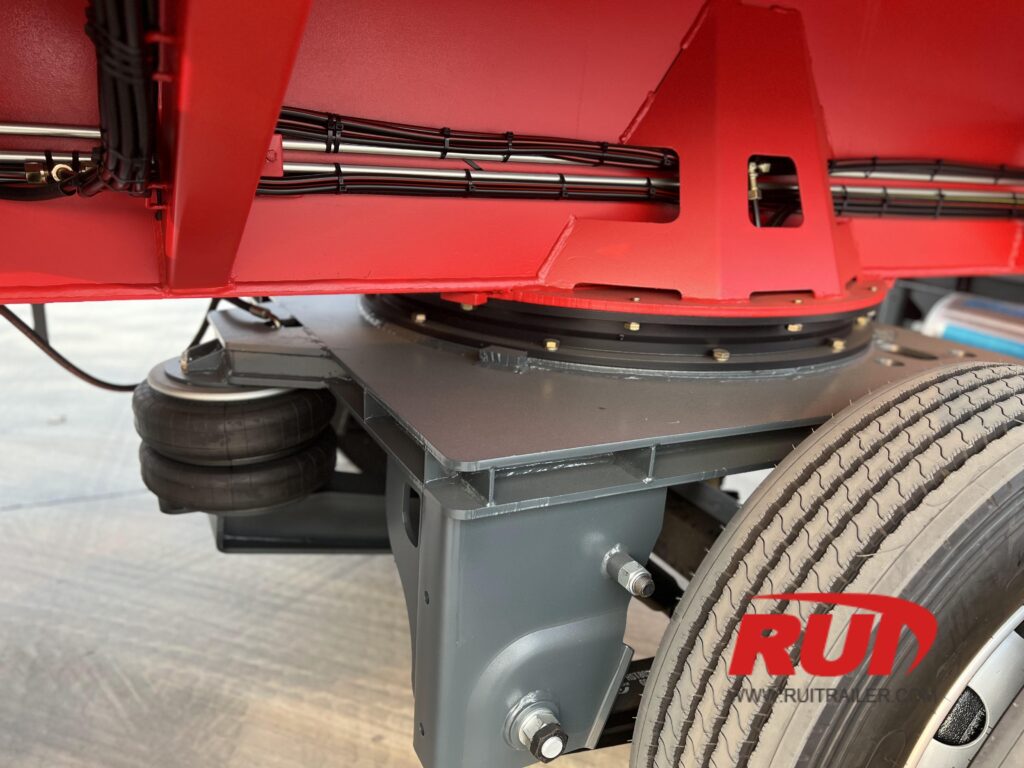
Kuhakikisha diameta za mizizi za mwisho wa mizizi kunahitaji miunganisho thabiti ya kuweka ili kunyonya nguvu za kuendesha na kuacha gari:
- Viwanda vya Turntables vilivyowekwa pamoja: Vibao vya maji vya kusogea vinavyotumia maji vinachukua msuguano wa usafiri na kuboresha flex ya blade juu ya ardhi isiyo sawa.
- Vifaa vya Kuzima Mizizi: Vifaa vya kipekee vya mzunguko wa bolt vinavyobadilika vinavyobadilika vinaweza kubadilika ili kufaa diameta za mizizi za blade za kawaida za futi 9.8 hadi 14.8 (m 3.0 hadi 4.5).
- Uwezo wa Kuhamia Ardhi Kali: Kwa barabara za kufikia mashamba ya upepo wa milima, kuunganisha chassis na kigeuzi cha blade cha rotor kunaruhusu pembe za tilt ya blade hadi digrii 60 na mzunguko kamili wa digrii 360 ili kupita mistari ya miti na mteremko wa milima wenye vifungo vya karibu.
Vipimo vya Upana, Uondoaji wa Kifaa, na Mabadiliko ya Muundo
Kudhibiti upana wa jumla, nafasi za tractor, na mabadiliko ya chassis katikati ni muhimu wakati wa kupanga vifaa vya kusafirisha uzito mkubwa. Kadri vipimo vya trailer vinavyoweza kupanuliwa vinavyoongezeka urefu, usimamizi wa jiometri ya muundo unahakikisha kuwa kifaa kinabaki kuwa halali, thabiti, na hakina shida na barabara chini ya mzigo wa juu zaidi.
Viwango vya Upana wa Chassis na Swing-Out Outriggers
Majukwaa ya kawaida yanayoweza kupanuliwa yana upana wa usafiri wa msingi wa futi 8 6 (m 2.59 / mm 2,590) ili kuendana na sheria za usafiri wa barabara zisizo na kibali. Kwa mizigo mikubwa, vifaa vizito, na alama kubwa za mashine, tunajumuisha swing-out outriggers za nguvu (brackets za upande) kando ya nyaya za ukingo.
- Upana wa Msingi wa Kawaida: 8 ft 6 in (2.59 m / 2,590 mm)
- Upana wa Outrigger Ulio Panuka: 10 ft 0 in hadi 12 ft 0 in (3.05 m hadi 3.66 m / 3,050 mm hadi 3,660 mm)
- Uwezo wa Outrigger: Imebeba mzigo wa perimeter uliozagaa kwa kutumia mbao nzito za mbao au alumini.
| Kigezo cha Ufafanuzi | Kawaida ya Imperial | Metriki (ISO) | Maombi / Kazi |
|---|---|---|---|
| Upana wa Ghorofa la Msingi | 8 ft 6 in (102 in) | 2,590 mm | Upana wa njia ya kusafiria wa kisheria wa kawaida |
| Upana wa Kuongeza wa Outrigger | 10 ft 0 in – 12 ft 0 in | 3,050 mm – 3,660 mm | Msaada mpana wa mashine na meli |
| Radius ya Swing ya Gooseneck | 84 in – 110 in | 2,134 mm – 2,794 mm | Uondoaji wa kabati na fremu kwa matrekta yenye mnyororo wa mikoa mingi |
| Mipangilio ya Kuweka Kingpin | 16 in, 24 in, 36 in | 406 mm, 610 mm, 914 mm | Inaboresha usambazaji wa uzito wa mnyororo wa gari la shambani |
| Mwamba wa Mshipi wa Pre-Camber | 1.5 in – 3.5 in | 38 mm – 89 mm | Hatua ya kupinga mabadiliko chini ya urefu wa mzigo |
Mduara wa Swing wa Gooseneck, Mipangilio ya Kingpin, na Utoaji wa Gari la Shambani
Utoaji sahihi kati ya fremu ya gari, chumba cha kulala, na shina la trela huzuia kugusana wakati wa mabadiliko magumu. Tunaunda kingpins za biashara zinazoweza kubadilishwa, za nafasi nyingi (chaguo la inchi 2 / 50.8 mm na inchi 3.5 / 88.9 mm) ili kuendana na misingi tofauti ya magurudumu ya mnyororo na makundi ya mnyororo wa nyuma wa gari.
- Mahali pa Kingpin Mbili: Vifuatavyo vya msingi vya mipangilio miwili huruhusu marekebisho ya haraka kati ya nafasi 16 inchi (406 mm) na 36 inchi (914 mm).
- Utoaji wa Gooseneck: Mipangilio ya swing iliyoundwa kutoka inchi 84 hadi 110 (2,134 mm hadi 2,794 mm) inakidhi magari makubwa ya mnyororo wa magurudumu 3 na 4, ikijumuisha kwa urahisi na miundo kama vile gooseneck inayobadilika ya low loader kuondoa fremu za nyuma za winchi na fenders.
Uhandisi wa Mshipi wa Pre-Camber wa Kuzuia Kupungua kwa Katikati ya Urefu
Wakati mshipi wa telescopic unapanuka hadi urefu mrefu, nguvu za kupinda za asili huongezeka. Bila muundo sahihi, flex hii husababisha kupinda kwa muundo wa trailer katikati, kupunguza urefu wa sakafu iliyobeba mzigo chini ya viwango salama na kuhatarisha kuguswa na ardhi wakati wa kuvuka reli na milima ya barabara.
- Mwamba wa Upande wa Juu wa Kujenga: Tunatengeneza mshipi wetu mkuu wa katikati kwa pre-camber chanya (mwamba wa juu wa inchi 1.5 hadi 3.5 / 38 mm hadi 89 mm wakati haujajazwa).
- Udhibiti wa Kupinda kwa Mzigo: Wakati trailer inabeba mizigo mizito kwa urefu wa juu zaidi, flex iliyoundwa huleta sakafu chini kwenye uwanja wa usawa na wa gorofa.
- Ujenzi wa Chuma wa Pato Juu: Umejengwa kwa mabawa ya chuma yenye nguvu ya juu, chassis inakataa mabadiliko ya kudumu na inahifadhi uadilifu kamili wa muundo katika urefu tofauti wa nyongeza.
Umbali wa Axle, Jiometri ya Kuendesha Gari, na Uzingatiaji wa Sheria ya Daraja
Wakati wa kupanua vipimo vya trela vinavyoweza kupanuliwa kwa mizigo mizito sana, kusimamia usambazaji wa uzito na uendeshaji wa gari kunakuwa muhimu. Kupanua msingi wa magurudumu kunabadilisha mzigo wa axle chini ya Fomula ya Daraja la Kitaifa, ikihitaji makundi maalum ya axle na mifumo ya kuendesha gari inayofanya kazi ili kubaki halali barabarani na kuendeshwa kwa urahisi.
Mipangilio ya Kikundi cha Axle kwa Fomula ya Daraja
Kupanua chassis kunasababisha nafasi ya daraja la ndani kubadilika, kubadilisha ruhusa za uzito wa axle zinazohalali kwenye mitandao ya barabara. Tunahakikisha magurudumu yetu ya nyuma yana mpangilio wa nafasi zinazobadilika:
Upanuzi wa Tandem & Tridem wa Kawaida: Nafasi za axle zilizowekwa au zinazoweza kuondolewa kwa 54 inchi (1,370 mm), 60 inchi (1,524 mm), au 72 inchi (1,829 mm) ili kuboresha viwango vya uzito wa jumla wa gari (GVWR).
Mipangilio ya Upanuzi Mpana & Quad: Nafasi hadi inchi 108 (2,743 mm) au makundi ya axle manne yanayoweza kubadilishwa ili kusambaza uzito mzito kwa usawa kwenye madaraja ya barabarani.
Uboreshaji wa Uzito wa Tare: Mipangilio sahihi ya umbali kati ya kingpin na katikati ya axle huhakikisha ufanisi wa kanuni za daraja za mkoa bila kupakia zaidi axles za dereva wa trekta.
+------------------------------------------------------------------------------------+
| Kiwango cha Mzingo wa Magurudumu / Kupanua | Ufanisi wa Kanuni za Daraja | Mgawanyo wa Mizigo wa Kikundi cha Axle |
+------------------------------------------------------------------------------------+
| 48 ft (14.6 m) imefungwa | Mipaka ya Kisheria ya Kawaida | Tandemu ya 50/50 Moja kwa Moja |
| 80-120+ ft (24.4-36.5+ m) imefunguliwa | Daraja la Mzigo Kupita Mipaka ya Daraja | Ugawaji wa Nguvu Uendeshaji |
+------------------------------------------------------------------------------------+
Mifumo ya Mwelekeo wa Hydraulic wa Kulazimishwa (Mpaka Pembe la 55°)
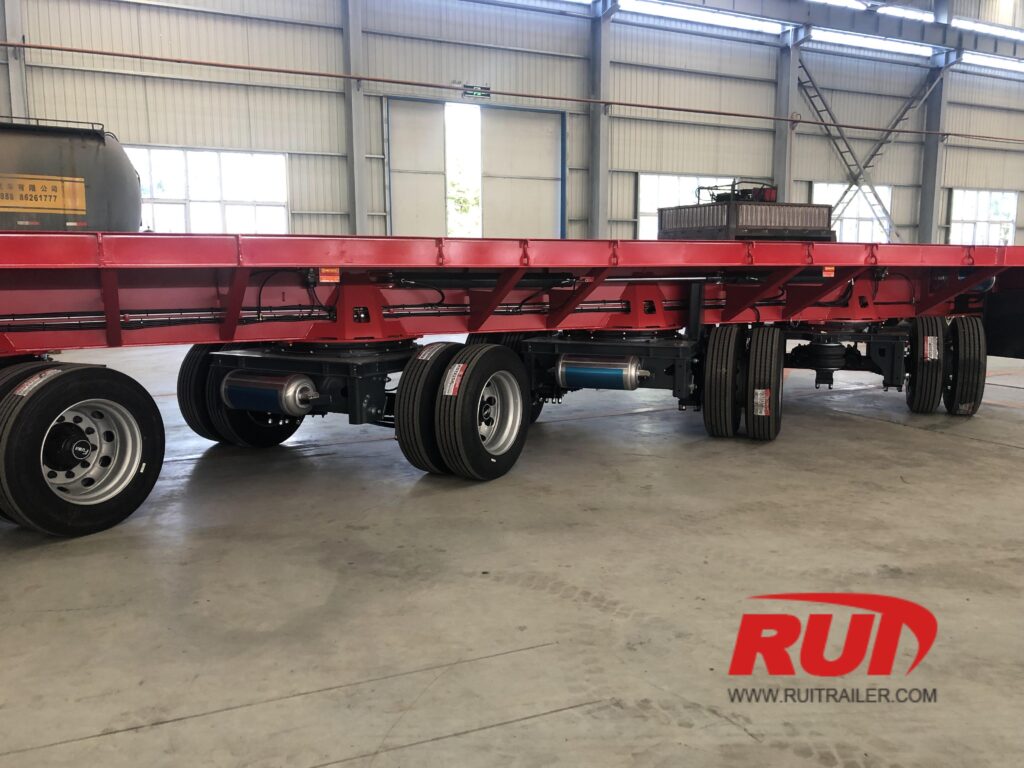
Urefu wa trailer wa mfululizo mrefu huleta changamoto kubwa za kuondoa matairi na mizunguko mikali kwenye njia za mijini au milimani. Tunavaa trailers zetu za hatua nyingi na za mzigo mzito na mwelekeo wa pembe kubwa:
Udhibiti wa Wedge & Turntable: Uunganisho wa mwelekeo wa kiufundi-hydraulic huendana na pembe ya pivot ya kingpin ya gooseneck na bogie ya axle ya nyuma.
Radius ya Mzunguko Mkali: Axles za hydraulic kwa matumizi makali ya viwanda hutoa pembe za mwelekeo wa maendeleo hadi digrii 55, kupunguza kwa kiasi kikubwa ufuatiliaji wa kukata.
Udhibiti wa Mbali wa Wireless: Udhibiti wa mbali wa wireless wa mkono huruhusu wafanyakazi kuendesha axles za nyuma kwa uhuru kwa mwendo mdogo ili kuendesha mizunguko tata na maeneo magumu ya kazi.
Uwekaji wa Axle wa Kupandisha kwa Safari za Kurudi Bila Mizigo
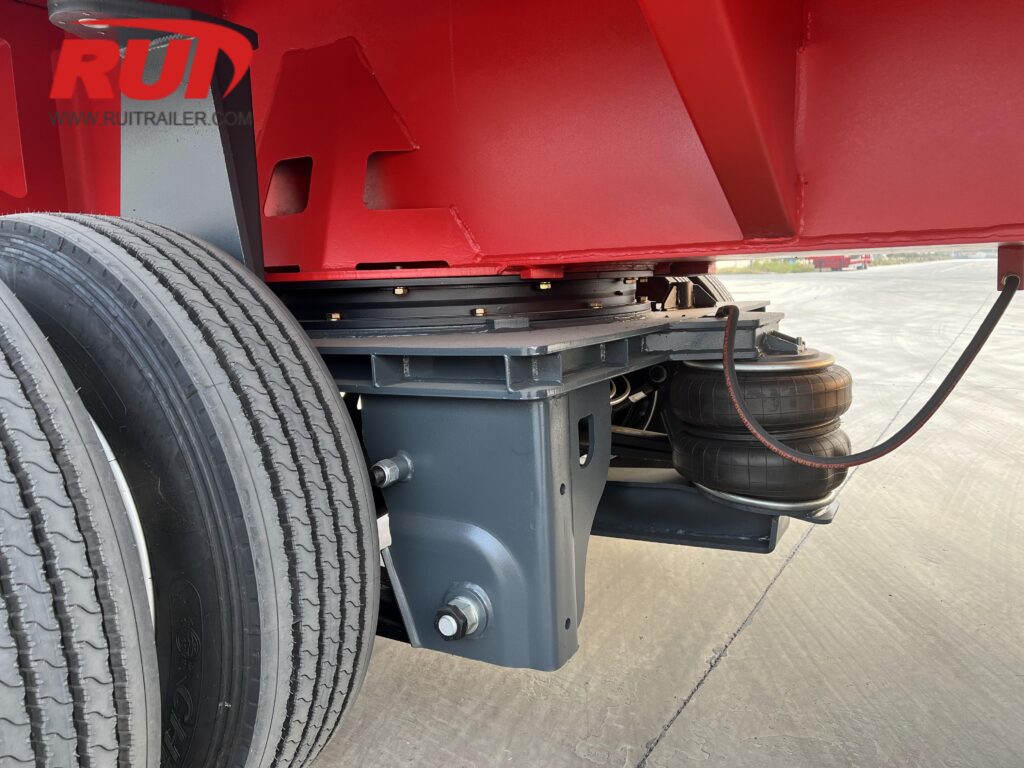
Kuvuta assemblies za multi-axle kwenye safari za kurudi bila mzigo huongeza matumizi ya mafuta na uvaaji wa matairi.
Uendeshaji wa Pneumatic & Hydraulic wa Kiotomatiki: Inua axles za msaada za mbele au za nyuma wakati wa kuendesha bila mzigo ili kupunguza umbali wa magurudumu kwa uso wa ardhi.
Kupunguza Matairi ya Kukwaruza & Uvunjaji wa Mzigo: Huondoa msuguano wa pembeni wa tairi kwenye zamu kali wakati gari liko tupu, na hivyo kuokoa maisha ya tairi na kupunguza ada za kategoria ya ushuru katika njia zote za usafiri.
Ulinganishaji wa Vipimo vya Mzigo na Ukubwa wa Mzigo
Kulinganishwa kwa eneo halisi la mzigo wako na vipimo sahihi vya trela inayoweza kurefushwa huzuia uzito kupita kiasi wa kimuundo, mchepuko mkubwa, na ukiukaji wa nafasi ya juu. Tunatengeneza chasi yetu inayoweza kuteleza kuzingatia kategoria tatu tofauti za mizigo:
Saruji Iliyotengenezwa Awali na Mihimili ya Chuma ya Kimuundo
Mihimili mirefu ya kimuundo kwa kawaida hujitegemea kwa urefu wake lakini inahitaji uwekaji sahihi wa usaidizi katika maalum ya kubeba mzigo:
Uwekaji wa Sehemu ya Usaidizi: Tunasawazisha vipindi vya kufunga vya chasi yetu inayoweza kuteleza ili kuweka vitanda vya kuwekea mizigo moja kwa moja chini ya sehemu zilizoundwa maalum za kuchukulia za muhimili, kuzuia nyakati mbaya za kupinda wakati wa usafiri.
Urefu dhidi ya Ukadiriaji: Jukwaa la kawaida la futi 53 (mita 16.15) lililorefushwa hadi futi 90 (mita 27.43) huhamisha mzigo wa kimuundo hadi kwenye uti wa mgongo wa kati. Kwa sehemu za chuma zisizojitegemea, uzuiaji wa katikati ya urefu au miundo ya chasi yenye uti wa mgongo pacha inahitajika ili kudumisha viwango vya kisheria vya mchepuko chini ya inchi 1.5 (milimita 38).
Minara ya Mitambo ya Upepo dhidi ya Vipepeo vya Mitambo
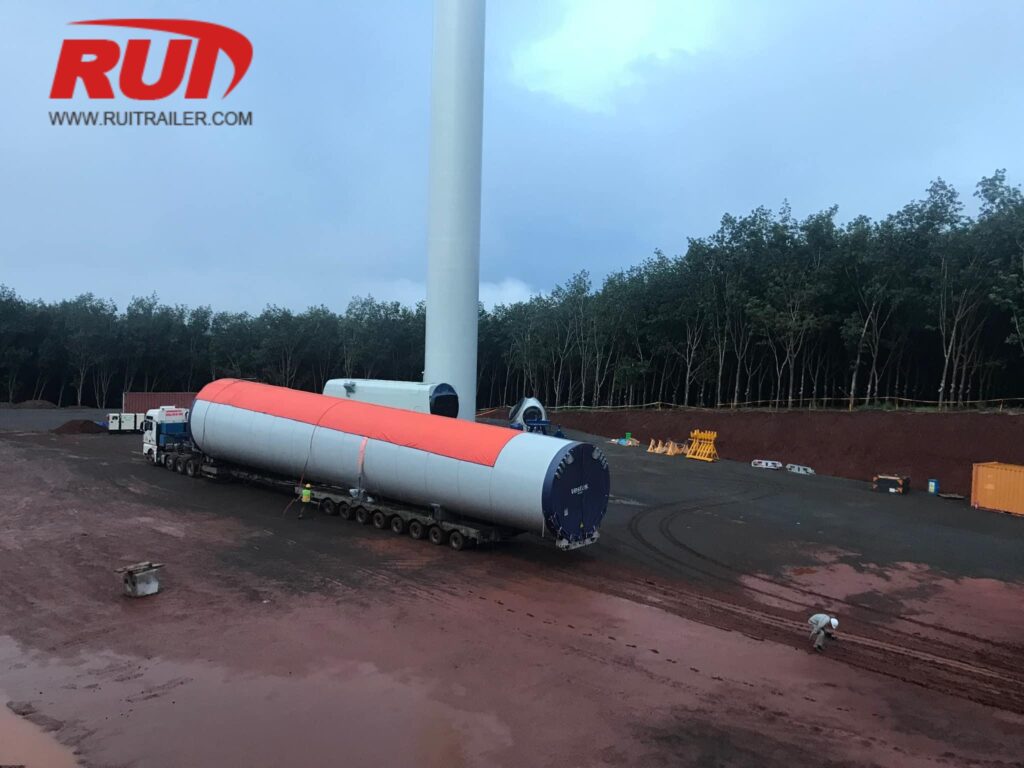
Vipengele vya nishati ya upepo vinatoa changamoto tofauti kabisa za vipimo:
Sehemu za Mnara: Sehemu za msingi na za kati zenye kipenyo kikubwa zinahitaji uwezo wa juu zaidi wa uzito uliowekwa pamoja na urefu wa chini sana wa staha iliyopakiwa (chini ya inchi 18 / milimita 457) ili kupita chini ya madaraja ya barabara kuu. Tunatumia trela yetu ya mzigo mzito ya mbele kwa usafirishaji mzito yenye staha za visima zinazoweza kurefushwa ili kubeba mizigo hii mizito ya silinda kwa usalama.
Vipepeo vya Mitambo: Vipepeo vya kisasa vya mita 70 hadi 100+ (futi 230 hadi 330) hutoa uzito mdogo wa ekseli lakini hutokeza msukumo mkubwa wa mkia na upepo mkali. Tunajenga trela za vipengele 3 na 4 zinazoweza kurefushwa hadi futi 240 (mita 73.15), zilizounganishwa na adapta za kuzungusha na magurudumu ya nyuma ya uendeshaji ya kulazimishwa ili kupita kwa usalama kwenye kona kali.
Kipimo cha Nafasi ya Juu kwa Vyombo vya Shinikizo
Vyombo vya viwandani, vitenganishi, na vipunguza joto vinahitaji usimamizi mkali wa vipimo vya wima:
Uhesabuji wa Urefu wa Usafiri: Urefu wa jumla wa usafirishaji wa juu ni sawa na kipenyo cha nje cha meli pamoja na urefu wa sadani ya mto na usafi wa ardhi wa ghorofa lililobebwa.
Uboreshaji wa Ghorofa: Kuhifadhi tanki la kipenyo cha futi 12 (3.66 m) chini ya daraja la juu la futi 14 6 (4.42 m), urefu wa ghorofa lililobebwa haupaswi kuzidi inchi 24 (610 mm). Kwa mizigo hii ya kipekee, tunaunda ghorofa za chini zinazoweza kupanuliwa ambazo huanguka hadi inchi 12 hadi 15 (305 mm hadi 381 mm) za usafi wa ardhi chini ya mzigo kamili.
Uwezo wa Uhandisi na Utengenezaji wa Trailers za Telescopic Maalum
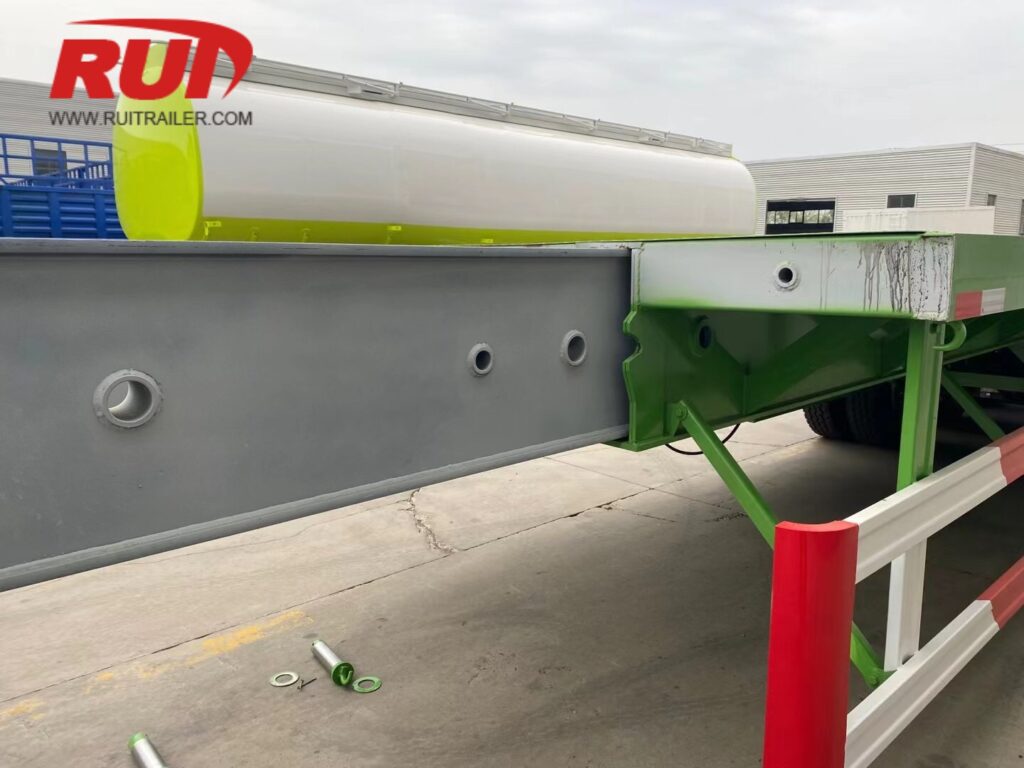
Tunabuni na kutengeneza trailers za uzito mkubwa zinazobadilika ili kufanana na alama halisi za mizigo, sheria za daraja la meli, na mahitaji makali ya mzigo. Wakati viwango vya kawaida havikidhi mipaka yako ya uendeshaji, timu yetu ya uhandisi huunda kila kipimo cha ukubwa kutoka chini hadi juu.
Uundaji wa Muundo wa Chuma cha High-Tensile
Kuwezesha mzigo mkubwa huku ukipunguza uzito wa tare, tunajenga chassis za trailer zinazobadilika kwa kutumia chuma cha muundo wa kiwango cha juu cha mavuno:
Q690 & HG785 Steel: Viwango vya muundo vya nguvu kubwa vinavyotumika kwa mabawa makuu ya sanduku na bomba za ndani za telescopic ili kuzuia kupinda katikati wakati wa kupanuka.
Strenx 700 / Weldox: Vifaa vya chuma vya kiwango cha juu cha mavuno vinavyotumika katika sehemu za flange zenye shinikizo kubwa na mabadiliko ya gooseneck kwa upinzani mkali wa uchovu.
Udhibiti wa Mabadiliko Bora: Ubunifu wa pre-camber uliowekwa moja kwa moja kwenye uti wa mgongo ili kuhakikisha staha inabaki sawa kabisa chini ya viwango kamili vya mzigo uliorundikwa.
Kiharusi Maalum cha Upanuzi wa Haidroli na Vidhibiti vya Pini za Kiotomatiki
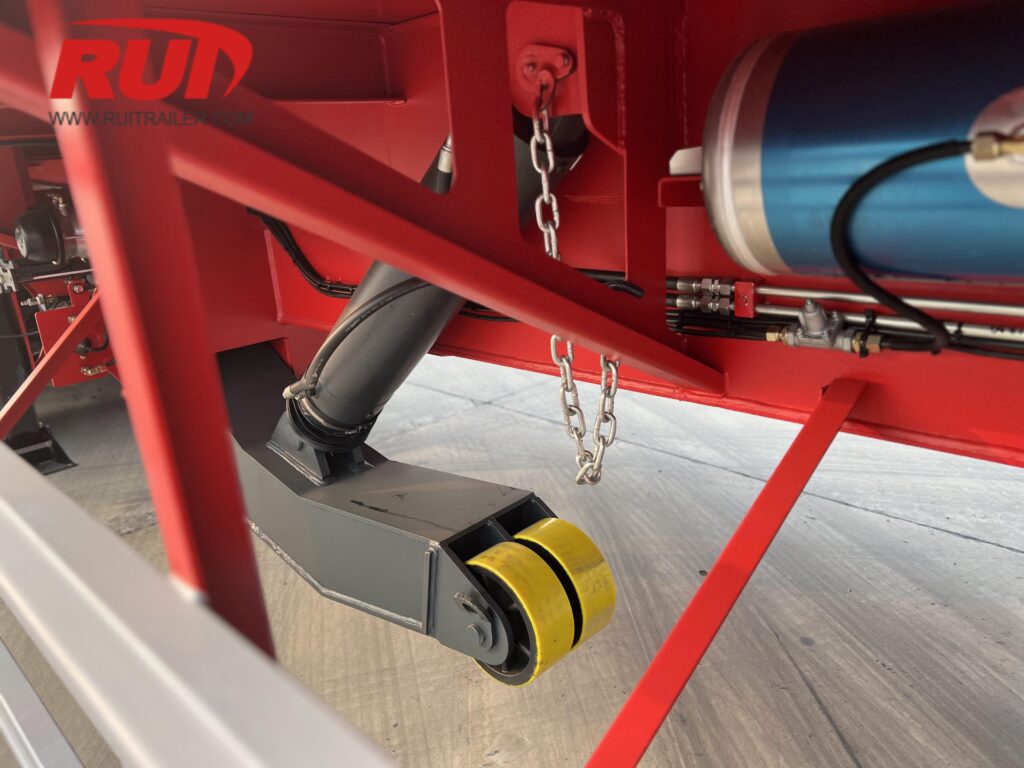
We engineer extension mechanisms around your fleet's specific operational workflows:
Urefu Maalum wa Kiharusi: Upanuzi wa darubini wa hatua moja, mbili, tatu, au nne ulioundwa ili kufikia urefu wako unaolengwa wa wazi na uliofungwa.
Uendeshaji wa Slaidi ya Haidroli: Mitungi pacha ya haidroli hutoa nguvu endelevu na inayodhibitiwa ya kusukuma-kuvuta ili kupanua au kurudisha chasi vizuri bila kuhitaji mbinu za kuvuta za trakta.
Pini za Kufunga za Kutoa Hewa za Kiotomatiki: Vidhibiti vya nyumatiki vinavyodhibitiwa na kabati na vilivyowekwa kwenye trela hufunga kwenye kola za pini zilizoimarishwa kwa vipindi vya futi 2 (mm 600) au futi 5 (mm 1,500).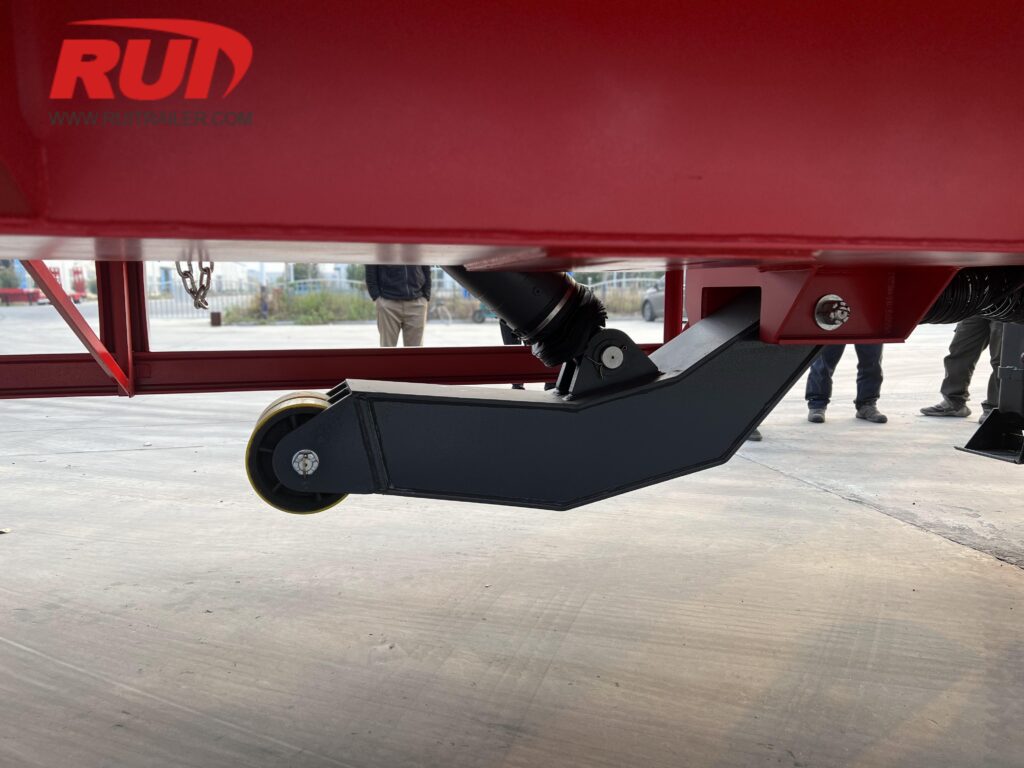
Ujumuishaji wa Msimu kwa Mizigo Mikubwa Sana ya Ekseli
Kwa mizigo mikubwa inayohitaji kufuata sheria kali za daraja, tunabuni chasi yetu inayoweza kupanuliwa kwa ajili ya ujumuishaji wa haraka wa vijenzi vya msimu:
Uunganisho wa Jeep Dolly: Sanduku za pini za mbele zilizoimarishwa na upanuzi wa shingo ya goose husambaza uzito wa kingpin katika mistari ya ziada ya ekseli ya mbele.
Ekseli za Flip na Viimarisha vya Nitrojeni: Ekseli za nyuma za pini na viimarisha vya haidroli/nitrojeni vya kusawazisha mzigo hupanua msingi wako wa gurudumu kwa ujumla na kulinda vikundi vya ekseli dhidi ya uzito kupita kiasi.
Utangamano wa Ekseli Nyingi za Msimu: Inaoana kikamilifu na kazi yetu nzito aina na maelezo ya trela za msimu na maalum vipengele vya trela ya gooseneck inayoweza kutenganishwa RGN kwa usafiri mgumu wa mnyororo wa mikoa mingi wenye nyongeza nzito.
Maswali Yanayoulizwa Mara kwa Mara Kuhusu Vipimo vya Trela Inayoweza Kupanuliwa
Ni urefu gani wa juu wa kisheria wa nyongeza ya trela inayoweza kupanuliwa?
Wakati umefungwa, vitengo vya kawaida vinakimbia kwa vipimo vya kisheria vya 48 ft (14.63 m) or 53 ft (16.15 m) kwa na 8.5 ft (2.59 m) upana, kuruhusu safari bila kibali. Mara baada ya kupanuliwa, miundo yetu ya hatua moja na hatua nyingi trailer inayoweza kupanuliwa inafikia kutoka kwa 80 ft (24.38 m) hadi 230+ ft (70+ m). Kufanya kazi kwa urefu huu wa nyongeza kunazingatia kanuni za mzigo mkubwa wa saizi, zinazohitaji vibali vya usafiri vya serikali au mkoa, utafiti wa njia zilizoteuliwa, na usanidi maalum wa ulinzi kulingana na urefu wa jumla wa mchanganyiko.
Je, nyongeza ya trela inaathirije uwezo wa mzigo wa makao makuu?
Kurefusha chassis kunabadilisha mwelekeo wa kugeuka wa muundo wa trela. Kadiri umbali kati ya kingpin na kundi la mnyororo wa mtaa unavyoongezeka, uwezo wa makao makuu wa kati unashuka:
Imeondolewa kikamilifu: Trela inaunga mkono mzigo wake wa juu wa makisio kwa makao makuu juu ya sehemu fupi ya ghorofa (kwa kawaida 10 hadi 15 ft / 3 hadi 4.5 m).
Imepanuliwa kikamilifu: Uwezo wa makao makuu wa juu unashuka kwa 40% hadi 60% isipokuwa mzigo ni wa kujitegemea (kama vile mizinga ya daraja la chuma au saruji iliyotengenezwa mapema) au uzito umezagaa sawasawa kote kwenye uti wa mgongo wote.
Urefu wa gati ni upi bora kwa mizigo inayoweza kupanuliwa kwa urefu zaidi?
Uchaguzi wa urefu wa gati unategemea moja kwa moja na urefu wa mzigo wa kubeba na vizuizi vya juu vya njia:
Gati la Kupanua la Hatua: Linatoa urefu wa gati uliojazwa kati ya 34 inchi na 40 inchi (864 mm hadi 1,016 mm), likizingatia uwezo wa gati refu na uhifadhi wa chini wa profile.
Gati la Lowboy / RGN la Kupanua: Linaleta urefu wa gati ulio chini sana wa kupakiwa kutoka kwa 18 inchi hadi 24 inchi (457 mm hadi 610 mm) kwa 6 inchi hadi 8 inchi (152 mm hadi 203 mm) wa urefu wa chini wa ardhini. A trailer inayoweza kuondolewa na gooseneck inayoongezwa ndiyo chaguo la kawaida kwa kuhamisha vyombo vya viwandani virefu, matanki mazito, na mashine kubwa kupita kiasi.
Lini uendeshaji wa nguvu wa majimaji unahitajika kwenye trailer inayonyooka?
Axles za uendeshaji wa majimaji zinahitajika mara moja umbali wa jumla wa trailer unaozidi 80 ft hadi 100 ft (24.38 m hadi 30.48 m). Kadri msingi wa magurudumu unavyoongezeka:
Axles za kawaida za kudumu au za kusukuma kwa mvutano husababisha msukumo mkali wa matairi na shinikizo la upande wa muundo.
Viunganisho vya uendeshaji wa majimaji au meza za kugeuza kiotomatiki hutoa hadi mipangilio ya kugeuza ya nyuzi 55, kupunguza sana mduara wa kugeuza na kuweka vipimo vya njia iliyopigwa ndani ya mahitaji ya leseni kwenye makutano magumu.
Je, trailer inayoongezwa inaweza kuunga mkono mizigo iliyokusanywa katikati bila kuwekewa vizuizi vya kati?
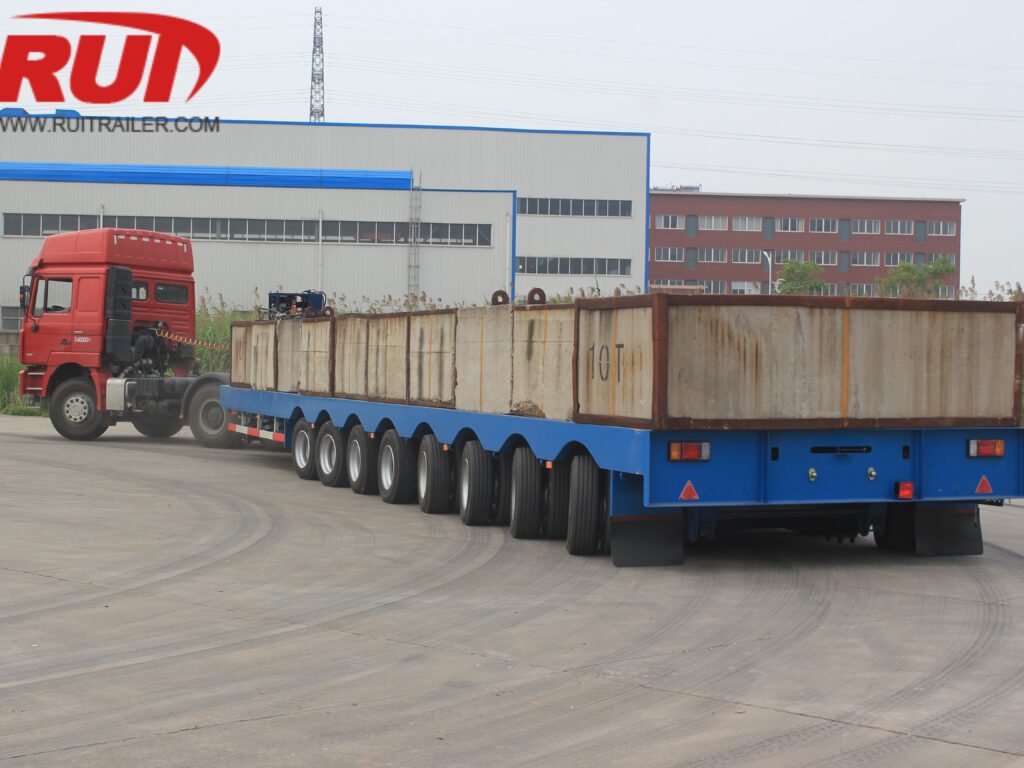
Hapana. Kupakia kwa pointi mashine nzito kwenye sehemu ya katikati isiyounga mkono ya mshipa wa telescopic unaweza kusababisha mabadiliko ya kudumu ya chassis au kushindwa kwa muundo. Wakati wa kuhamisha mizigo isiyojitegemea:
Weka mzigo juu ya maeneo makuu ya msaada (juu ya mabadiliko ya gooseneck au nyuma ya bogie).
Tumia msaada wa katikati wa msalaba, dollies za kuimarisha muundo, au vizuizi vinavyosambazwa ili kuhamisha nguvu za mzigo moja kwa moja kwenye mabao ya nje ya sanduku.
 Swahili
  English
  German
  Turkish
  French
  Portuguese
  Russian
  Arabic
  Hindi
Hindi  Vietnamese
  Chinese
  Spanish
  Indonesian