

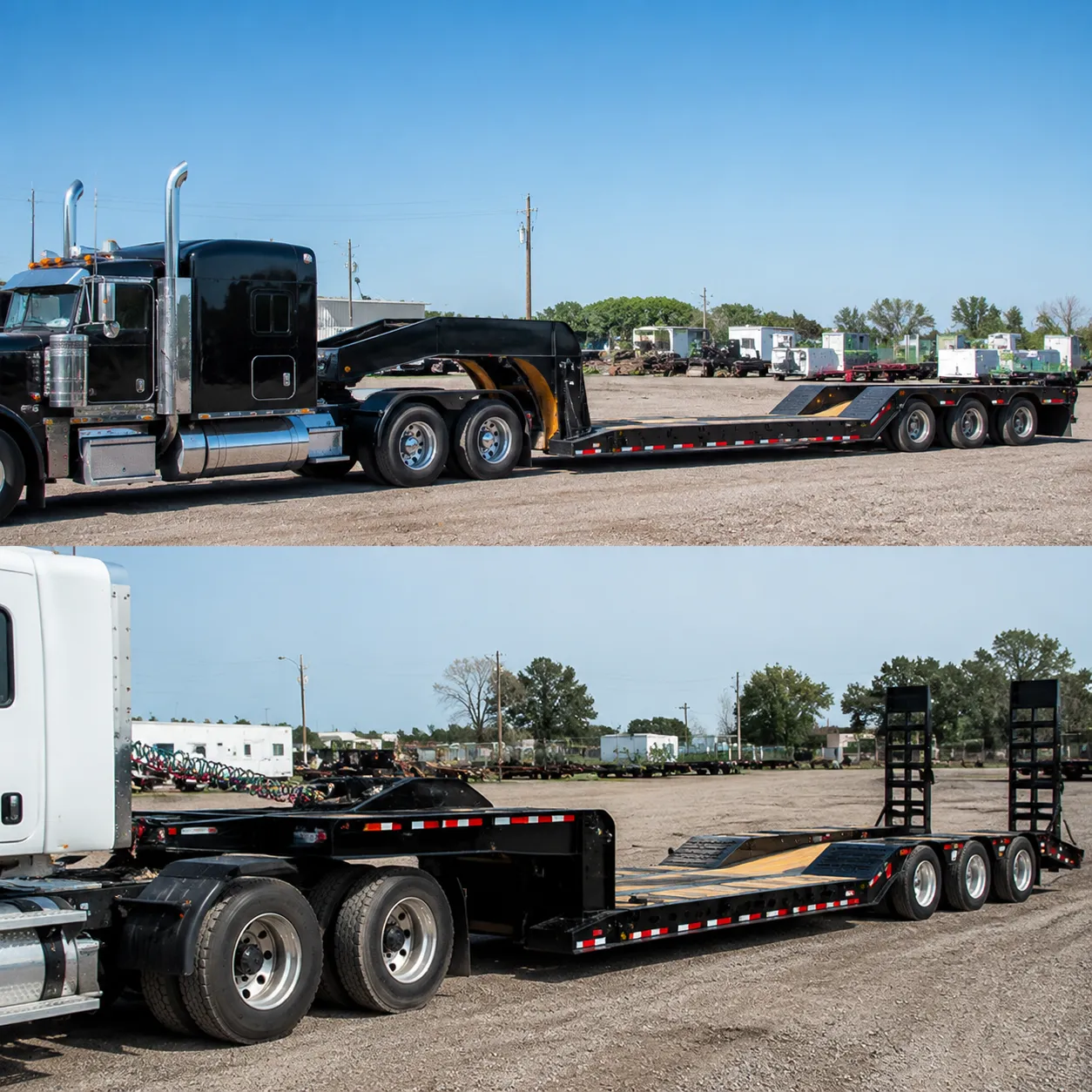
Overview of Lowboy and(RGN) Trailers removable gooseneck vs lowboy
Heavy machinery transport requires specialized hauling solutions designed for extreme payload capacities and tall equipment profiles. Navigating the differences between a removable gooseneck vs lowboy trailer is critical for optimizing transport safety, overhead clearance, and operational efficiency across global logistics networks.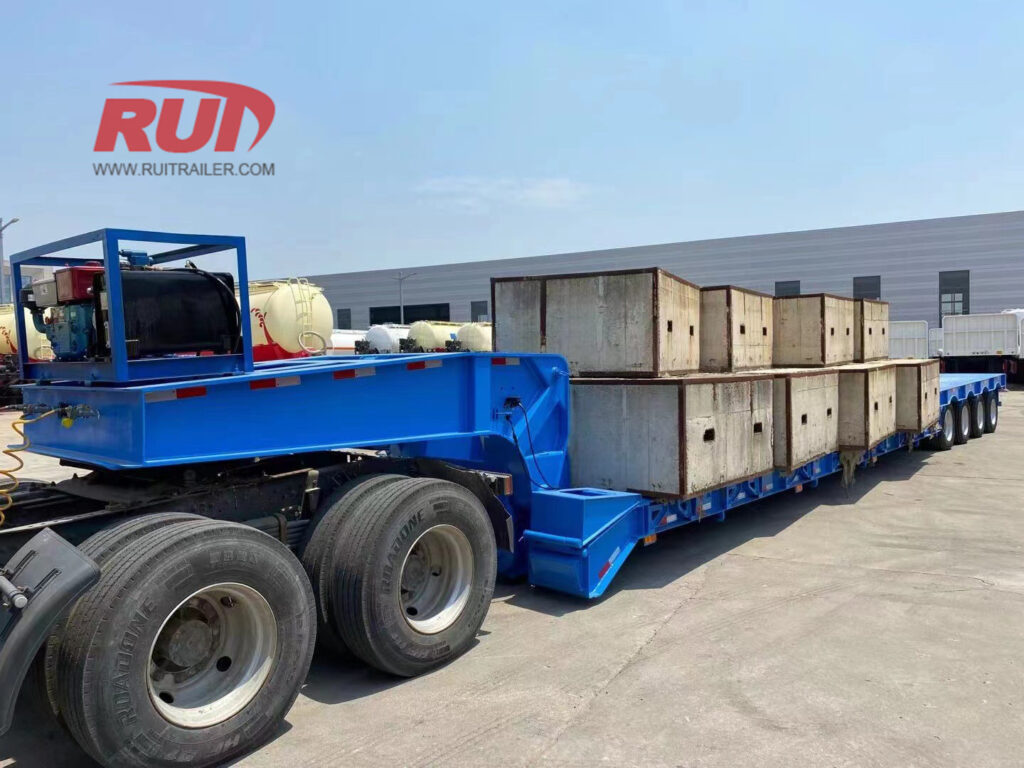
What Is a Lowboy Trailer?
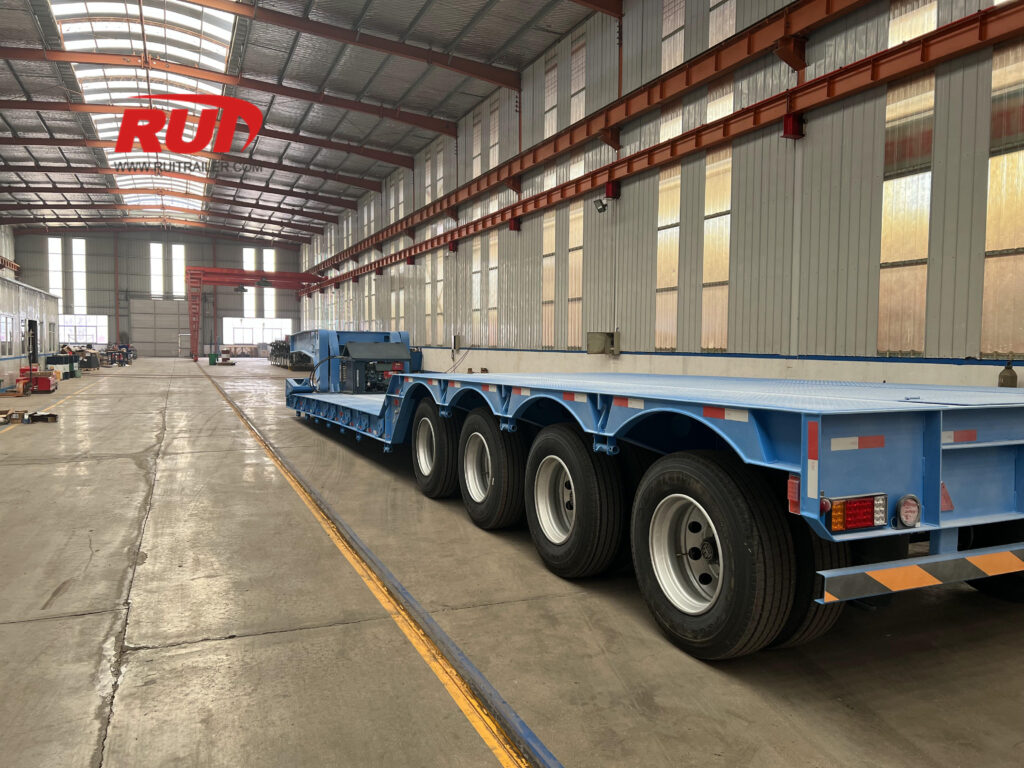
A lowboy trailer (commonly referred to as a lowbed trailer) features two drops in deck height: one immediately behind the gooseneck and another just before the rear axle assembly. This specialized design positions the main haul deck significantly lower than standard flatbed trailers.
- Clearance Advantage: Maximizes vertical space to safely clear highway overpasses and power lines.
- Structural Stability: Lowers the load center of gravity to enhance stability during high-tonnage heavy equipment transport.
- Configuration Flexibility: Built with fixed, folding, or detachable neck designs to suit diverse cargo requirements.

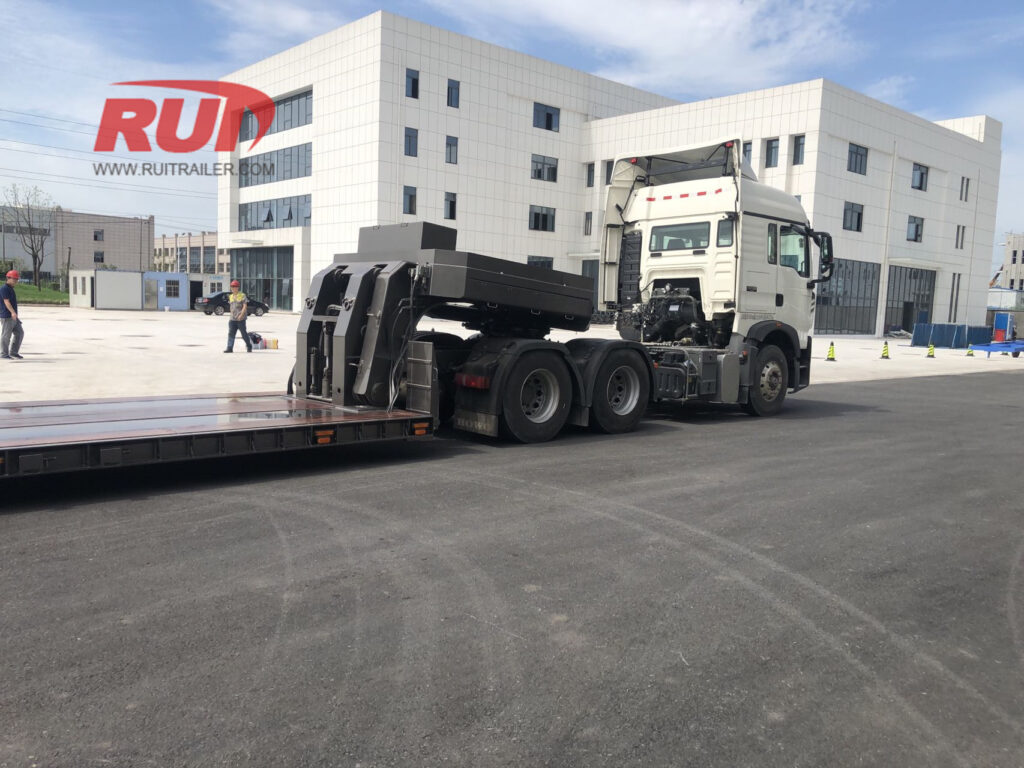
What Is a Removable Gooseneck (RGN) Trailer?
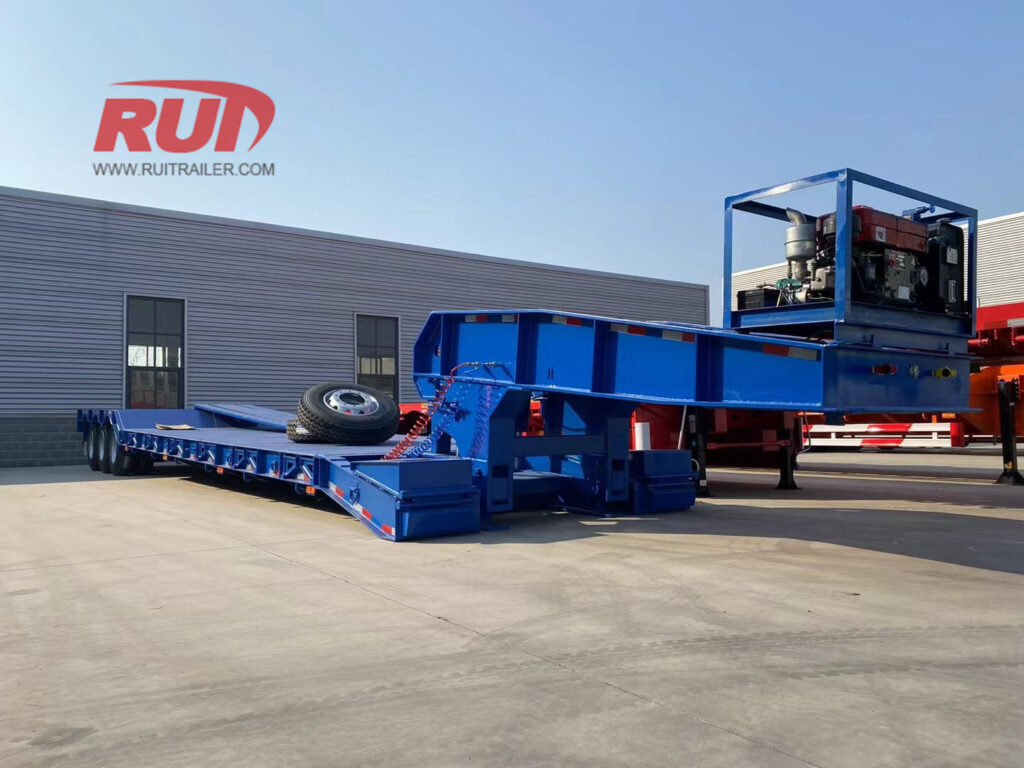
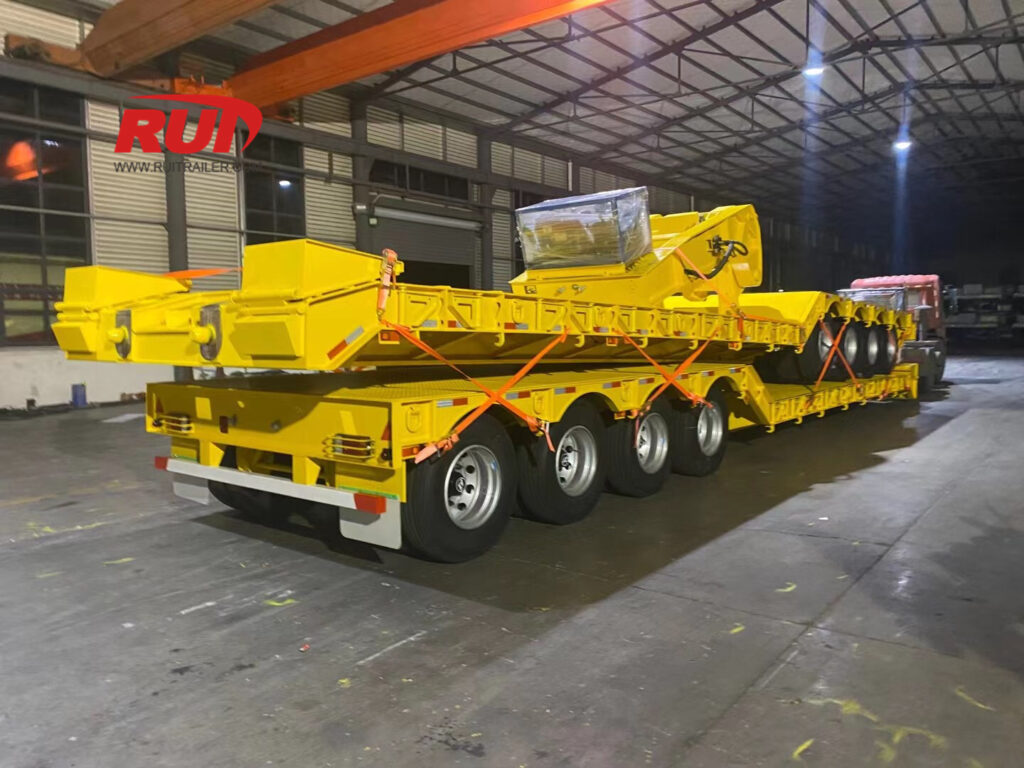
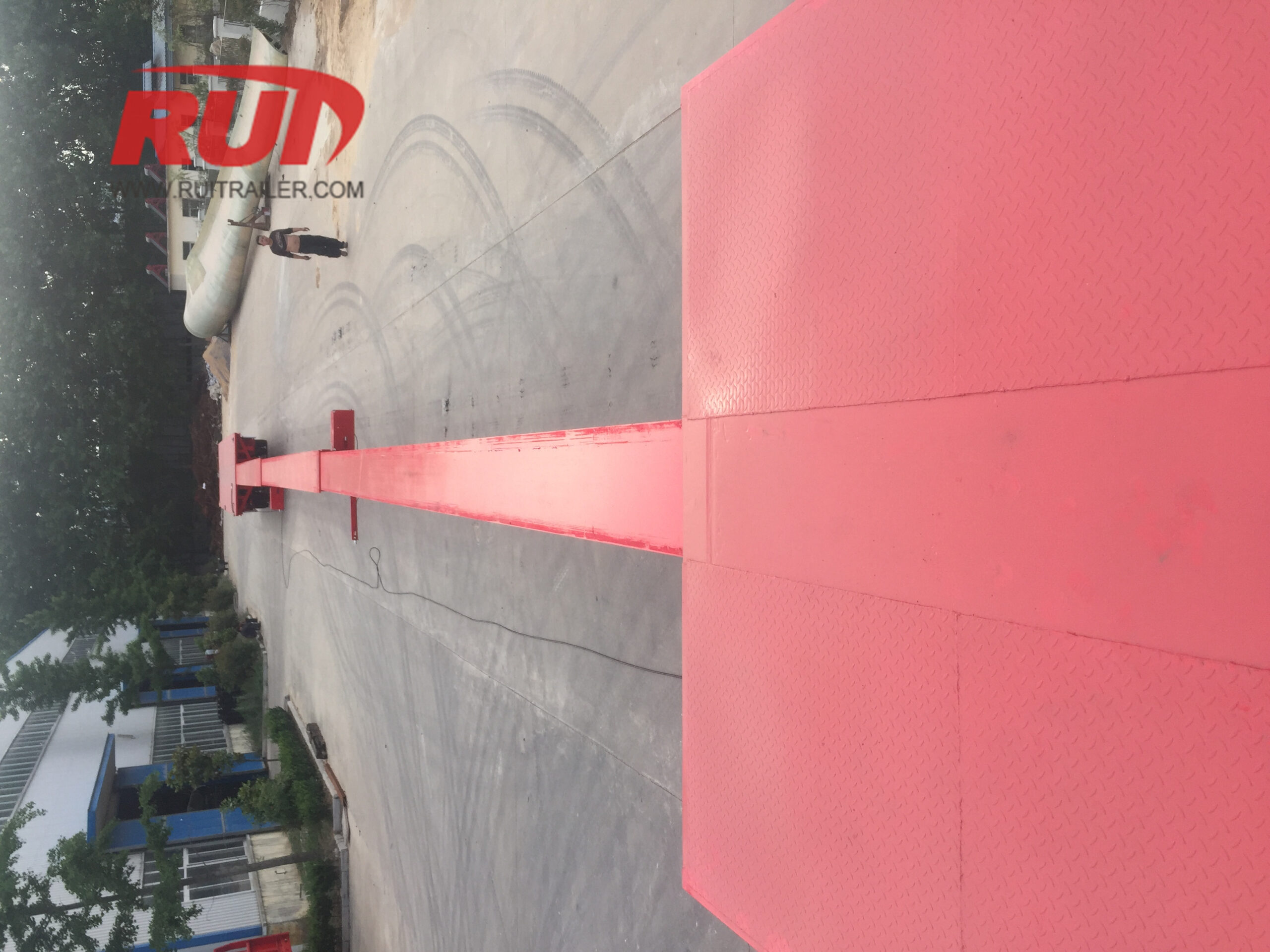
An RGN trailer is a specialized lowbed featuring a detachable neck that separates entirely from the main trailer body. Removing the neck allows the front of the deck to drop flat against the ground, creating a safe, low-angle ramp for loading.
- Front-Loading Capability: Enables direct drive-on access from the ground level, eliminating the hazards of driving heavy machinery over rear tires.
- High Weight Capacity: Supports extensive multi-axle expansions for demanding oversized load hauls.
- Equipment Compatibility: Ideal for transporting self-propelled machinery such as heavy excavators, bulldozers, and crawler cranes.
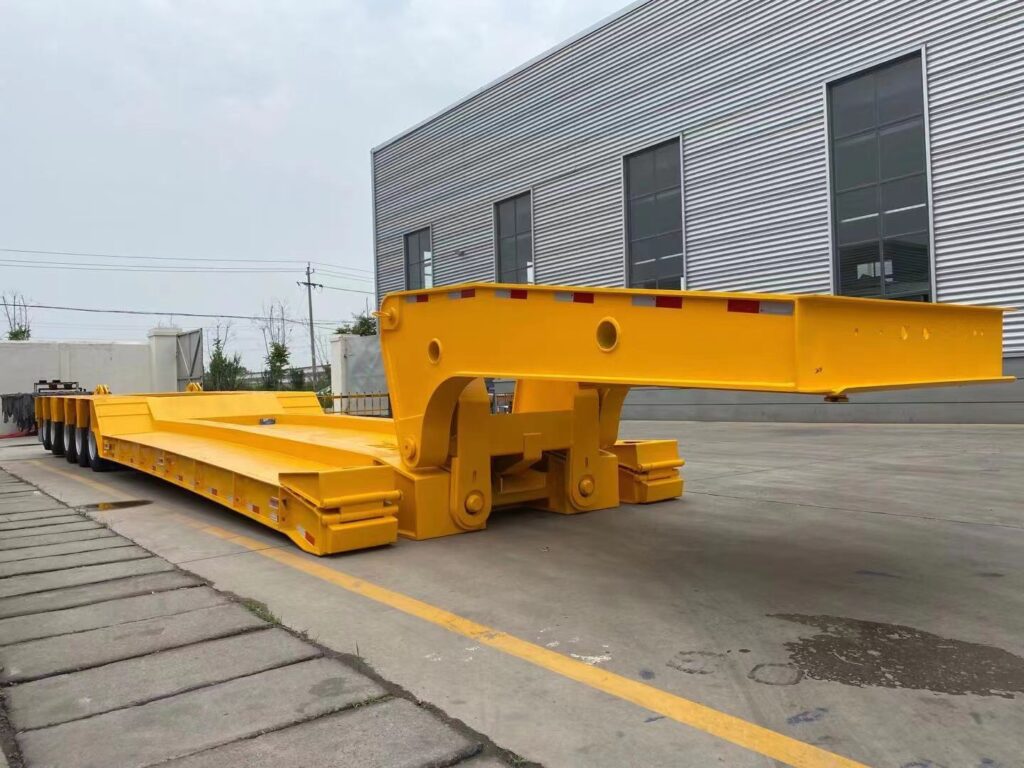
How RGN Trailers Work
The operational mechanism of an RGN trailer centers on disconnecting the front gooseneck to convert the trailer deck into an integrated loading platform.
- 1. Neck Detachment: Hydraulic or mechanical release systems uncouple the gooseneck from the main trailer frame.
- 2. Deck Lowering: The front edge of the haul deck lowers directly to the road surface.
- 3. Drive-On Loading: Heavy equipment drives onto the deck from the front using integrated drive-on ramp approaches.
- 4. Re-coupling & Elevation: The power unit reconnects the gooseneck, and powerful hydraulic cylinders lift the trailer deck back to standard transport height.
- Key Differences Between RGN and Lowboy Trailers
- Key Differences Between RGN and Lowboy Trailers
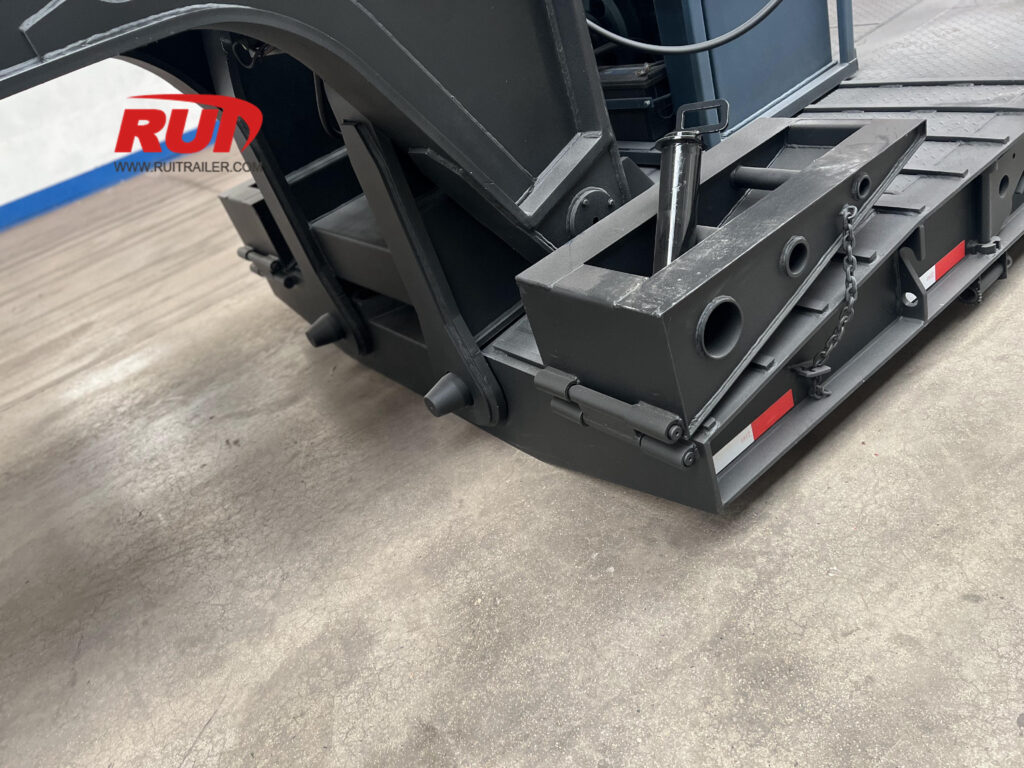
When choosing between a removable gooseneck vs lowboy trailer, understanding how their design features impact daily operations is essential for your fleet. We manufacture both configurations to solve different logistics challenges in heavy haul trucking.
| Feature | Removable Gooseneck (RGN) Trailer | Fixed Gooseneck Lowboy Trailer |
|---|---|---|
| Loading Direction | Front loading (detachable neck) | Rear loading (drive-on ramps) |
| Deck Height | 18 – 24 inches (Ultra-low profile) | 30 – 36 inches |
| Payload Capacity | 40 to 150+ tons (Multi-axle expandable) | 40 to 80 tons (Fixed 2–4 axles) |
| Ideal Load Types | Tall, heavy self-propelled machinery | Standard height equipment & tracked vehicles |
| Upfront & Upkeep Cost | Higher initial cost; hydraulic maintenance | Lower purchase cost; simple upkeep |
removable gooseneck vs lowboy Loading and Unloading Mechanisms
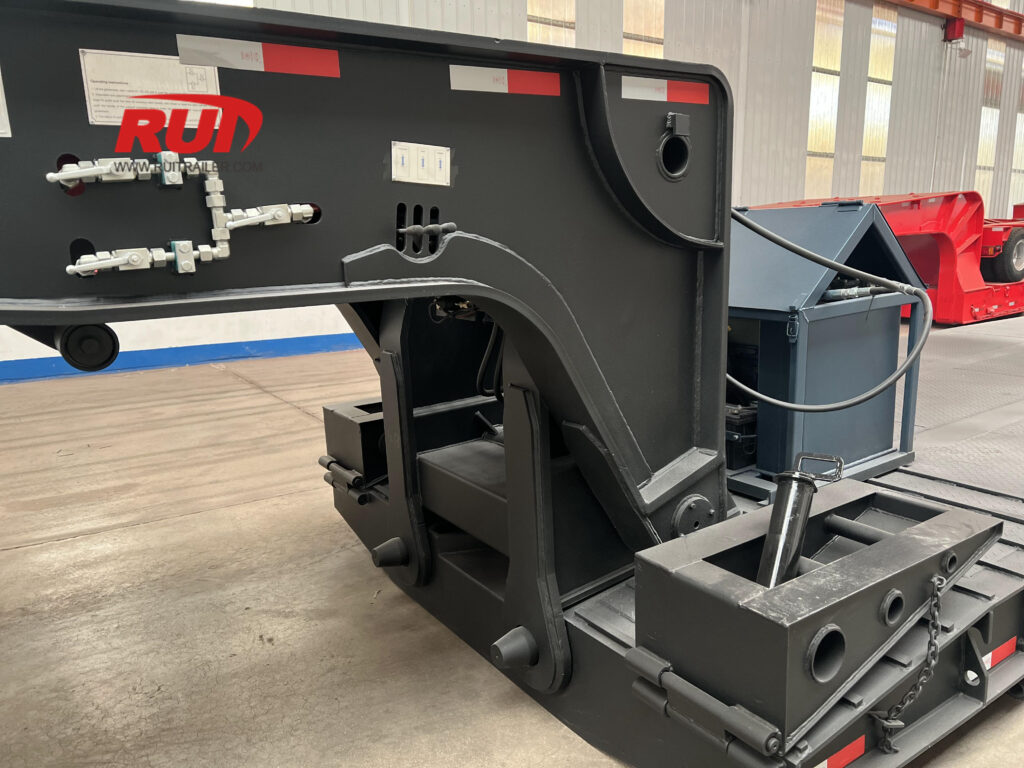
The biggest operational distinction comes down to how equipment gets onto the deck:
- RGN Trailers (Front Loading): An RGN trailer features a detachable neck that disconnects from the main frame. Lowering the deck directly to the ground creates a gentle, low-angle ramp. This allows self-propelled machinery—like wheeled loaders, asphalt pavers, and large excavators—to drive straight on from the front safely. You can review full structural specs in our RGN removable gooseneck trailer guide.
- Fixed Lowboy Trailers (Rear Loading): Standard fixed gooseneck lowbed trailers require equipment to climb over the rear axles using a heavy-duty drive-on ramp. Rear loading works well for crawler machines, but steep incline angles present safety risks for low-clearance or heavy machinery.
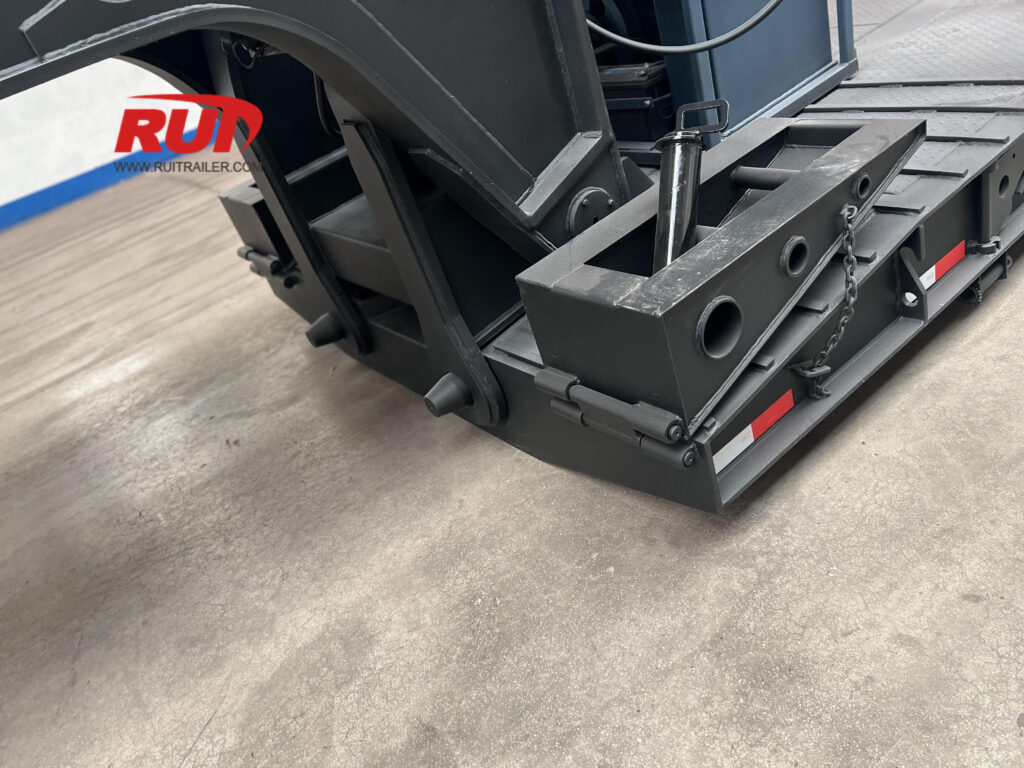
Payload Capacity and Axle Configurations removable gooseneck vs lowboy
Weight capacity and axle flexibility dictate what oversized loads your trailer can legally move:
- RGN Axle Versatility: RGN trailers excel at extreme weight capacities. Their modular frame lets you attach flip axles, spreaders, or additional axle lines to distribute massive weight across multiple points. This flexibility makes them indispensable for extreme heavy equipment transport exceeding 80 to 150+ tons.
- Lowboy Axle Limits: Fixed lowboy trailers generally feature 2 to 4 axles welded into a set deck length. While perfectly suited for everyday heavy machinery transport up to 80 tons, they lack the modular expansion needed for super-heavy freight. Explore various axle options in our low bed trailer specs and axle guide.
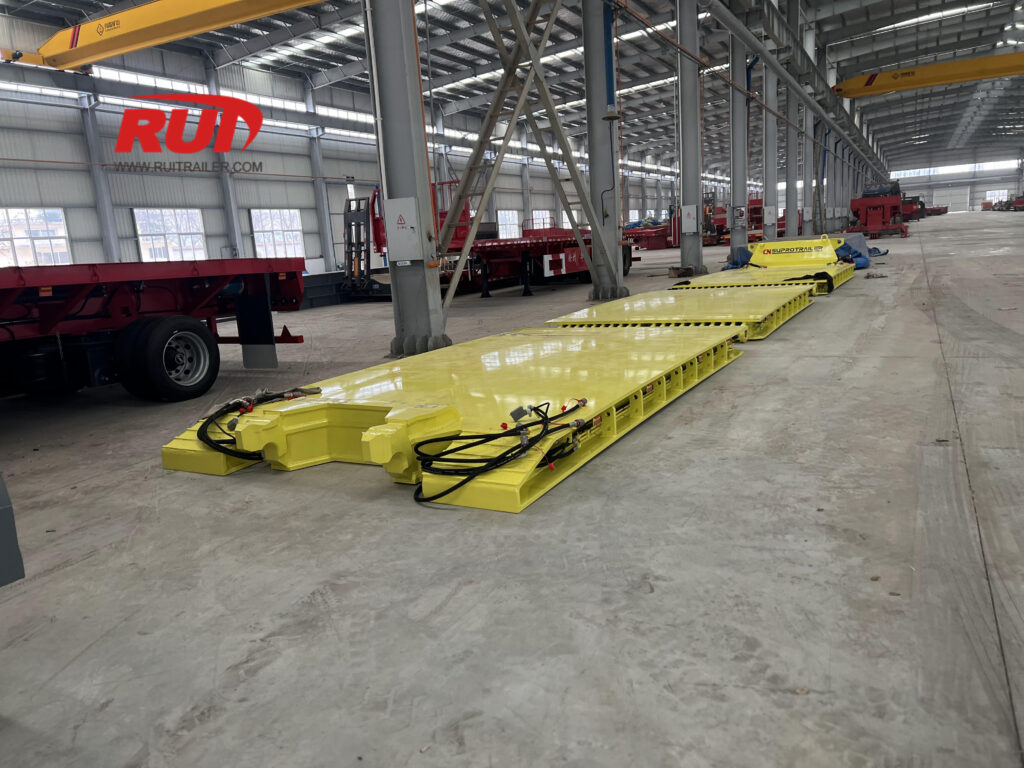
Deck Height and Ground Clearance
Managing overall load height determines your route planning and bridge clearance permissions:
- RGN Trailers: Offer extremely low well deck heights, typically between 18 and 24 inches. Dropping the deck height by even a few inches keeps tall oversized loads within legal height limits, reducing the need for costly escort vehicles or detours.
- Lowboy Trailers: Typically feature deck heights ranging from 30 to 36 inches. While this offers solid ground clearance on rough job sites, it limits the total height of cargo you can legally haul under overhead bridges.
Purchase Cost and Maintenance Requirements
Balancing upfront budget against operational ROI requires looking at maintenance needs:
- RGN Investment: Hydraulic gooseneck and mechanical gooseneck detach mechanisms require higher upfront equipment investment. They demand routine maintenance on hydraulic lines, locking pins, and power units, but deliver higher profitability on specialized heavy haul loads.
- Lowboy Investment: Fixed lowboys have fewer moving parts, making them more affordable to buy and maintain. They deliver reliable performance and lower long-term upkeep for standard heavy equipment transport where front loading isn't strictly required.
Gooseneck Options and RGN Configurations
Hydraulic vs. Mechanical Detachable Goosenecks
When evaluating detachable neck setups, the primary choice comes down to hydraulic versus mechanical operation.
- Hydraulic Gooseneck: Powered by an onboard pony motor or the tractor’s PTO system. Hydraulic cylinders raise, lower, and detach the neck smoothly, allowing a single operator to detach the neck in minutes—even on soft or uneven ground.
- Mechanical Gooseneck: Relies on a truck winch, ramps, and mechanical lock pins. It offers a lighter tare weight and lower maintenance costs, but requires flat terrain and more manual effort to operate.
We engineer both configurations to meet localized hauling demands, ensuring your RGN removable gooseneck trailer for heavy equipment delivers maximum uptime.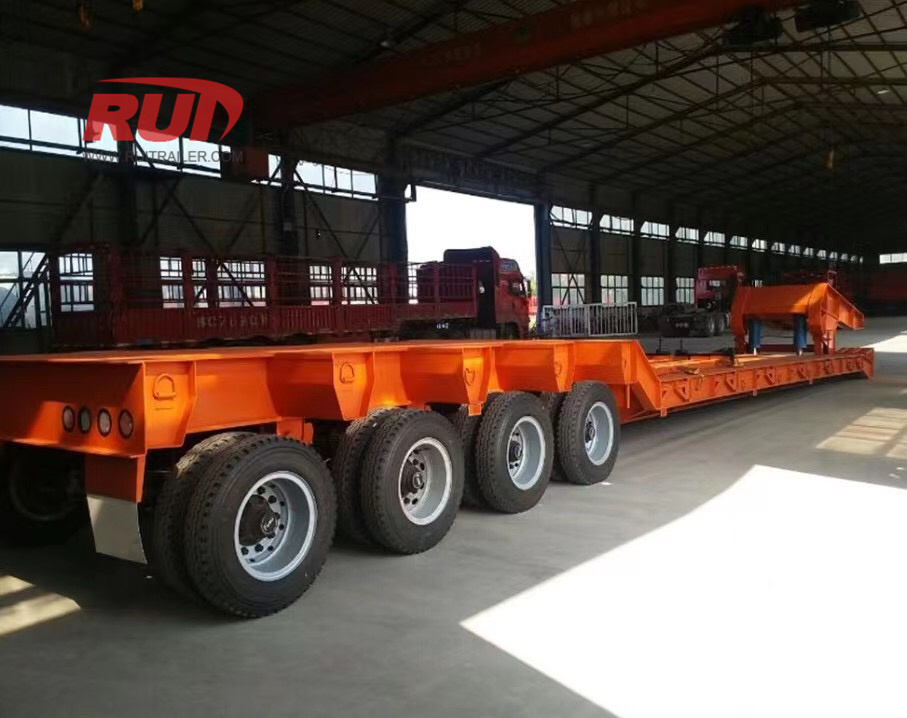
Fixed Gooseneck Lowboys vs. Detachable RGNs
Choosing between a fixed gooseneck lowbed trailer and a detachable RGN trailer directly impacts loading efficiency and operator safety.
| Feature | Fixed Gooseneck Lowboy | Detachable RGN Trailer |
|---|---|---|
| Loading Style | Rear loading (drives over rear tires/ramps) | Front loading (drives directly onto lowered deck) |
| Ideal Load Type | Static freight, wheeled gear, standard height equipment | Heavy tracked machinery, low-clearance excavators |
| Ground Clearance | Standard lowbed profile | Ultra-low deck clearance |
| Maintenance & Cost | Lower initial cost, fewer moving parts | Higher investment, max operational versatility |
RGN Trailers vs. Double Drop Trailers
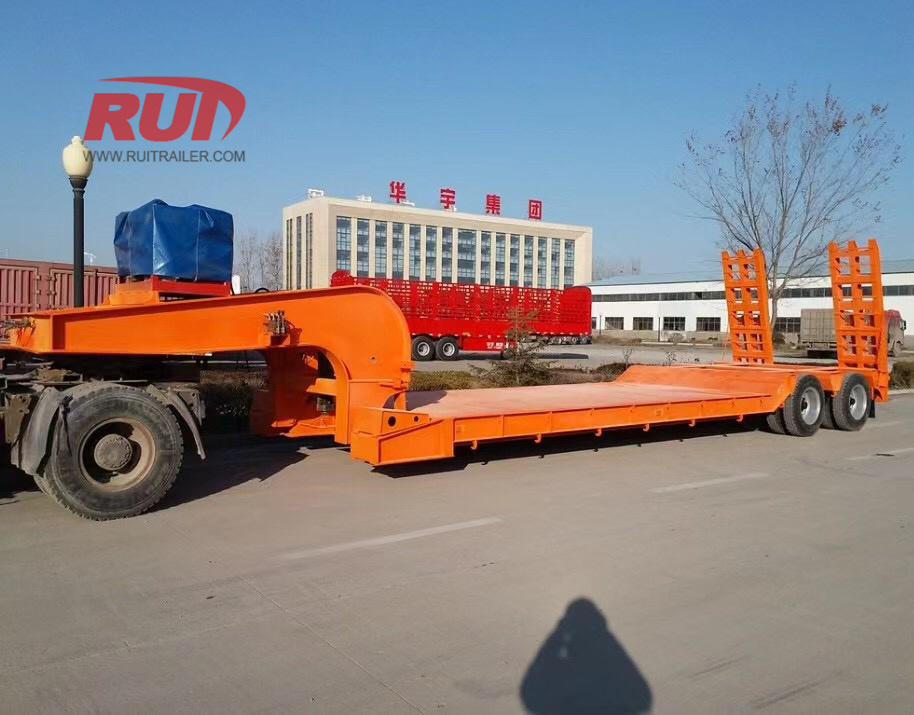
While both trailer designs feature a dropped center well to haul tall cargo, their loading mechanisms and payload applications differ significantly:
- RGN Trailers: Built specifically for self-propelled or tracked machinery. The neck detaches completely so equipment can drive straight onto the deck without navigating steep inclines.
- Double Drop Trailers: Feature a drop deck design to clear strict height limits. Many feature fixed necks where cargo must be loaded via crane or rear ramps.
Selecting the right setup depends on cargo height, weight distribution, and loading site conditions. Reviewing a detailed RGN removable gooseneck trailer guide for heavy haul ensures your fleet matches specific transport regulations.
- Common Industry Applications
Choosing between a removable gooseneck vs lowboy trailer usually comes down to the specific equipment you haul every day. As a specialized manufacturer, we engineer both configurations to serve different heavy haul requirements across major global industries.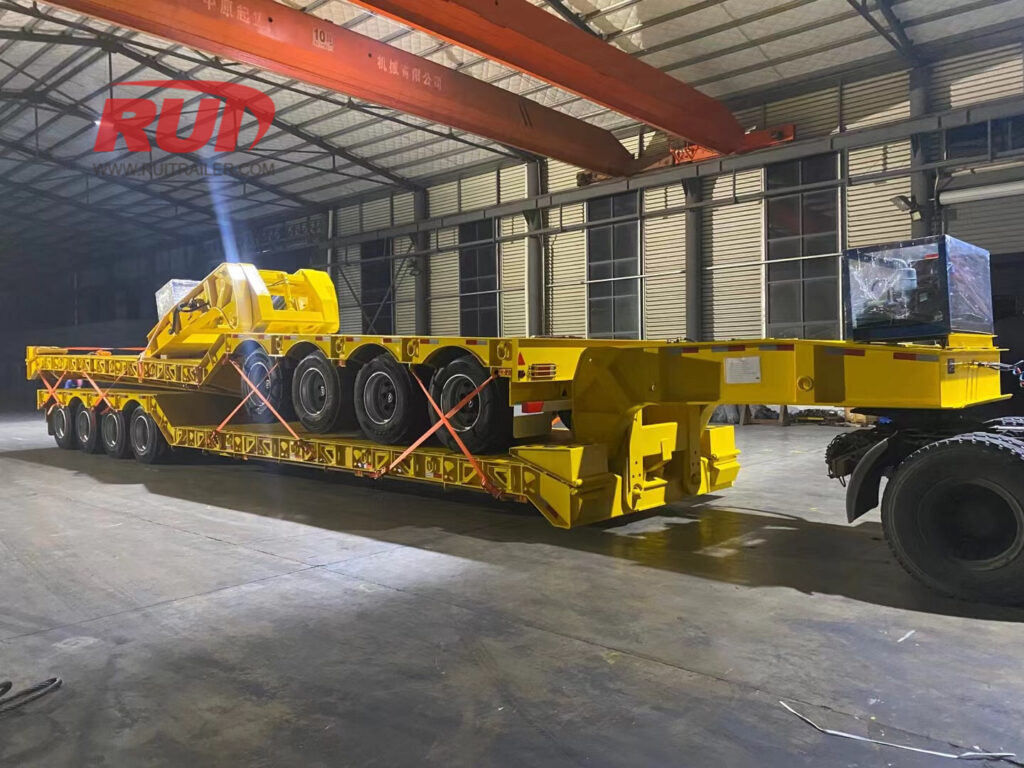
Construction and Heavy Machinery Transport
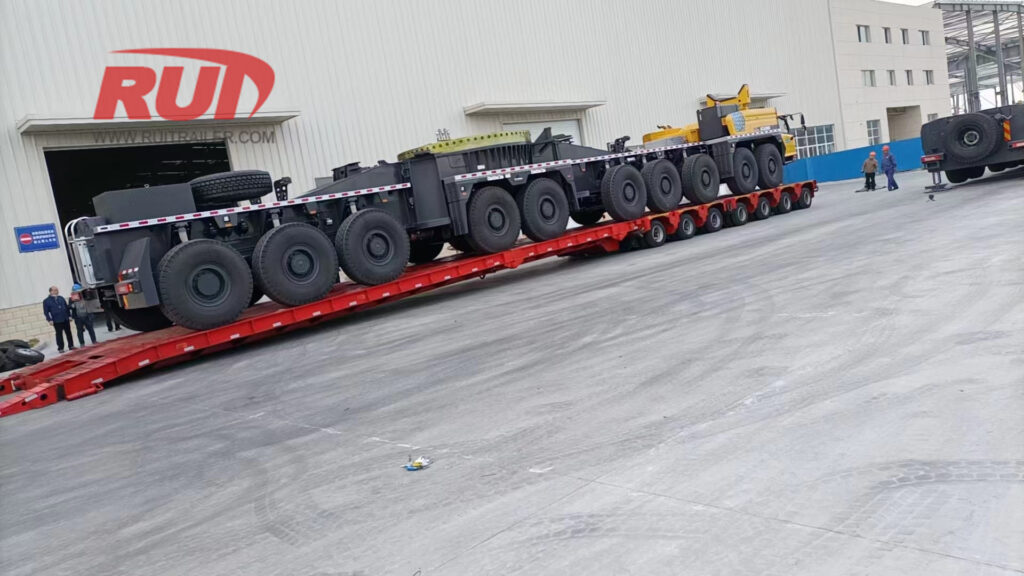
Heavy equipment transport in construction demands fast, safe loading for machinery like excavators, bulldozers, and wheel loaders.
- RGN Trailer Advantage: Drives self-propelled machinery straight onto the low deck from the front after detaching the neck, eliminating steep, dangerous loading angles.
- Lowbed Trailer Advantage: Ideal for static loads, crushing equipment, or gear loaded via overhead crane, offering dependable weight capacity at a lower fleet investment cost.
- Extreme Loads: For exceptionally heavy construction gear, our low-bed multi-axle trailers deliver balanced axle distribution across demanding transit routes.

Agricultural Equipment Hauling
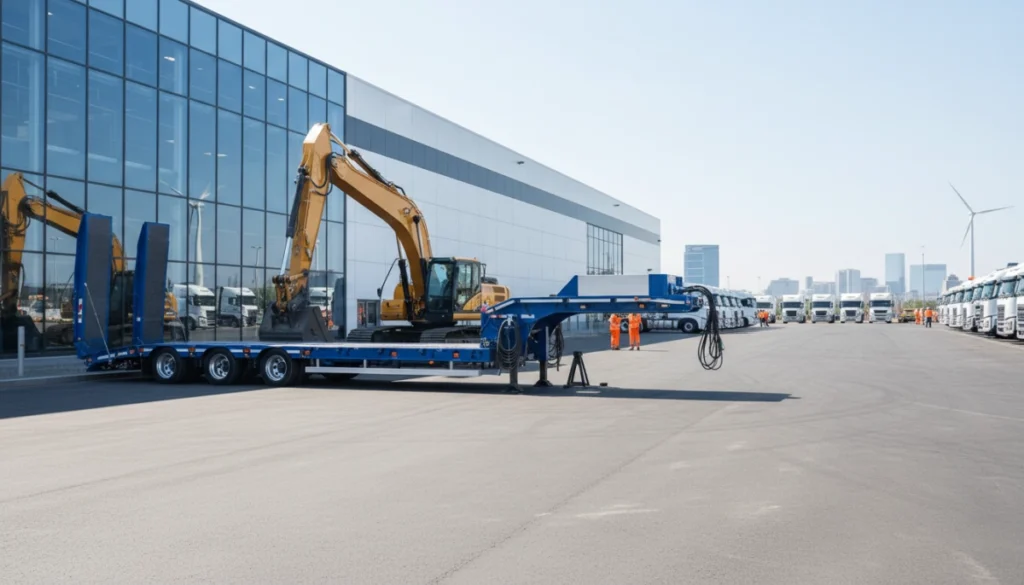
Combines, large tractors, and timber harvesters carry wide footprints and tall vertical clearances.
- Overhead Clearance: The deep well of lowbed and RGN decks keeps tall machinery low to the ground, avoiding height violations under bridges and utility lines.
- Low-Clearance Protection: Front-loading RGNs allow low-ground-clearance farm machinery to drive on cleanly without damaging undercarriages on steep rear ramps.

Oil and Gas Infrastructure Moving
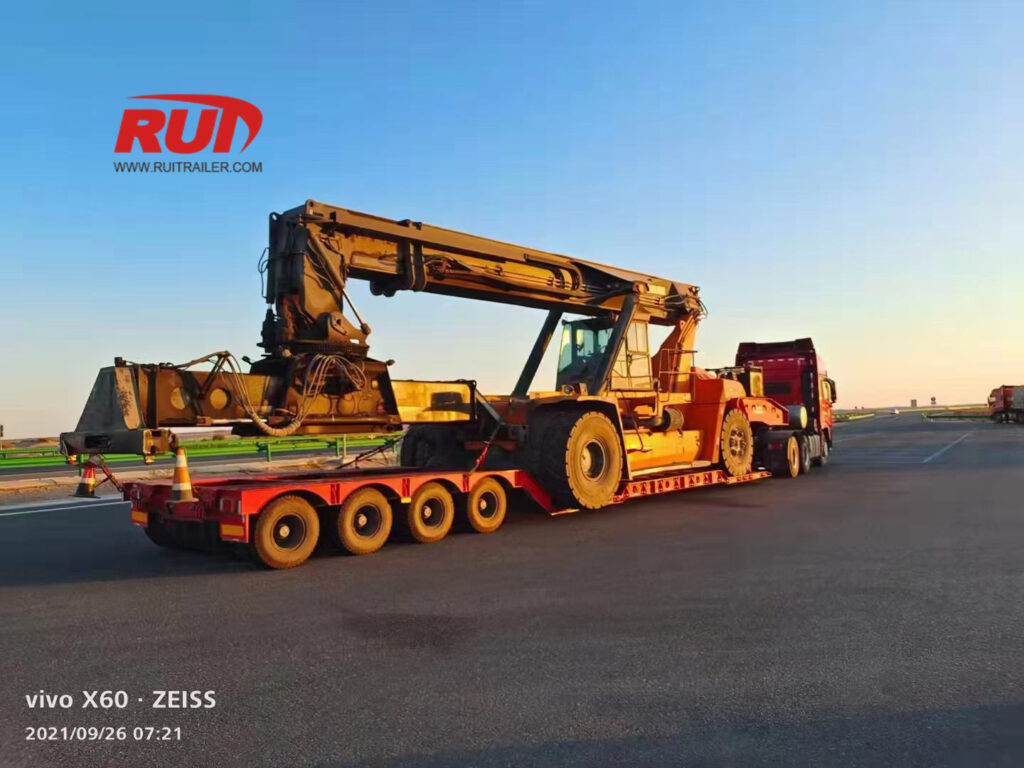
Moving oilfield infrastructure—such as frac pumps, drilling rig components, and compressor skids—demands extreme durability and flexible load handling in harsh environments.
- High Weight Capacity: Multi-axle removable gooseneck setups handle concentrated weight while spreading payload evenly across axles to meet strict highway regulations.
- Rough Terrain Reliability: Reinforced heavy-haul frames prevent deck twisting and chassis flex when navigating unpaved, remote drill sites.
How to Choose Between a Lowboy and an RGN Trailer removable gooseneck vs lowboy
Selecting the ideal haulage rig comes down to matching your primary equipment specs against highway height limits, weight distribution rules, and capital budget.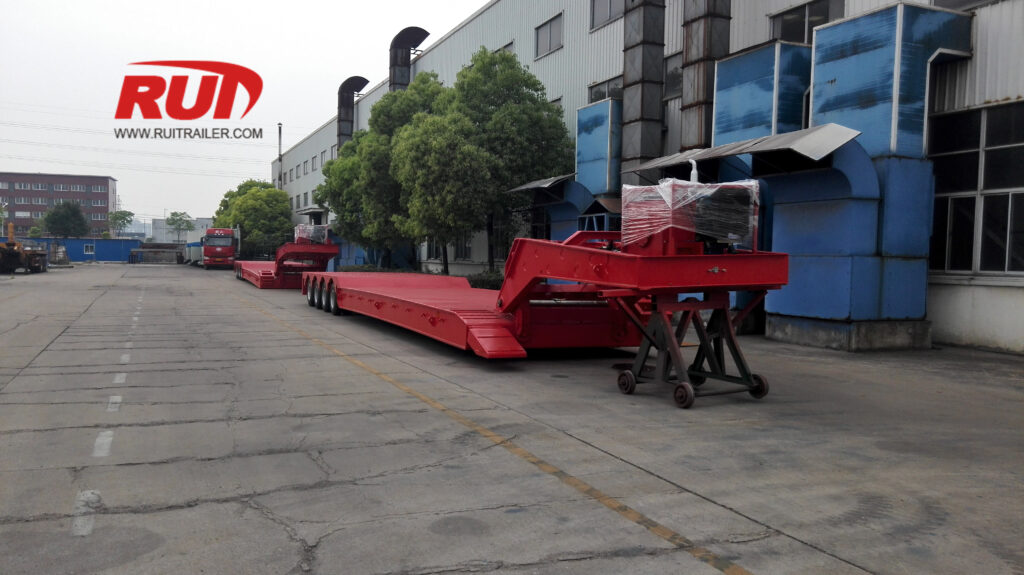
Evaluating Cargo Dimensions and Weight
Cargo height and tonnage directly dictate trailer choice. Standard fixed gooseneck lowbed trailers work well for medium-duty machinery that easily climbs rear ramps. However, extremely tall or heavy self-propelled machinery demands an RGN trailer (removable gooseneck) to stay within federal overhead clearance laws and bridge weight formulas.
- Tall Loads: RGN drop decks sit closer to the asphalt, offering maximum vertical clearance for tall excavators, drill rigs, and industrial components.
- Heavy Tonnage: Modular multi-axle configurations on RGNs handle heavy equipment transport exceeding 40 to 150+ tons. Always review safe weight limits and setup criteria before committing to oversized hauls.
Assessing Drive-On Convenience and Safety
Loading efficiency directly impacts driver safety, turnaround times, and job site stability.
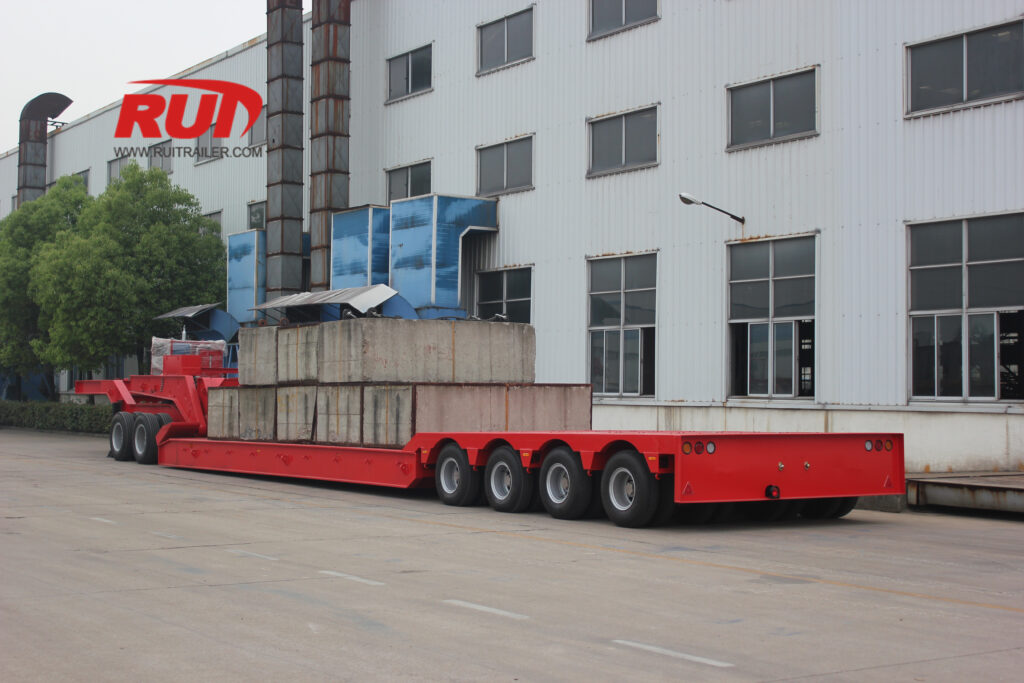
- Front-Loading (RGN): Detaching the neck lets heavy tracked equipment drive straight onto the deck at a ultra-low ramp angle. This prevents tipping hazards when moving heavy crawler gear.
- Rear-Loading (Lowboy): Fixed gooseneck units require machinery to climb over the rear tires via drive-on ramps, which can be slick and risky for top-heavy loads.

Balancing Budget and Long-Term ROI
Upfront capital expenses should reflect how frequently you transport specialized, oversized freight.
| Operational Factor | Standard Lowboy Trailer | Removable Gooseneck (RGN) |
|---|---|---|
| Initial Cost | Lower purchase price | Higher upfront capital investment |
| Maintenance | Simple mechanical setup, low upkeep | Requires hydraulic/detachable neck maintenance |
| Versatility | Excellent for standard heavy machinery | Ideal for extreme, extra-tall oversize loads |
| Long-Term ROI | Quick return on daily regional hauls | Unlocks high-rate heavy haul contracts |
Explore our detailed lowbed trailer buying guide to match custom capacities and axle configurations directly to your fleet operations.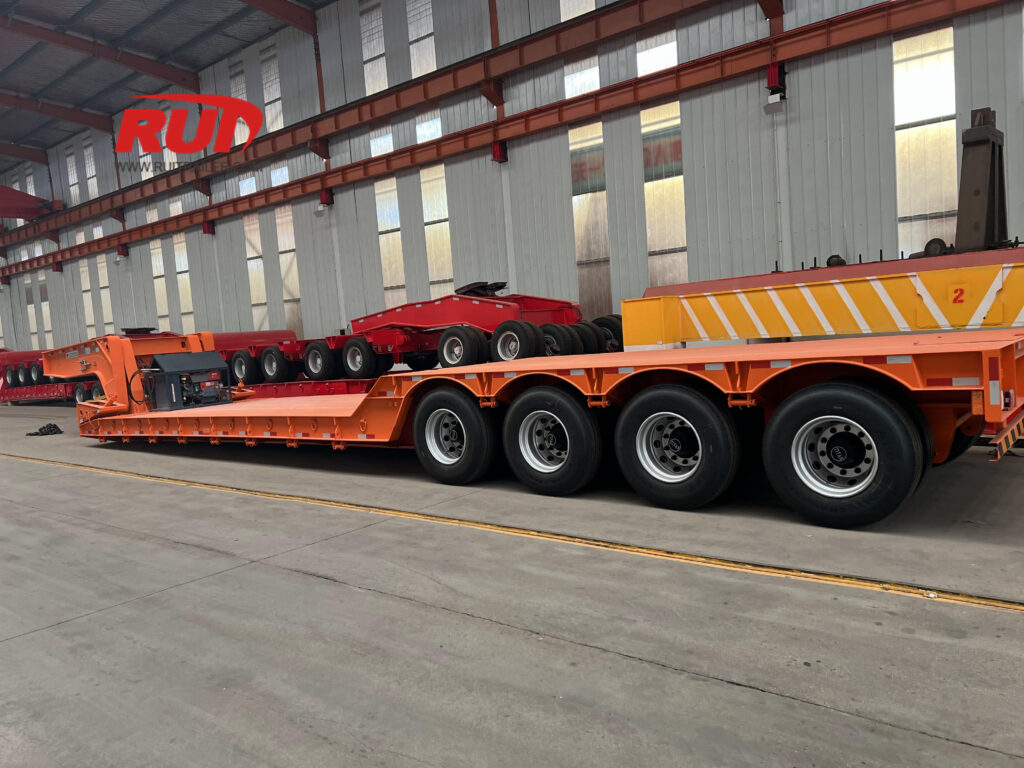
Frequently Asked Questions
Do All RGN Trailers Require Ramps for Loading?
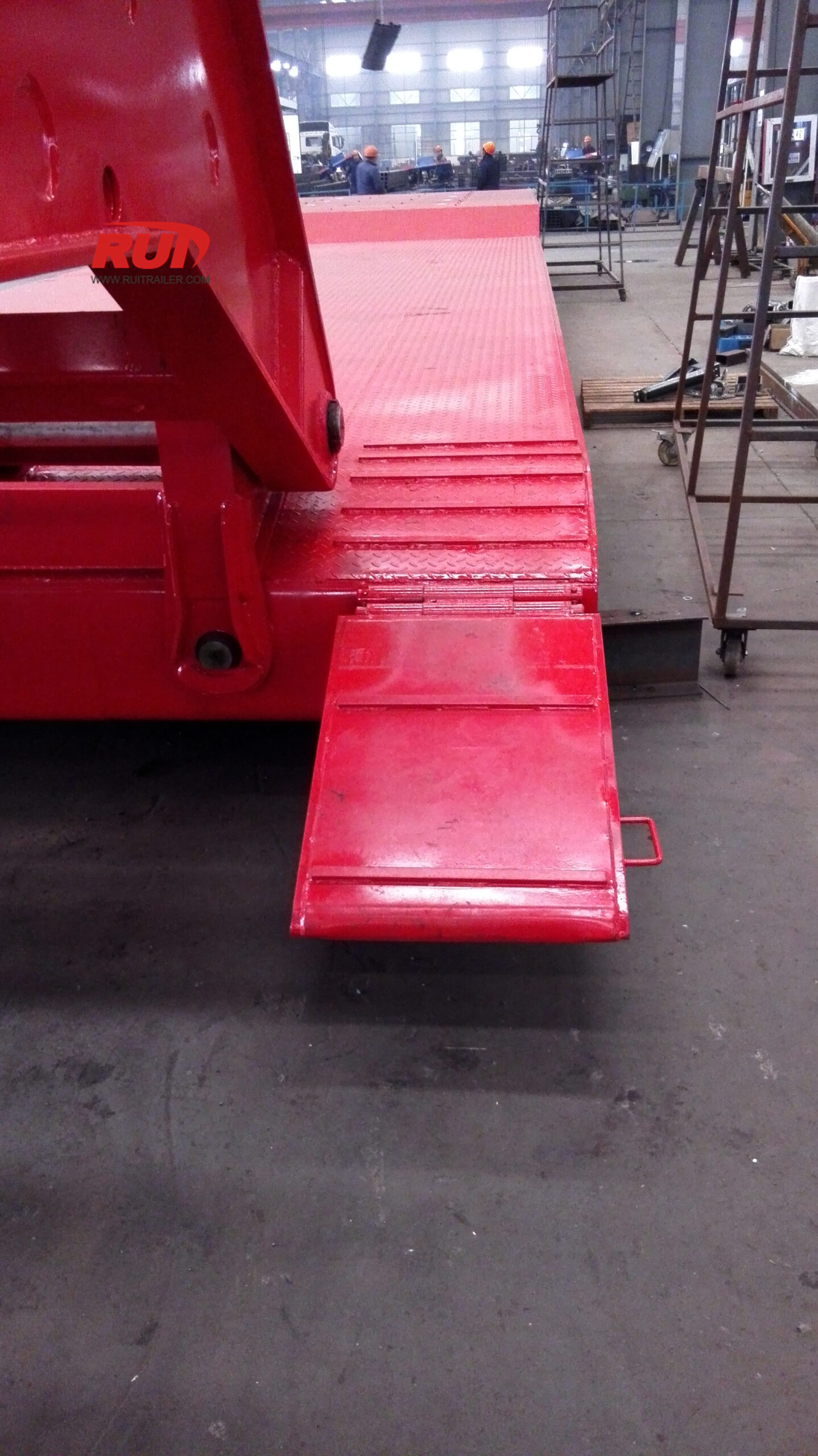
No, standard full-sized ramps are not required for most RGNs. The main advantage of a detachable neck design is front-loading access. Once you detach the neck, the front of the trailer deck lowers flat to the ground so self-propelled machinery can drive straight onto the bed. While operators sometimes use short flip-over approach ramps for extremely low-clearance equipment, full loading ramps are unnecessary. For smooth drive-on capability, our heavy-duty removable gooseneck RGN lowboy eliminates the tipping hazards associated with steep rear ramps.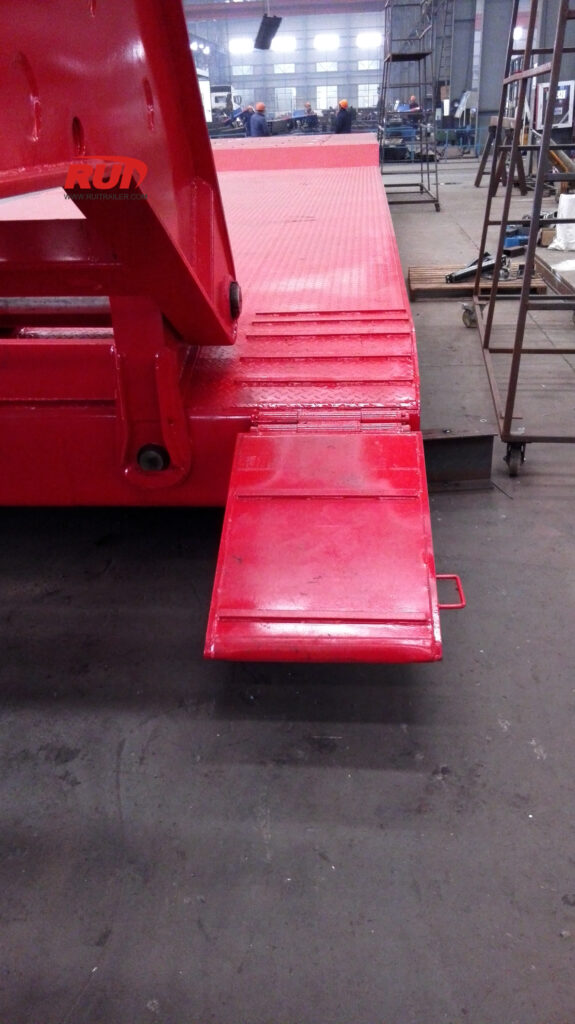
Why Is a Lowbed Called a Lowboy Trailer?
The term "lowboy" comes from heavy haul trucking slang describing a lowbed trailer engineered with an unusually low deck height relative to its wheels. Featuring two distinct deck drops—one immediately behind the front gooseneck and one right before the rear axle cluster—this structure drastically lowers the cargo center of gravity. This design allows haulers to transport tall industrial equipment while remaining under legal overhead clearance thresholds.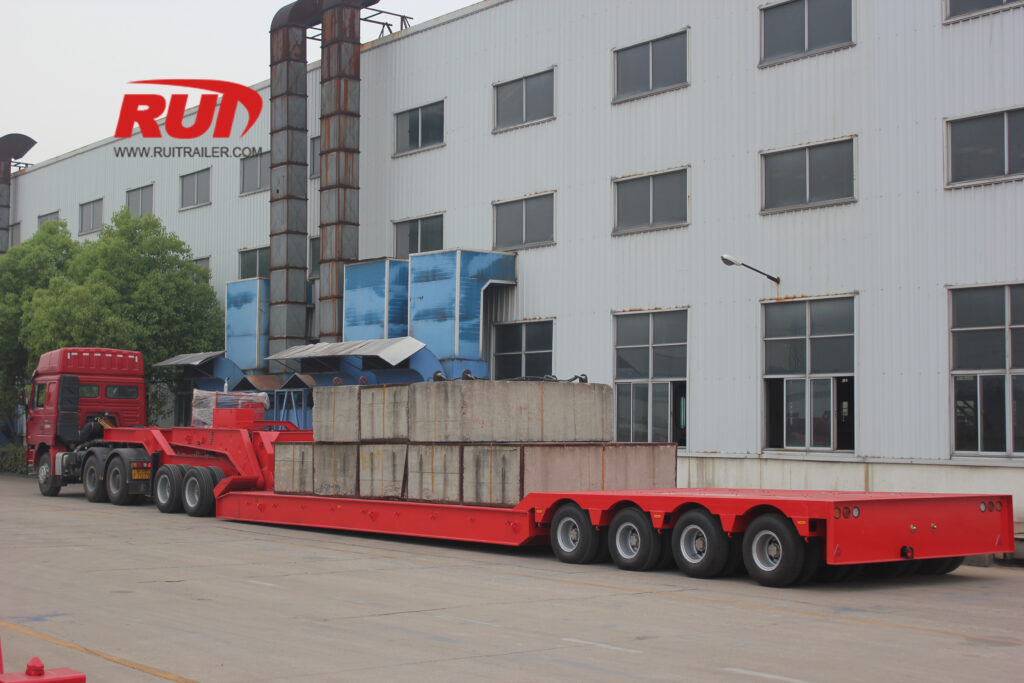
What Oversized Load Regulations Apply to Heavy Hauling?
Oversized load regulations depend on legal dimensions and gross vehicle weight ratings in your operating region, but key compliance rules typically include:
- Oversize and Overweight Permits: Required when loads exceed standard dimensional limits (typically 8.5 feet wide, 13.5 to 14 feet tall, or 80,000 lbs gross weight).
- Pilot and Escort Vehicles: Required for extreme widths or heights to assist with route clearing, traffic control, and overhead wire checks.
- Axle Weight Limits: Demands strict weight distribution across axle lines, often requiring specialized hydraulic lowbed trailers to spread weight across additional axles.
- Travel Restrictions: Oversized hauls are routinely restricted to daytime hours, non-holiday weekdays, and strict pre-surveyed transport corridors to protect public road infrastructure.
 English
  German
  Turkish
  French
  Portuguese
  Russian
  Arabic
  Hindi
Hindi  Vietnamese
  Chinese
  Spanish
  Indonesian
  Swahili