

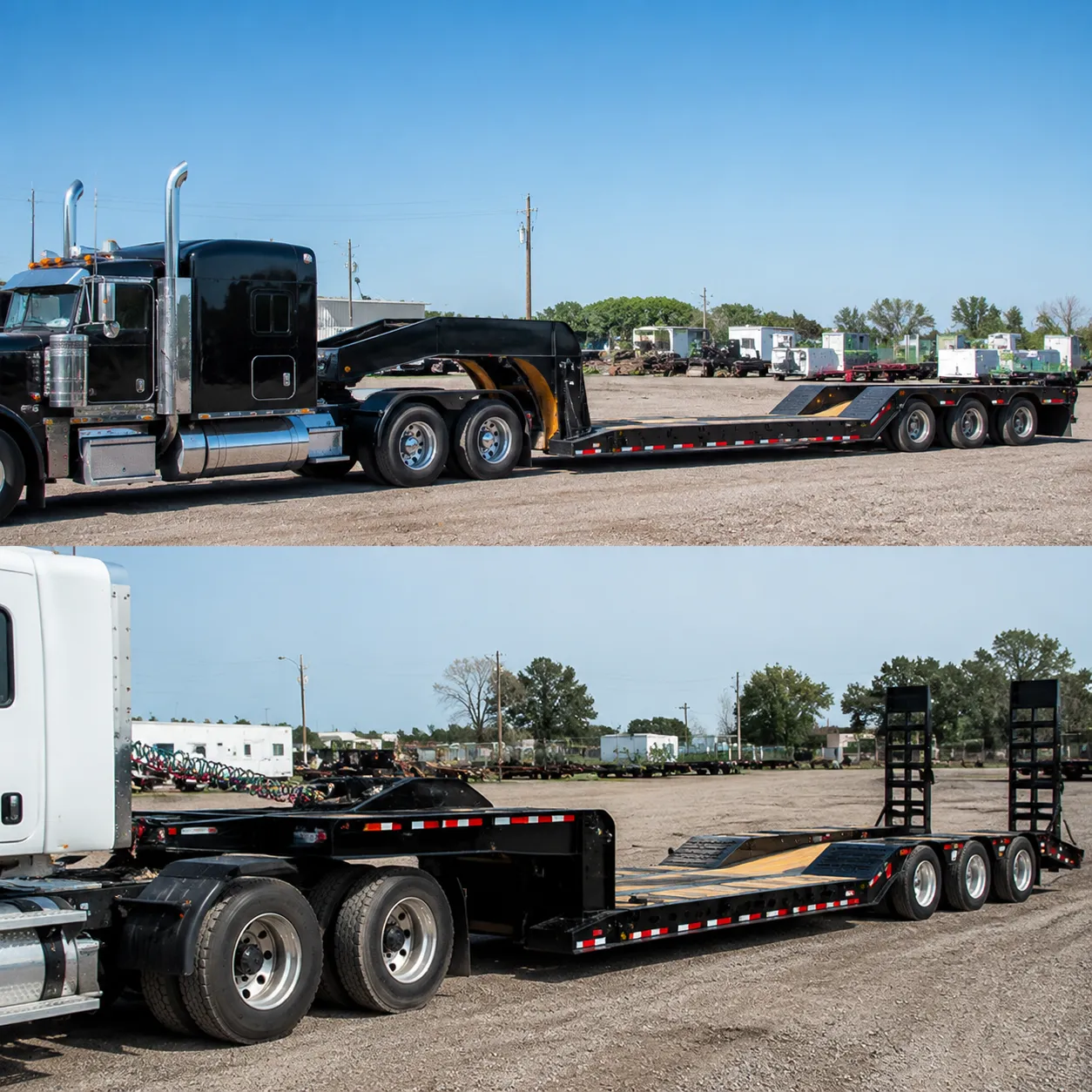
Visão Geral de Reboques Lowboy e (RGN): Guincho Removível vs. Lowboy
O transporte de maquinário pesado requer soluções de transporte especializadas, projetadas para capacidades de carga útil extremas e perfis de equipamentos altos. Navegar pelas diferenças entre um guincho removível vs. lowboy reboque é fundamental para otimizar a segurança do transporte, a folga vertical e a eficiência operacional em redes logísticas globais.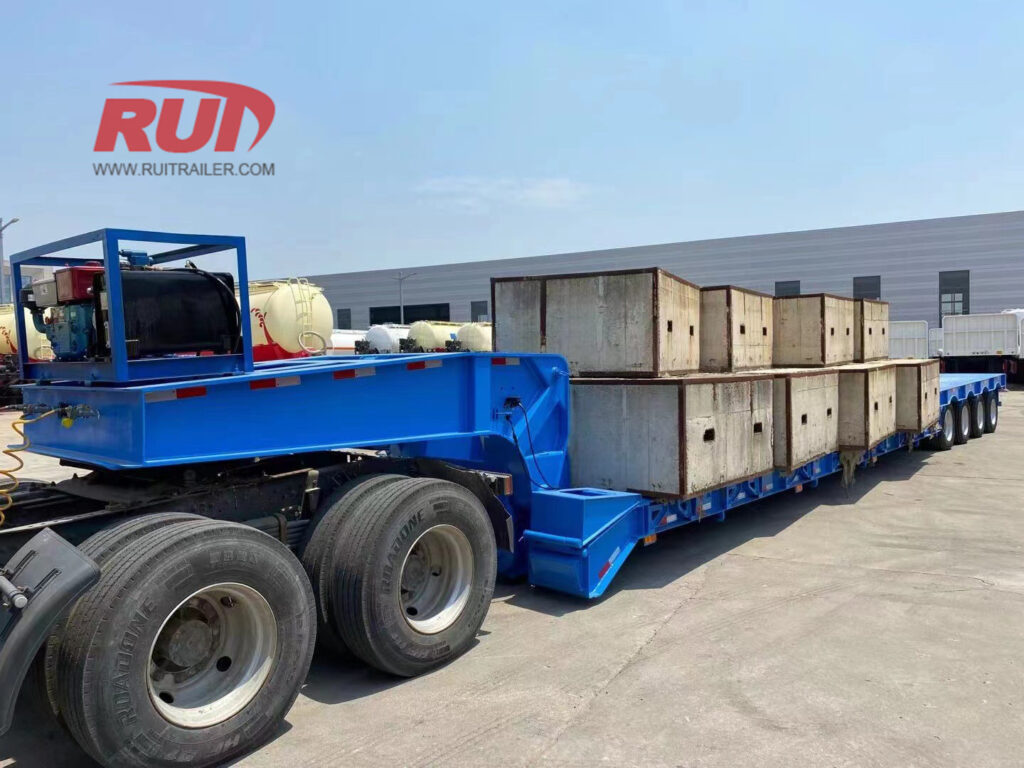
O que é um Reboque Lowboy?
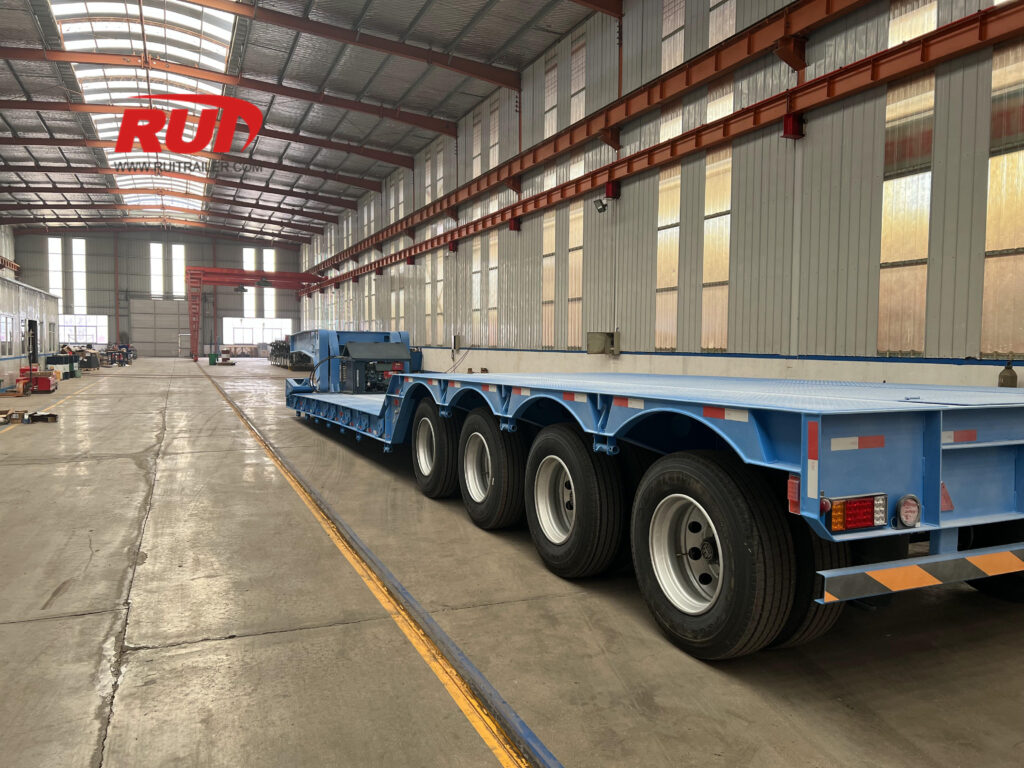
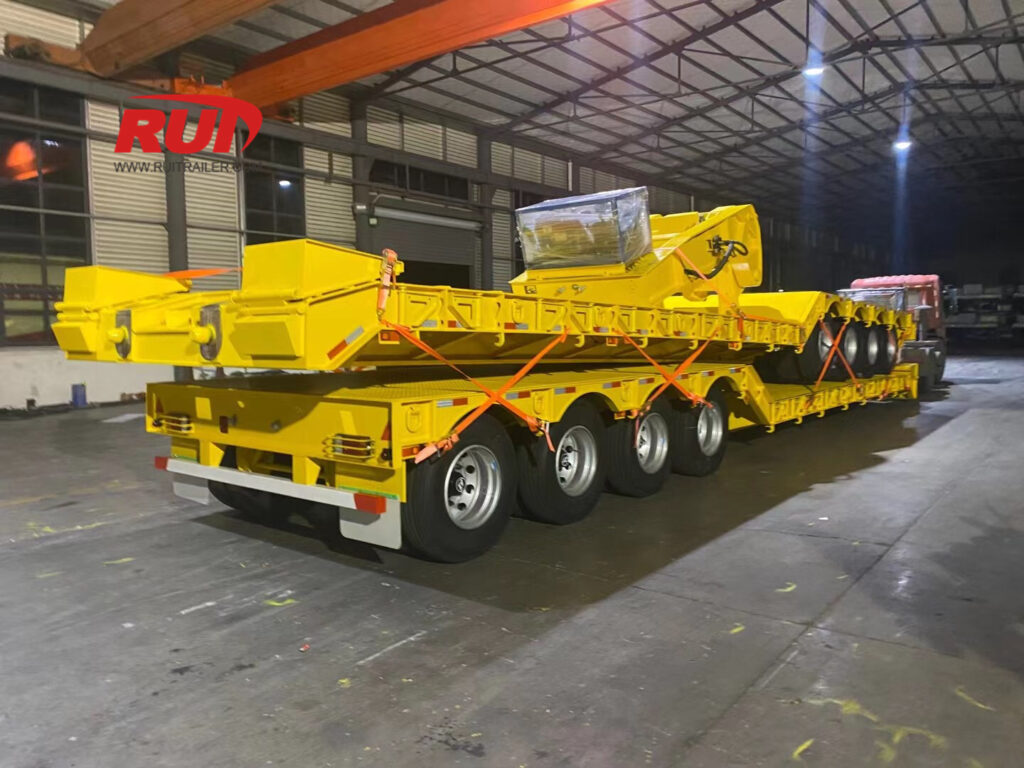
A reboque lowboy (comumente referido como reboque lowbed) apresenta duas quedas na altura do convés: uma imediatamente atrás do guincho e outra logo antes do conjunto do eixo traseiro. Este design especializado posiciona o convés principal de carga significativamente mais baixo do que os reboques de plataforma padrão.
- Vantagem de Folga: Maximiza o espaço vertical para passar com segurança por viadutos e linhas de energia.
- Estabilidade Estrutural: Abaixa o centro de gravidade da carga para aumentar a estabilidade durante o transporte de cargas de alto tonelagem transporte de equipamentos pesados.
- Flexibilidade de Configuração: Construído com designs de pescoço fixo, dobrável ou destacável para atender a diversos requisitos de carga.

O que é um Reboque com Guincho Removível (RGN)?
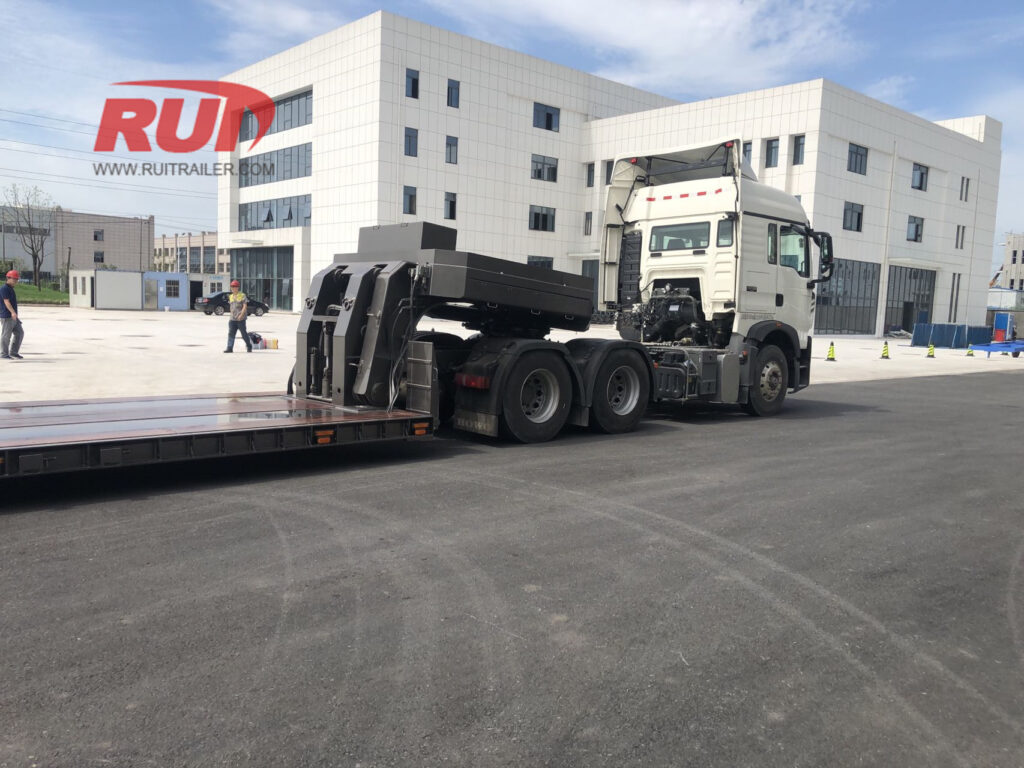
An reboque RGN é um lowbed especializado com um pescoço destacável que se separa inteiramente do corpo principal do reboque. A remoção do pescoço permite que a frente da plataforma caia rente ao chão, criando uma rampa segura e de baixo ângulo para o carregamento.
- Capacidade de Carregamento Frontal: Permite acesso direto de entrada pelo nível do solo, eliminando os perigos de dirigir máquinas pesadas sobre os pneus traseiros.
- Alta Capacidade de Peso: Suporta extensas expansões multi-eixos para cargas excepcionais.
- Compatibilidade de Equipamentos: Ideal para transportar maquinário autopropelido como escavadeiras pesadas, tratores e guindastes sobre esteiras.
Como Funcionam os Reboques RGN
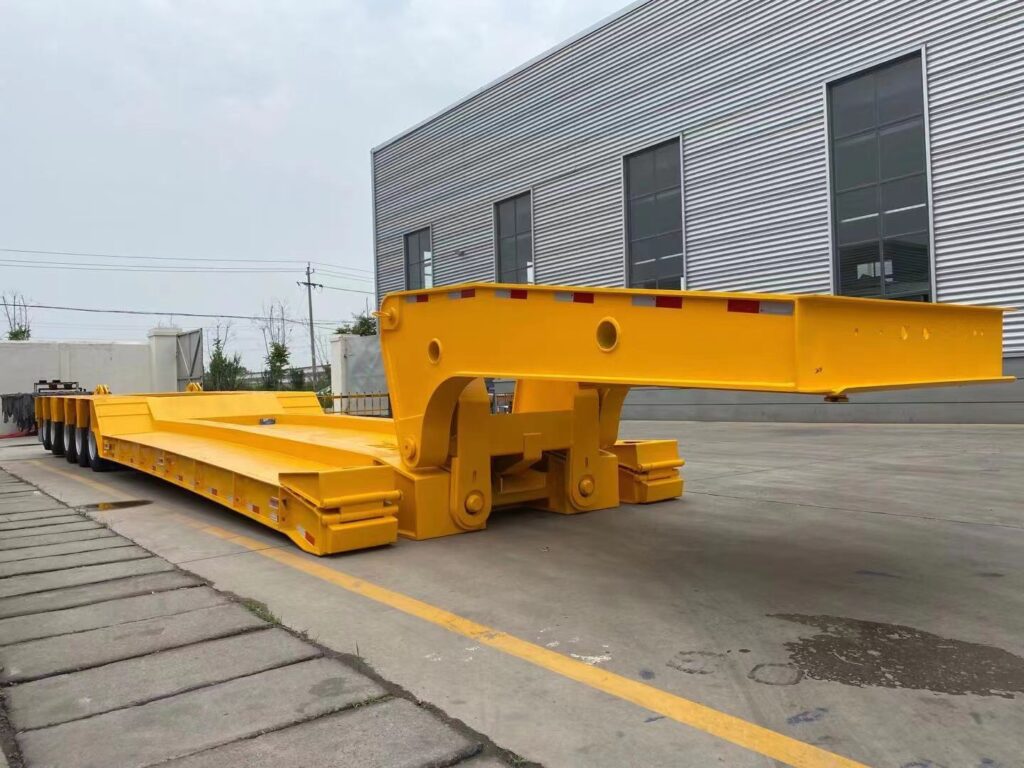
O mecanismo operacional de um reboque RGN centra-se na desconexão do pescoço frontal para converter a plataforma do reboque em uma plataforma de carregamento integrada.
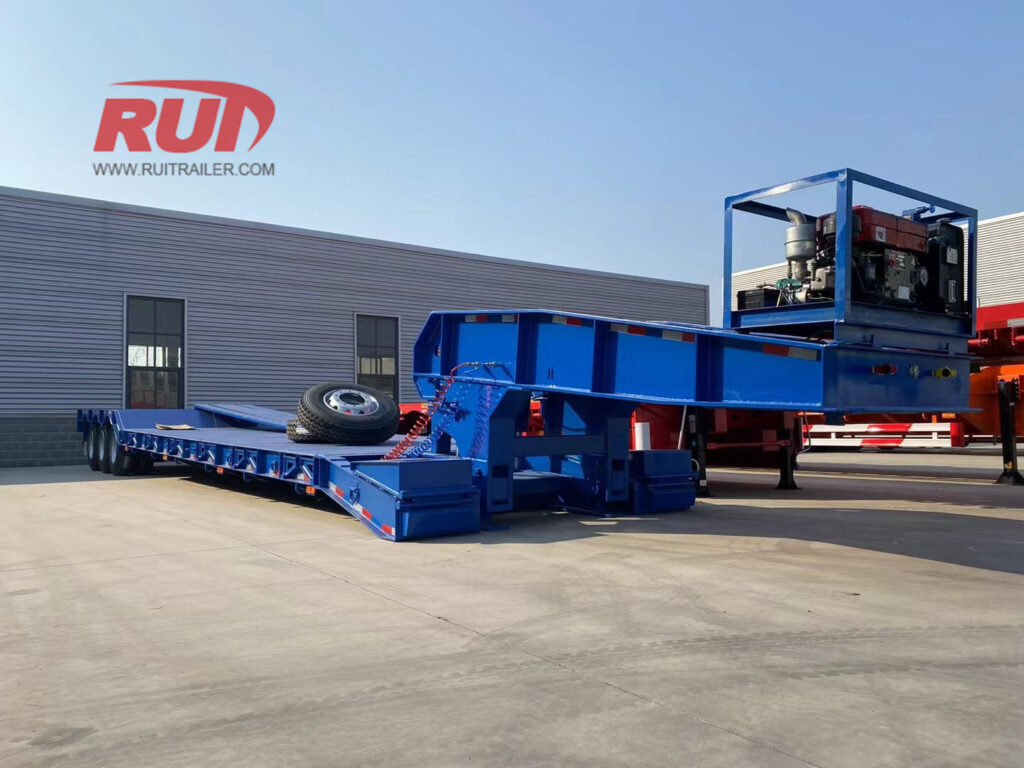
- 1. Desconexão do Pescoço: Sistemas de liberação hidráulica ou mecânica desacoplam o pescoço da estrutura principal do reboque.
- 2. Abaixamento da Plataforma: A borda frontal da plataforma de carga desce diretamente para a superfície da estrada.
- 3. Carregamento por Entrada: Equipamentos pesados entram na plataforma pela frente usando a rampa de entrada abordagens.
- 4. Re-conexão e Elevação: A unidade de potência reconecta o pescoço de ganso, e cilindros hidráulicos potentes levantam a plataforma do trailer de volta à altura padrão de transporte.
- Principais Diferenças Entre RGN e Trailers Lowboy
- Principais Diferenças Entre RGN e Trailers Lowboy
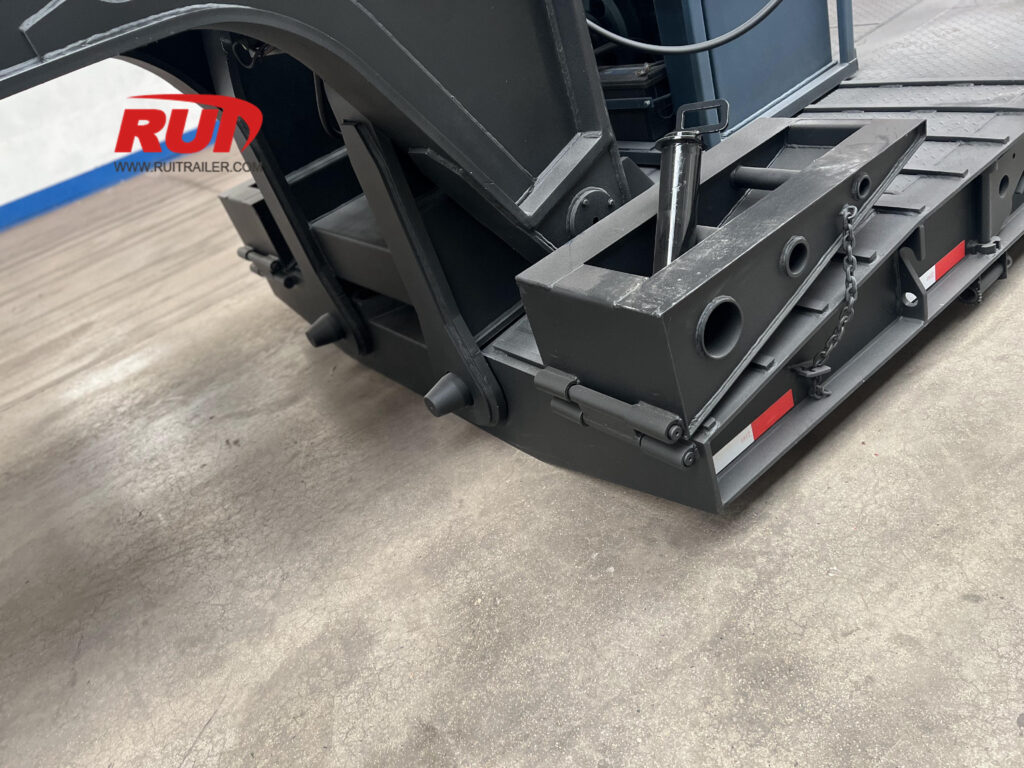
Ao escolher entre um guincho removível vs. lowboy trailer, entender como suas características de design impactam as operações diárias é essencial para sua frota. Fabricamos ambas as configurações para resolver diferentes desafios logísticos no transporte de cargas pesadas.
| Recurso | Trailer com Pescoço Removível (RGN) | Trailer Lowboy com Pescoço Fixo |
|---|---|---|
| Direção de Carregamento | Carregamento frontal (pescoço destacável) | Carregamento traseiro (rampas de entrada) |
| Altura do Deck | 18 a 24 polegadas (perfil ultra baixo) | 30 a 36 polegadas |
| Capacidade de Carga Útil | De 40 a mais de 150 toneladas (multi-eixo expansível) | 40 a 80 toneladas (Eixo fixo 2–4) |
| Tipos Ideais de Carga | Máquinas autopropelidas altas e pesadas | Equipamentos de altura padrão e veículos com esteiras |
| Custo Inicial e de Manutenção | Custo inicial mais alto; manutenção hidráulica | Custo de compra mais baixo; manutenção simples |
gooseneck removível vs lowboy Mecanismos de carregamento e descarregamento
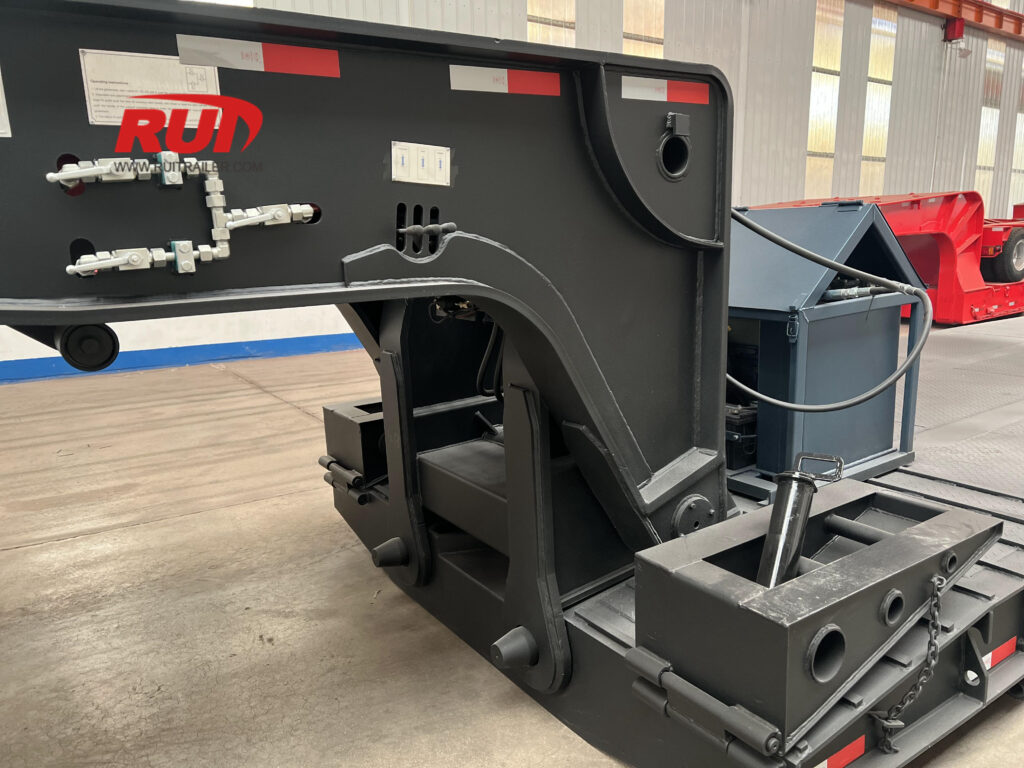
A maior distinção operacional depende de como o equipamento é colocado na plataforma:
- Reboques RGN (Carregamento frontal): Um reboque RGN possui um pescoço destacável que se desconecta do quadro principal. Baixar a plataforma até o chão cria uma rampa suave de baixo ângulo. Isso permite que máquinas autopropelidas — como carregadeiras com rodas, niveladoras de asfalto e escavadeiras grandes — entrem diretamente pela frente com segurança. Você pode revisar as especificações completas na nossa Guia de reboques com pescoço removível RGN.
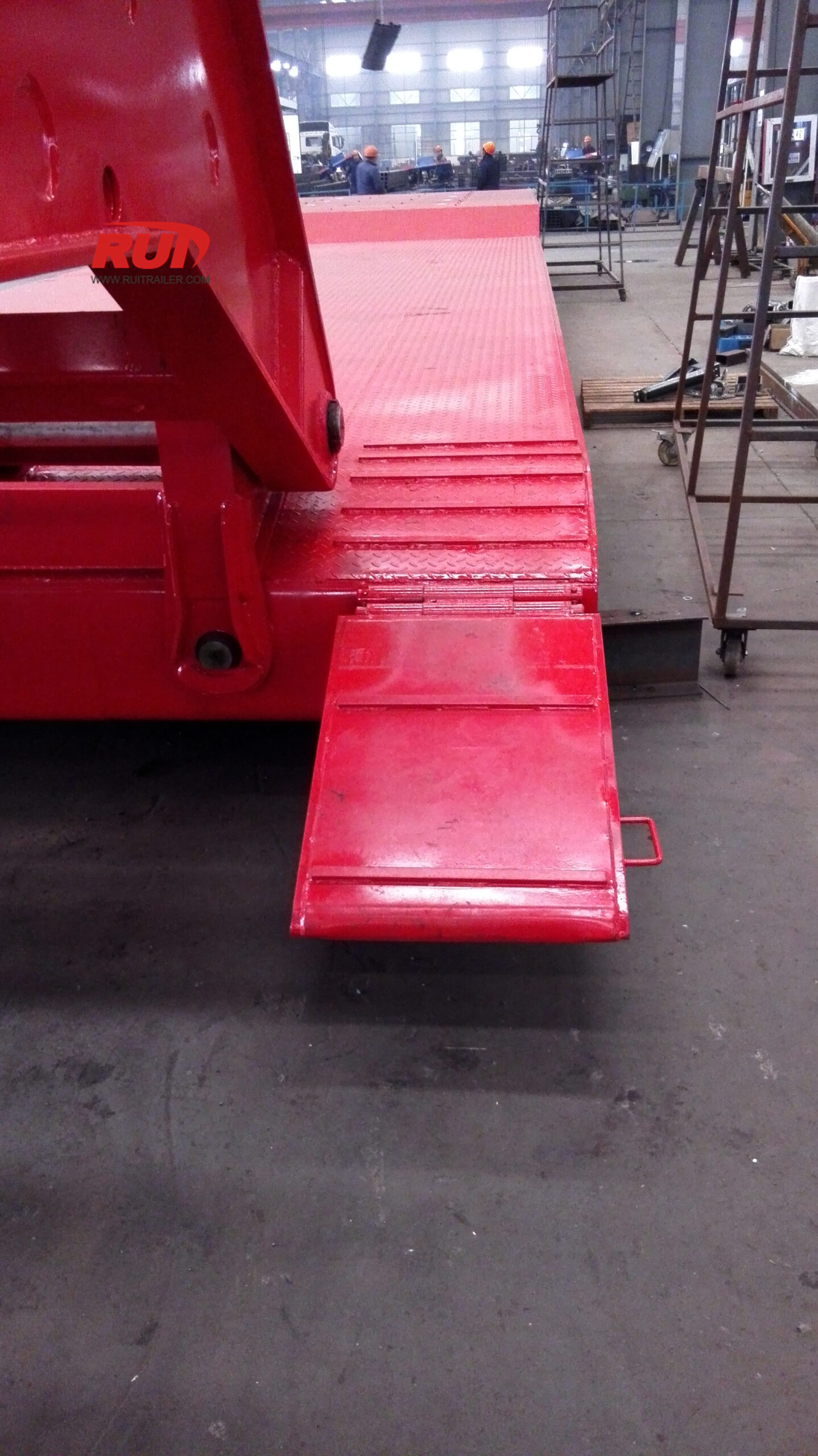
- Reboques Lowboy fixos (Carregamento traseiro): Reboques lowboy com pescoço fixo padrão exigem que o equipamento suba sobre os eixos traseiros usando uma rampa de entrada pesada. O carregamento traseiro funciona bem para máquinas com esteiras, mas ângulos de inclinação íngremes apresentam riscos de segurança para máquinas de baixa altura ou pesadas.
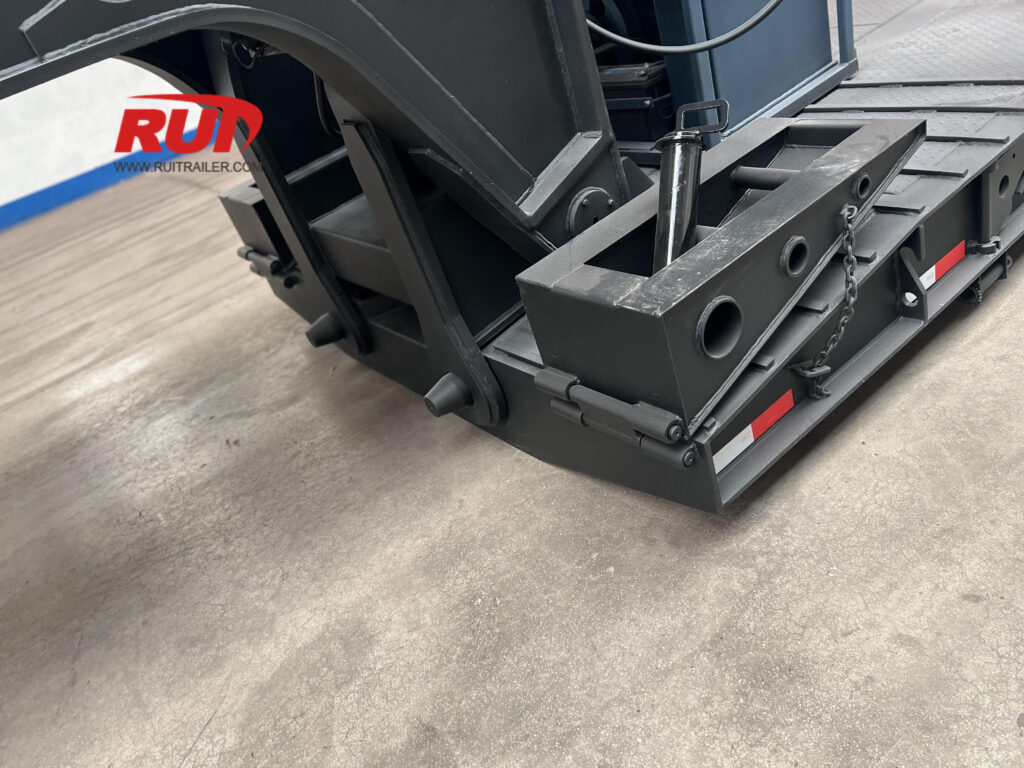
Capacidade de carga e configurações de eixo — gooseneck removível vs lowboy
A capacidade de peso e a flexibilidade dos eixos determinam quais cargas de grande porte seu reboque pode transportar legalmente:
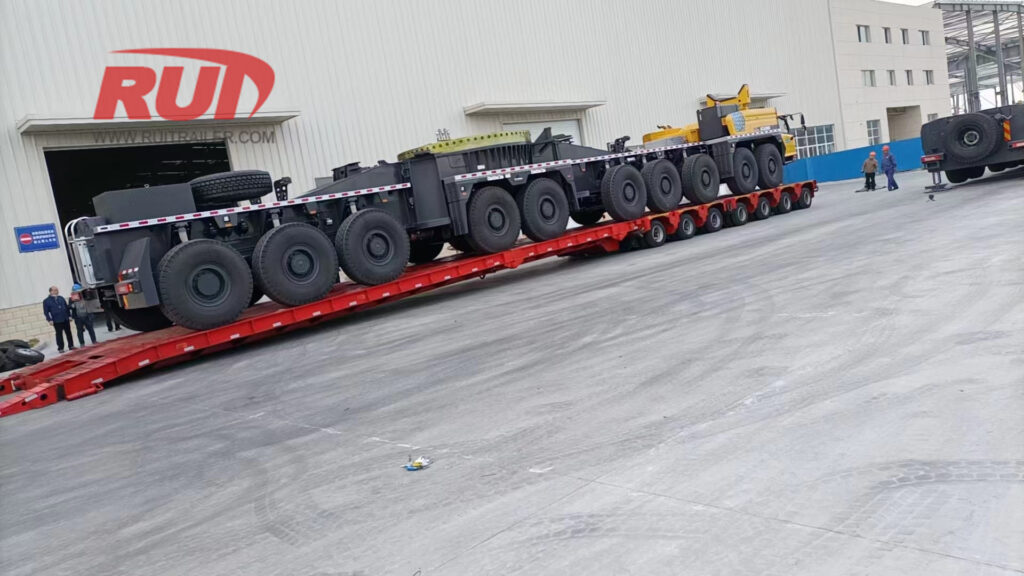
- Versatilidade dos eixos RGN: Reboques RGN se destacam por capacidades extremas de peso. Seu quadro modular permite anexar eixos flip, espalhadores ou linhas adicionais de eixos para distribuir cargas massivas em vários pontos. Essa flexibilidade os torna indispensáveis para transporte de equipamentos extremamente pesados acima de 80 a 150+ toneladas.
- Limites de eixo do lowboy: Reboques lowboy fixos geralmente possuem de 2 a 4 eixos soldados a um comprimento de plataforma. Embora sejam perfeitamente adequados para transporte diário de máquinas pesadas de até 80 toneladas, eles não possuem a expansão modular necessária para cargas superpesadas. Explore várias opções de eixo em nosso Especificações de reboque de cama baixa e guia de eixo.
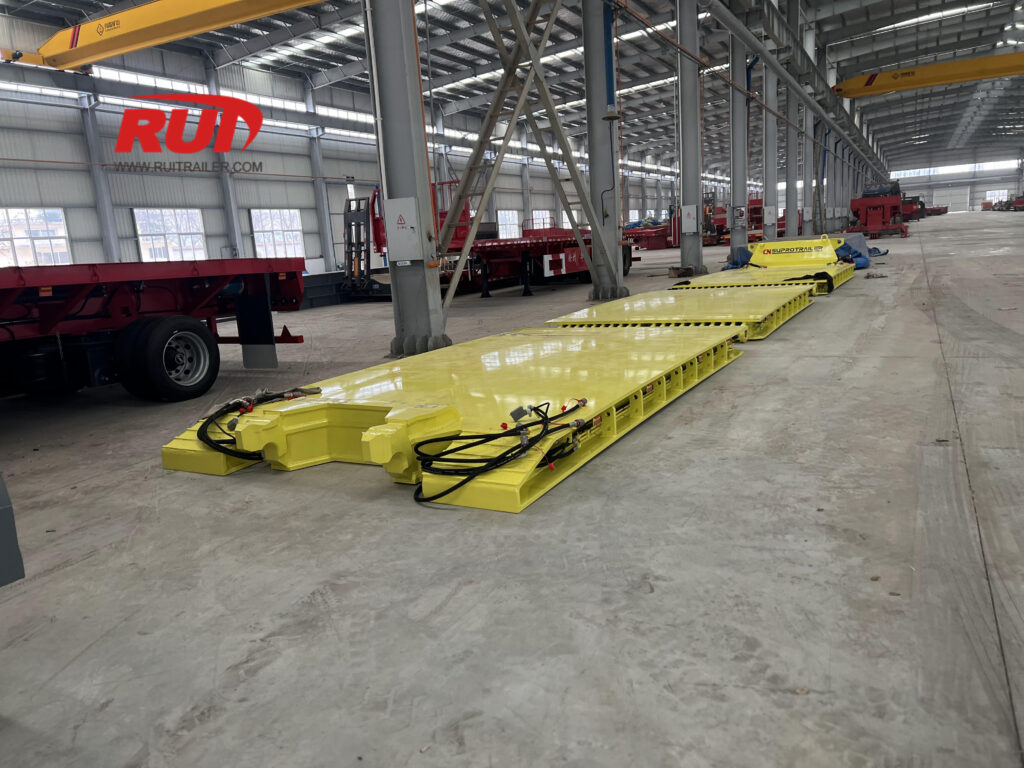
Altura do Deck e Distância do Solo
Gerenciar a altura total da carga determina seu planejamento de rota e permissões de altura de pontes:
- Reboques RGN: Oferecem alturas de deck bem baixas, geralmente entre 18 e 24 polegadas. Reduzir a altura do deck em apenas alguns centímetros mantém cargas oversized altas dentro dos limites legais de altura, reduzindo a necessidade de veículos de escolta caros ou desvios.
- Reboques Lowboy: Normalmente apresentam alturas de deck que variam de 30 a 36 polegadas. Enquanto isso oferece uma boa distância do solo em locais de trabalho irregulares, limita a altura total da carga que você pode transportar legalmente sob pontes com sobrecarga.
Custo de Compra e Requisitos de Manutenção
Equilibrar o orçamento inicial com o retorno operacional requer analisar as necessidades de manutenção:
- Investimento em RGN: Mecanismos hidráulicos de pescoço de ganso e mecanismos mecânicos de desconexão exigem maior investimento inicial em equipamentos. Demandam manutenção rotineira em linhas hidráulicas, pinos de trava e unidades de força, mas oferecem maior lucratividade em cargas pesadas especializadas.
- Investimento em Lowboy: Lowboys fixos têm menos peças móveis, tornando-os mais acessíveis para comprar e manter. Oferecem desempenho confiável e menor manutenção a longo prazo para transporte de equipamentos pesados padrão, onde o carregamento frontal não é estritamente necessário.
Opções de Ganchos de Pescoço e Configurações de RGN
Goosenecks destacáveis hidráulicos vs. mecânicos
Ao avaliar configurações de pescoço destacável, a principal escolha recai entre operação hidráulica e mecânica.
- Pesada de Girabrequim Hidráulico: Movido por um motor de pony a bordo ou pelo sistema PTO do trator. Cilindros hidráulicos elevam, abaixam e desconectam o pescoço de forma suave, permitindo que um único operador desconecte o pescoço em minutos — mesmo em terrenos macios ou irregulares.
- Pescoço Mecânico: Depende de um guincho de caminhão, rampas e pinos de trava mecânica. Oferece um peso em tara mais leve e custos de manutenção menores, mas requer terreno plano e mais esforço manual para operar.
Nós projetamos ambas as configurações para atender às demandas de transporte localizadas, garantindo que seu Reboque com pescoço removível RGN para equipamentos pesados entregue o máximo de tempo de atividade.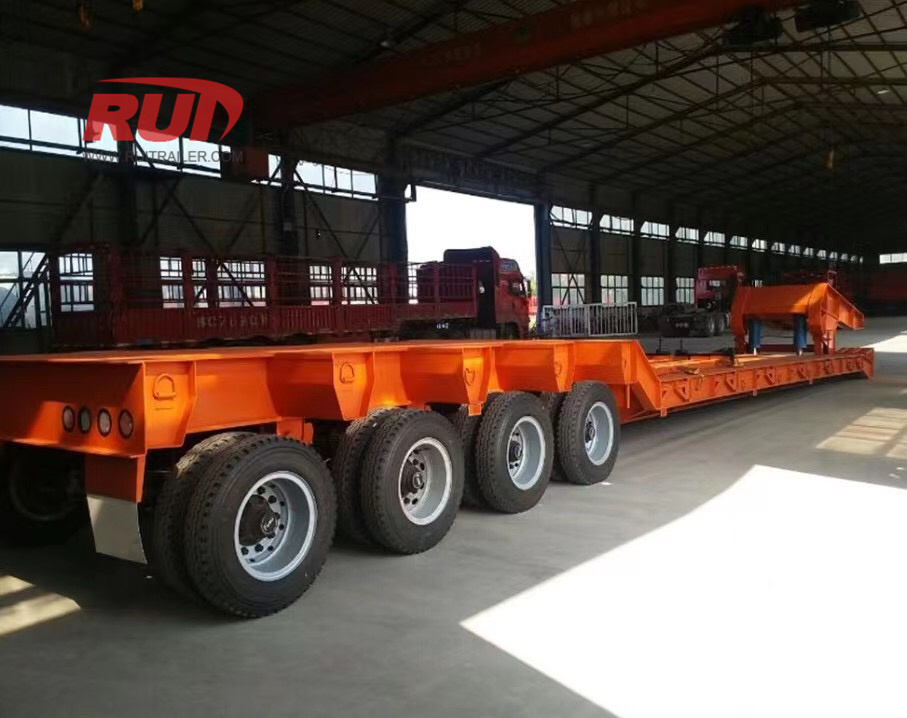
Pescoço Fixo Lowboys vs. RGNs Removíveis
Escolher entre um reboque lowboy com pescoço fixo e um reboque RGN removível impacta diretamente na eficiência de carregamento e na segurança do operador.
| Recurso | Lowboy com Pescoço Fixo | Reboque RGN Removível |
|---|---|---|
| Estilo de Carregamento | Carregamento traseiro (dirige sobre as rodas/rampas traseiras) | Carregamento frontal (diretamente no deck abaixado) |
| Tipo de carga ideal | Frete estático, equipamento com rodas, equipamento de altura padrão | Máquinas pesadas com esteiras, escavadeiras de baixa altura |
| Distância ao solo | Perfil de lowbed padrão | Baixa altura do deck ultra-baixa |
| Manutenção & Custo | Custo inicial mais baixo, menos peças móveis | Investimento maior, versatilidade operacional máxima |
Reboques RGN vs. Reboques de dupla queda
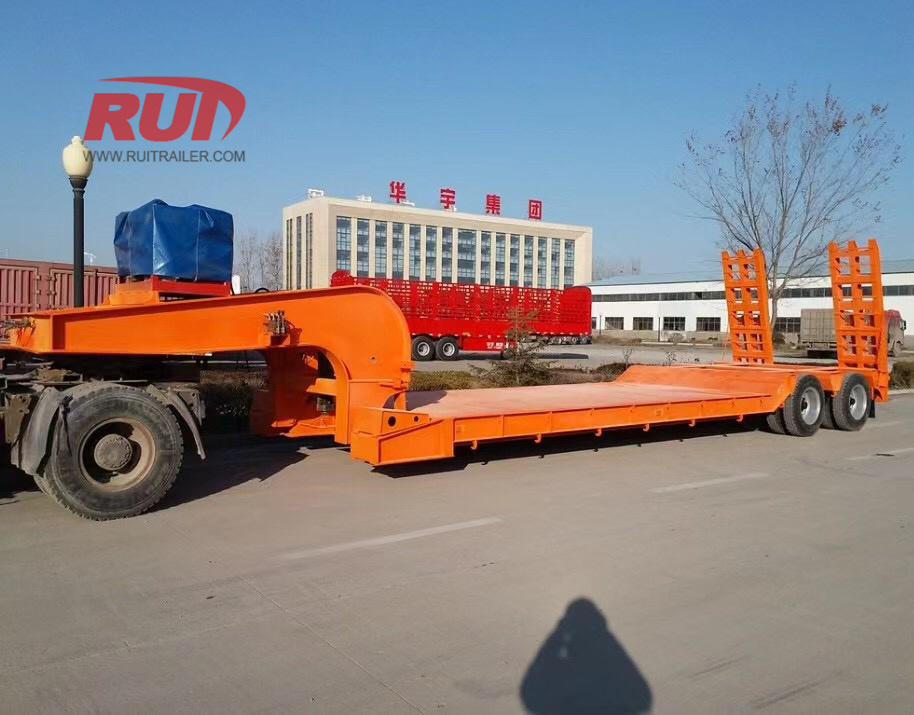
Embora ambos os designs de reboque apresentem um centro abaixado para transportar cargas altas, seus mecanismos de carregamento e aplicações de carga útil diferem significativamente:
- Reboques RGN: Construído especificamente para máquinas autopropelidas ou com esteiras. O pescoço se desprende completamente para que o equipamento possa dirigir diretamente para o deck sem navegar por inclinações íngremes.
- Reboques de dupla queda: Possuem um design de deck abaixado para superar limites de altura rigorosos. Muitos possuem pescoços fixos onde a carga deve ser carregada via guindaste ou rampas traseiras.
A escolha da configuração certa depende da altura da carga, distribuição de peso e condições do local de carregamento. Revisar um guia detalhado de reboques com pescoço removível RGN para transporte pesado garante que sua frota atenda às regulamentações específicas de transporte.
- Aplicações comuns na indústria
A escolha entre um pescoço removível e um lowboy geralmente depende do equipamento específico que você transporta todos os dias. Como fabricante especializado, projetamos ambas as configurações para atender a diferentes requisitos de transporte pesado em indústrias globais importantes.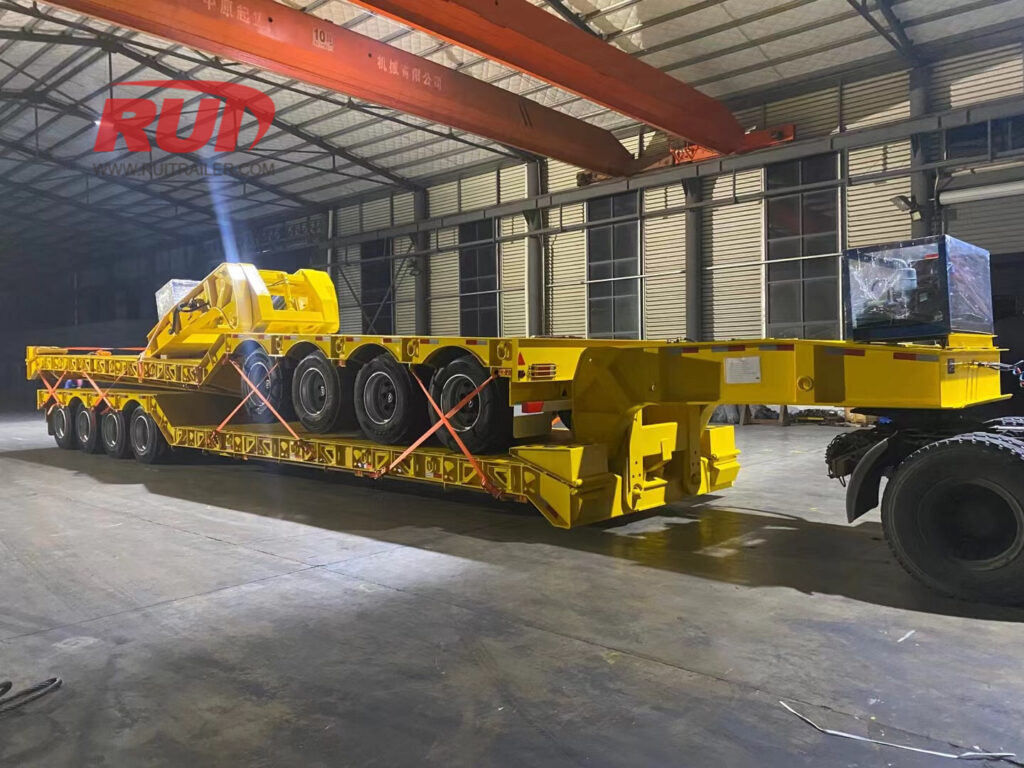
Transporte de Máquinas Pesadas e de Construção
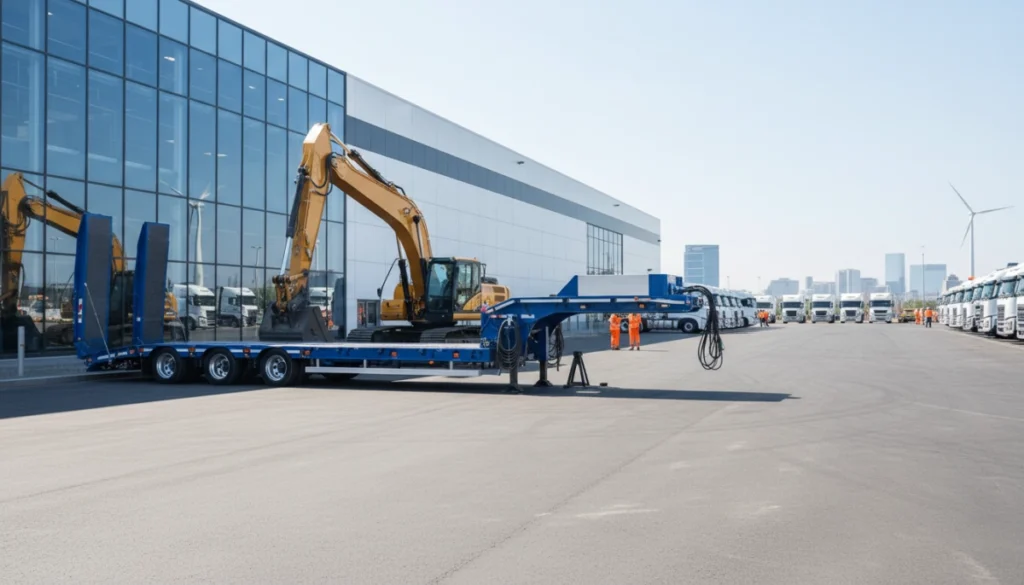
Transporte de equipamentos pesados na construção exige carregamento rápido e seguro para máquinas como escavadeiras, escavadeiras hidráulicas e carregadeiras de rodas.
- Vantagem do Reboque RGN: Dirige máquinas autopropelidas diretamente para o deck baixo a partir da frente após desacoplar o pescoço, eliminando ângulos de carregamento íngremes e perigosos.
- Vantagem do Reboque Lowbed: Ideal para cargas estáticas, equipamentos de britagem ou equipamentos carregados por guindaste aéreo, oferecendo capacidade de peso confiável com menor investimento na frota.
- Cargas Extremas: Para equipamentos de construção excepcionalmente pesados, nossos reboques de múltiplos eixos com deck baixo distribuem o peso de forma equilibrada ao longo de rotas de transporte exigentes.

Transporte de Equipamentos Agrícolas
Combinações, tratores grandes e colheitadeiras de madeira possuem pegadas largas e alturas verticais elevadas.
- Altura Livre Superior: O poço profundo dos decks baixos e dos decks RGN mantém máquinas altas próximas ao solo, evitando violações de altura sob pontes e linhas de utilidade.
- Proteção contra Altura Reduzida: RGNs de carregamento frontal permitem que máquinas agrícolas com baixa altura do solo dirijam com facilidade, sem danificar o chassi em rampas traseiras íngremes.

Movimentação de Infraestrutura de Petróleo e Gás
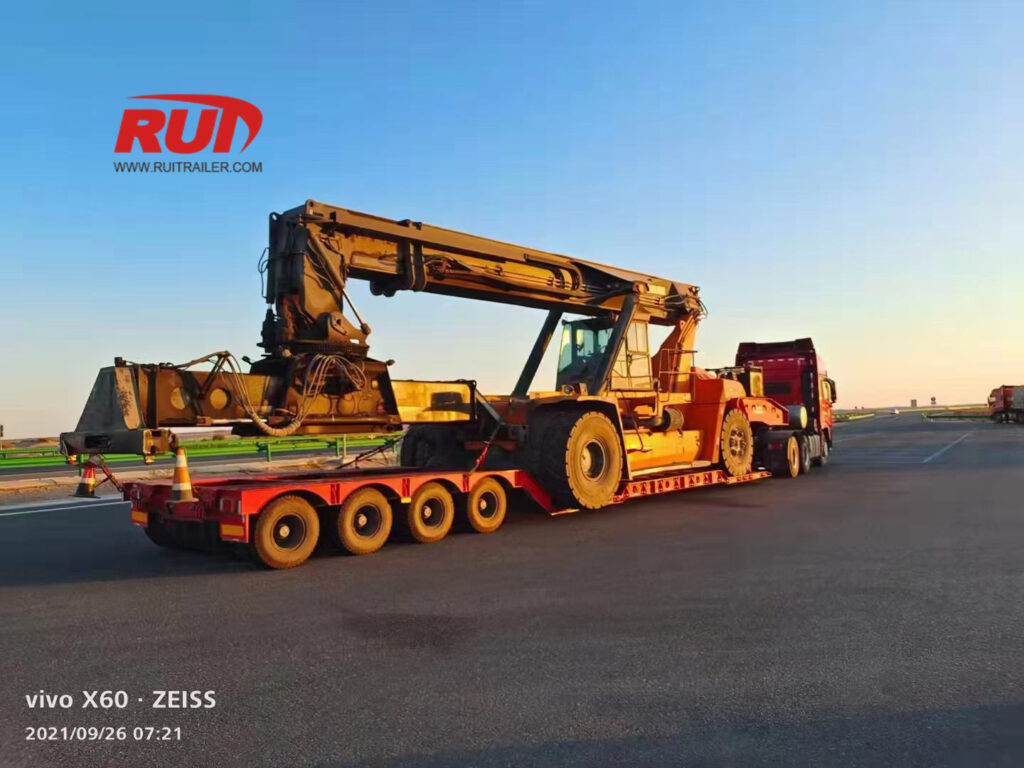
Mover infraestrutura de campos de petróleo — como bombas de fraturamento, componentes de plataformas de perfuração e skids de compressores — exige durabilidade extrema e manuseio flexível de cargas em ambientes adversos.
- Alta Capacidade de Peso: Configurações de pescoço de pescoço removível de múltiplos eixos lidam com peso concentrado enquanto distribuem a carga uniformemente pelos eixos para atender às rigorosas regulamentações rodoviárias.
- Confiabilidade em Terreno Rugoso: Estruturas reforçadas de transporte pesado reforçam a resistência do deck contra torções e flexões do chassi ao navegar por locais de perfuração não pavimentados e remotos.
Como escolher entre um trailer Lowboy e um RGN: pescoço removível versus lowboy
Selecionar o equipamento de transporte ideal depende de comparar as especificações do seu equipamento principal com os limites de altura nas rodovias, regras de distribuição de peso e orçamento de capital.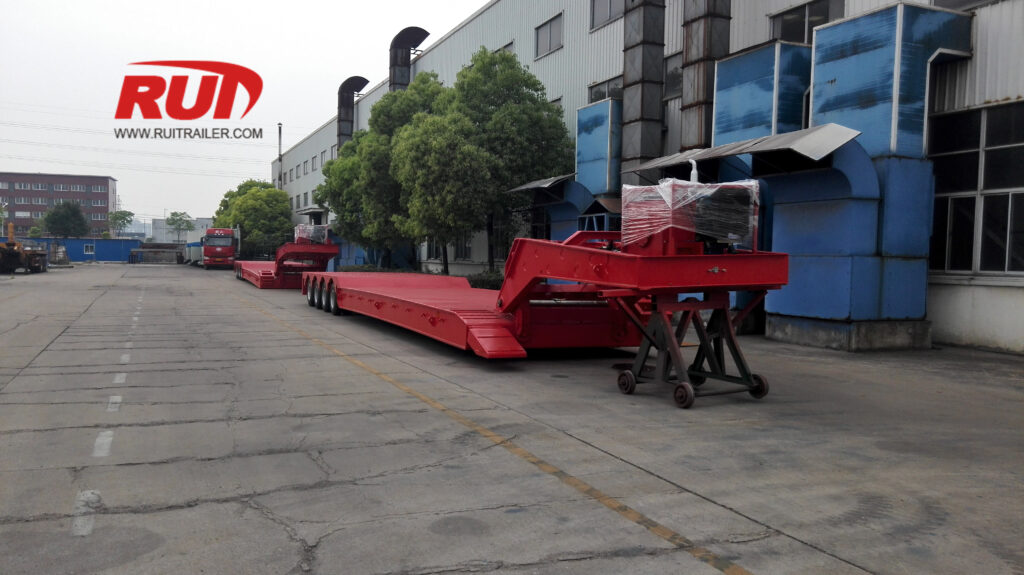
Avaliação das dimensões e peso da carga
A altura e a tonelagem da carga determinam diretamente a escolha do trailer. Padrão trailers de pescoço fixo de baixa plataforma funcionam bem para máquinas de médio porte que sobem facilmente pelas rampas traseiras. No entanto, máquinas autopropelidas extremamente altas ou pesadas exigem um reboque RGN (pescoço removível) para permanecer dentro das leis federais de altura livre e fórmulas de peso de pontes.
- Cargas altas: As plataformas drop deck do RGN ficam mais próximas do asfalto, oferecendo máxima altura livre vertical para escavadeiras altas, plataformas de perfuração e componentes industriais.
- Tonelagem pesada: Configurações modulares de múltiplos eixos em RGNs lidam com transporte de equipamentos pesados que excedem de 40 a mais de 150 toneladas. Sempre revise limites de peso seguro e configuração critérios antes de se comprometer com cargas oversized.
Avaliação da conveniência e segurança ao dirigir
A eficiência na carga impacta diretamente a segurança do motorista, os tempos de retorno e a estabilidade do local de trabalho.
- Carregamento Frontal (RGN): Desconectar o pescoço permite que equipamentos pesados com esteiras dirijam diretamente para a plataforma em um ângulo de rampa ultra baixo. Isso evita riscos de tombamento ao mover equipamentos pesados com esteiras.
- Carregamento Traseiro (Lowboy): Unidades de pescoço fixo exigem que a maquinaria suba sobre os pneus traseiros por meio de rampas de drive-on, que podem ser escorregadias e arriscadas para cargas com centro de gravidade elevado.

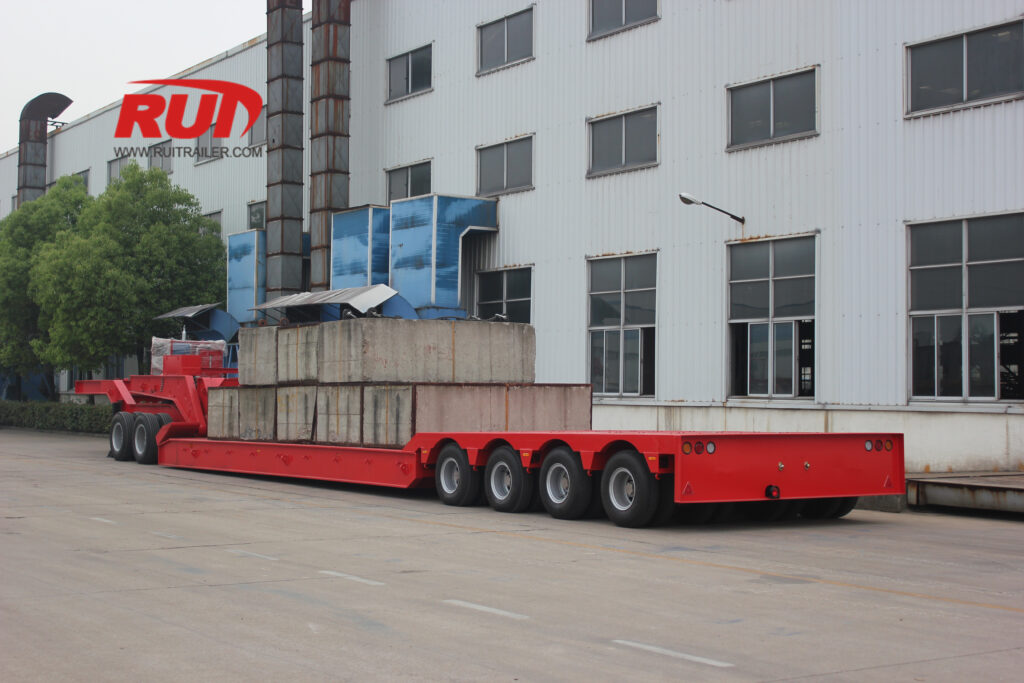
Equilibrando Orçamento e Retorno sobre Investimento a Longo Prazo
Despesas de capital iniciais devem refletir com que frequência você transporta cargas especializadas e oversized.
| Fator Operacional | Reboque Lowboy Padrão | Reboque de Pescoço de Ganso Removível (RGN) |
|---|---|---|
| Custo Inicial | Preço de compra mais baixo | Investimento de capital mais alto inicialmente |
| Manutenção | Configuração mecânica simples, baixa manutenção | Requer manutenção do pescoço hidráulico/desmontável |
| Versatilidade | Excelente para maquinaria pesada padrão | Ideal para cargas oversized extremas e com altura extra |
| Retorno sobre investimento a longo prazo | Retorno rápido em cargas regionais diárias | Desbloqueia contratos de transporte pesado de alta taxa |
Explore nosso guia detalhado de compra de reboques lowbed para combinar capacidades personalizadas e configurações de eixo diretamente às operações da sua frota.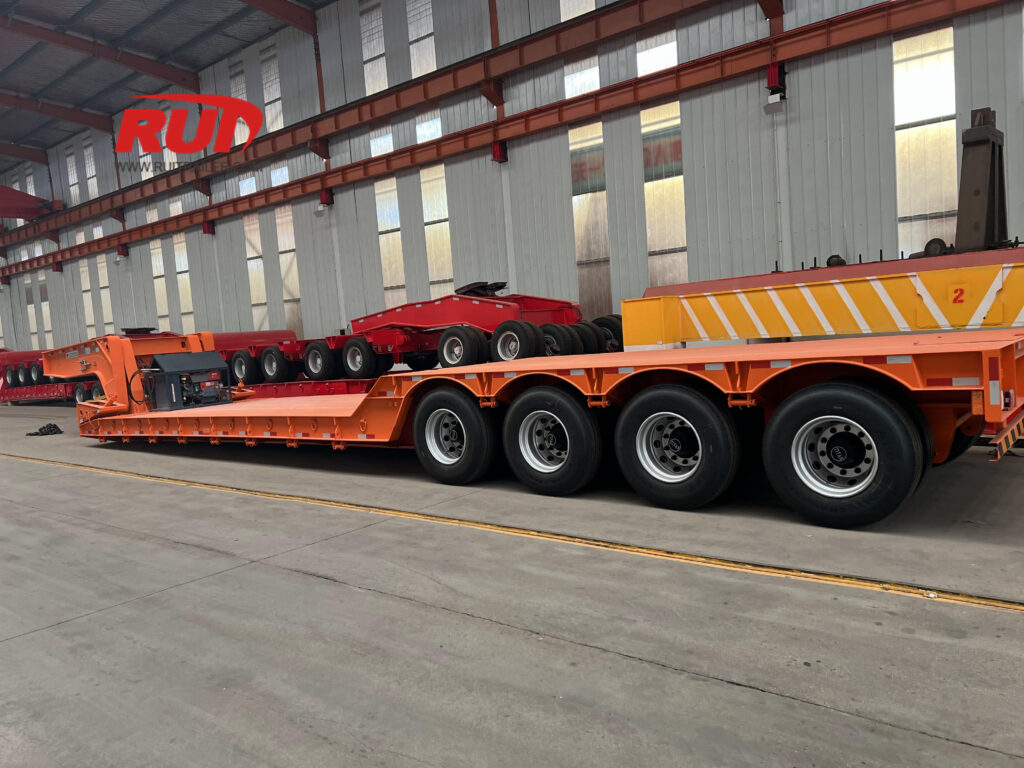
Perguntas Frequentes
Todos os reboques RGN requerem rampas para carregamento?
Não, rampas padrão de tamanho completo não são necessárias para a maioria dos RGNs. A principal vantagem do design de pescoço destacável é o acesso de carregamento frontal. Uma vez que você desengata o pescoço, a frente da plataforma do reboque abaixa até o chão para que máquinas autopropelidas possam dirigir diretamente para a cama. Enquanto operadores às vezes usam rampas de abordagem curtas para equipamentos de baixa altura, rampas de carregamento completas são desnecessárias. Para uma capacidade de condução suave, nosso reboque lowboy com pescoço removível elimina os riscos de tombamento associados às rampas traseiras íngremes.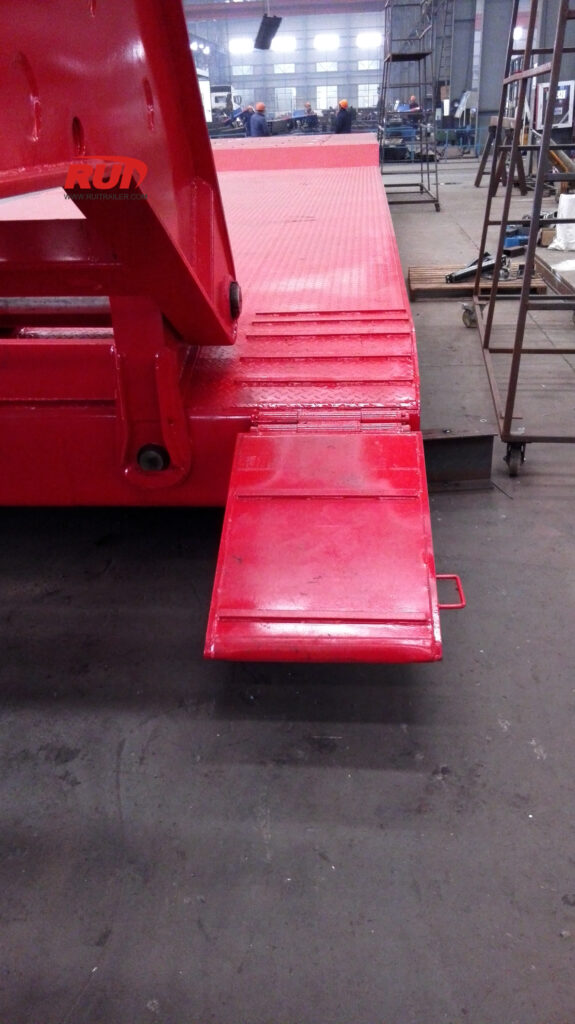
Por que um lowboy é chamado de reboque Lowboy?
O termo “lowboy” vem do jargão de transporte de cargas pesadas, descrevendo um reboque lowbed projetado com uma altura de plataforma incomumente baixa em relação às suas rodas. Com duas quedas distintas na plataforma — uma imediatamente atrás do pescoço dianteiro e outra bem antes do conjunto de eixos traseiros — essa estrutura reduz drasticamente o centro de gravidade da carga. Esse design permite que transportadores levem equipamentos industriais altos enquanto permanecem abaixo dos limites legais de altura máxima.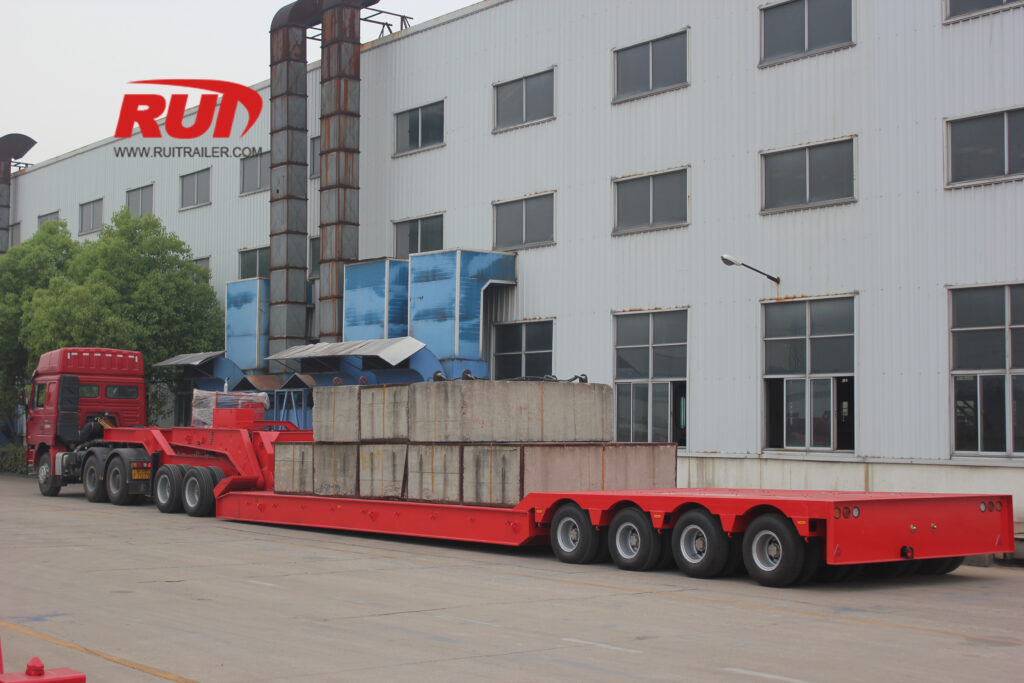
Quais regulamentos de cargas oversized se aplicam ao transporte pesado?
Os regulamentos de cargas oversized dependem das dimensões legais e da classificação de peso bruto do veículo na sua região de operação, mas regras principais de conformidade geralmente incluem:
- Permissões para cargas oversized e overweight: Necessárias quando as cargas excedem os limites dimensionais padrão (normalmente 2,6 metros de largura, 4,1 metros de altura ou 36.3 toneladas de peso bruto).
- Veículos piloto e de escolta: Necessários para larguras ou alturas extremas para auxiliar na liberação de rotas, controle de tráfego e verificações de cabos aéreos.
- Limites de Peso por Eixo: Exigem distribuição de peso rigorosa ao longo dos eixos, muitas vezes requerendo reboques hidráulicos de baixa plataforma para distribuir o peso entre eixos adicionais.
- Restrições de Viagem: Carregamentos de tamanho excessivo são rotineiramente restritos ao horário diurno, dias de semana não feriados e corredores de transporte estritamente pré-avaliados para proteger a infraestrutura das estradas públicas.
 Portuguese
  English
  German
  Turkish
  French
  Russian
  Arabic
  Hindi
Hindi  Vietnamese
  Chinese
  Spanish
  Indonesian
  Swahili