

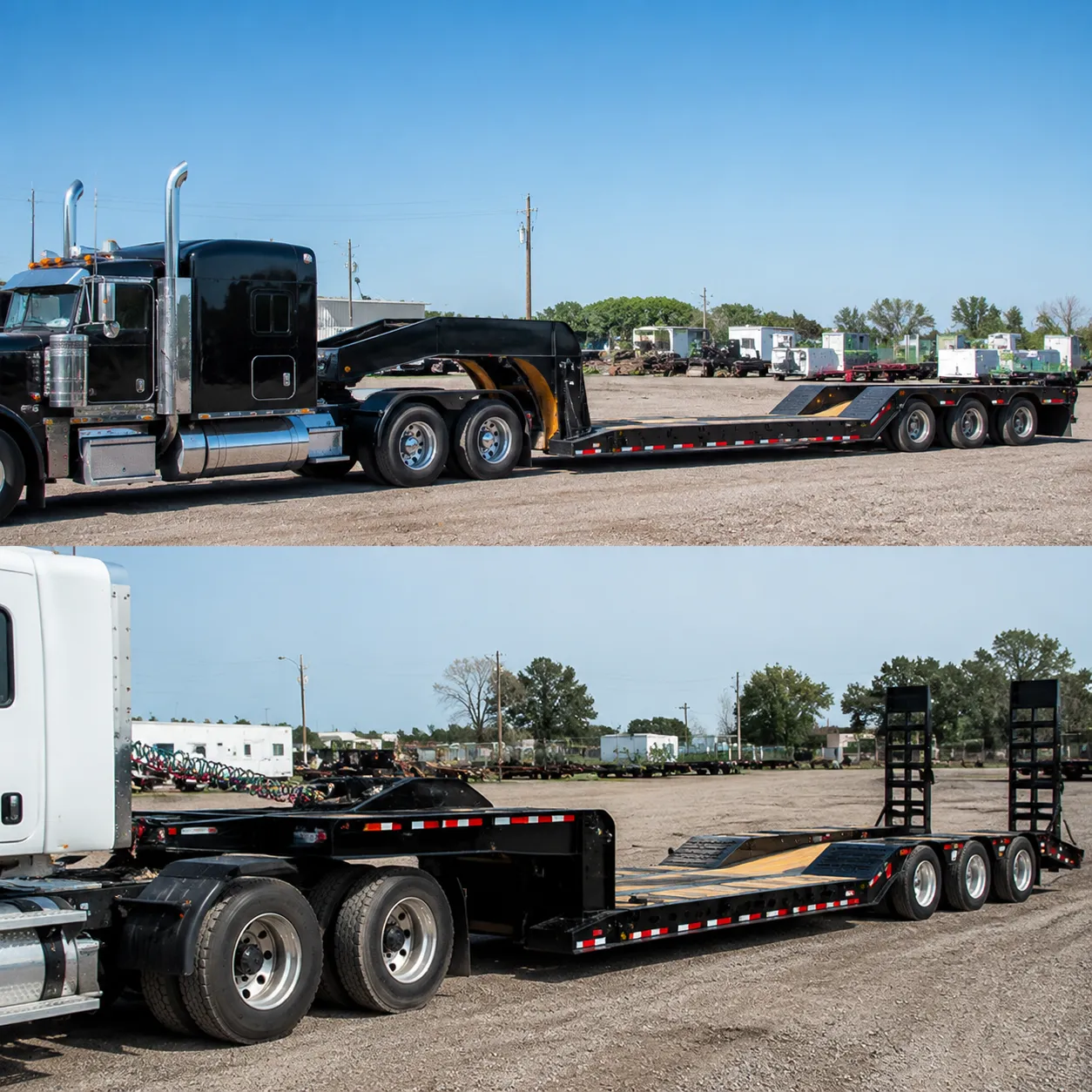
Übersicht über Tieflader und (RGN) Tieflader: Abnehmbarer Schwanenhals im Vergleich zu Tiefladern
Der Transport von schweren Maschinen erfordert spezialisierte Transportlösungen, die für extreme Nutzlastkapazitäten und hohe Ausrüstungsprofile ausgelegt sind. Die Unterschiede zwischen einem abnehmbarer Schwanenhals im Vergleich zu Tieflader Anhänger sind entscheidend für die Optimierung der Transportsicherheit, der Überkopfhöhe und der betrieblichen Effizienz in globalen Logistiknetzwerken.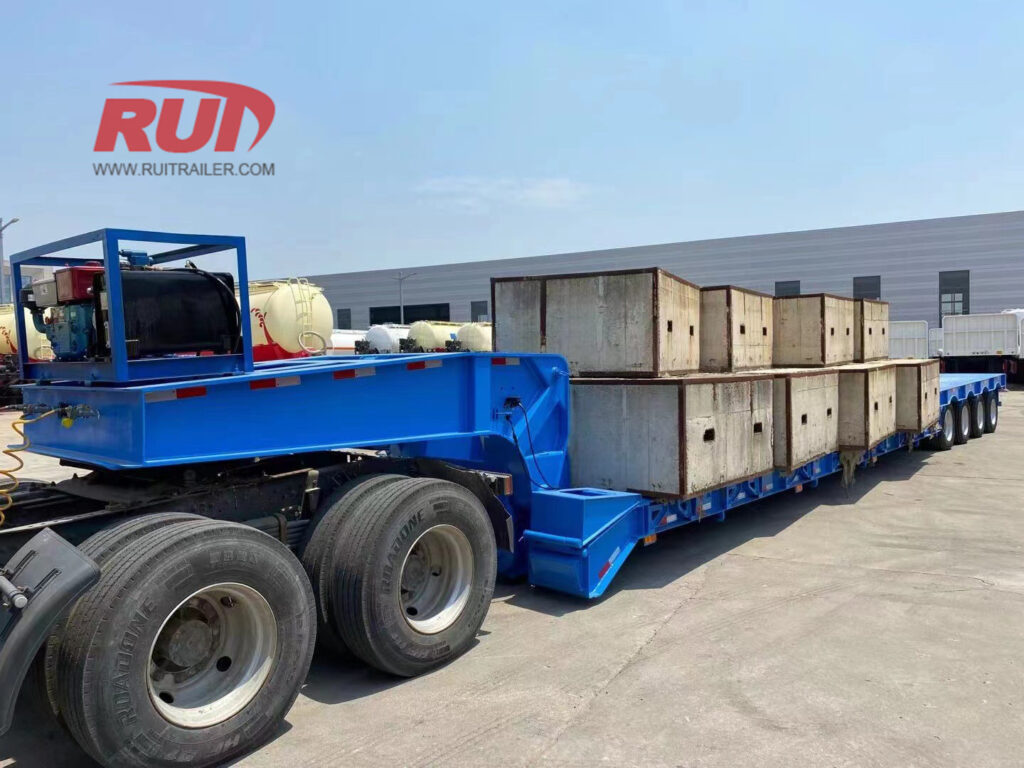
Was ist ein Tieflader?
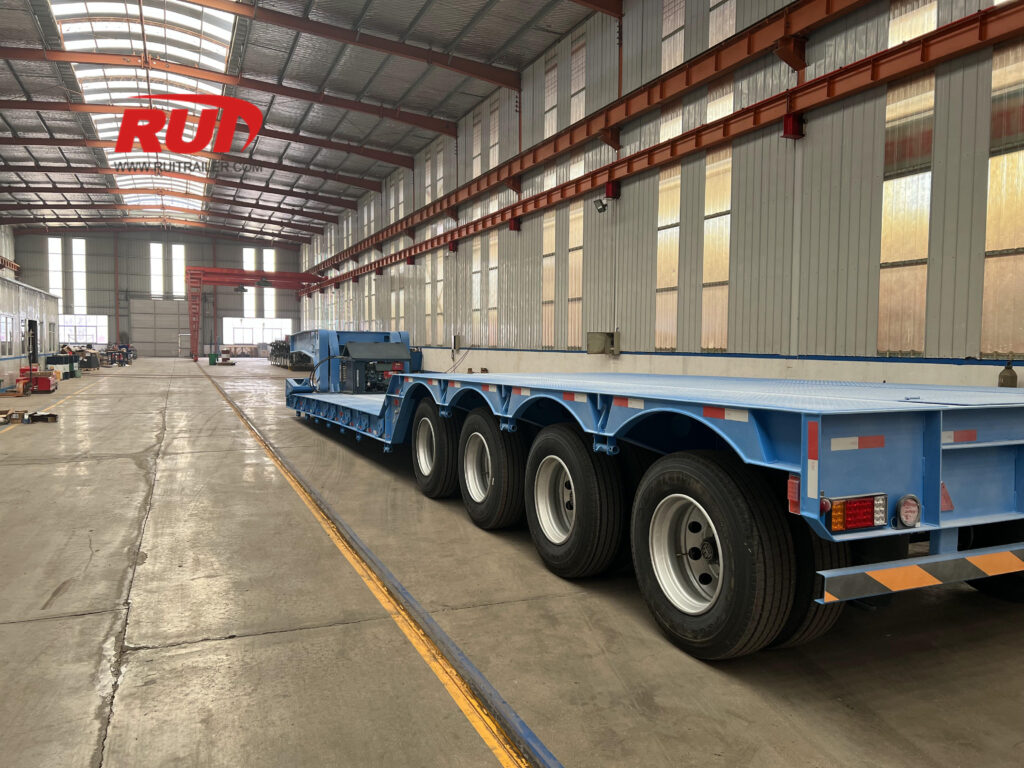
A Lowboy-Anhänger (häufig als Tieflader bezeichnet) verfügt über zwei Absenkungen der Ladeflächenhöhe: eine unmittelbar hinter dem Schwanenhals und eine weitere kurz vor der Hinterachse. Dieses spezielle Design positioniert die Hauptladefläche deutlich tiefer als bei Standard-Pritschenanhängern.
- Freiraumvorteil: Maximiert den vertikalen Raum, um Autobahnüberführungen und Stromleitungen sicher zu passieren.
- Strukturelle Stabilität: Senkt den Schwerpunkt der Ladung, um die Stabilität bei Schwerlasttransporten zu erhöhen Schwerguttransport.
- Konfigurationsflexibilität: Gebaut mit festen, klappbaren oder abnehmbaren Schwanenhalsdesigns, um unterschiedlichen Frachtanforderungen gerecht zu werden.

Was ist ein abnehmbarer Schwanenhals (RGN) Tieflader?
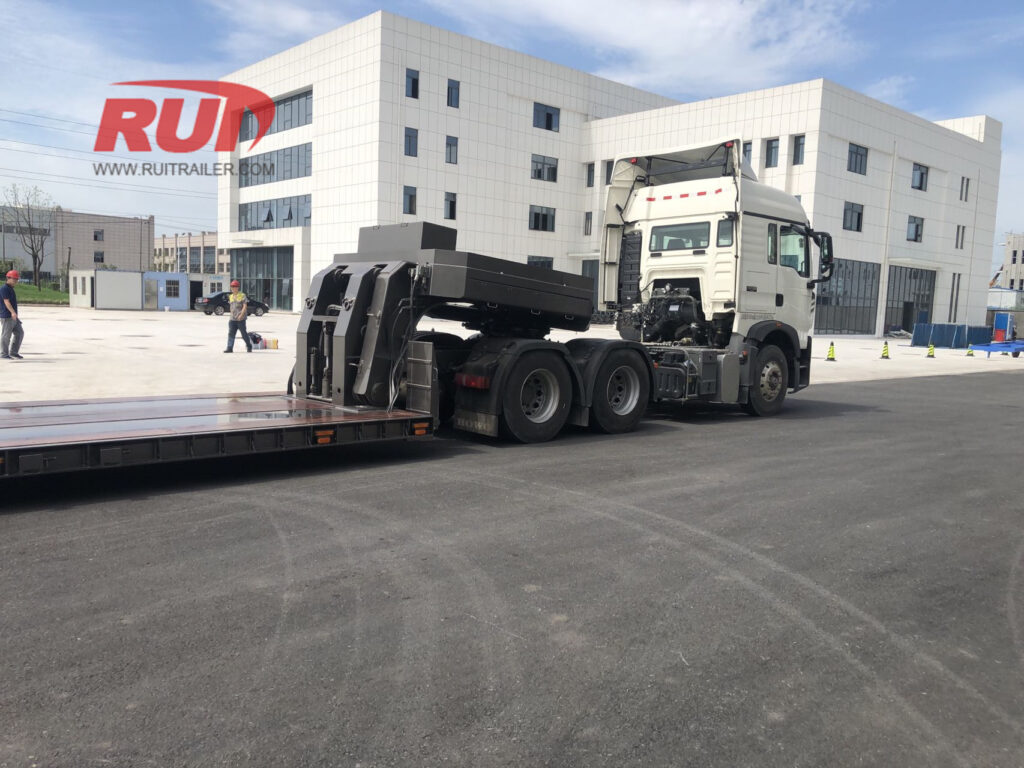
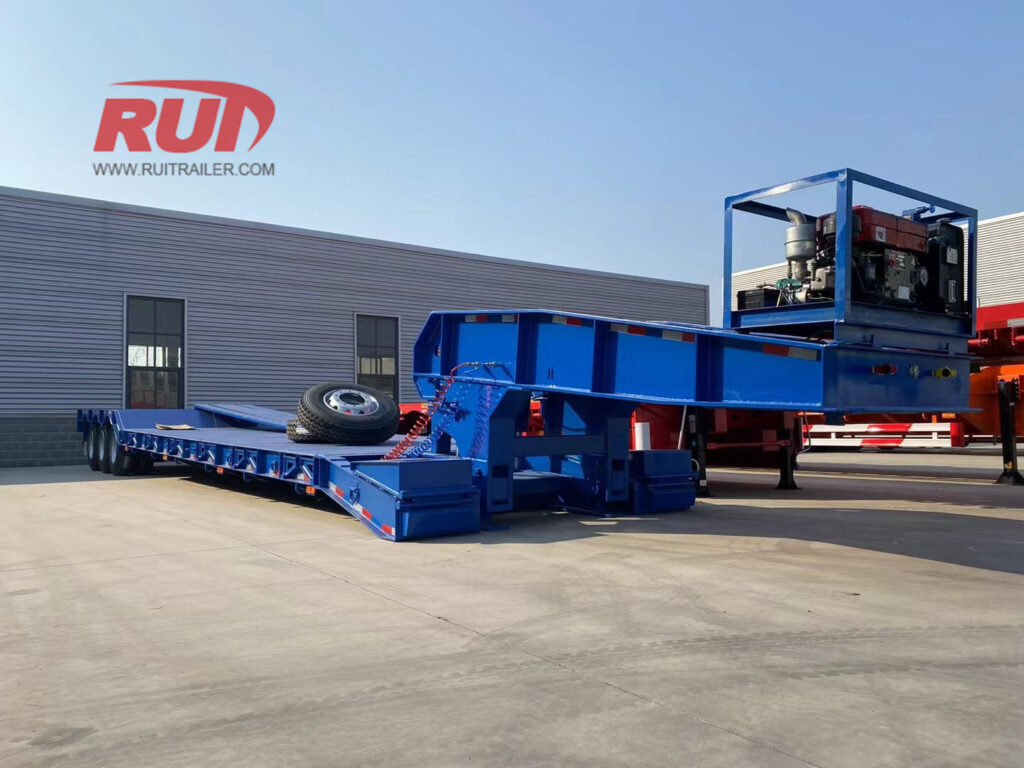
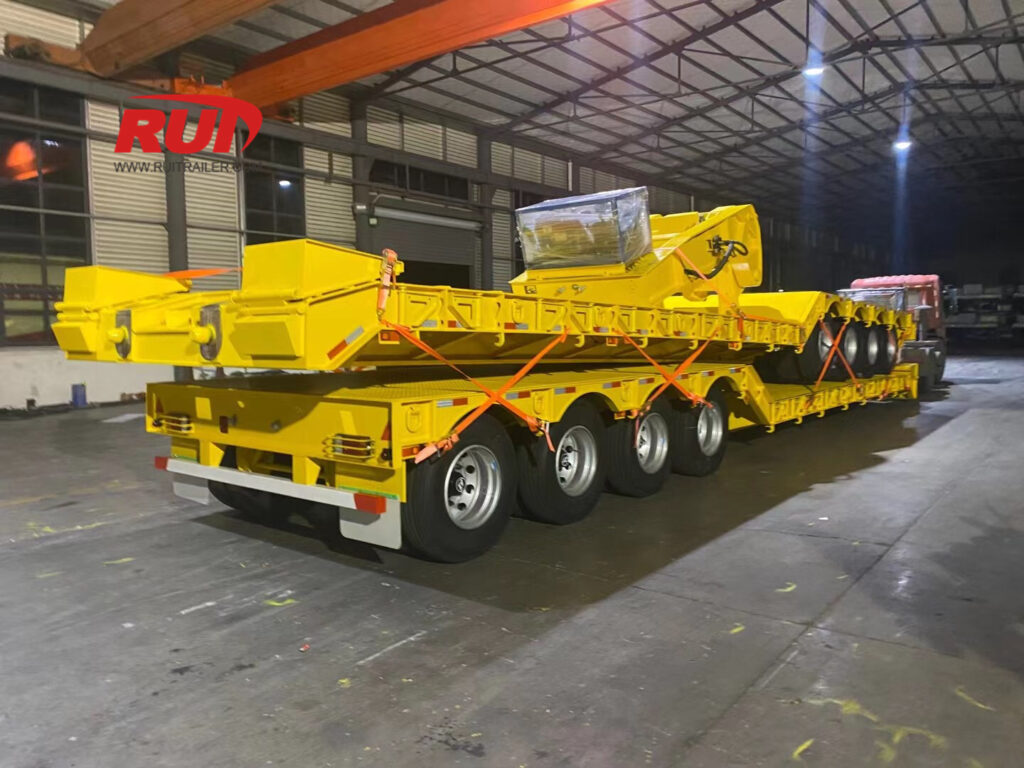
An RGN-Anhängers ist ein spezialisierter Tieflader mit einem abnehmbaren Schwanenhals der sich vollständig vom Hauptanhänger-Korpus trennt. Das Entfernen des Halses ermöglicht es, die Vorderseite des Decks flach auf den Boden abfallen zu lassen, wodurch eine sichere, niedrigwinkelige Rampe zum Be- und Entladen entsteht.
- Frontlader-Fähigkeit: Ermöglicht direkten Einfahrzugang vom Boden aus, wodurch die Gefahren beim Überfahren schwerer Maschinen über die Hinterreifen entfallen.
- Hohe Tragfähigkeit: Unterstützt umfangreiche Mehrachsen-Erweiterungen für anspruchsvolle Übergrößentransporte Transportfahrten.
- Gerätekompatibilität: Ideal für den Transport von selbstfahrenden Maschinen wie schwere Bagger, Bulldozer und Raupenkräne.
Funktionsweise von RGN-Anhängern
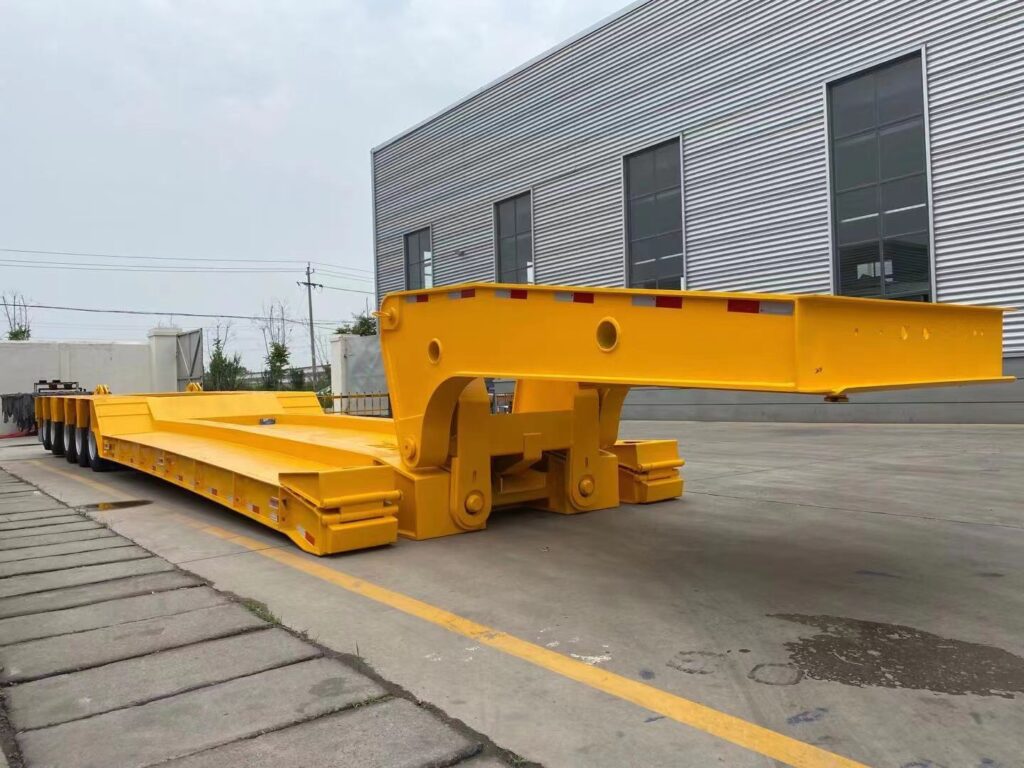
Der Betriebsmechanismus eines RGN-Anhängers basiert auf dem Trennen des vorderen Gabelstegs, um die Ladefläche in eine integrierte Ladeplattform umzuwandeln.
- 1. Halsabtrennung: Hydraulische oder mechanische Freigabesysteme trennen den Gabelsteg vom Hauptanhängerrahmen.
- 2. Deckabsenkung: Der vordere Rand des Ladebetts senkt sich direkt auf die Straßenoberfläche ab.
- 3. Einfahr-Ladung: Schwere Geräte fahren von vorne auf das Deck mithilfe einer integrierten Einfahrrampe Ansätze.
- 4. Wiederverbindung & Elevation: Die Antriebseinheit verbindet den Gleitlenker wieder, und leistungsstarke Hydraulikzylinder heben die Anhängerplattform wieder auf die Standardtransporthöhe.
- Wichtige Unterschiede zwischen RGN- und Lowboy-Anhängern
- Wichtige Unterschiede zwischen RGN- und Lowboy-Anhängern
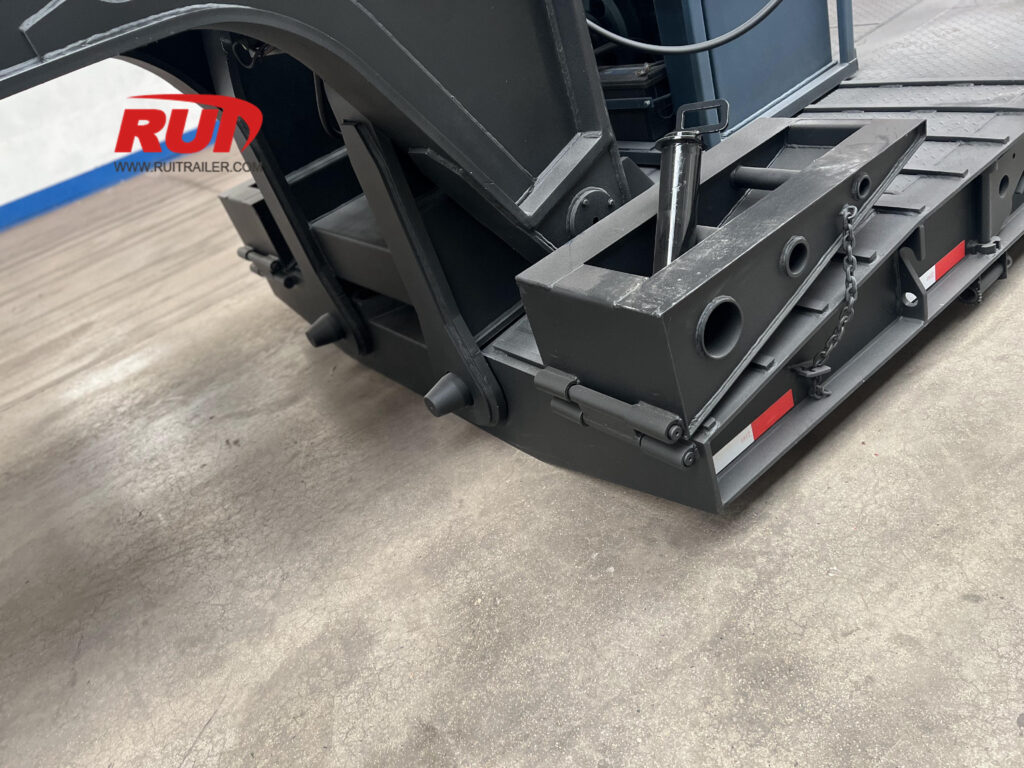
Bei der Auswahl zwischen einem abnehmbarer Schwanenhals im Vergleich zu Tieflader Anhänger ist es entscheidend zu verstehen, wie ihre Konstruktionsmerkmale den täglichen Betrieb beeinflussen, um Ihre Flotte optimal zu nutzen. Wir fertigen beide Konfigurationen, um unterschiedliche logistische Herausforderungen im Schwertransport zu lösen.
| Merkmal | Abnehmbarer Haken (RGN) Anhänger | Fester Gleitlenker-Lowboy-Anhänger |
|---|---|---|
| Ladeausrichtung | Vorne beladen (abnehmbarer Hals) | Hinten beladen (Fahrrampe) |
| Deckhöhe | 18 – 24 Zoll (Ultra-niedriges Profil) | 30 – 36 Zoll |
| Nutzlastkapazität | 40 bis 150+ Tonnen (Mehrachsen-Erweiterung) | 40 bis 80 Tonnen (Fest 2–4 Achsen) |
| Ideale Ladungstypen | Hohe, schwere selbstfahrende Maschinen | Standardhöhe Ausrüstung & Kettenfahrzeuge |
| Vorfeld- & Unterhaltskosten | Höhere Anfangskosten; Hydraulikwartung | Niedrigere Anschaffungskosten; einfache Wartung |
abnehmbarer Schlepphaken vs. Lowboy Lade- und Entladevorrichtungen
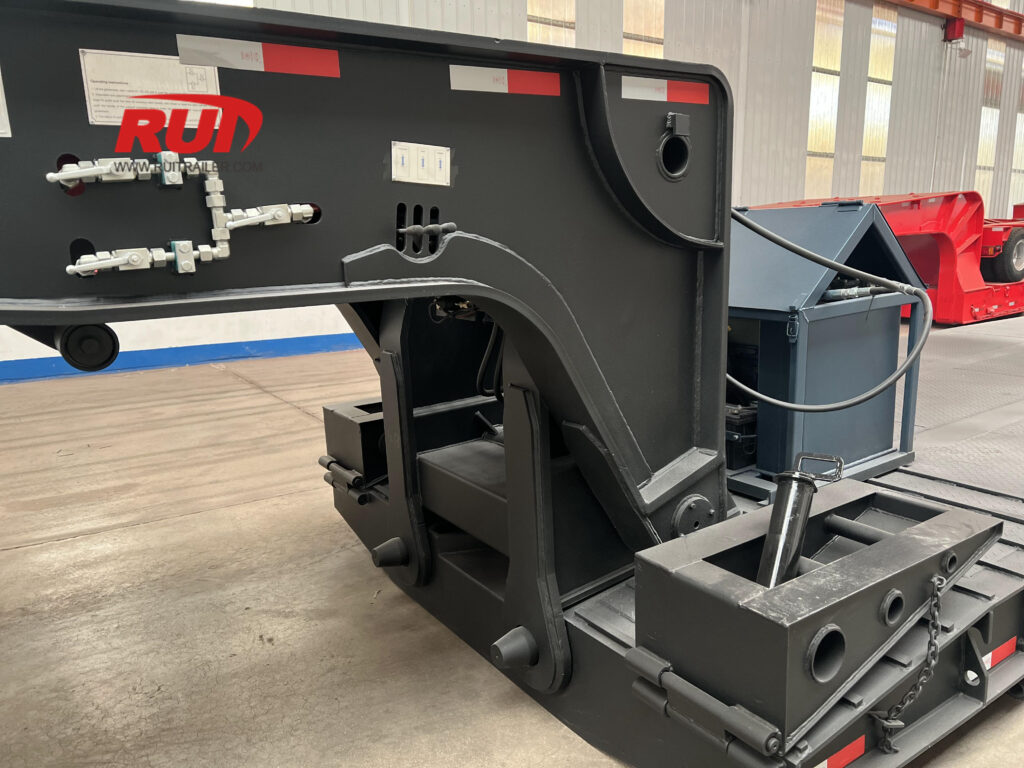
Der größte operationelle Unterschied liegt darin, wie die Ausrüstung auf das Deck gelangt:
- RGN-Anhänger (Vorderladend): Ein RGN-Anhänger verfügt über einen abnehmbaren Hals, der vom Hauptrahmen getrennt werden kann. Das Absenken des Decks direkt auf den Boden schafft eine sanfte, niedrige Rampe. Dies ermöglicht es selbstfahrenden Maschinen—wie Radladern, Asphaltfertigern und großen Baggern—sicher geradeaus vom Vorderseite zu fahren. Die vollständigen strukturellen Spezifikationen können Sie in unseren RGN abnehmbaren Over-Cab-Trailer-Leitfaden.
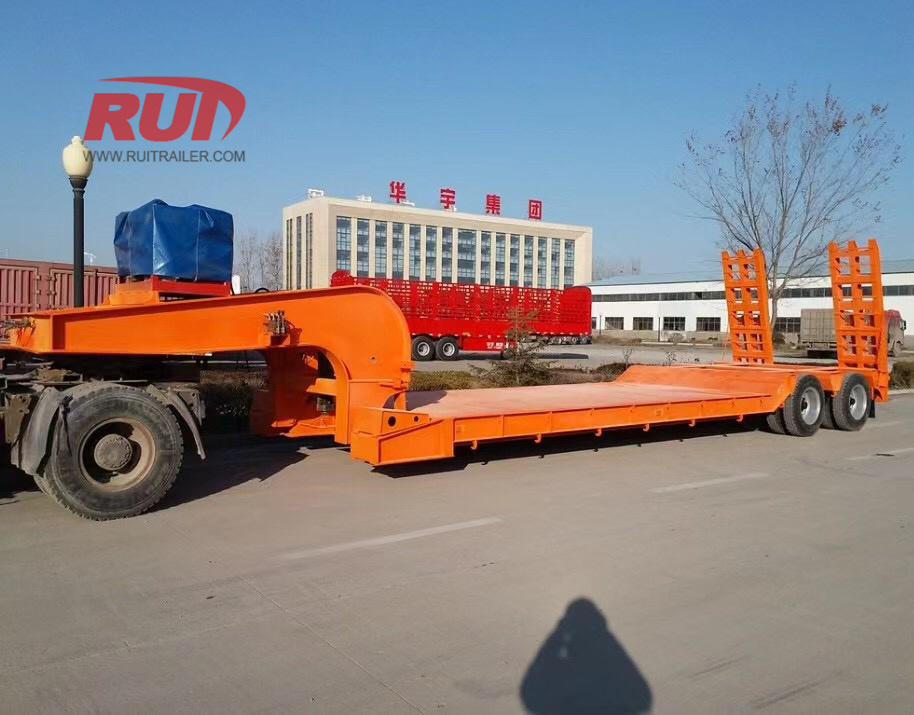
- Feste Lowboy-Anhänger (Hinterladend): Standardfeste Lowboy-Anhänger mit Schlepphaken erfordern, dass die Ausrüstung über die Hinterachsen klettert, wobei eine schwere Auffahrrampe verwendet wird. Hinterladung funktioniert gut für Raupenmaschinen, aber steile Neigungswinkel stellen Sicherheitsrisiken für Maschinen mit geringem Bodenabstand oder schwere Maschinen dar.
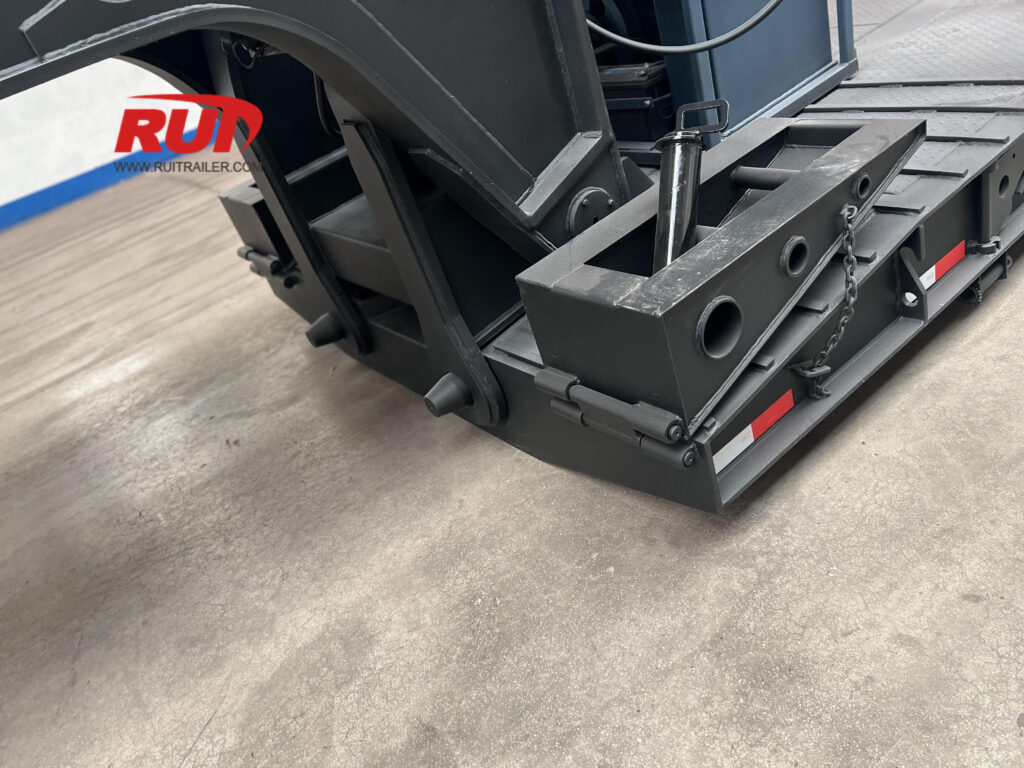
Nutzlastkapazität und Achskonfigurationen abnehmbarer Schlepphaken vs. Lowboy
Gewichtskapazität und Achsflexibilität bestimmen, welche Übergrößenladungen Ihr Anhänger legal transportieren kann:
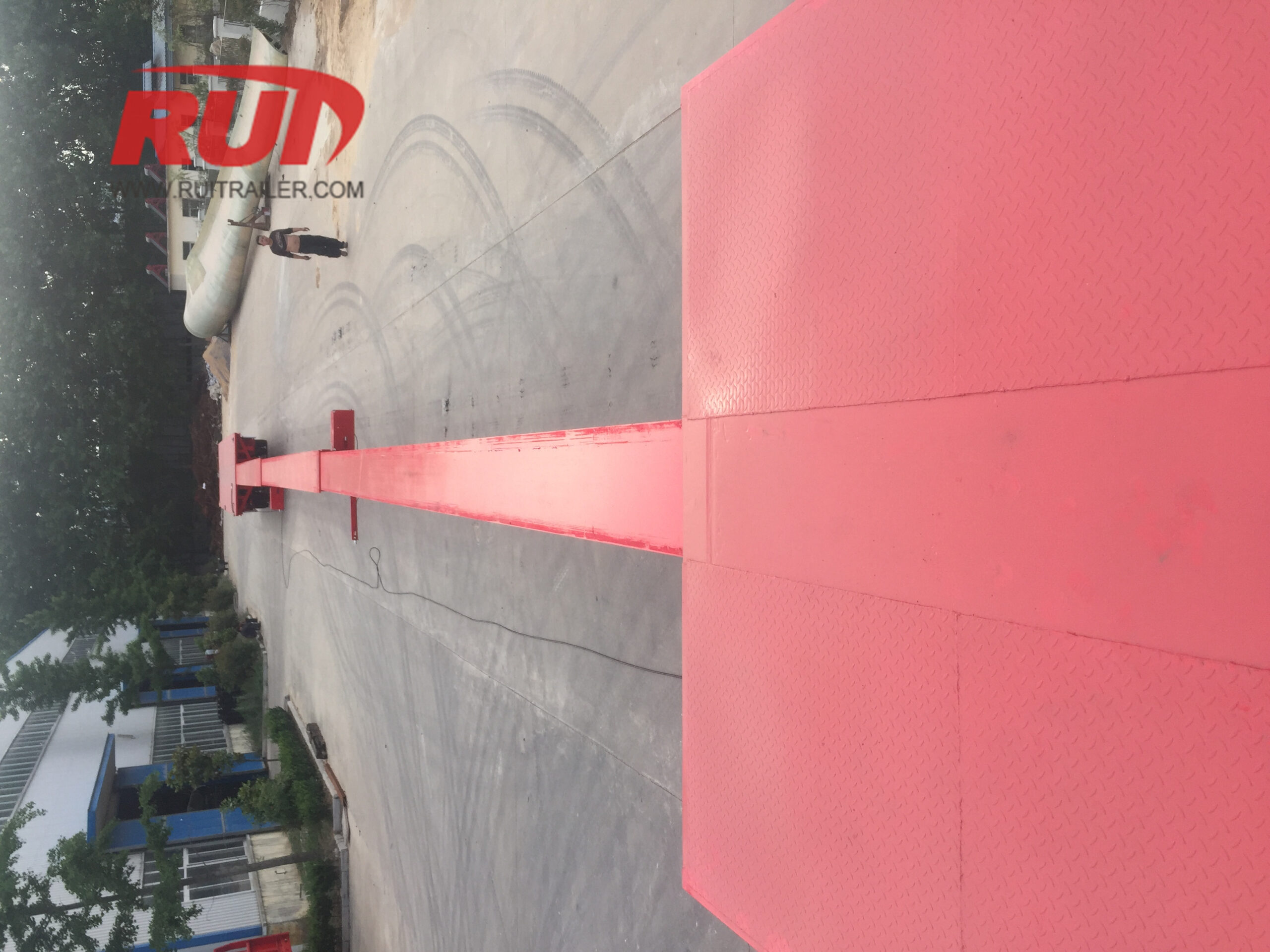
- RGN-Achsenvielfalt: RGN-Anhänger sind hervorragend bei extremen Gewichtskapazitäten. Ihr modularer Rahmen ermöglicht das Anbringen von Flip-Achsen, Verteilern oder zusätzlichen Achslinien, um das enorme Gewicht auf mehrere Punkte zu verteilen. Diese Flexibilität macht sie unentbehrlich für den Transport von extrem schweren Maschinen, die 80 bis 150+ Tonnen überschreiten.
- Limits bei Achsen von Lowboy-Anhängern: Feste Lowboy-Anhänger verfügen in der Regel über 2 bis 4 Achsen, die in eine festgelegte Plattformlänge integriert sind. Während sie perfekt für den täglichen Transport schwerer Maschinen bis zu 80 Tonnen geeignet sind, fehlt ihnen die modulare Erweiterbarkeit für super-schwere Fracht. Entdecken Sie verschiedene Achsoptionen in unseren Spezifikationen für Tieflader und Achsführer.
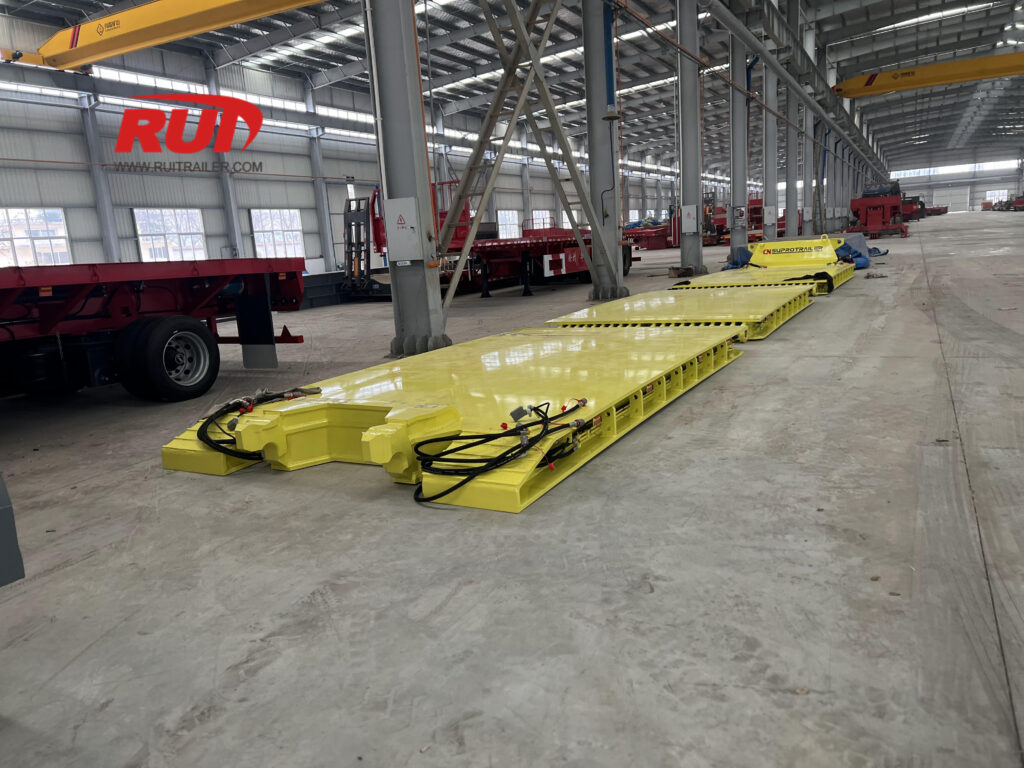
Deckhöhe und Bodenfreiheit
Das Management der Gesamthöhe der Ladung bestimmt Ihre Routenplanung und Brückenfreigaben:
- RGN-Anhänger: Bieten extrem niedrige Wellendecks, typischerweise zwischen 18 und 24 Zoll. Das Absenken der Deckhöhe um nur wenige Zoll hält große Übergrößeladungen innerhalb der gesetzlichen Höhenbegrenzungen, wodurch teure Begleitfahrzeuge oder Umwege vermieden werden.
- Lowboy-Anhänger: Verfügen typischerweise über Deckhöhen zwischen 30 und 36 Zoll. Während dies eine solide Bodenfreiheit auf unebenem Baustellengelände bietet, begrenzt es die maximale Höhe der Ladung, die Sie unter Überkopfbahnen legal transportieren können.
Kaufkosten und Wartungsanforderungen
Die Balance zwischen Anfangsinvestition und operativem ROI erfordert die Betrachtung des Wartungsbedarfs:
- RGN-Investition: Hydraulische und mechanische Gooseneck-Detach-Mechanismen erfordern eine höhere Anfangsinvestition in die Ausrüstung. Sie benötigen routinemäßige Wartung an Hydraulikleitungen, Verriegelungsstiften und Antriebseinheiten, bieten jedoch höhere Rentabilität bei spezialisierten Schwerlasttransporten.
- Lowboy-Investition: Feste Lowboys haben weniger bewegliche Teile, was sie günstiger in Kauf und Wartung macht. Sie bieten zuverlässige Leistung und geringere langfristige Wartungskosten für den Transport von Standard-Schwergeräten, bei denen das Frontladen nicht zwingend erforderlich ist.
Gooseneck-Optionen und RGN-Konfigurationen
Hydraulische vs. Mechanische Abnehmbare Overruns
Bei der Bewertung abnehmbarer Nacken-Setups kommt es hauptsächlich auf den Betrieb mit Hydraulik oder Mechanik an.
- Hydraulischer Gabelkopf: Angetrieben durch einen eingebauten Pony-Motor oder das PTO-System des Traktors. Hydraulikzylinder heben, senken und lösen den Hals sanft, sodass ein einzelner Bediener den Hals in wenigen Minuten lösen kann – selbst auf weichem oder unebenem Boden.
- Mechanischer Gänsehals: Verwendet eine LKW-Winde, Rampen und mechanische Verriegelungsstifte. Es bietet ein leichteres Leergewicht und geringere Wartungskosten, erfordert jedoch flaches Gelände und mehr manuellen Aufwand bei der Bedienung.
Wir entwickeln beide Konfigurationen, um den lokalen Transportanforderungen gerecht zu werden, damit Ihre RGN abnehmbarer Gänsehals-Anhänger für schwere Geräte maximale Betriebszeit gewährleistet.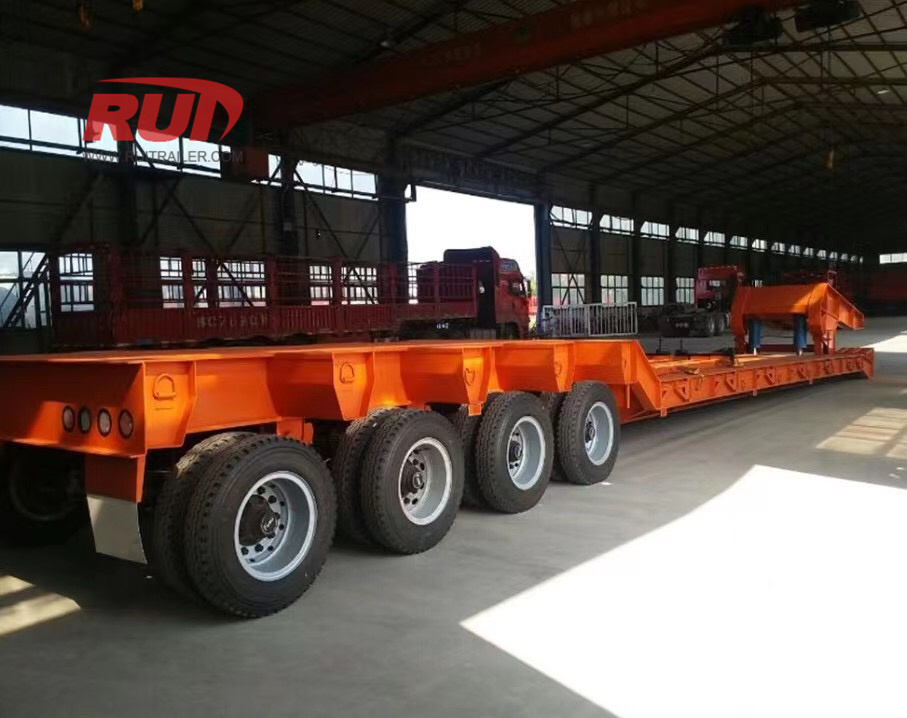
Feste Gänsehals-Lowboys vs. Abnehmbare RGNs
Die Wahl zwischen einem festen Gänsehals-Lowbed-Anhänger und einem abnehmbaren RGN-Anhänger wirkt sich direkt auf die Ladeeffizienz und die Sicherheit des Bedieners aus.
| Merkmal | Fester Gänsehals-Lowboy | Abnehmbarer RGN-Anhänger |
|---|---|---|
| Lademethode | Hintere Beladung (über die Hinterreifen/Rampen fahren) | Frontloading (fährt direkt auf die abgesenkte Plattform) |
| Idealer Ladetyp | Statischer Fracht, rollendes Gerät, Standardhöhe-Ausrüstung | Schweres Kettenfahrzeug, Tiefbauausrüstung |
| Bodenfreiheit | Standard-Lowbed-Profil | Ultra-niedrige Plattformfreiheit |
| Wartung & Kosten | Niedrigere Anfangskosten, weniger bewegliche Teile | Höhere Investition, maximale operationelle Vielseitigkeit |
RGN-Anhänger vs. Double Drop-Anhänger
Während beide Anhängerkonstruktionen ein abgesenktes Mittelbett zur Beförderung hoher Ladung aufweisen, unterscheiden sich ihre Lademechanismen und Nutzlastanwendungen erheblich:
- RGN-Anhänger: Speziell für selbstfahrende oder kettenfahrende Maschinen gebaut. Der Hals lässt sich vollständig abnehmen, sodass Geräte direkt auf die Plattform fahren können, ohne steile Rampen zu navigieren.
- Double Drop-Anhänger: Verfügen über ein Drop-Deck-Design, um strenge Höhenbeschränkungen zu umgehen. Viele haben feste Hälse, bei denen die Ladung per Kran oder hintere Rampen geladen werden muss.
Die Auswahl des richtigen Setups hängt von der Ladungshöhe, Gewichtsverteilung und den Bedingungen am Ladeort ab. Die Überprüfung eines detaillierten RGN abnehmbarer Gleitkielanhänger-Leitfadens für Schwertransporte stellt sicher, dass Ihre Flotte den spezifischen Transportvorschriften entspricht.
- Gängige Branchenanwendungen
Die Entscheidung zwischen einem abnehmbaren Gleitkielanhänger und einem Lowboy-Anhänger hängt in der Regel von der spezifischen Ausrüstung ab, die Sie täglich transportieren. Als spezialisierter Hersteller entwickeln wir beide Konfigurationen, um unterschiedliche Anforderungen im Schwertransport in verschiedenen globalen Branchen zu erfüllen.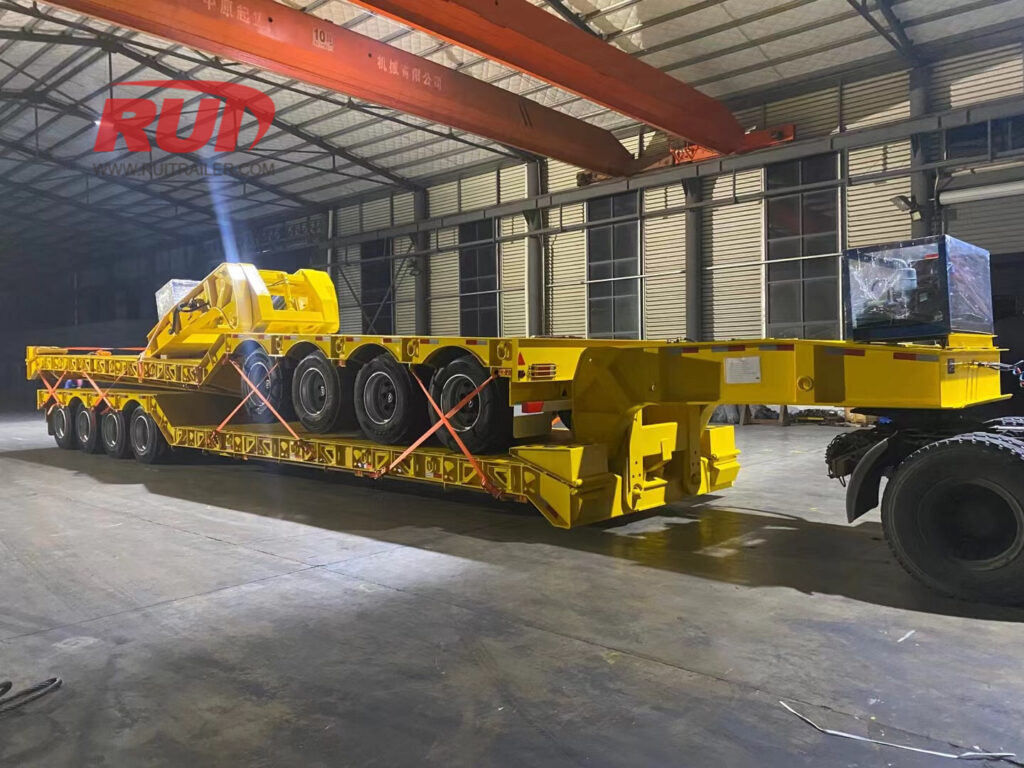
Konstruktion und Schwerlasttransport
Transport schwerer Geräte im Bauwesen erfordert schnelles, sicheres Beladen für Maschinen wie Bagger, Bulldozer und Radlader.
- Vorteil des RGN-Anhängers: Fährt selbstfahrende Maschinen direkt auf die niedrige Plattform, nachdem der Hals abgetrennt wurde, wodurch steile, gefährliche Beladewinkel vermieden werden.
- Vorteil des Lowbed-Anhängers: Ideal für statische Lasten, Zerkleinerungsgeräte oder Ausrüstung, die über Kran geladen wird, bietet zuverlässige Tragfähigkeit bei geringeren Investitionskosten für die Flotte.
- Extremladungen: Für außergewöhnlich schwere Baumaschinen liefern unsere Mehrachsen-Lowbed-Transporter eine ausgewogene Achsverteilung auf anspruchsvollen Transitstrecken.

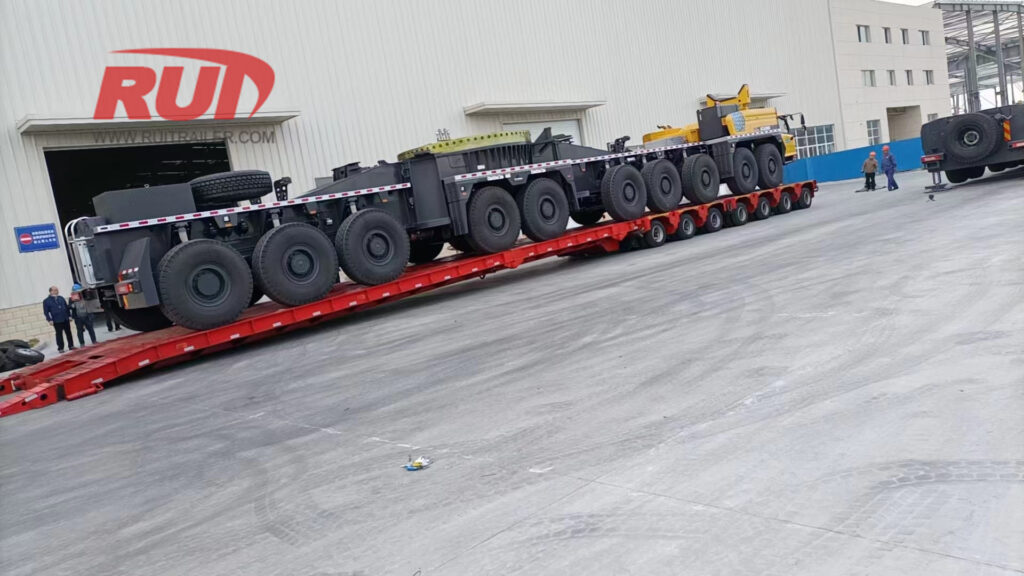
Transport landwirtschaftlicher Geräte
Kombinationen, große Traktoren und Holzerntefahrzeuge haben breite Standflächen und hohe vertikale Freiräume.
- Überkopf-Freiraum: Das tiefe Wellendesign von Lowbed- und RGN-Plattformen hält große Maschinen niedrig am Boden, um Höhenüberschreitungen unter Brücken und Versorgungsleitungen zu vermeiden.
- Schutz vor niedriger Höhe: Frontbeladene RGNs ermöglichen landwirtschaftliche Maschinen mit geringem Bodenabstand, sauber aufzufahren, ohne Untergestelle an steilen Heckrampen zu beschädigen.

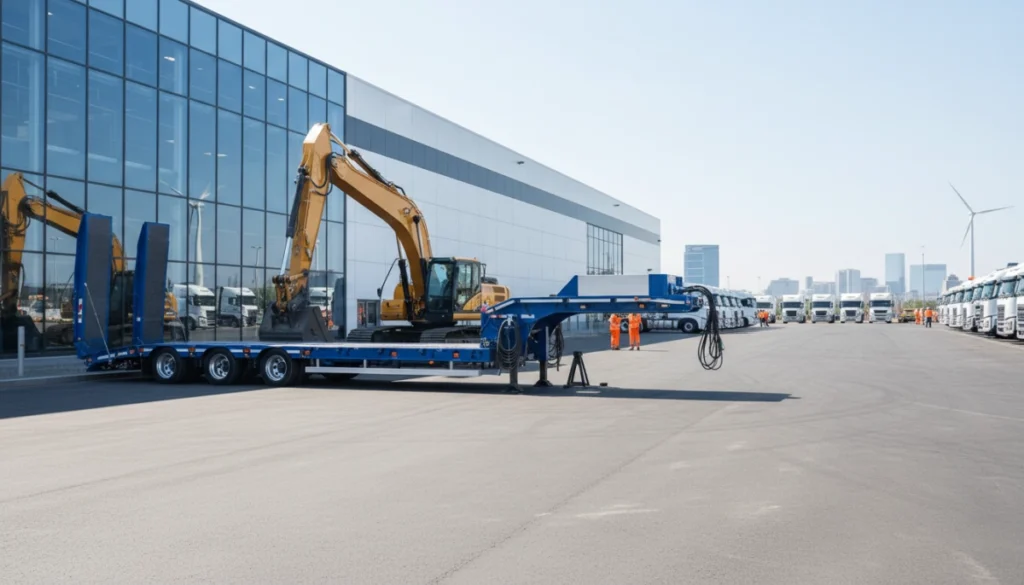
Öl- und Gasinfrastrukturtransport
Der Transport von Ölbohrfeldinfrastruktur – wie Frac-Pumpen, Komponenten von Bohrgeräten und Kompressorskids – erfordert extreme Haltbarkeit und flexible Lastenhandhabung in rauen Umgebungen.
- Hohe Tragfähigkeit: Mehrachsen-abnehmbare Gabelstapler mit Schwanenhals-Setup bewältigen konzentrierte Gewichte, während sie die Nutzlast gleichmäßig auf die Achsen verteilen, um strenge Straßenverkehrsregeln zu erfüllen.
- Zuverlässigkeit im unwegsamen Gelände: Verstärkte Schwerlastrahmen verhindern das Verdrehen der Plattform und Flexibilität des Chassis beim Navigieren auf unbefestigten, abgelegenen Bohrstellen.
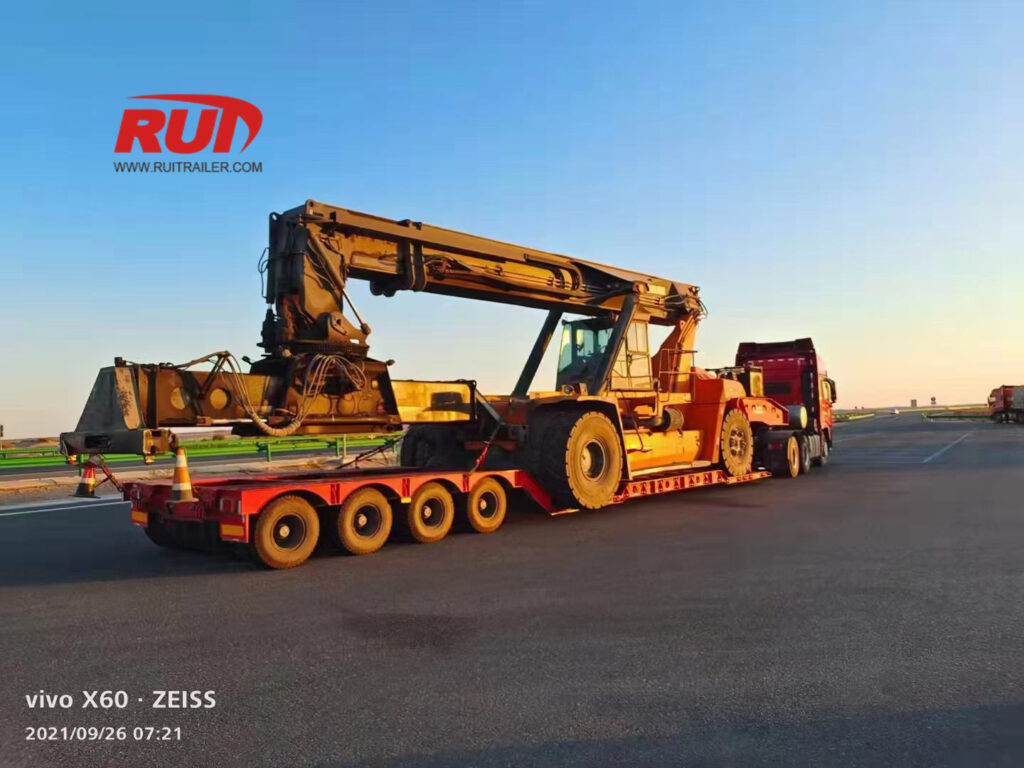
Wie man zwischen einem Lowboy und einem RGN-Anhänger mit abnehmbarer Schnauze und einem Lowboy wählt
Die Auswahl des idealen Transportfahrzeugs hängt davon ab, Ihre primären Ausrüstungspezifikationen mit den Höhenbeschränkungen auf Autobahnen, den Gewichtsverteilungsregeln und dem Kapitalbudget abzugleichen.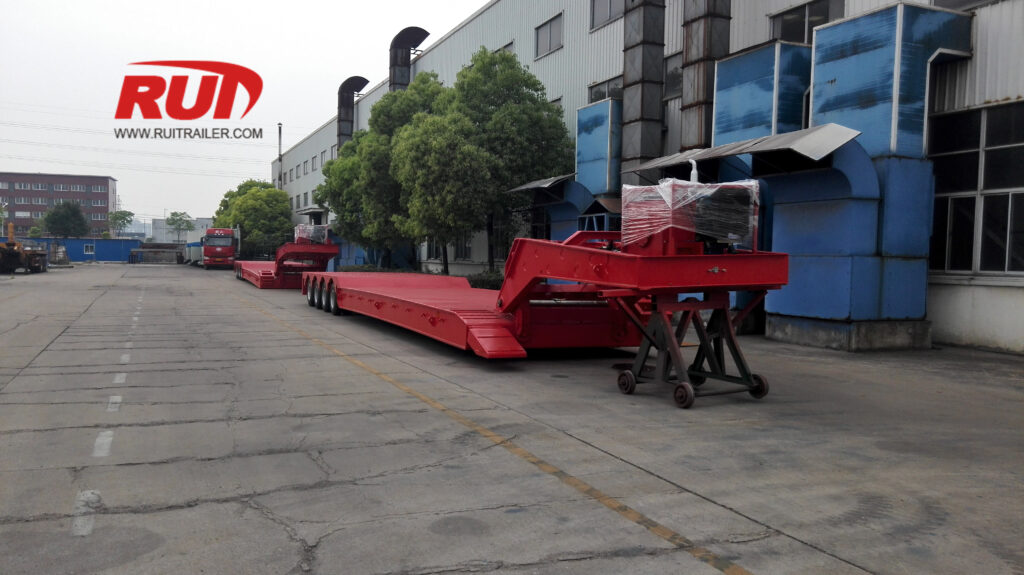
Bewertung der Frachtmaße und des Gewichts
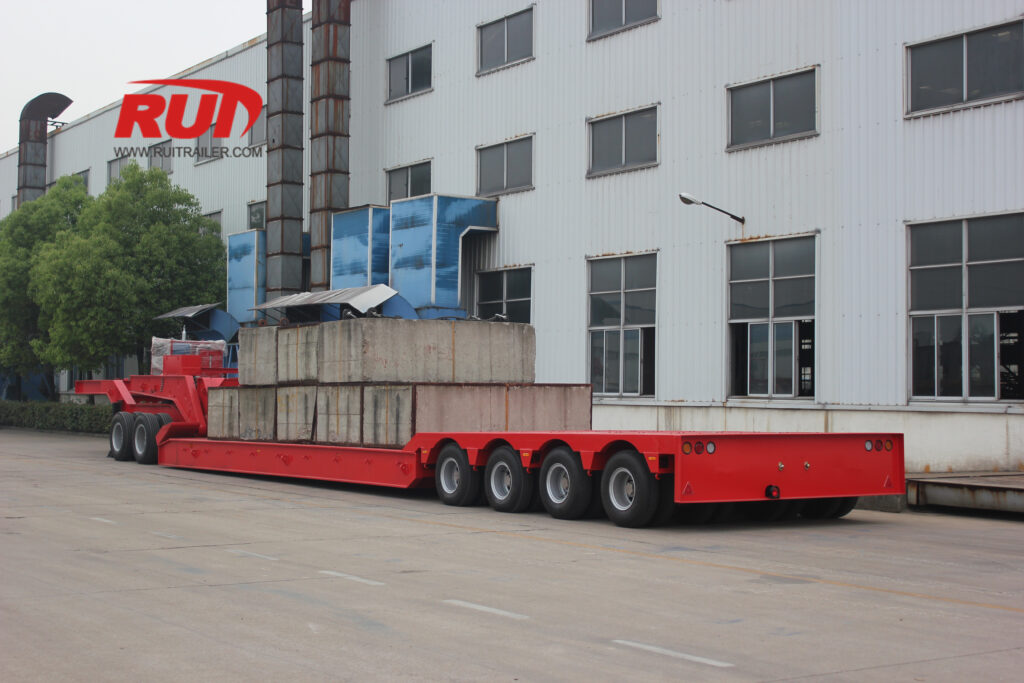
Frachtgröße und Tonnage bestimmen direkt die Wahl des Anhängers. Standard feste Schnauzen- und Tiefladeranhänger funktionieren gut für Maschinen mittleren Gewichts, die leicht die hinteren Rampen erklimmen. Sehr hohe oder schwere selbstfahrende Maschinen erfordern jedoch eine RGN-Anhängers (abnehmbare Schnauze), um die bundesweiten Überkopf-Höhenbeschränkungen und Brückenlastformeln einzuhalten.
- Hohe Ladungen: RGN-Absenkdecks liegen näher am Asphalt und bieten maximalen vertikalen Freiraum für hohe Bagger, Bohrgeräte und Industriekomponenten.
- Schwere Tonnage: Modulare Mehrachsen-Konfigurationen bei RGNs bewältigen den Transport schwerer Ausrüstung, die 40 bis über 150 Tonnen wiegt. Überprüfen Sie stets sichere Gewichtslimits und die Einrichtung Kriterien vor dem Eingehen auf übergroße Transporte.
Bewertung von Drive-On-Komfort und Sicherheit
Ladeeffizienz wirkt sich direkt auf die Fahrersicherheit, die Umschlagszeiten und die Stabilität der Baustelle aus.
- Vorderladung (RGN): Das Abkoppeln des Nackens ermöglicht es schwerem Kettenfahrzeug, gerade auf die Plattform zu fahren, bei einem ultra-niedrigen Rampenwinkel. Dies verhindert Kippgefahren beim Bewegen schwerer Raupenfahrzeuge.
- Hinterladung (Lowboy): Feste Gänsefuß-Einheiten erfordern, dass Maschinen über die Hinterreifen über Rampen fahren, was rutschig und riskant für top-heavy Ladungen sein kann.

Ausgleich von Budget und langfristigem ROI
Anfangsinvestitionen sollten widerspiegeln, wie häufig Sie spezialisierte, übergroße Fracht transportieren.
| Betrieblicher Faktor | Standard Lowboy-Anhänger | Abnehmbarer Gänsekiel (RGN) |
|---|---|---|
| Anschaffungskosten | Niedrigere Anschaffungskosten | Höhere Anfangsinvestition |
| Wartung | Einfache mechanische Einrichtung, geringer Wartungsaufwand | Erfordert Wartung des hydraulischen/abnehmbaren Nackens |
| Vielseitigkeit | Ausgezeichnet für Standard-Schwermaschinen | Ideal für extreme, extra-hohe Übergrößenladungen |
| Langfristiger ROI | Schnelle Rückmeldung bei täglichen regionalen Frachtaufträgen | Freischaltung von hochpreisigen Schwertransportverträgen |
Entdecken Sie unsere detaillierte Lowbed-Anhänger-Kaufleitfaden um individuelle Kapazitäten und Achskonfigurationen direkt auf Ihre Flottenbetriebe abzustimmen.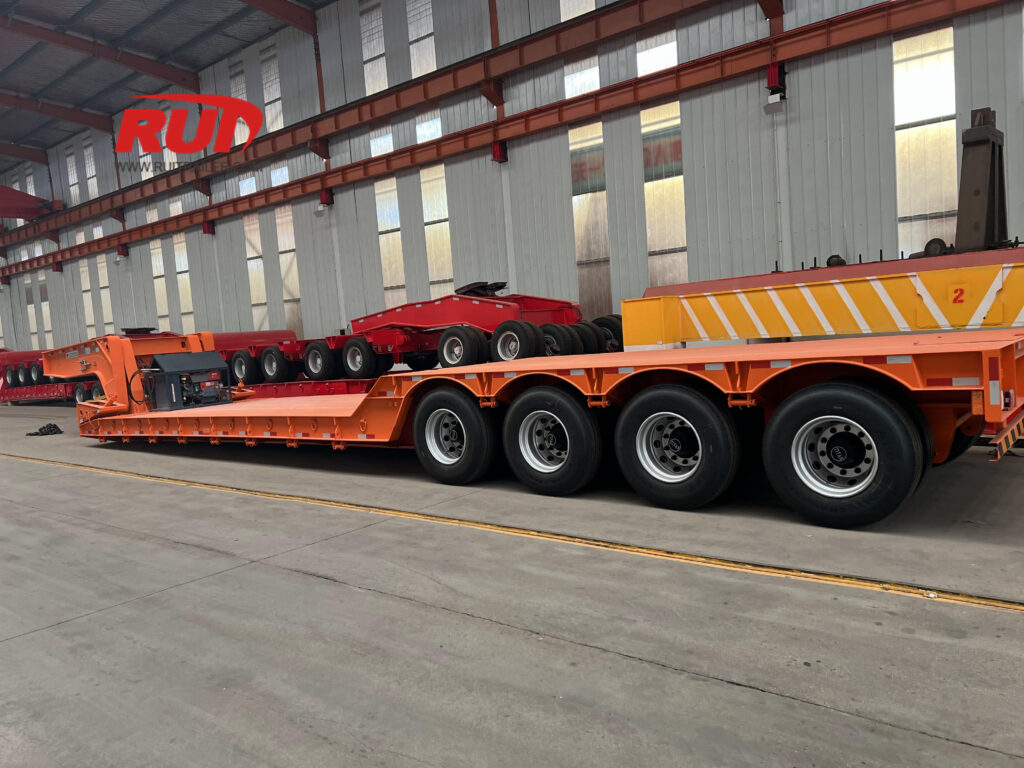
Häufig gestellte Fragen
Benötigen alle RGN-Anhänger Rampen zum Beladen?
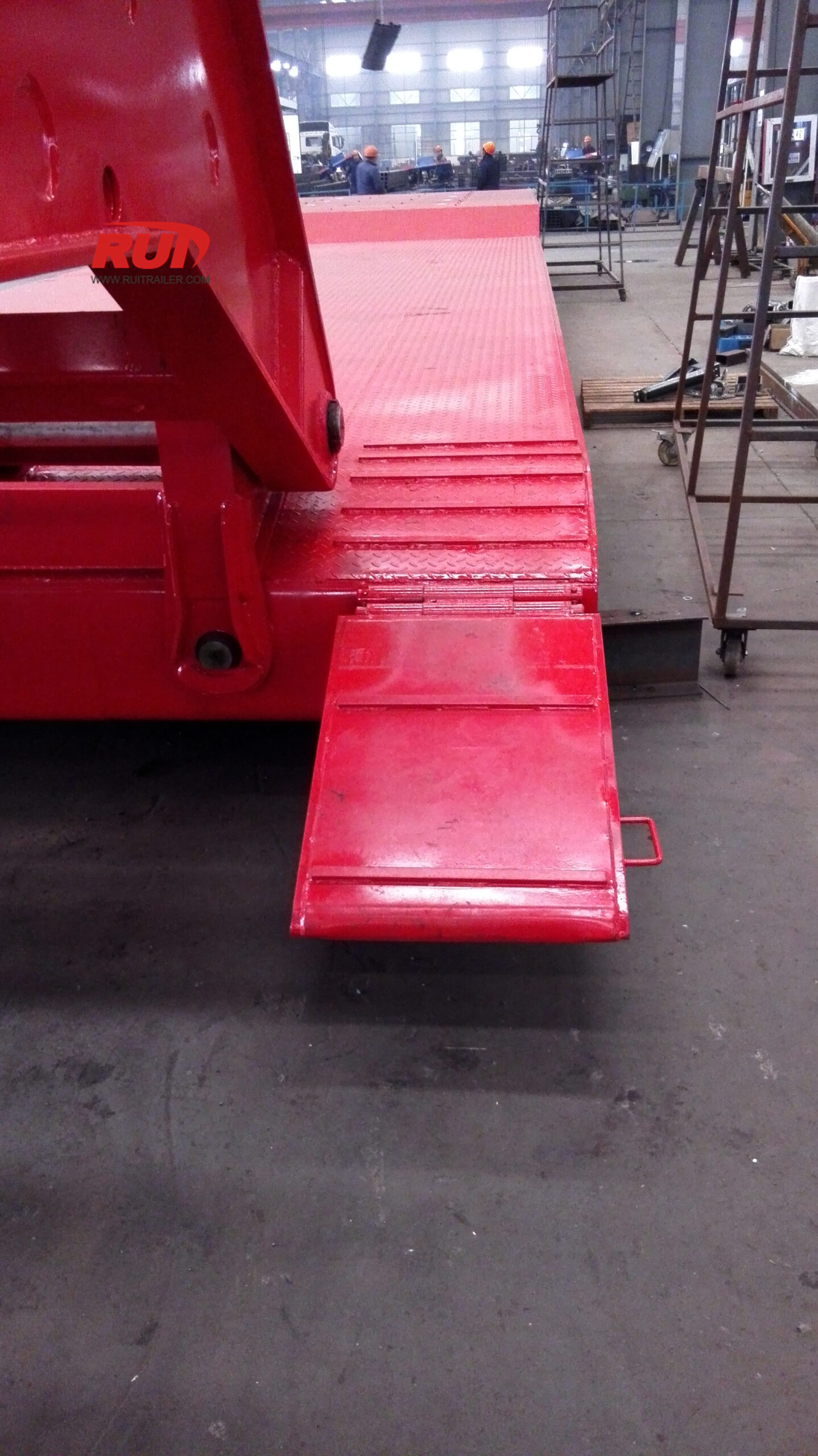
Nein, für die meisten RGNs sind keine standardmäßigen Vollrampen erforderlich. Der Hauptvorteil eines abnehmbaren Nacken-Designs ist der Zugang zum Frontladen. Sobald Sie den Nacken abnehmen, senkt sich die Vorderseite des Anhängerdecks flach auf den Boden, sodass selbstfahrende Maschinen direkt auf die Ladefläche fahren können. Während Betreiber manchmal kurze Klapp-Überfahr-Rampen für äußerst niedriggelegene Geräte verwenden, sind vollständige Lade-Rampen nicht notwendig. Für ein reibungsloses Einfahren bietet unser schwerer abnehmbarer Gleitlenkrahmen RGN Lowboy beseitigt die Kippgefahren, die mit steilen Hinterrampen verbunden sind.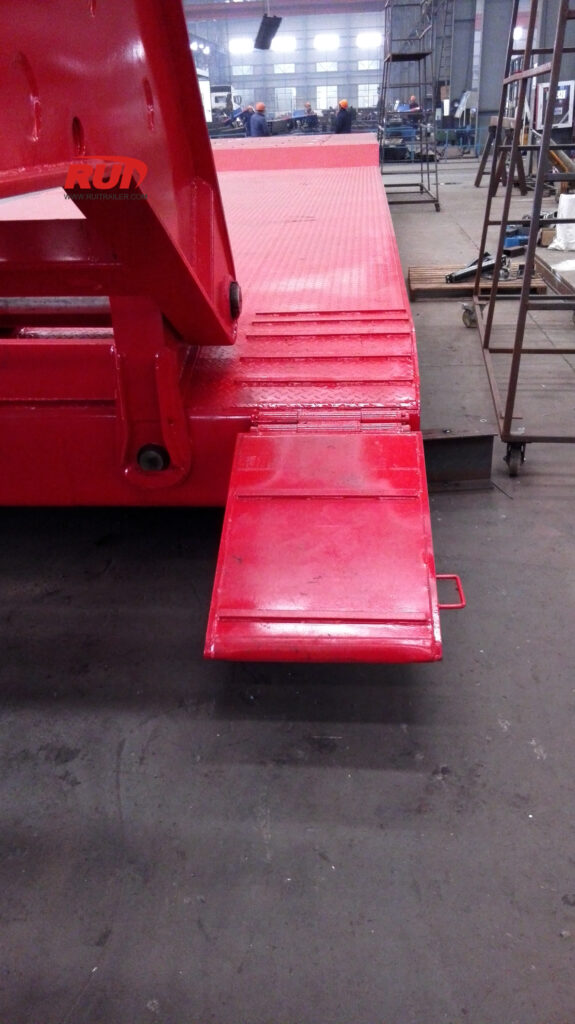
Warum wird ein Lowbed als Lowboy-Anhänger bezeichnet?
Der Begriff “Lowboy” stammt aus dem Heavy-Haul-Transport-Slang und beschreibt einen Lowbed-Anhänger mit einer ungewöhnlich niedrigen Deckhöhe im Vergleich zu seinen Rädern. Mit zwei unterschiedlichen Deckabsenkungen – eine direkt hinter dem vorderen Gleitlenkrahmen und eine direkt vor der Hinterachse – senkt diese Konstruktion den Schwerpunkt der Ladung erheblich. Dieses Design ermöglicht es Transportunternehmen, hohe Industrieausrüstung zu transportieren, während sie unter den gesetzlichen Höhenfreigabeschwellen bleiben.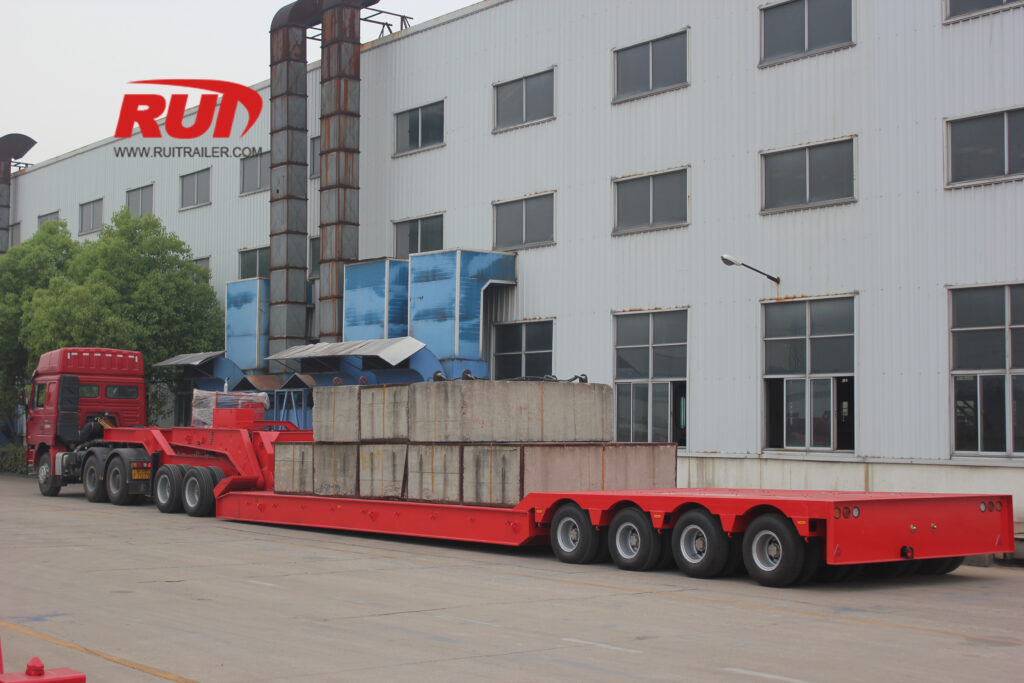
Welche Vorschriften für Übergrößentransporte gelten im Schwertransport?
Die Vorschriften für Übergrößentransporte hängen von den gesetzlichen Abmessungen und der zulässigen Gesamtmasse in Ihrer Betriebsregion ab, aber die wichtigsten Compliance-Regeln umfassen typischerweise:
- Übergrößen- und Übergewichtsgenehmigungen: Erforderlich, wenn die Ladung die Standardabmessungen (typischerweise 2,6 Meter breit, 4,1 Meter bis 4,3 Meter hoch oder 36.300 kg Gesamtgewicht) überschreitet.
- Pilot- und Begleitfahrzeuge: Erforderlich bei extremen Breiten oder Höhen, um bei der Routenplanung, Verkehrssteuerung und Überprüfung der Oberleitung zu helfen.
- Achslastgrenzen: Erfordern eine strikte Gewichtsverteilung über die Achslinien, oft unter Einsatz spezieller Hydraulischer Lowbed-Anhänger Gewicht auf zusätzliche Achsen verteilen.
- Reisebeschränkungen: Überdimensionale Transporte sind routinemäßig auf Tagesstunden, Wochentage ohne Feiertage und streng vorgeplante Transportkorridore beschränkt, um die öffentliche Straßeninfrastruktur zu schützen.
 German
  English
  Turkish
  French
  Portuguese
  Russian
  Arabic
  Hindi
Hindi  Vietnamese
  Chinese
  Spanish
  Indonesian
  Swahili