

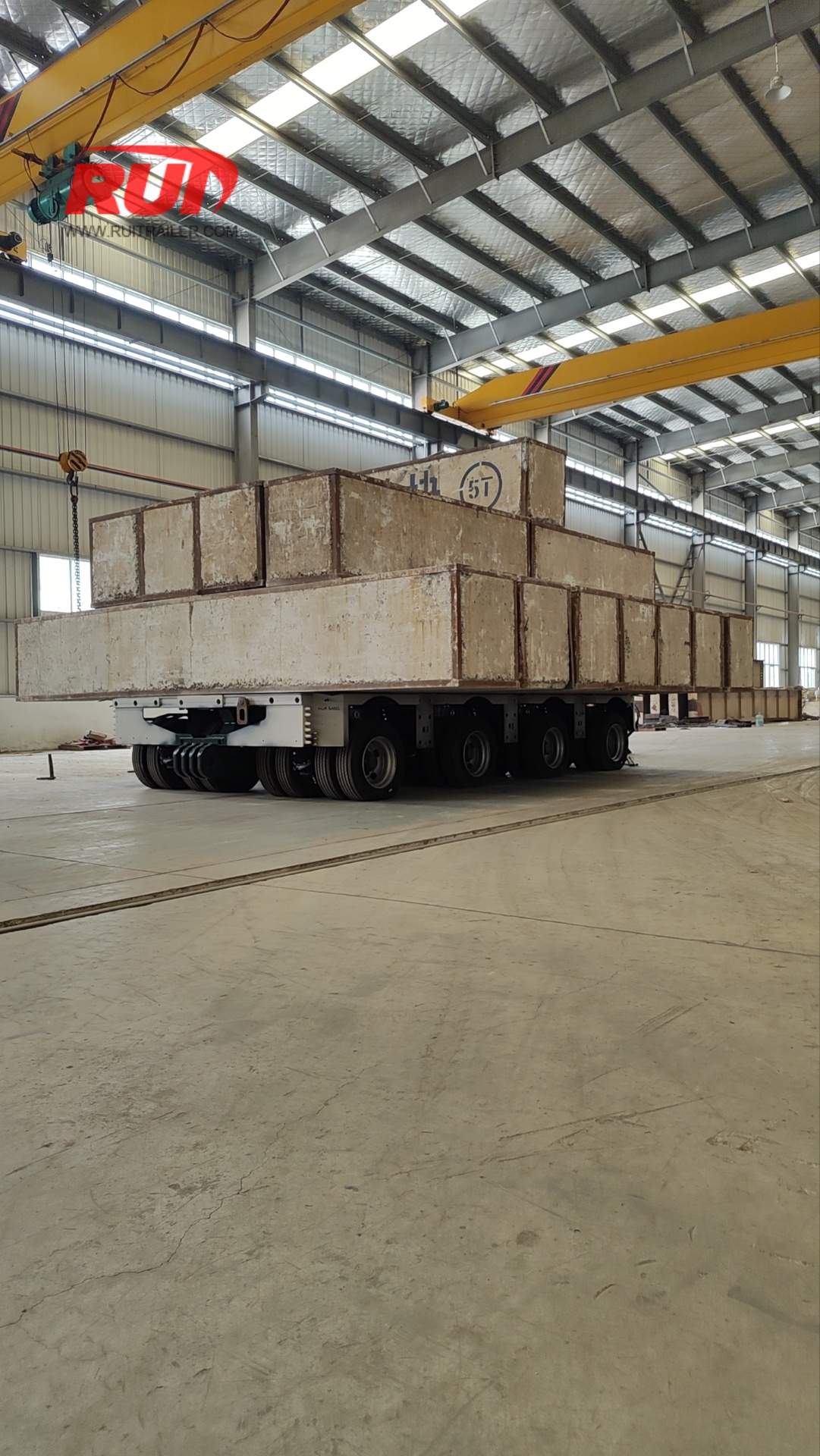
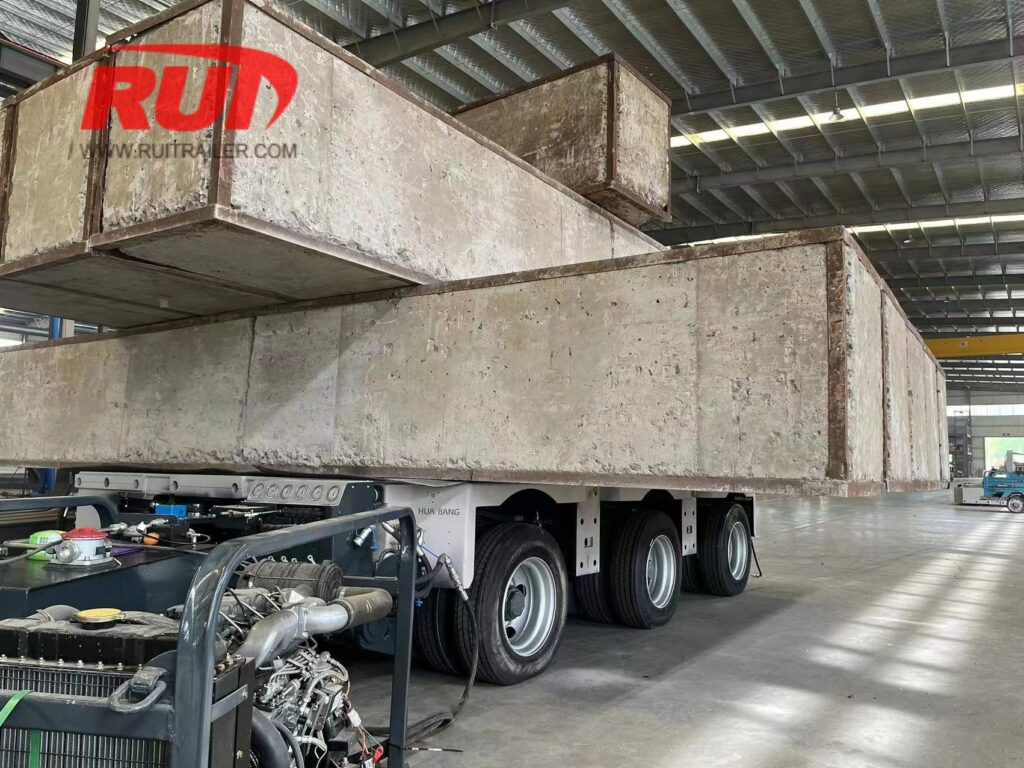
Ever watched a trailer start to fishtail on the highway? It's terrifying. We need to do trailer load test before delivery.
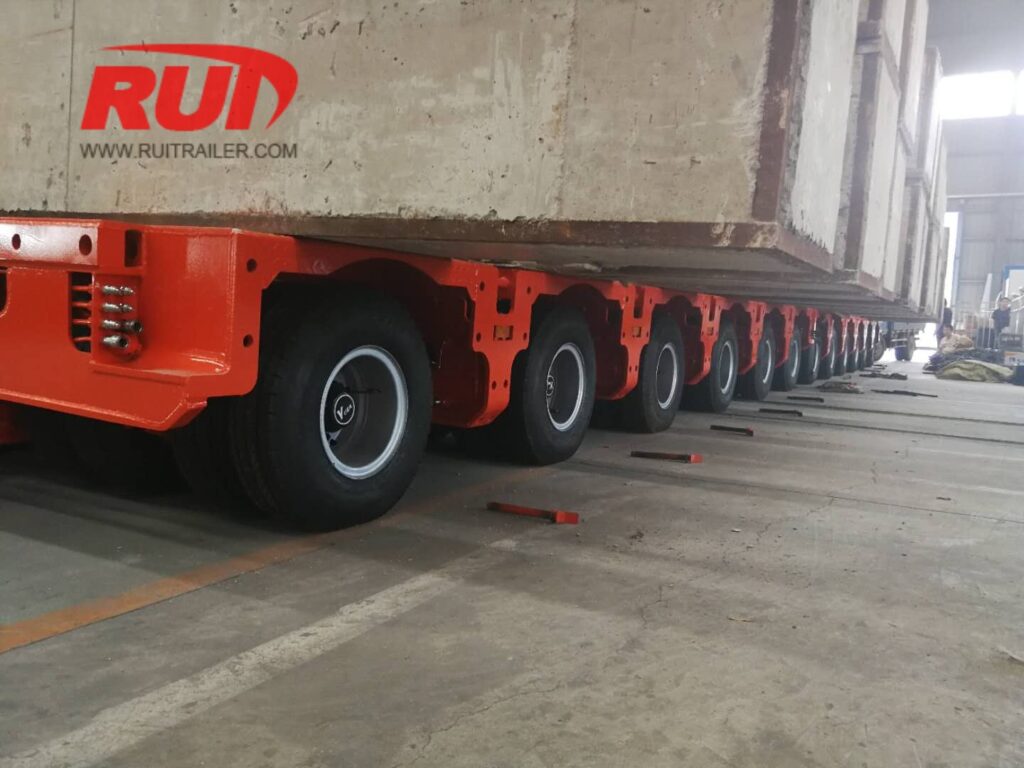
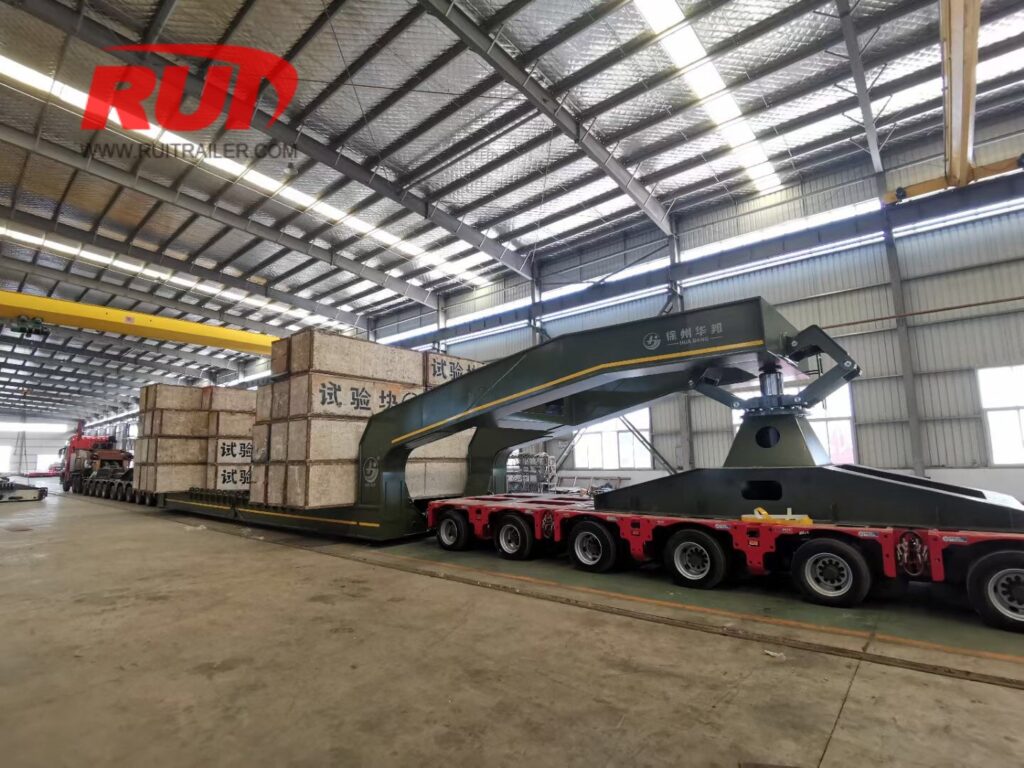
If you want to avoid catastrophic trailer sway, mastering a proper trailer load test isn't optional—it's a critical safety step. Whether you are trying to dial in your exact tongue weight, nail the perfect 60/40 weight distribution, or validate a heavy-duty commercial chassis, getting your balance wrong can destroy your cargo (or worse).
In this guide, you're going to learn exactly how to test, measure, and balance your trailer safely before you ever hit the road.
Let's dive right in.
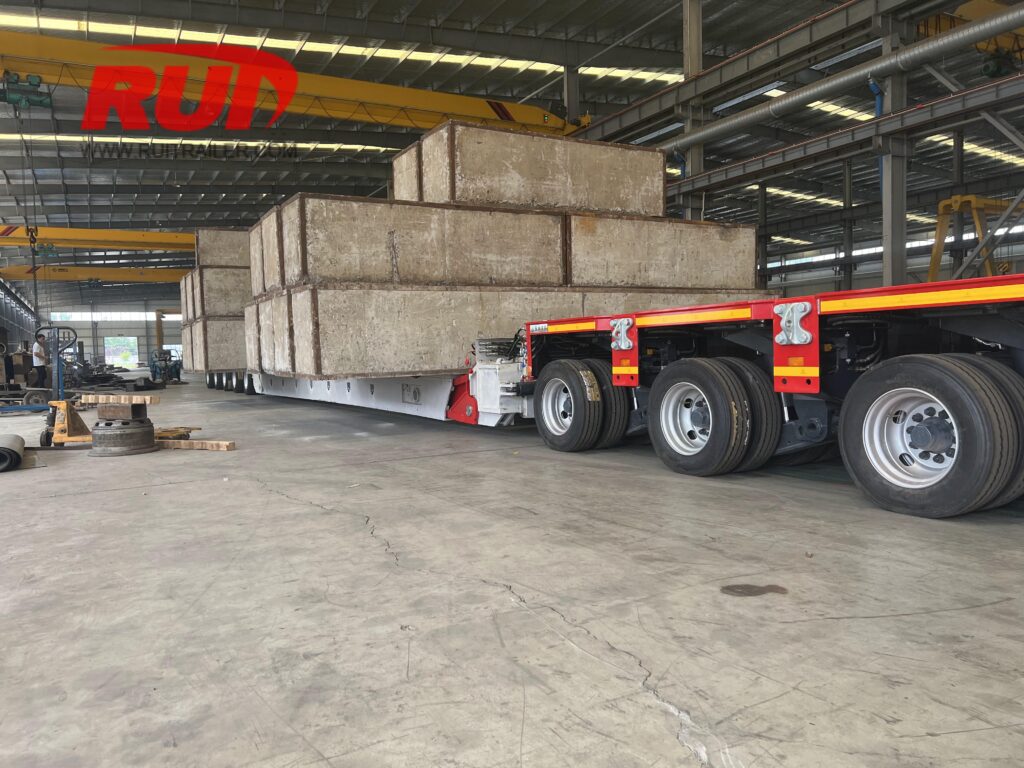
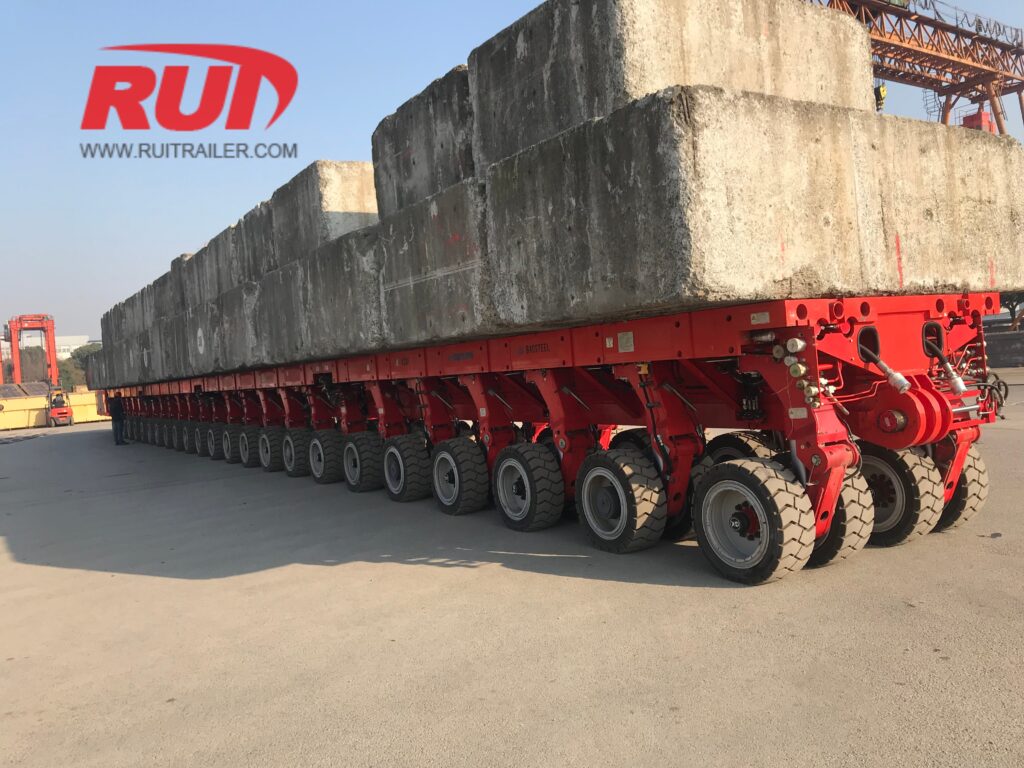
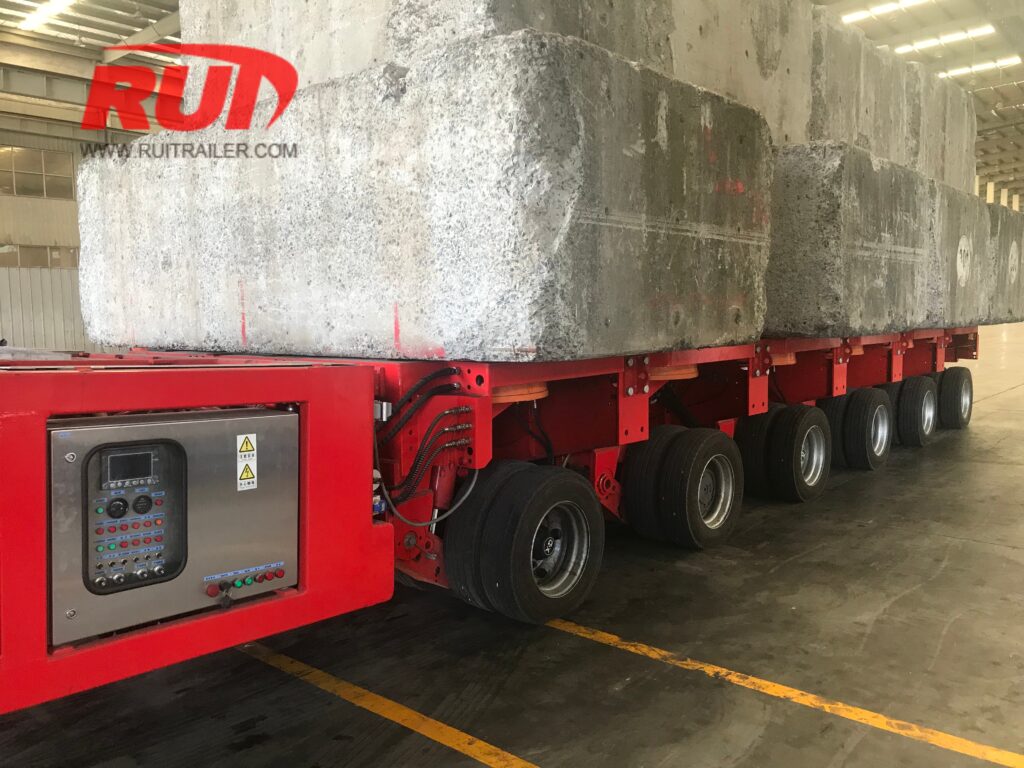
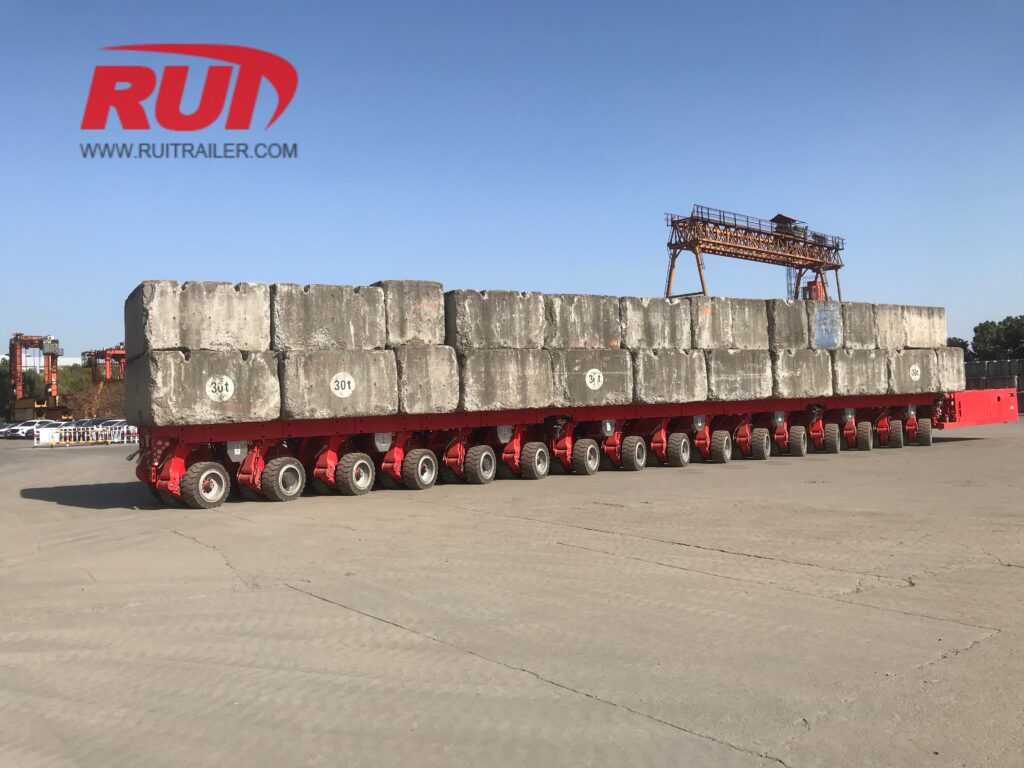
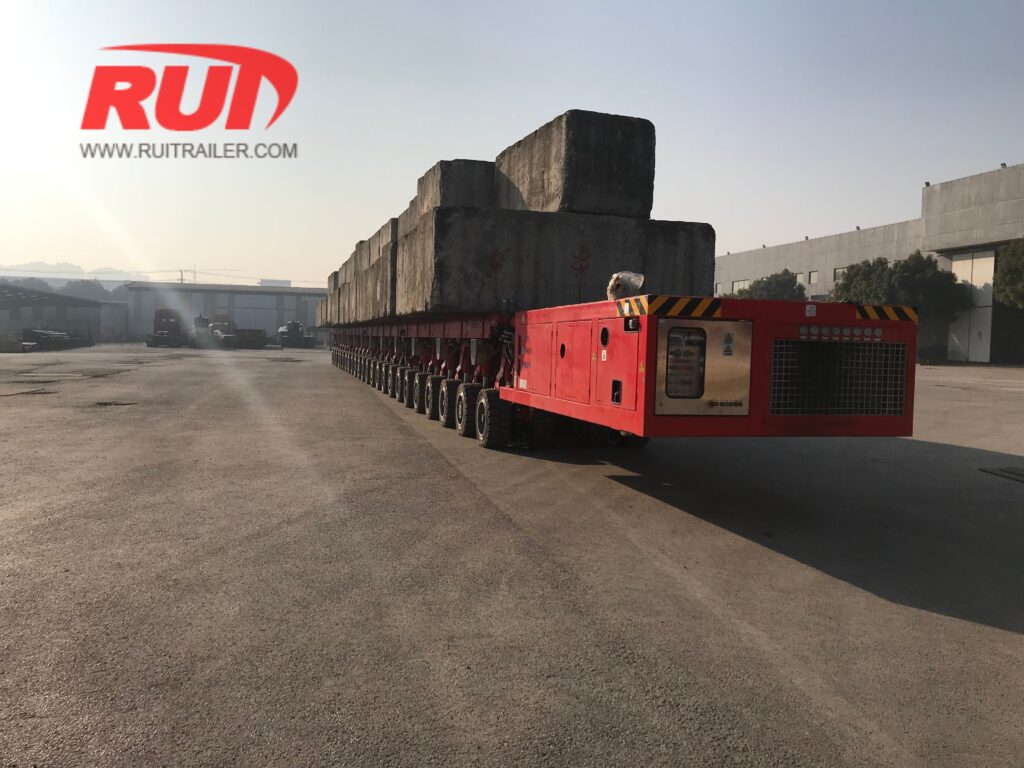
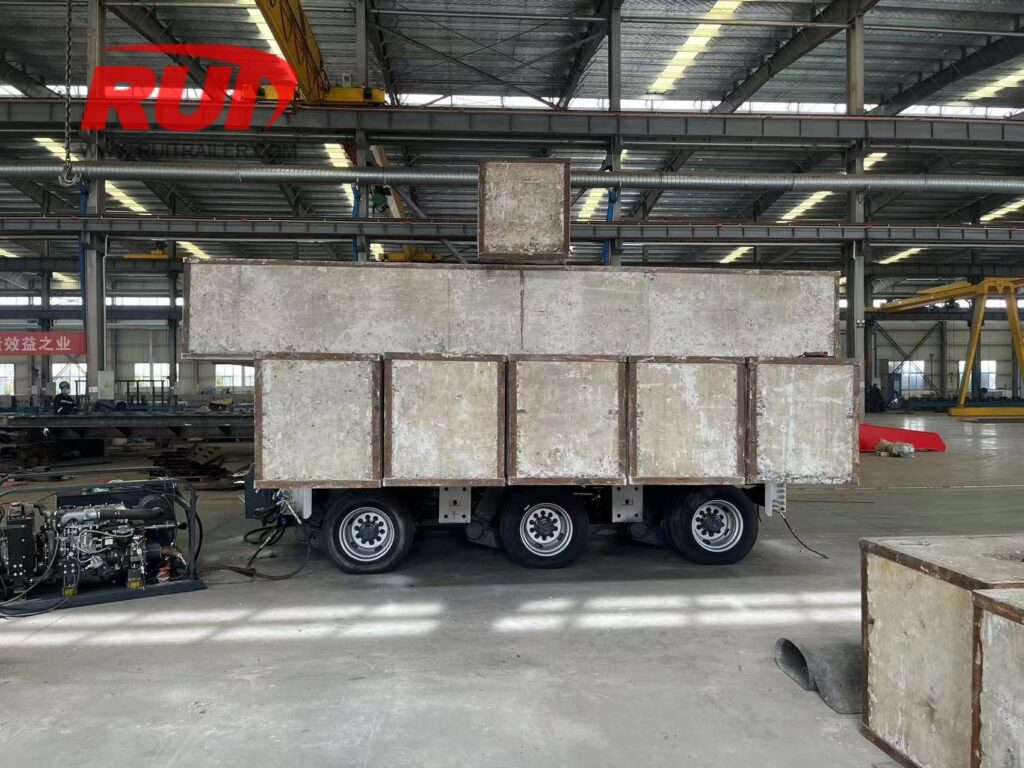
The Engineering Behind a Trailer Load Test: Static vs. Dynamic
When you are hauling heavy equipment across continents, relying on standard weight metrics on a spec sheet isn’t enough. A theoretical maximum payload capacity looks good on paper, but real-world transport demands rigorous, multi-phase physical testing. Before our equipment hits the global market, we push the steel to its limits to guarantee absolute safety and structural integrity verification.
Static Load Testing: Verifying Structural Yield Points
Static load testing focuses on pure structural strength. We apply stationary, extreme overhead forces directly to the trailer chassis to determine its ultimate yield strength validation. By mimicking a massive, unmoving payload, this phase allows us to measure precise trailer chassis deflection and ensure the high-strength steel rebounds perfectly without permanent deformation.
Dynamic Load Testing: Simulating Real-World Road Conditions
A lowbed semi trailer rarely sits still. Dynamic stress analysis is where we simulate actual highway hazards, sudden braking forces, severe kinetic shifts, and uneven terrain. This phase ensures that the tri-axle flatbed capacity can handle the intense twisting, G-forces, and impact shocks of heavy haulage transport without structural failure.
Static vs. Dynamic Testing Methodologies
| Testing Phase | What It Measures | How It's Done | Key Metric Validated |
|---|---|---|---|
| Static Load Testing | Structural yield points & pure weight tolerance | Stationary, extreme overhead force via precise test weights | Maximum load capacity & chassis rebound |
| Dynamic Load Testing | Real-world road stresses & kinetic shifts | Simulated bumpy terrain, sudden braking, and sharp turns | Torsional resistance & factory weight distribution |
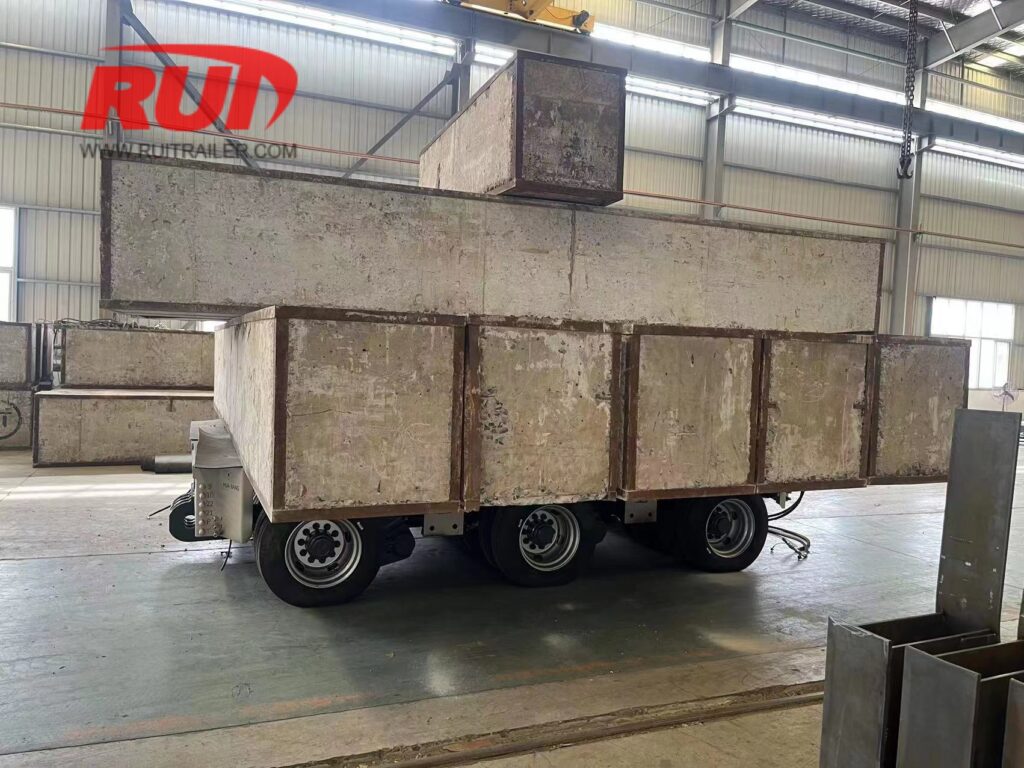
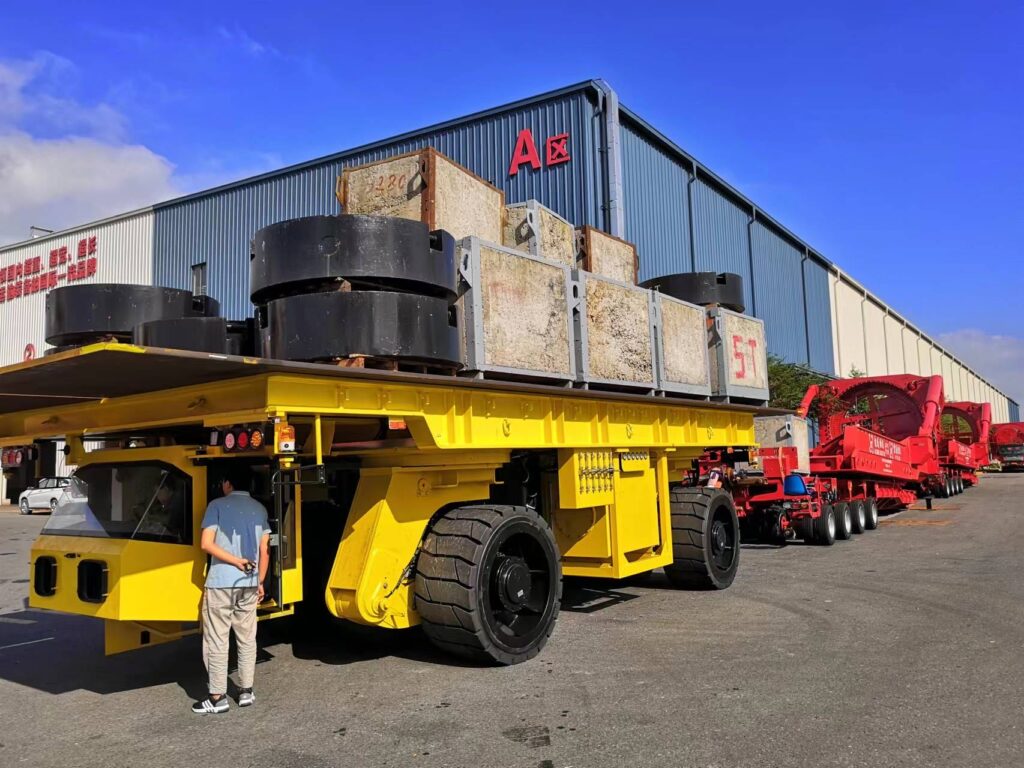
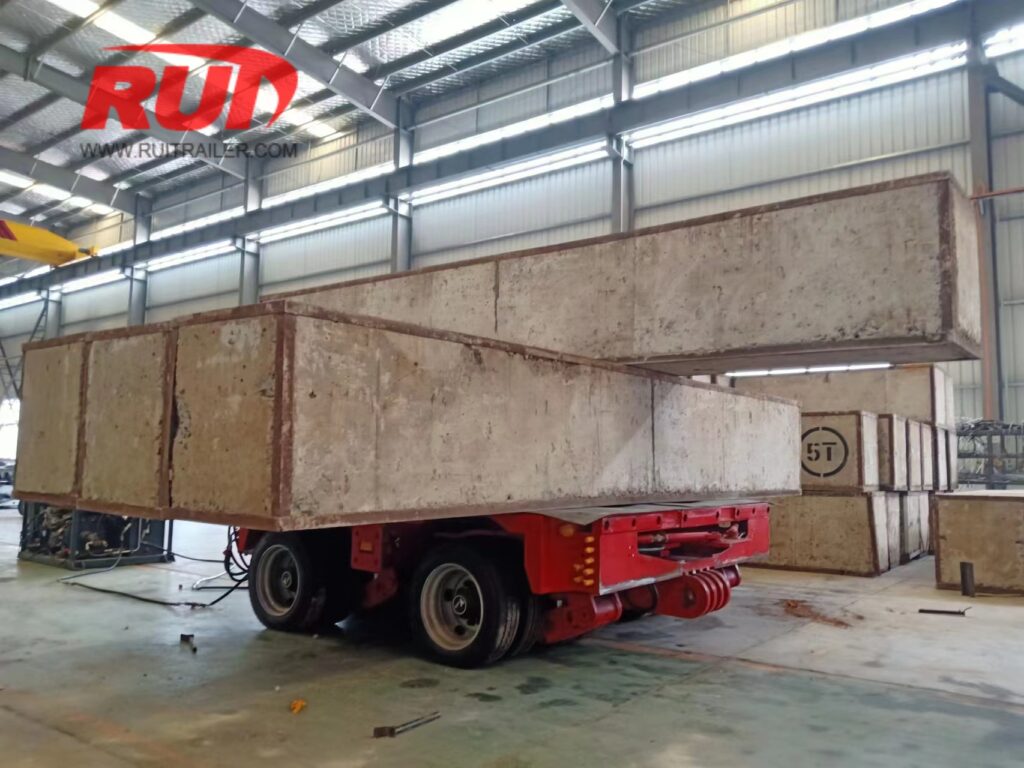
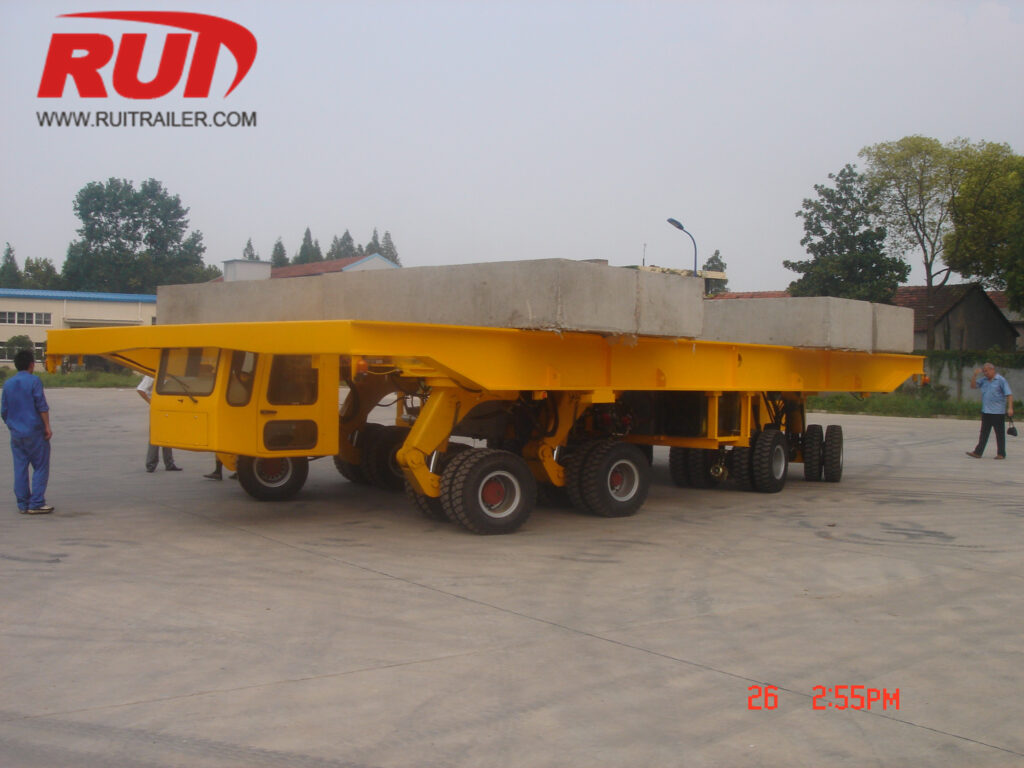
Step-by-Step: How We Execute a 75-Ton Factory Trailer Load Test
When building heavy haulage equipment at our factory in China, we don't just guess the maximum payload capacity—we prove it. Validating a heavy-duty lowbed semi trailer requires a rigorous, multi-phase factory trailer load test.
Here is exactly how our engineering team executes a 75-ton proof load testing procedure to ensure absolute structural integrity verification before shipping.
Phase 1: Pre-Test Inspection & Non-Destructive Testing (NDT)
Before any test weight is loaded onto the deck, the trailer chassis undergoes a complete physical check. We use Non-Destructive Testing (NDT), including ultrasonic and magnetic particle testing, to inspect critical weld joints. This ensures there are no hidden micro-cracks in the high-strength steel before it undergoes dynamic stress analysis.
Phase 2: Finite Element Analysis (FEA) Calibration
We bridge the digital and physical worlds. Our engineers review the trailer's Finite Element Analysis (FEA) model to pinpoint where the highest stress concentrations will occur. We place high-precision electronic strain gauges on these exact localized stress points along the main beams to measure actual performance against our theoretical design models.
Phase 3: Controlled Weight Application
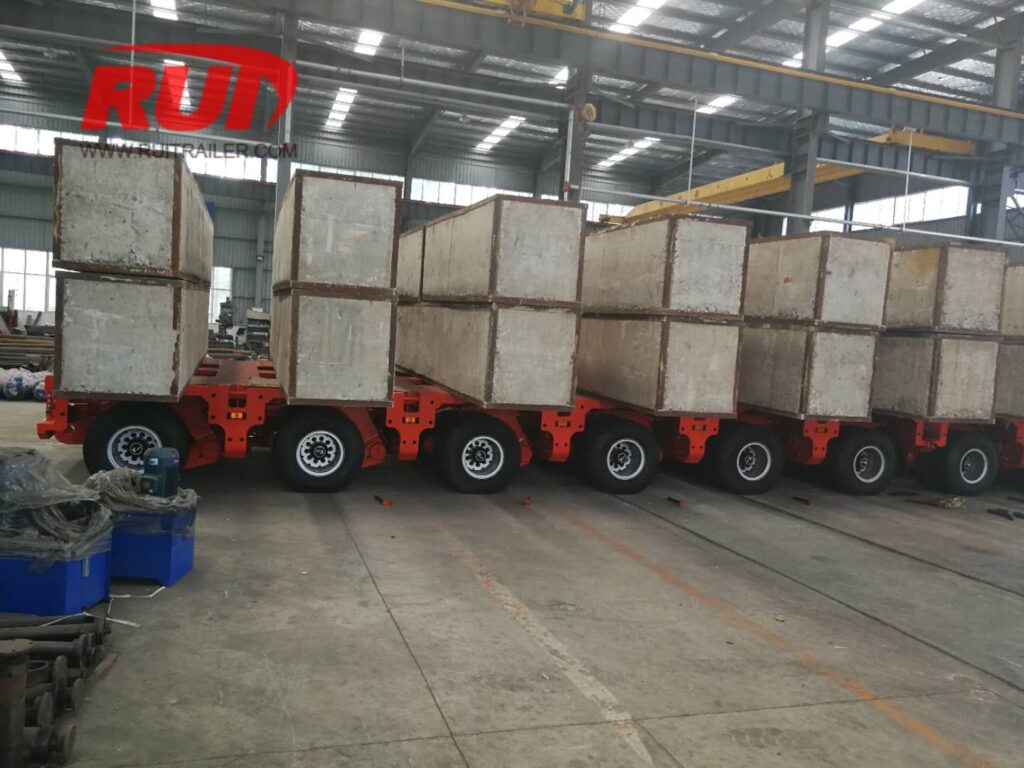
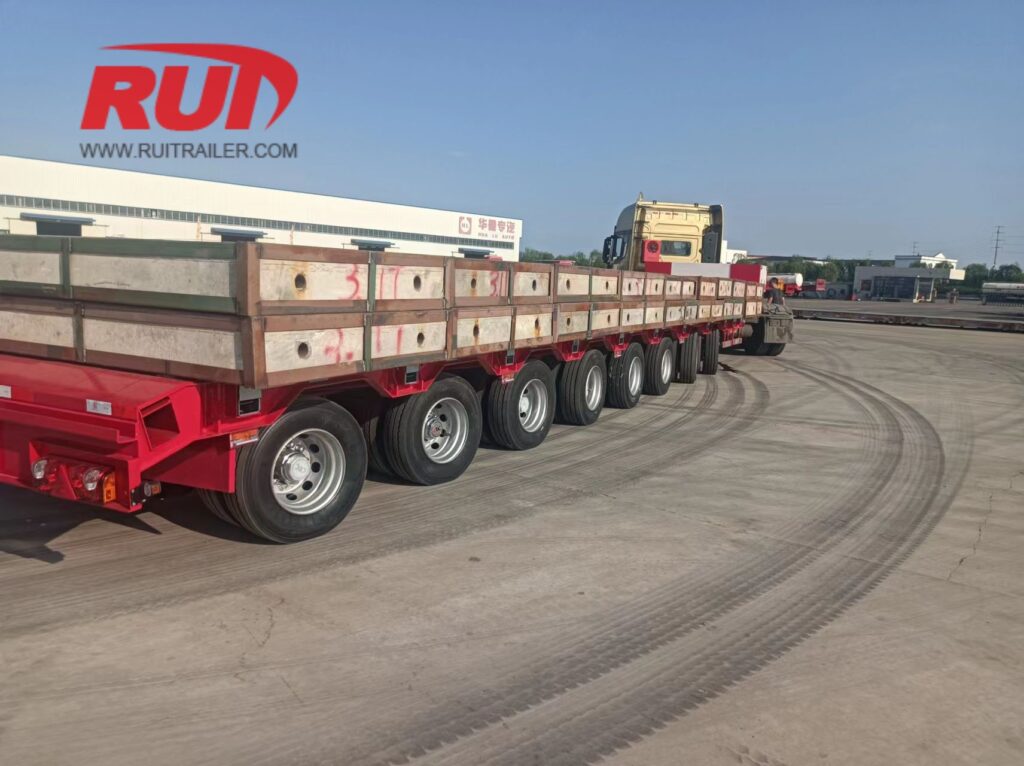
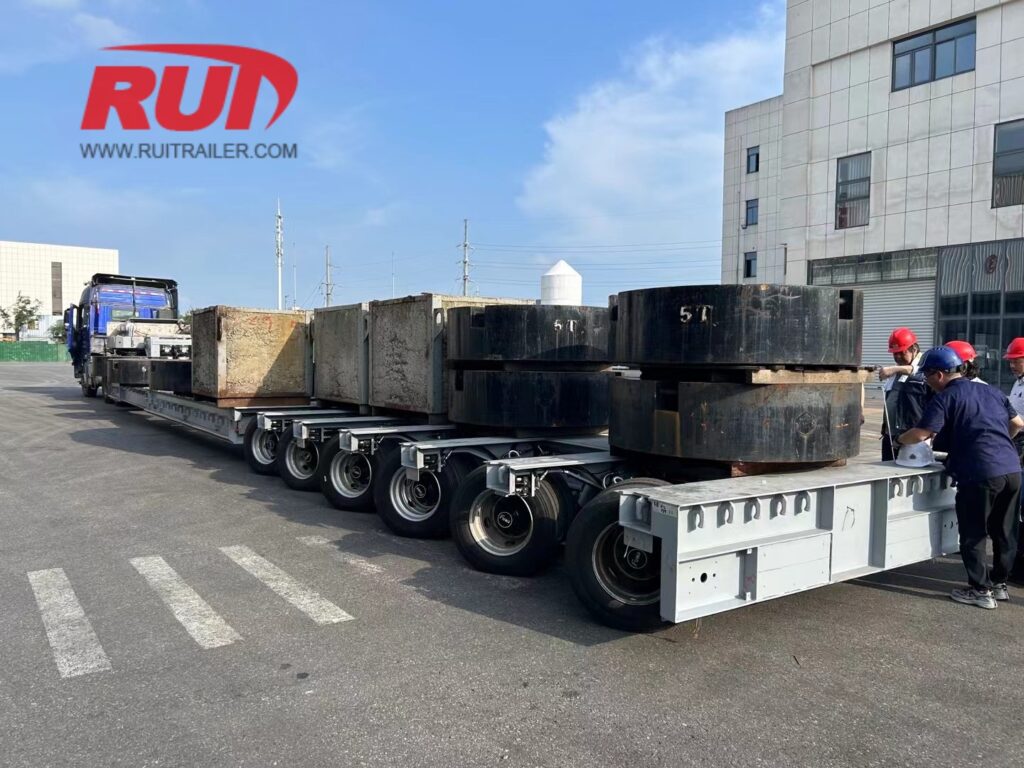
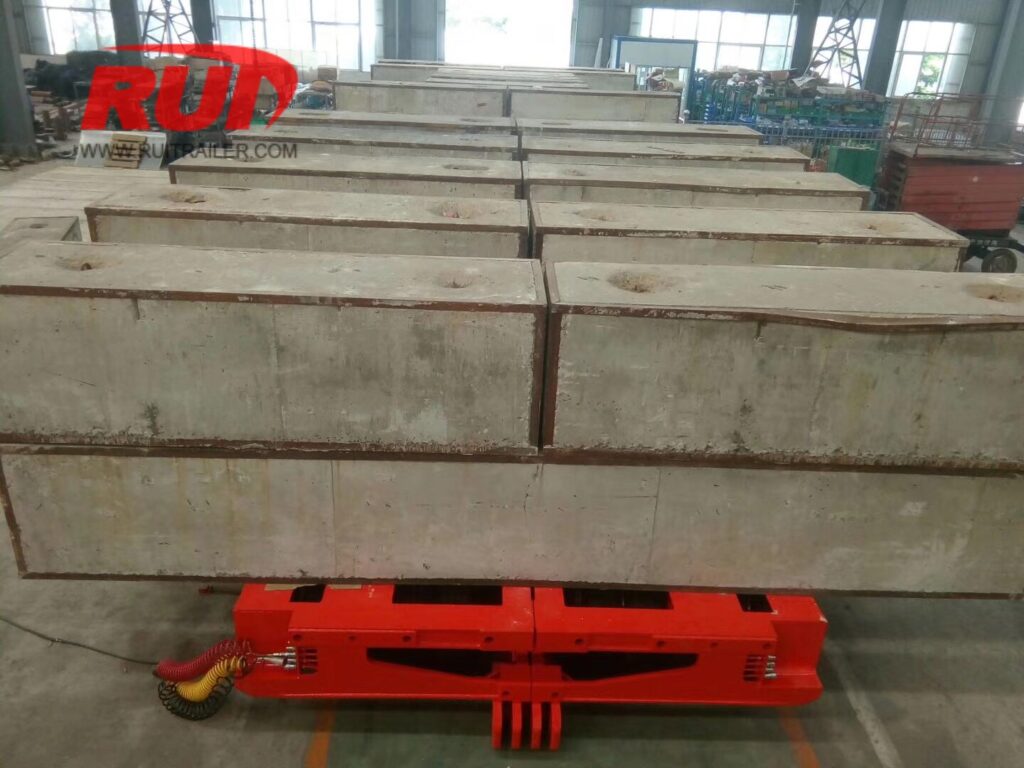
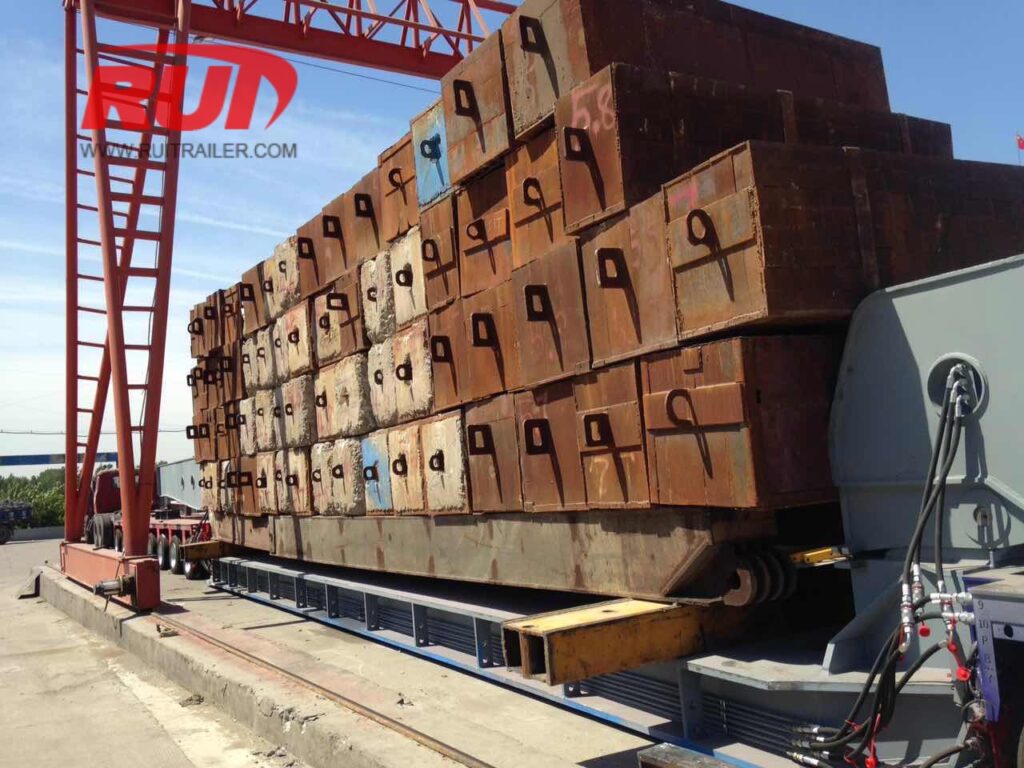
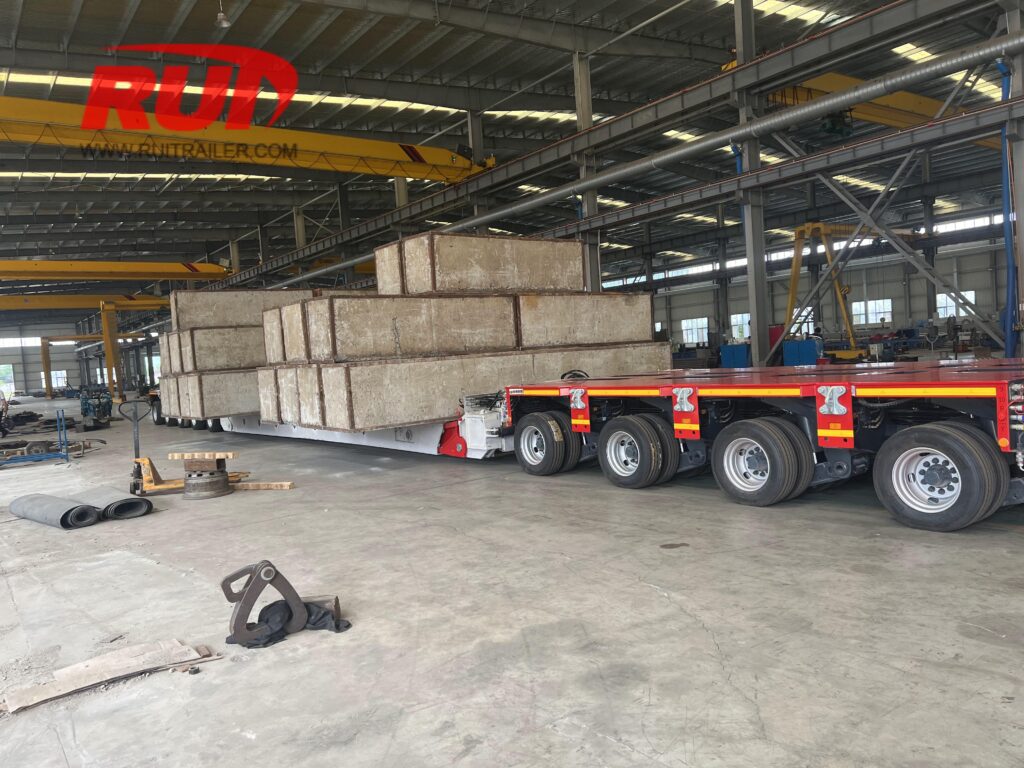
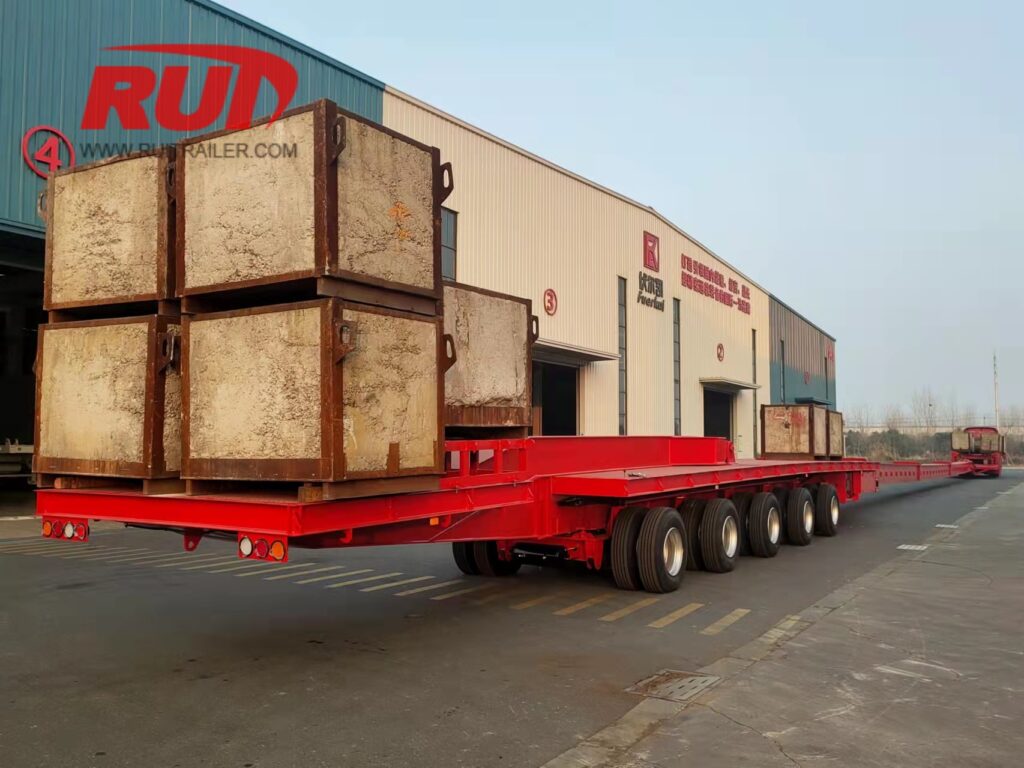
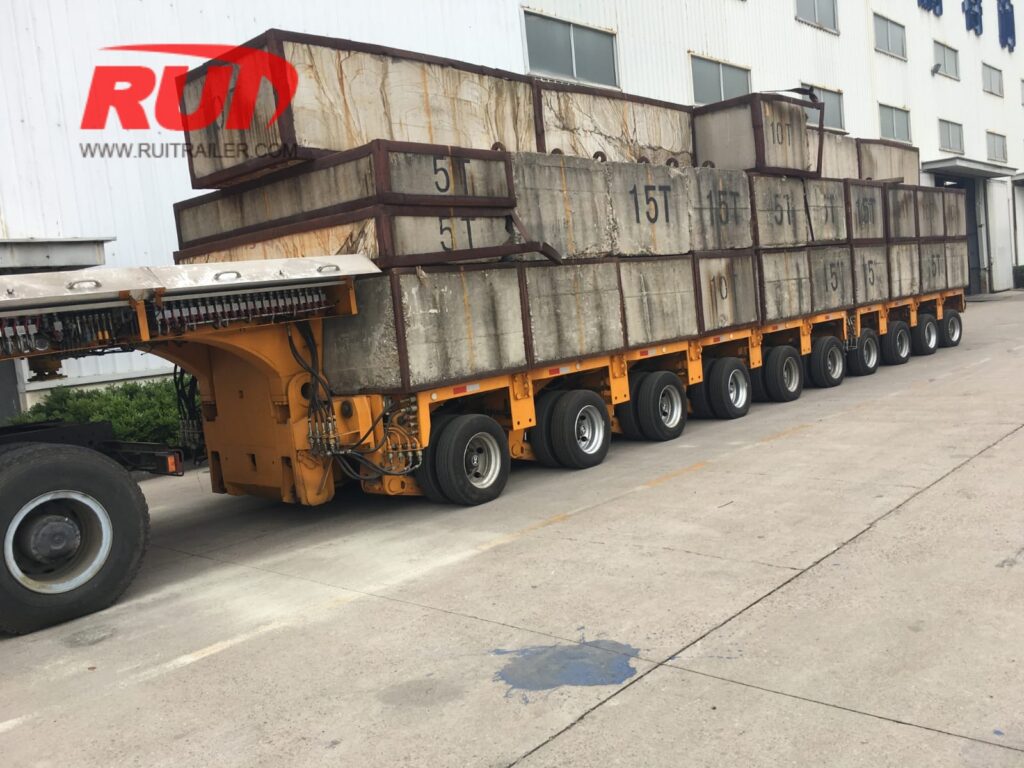
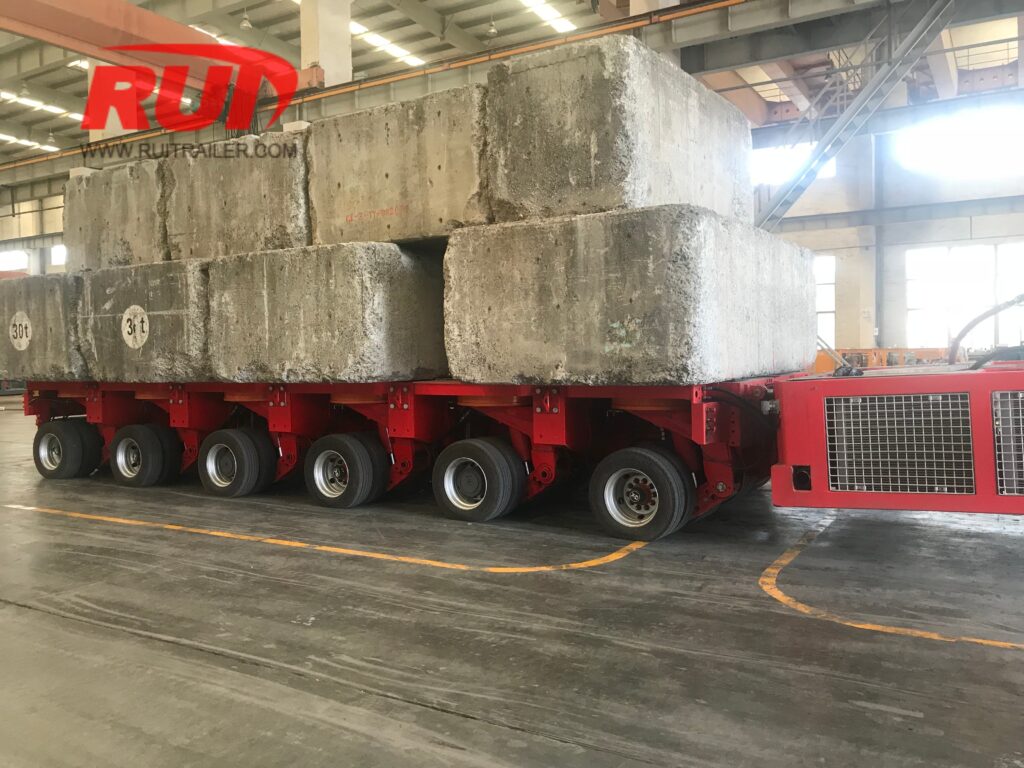
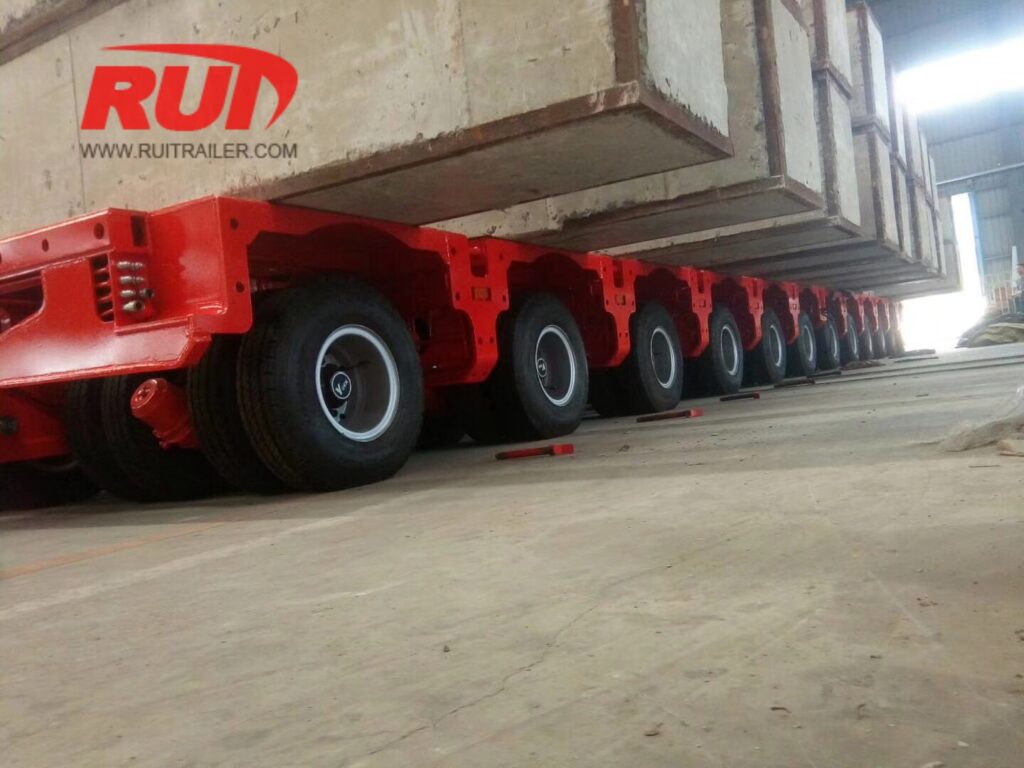
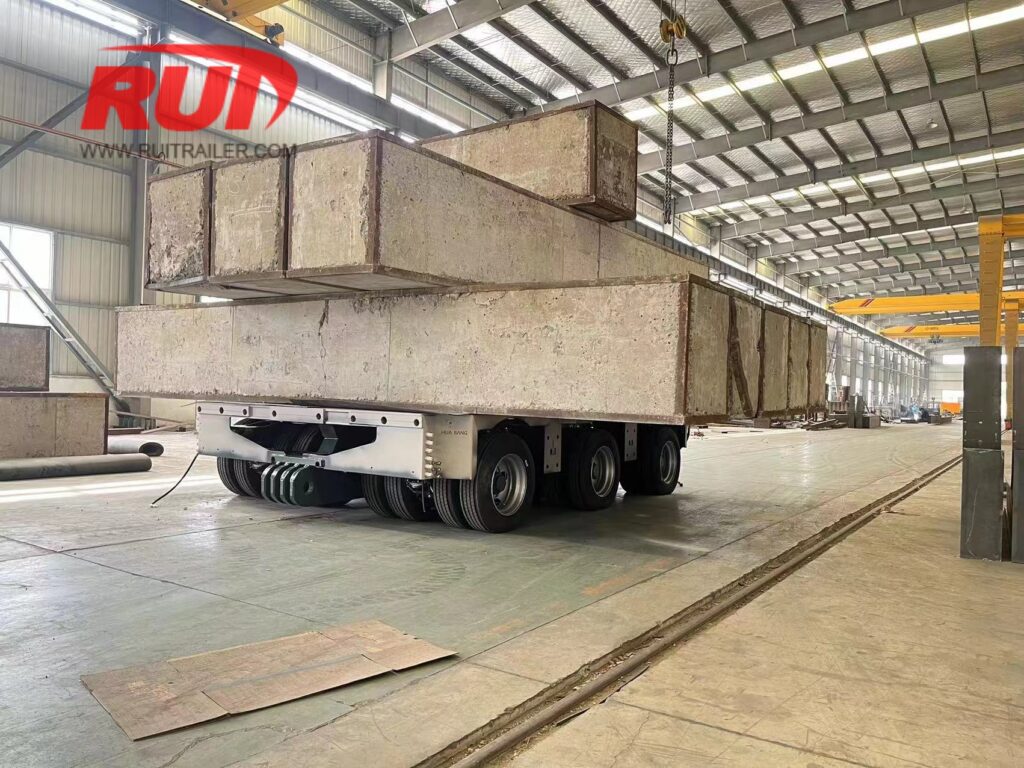
We place the trailer on a calibrated weighing platform and begin a gradual, staged layout of physical test weights. For a 75-ton capacity rating, the proof load testing often goes up to 125% of the standard Gross Vehicle Weight Rating (GVWR). The weight is precisely distributed to simulate real-world factory weight distribution across the main deck.
Phase 4: Deflection Measurement and Real-Time Tracking
With the total pull weight applied, we monitor trailer chassis deflection in real time. We look for two specific metrics:
Elastic Deflection: The temporary bending of the chassis under load, which must match our design limits.
Permanent Deformation: The chassis must return 100% to its original straight profile once the test weight is removed. Zero permanent sag is accepted.
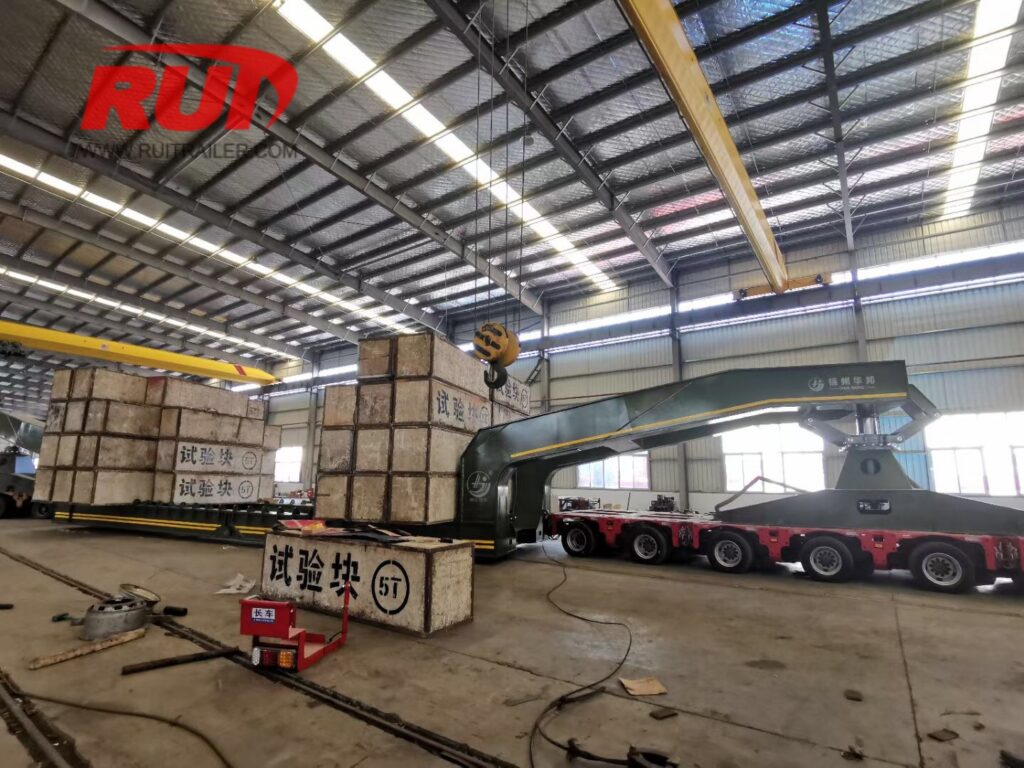
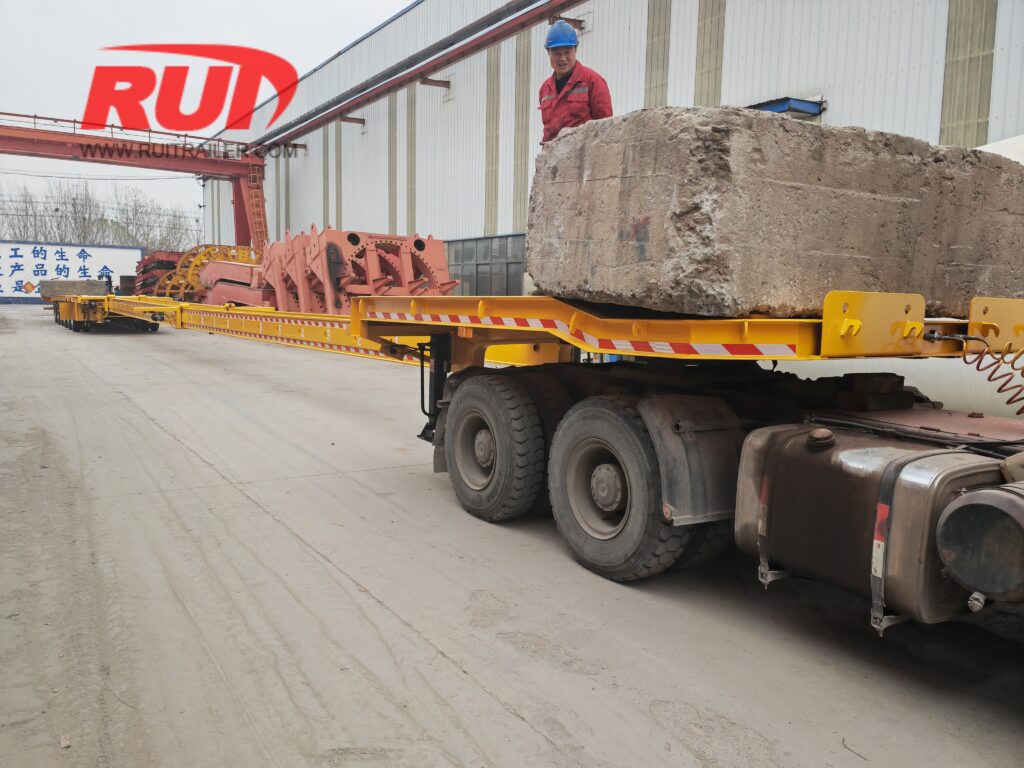
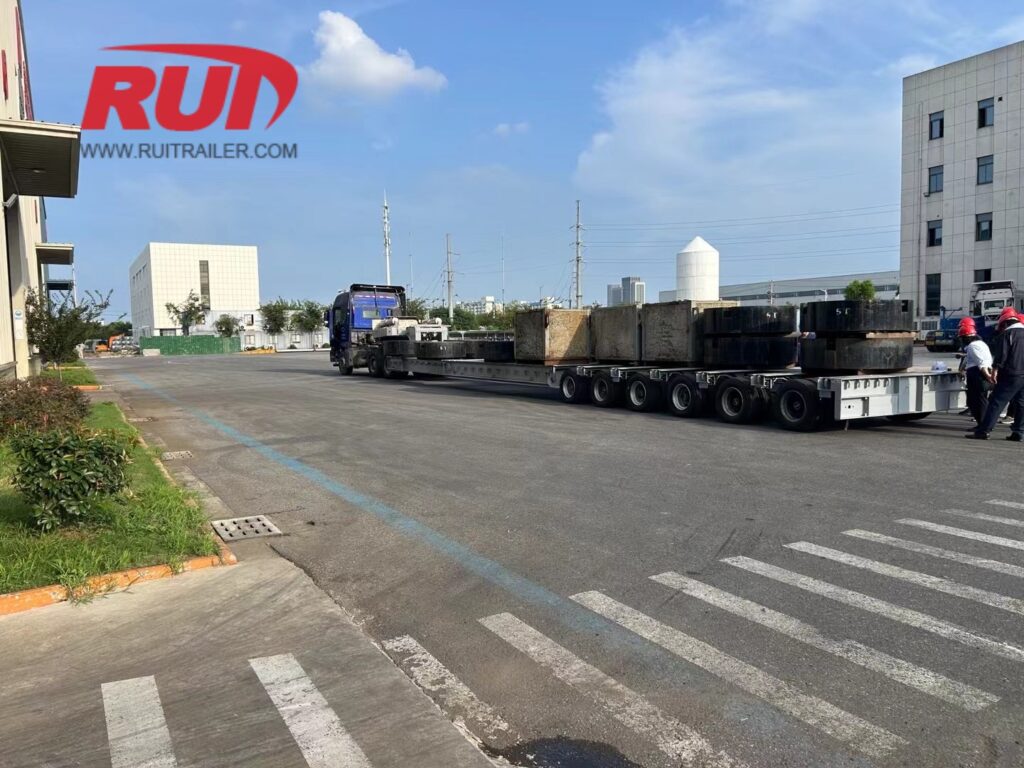
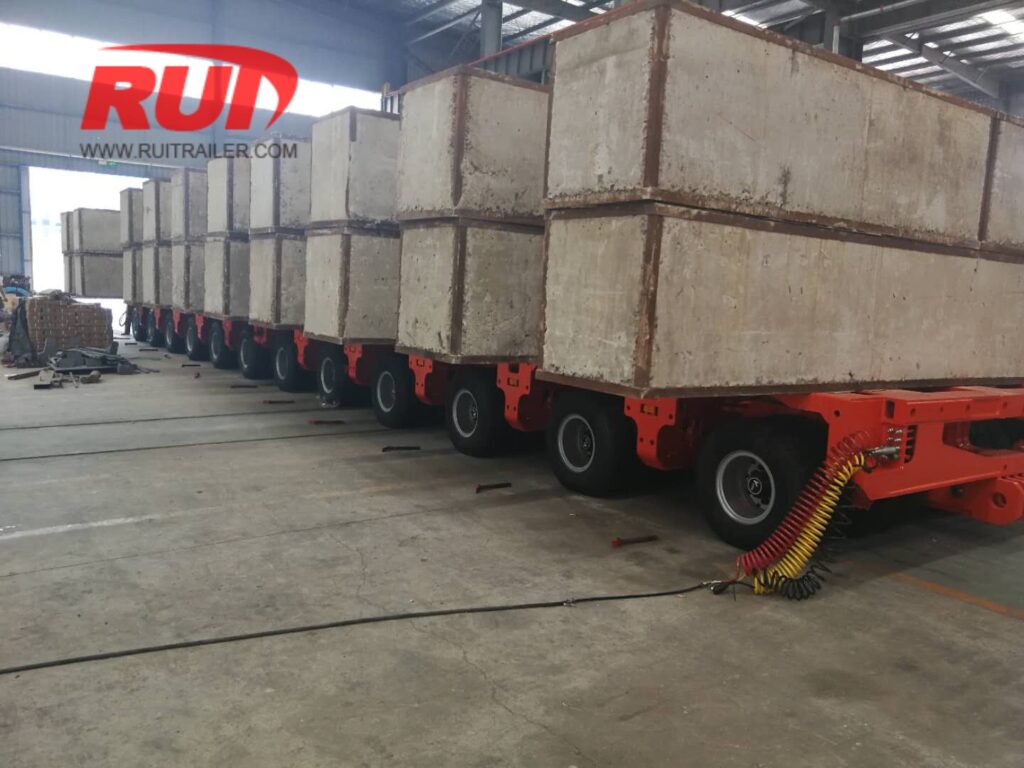
Critical Safety Metrics Validated During a Heavy Haulage Load Test
When we run a factory trailer load test on our heavy-duty equipment, we aren't just checking if the frame holds up. We are pushing the steel, welds, and components to their absolute limits to ensure total reliability on the road. As a dedicated trailer manufacturer, we track four critical safety metrics during every single test.
- Chassis Yield Strength: We use high-strength steel to build our trailers, but a heavy haulage load test is where we prove it. This phase validates that the main beams can handle localized stress points without permanent deformation, ensuring long-term structural integrity verification.
- Axle and Suspension Load Share: If one axle carries too much weight, you risk a catastrophic failure on the highway. We verify the factory weight distribution to ensure the equalizer assemblies share the payload perfectly across a tri-axle flatbed capacity or multi-axle configuration.
- Kingpin and Gooseneck Integrity: The connection point between the truck and the trailer takes massive pulling and lifting forces. For heavy transport, understanding the engineering limits of these components is crucial, which is why we test the structural design under extreme vertical and longitudinal pressure. You can dive deeper into these connections in our folding gooseneck low loader guide.
- Braking and Torsional Resistance: When a heavily loaded lowbed semi trailer hits the brakes or takes a sharp turn, the entire frame wants to twist. We measure this torsional stress to guarantee the trailer resists twisting forces and stays tracked perfectly straight behind your prime mover.
Why Fleet Owners Must Demand Factory Load Test Certification
When you buy a heavy haulage asset, you cannot rely on paperwork alone. You need physical proof. As a dedicated manufacturer, we know that a factory trailer load test certification is the only way to guarantee your equipment performs safely under pressure.
Investing in a certified trailer protects your bottom line in three ways:
- Risk Mitigation: Hauling massive payloads puts extreme stress on high-strength steel. Proof load testing ensures your trailer won't buckle or suffer sudden structural failure, protecting high-value cargo and saving you from massive liabilities.
- ROI and Lifespan Extension: A trailer that undergoes structural integrity verification retains its shape and alignment much longer. When you invest in a quality lowbed semi trailer with proven factory weight distribution, you avoid premature frame fatigue and get a much longer operational life.
- Compliance and Transport Approvals: Getting heavy transport permits requires meeting strict regional regulations. A factory load test certificate provides clear compliance data, making it much easier to get official transport approvals without delays.
The Real Value of Certification
| Operational Benefit | Without Certification | With Factory Load Test |
|---|---|---|
| Safety Assurance | High risk of hairline cracks | Verified yield strength limits |
| Permit Approvals | Delayed by regulatory checks | Fast-tracked transport clearance |
| Resale Value | Drops due to unverified wear | Stays high due to documented integrity |
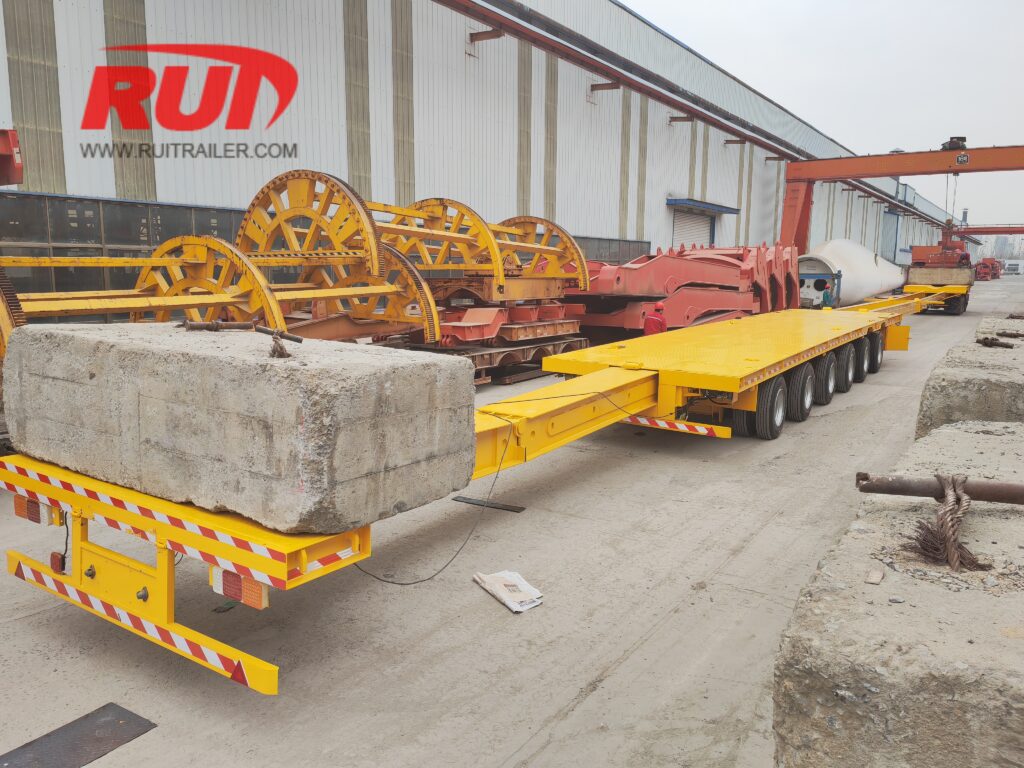
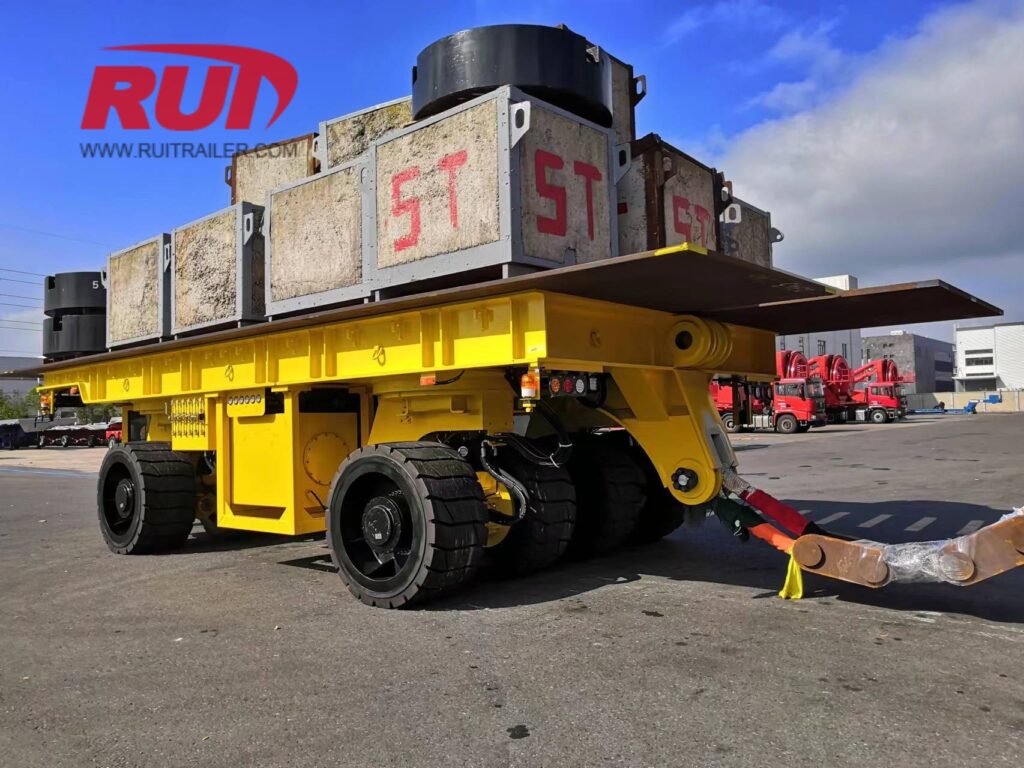
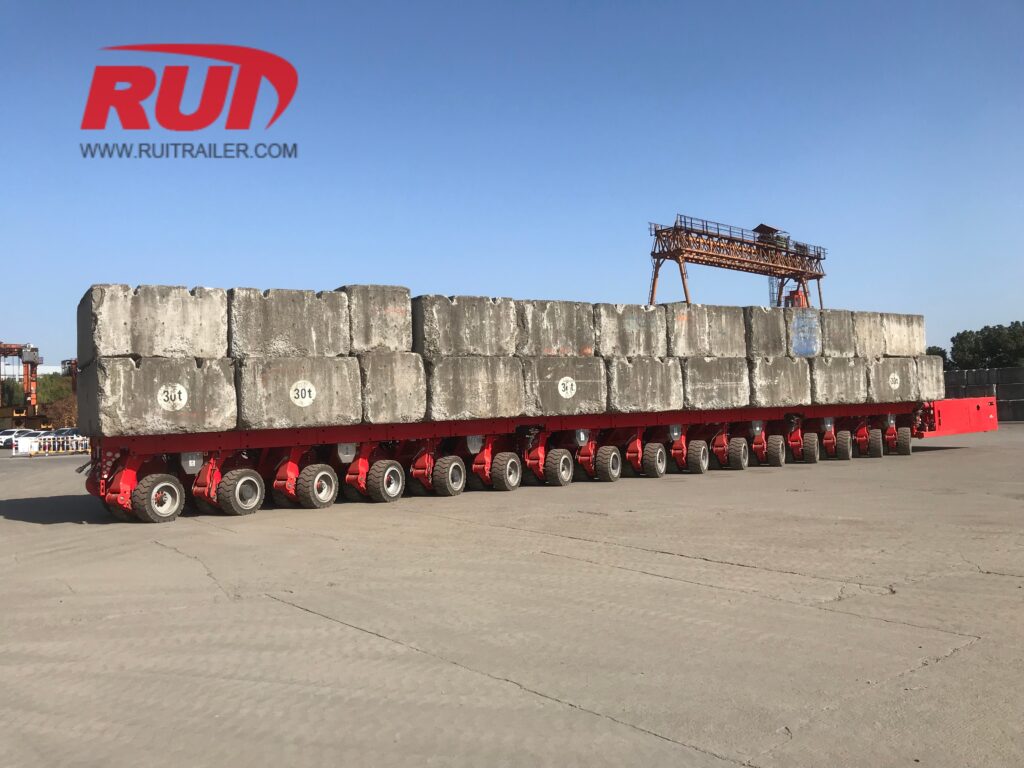
FAQs About Trailer Load Test Processes
What is the difference between static and dynamic trailer load testing?
Static testing checks structural yield points using stationary weights. Dynamic testing simulates real road conditions like braking, bumps, and turns.
| Testing Type | Setup | Purpose |
|---|---|---|
| Static Testing | Stationary test weight | Verifies maximum yield strength and trailer chassis deflection |
| Dynamic Testing | Moving payload on rough terrain | Evaluates braking forces, kinetic shifts, and suspension balance |
How much weight is applied during a standard trailer load test?
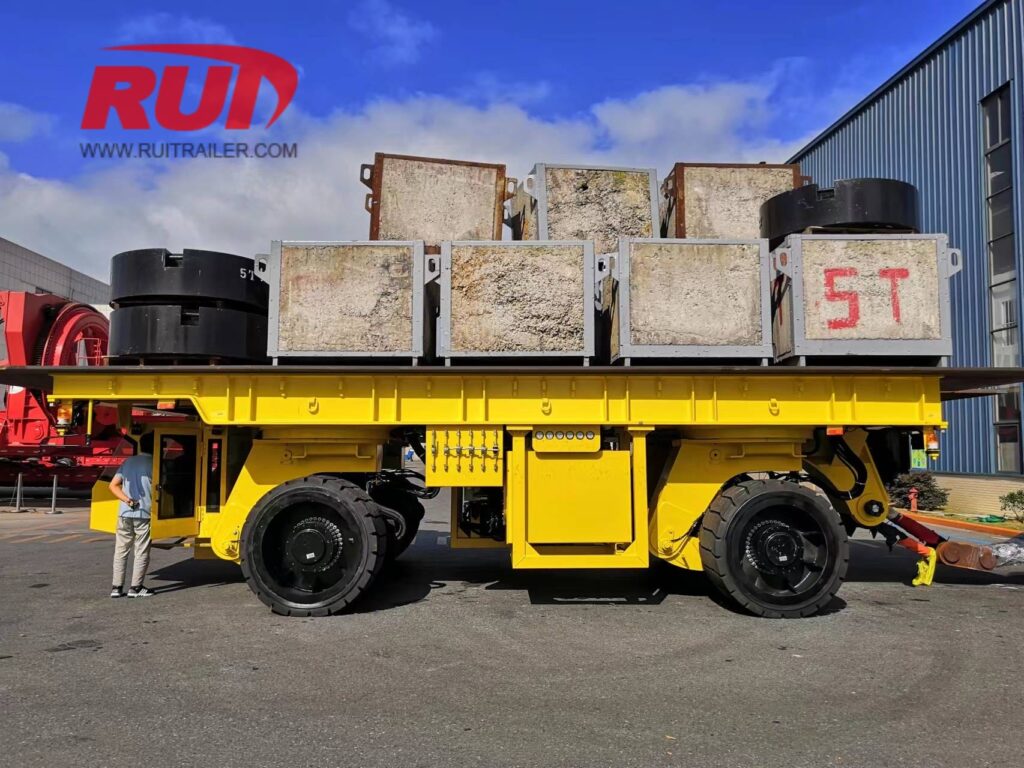
We typically apply a proof load of 110% to 125% of the trailer’s Gross Vehicle Weight Rating (GVWR). For example, a 75-ton heavy haul trailers model undergoes structural validation with up to 93.75 tons of distributed test weight to guarantee an absolute safety margin before leaving our factory.
What happens if a trailer chassis deforms permanently during a test?
If a chassis deforms permanently, it means the steel exceeded its yield strength validation point. The design fails certification. At our factory, we scrap the compromised components, re-analyze the frame via Finite Element Analysis (FEA), and upgrade the structural steel thickness or grade before rebuilding.
How often should heavy haulage trailers undergo structural validation?
- Factory Level: Every new heavy duty hydraulic transport unit must pass a rigorous factory load test before delivery.
- In-Service Level: We recommend professional structural integrity verification every 2 to 5 years, or immediately following any major accident, frame modification, or severe overloading incident.
Related Sources
 English
  German
  Turkish
  French
  Portuguese
  Russian
  Arabic
  Hindi
Hindi  Vietnamese
  Chinese
  Spanish
  Indonesian
  Swahili