

What Is an RGN Trailer?
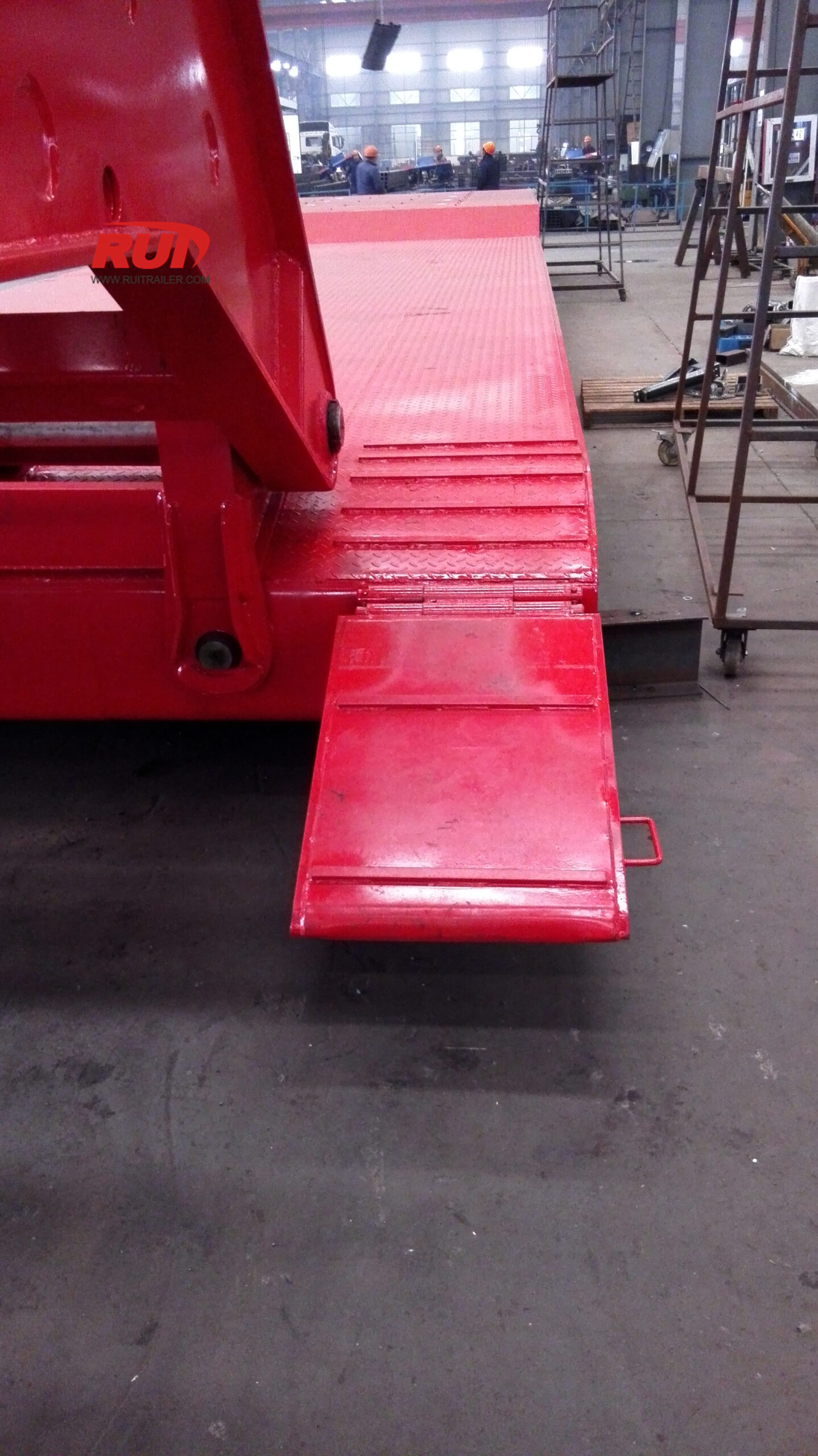
An RGN trailer (Removable Gooseneck trailer) is a specialized heavy-haul transport platform designed with a detachable front end. Engineered specifically for oversized, tall, and exceptionally heavy machinery, the RGN design allows the front section of the trailer to disconnect, lowering the main deck directly to the ground to create an integrated drive-on ramp.
Definition and Meaning of Removable Gooseneck
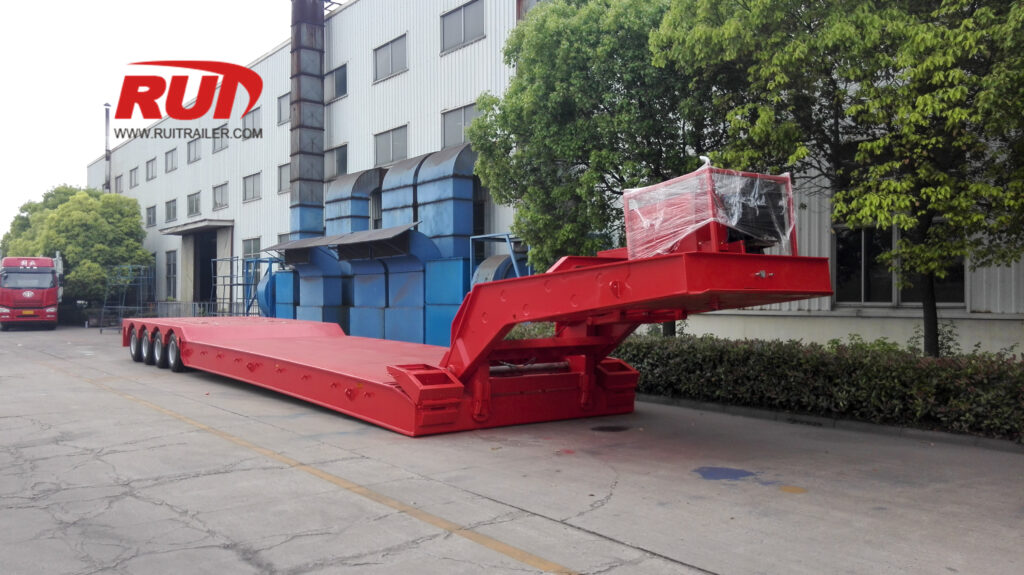
The term RGN stands for Removable Gooseneck. Unlike standard fixed-neck trailers, an RGN features a detachable neck connection between the tractor unit and the trailer bed.
- Drive-On Loading: Removing the neck exposes the front of the low-profile deck, allowing self-propelled machinery to drive directly on and off.
- Elimination of Extra Equipment: No external cranes, heavy ramps, or specialized loading docks are required.
- Height Optimization: The low deck height allows tall equipment to remain within legal road height limits during heavy haul transport.
 How RGN Trailers Work and Detaching Mechanism
 How RGN Trailers Work and Detaching Mechanism
An RGN trailer operates through three primary structural sections engineered for high structural integrity:
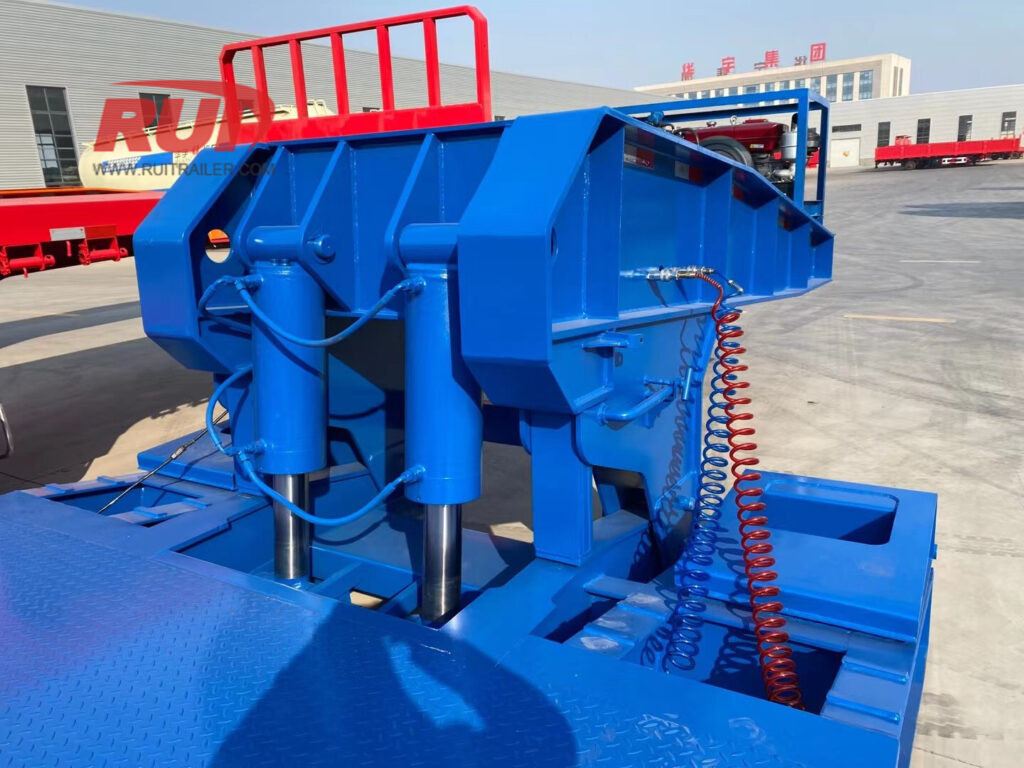
- The Gooseneck (Front): Connects to the prime mover's fifth wheel and houses the hydraulic or mechanical detaching mechanism.
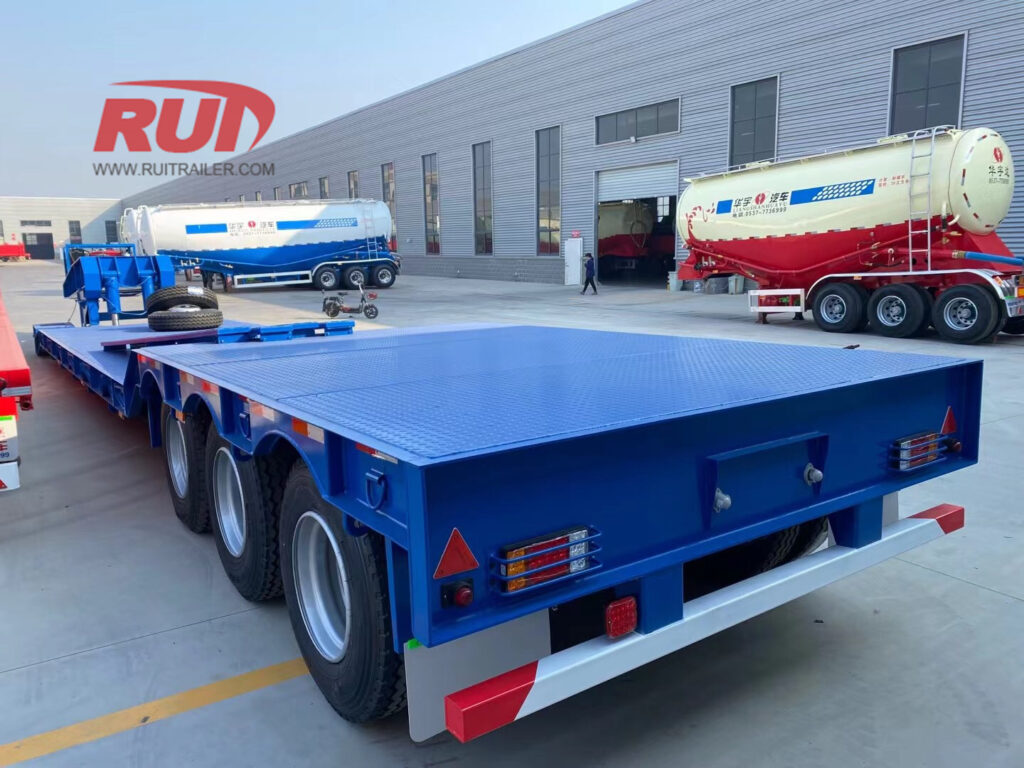
- The Main Deck (Center Well): The drop-deck carrying area with minimal ground clearance, designed to support high-tonnage payload weight capacity.
- The Wheel Area (Rear): The tandem or multi-axle bogie system providing rear structural support and weight distribution.
+----------------+ +---------------------------+ +----------------+
| Gooseneck | ---> | Main Deck Well Area | <--- | Rear Axles |
| (Detaches/Lifts) | (Low-Clearance Drop Deck) | | (Wheel System) |
+----------------+ +---------------------------+ +----------------+
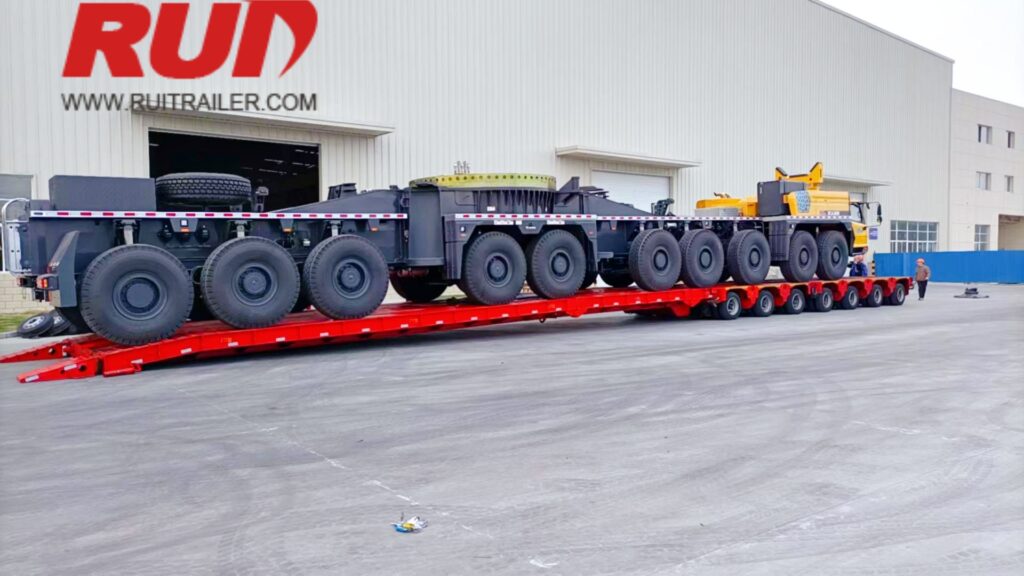
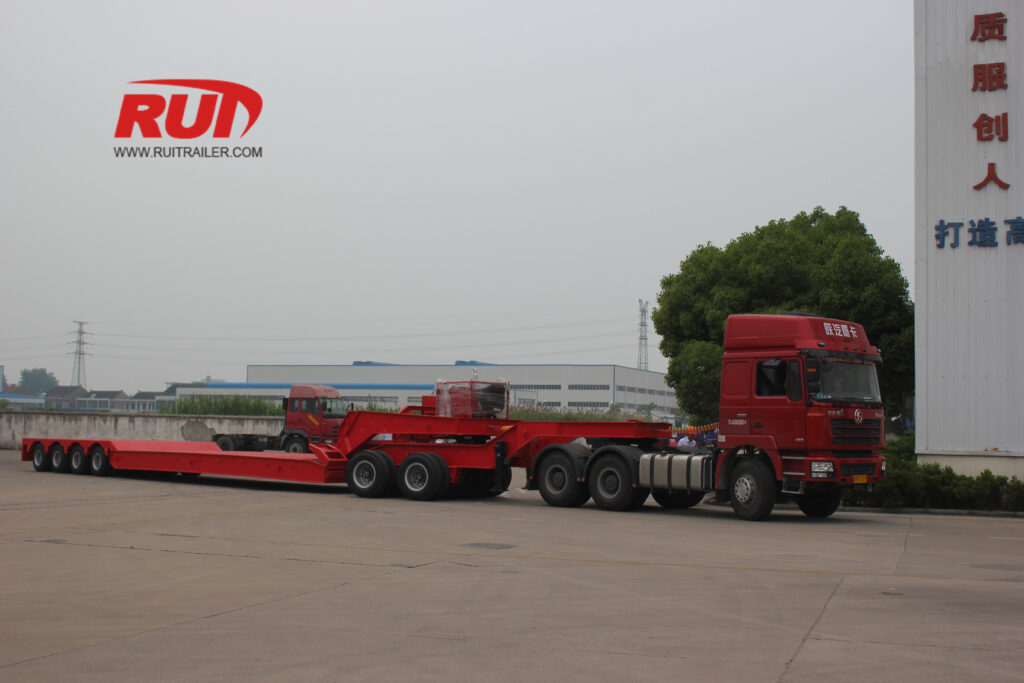
During loading, operators lower the trailer support, disconnect the gooseneck from the main deck, and drive the truck forward. This drops the front edge of the center well to ground level, forming a stable, low-incline ramp for bulldozers, excavators, and other heavy equipment. Once loaded, the tractor backs up, re-attaches the gooseneck, and hydraulically lifts the deck to travel height.
 Key Specifications, Dimensions, and Weight Capacities
 Key Specifications, Dimensions, and Weight Capacities
RGN trailers are designed to handle demanding commercial hauling requirements. Below is the general technical profile of standard configurations:
| Technical Feature | Standard RGN Parameter | Function & Application |
|---|---|---|
| Main Deck Well | Drop-deck low-profile structure | Lowers overall cargo center of gravity |
| Loading Access | Front drive-on ramp mechanism | Direct loading for self-propelled equipment |
| Structural Zones | Gooseneck, Main Deck, Rear Axle Base | Distributes high-tonnage point loads evenly |
| Hauling Capability | Heavy-duty, high-tonnage rating | Engineered for industrial, mining, and earthmoving units |
| Height Clearance | Low deck height profile | Accommodates tall equipment exceeding standard flatbed limits |
- Exceptional Structural Rigidity: Heavy-grade high-tensile steel frames prevent deck sagging under concentrated machinery weight.
- Versatile Axle Setups: Configurations adapt to regional weight regulations to ensure balanced axle loading for heavy machinery transport.
Types of RGN Trailers
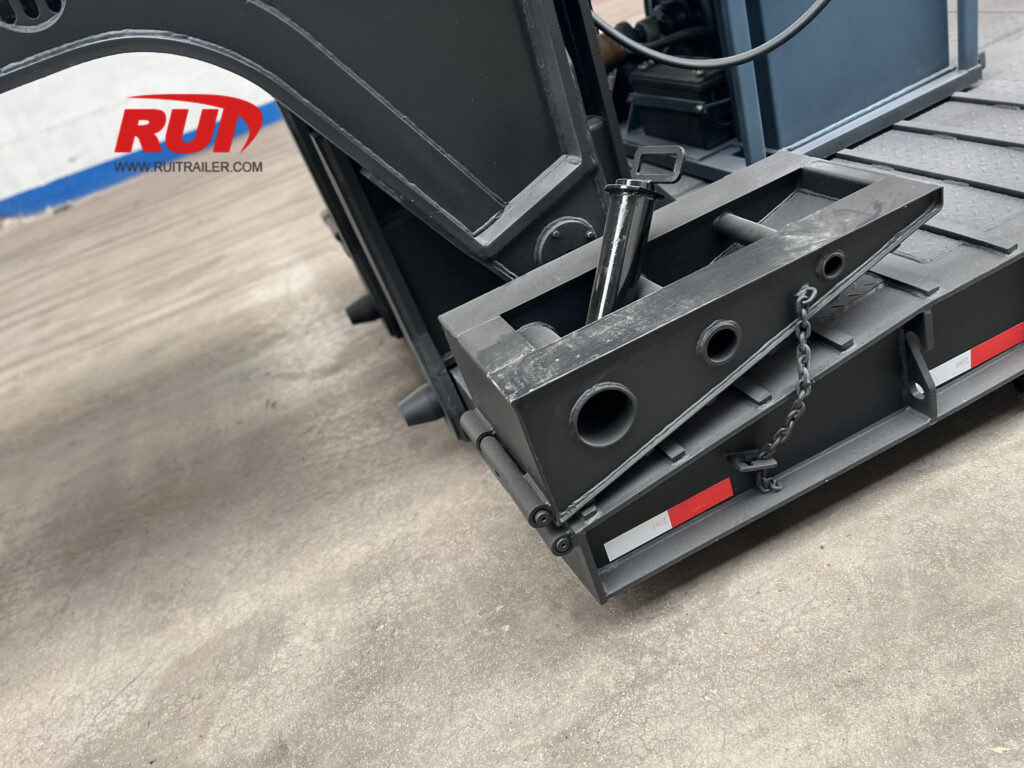 Types of RGN Trailers
Different hauling jobs demand specific axle setups and deck structures to balance weight distribution, maneuverability, and legal road restrictions. We manufacture several variations of the removable gooseneck trailer to match diverse heavy-haul requirements.
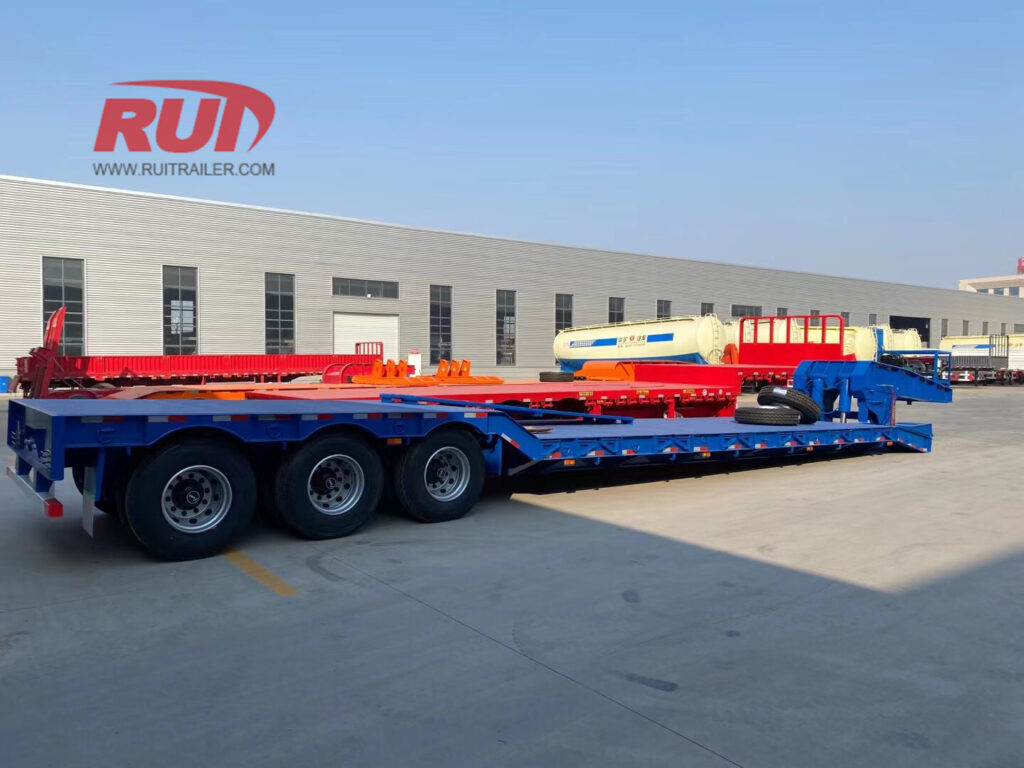
Standard 3-Axle RGN Trailers
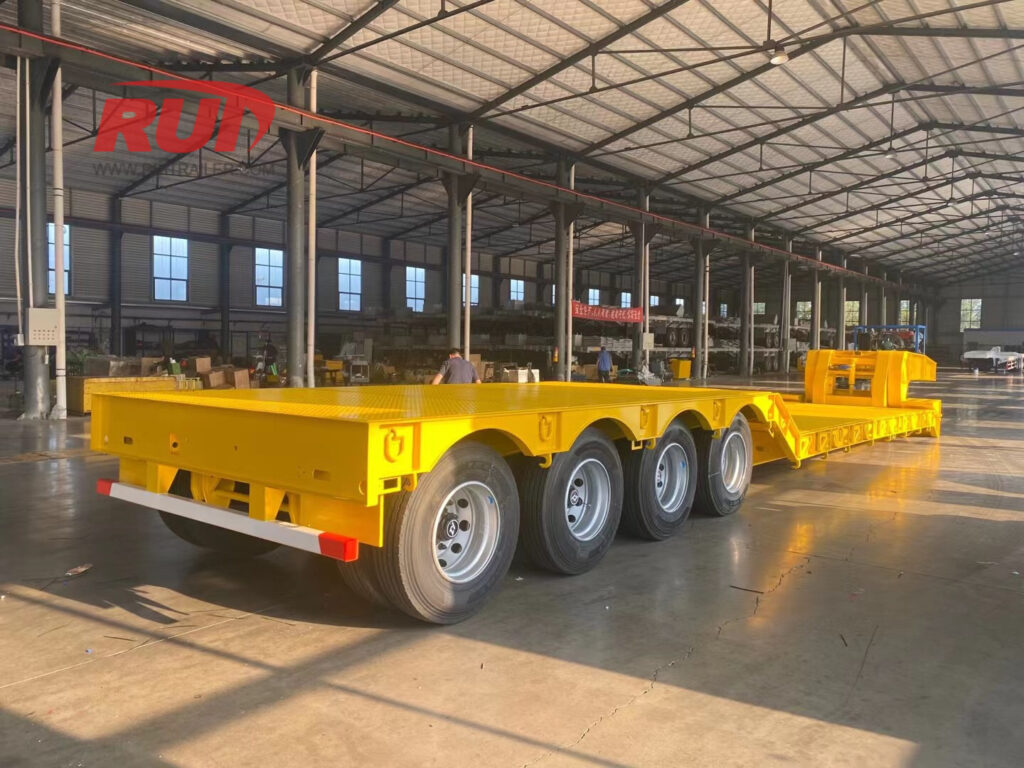
Standard 3-axle models are the go-to workhorses for mid-range heavy machinery transport. Built with a detachable front gooseneck and a three-axle rear bogie, these units offer an optimal balance between structural strength and tare weight.
- Best Suited For: Medium-sized excavators, wheel loaders, standard tractors, and compact industrial machinery.
- Key Advantage: Easier maneuvering in tighter urban job sites and lower operational costs for routine transport tasks.
Tandem and Multi-Axle RGN Configurations
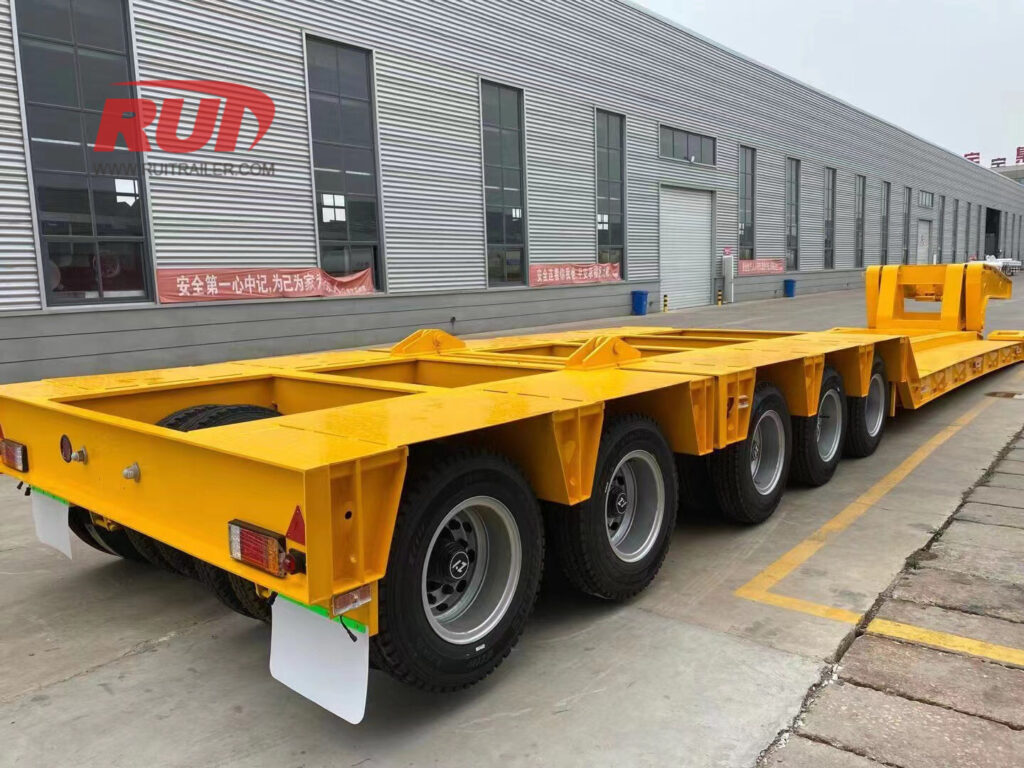
 Tandem and Multi-Axle RGN Configurations
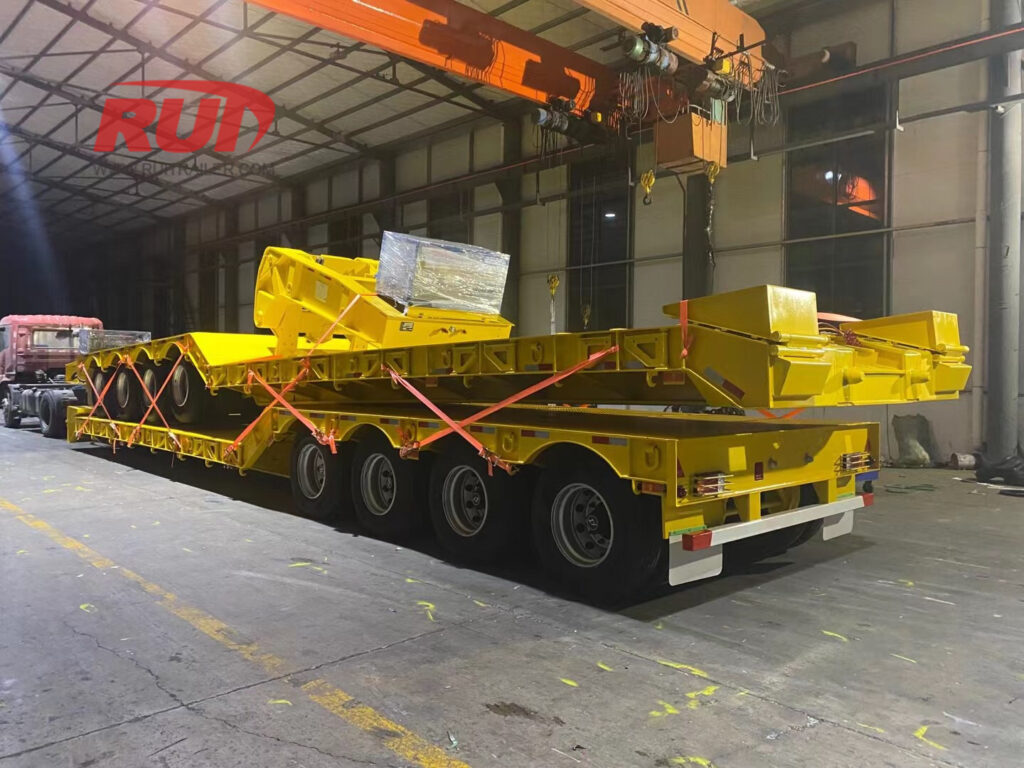
When cargo weight exceeds standard axle limits, multi-axle setups become essential. Adding 4-axle, 5-axle, or modular flip-axle and booster combinations spreads high-tonnage cargo across more contact points to protect road surfaces and comply with state and international gross vehicle weight ratings. Choosing the right axle layout is a vital part of using a heavy haul trailers guide for maximum payload and safety during extreme project cargo transit.
- Best Suited For: Extra-heavy mining machinery, industrial transformers, large piling rigs, and oversized cranes.
- Key Advantage: Exceptional payload weight capacity with flexible configurations to handle regulated heavy-haul corridors.
Double Drop RGN Trailers
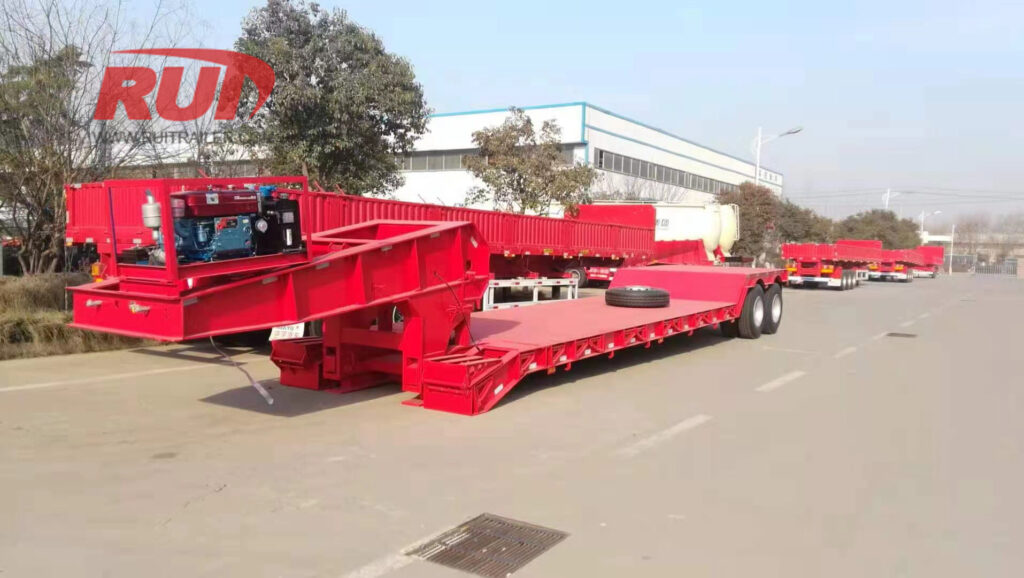
 Double Drop RGN Trailers
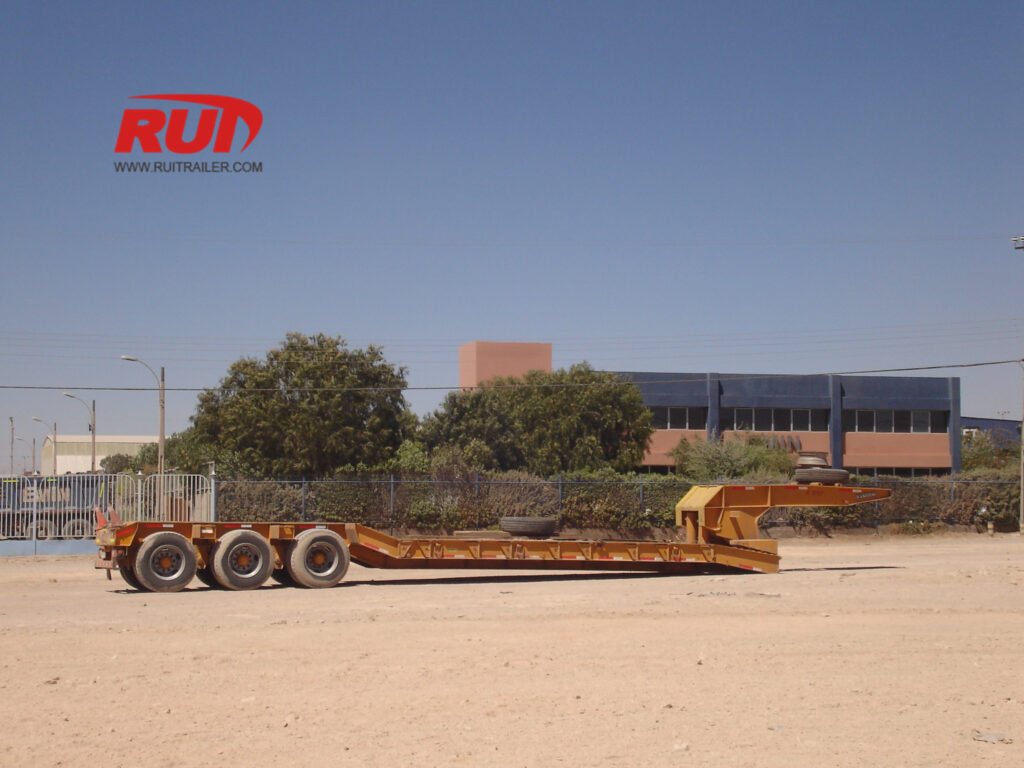
A double drop deck design drops the center cargo platform below both the front gooseneck connection and the rear wheel bogie. This creates a low-slung main deck well, bringing tall machinery significantly closer to the ground to clear bridges, power lines, and overpasses without requiring detours.
- Best Suited For: Exceptionally tall machinery, industrial storage vessels, and high-clearance drilling rigs.
- Key Advantage: Maximum vertical clearance combined with the front-loading convenience of a detachable gooseneck trailer RGN design.
 Key Features and Advantages of RGN Trailers
 Key Features and Advantages of RGN Trailers
When moving massive equipment, standard transport options often fall short. We engineer our trailers to handle severe payloads while keeping loading simple, safe, and efficient on every job site.
Front-Loading Ramp System
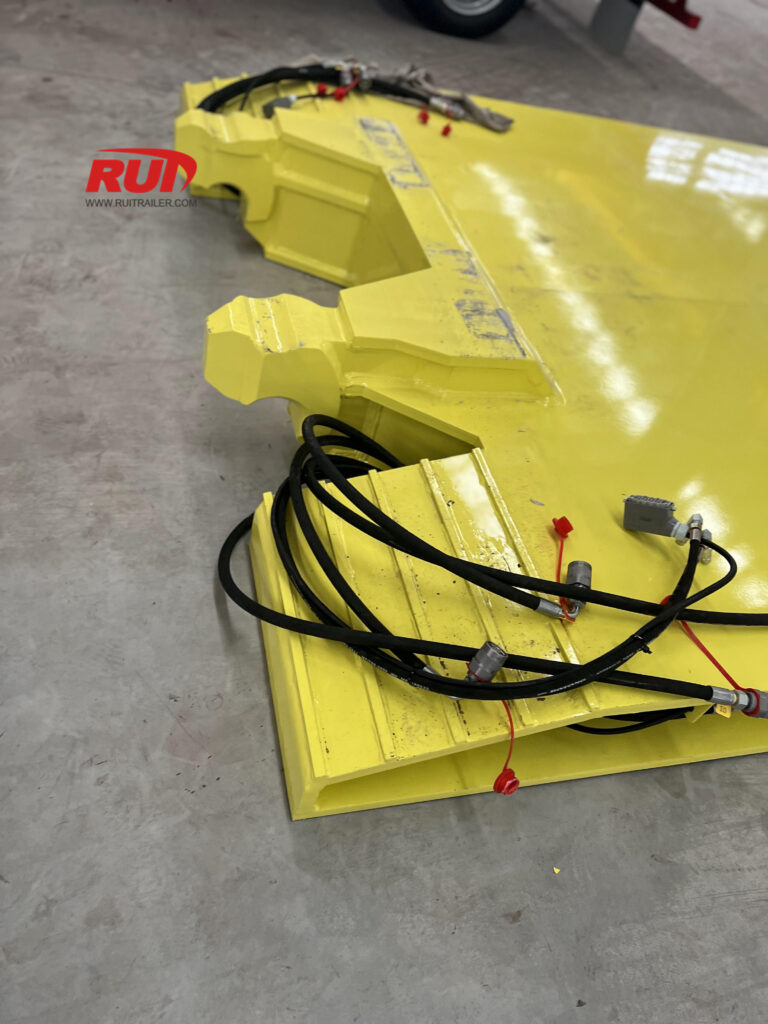
The core benefit of an RGN is its detachable front end. Once detached, the front of the trailer lowers directly to the ground, creating a gentle, built-in loading ramp access.
- Direct Drive-On Capability: Self-propelled machinery like excavators, bulldozers, and wheel loaders can drive straight onto the deck.
- No Extra Equipment Needed: Eliminates the need for external cranes, specialized ramps, or dedicated loading docks.
- Enhanced Safety: Low-angle entry significantly reduces tipping risks during loading and unloading.
Investing in a purpose-built removable gooseneck trailer streamlines dispatch times and minimizes on-site labor hazards.
 Low Ground Clearance for Tall Equipment
 Low Ground Clearance for Tall Equipment
Legal height restrictions present a major challenge in heavy haul transport. RGN trailers feature a dropped main deck profile that sits exceptionally close to the pavement.
- Maximum Overhead Clearance: Keeps tall industrial and construction machinery well below legal height limits to clear bridges and power lines.
- Lower Center of Gravity: Improves transit stability and reduces sway when cornering or hauling top-heavy loads.
- Route Efficiency: Prevents lengthy detours often required for oversized load freight.
High Weight and Heavy-Duty Capacity
 High Weight and Heavy-Duty Capacity
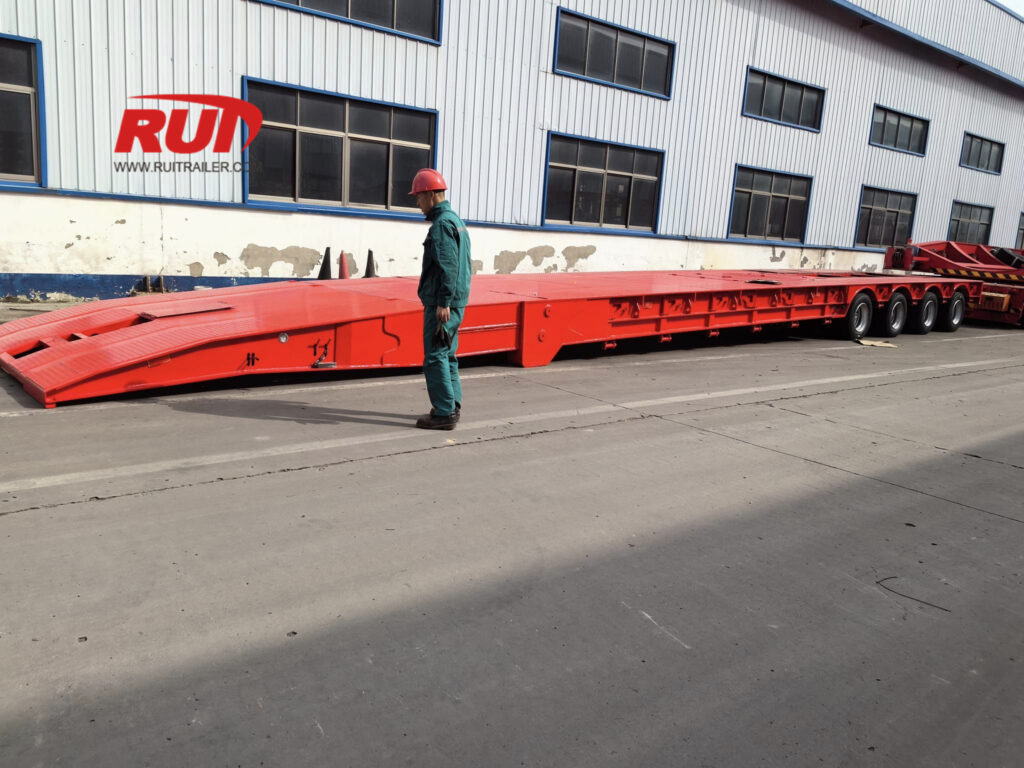
Engineered with high-tensile structural steel, RGN trailers support extreme payload weight capacity without structural deflection.
| Key Feature | Operational Benefit | Ideal For |
|---|---|---|
| Detachable Gooseneck | Ground-level front loading | Self-propelled and tracked machinery |
| Low Deck Height | Maximum vertical clearance | Tall equipment hauling |
| Heavy-Duty Chassis | High-tonnage distribution | Mining, construction, and plant machinery |
These features combine structural strength and operational flexibility, making the RGN trailer a dependable standard for high-tonnage transport projects.
Common Applications and Suitable Cargo
 Common Applications and Suitable Cargo
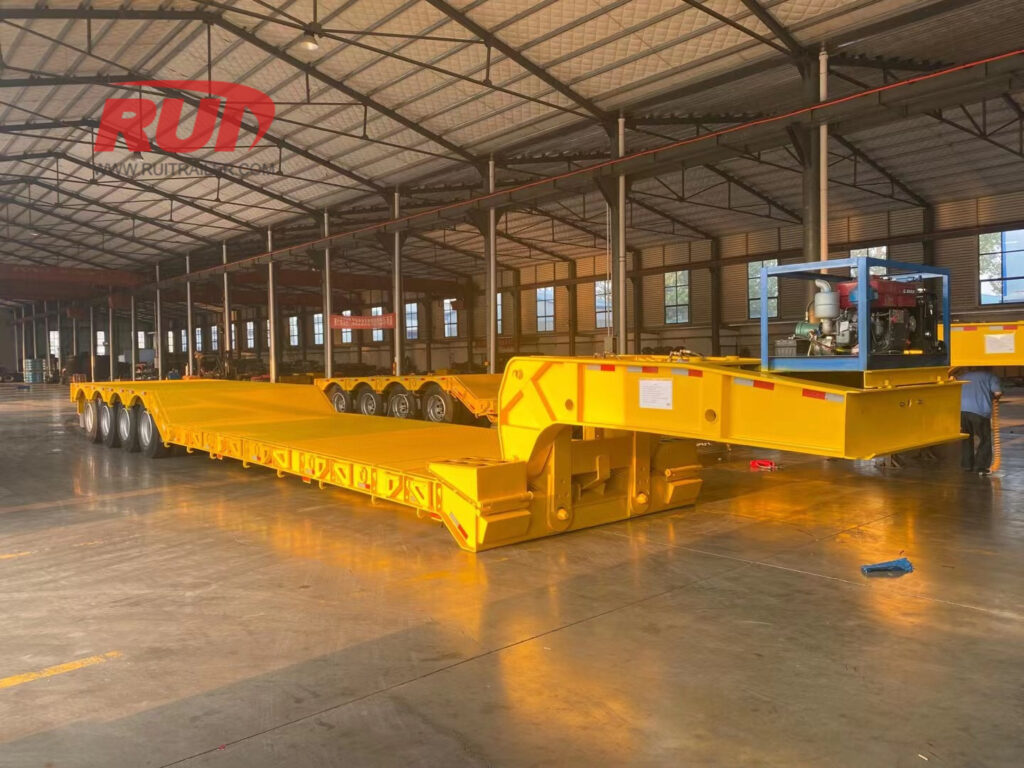
When asking what is a rgn trailer typically used for, the answer lies in its ability to move freight that standard trailers cannot handle. Thanks to the detachable gooseneck and low deck profile, these trailers excel at transporting self-propelled machinery, high-tonnage cargo, and tall industrial equipment safely across highways and job sites.
Construction Equipment and Heavy Machinery
Construction sites rely on massive equipment that is difficult to load using conventional docks or cranes. We engineer our RGN units to provide ground-level drive-on access for heavy machinery transport, making loading fast and secure.
- Excavators and Trenchers: Tracked units drive straight onto the low deck without risk of tipping.
- Bulldozers and Wheel Loaders: High-capacity decks easily support dense, concentrated wheel and track loads.
- Paving Equipment and Rollers: Low loading angles prevent bottoming out during loading.
For more details on heavy equipment hauling options, explore our lowboy trailer guide to see how drop decks compare across heavy haul transport projects.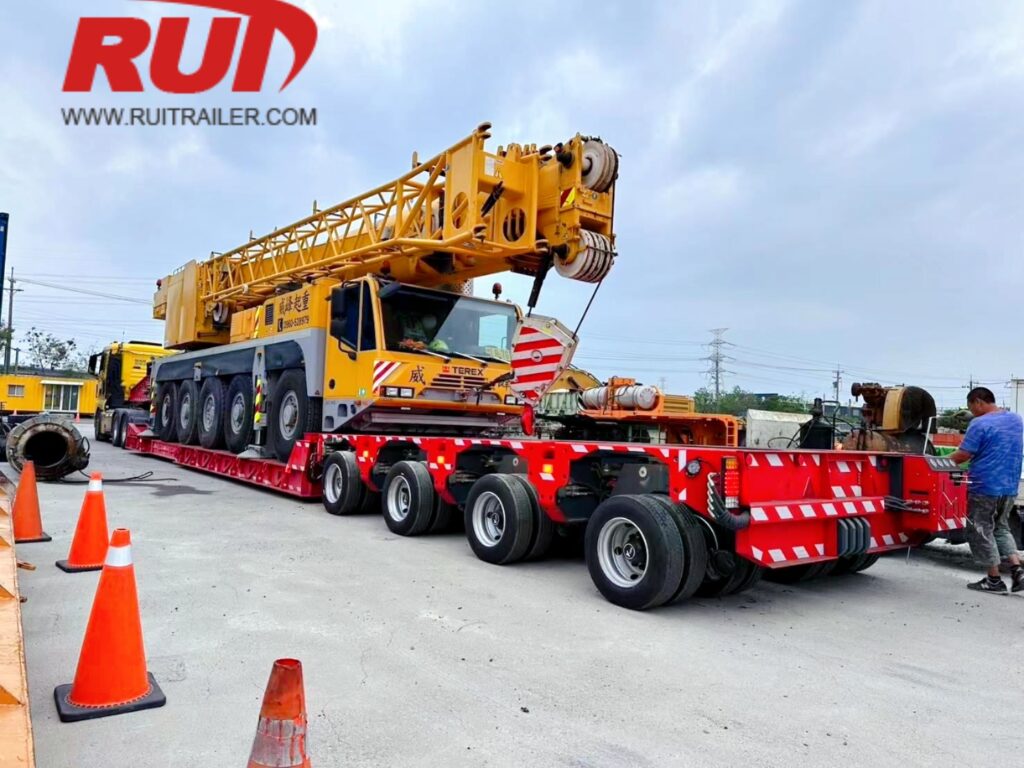
Agricultural Machinery Hauling
Modern farm equipment is exceptionally tall and wide, making road clearance a constant challenge. RGN trailers lower the center of gravity and provide the necessary height clearance for oversized load freight across rural and highway routes.
- Combines and Harvesters: The lowered deck height prevents overhead line and bridge clearance issues.
- Large Tractors and Sprayers: Wide wheelbases fit securely within the main deck well length.
- Planters and Tillage Tools: Fast drive-on and drive-off capability simplifies transport between distant fields.

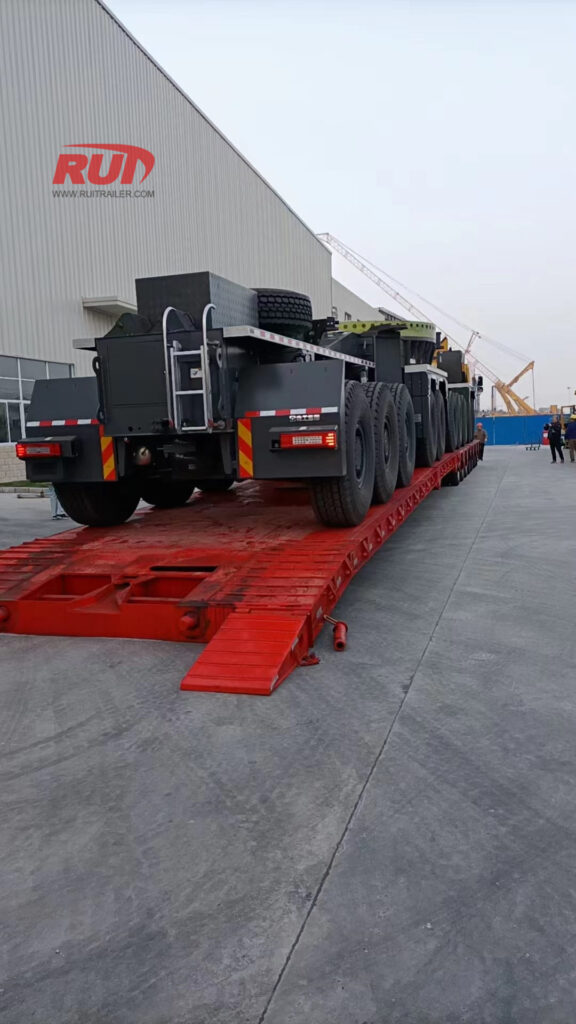
Oil, Gas, and Mining Industry Cargo
The energy and mining sectors demand extreme durability and high payload weight capacity. RGN trailers handle extreme industrial loads that operate in rough, remote environments.
- Drilling Rigs and Mud Pumps: Built to withstand heavy, concentrated footprints.
- Rock Crushers and Screening Plants: Keeps top-heavy processing equipment stable during long-distance transit.
- Industrial Generators and Transformers: Secure tie-down systems protect valuable, delicate machinery over rugged haul roads.

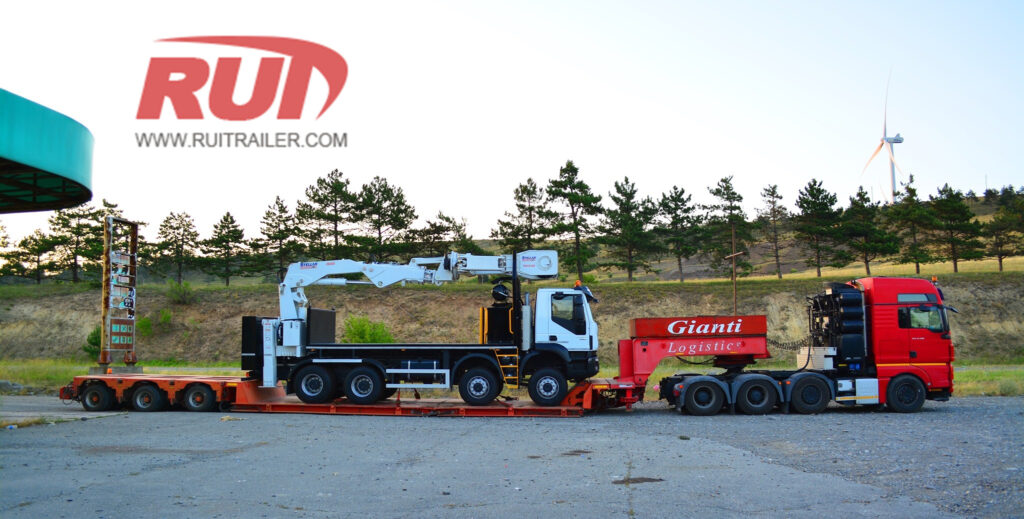
RGN Trailer vs. Other Trailer Types
Choosing the right transport platform comes down to equipment height, total payload weight, and how easily you can load your machinery. While standard open-deck platforms handle everyday freight, specialized hauling requires dedicated low-profile engineering. Check our comprehensive RGN removable gooseneck trailer guide for heavy haul to see how these units compare across various transport operations.
RGN vs. Standard Lowboy Trailer
While both designs feature a dropped main deck, their loading mechanisms and versatility differ significantly:
- Loading Access: A standard fixed-neck lowboy requires equipment to be loaded from the rear, often forcing machinery to climb over the rear axles. An RGN detaches completely at the front, allowing heavy machines to drive straight onto the deck at a gentle ground-level incline.
- Safety: Front-loading on an RGN reduces tip-over risks and eliminates the need for steep, cumbersome rear ramps.
- Efficiency: Loading drive-on equipment onto an RGN takes minutes without needing external cranes or specialized loading docks.
RGN vs. Step-Deck Trailer
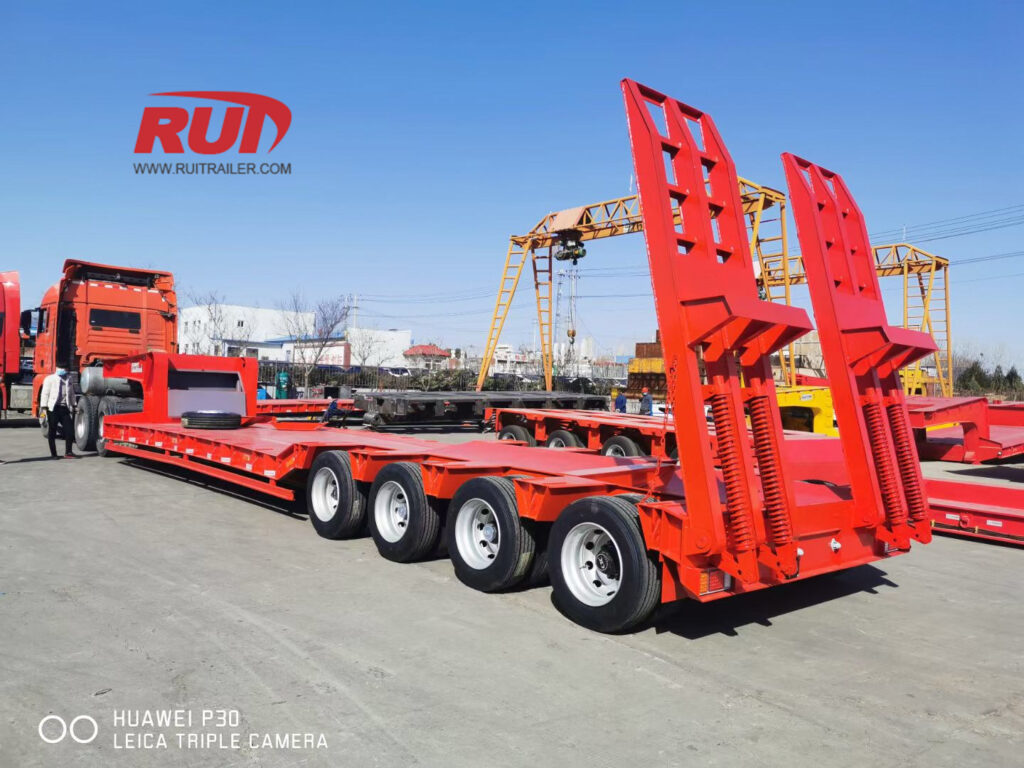 RGN vs. Step-Deck Trailer
Step-deck (or single-drop) trailers feature an upper deck that drops down to a lower main deck, but they still sit higher than an RGN:
- Deck Height: Step-decks typically sit around 35 to 40 inches off the ground, whereas an RGN main deck rides significantly lower, providing crucial vertical clearance for tall equipment.
- Loading Method: Step-decks do not detach at the front; cargo must be driven up from the rear via ramps or lifted on with a forklift or crane.
- Payload Focus: Step-decks are suited for medium-height, palletized, or moderately tall industrial goods, while RGNs are dedicated to high-tonnage, ultra-tall machinery.
 RGN vs. Flatbed Trailer
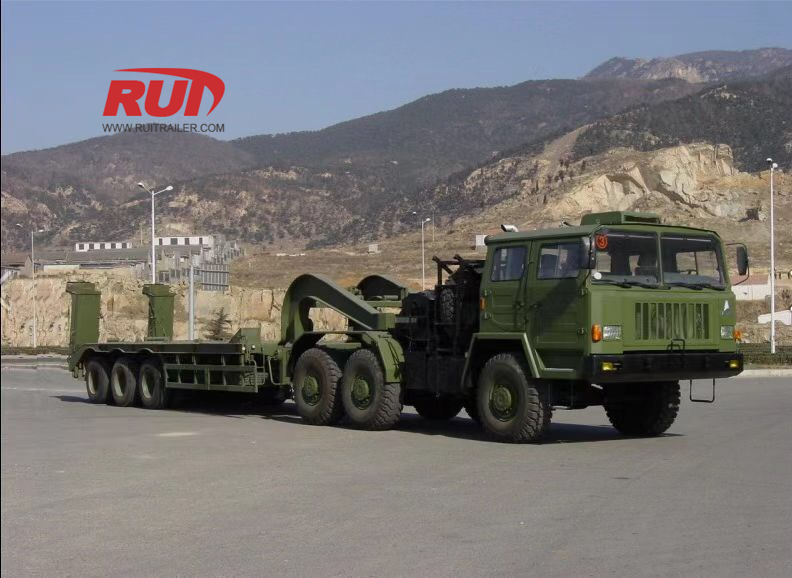 RGN vs. Flatbed Trailer
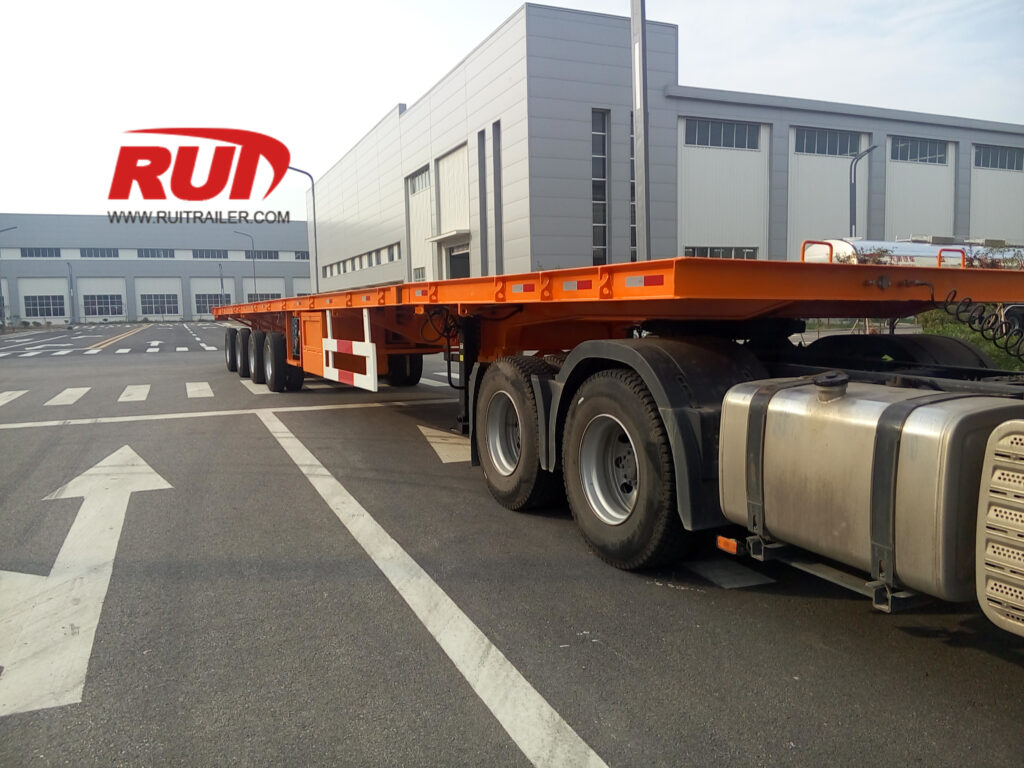
Standard flatbeds are the workhorses of standard freight, but they face strict limits with oversized machinery:
- Height Clearance: A standard flatbed has a flat deck height of approximately 5 feet. Any tall cargo placed on a flatbed quickly exceeds legal highway overhead limits. An RGN drops the deck low to the ground to keep tall loads within legal limits.
- Weight Capacity: Flatbeds handle general flat cargo, whereas heavy-duty RGN trailers are built with reinforced high-strength steel frames designed specifically for massive point-loads and heavy construction machinery.
- Versatility: Flatbeds require cranes or loading bays for non-mobile cargo, while RGN trailers function as their own ramp for self-propelled and tracked vehicles.
How to Choose the Right RGN Trailer for Your Cargo
 How to Choose the Right RGN Trailer for Your Cargo
Selecting the right removable gooseneck trailer ensures safe heavy haul transport, protects your equipment, and keeps your operations legally compliant across every route.
Equipment Weight, Height, and Dimensions
Before selecting an RGN trailer, calculate the exact weight and physical footprint of your load. You need to match your cargo to the trailer’s payload capacity, deck length, and well height to avoid overloading or exceeding clearance limits.
| Parameter | Key Evaluation Points |
|---|---|
| Cargo Weight | Match total tonnage to the trailer's rated payload capacity and axle configuration. Review our trailer load test guide for safe weight limits to ensure proper weight distribution. |
| Overall Height | Measure from the base of the machine to its highest point to select a deck height that avoids overhead obstacles. |
| Well Length | Ensure the main deck well length accommodates the entire wheelbase or track length of your machinery. |
| Width | Check if the machine exceeds standard deck width and requires heavy-duty outriggers or side extensions. |
Loading and Unloading Requirements
 Loading and Unloading Requirements
Evaluate the setup of your loading zone and the mobility of your equipment:
- Self-Propelled Machinery: Tracked excavators, bulldozers, and wheel loaders can drive directly onto the low-profile deck once the gooseneck is detached.
- Ground Conditions: Ensure the loading site provides a firm, level surface so the detached neck and front ramps rest evenly on the ground.
- Deck Surface: Choose between heavy-duty apitong wood or steel traction plates depending on whether you are moving rubber-tired vehicles or steel-tracked machinery.
Permits, Regulations, and Escort Rules for Oversized Loads
Hauling oversized or overweight cargo requires strict adherence to regional transportation standards:
- Overweight Permits: Loads exceeding standard axle weight limits require dedicated state or regional permits before transit.
- Height Clearances: Extremely tall equipment must be routed around low-clearance bridges, utility lines, and tunnels.
- Pilot and Escort Vehicles: Depending on the width and length of the combined truck and trailer, state laws may mandate front and rear pilot cars, specialized signage, and travel-time restrictions.
 Frequently Asked Questions About RGN Trailers
 Frequently Asked Questions About RGN Trailers
How is machinery loaded onto an RGN trailer?
Loading machinery onto a removable gooseneck trailer is straightforward and significantly safer than using high rear ramps:
- Detach the neck: The tractor unit uncouples the gooseneck from the trailer body, lowering the front edge of the main deck directly to the ground.
- Drive-on loading: Self-propelled heavy machinery, excavators, and bulldozers drive directly onto the low deck from the front.
- Re-attach and lift: The tractor backs up, re-attaches the gooseneck to the deck, and uses hydraulic power to raise the trailer back to travel height before securing the cargo.
Do RGN trailers require special oversized load permits?
 Do RGN trailers require special oversized load permits?
An empty RGN trailer typically operates within standard legal road limits. However, permits depend entirely on the dimensions and weight of the payload being moved:
- Height limits: The low deck design keeps tall machinery below standard overhead bridge thresholds, often avoiding height-specific permits.
- Weight and width: If the machinery exceeds state or regional legal gross vehicle weights, axle limits, or standard lane widths, you must secure oversized or overweight permits and potentially arrange escort vehicles for specialized heavy haul trailers.
Are double drop trailers and RGN trailers the same thing?
 Are double drop trailers and RGN trailers the same thing?
While often used interchangeably, they refer to different design features:
- Double drop trailer: Refers to the deck profile, which drops below both the front gooseneck and the rear wheel axles to create a sunken center well.
- RGN trailer: Refers specifically to the detachable mechanism of the front gooseneck. While most RGNs are built with a double drop deck to transport tall equipment, some fixed double drop trailers require top-loading via crane or rear-loading ramps instead of a drive-on front ramp.
 English
  German
  Turkish
  French
  Portuguese
  Russian
  Arabic
  Hindi
Hindi  Vietnamese
  Chinese
  Spanish
  Indonesian
  Swahili
  Nigerian Pidgin