

What Is a Trailer Steering System and Why Is It Important?
Definition and Core Function
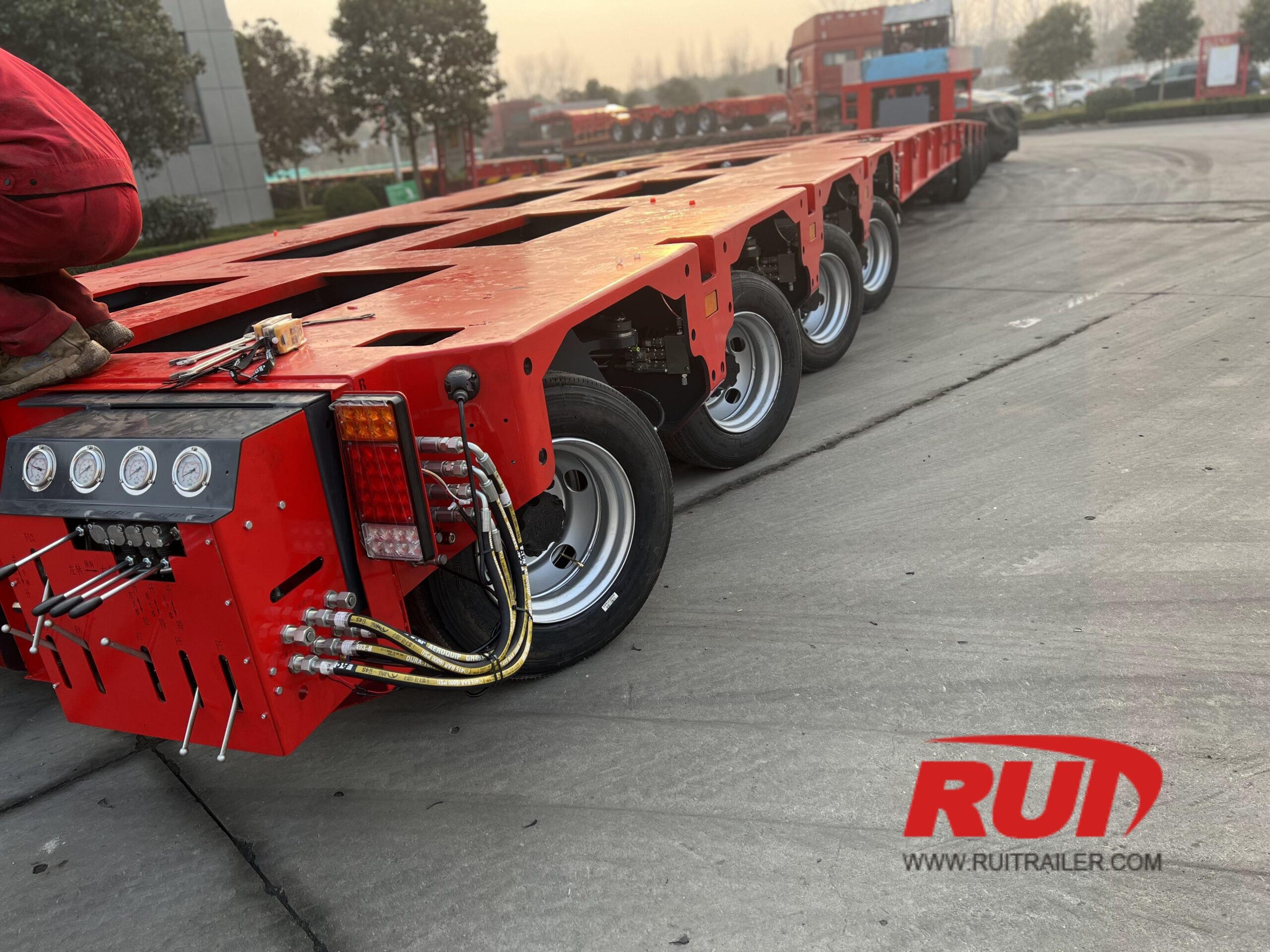
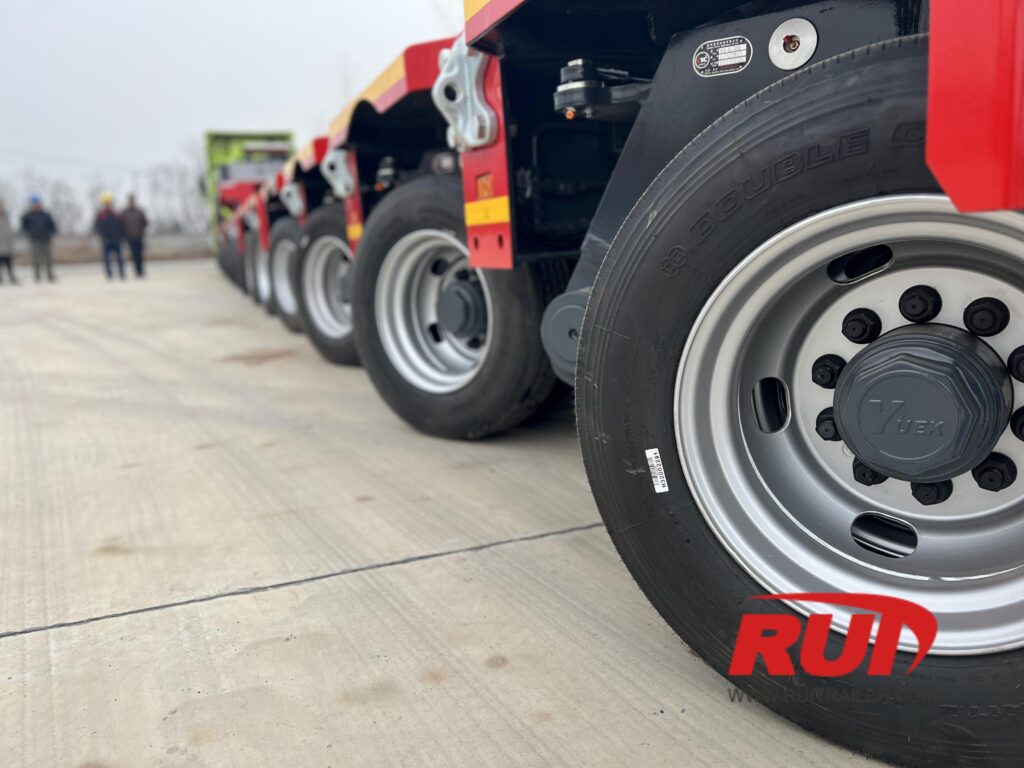
A trailer steering system is an advanced mechanical, hydraulic, or electronic mechanism integrated into a semi-trailer axle assembly that allows the trailer wheels to articulate dynamically during turns. Rather than remaining in a fixed, rigid position, the system actively or passively pivots the axles to follow the turning path of the towing vehicle.
The primary functions include:
Dynamic Wheel Alignment: Adjusts trailer wheel angles in real-time relative to the tractor unit's steering angle.
Scuff Elimination: Prevents lateral tire dragging on tight curves and roundabouts.
Trajectory Tracking: Ensures the rear of the trailer closely mirrors the truck's entry path, providing critical maneuvering assistance.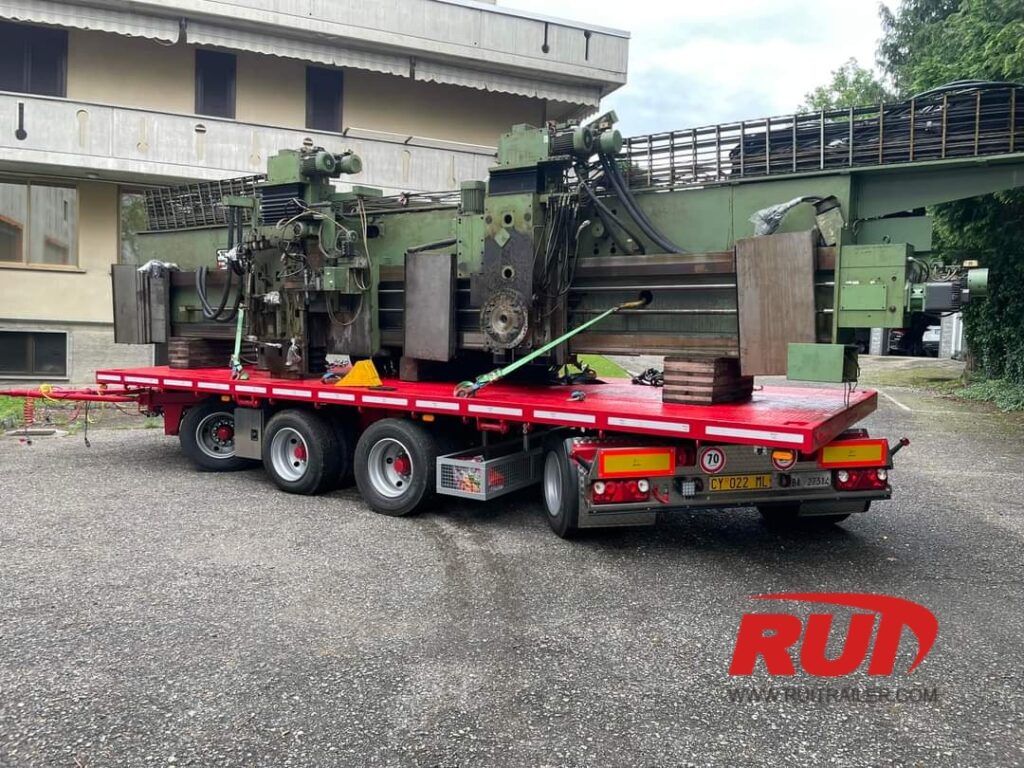
Why Modern Trailers Need Steering Systems
As global logistics demands shift toward larger payloads and longer freight configurations, traditional fixed axles face severe operational limitations. Modern transport challenges make steering technology an industry standard rather than an optional upgrade.
Key reasons modern fleets require integrated trailer steering systems include:
- Navigating Restricted Infrastructure: Enables oversized, long semi-trailers to maneuver through narrow city streets, roundabout intersections, and tight job sites without clipping curbs or obstacles.
- Extending Equipment Lifespan: Eliminates heavy side-load forces on the chassis, suspension, and semi-trailer axle components during sharp turns.
- Maximizing Payload Capacity: Allows multi-axle heavy-duty trailers to carry maximum legal weight limits while maintaining an optimal turning radius.
- Enhancing Operational Safety: Improves overall vehicle stability at both high speeds and low-speed maneuvers, significantly reducing the risk of rollover and jackknifing.

Key Benefits of Trailer Steering Systems
Adding a high-performance trailer steering system to your fleet isn't just an equipment upgrade—it directly improves operational efficiency and lowers fleet overhead. We build custom steerable axle solutions designed to tackle tight turning radiuses, slash tire replacement budgets, and boost safety on demanding routes.
Improved Maneuverability and Turning Radius
Navigating narrow urban streets, congested job sites, and tight roundabouts becomes significantly easier. Systems equipped with active axle steering match the steering angle of the trailer to the tractor, drastically shrinking the overall turning radius.
- Eliminate Off-Tracking: Rear trailer tires follow the tractor path, preventing curb strikes and equipment damage.
- Precision Maneuvering Assistance: Drivers get exact control when reversing into narrow loading docks.
- Expanded Route Access: Maneuver long loads through restricted roads without requiring escort vehicles.
Reduced TIRE Wear and Maintenance Costs
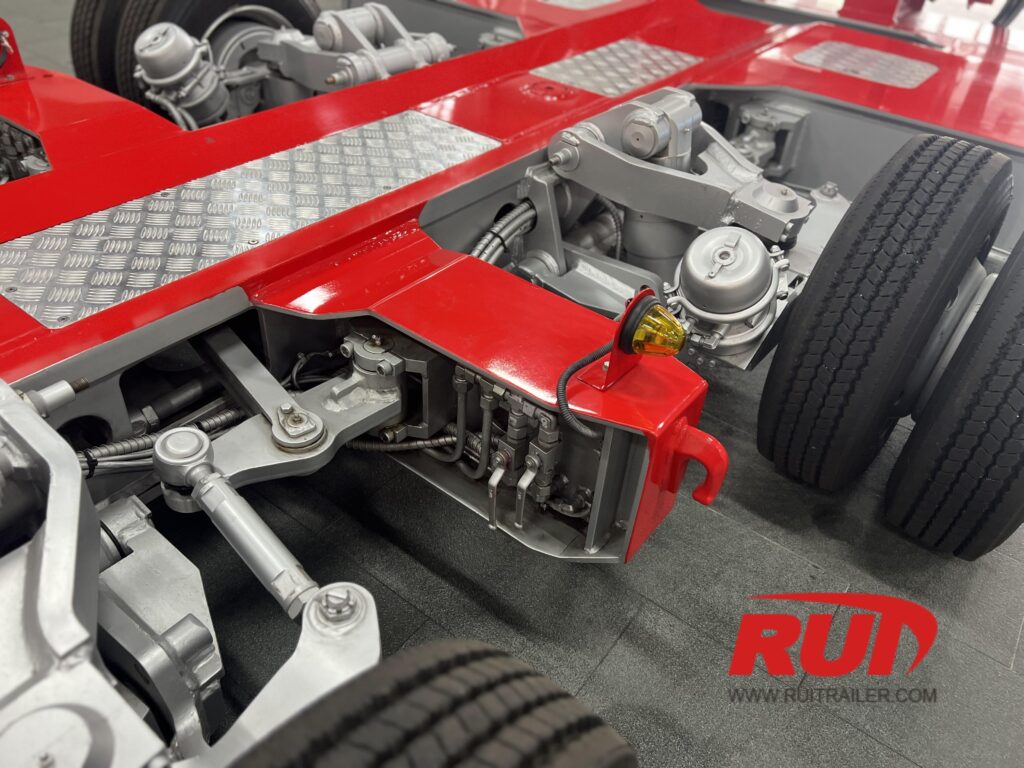
Standard rigid axles drag and scrub lateral rubber against the road during tight turns. Installing a self-steer axle or positive steer system allows wheels to rotate smoothly through curves, eliminating severe tire friction.
| Axle Setup | Tire Scrubbing Risk | Suspension Stress | Maintenance Overhead |
|---|---|---|---|
| Fixed Rigid Axle | High | Extreme Side Forces | High (Frequent Replacement) |
| Steerable Axle System | Minimal | Reduced | Low Routine Servicing |
By reducing lateral stress on every semi-trailer axle, you protect bearings, air bags, and chassis structural welds from premature fatigue.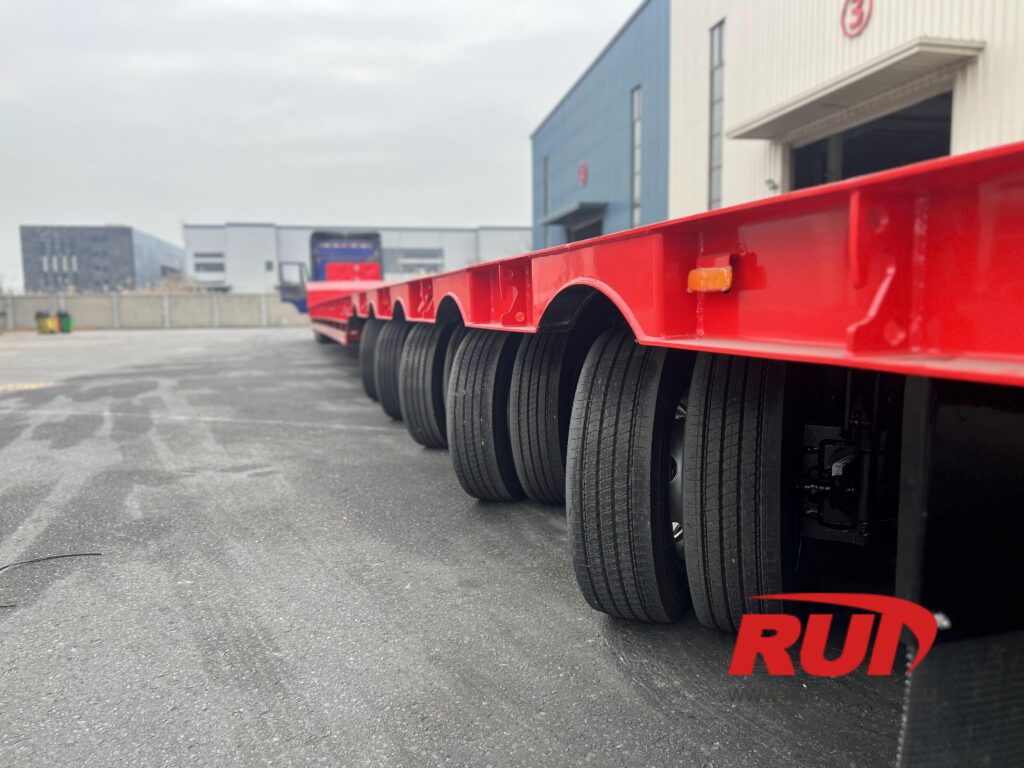
Enhanced Fuel Efficiency and Lower Emissions
Tire drag on curves forces the engine to burn extra diesel just to push through the turn. Utilizing forced steering and command steer technology keeps your tires rolling parallel to the line of travel, lowering friction resistance.
- Less Engine Resistance: Free-rolling tires mean your truck requires less horsepower on winding roads.
- Lower Diesel Usage: Fleet managers regularly report measurable fuel savings on long-haul routes.
- Reduced Carbon Footprint: Cutting fuel burn per ton-mile helps keep your transport operations eco-compliant.

Optimal Load Distribution and Fleet Safety
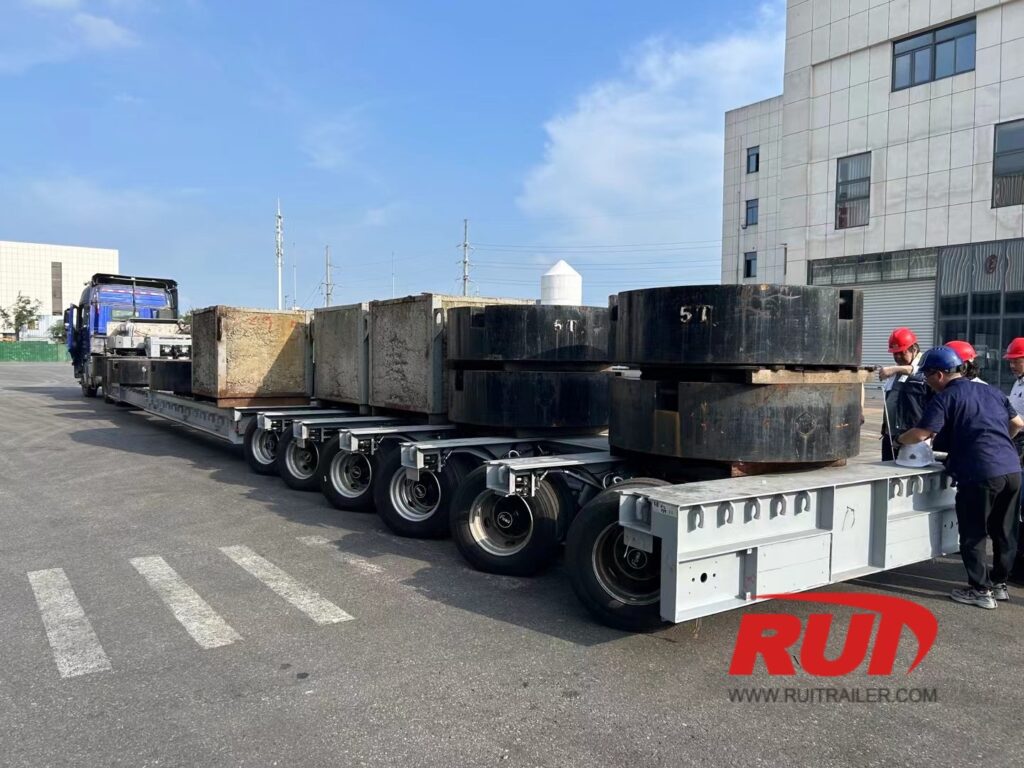
Proper weight distribution during sharp turns keeps your cargo safe and prevents trailer tipping. Controlled steering alignment keeps heavy gear balanced across all axles, which is crucial for heavy haul trailers designed for high-capacity loads.
- Rollover Prevention: Maintains a stable center of gravity while navigating highway ramps.
- Jackknife Protection: Predictable tracking prevents the trailer from pushing the tractor on slick roads.
- Stress Redistribution: Dynamic load handling extends the operational life of the entire rig.
Main Types of Trailer Steering Systems
Not all heavy-haul jobs demand the same level of maneuvering. We design and manufacture three core trailer steering system options to handle everything from standard highway runs to ultra-heavy, tight-space transport.
Self-Steering (Friction / Passive) Axles
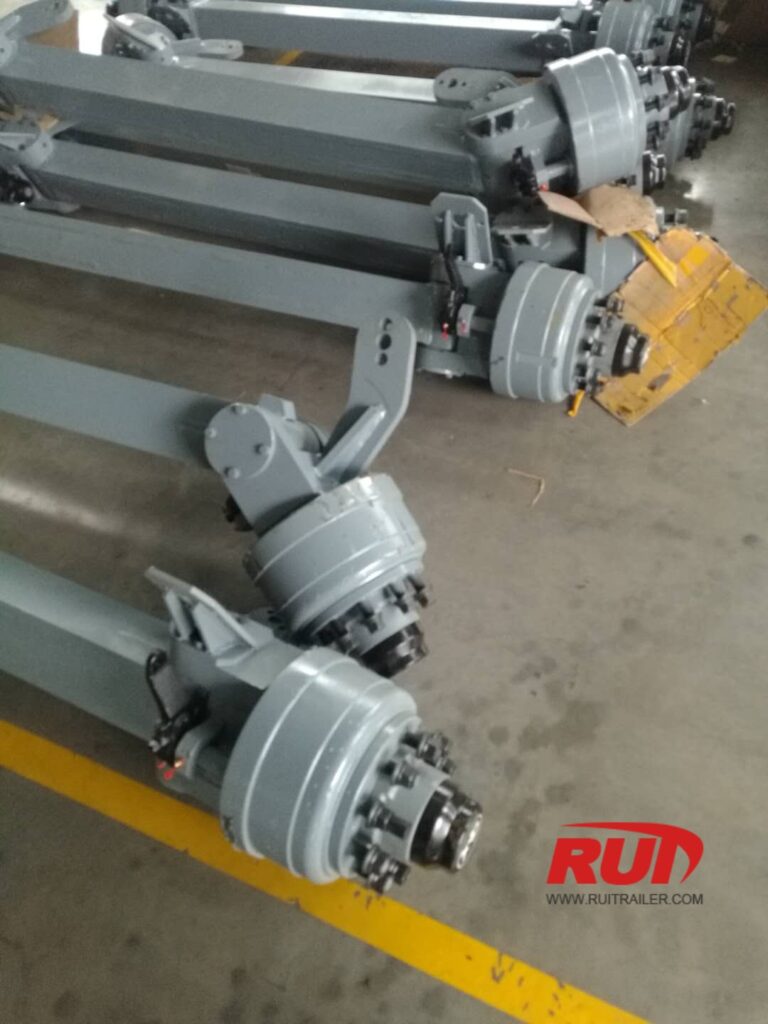
A self-steer axle operates using road friction and kingpin offset. As the truck turns, side forces naturally push the axle wheels to pivot along the path of travel.
- Best For: Highway transport and long-distance routes with moderate turning demands.
- Mechanism: Purely passive; relies on a hydraulic stabilizer cylinder to smooth out movement and prevent wheel wobble.
- Key Feature: Simple, lightweight design that locks straight automatically when reversing.
- Axle Match: Ideal for standard flatbeds and various low-bed trailer axle configurations.
Command (Active / Positively Steered) Axles
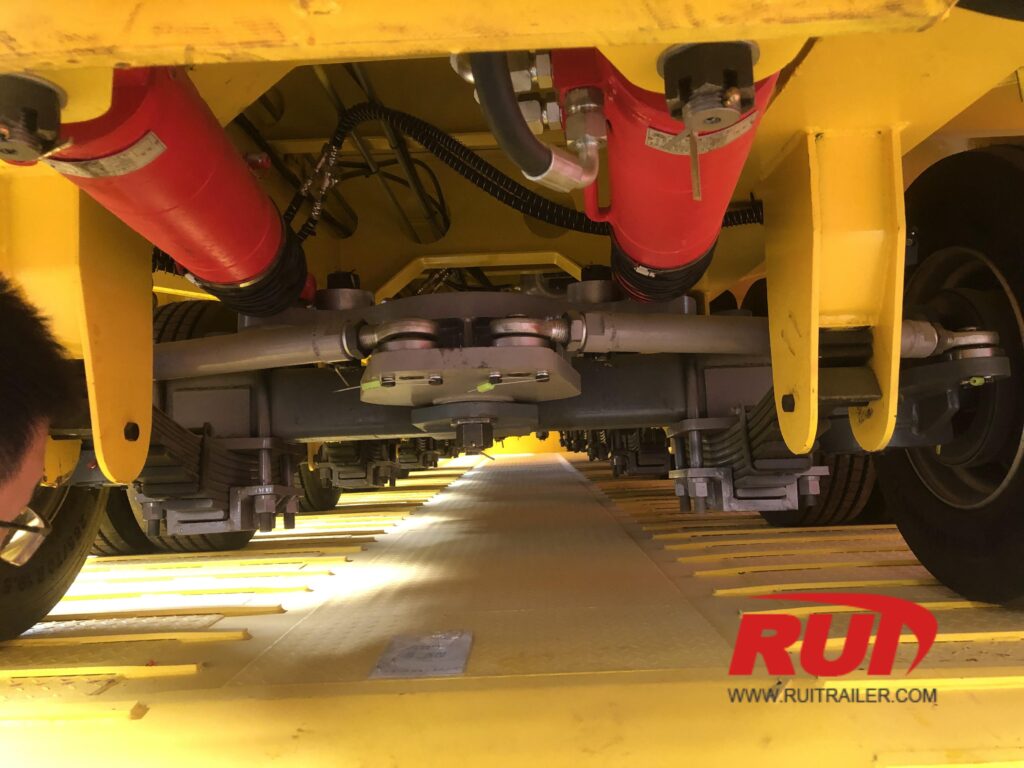
Also known as command steer, positive steer, or forced steering, this setup uses direct mechanical connections—such as steering rods, turntables, or cables—between the tractor's fifth wheel and the trailer axles.
- Best For: Multi-axle trailers requiring exact track-following in both forward and reverse movements.
- Mechanism: As the tractor rotates relative to the trailer, mechanical linkages force the axles to turn proportionally.
- Key Feature: Eliminates tire scrubbing and allows smooth backing up without locking the axles.
Electro-Hydraulic Smart Steering Systems
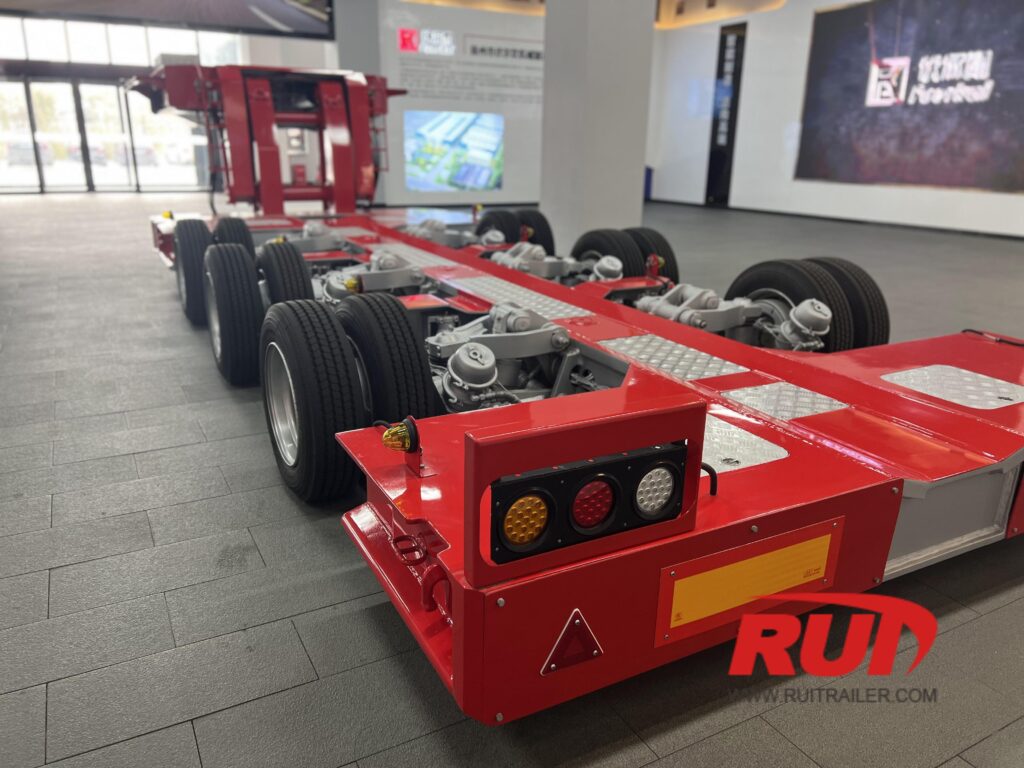
For ultimate precision, electro-hydraulic steering provides microprocessor-controlled active axle steering.
- Best For: Complex oversized loads, multi-axle heavy transport, and tight job sites.
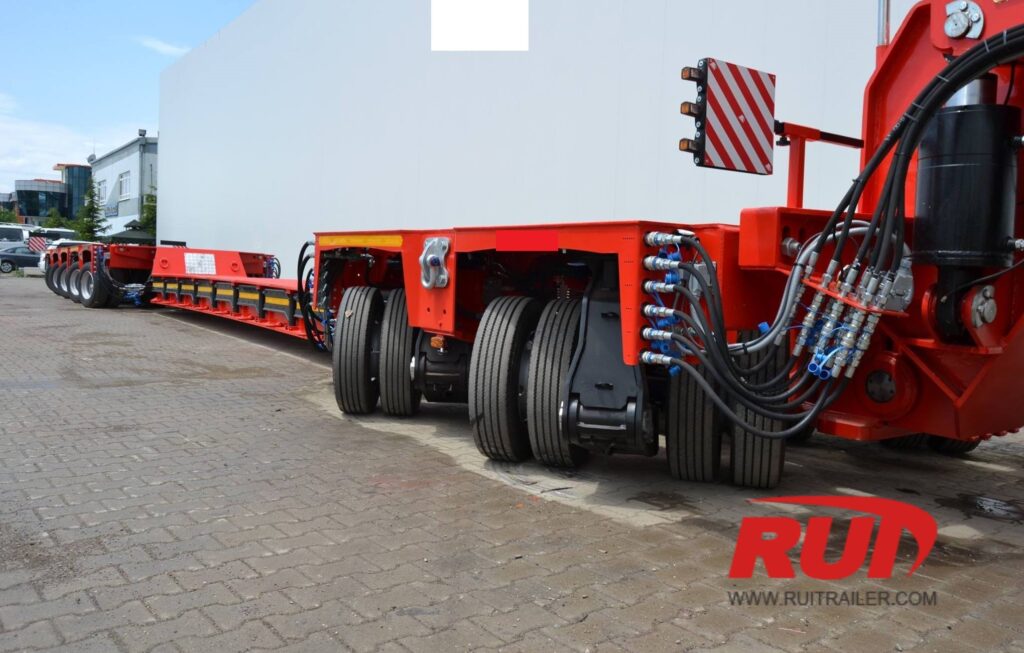
- Mechanism: Electronic sensors continuously measure the articulation angle between the truck and trailer, sending instant signals to an onboard hydraulic power unit that controls individual steering cylinders on each axle line.
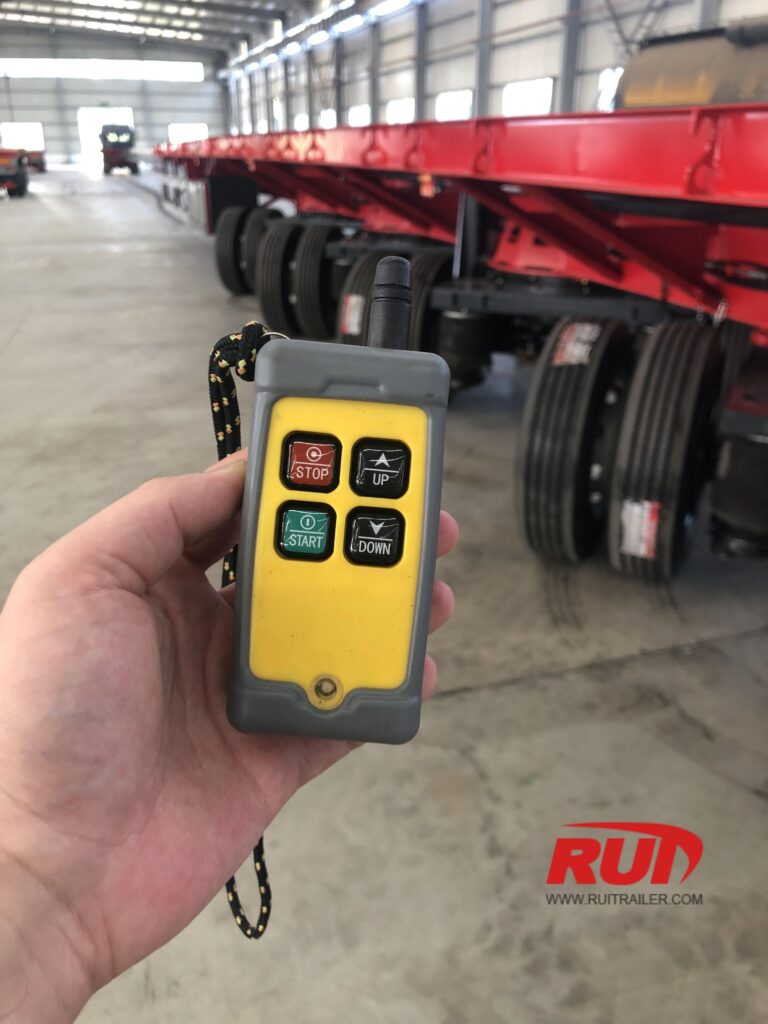
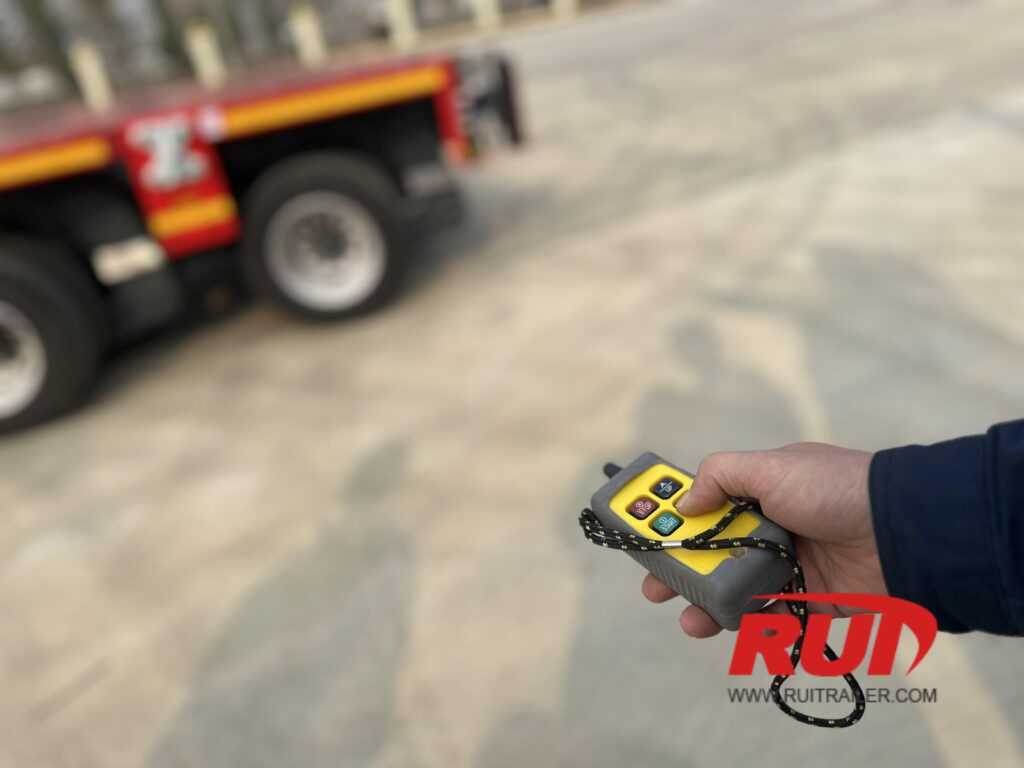
- Key Feature: Offers multiple programmable steering modes (like crab steering, tight turn, and manual radio remote control) widely applied in heavy-duty hydraulic modular trailers.
2>How Does a Trailer Steering System Work?
Core Working Principles
We design every trailer steering system to translate the prime mover's turning angle directly into precise rear axle movement. Depending on your transport requirements, the system operates through mechanical linkages, hydraulic circuits, or advanced electronic sensors.
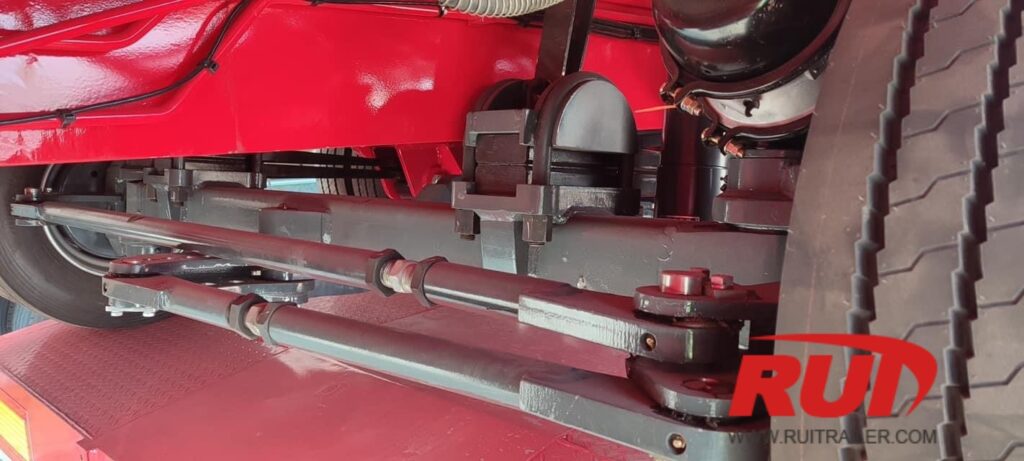
- Mechanical & Hydraulic Command Steer: As the truck turns, a steering wedge in the kingpin rotates a mechanical turntable or depresses a master hydraulic cylinder. This forces fluid or heavy-duty rods to turn the rear wheels in sync, providing true forced steering.
- Electro-Hydraulic Steering: Angle sensors continuously track the articulation between truck and trailer. An onboard ECU processes these signals in real time, driving high-pressure valves for precise active axle steering.
- Passive Self-Steer Axle: The kingpin pivot sits slightly ahead of the axle centerline. Caster geometry and road friction naturally push the tires into the turn without mechanical assistance.
Whether operating a custom transport deck or a high-capacity low bed multi-axle trailer, aligning axle response directly with truck motion eliminates tire scrubbing and structural drag.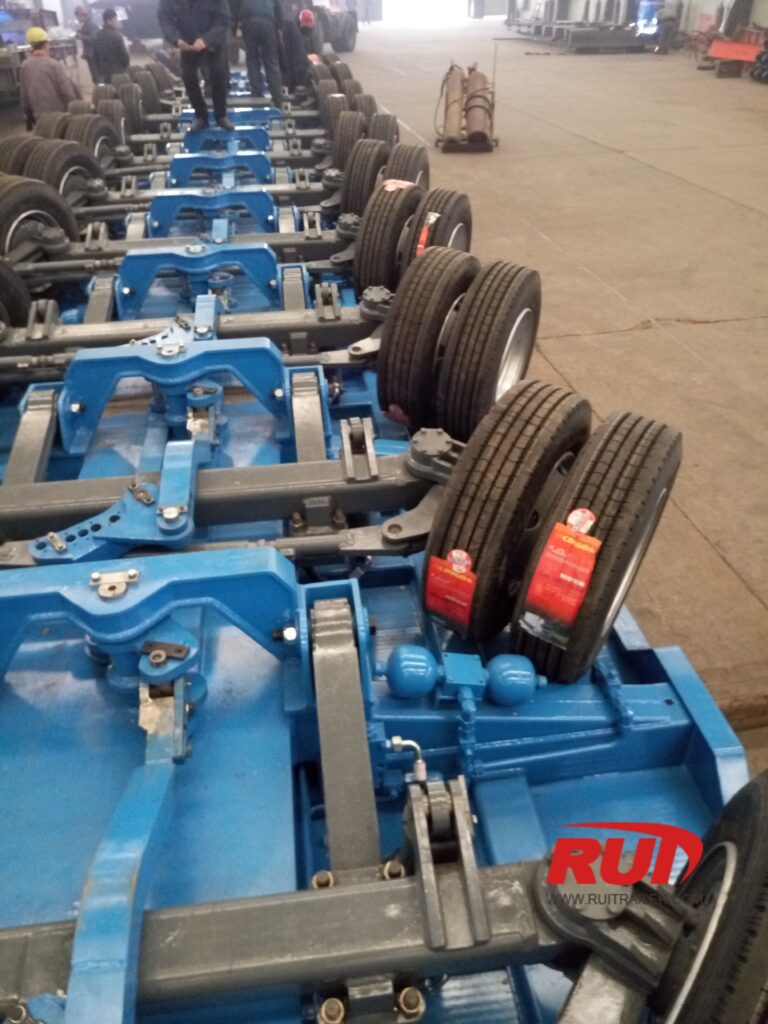
Key System Components and Safety Controls
Our heavy-duty steering setups integrate high-strength components and built-in safety backups to guarantee precise tracking under extreme loads:
- Kingpin Steering Wedges: Capture the exact turning angle at the fifth wheel connection.
- Master and Slave Hydraulic Cylinders: Transfer directional force smoothly down the chassis to the steering arms.
- ECU & Angle Sensors: Deliver electronic feedback loops for high-speed directional stability and automated wheel alignment.
- Safety Lock Valves & Wireless Overrides: Automatically lock axles straight if hydraulic pressure drops, while offering wireless remote control for manual maneuvering assistance in tight spaces.

Common Applications for Trailer Steering Systems
We engineer every trailer steering system to tackle extreme transport challenges across demanding global industries, maximizing maneuverability where standard fixed axles fail.
Heavy duty low bed Semi-Trailers
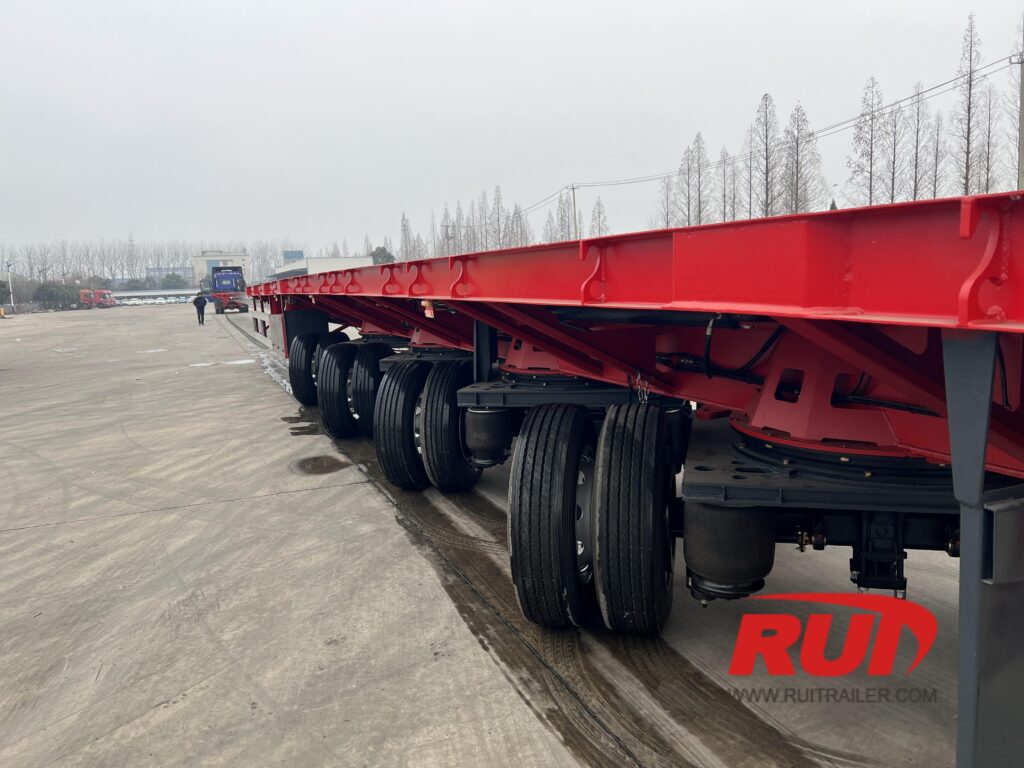
Navigating tight job sites and narrow city roads with massive equipment requires exceptional turning dynamics. Integrating an active steering system on a hydraulic low bed trailer for heavy hauling drastically tightens the turning radius and prevents severe tire drag.
Maneuvering Assistance: Effortless navigation through tight roundabouts and urban intersections.
Typical Cargo: Heavy excavators, transformers, generators, and industrial machinery.
Axle Setup: Combination of self-steer axle units and command steer linkages for optimal tracking.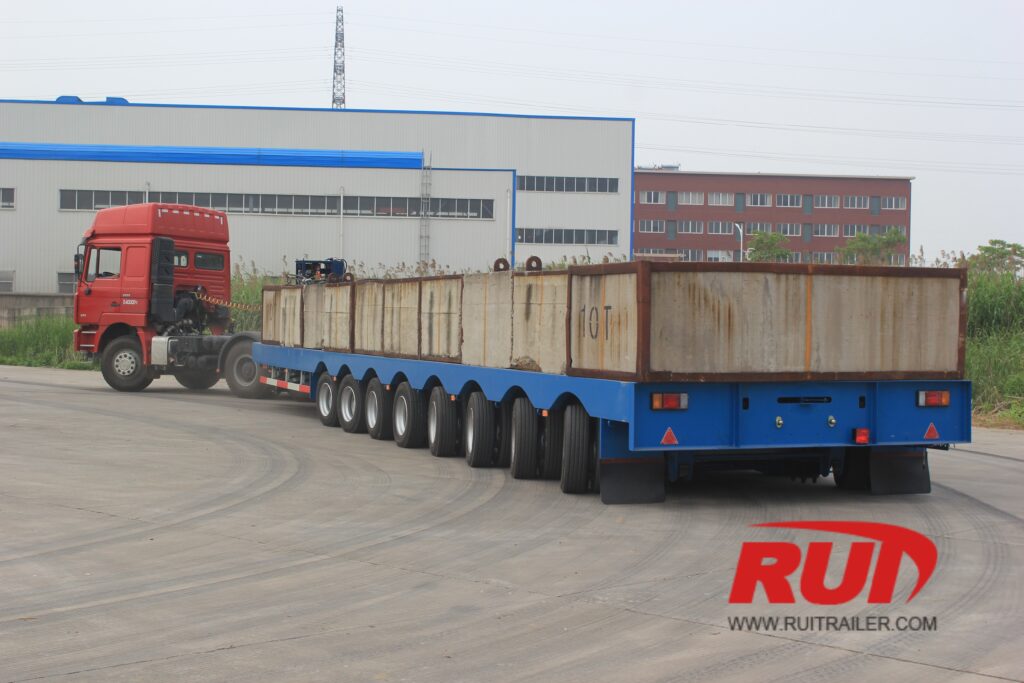
SPMT Off-Road Vehicles
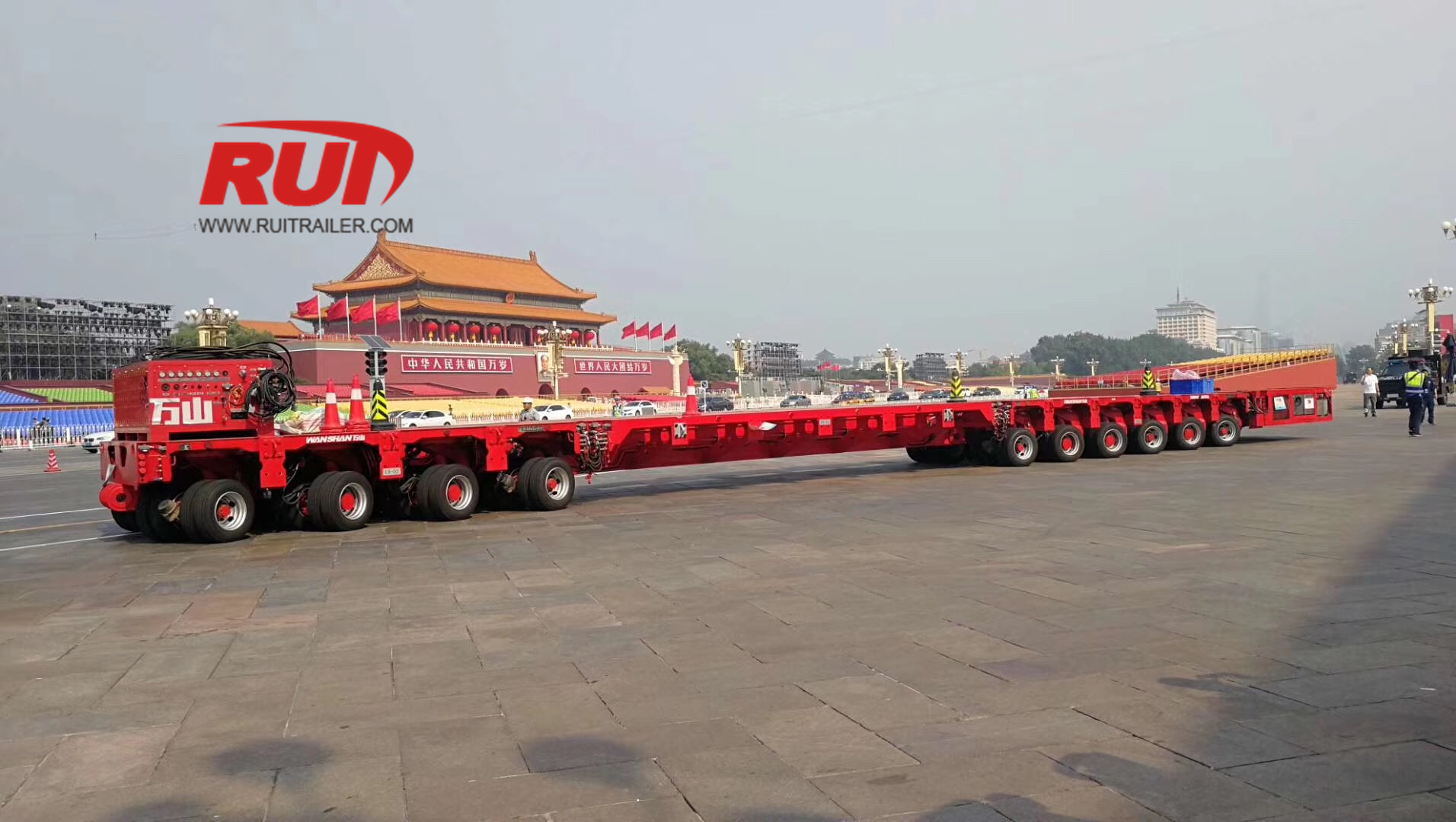
Self-Propelled Modular Transporters (SPMTs) operate in congested shipyards, oil refineries, and off-road job sites where pinpoint accuracy is vital.
Flexible Movement: Utilizes electro-hydraulic steering to perform crab, diagonal, and 360-degree carousel steering modes.
All-Terrain Balance: Active axle steering continuously adjusts wheel angles over uneven gravel, mud, and unpaved terrain.
Millimeter Precision: Controlled via wireless remote systems to position multi-ton loads within tight tolerances.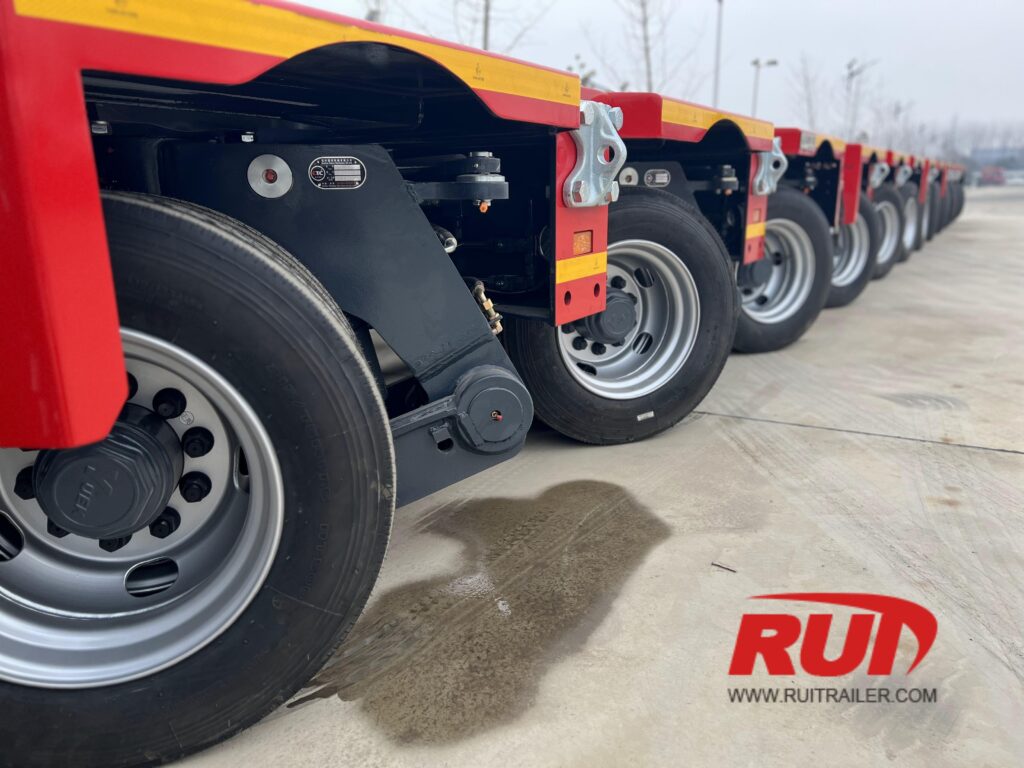
Multi AXLE Trailer Heavy DUTY MODULES
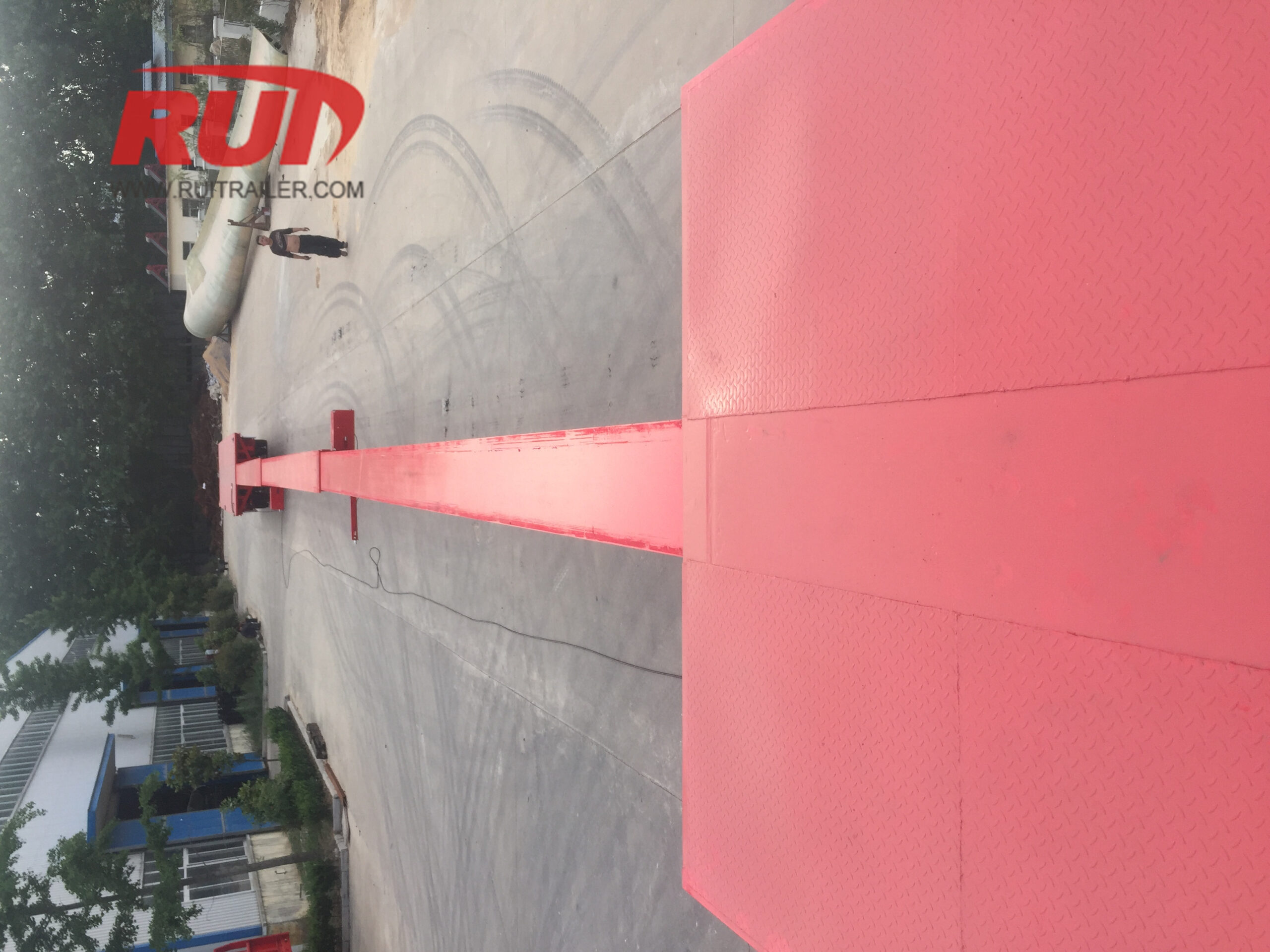
Super-heavy transport operations moving hundreds of tons require synchronized control across dozens of axle lines. Deploying forced steering on specialized modules, such as a removable gooseneck trailer for heavy equipment, ensures every line follows the tractor’s path precisely.
Synchronized Hydraulics: Mechanical and hydraulic linkages mandate exact wheel angle distribution from front to rear.
Axle Protection: Eliminates lateral scrubbing, significantly extending the service life of each semi-trailer axle.
Extreme Hauling: Purpose-built for oversized, non-divisible loads like wind turbine blades, bridge girders, and power plant modules.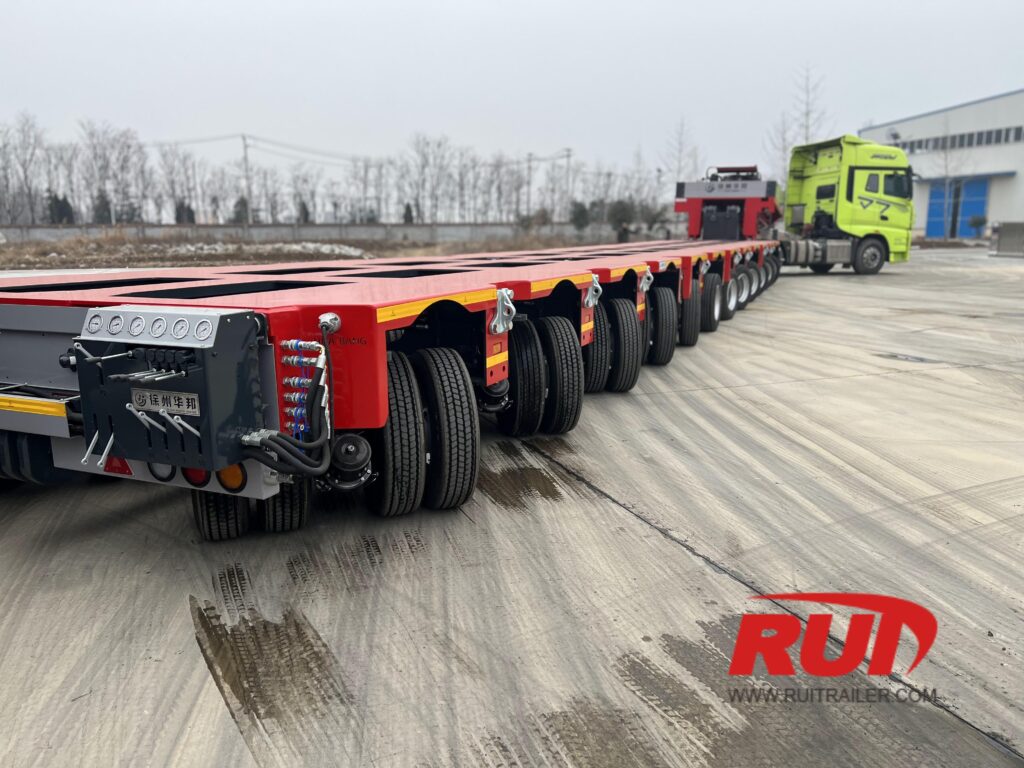
How to Choose the Right Trailer Steering System
Selecting the ideal trailer steering system depends on your cargo weight, route complexity, and trailer design. Matching the right control mechanism to your operational demands ensures long-term safety and fleet efficiency.
Matching Steering Systems to Trailer and Payload Types
Reviewing our detailed steerable trailer guide helps align mechanical capabilities with specific road challenges.
| Steering System Type | Best Trailer / Payload Match | Key Operational Feature |
|---|---|---|
| Self-Steer (Passive) | Standard semi-trailers, light-to-medium long haul | Low initial cost, automatic friction tracking |
| Command Steer (Forced) | Heavy-duty low beds, multi-axle trailers | Direct mechanical/hydraulic linkage, precise turning |
| Electro-Hydraulic Smart Steering | SPMTs, heavy modules, oversized loads | Electronic active control, maximum maneuverability |
For extreme heavy-haul operations, proper hydraulic modular trailer selection ensures active axle steering handles tight turn radiuses without exceeding local axle load limits.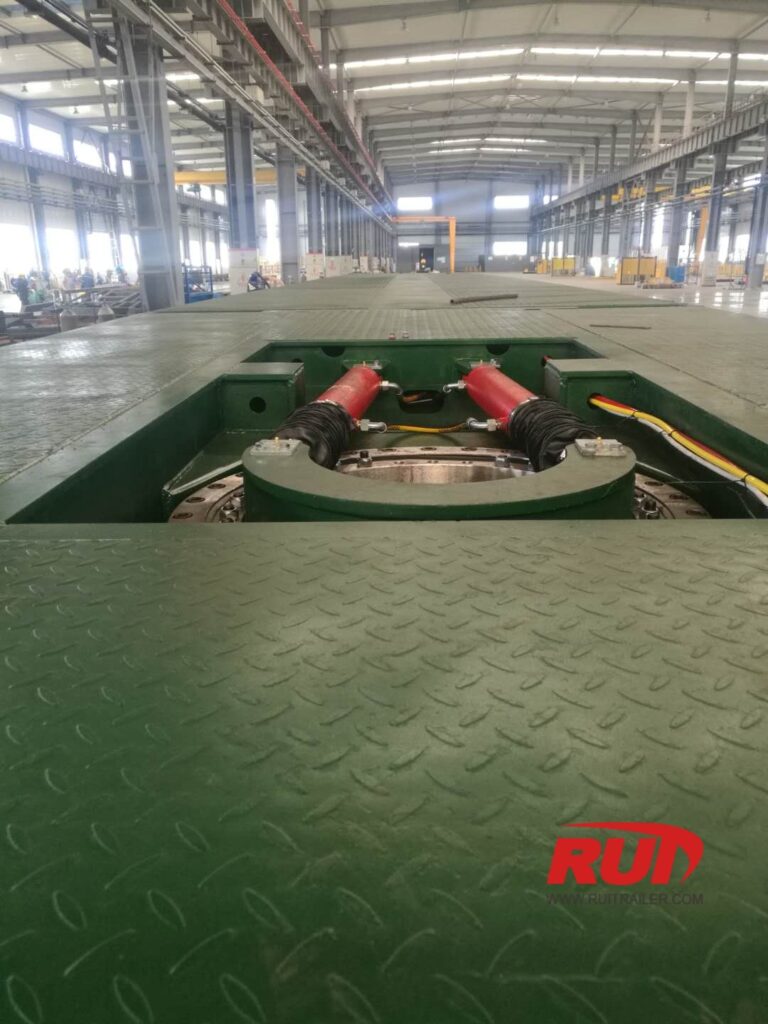
Evaluating Total Cost of Ownership and Maintenance
Look beyond the initial purchase price of your trailer steering system to maximize long-term ROI:
- Tire Lifespan & Scrubbing: Command and active steering reduce tire scrubbing by up to 70%, cutting replacement costs significantly.
- Fuel Consumption: Lower rolling resistance during sharp maneuvers directly reduces fuel usage across long hauls.
- Maintenance Rigor: Passive self-steer axles require minimal upkeep, whereas electro-hydraulic systems require routine sensor calibrations and fluid checks.
- Downtime Prevention: Heavy-duty components built for severe jobsite conditions protect against unexpected failures and costly delays.
 English
  German
  Turkish
  French
  Portuguese
  Russian
  Arabic
  Hindi
Hindi  Vietnamese
  Chinese
  Spanish
  Indonesian
  Swahili