

Introduction to Wind Turbine Blade Transportation Logistics
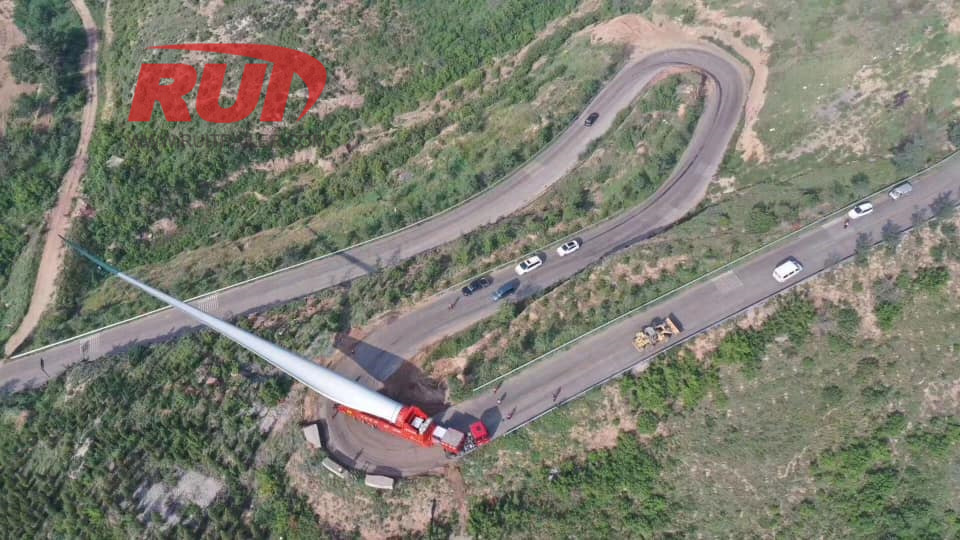
Wind turbine blade transportation is a highly specialized part of wind energy logistics. These components are extremely long, lightweight relative to their size, and highly sensitive to bending, vibration, and route restrictions. Moving them safely requires precise planning, the right transport vehicle, and strict control at every stage.
Key Logistical Challenges in Moving Over sized Loads
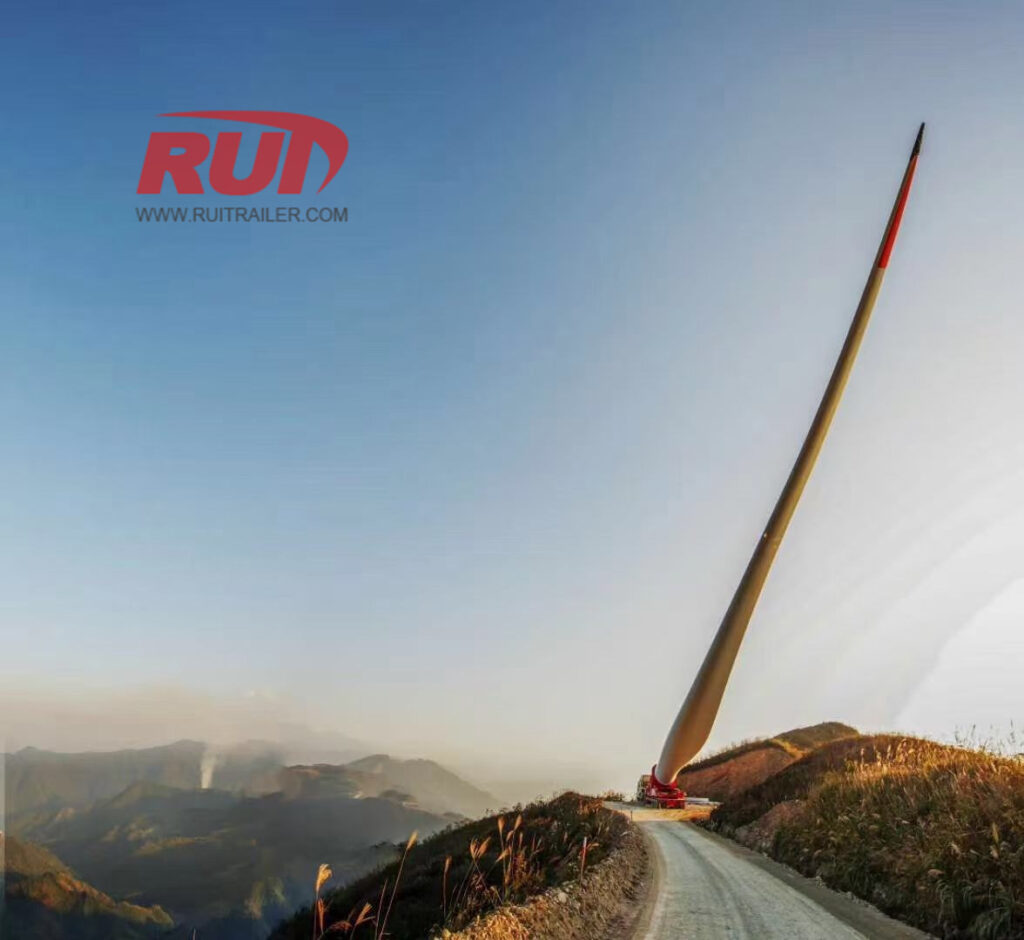
Transporting wind turbine blades involves more than simple heavy haulage. The main challenges include:
- Extreme length and limited maneuverability
- Bridge height, road width, and turning-radius restrictions
- Surface conditions that can affect blade stability
- Traffic management for oversize cargo
- Protection against shock, torsion, and weather exposure
Because Wind Turbine Blade Transport is a form of exceptional transport, even small route issues can create major delays. A successful project depends on coordinated road transport solutions, experienced crews, and specialized trailers designed for long blade logistics.
Essential Permits and Complex Route Planning
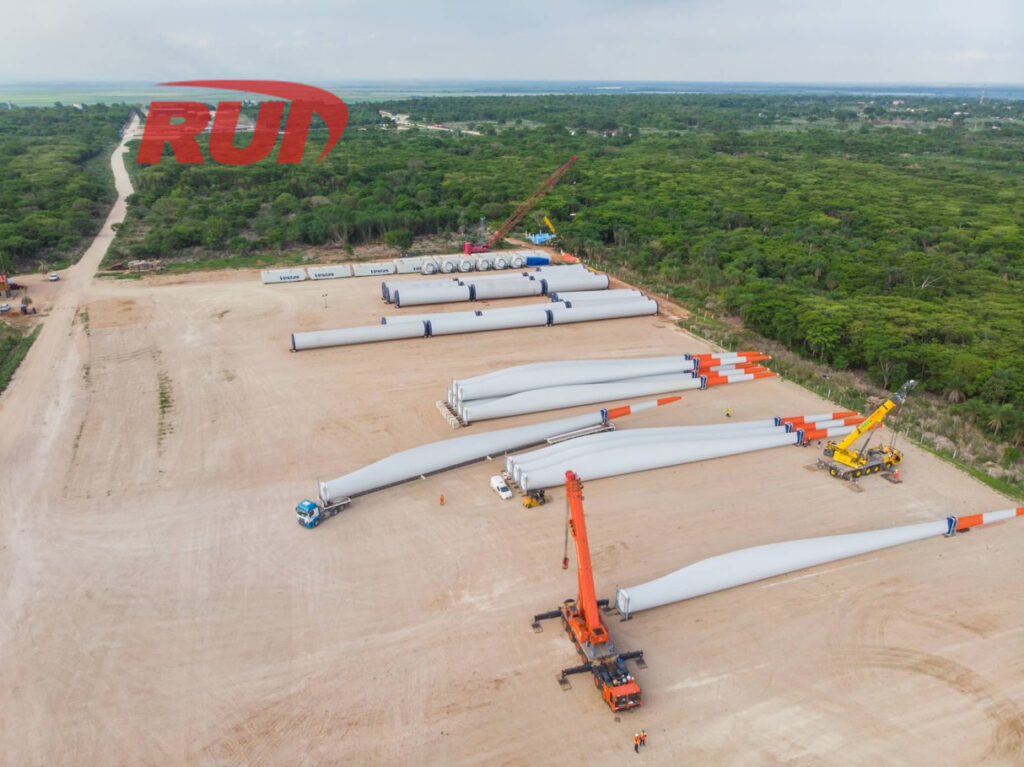
Every Wind Turbine Blade Transport project starts with permits and route analysis. Over sized cargo often requires approval from multiple authorities, especially for cross-border transport overweight cargo movements. Route planning must account for:
- Road classifications and legal axle limits
- Temporary traffic control measures
- Utility line clearance
- Construction zones, curves, and narrow access roads
- Delivery timing for wind farm logistics sites
A strong logistics partner manages the full permit process and builds custom transport solutions around the blade length, destination, and local regulations. This level of planning is essential for safe rotor blade transport and reliable wind project cargo delivery.
Specialized Vehicles and Equipment for Wind Turbine Transport
Heavy-Duty Tractors and High-Capacity Transmissions
Transporting massive wind turbine blades requires tractors built for heavy haulage. These heavy-duty tractors feature high-capacity transmissions and reinforced drive trains capable of pulling over sized, overweight cargo over long distances without failure. They must deliver consistent torque to manage variable terrain, sharp turns, and inclines while maintaining control and stability under extreme loads. Precision-engineered for durability and power, these tractors are the backbone of effective wind turbine logistics.
Extendable Trailers and Steerable Axles for Extremely Long Blades
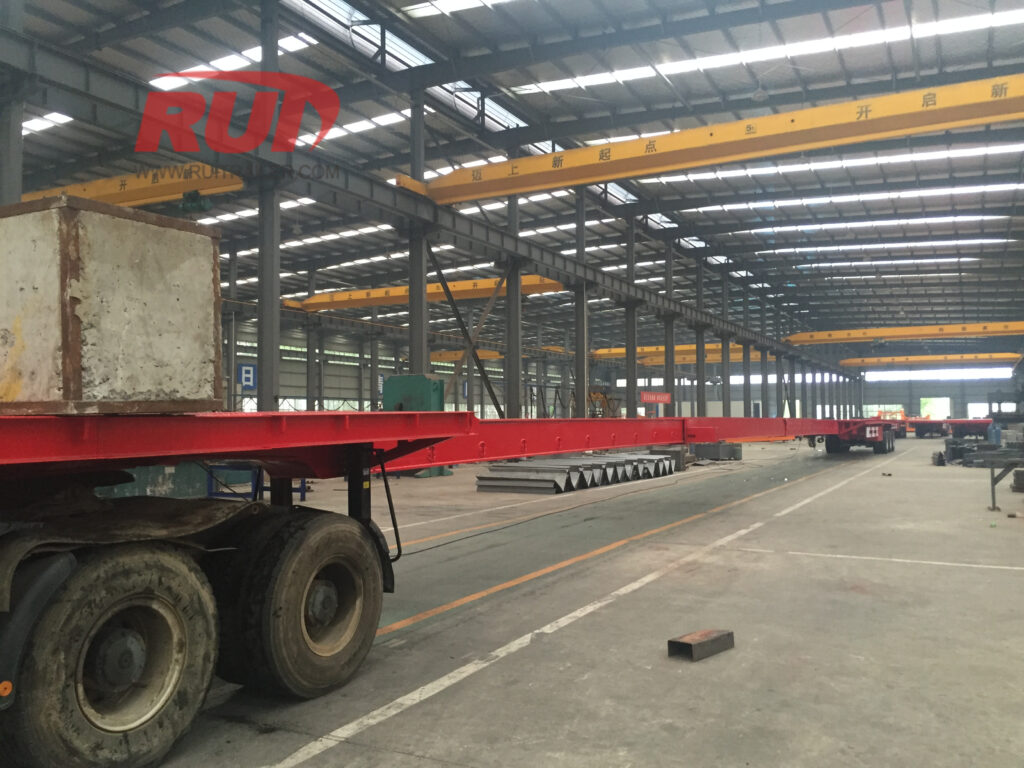
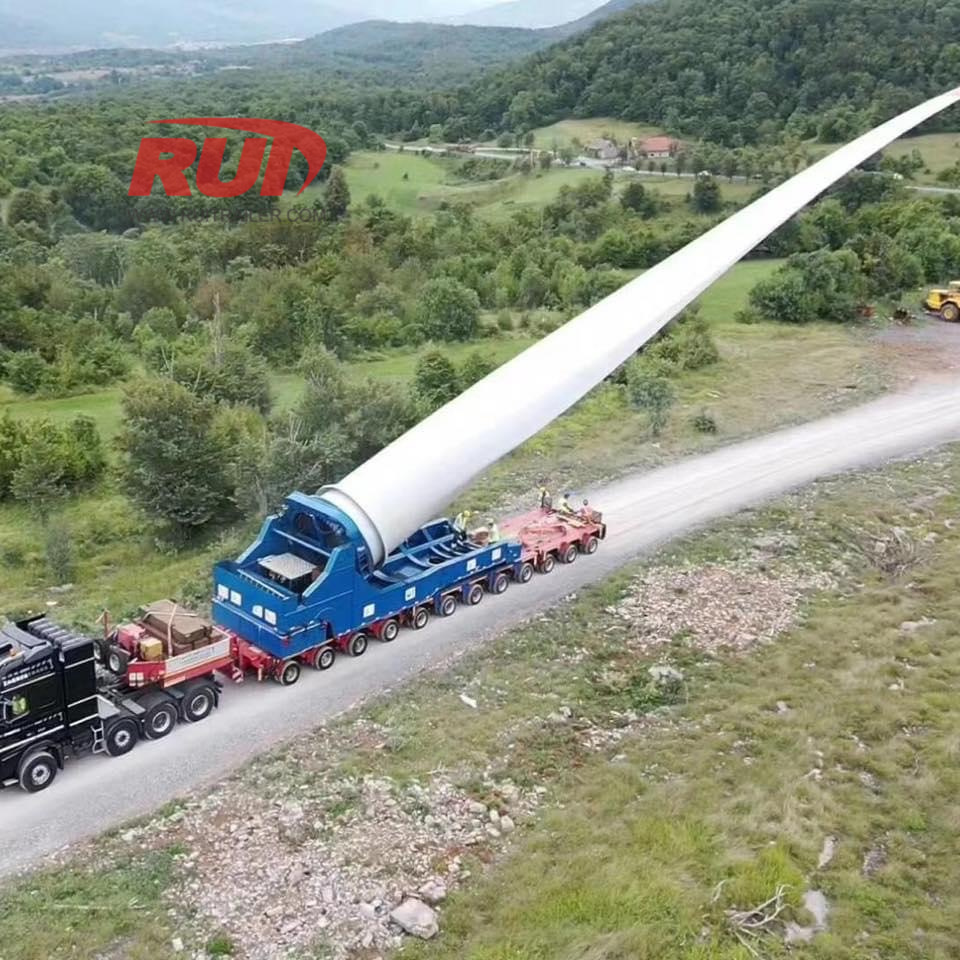
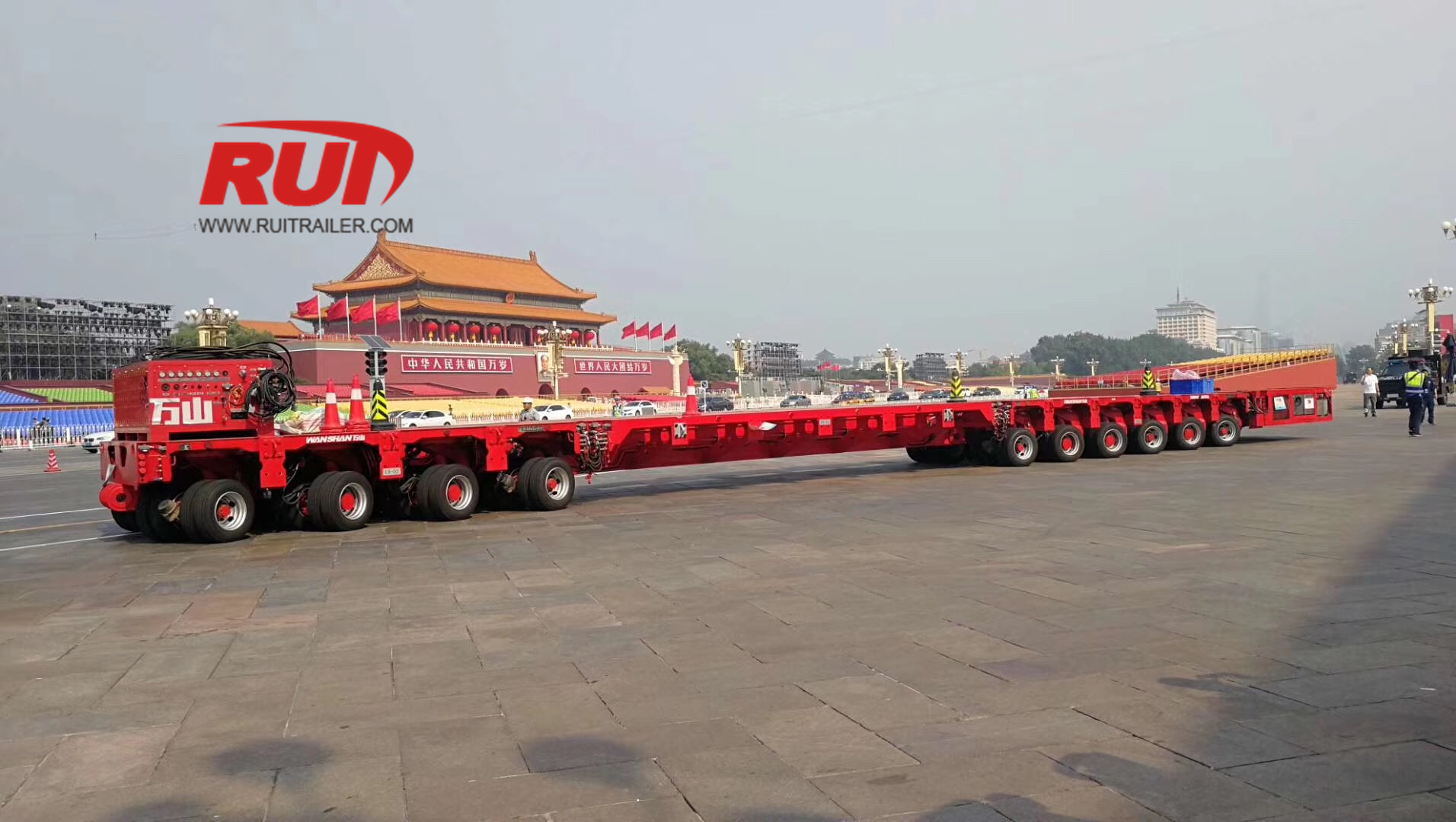
Wind turbine blades can exceed lengths of 80 meters, demanding specialized trailers with extendable beds that adjust length to accommodate varying blade sizes. Steerable axles are crucial for maneuvering these exceptionally long loads through tight corners, narrow roads, and complex routes. These trailers often feature multi-axle configurations to distribute weight evenly, preventing road damage and ensuring compliance with transport regulations. Custom transport solutions like these are essential for the delicate handling and secure support of rotor blades during overland transit. More on this can be found through detailed guides on multi-axle wind blade trailers.
Marine Vessels and Heavy Lift Port Equipment
For offshore wind projects, specialized marine vessels equipped with dynamic positioning systems and heavy lift cranes play a vital role in moving blades from fabrication sites to installation ports. Ports handling wind turbine components require heavy lift equipment capable of safely unloading and loading over sized cargo. Cranes, spreader bars, and custom lifting frames ensure blades maintain structural integrity during transfer to trailers or installation platforms. Partnering marine transport with advanced port infrastructure streamlines the movement of wind energy project cargo from land to sea.
Together, these specialized vehicles and equipment form a comprehensive transport ecosystem that meets the extreme demands of wind turbine blade logistics globally.
The Blade Lifter System: Conquering Complex Terrain
I use the blade lifter system when route conditions make standard wind turbine blade transportation too risky. It lifts the blade, changes its angle, and helps the load clear tight curves, slopes, roadside barriers, and uneven ground during rotor blade transport.
How the Wind Turbine Blade Lifter System Works
The system connects to specialized trailers and uses hydraulic control to raise, tilt, and rotate the blade. That gives me better control across exceptional transport routes and helps manage long blade logistics with less ground interference. In many cases, I pair it with a stretch trailer for long wind turbine blades to keep the full tractor and trailer configuration stable.
Advantages of Blade Lifters in Challenging Environments
- Better clearance on steep roads and rough terrain
- Safer turns through narrow streets and mountain passes
- Less damage risk for wind turbine components and roadside infrastructure
- More route flexibility for wind project cargo in remote areas
Disadvantages and Engineering Challenges
Blade lifters add cost, setup time, and operator complexity. They need skilled drivers, precise planning, and strong road transport solutions to handle wind energy logistics properly. The system also depends on blade size, weather, and ground conditions, which can limit performance in heavy haulage jobs and make route approval more difficult.
Safety Protocols and Handling Processes for Wind Energy Cargo
Preparation, Reinforcement, and Securing Techniques
Wind turbine blade transportation demands thorough preparation to prevent damage and ensure stability. Blades are reinforced with custom supports, padding, and wraps at vulnerable points like tips and roots. Securing with heavy-duty straps and tension systems prevents movement during transit. Using specialized trailers equipped with blade cradles and rotor blade holding devices ensures even weight distribution and limits stress on the structure. These securing methods are crucial for managing the awkward length and delicate surfaces of the blades.
Accounting for Severe Weather Conditions During Shipping
Wind turbine blades are highly sensitive to harsh weather, especially high winds, rain, and temperature extremes. Transport schedules must factor in weather forecasts to avoid excessive wind loads that could sway or damage the blades. Protective covers shield blades from moisture and debris. In regions with heavy rain or snow, routes prioritize road conditions and clearance to minimize risk. Constant monitoring during transit is essential to adjust handling practices or pause transport if conditions deteriorate.
Optimized Loading and Unloading Procedures
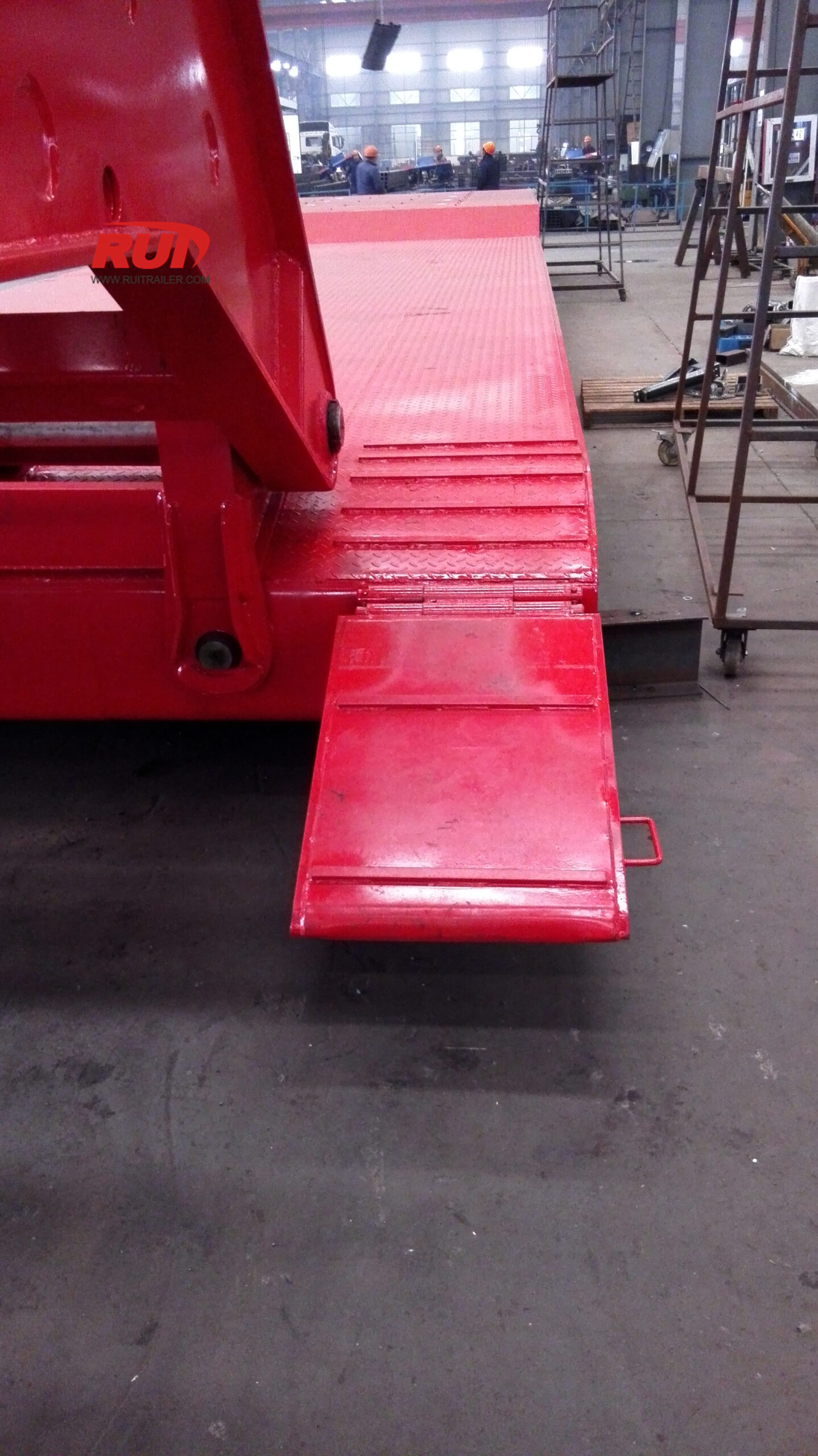
Efficient loading and unloading reduce time exposed to risk and ensure safe handling. Use of extendable trailers with low-loader ramps facilitates smooth transfer of long blades. Precise crane operations combined with blade lifter systems secure the blades vertically or horizontally without imposing bending stresses. Trained crews follow strict step-by-step protocols to stabilize blades immediately upon placement. These controlled procedures minimize accidents, damage, and delays in the logistics chain.
For enhanced safety and handling, low-loader trailers with modern ramp systems are highly effective for loading over sized rotor blades, ensuring stable and secure transport from start to finish. This attention to detailed preparation and controlled processes is key to the successful movement of wind turbine blades over long distances.
Choosing the Right Wind Turbine Logistics Partner
Assessing Specialist Services and Driver Experience
Selecting a logistics partner experienced in handling wind turbine blade transportation is critical. Look for companies offering tailored, specialist services designed specifically for over sized cargo and heavy haulage. Skilled drivers with deep knowledge of route restrictions, load balancing, and maneuvering extendable trailers contribute significantly to safe, efficient deliveries. Their familiarity with tractor and trailer configurations optimized for long blade transport reduces risks and downtime on complex routes.
Evaluating Project Logistics Capabilities and References
Strong project logistics capabilities are essential. A reliable partner will demonstrate experience managing multi-modal transport including road, marine, and heavy lift operations. They should provide detailed references and case studies proving successful wind energy logistics across diverse environments. Transparent communication, resources, and proactive problem-solving reflect their ability to handle your wind turbine components on time and within budget.
Key Factors Impacting Transportation Costs
Transportation costs depend heavily on payload size, route complexity, necessary permits, and specialized equipment like hydraulic modular trailers and extendable trailers. Weather conditions and handling requirements add to operational expenses. Efficient route planning and load optimization through advanced logistics solutions help lower expenses while minimizing delays. Investing in a partner with proven cost control measures ensures your wind turbine blade transport remains economically feasible throughout the project.
For advanced road transport solutions, integrating extendable trailers can dramatically enhance flexibility and reduce costs on long blade logistics.

Frequently Asked Questions About Wind Turbine Shipping
What are the best practices for transporting wind turbine blades?
Transporting wind turbine blades demands a combination of precise planning, specialized equipment, and strict safety protocols. Best practices include using extendable trailers with steerable axles to handle the extreme length and flexibility of blades. Load reinforcement and blade lifter systems help maintain structural integrity during transit. Real-time route surveys minimize the risk of obstacles or damage, while securing blades firmly prevents unwanted movement under road stress. Coordinating with local authorities ensures appropriate permits, escort vehicles, and traffic management. Proper weather monitoring helps avoid conditions that could compromise safety.
How do logistics companies handle cross-border over sized loads?
For over sized loads crossing borders, logistics providers work closely with customs and transport agencies in each country to secure specialized permits, route approvals, and customs clearance. Advance coordination addresses differences in road regulations, bridge load limits, and height restrictions. Companies often plan alternative routes to bypass tight urban areas or infrastructure limitations. Skilled drivers experienced in international heavy haulage operate advanced tractor-trailer combinations designed to conform to cross-border weight and dimension standards. Escort and pilot vehicles are deployed to maintain safety and regulatory compliance throughout transit.
What specialized equipment is needed for offshore wind turbines?
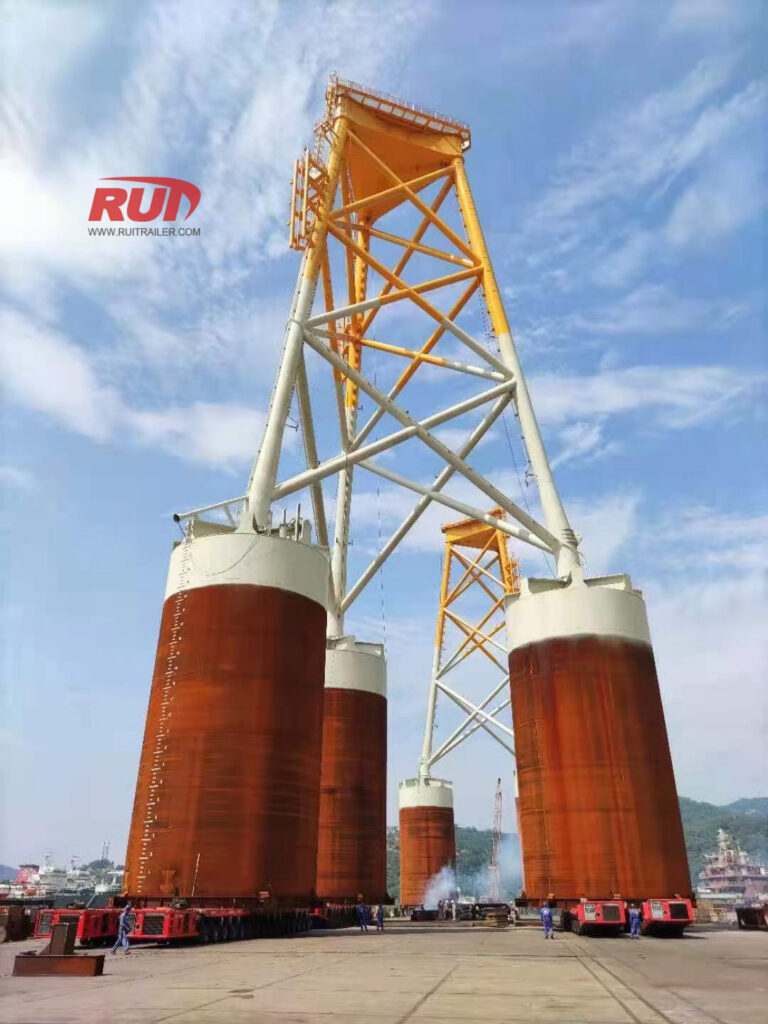
Offshore wind turbine blade transportation requires a tailored set of specialized vehicles and heavy lift equipment. Self-propelled modular transporters (SPMTs) accommodate extremely heavy and over sized components on port and staging areas. Extendable hydraulic trailers permit secure handling of long blades during land transport to the installation site. At ports and offshore terminals, heavy lift cranes and purpose-built blade lifter systems are essential to move and position blades safely onto installation vessels. Customized sea transport vessels equipped with dynamic positioning systems ensure stability during transit to offshore wind farms, enabling precise and efficient blade delivery. For details on modular trailer solutions for heavy wind turbine cargo, refer to specialized hydraulic trailer selections.
 English
  German
  Turkish
  French
  Portuguese
  Russian
  Arabic
  Hindi
Hindi  Vietnamese
  Chinese
  Spanish
  Indonesian
  Swahili