

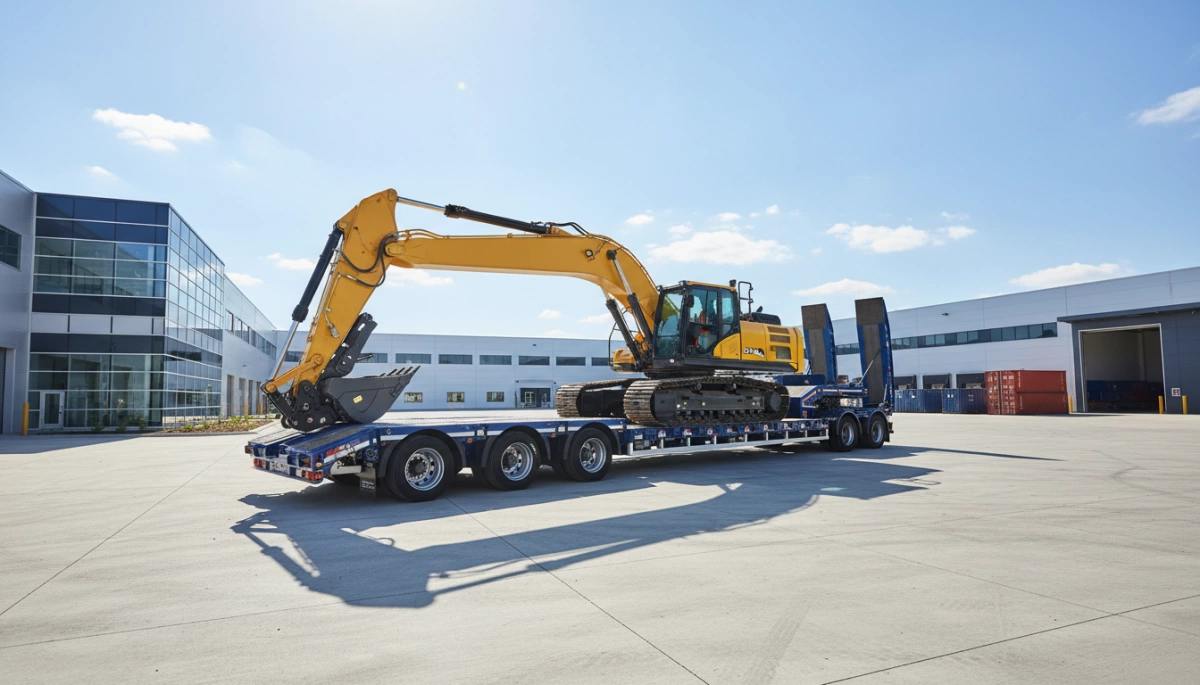
Kusonga kombora kubwa, doza, au mashine ndefu na trela isiyo sahihi inaweza kukugharimu muda, pesa, na hata usalama. Ndio maana wasafirishaji wengi wa mizigo mizito wanabadilika kuwa trela za RGN zinazoweza kutolewa za gooseneck.
Katika mwongozo huu, utaona hasa jinsi trailer ya gooseneck inayoweza kutenganishwa inavyofanya kazi, kwa nini ndiyo chaguo la kwenda kwa wasafirishaji wa vifaa vizito kwa meli kubwa, na nini cha kutafuta katika vipimo kama uwezo wa tani 50 wa lowboy usanidi wa ekseli, na gooseneck inayoweza kuondolewa kwa hydraulic mifumo.
Ikiwa unapanga yako ijayo kununua trela ya mizigo mizito —au unataka kuboresha hadi salama zaidi, yenye ufanisi zaidi usafirishaji wa mizigo mikubwa—mwongozo huu wa 2026 utakusaidia kuchagua sahihi Trailer ya RGN removable gooseneck kwa ujasiri.
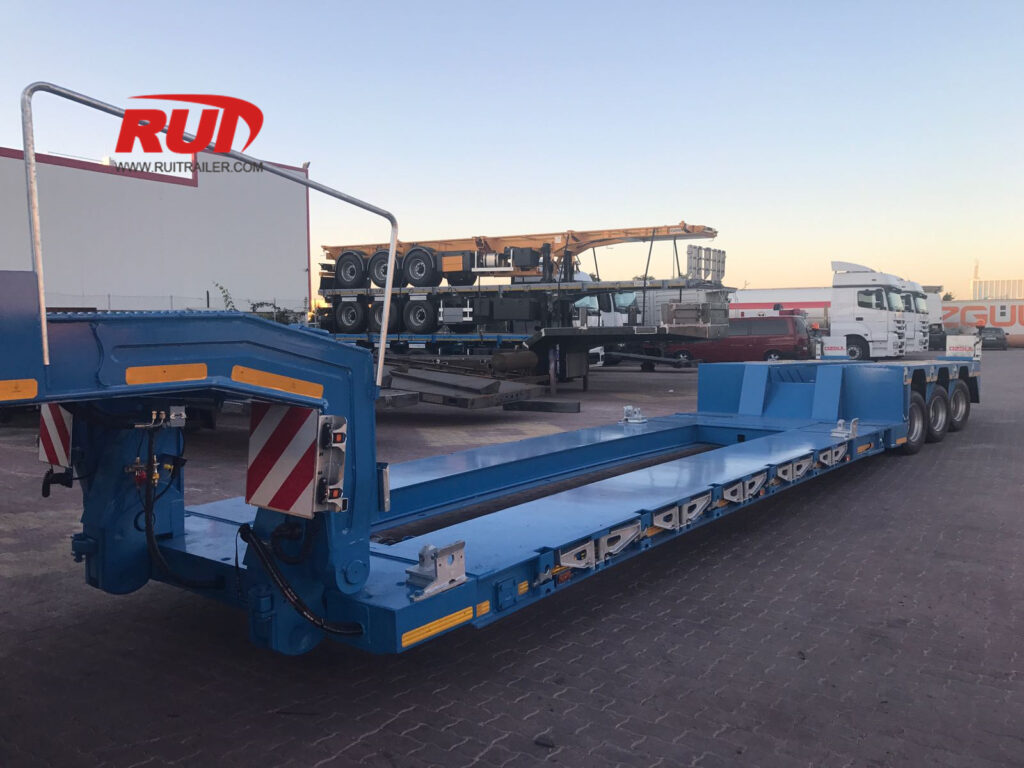
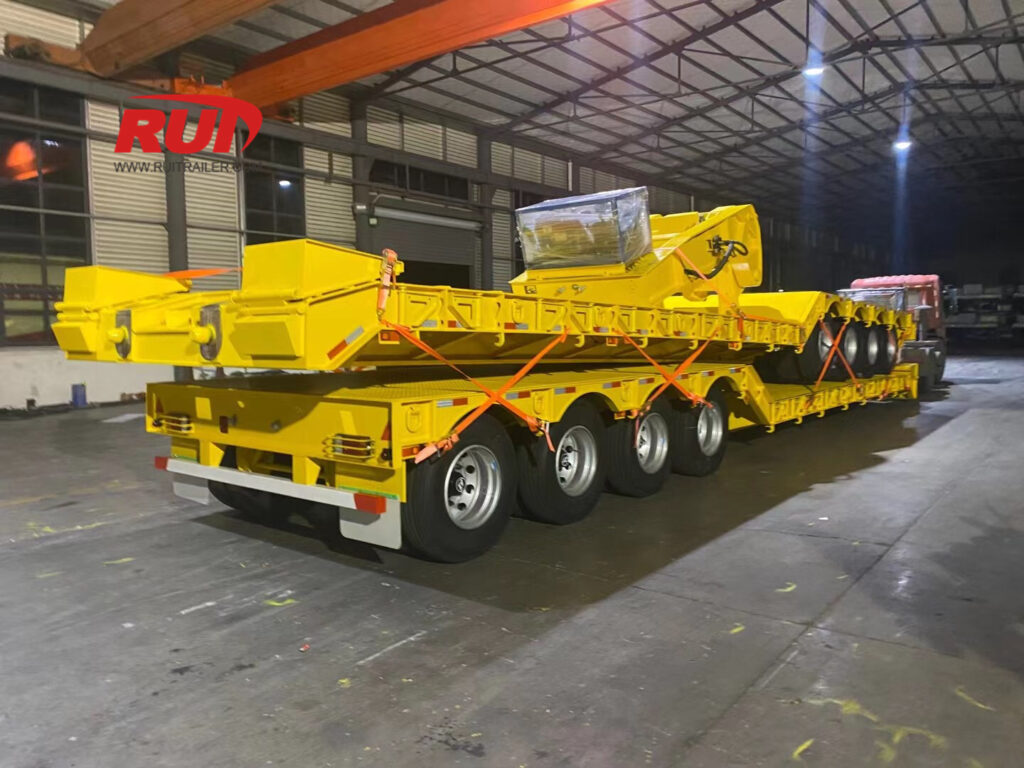
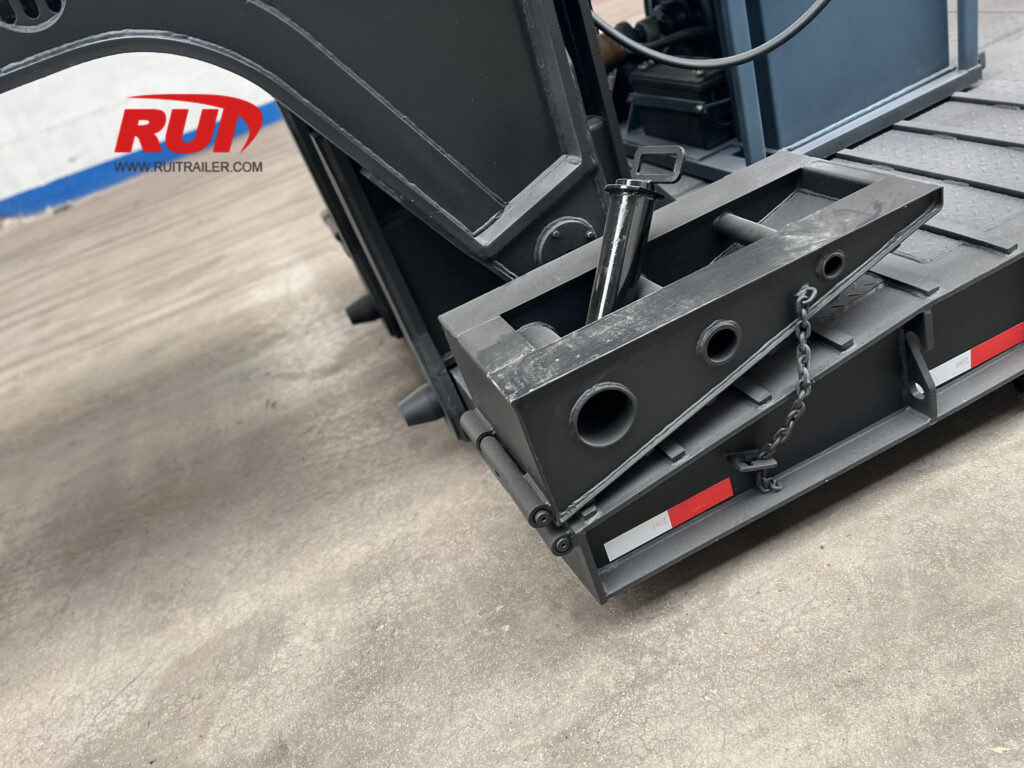
Nini Maana ya Trailer ya RGN Removable Gooseneck?
Ikiwa unasafirisha vifaa vizito, pengine umepambana na pembe za upakiaji, vikwazo vya urefu, na maeneo madogo ya kazi. Trela ya Trailer ya RGN removable gooseneck imejengwa ili kutatua matatizo hayo.
Ufafanuzi Wazi: RGN Trailer ya Gooseneck Inayoweza Kuondolewa
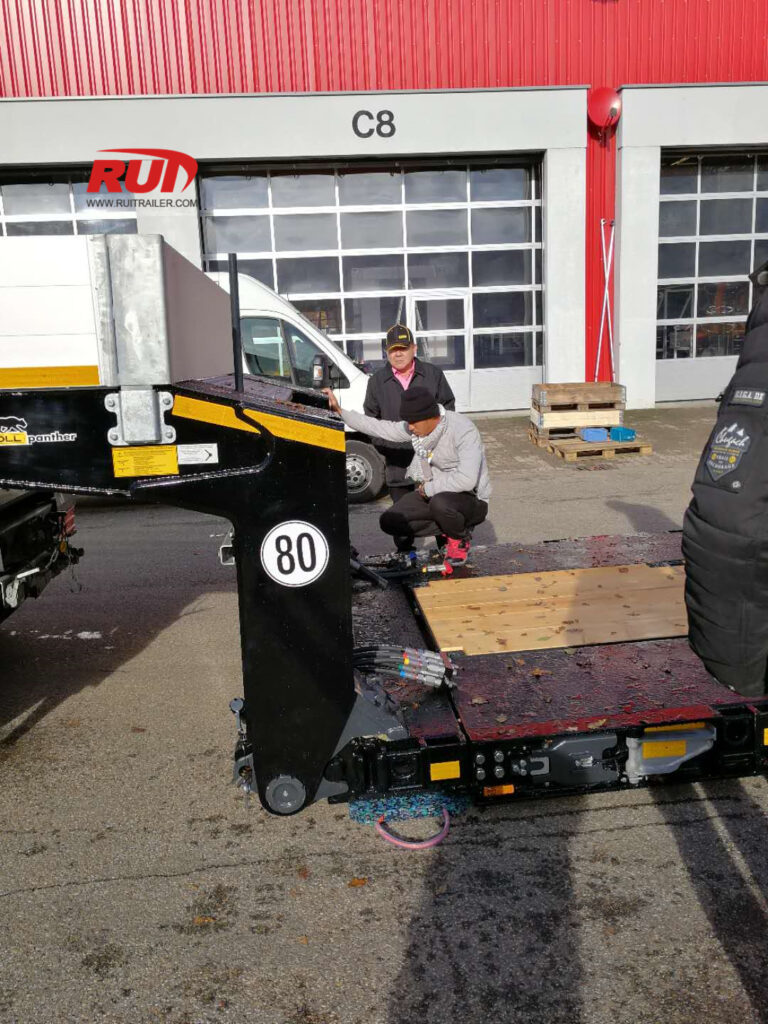
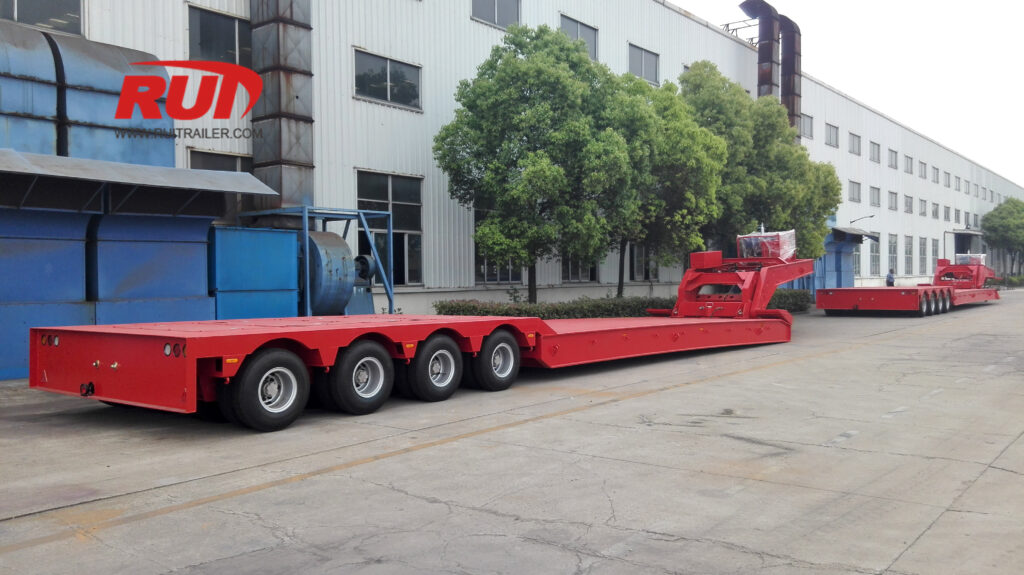
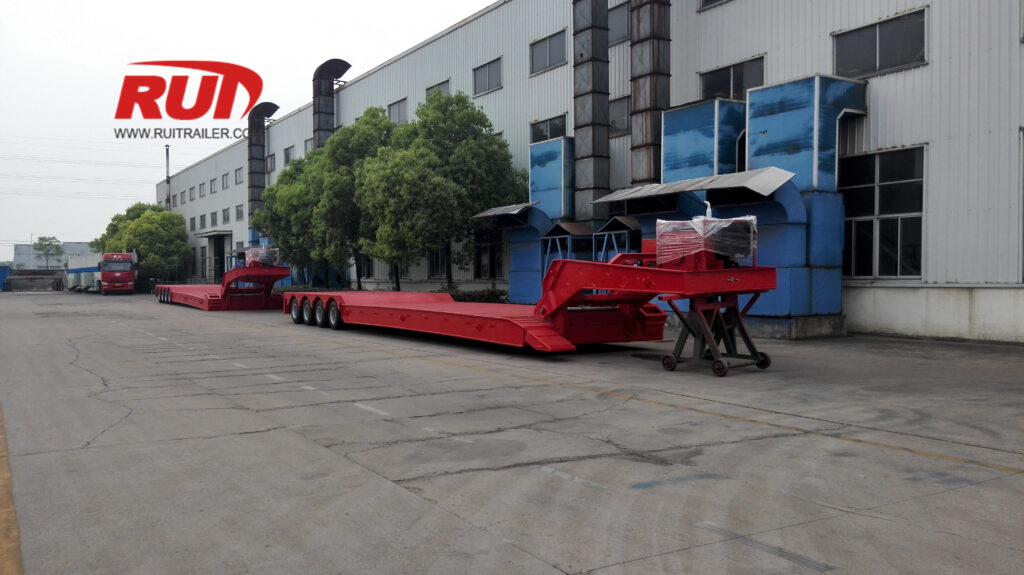
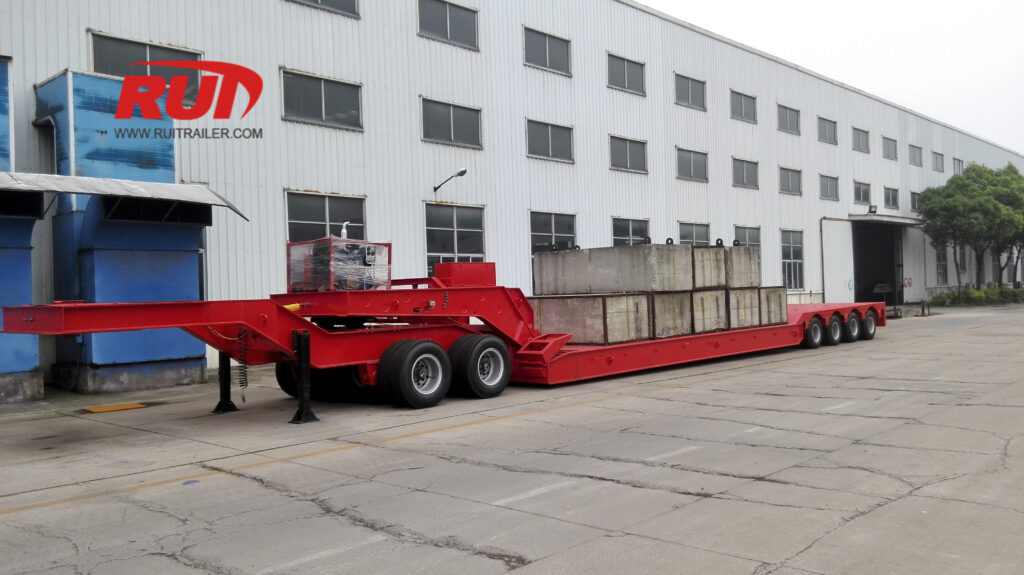
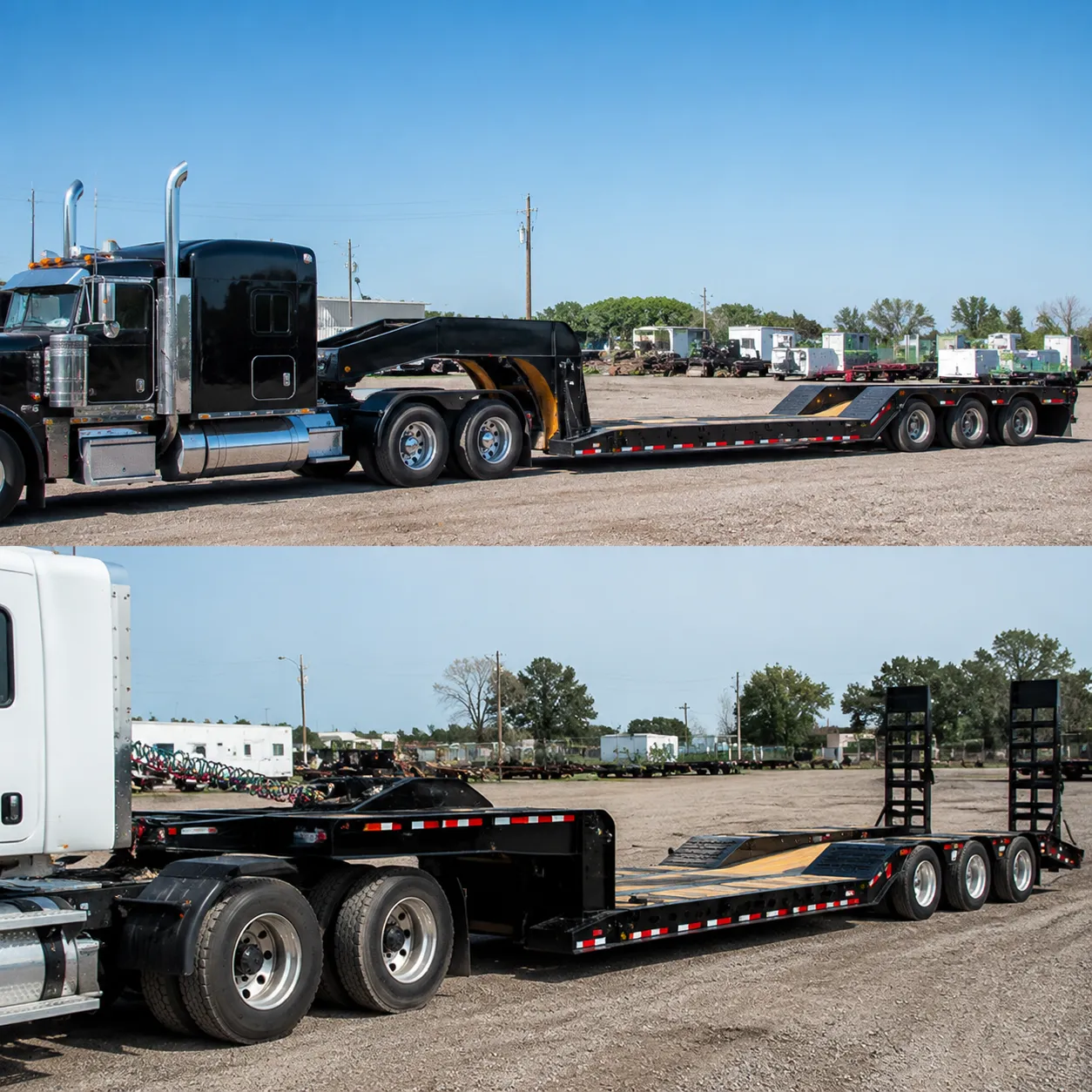
An Trailer ya RGN removable gooseneck (pia inajulikana kama a trailer ya gooseneck inayoweza kutenganishwa or rgn lowboy trailer) ni trailer ya chini ya sakafu mahali shingo ya mbele inatenganishwa na sakafu ili uweze kupakia vifaa kutoka mbele, moja kwa moja kwenye trailer.
- The gooseneck ni sehemu ya mbele inayoshikamana na gurudumu lako la tano na kingpin.
- Kwenye RGN, shingo hii ni inaweza kuondolewa kwa mitambo or inaondolewa kwa maji, hivyo inaweza kupunguzwa na kuhamishwa mbali na sakafu kuu.
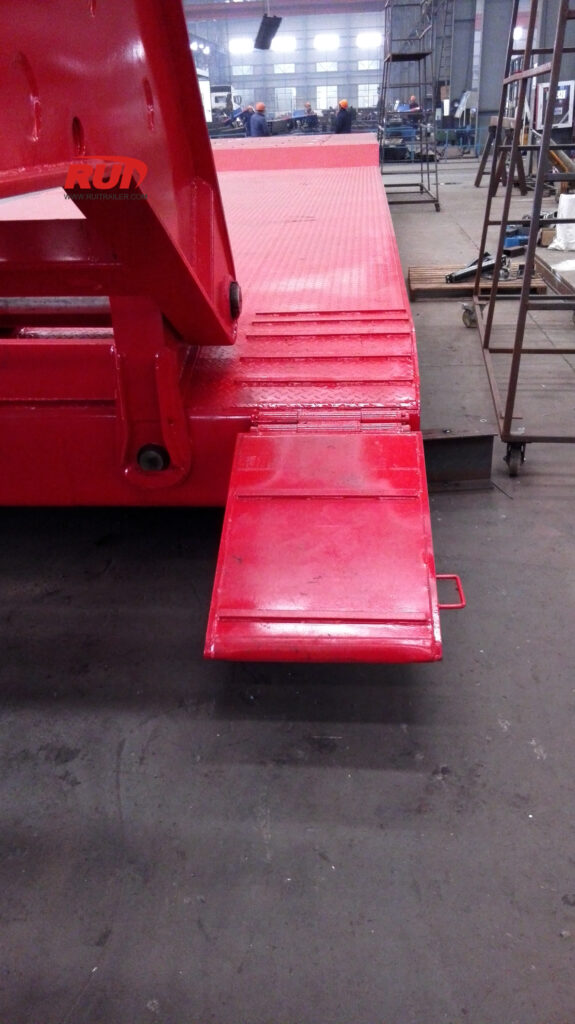
- Mara shingo iko mbali, sakafu huanguka chini ya ardhi, ikitengeneza kupakia kwa mbele mteremko kwa kupakia vifaa vinavyojiendesha kama vile dozers, excavators, au loaders.
Kwa maneno rahisi: badala ya kuinua mashine juu ya trailer, drive on lowboy trailer huja chini hadi kiwango cha ardhi.
Jinsi Lowboy ya RGN Inavyotofautiana na Lowboy ya Kawaida au Step Deck
Kawaida trailer ya lowboy or trailer ya step deck ina shina thabiti. Unapakia kutoka nyuma au tumia rampu za ziada au bandari za kupakia. A rgn lowboy mabadiliko ambayo:
- Mwelekeo wa kupakia:
- Lowboy ya kawaida/step deck: kupakia tu nyuma.
- RGN: kweli trailer ya kupakia mbele na deck ya kiwango cha chini.
- Urefu wa deck uliopakuliwa:
- Step deck: deck ya juu, nafasi ndogo chini ya madaraja.
- RGN lowboy: ultra trailer yenye urefu wa chini wa sakafu na “kisima” kirefu kwa usafirishaji wa mashine ndefu na usafirishaji wa mizigo mikubwa.
- Uwezo wa kubadilika kwa vibali vya ukubwa na uzito kupita kiasi:
- Miundo ya RGN inapeana kipaumbele trailer yenye kituo cha mzigo cha chini utulivu na bora zaidi nafasi ya kupakia na uhifadhi wa mizigo, ikikupa chaguo zaidi kwenye njia zenye vikwazo vya urefu.
Ikiwa unajitahidi kila mara kwa kila inchi ya kibali cha urefu, RGN kawaida hushinda staha ya hatua au lowboy ya kawaida.
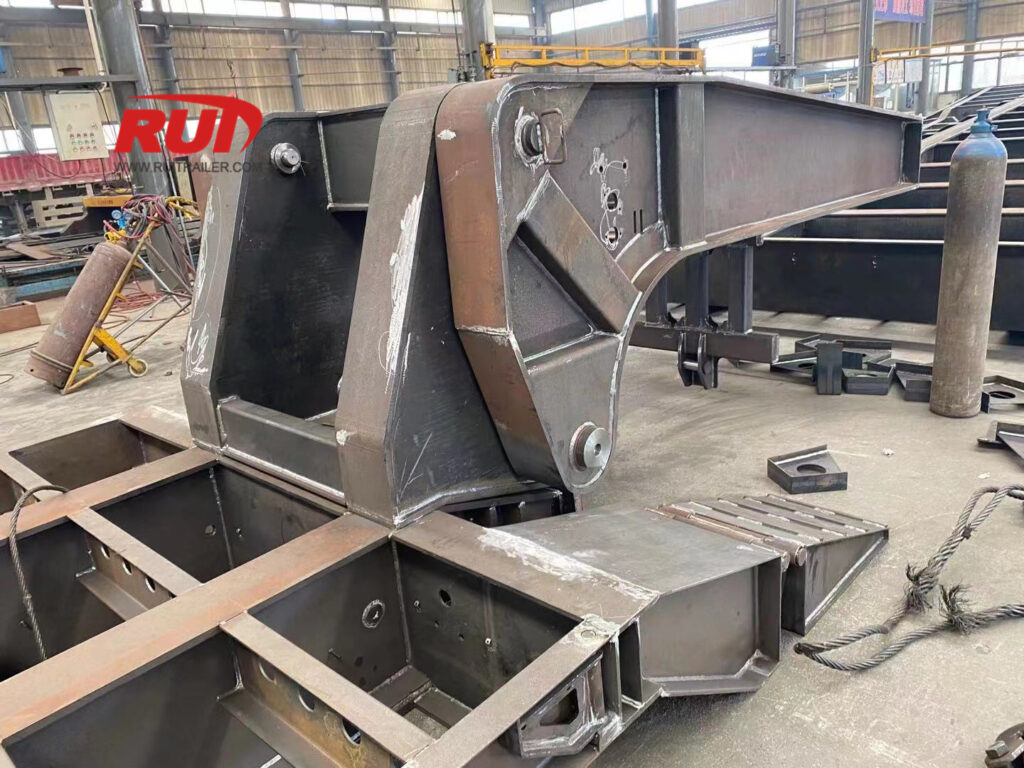
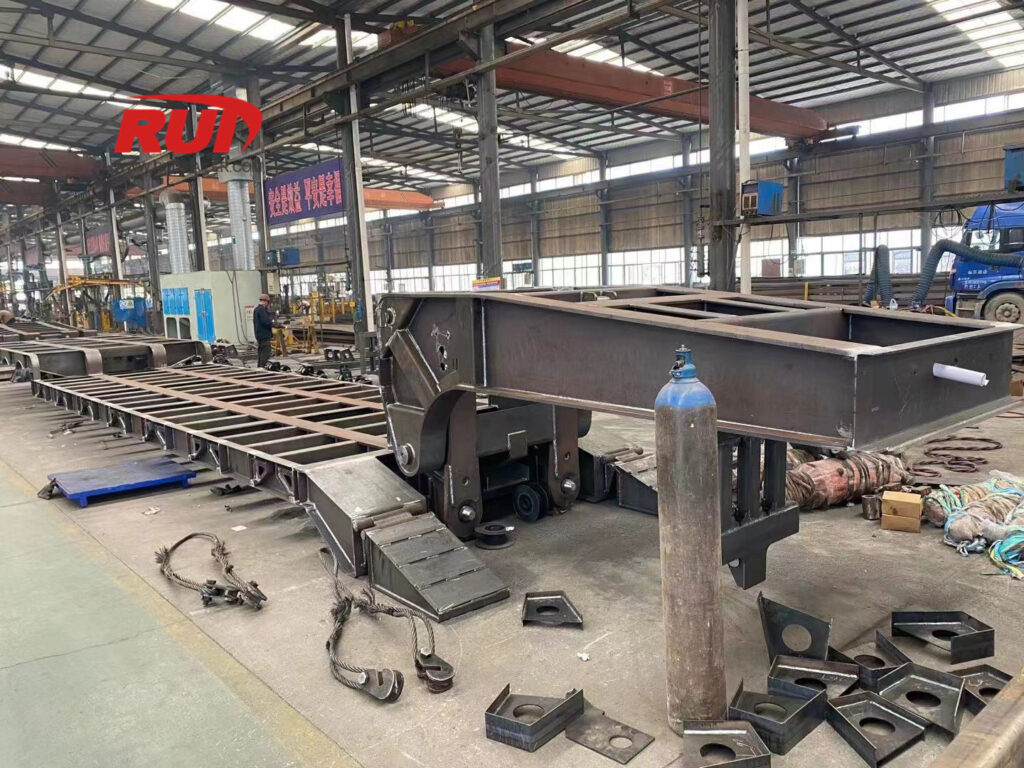
Vipengele Muhimu vya Trela ya Gooseneck Inayoweza Kutenganishwa
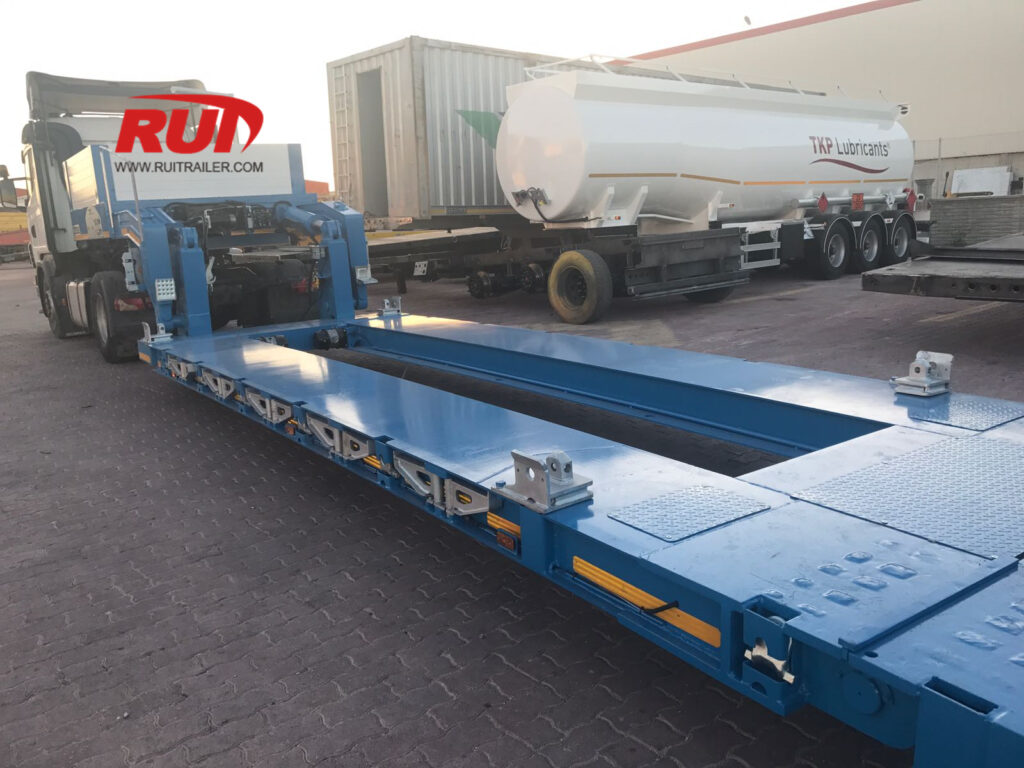
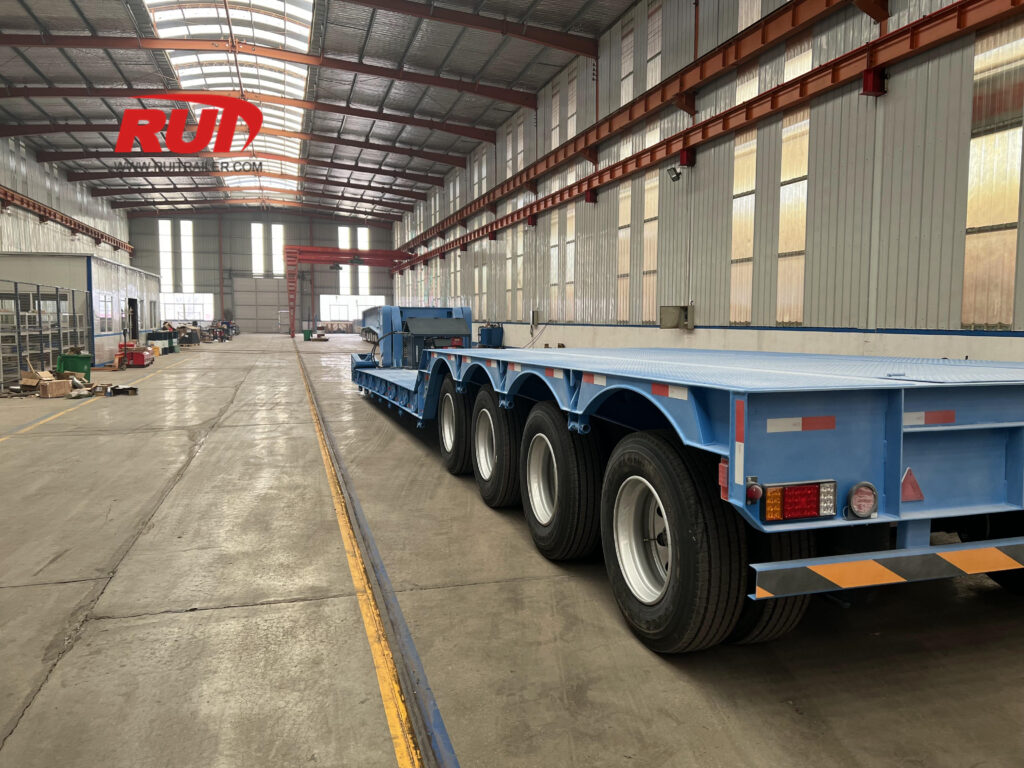
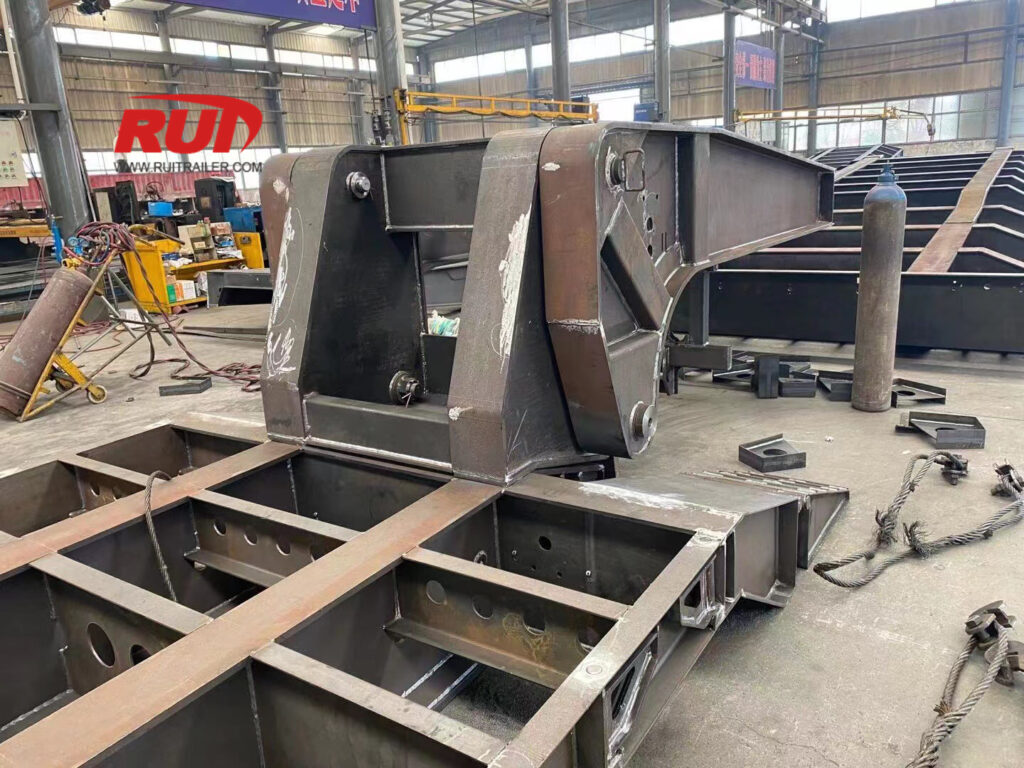
Kwenye yangu trela nzito ya lowboy jukwaa, sehemu kuu za trela ya lowboy yenye shingo inayoweza kuondolewa ni:
- Gooseneck inayoweza kuondolewa
Mfumo wa mitambo au majimaji unaotenganishwa na staha na kudhibiti mwelekeo na urefu. - Staha ya kuanguka / kitanda cha chini
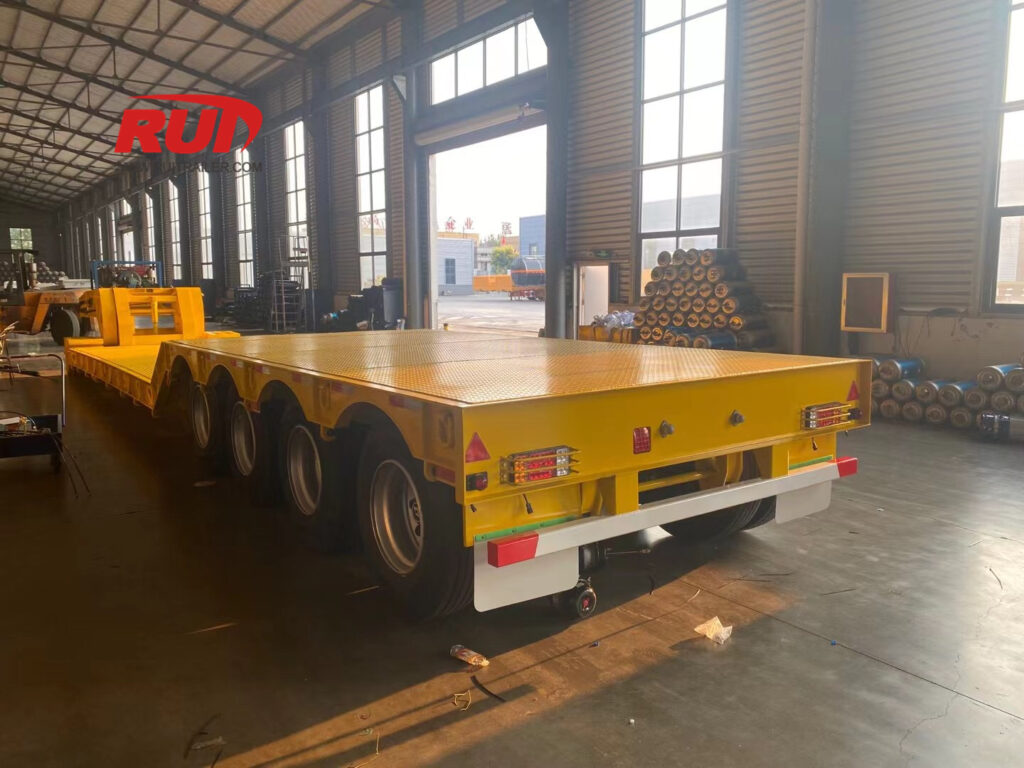
“Kisima” cha trela na trela ya vifaa vya wasifu wa chini muundo wa makalio makubwa, madalali, na mashine za viwandani. - Axles za nyuma
Treni ya tandem axle rgn, tri axle rgn lowboy, au mchanganyiko wa multi-axle kwa 40T na 50T (na zaidi) uwezo, uliowekwa kwa ajili ya yako usanidi wa axle kwa usafirishaji mzito sheria. - Ramu na mpito wa mbele
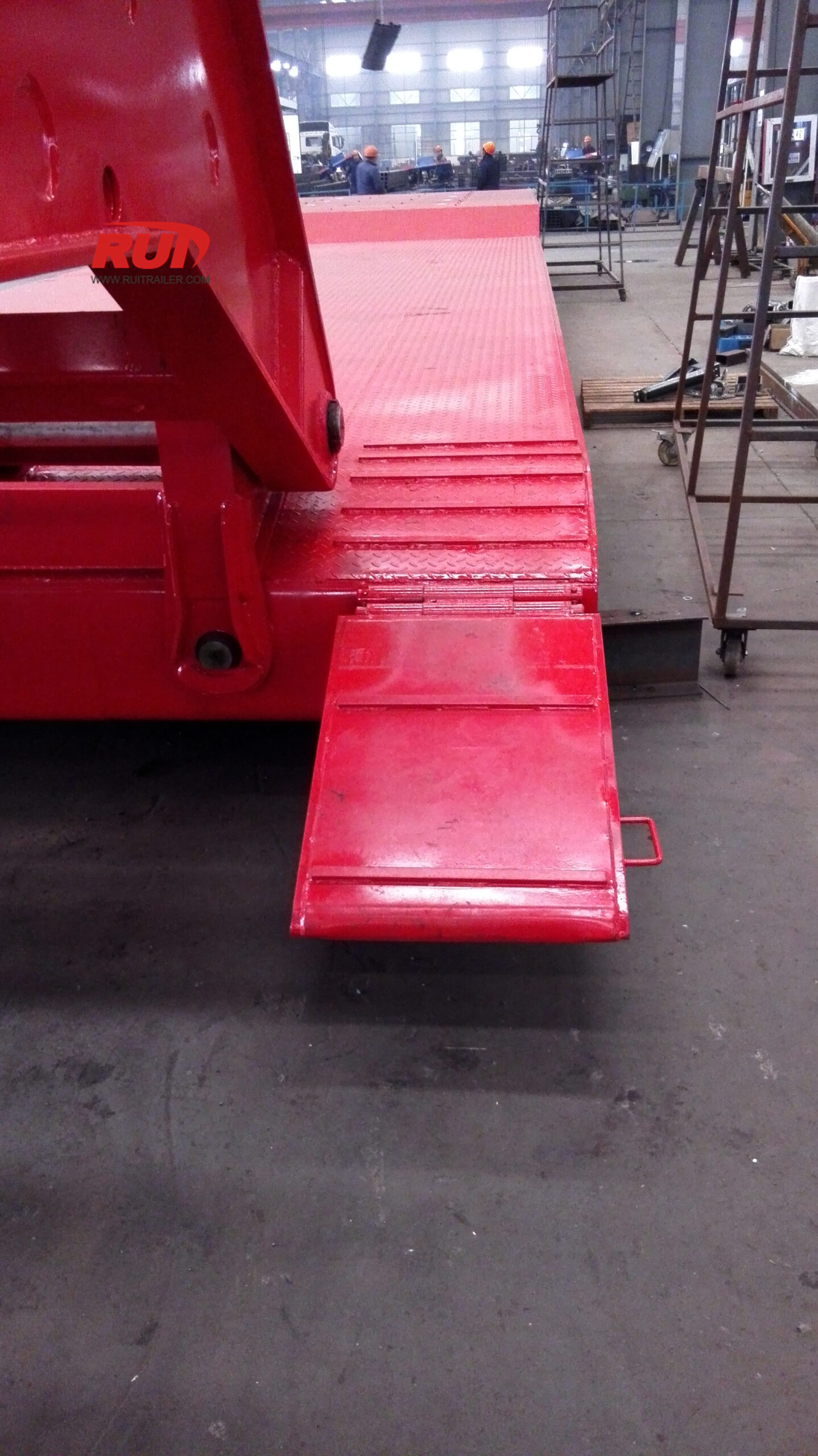
Ramu zilizojengwa ndani au sahani za mpito za mbele zinazounda laini pembe ya upakiaji wakati staha inapopumzika chini. - Vifunguo vya shingo na mfumo wa kufunga
Pini za kufunga za kazi nzito, wedges, na latches za usalama zinazofunga shingo kwenye staha ili trela iwe kama kitengo kimoja, imara kwa kasi ya barabara kuu.
Kila moja ya vipengele hivi huathiri utulivu, kasi ya upakiaji, na uimara wa muda mrefu.
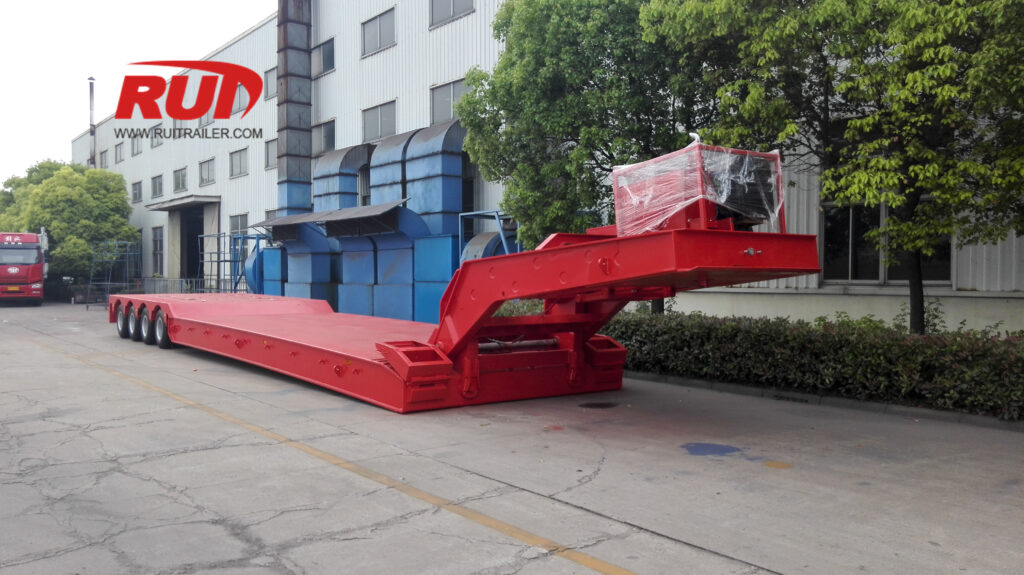
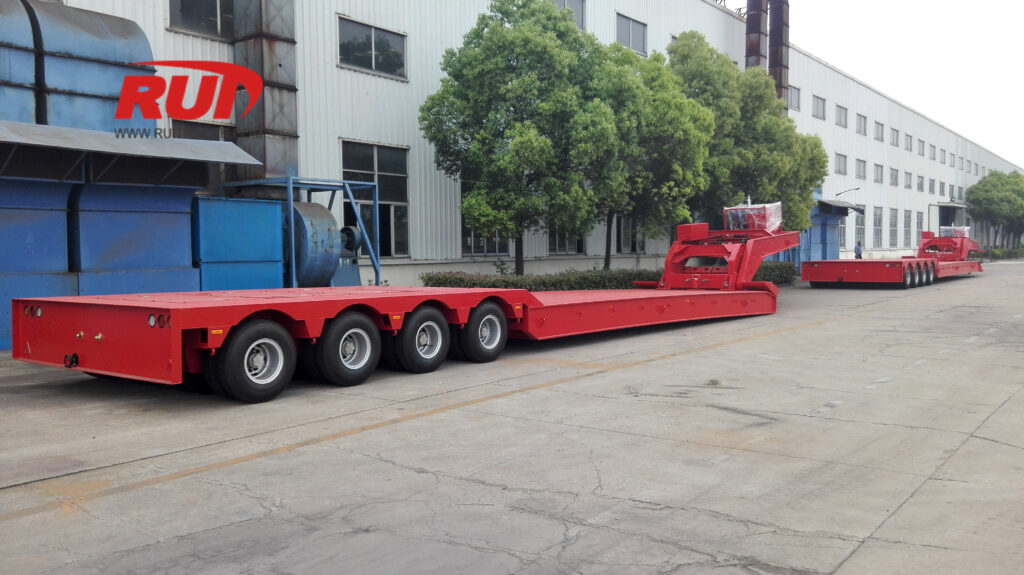
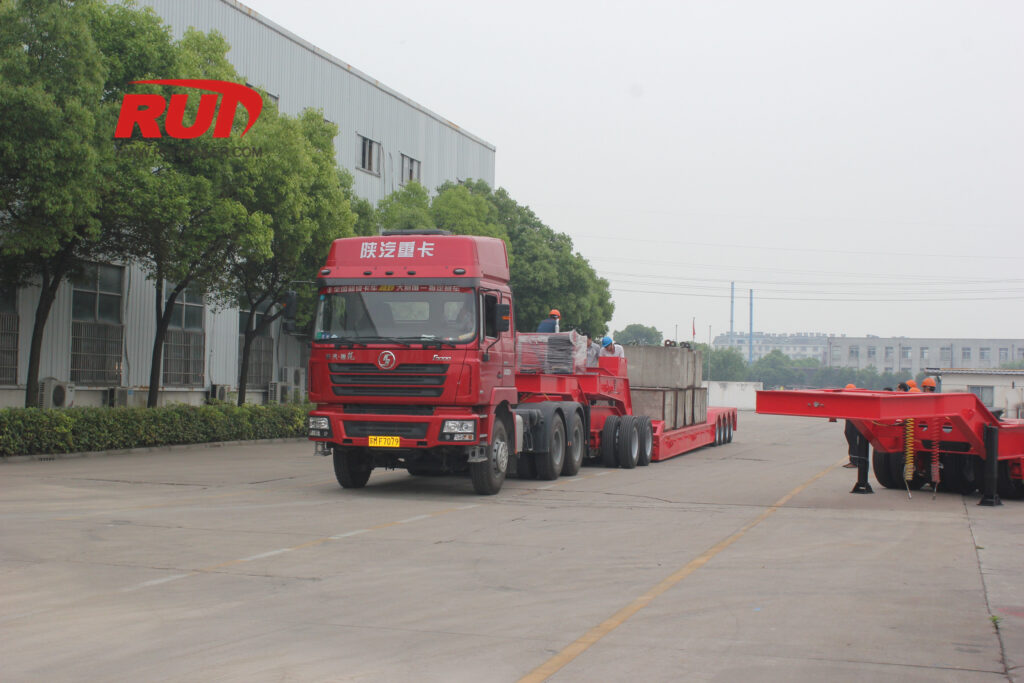
Wakati Gooseneck Inayoweza Kutenganishwa Inafaa Zaidi Kuliko Shingo Iliyofungwa
Unachagua rgn trailer ya gooseneck inayoweza kuondolewa juu ya lowboy yenye shingo iliyofungwa wakati:
- Unapakia mengi ya vifaa vinavyojiendesha wenyewe (vichimbaji, mashine za kuchomeka, pavers, loaders) na wanataka haraka kuendesha juu kupakia bila vifaa vya ziada.
- Unashughulikia usafirishaji wa mashine ndefu mahali ambapo kila inch ya urefu wa sakafu uliojazwa inasababisha vibali na urefu wa daraja.
- Unahitaji kituo cha chini cha uzito na utulivu wa juu wakati wa kubeba vifaa vizito kwa mwendo wa barabara kuu au kwenye barabara ngumu za upatikanaji.
- Unataka kupunguza utegemezi kwa vyuma vya kuinua, forklifts, na madaraja makubwa na kufanya kila eneo la kazi kuwa na uwezo zaidi wa kujitegemea.
Ikiwa kazi yako ni ya maana kubeba vifaa vikubwa vya uzito mkubwa kwa ujenzi, kilimo, uchimbaji madini, au miradi ya viwanda, trailer yenye specifications nzuri rgn trailer ya gooseneck inayoweza kuondolewa ni kawaida kuwa ya vitendo zaidi na yenye tija zaidi trailer maalum unaweza kuongezea kwa meli yako.
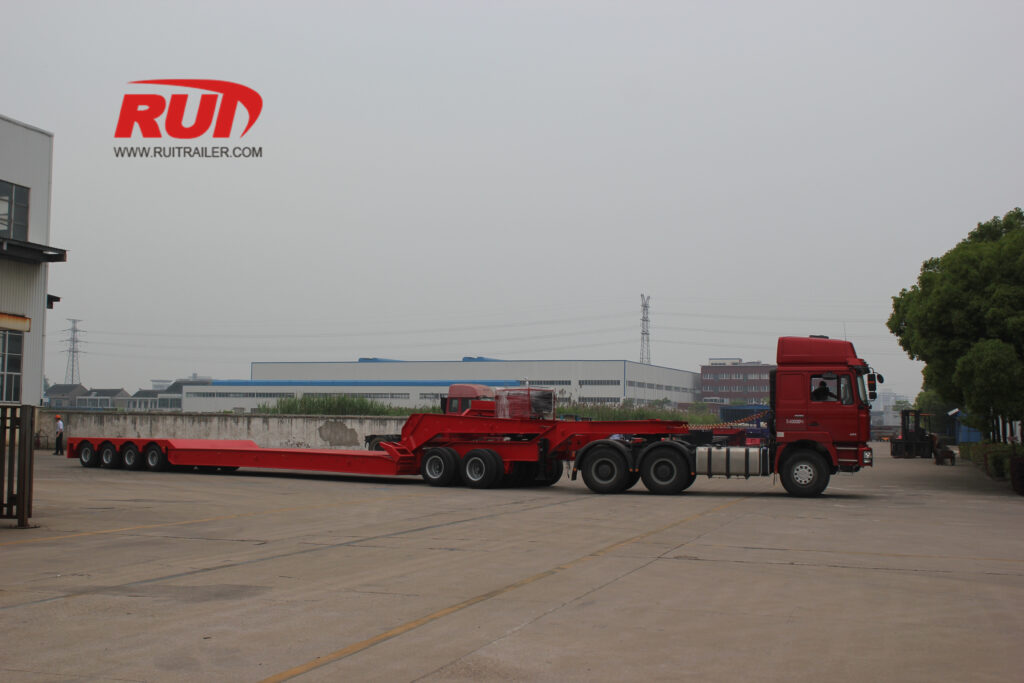
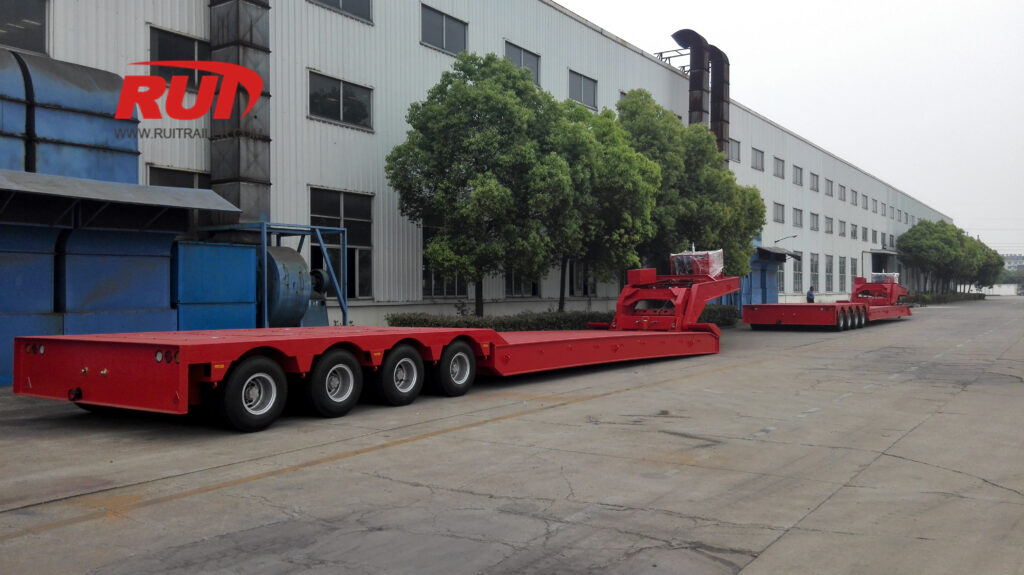
Faida Muhimu za Trailer ya Gooseneck Inayoweza Kuondolewa ya RGN
Trailer ya RGN inayoweza kuondolewa na gooseneck imejengwa kwa kazi halisi za kubeba uzito mkubwa, na faida zake ni dhahiri mara tu unapoanza kupakia.
Kupakia mbele na mizunguko ya haraka
Kwa trailer ya RGN ya lowboy inayopakia mbele, wafanyakazi huendesha mashine za kuchimba, doza, na vifaa vingine vinavyojiendesha moja kwa moja kwenye lori la chini kutoka kwa kiwango cha ardhi. Hakuna pembe za kupakia kali, hakuna kurudi nyuma kwa hatari, na muda mdogo wa kupangilia. Kwa mtoaji wa vifaa vizito wenye shughuli nyingi, hiyo inamaanisha ratiba kali, ucheleweshaji mdogo wa uwanja, na gharama ya kazi kwa kila harakati kuwa chini.
Urefu wa chini wa sakafu kwa mizigo mikubwa
Muundo wa lori wa urefu wa chini wa sakafu huweka mashine ndefu chini ya mipaka muhimu ya urefu barabarani na madaraja. Trailer ya RGN yenye uzito wa tani 40 au lowboy wa tani 50 wenye urefu mdogo wa sakafu hukupa nafasi zaidi ya uhuru wa mizigo, hupunguza matatizo ya kibali, na hukusaidia kuendesha mizigo mirefu ambayo step deck au flatbed haiwezi kushughulikia.
Trailer imara, yenye katikati ya chini ya uzito
Kwa sababu ya lori la RGN la lowboy linaloendesha kwa chini, unapata katikati ya chini ya uzito wa asili. Uimara huo ni muhimu kwa kasi za barabarani, katika upepo mkali, na barabara za sekondari zisizo na utulivu. Trailer inayoweza kuondolewa na gooseneck inafuatilia vizuri zaidi, inahisi imara kwenye mizunguko, na huwapa madereva ujasiri zaidi wanapobeba vifaa vikubwa katika maeneo magumu.
Vifaa vya kuinua kidogo, vizuizi vya foleni vinavyopungua
Muundo wa trailer unaoweza kuondolewa na gooseneck unapunguza hitaji la crane au forklift wakati wa kupakia vifaa vinavyojiendesha. Wafanyakazi huendesha tu na kuondoka. Hii huokoa ada za kukodisha crane, huepuka kusubiri rasilimali za uwanja, na huwezesha kufanya kazi za ghafla au usiku wakati msaada wa kuinua haupatikani.
Upakiaji wa akseli wenye akili na ufanisi wa kufuata sheria
Trailer ya RGN yenye akseli mbili, tri-axle RGN lowboy, au trailer nzito yenye akseli nyingi huenea uzito kwa usahihi juu ya kila kundi la akseli. Hii husaidia kukaa ndani ya mipaka halali ya akseli, kuunga mkono vibali vya mizigo mikubwa na uzito mkubwa, na kupunguza nafasi ya matatizo barabarani. Ikiwa unahamia kwenye mifumo mikubwa ya akseli nyingi, miongozo kama yetu miongozo ya trailer ya moduli kwa usafiri wa majimaji wa nguvu kubwa ni hatua inayofuata yenye manufaa.
Uzalishaji wa juu kwa magari halisi ya meli
Kwa usafirishaji wa vifaa vya ujenzi, usafirishaji wa mashine za kilimo, na kazi za usafirishaji wa vifaa vya uchimbaji, trela za RGN zinazobadilika za gooseneck hutoa zaidi kwa muda mfupi. Kupakia kwa haraka, utulivu bora, na matatizo machache ya kibali yanamaanisha:
- Safari zaidi kwa lori kila wiki
- Uharibifu mdogo na kazi ya kurekebisha kwenye usafirishaji wa mashine za urefu mkubwa
- Gharama ya jumla ndogo kwa tani zilizohamishwa kwenye meli yako ya lori za lowboy za kazi nzito
Ikiwa unafanya kazi za mizigo nzito tata au unatafuta zaidi ya lowboys za kawaida, pia ni vyema kuelewa jinsi RGNs zinavyosaidia mifumo ya kisasa zaidi kama ile ya Mbadala za trela za moduli za mtindo wa Goldhofer ambazo meli nyingi hutumia kwa mizigo mikubwa sana.
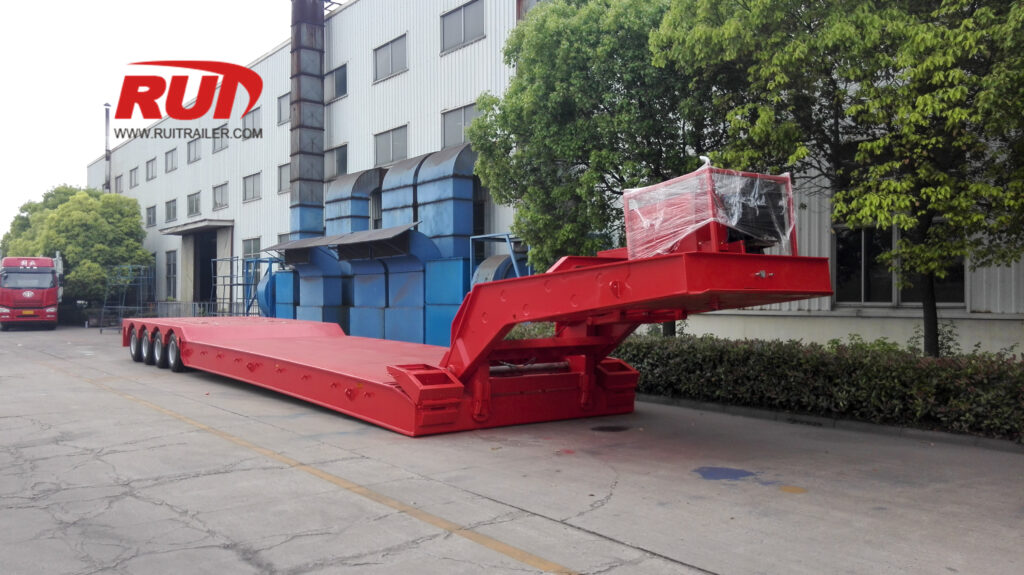
Jinsi Trela ya RGN Inavyofanya Kazi
Trela ya RGN inayobadilika ya gooseneck imejengwa ili kufanya kupakia vifaa vizito kwa haraka na salama. Muhimu ni shina la mbele linaloweza kutenganishwa, ambalo huruhusu sakafu kushuka chini ili uweze kuendesha mashine moja kwa moja badala ya kuinua kwa mitambo ya vyuma. Ikiwa unataka muhtasari wa kuona wa kina, nimeufafanua katika mwongozo wetu kuhusu mchakato wa kazi wa trela ya gooseneck inayobadilika ya lowbed.
Hatua kwa hatua mchakato wa gooseneck inayotenganishwa
Kwenye eneo la kazi, mchakato wa kupakia wa gooseneck inayotenganishwa unaonekana kama hii:
- Simama kwenye ardhi thabiti na safi na weka magurudumu ya trela kwa kando.
- Achia funguo za shina na pini za usalama zinazounganisha gooseneck inayobadilika na sakafu kuu.
- Tumia miguu ya msaada wa shina au mifumo ya majimaji kuishikilia gooseneck juu.
- Sogea lori kidogo mbele ili sakafu ya trela ya low bed iwe huru na iweze kushuka chini ardhini.
- Mara sakafu ikishuka kabisa, una mwelekeo mdogo wa kupakia vifaa vikubwa vya mizigo mikubwa.
Gooseneck inayobadilika ya kiufundi dhidi ya ile ya majimaji
Mipango yote miwili ya gooseneck inayotenganishwa kwa kiufundi na ile ya majimaji hufanya kazi sawa, lakini hufanya kazi kwa njia tofauti:
- Trela ya gooseneck inayoweza kuondolewa kwa mechanical:
- Inatumia pini, wedges, na mifumo ya kufunga kwa mikono.
- Gharama ndogo, sehemu chache za hydrali, lakini kazi zaidi ya kuondoa na kuunganisha tena.
- Pua ya hydraulic inayoweza kutenganishwa:
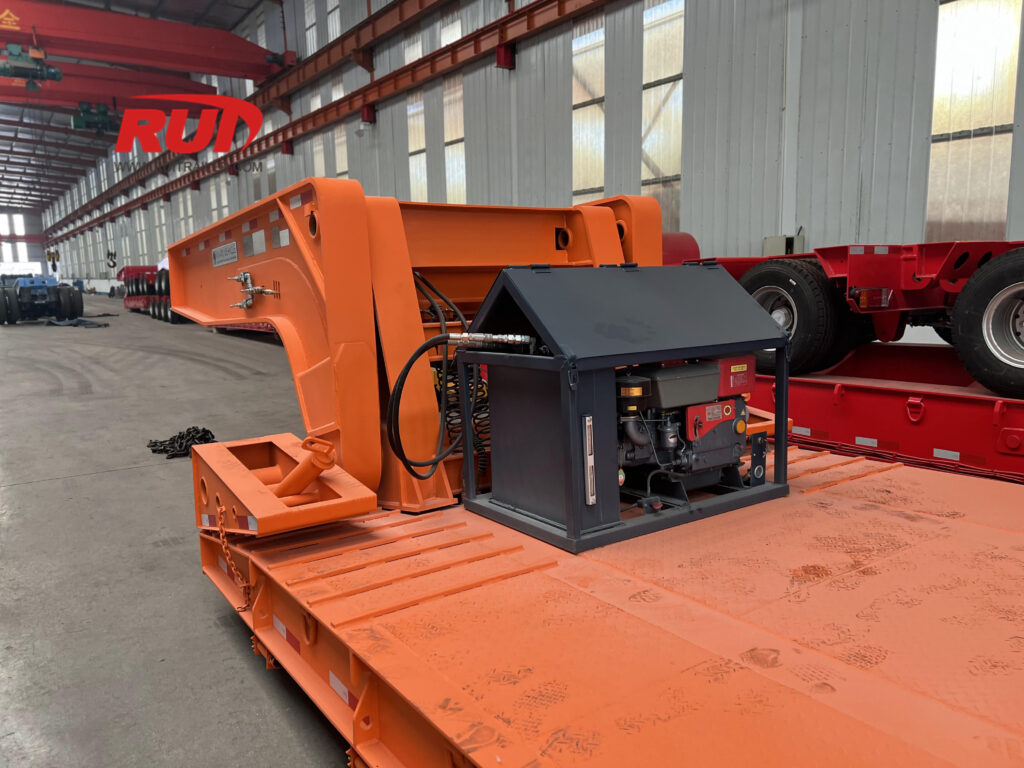
- Inatumia silinda za hydrali kuinua, kushusha, na kuunganisha shingo.
- Haraka na rahisi kwa waendeshaji, bora kwa vifaa vizito vinavyobeba mizigo mara nyingi kwa siku.
Jinsi sakafu inashushwa kwa kupakia kwa kuendesha
Kwenye trela ya RGN lowboy, mbele ya sakafu inayoshuka imeundwa kuunganishwa na kuteleza wakati shingo inatolewa:
- Kadri shingo inatolewa, mbele ya sakafu inashuka hadi ikakaa chini ya ardhi.
- Matokeo ni pembe ya kupakia ya chini sana, bora kwa vifaa vinavyojiendesha kama dozers, excavators, na wheel loaders.
- Mtindo huu wa “drive on lowboy trailer” unapunguza hitaji la rampi za ziada, minyororo, au forklifts kwa hali nyingi.
Kuhakikisha shingo inafungwa kabla ya usafiri
Mara vifaa vimepakwa na kuwekwa kwenye trela yenye urefu wa chini:
- Tumia jacks au hydrali kuinua mbele ya sakafu kurudi juu.
- Rudi lori na shingo kwenye nafasi na uingize tena vifunguo vyote vya shingo, wedges, na pini.
- Thibitisha kuwa kingpin imeketi vizuri kwenye gurudumu la tano na utulivu wa trela ya shingo ya panya ni thabiti.
- Fanya ukaguzi wa kuona na wa kimwili wa kila sehemu ya muunganisho kabla hujaanza kuondoka.
Mifano bora ya kufunga na kuunganisha vifaa vizito
Ili kuweka trela ya RGN ya tani 40 au lowboy ya tani 50 salama barabarani:
- Tumia minyororo, vifungashio, na sehemu za kuunganisha zinazostahili au kuzidi uzito wa mashine yako.
- Thibitisha sehemu zote za mashine pamoja na vifaa vya ziada (vikapu, blades, rippers).
- Shusha mabaomu, masts, au mikono kwa kiwango cha chini iwezekanavyo ili kuweka katikati ya uzito wa chini.
- Ongeza minyororo ya ziada kwa usafiri wa mashine ndefu zaidi na njia ngumu.
Ukaguzi wa usalama kwa mizigo mikubwa au yenye uzito kupita kiasi
Kabla ya kuhamisha mzigo mkubwa au trela ya mizigo yenye uzito kupita kiasi:
- Thibitisha uzito wa jumla, uzito wa miale, na umbali wa miale unalingana na vibali vyako na sheria za eneo lako.
- Kagua shinikizo la matairi, breki, taa, na mabomba ya hewa mara moja zaidi.
- Thibitisha urefu wa sakafu iliyobeba mizigo na urefu wa jumla kwa madaraja na nyaya za juu.
- Tembea kuzunguka trela ya shingo ya panya inayoweza kutenganishwa, ukitafuta miale, welds zilizovunjika, au vifaa vilivyoteleza.
Kushughulikia kwa usahihi, trela ya RGN inayoweza kutenganishwa ya shingo ya panya inakupa usalama zaidi wa kupakia, uendeshaji laini, na mshangao mdogo wakati wa kuhamisha vifaa vizito barabarani.
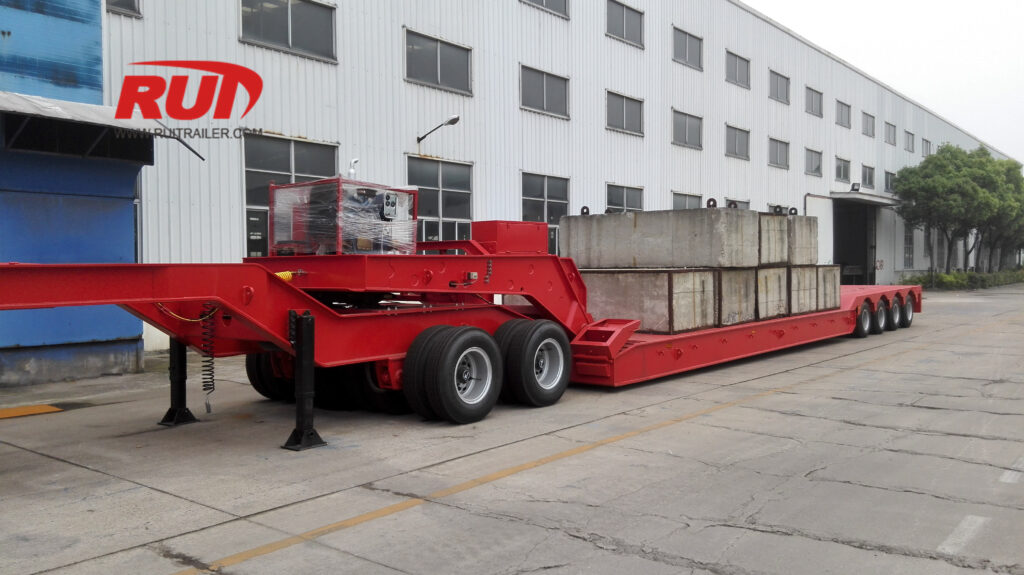
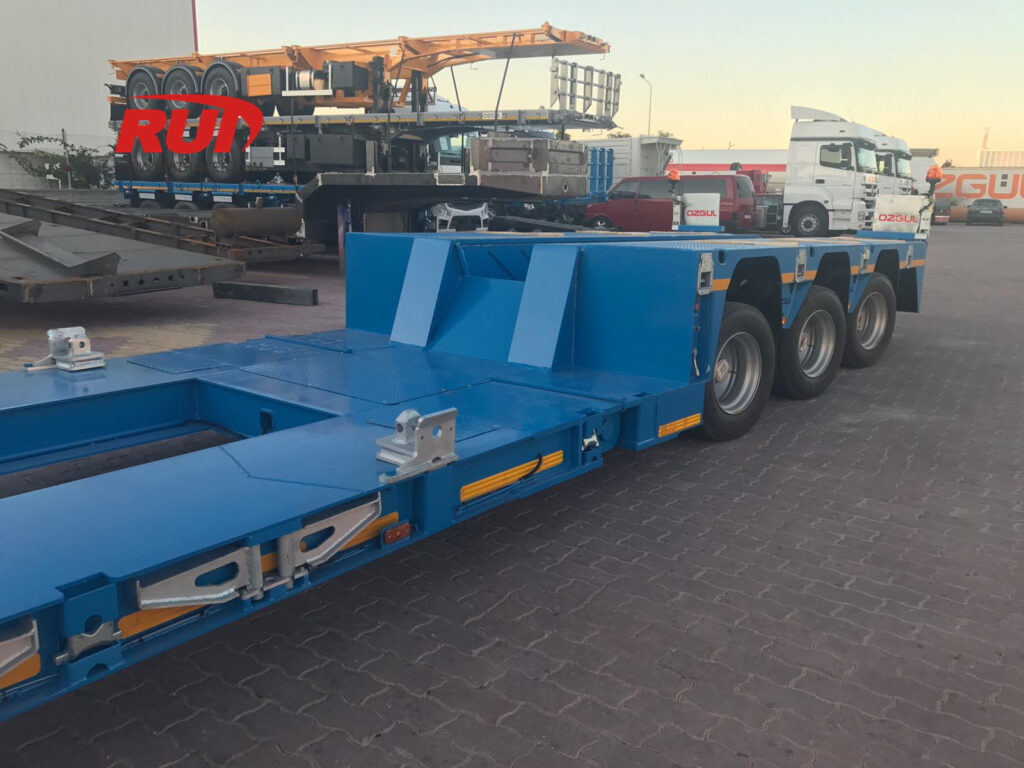
Vigezo vya kawaida na usanidi wa trela za RGN zinazoweza kuondolewa za gooseneck
Wakati ninapochagua trela ya shingo ya panya inayoweza kutenganishwa ya RGN, nakazia maelezo machache muhimu ambayo kwa kweli huamua ni nini unaweza kubeba na wapi unaweza kuendesha.
Uwezo: Tani 40 dhidi ya Tani 50 RGN Lowboy
Meli nyingi huanza na trela ya RGN ya tani 40 na kuendelea na lowboy ya tani 50 wakati mashine zinakuwa nzito na pana zaidi.
- 40 tani RGN trailer: bora kwa wachimbaji wa kati‑kubwa, mashine za kuchimba, loaders, matrekta ya shambani.
- uwezo wa tani 50 wa lowboy: bora kwa uchimbaji wa madini, uwanja wa mafuta, na vifaa vikubwa vya ujenzi vyenye vifaa vya nyongeza.
- Mabasi makali ya lowboy yenye kazi nzito yanaweza kufikia zaidi ya Tani 50 kwa mchanganyiko wa mnyororo wa miale mingi au wa moduli.
Urefu wa Ghorofa na Chaguzi za Kupanua
Kwa usafiri wa mashine ndefu na usafirishaji wa vifaa vikubwa vya saizi kubwa, urefu wa ghorofa ni muhimu kama uwezo wa kubeba.
- Urefu wa kawaida: Fiti 48 na Fiti 53 ghorofa lililobeba mzigo.
- An trailer ya RGN inayopanuka hutoa urefu wa kabati la mzigo kwa mizigo mirefu kama vile nguzo au vipengele vya upepo; kwa kufikia zaidi, mara nyingi naifanya kwa mpangilio maalum wa trailer unaopanuka.
- Daima linganisha urefu wa ghorofa na muundo wa mashine yako wa kawaida na nafasi ya kugeuka kwenye maeneo ya kazi.
Mipangilio ya Miale kwa Usafiri wa Kazi Nzito
Mpangilio wa miale huendesha uzito halali, vibali, na uendeshaji rahisi.
- Trailer ya miale miwili ya RGN: ni gharama nafuu kwa kazi nyepesi za kikanda.
- Lowboy ya miale mitatu: ni mahali pa kupendelewa kwa shughuli nyingi za kusafirisha vifaa vya uzito wa Tani 40–50.
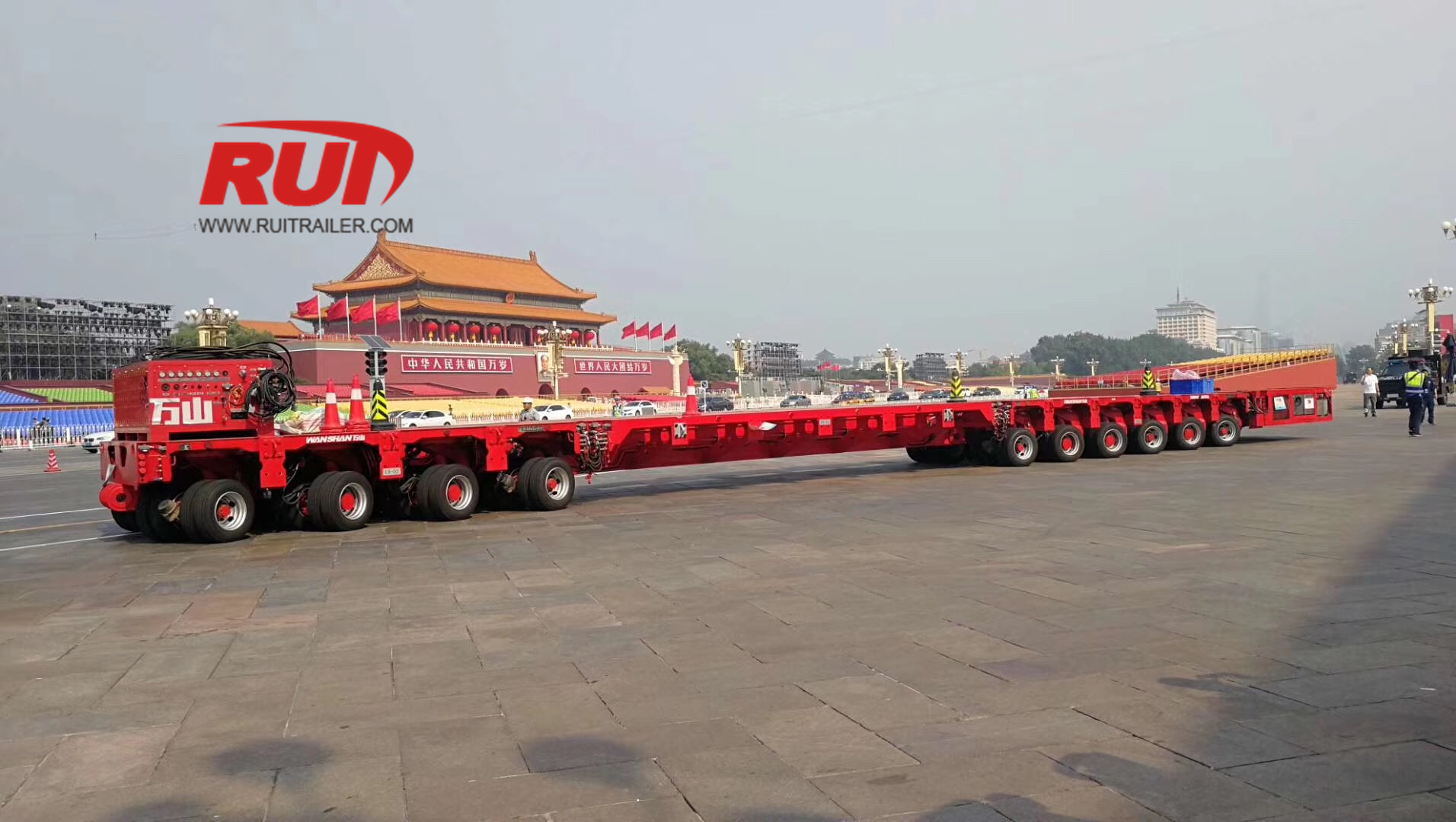
- Gari la mizigo yenye matairi mengi ya uzito mkubwa Mipangilio na boosters au jeep dollies husaidia wakati unahitaji uzito mkubwa zaidi wa jumla na nafasi bora za matairi.
Ikiwa unafanya kazi mara kwa mara na uzito mkubwa au moduli, ni vyema kuangalia mifumo ya mabasi yenye matairi mengi kama ile inayotumika katika usafiri wa moduli za uzito mkubwa: https://heavydutymodule.com/multi-axle-trailer/
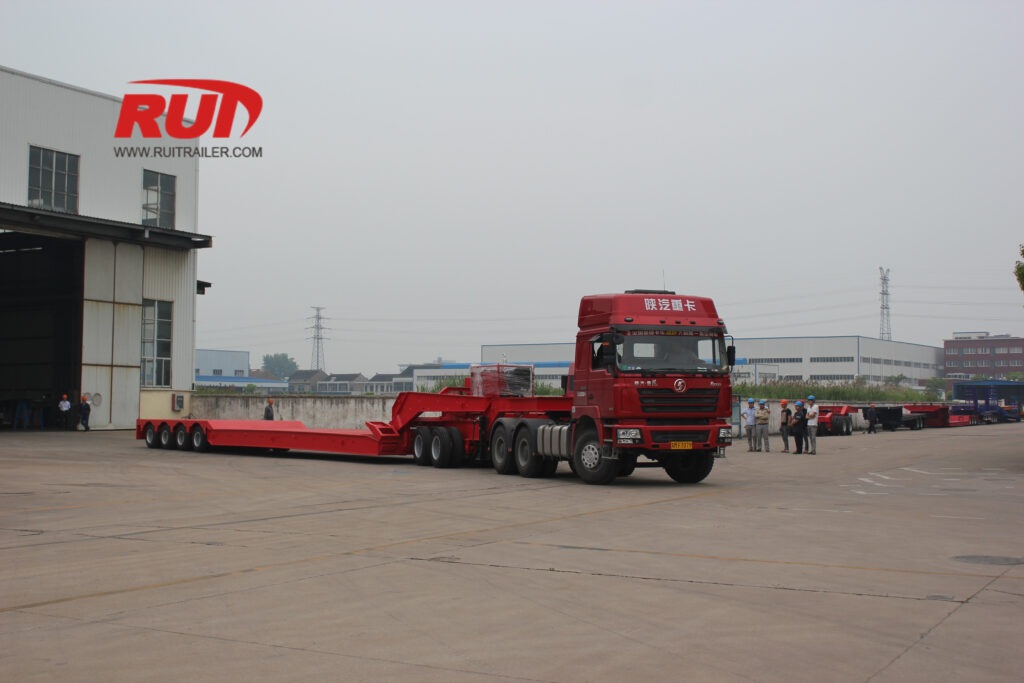
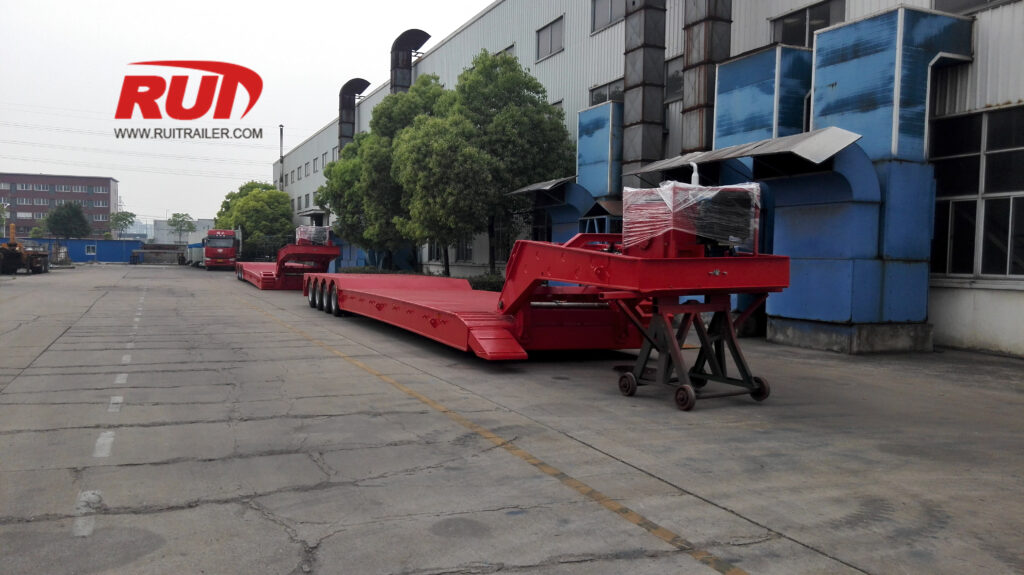
Urefu wa Ganda, Urefu wa Mfereji, na Nafasi za Kupitisha
Sababu kuu ya kuchagua lori la lowboy lenye shina linaloweza kuondolewa kuliko lori la hatua ni urefu mdogo wa ganda.
- Urefu wa deck uliopakuliwa: urefu mdogo ni bora kwa usafiri wa mizigo mikubwa chini ya madaraja na nyaya za umeme.
- Urefu wa Mfereji: lazima ufanane na mashine yako ndefu zaidi ikiwa na booms au blade iliyowekwa salama.
- Upeo wa kuzunguka: nafasi ya kutosha kati ya gooseneck na lori ili kuzunguka bila kugonga tractor au rack ya kichwa cha maumivu.
These specs control your nafasi ya kupakia na uhifadhi wa mizigo, loading angles, and how often you need oversize and overweight permits.
Chaguzi za Kusimamisha
Ride quality and component life come down to the suspension choice.
- Msalaba wa kusimamisha spring kwa trela la chini: simple, tough, and cost‑effective for rough jobsites.
- Usanifu wa msaada wa hewa wa lowboy: smoother ride, better for sensitive industrial machinery lowboy work and highway miles.
- Heavy-duty suspension packages are key if you’re running off‑road, mining, or logging conditions day in, day out.
Popular Add‑Ons and Productivity Features
The right add‑ons turn a basic detachable gooseneck trailer into a flexible, money‑making tool.
- Outriggers for wide dozers and tracked machines.
- Flip axles na booster axles to bump legal payload and fine‑tune axle configuration for heavy haul.
- Flip ramps or rear ramps to speed up self propelled equipment loading on low bed trailer setups.
I always spec these options based on real routes, local height restrictions, and the heaviest machines in the fleet, so the RGN lowboy stays productive across different jobs instead of being locked into one niche.
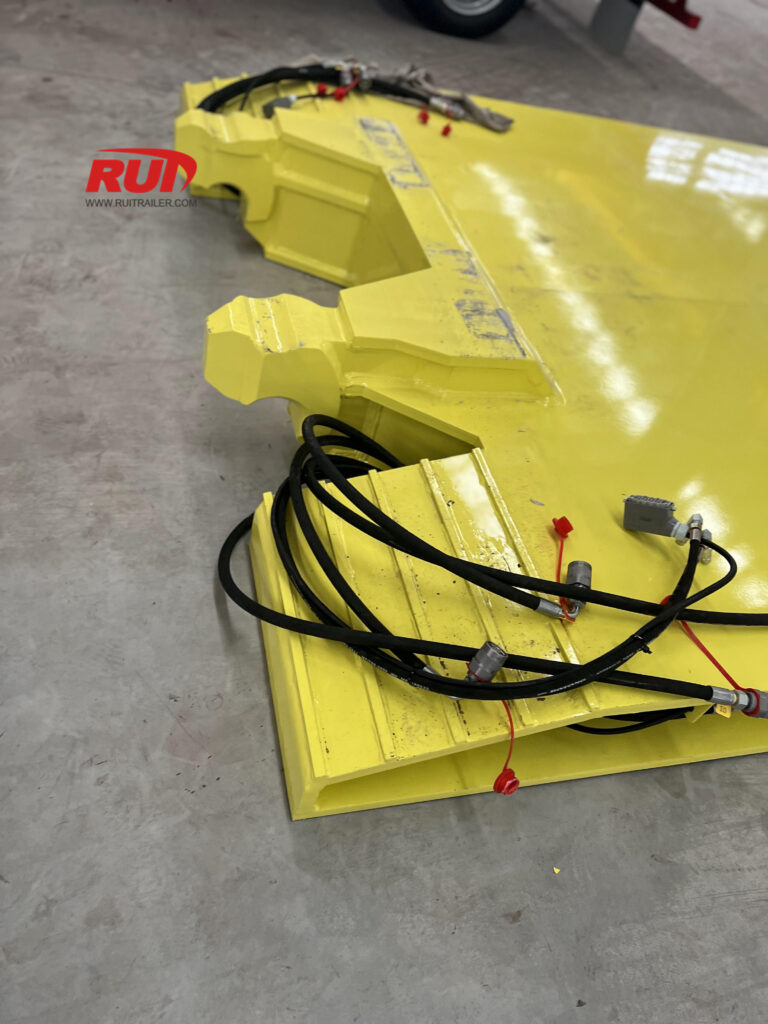
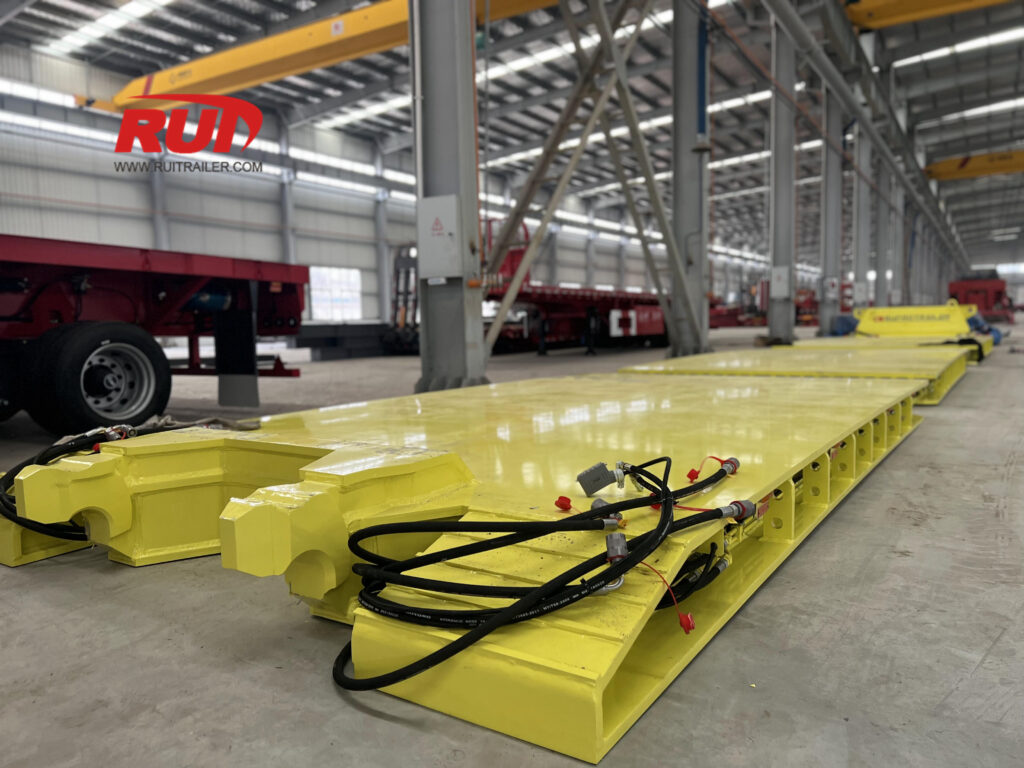
Ideal Uses and Industries for RGN Removable Gooseneck Trailers
Usafirishaji wa vifaa vya ujenzi
For construction fleets, an RGN removable gooseneck trailer is usually the most efficient way to move heavy equipment like excavators, dozers, loaders, and graders. The low deck height and front loading design let operators drive machines straight onto the deck with a shallow loading angle, even on tight or uneven jobsites. Compared with a standard low bed trailer, an RGN lowboy trailer gives better cargo clearance space under bridges and power lines, while keeping a low center of gravity for stability on rough access roads.
Agricultural and farm machinery transport
For agricultural machinery hauling, an RGN detachable gooseneck trailer handles wide and tall farm equipment that won’t sit safely on a step deck or flatbed. Tractors, combines, harvesters, planters, and self‑propelled sprayers benefit from the drive-on loading process and low loaded deck height. A 40 ton RGN trailer or 50 ton lowboy with removable neck is ideal for mixed fleets that need to move both compact tractors and large articulated units between fields and storage sites without constant permit headaches.
Mining, oil, and gas projects
Mining equipment transport trailers work in some of the harshest conditions. A heavy duty lowboy trailer with mechanical detachable gooseneck or hydraulic removable gooseneck gives you front loading for drills, compressors, pumps, and modular equipment packages. Multi‑axle and tri axle RGN lowboy setups spread the weight across more axles to stay compliant on remote roads and project sites. When you need even lower loaded deck height for extremely tall modules, it’s worth looking at specialized low profile deck solutions similar to a hydraulic modular trailer with ultra‑low bed height.
Industrial and plant moves
For industrial machinery lowboy work, RGN removable gooseneck trailers shine on plant relocations and factory projects. Presses, large generators, transformers, injection molding machines, and other oversized machinery often sit tall and heavy. A low deck height trailer with front loading allows rigging crews to roll or slide machinery into position with controlled loading angles, then secure it with multiple tie‑down points along the well. This reduces the need for extra cranes and helps you keep downtime shorter during plant shutdowns.
Specialty oversized load transport
For specialized tall machinery transport and other oversized load transport, a detachable gooseneck trailer gives the height clearance and stability most flatbeds can’t match. The low center of gravity trailer design keeps high loads more stable in crosswinds and on uneven roads. When you’re dealing with height restrictions, tight bridges, or strict oversize and overweight permits, the combination of low loaded deck height and flexible axle configuration for heavy haul is a major advantage. In many cases, an extendable RGN trailer with flip axles or boosters is the best way to move long or modular cargo safely without over‑permitting.
Everyday low deck height scenarios
Even for everyday heavy equipment hauler work, an RGN removable gooseneck trailer saves time. Front loading reduces setup time compared with ramps on a standard drop deck, and operators spend less time fighting steep loading angles. A tandem axle RGN trailer is often enough for regional work, while larger fleets step up to tri axle RGN lowboys and multi‑axle combinations for mixed heavy haul. Whenever you need quick, safe, drive-on loading and reliable cargo clearance through low bridges and tight urban routes, a low deck height trailer with removable neck is usually the smarter long‑term choice.
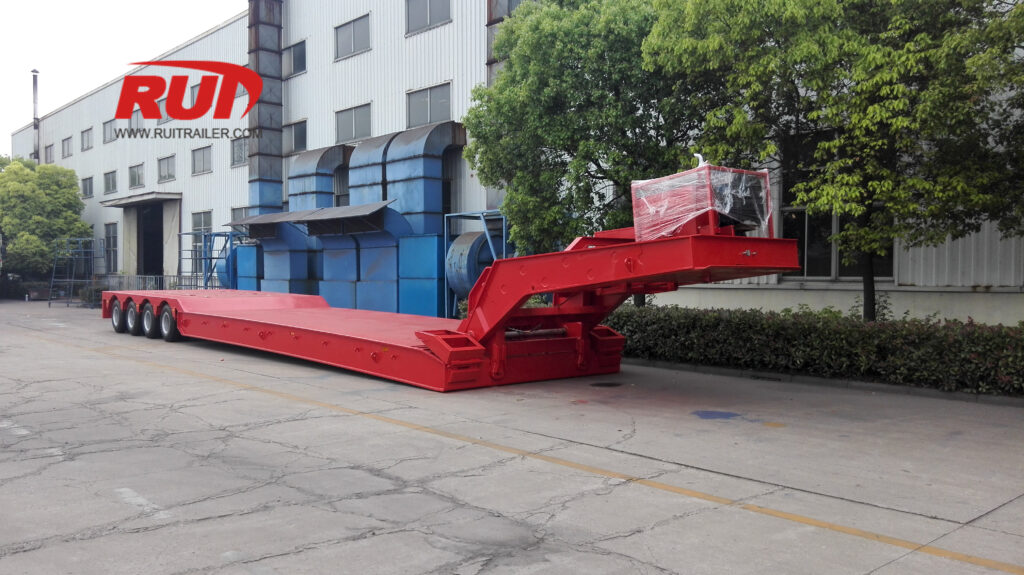
RGN vs Other Heavy Haul Trailer Types
RGN Removable Gooseneck Trailer vs Fixed-Neck Lowboy
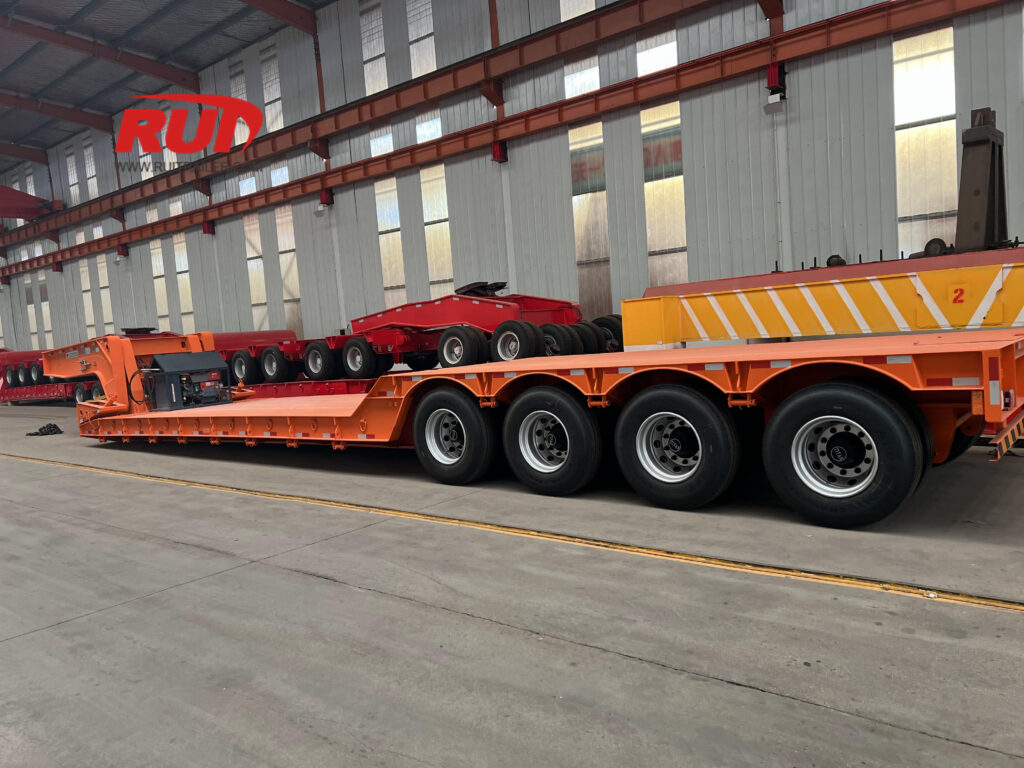
An RGN removable gooseneck trailer gives you front loading, while a fixed‑neck lowboy does not. That single difference changes everything. With a detachable gooseneck, you drop the neck, lower the deck to the ground, and drive self‑propelled equipment straight on. A fixed‑neck lowboy usually needs ramps, a dock, or even a crane, which slows down loading and adds risk. If you’re moving heavy equipment often, the RGN lowboy trailer is simply more flexible, safer, and easier on your operators.
RGN vs Step Deck and Flatbed for Tall Machinery Transport
For tall machinery transport, a removable gooseneck trailer runs with a much lower loaded deck height than a standard step deck or flatbed. That low deck height gives you more cargo clearance space under bridges and power lines, and it keeps the load’s center of gravity lower for better stability. Flatbeds and step decks are great for general freight, but once you’re fighting height restrictions with excavators, dozers, and industrial machines, an RGN lowboy trailer quickly becomes the more practical heavy equipment hauler.
When Drop Deck or Double Drop Is Enough
A drop deck or double drop low bed trailer is often enough when:
- Your machines are tall but still within legal height on a low profile equipment trailer
- You mainly load by dock, crane, or forklift
- You don’t need front loading and detachable gooseneck loading process features
You really need an RGN removable gooseneck when:
- Self‑propelled equipment must drive on and off at ground level
- You run constant oversize and overweight permits for tall machinery
- You want faster turns and safer loading angles on rough jobsites
RGN vs Schnabel and Multi‑Axle Heavy Haul Systems
Schnabel trailers and big multi‑axle heavy haul combinations are specialized trailer systems for extreme loads like transformers, bridge beams, or heavy duty module projects. They offer huge capacity and complex axle configuration for heavy haul, but they’re expensive, slow to set up, and overkill for most day‑to‑day construction equipment transport. An RGN lowboy with tandem or tri‑axle, or even an extendable RGN trailer, covers 90% of real‑world heavy equipment and industrial machinery moves at a much lower cost and with simpler operation. For ultra‑heavy modular work, we pair RGN fleets with dedicated solutions like a steerable heavy haul trailer or girder frame when the project demands it.
Total Cost of Ownership and Productivity
When I look at total cost of ownership, an RGN removable gooseneck trailer usually wins for mixed fleets:
- Higher productivity: Faster front loading, less waiting for cranes, fewer failed height routes.
- Lower labor cost: One driver and a spotter can handle most jobs; no special rigging crew needed.
- Better utilization: The same 40T–50T RGN can handle construction, agricultural machinery hauling, and industrial machinery lowboy work.
- Resale value: Quality heavy duty lowboy trailer builds with hydraulic removable gooseneck and air ride suspension lowboy specs hold value in global markets.
Compared with fixed‑neck lowboys, step decks, and flatbeds, a well‑spec’d tri axle RGN lowboy or tandem axle RGN trailer simply earns more per mile because it keeps your heavy equipment moving with fewer limitations.
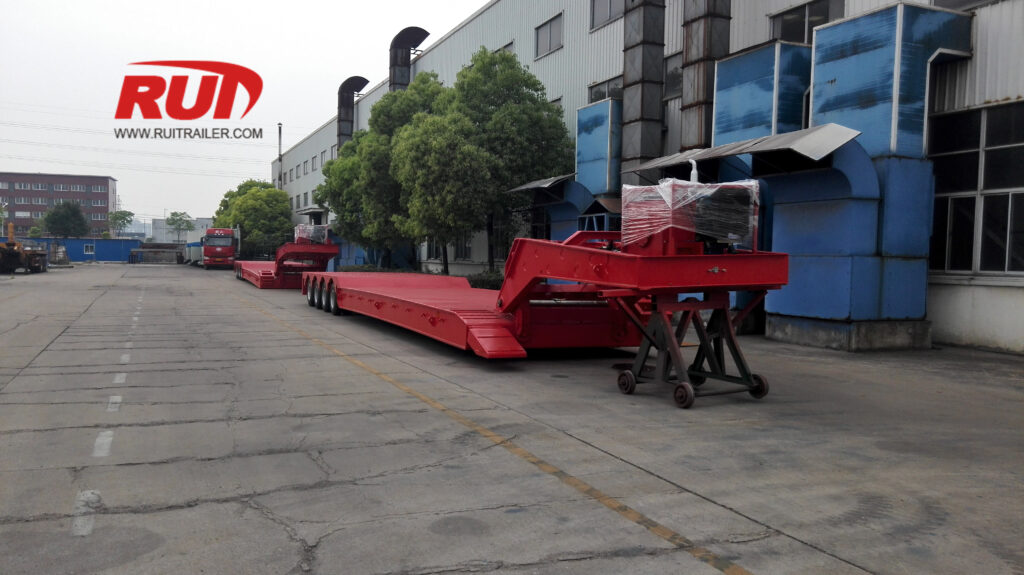
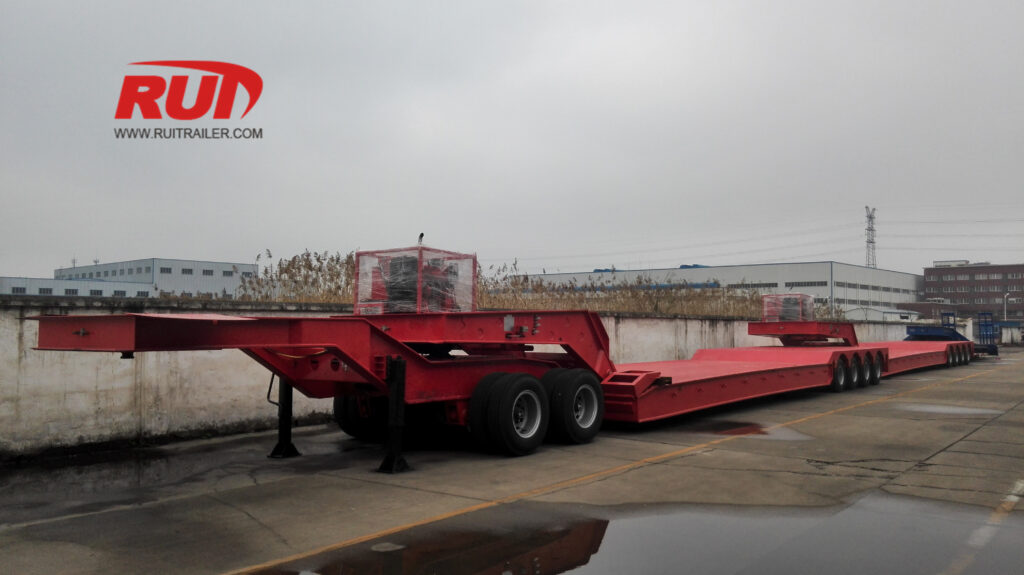
Jinsi ya Kuchagua Trela Sahihi ya Gooseneck Inayoweza Kuondolewa ya RGN
Match Capacity to Your Heaviest Load
For any RGN removable gooseneck trailer, I size the trailer around the heaviest, worst‑case machine – not the average job.
- Add up machine weight + attachments + fuel + tools.
- For most fleets, a 40 tani RGN trailer covers mid‑range excavators and dozers; a uwezo wa tani 50 wa lowboy or higher fits serious heavy equipment hauler work.
- If you haul concentrated loads (short wheelbase machines, industrial presses), go up a class or look at modular systems like a Goldhofer hydraulic modular trailer for extreme weights.
Mechanical vs Hydraulic Gooseneck
The gooseneck style changes how fast and how often you can work:
- Gooseneck ya kiufundi inayoweza kuondolewa:
- Lower price, simpler, fewer things to break.
- Good if you don’t drop the neck many times per day.
- Pua ya hydraulic inayoweza kutenganishwa:
- Push‑button front loading trailer operation, faster turns, less labor.
- Ideal for busy construction, rental, or mining equipment transport fleets.
If your team is loading self propelled equipment all day, hydraulic is usually worth the money.
Deck Height, Well Length, and Clearance
A low deck height trailer keeps you under bridge and overhead line limits.
- Aim for a low urefu wa sakafu uliojazwa for tall machinery transport and strict height restrictions.
- Choose well length (commonly 26–30 ft in a 48 feet or 53 feet RGN lowboy) to fit your longest machine with blade, boom, or counterweight.
- Check your regular routes and the toughest bridge, tunnel, or port access you face, then size deck height and length around that.
Axle Count and Legal Spacing
Your usanidi wa axle kwa usafirishaji mzito decides what you can run legally without constant escorts or route changes.
- Trailer ya miale miwili ya RGN: lighter work, regional loads.
- Lowboy ya miale mitatu: go‑to setup for many 40T–50T jobs.
- Flip axles / booster axles: add when you need more permitted weight or better load sharing.
- Always match axle spacing and total wheelbase to your state, provincial, or national heavy haul rules.
Steel, Frame, and Build Quality
On a heavy duty lowboy trailer, the frame is where the money is.
- Look for high‑strength steel (T1 or equivalent) and deep main beams.
- Check crossmember spacing, flange thickness, and weld quality.
- Reinforced neck area and strong webbing matter for long‑term gooseneck trailer stability.
- If you’re pushing extreme loads or need more flexibility, combine an RGN lowboy with a trela ya moduli ya hydraulic platform for specialized projects.
Must‑Have Operator Features
For daily work, I always spec user‑friendly details that save minutes on every load:
- Controls: clear hydraulic controls, pressure gauges, and easy access to valves.
- Ramps: low loading angles, flip ramps or beavertail options for drive on lowboy trailer loading.
- Lighting: high‑visibility LED work lights and marker lights for night jobs and oversize and overweight permits.
- Tie‑downs: plenty of D‑rings, chain slots, stake pockets along the low bed trailer deck.
- Marejeo: air ride suspension lowboy for highway comfort; spring suspension lowboy for rough off‑road work.
If you match these points to your real equipment list, routes, and job rhythm, you’ll end up with an RGN removable gooseneck trailer that works hard for years instead of fighting you on every move.
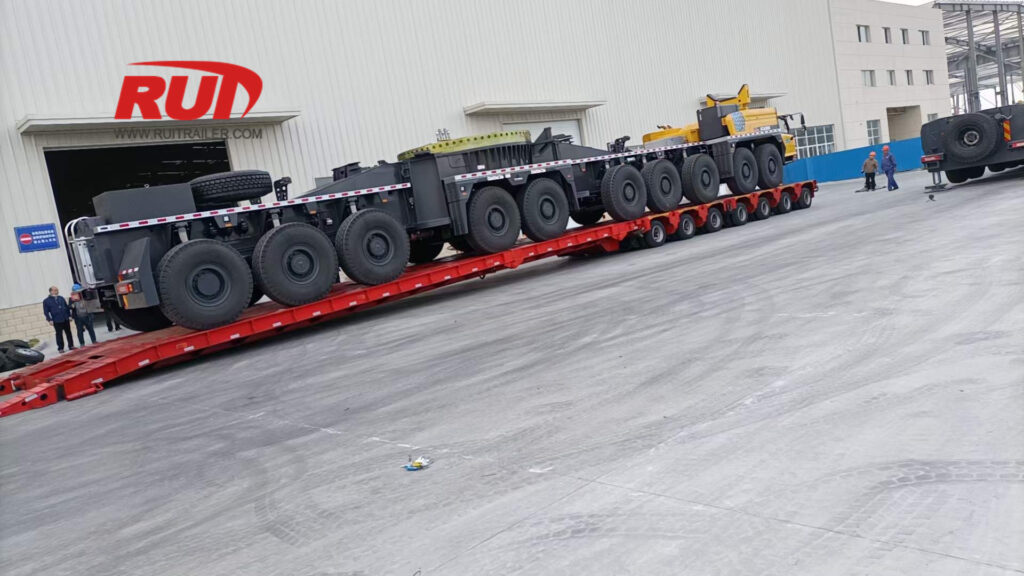
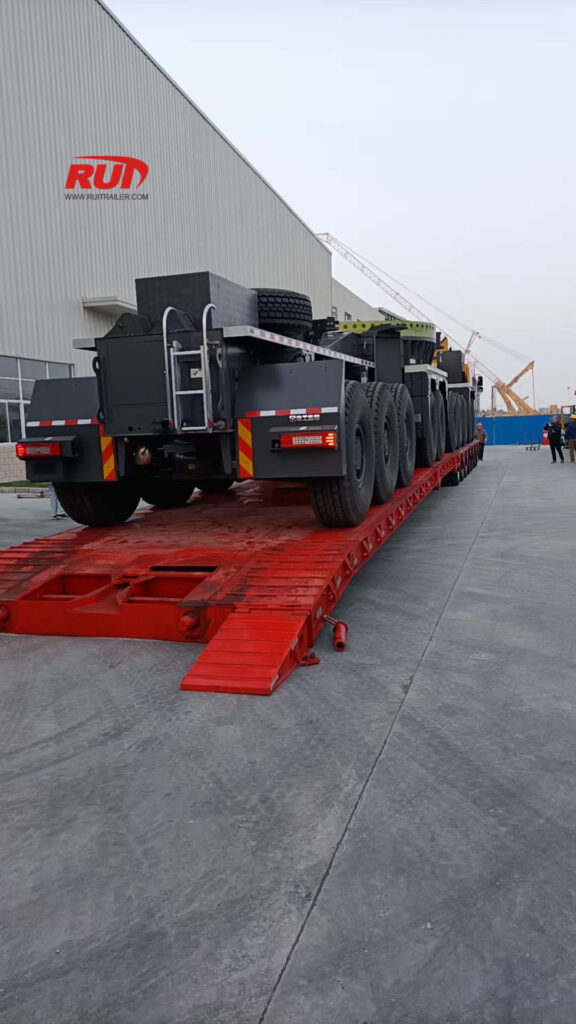
Buying New vs Used RGN Removable Gooseneck Trailers
Pros and cons of a new RGN lowboy trailer
If you’re running heavy equipment every day, a new RGN removable gooseneck trailer gives you:
- Known specs and warranty – fresh frame, new hydraulics, zero hidden cracks, and factory support.
- Built-to-order options – you can dial in tonnage (40T, 50T+), axle layout, and deck setup for your exact routes and permits.
- Better uptime – fewer surprise breakdowns, predictable maintenance, and easier planning for oversized load transport.
Downside: higher upfront cost and longer lead times, but for serious heavy haul fleets, the total cost per loaded mile usually drops because of reliability and uptime.
What to watch for on a used detachable gooseneck trailer
Used detachable gooseneck trailers can be a smart move if you know what you’re looking at. I’m strict on:
- History – ask what it hauled (light machines vs constant 50T+ rock gear), and whether it lived in corrosive or off‑road environments.
- Repairs – look for plated frames, welds on the gooseneck, and changed suspension components that may hide overload or impact damage.
- Paperwork – confirm VIN, capacity rating, service records, and that the RGN trailer specifications match what’s on the ID plate.
If anything feels vague or rushed, I walk away. There are always more trailers.
Key wear points to inspect
Before you commit to a used lowboy trailer with removable neck, I always do a hands‑on inspection of:
- Gooseneck locks and latch points – look for rounded edges, excessive play, or weld cracks around lock pockets.
- Kingpin and upper coupler – check for wear lip, elongation, or rust; a sloppy kingpin is a serious safety and stability risk.
- Main frame and neck – inspect flanges and web for cracks, ripples, or sagging that signal overload or twisting.
- Deck and crossmembers – soft or rotten wood, bent crossmembers, and uneven loaded deck height all point to heavy abuse.
Bring a mechanic or inspector if you’re not confident reading structural wear.
When a custom lowboy trailer with removable neck makes sense
I look at a custom RGN lowboy when:
- You haul the same heavy equipment (like a fleet of excavators or dozers) and want ideal well length, loading angles, and tie‑down layout.
- Your routes have tight height restrictions and bridges that demand very specific deck height and axle spacing.
- You need options like flip axles, flip ramps, or integration with a modular or specialized heavy duty module trailer system.
Custom builds cost more, but the right spec can save you permits, escorts, and loading time on every single move.
Financing, lead times, and resale value
For global buyers, cash flow and timing often matter more than sticker price:
- Financing – spreading a new RGN lowboy over several years protects your cash while you grow your heavy equipment hauler business.
- Lead times – new or custom builds take time; if you need capacity now, a clean used hydraulic removable gooseneck can bridge the gap.
- Resale value – well‑spec’d 40 ton RGN trailers, 50 ton lowboys, and tri axle RGN lowboys with air ride suspension hold value better than generic builds.
My approach is simple: match the trailer to your heaviest machine, your permits, and your cash flow. Then choose new, used, or custom based on how long you’ll keep it and how hard you’ll run it.
Maintenance and Safety Tips for RGN Removable Gooseneck Trailers
Keeping an RGN removable gooseneck trailer in top shape is non‑negotiable if you haul heavy equipment every day. Good maintenance and a clear safety checklist protect your people, your cargo, and your uptime.
Routine Inspection Of The Removable Gooseneck
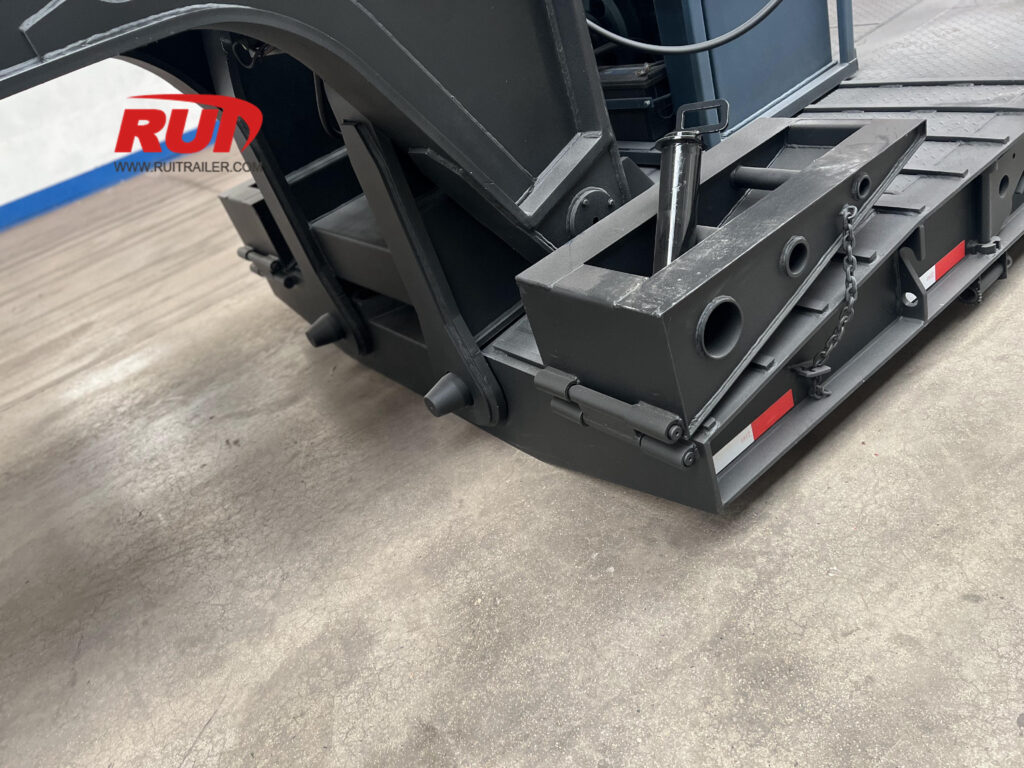
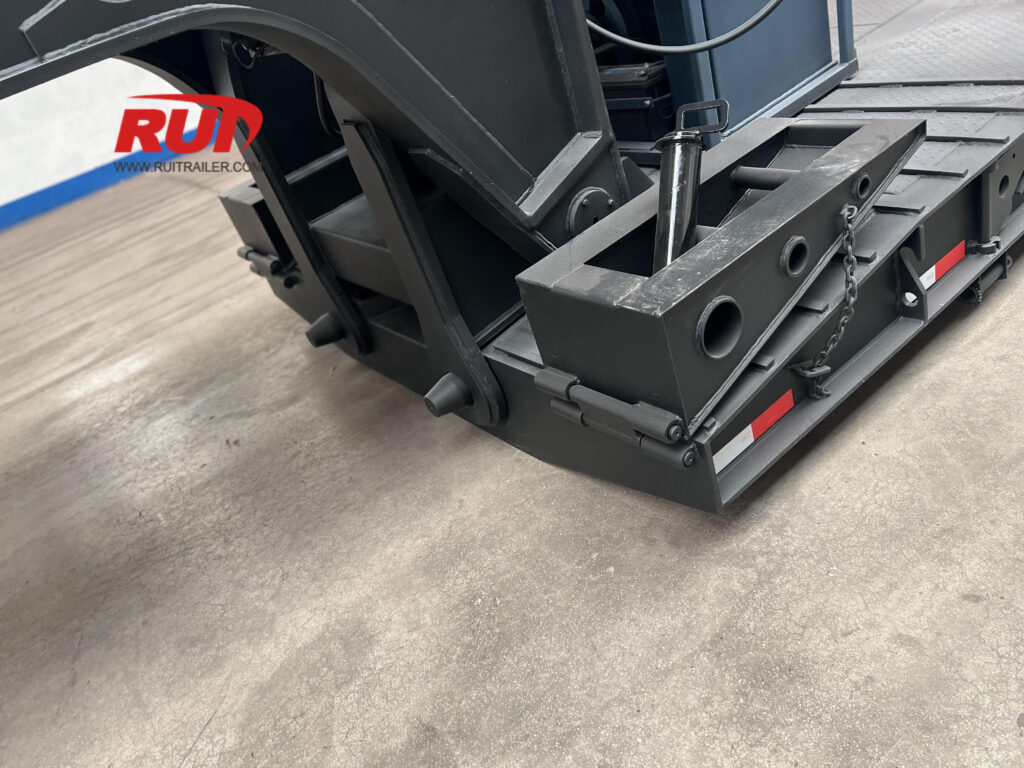
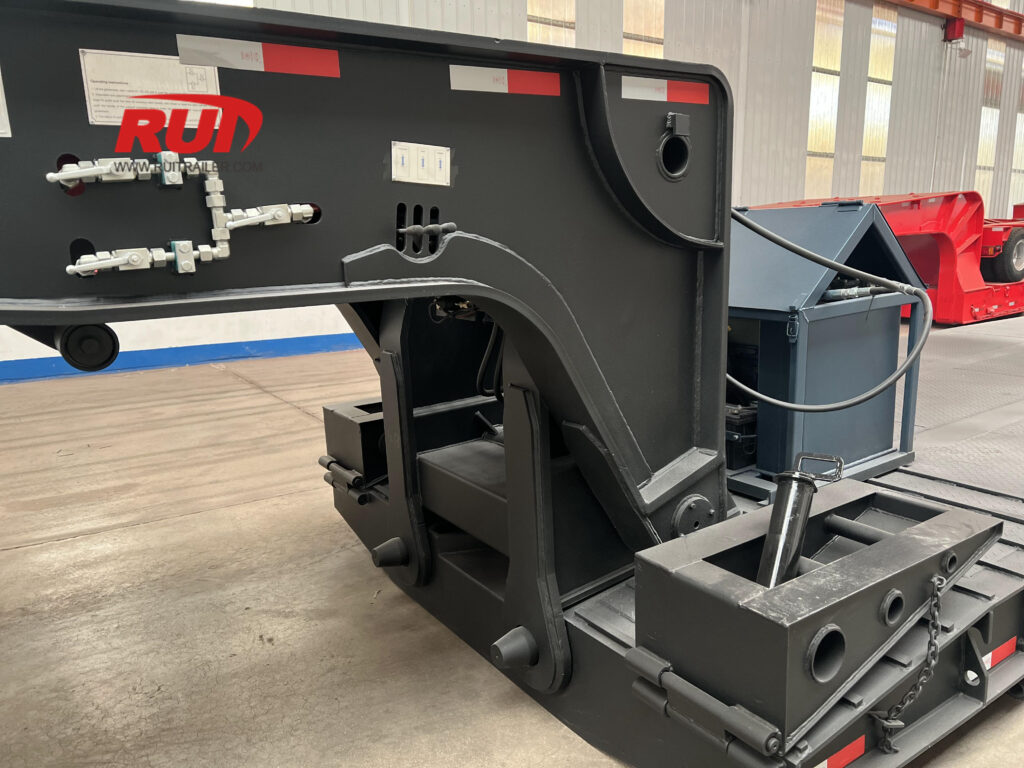
For any detachable gooseneck trailer, I always treat the neck as a critical safety item:
- Check gooseneck locks, pins, and wedges before every trip for cracks, wear, or deformation.
- Inspect the kingpin, fifth‑wheel plate, and contact surfaces for grooves, rust, or looseness.
- Look over hydraulic or mechanical latch points on the RGN lowboy for proper engagement and adjustment.
- Make sure electrical and air lines between tractor and lowboy trailer with removable neck are secure and undamaged.
Hydraulic System Care On Hydraulic Removable Gooseneck
On a hydraulic removable gooseneck, poor hydraulics can shut down your operation:
- Monitor hydraulic oil level and condition; change filters and fluid on schedule.
- Inspect hoses, fittings, and cylinders for leaks, chafing, or corrosion.
- Cycle the hydraulic system fully during pre‑trip checks to confirm smooth lifting and lowering.
- Keep control valves and remote controls clean and protected from dirt and water.
If you also run modular gear, the same hydraulic care principles apply to any vifaa vya trela vya msimu wa majimaji.
Axle, Suspension, Tires, And Brakes
Heavy haul trailer components see extreme loads, especially on 40 ton RGN trailers, 50 ton lowboys, and tri axle RGN lowboys:
- Axles: Check seals for leaks, hubs for abnormal heat, and torque on wheel nuts.
- Suspension: Inspect spring suspension lowboys and air ride suspension lowboys for cracked leaves, damaged bags, and worn bushings.
- Tires: Maintain proper pressure for loaded deck height and weight; look for cuts, bulges, and uneven wear.
- Brakes: Measure lining thickness, check air chambers and slack adjusters, and verify ABS function.
Deck, Ramps, And Tie‑Down Gear
A low bed trailer only works safely if the steel under the machine is solid:
- Inspect deck plating, cross members, and outriggers for cracks, bent areas, or soft spots.
- Check flip ramps and front loading ramps for hinge wear, broken welds, and non‑slip surface condition.
- Replace worn chains, binders, hooks, D‑rings, and winches; never use stretched or cracked hardware.
- Keep the deck and ramps clean of mud, oil, and ice to reduce slip risk and improve loading angles.
Driver Best Practices For Oversized Load Transport
For hauling oversized equipment and tall machinery transport, the driver makes or breaks safety:
- Always load on level, stable ground; avoid side slopes with self propelled equipment loading.
- Use a spotter when driving on and off the front loading trailer, especially with narrow track machines.
- Follow a consistent tie‑down pattern based on OEM weight and local oversize and overweight permits.
- Re‑check chains and binders after the first 50–100 km/miles and at every stop.
Extending Trailer Life And Avoiding Downtime
Simple habits keep your detachable gooseneck trailers earning:
- Stick to a written RGN trailer maintenance checklist for monthly and annual inspections.
- Repair small cracks, loose bolts, and hose weeps immediately before they grow.
- Grease all pivot points and moving joints on the mechanical detachable gooseneck or hydraulic neck.
- Store the RGN lowboy under cover when possible to reduce corrosion and protect wiring.
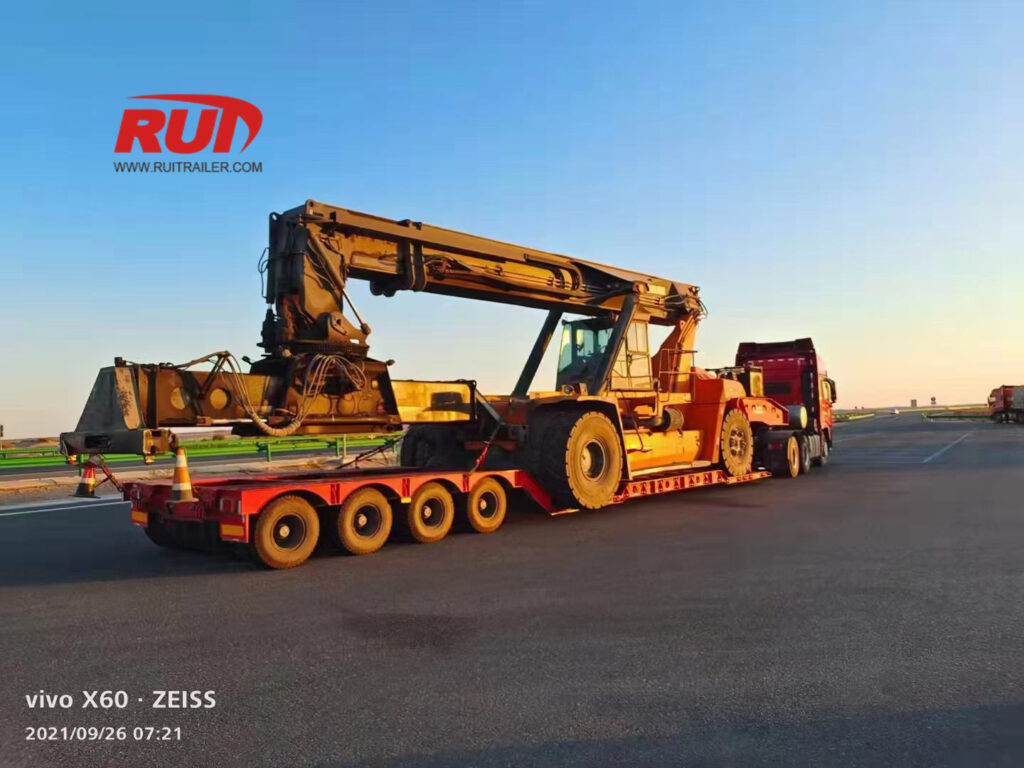
Done right, a well‑maintained low center of gravity trailer will stay stable, safe, and productive for years, even in tough construction, agricultural machinery hauling, and mining equipment transport work.
Working With a Manufacturer for Custom RGN Removable Gooseneck Trailers
When you’re hauling heavy equipment every day, a standard RGN lowboy trailer often isn’t enough. A custom removable gooseneck trailer lets you match tonnage, deck height, axle layout, and ramps to your real routes and loads, not the other way around.
Benefits of a Custom RGN Removable Gooseneck Trailer
A tailored RGN removable gooseneck trailer pays off fast in uptime and permits:
- Exact capacity: Spec 40T, 50T or higher tonnage so your heaviest machine plus attachments stay legal.
- Right geometry: Fine‑tuned loaded deck height, well length, and neck design for tight job sites and low bridges.
- Better productivity: Faster front loading, less blocking, fewer permit issues, and fewer “second trips.”
- Future‑proofing: Room to grow with options like flip axles, booster axles or an extendable RGN trailer section.
If you also run other specialized trailers (for example a low bed or heavy duty low bed semi trailer), keeping specs aligned across the fleet makes driver training and maintenance much easier.
How To Share Your Equipment List And Routes
To get the right detachable gooseneck trailer built, you need clean data, not guesses. I always ask customers to bring:
- Equipment list
- Machine type (excavator, dozer, harvester, drill rig, etc.)
- Operating weight and transport weight (with/without attachments)
- Transport dimensions (L × W × H) and track/axle spacing
- Route profile
- Typical states/countries and weight laws
- Lowest bridge/overpass height you regularly see
- Off‑road share (construction sites, mines, fields)
- Usage pattern
- Trips per week and average haul distance
- Percent self‑propelled equipment vs skidded/rigged loads
Once we have that, we can lock in specs for a hydraulic removable gooseneck or mechanical detachable gooseneck that actually fits real work, not brochure specs.
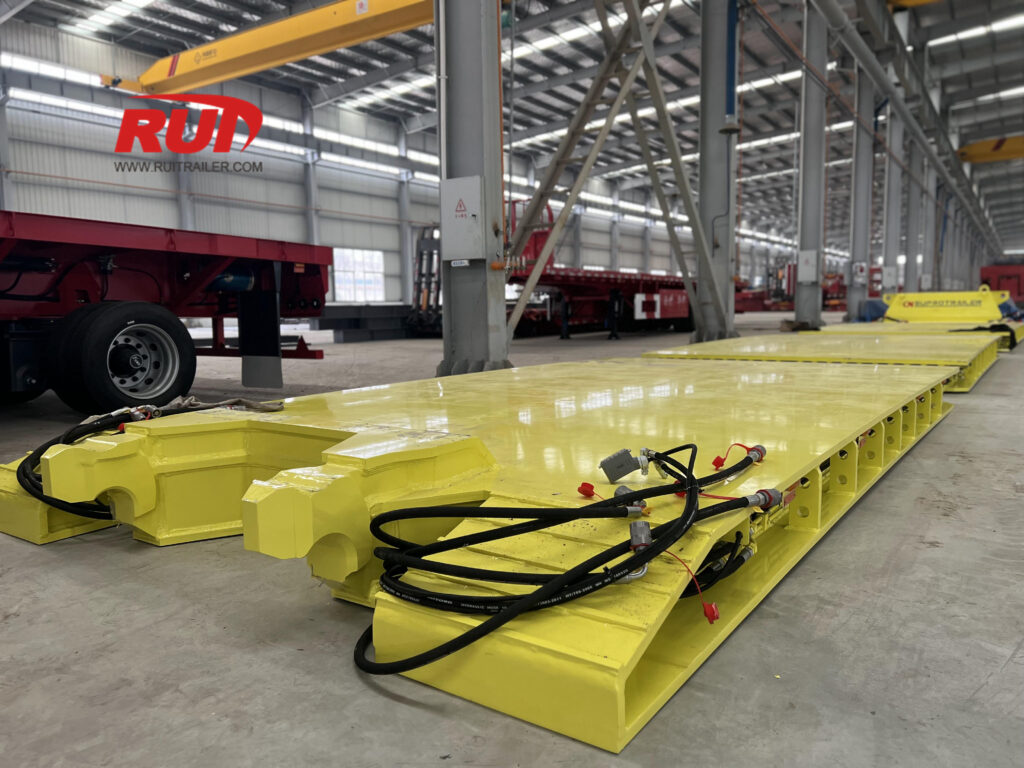
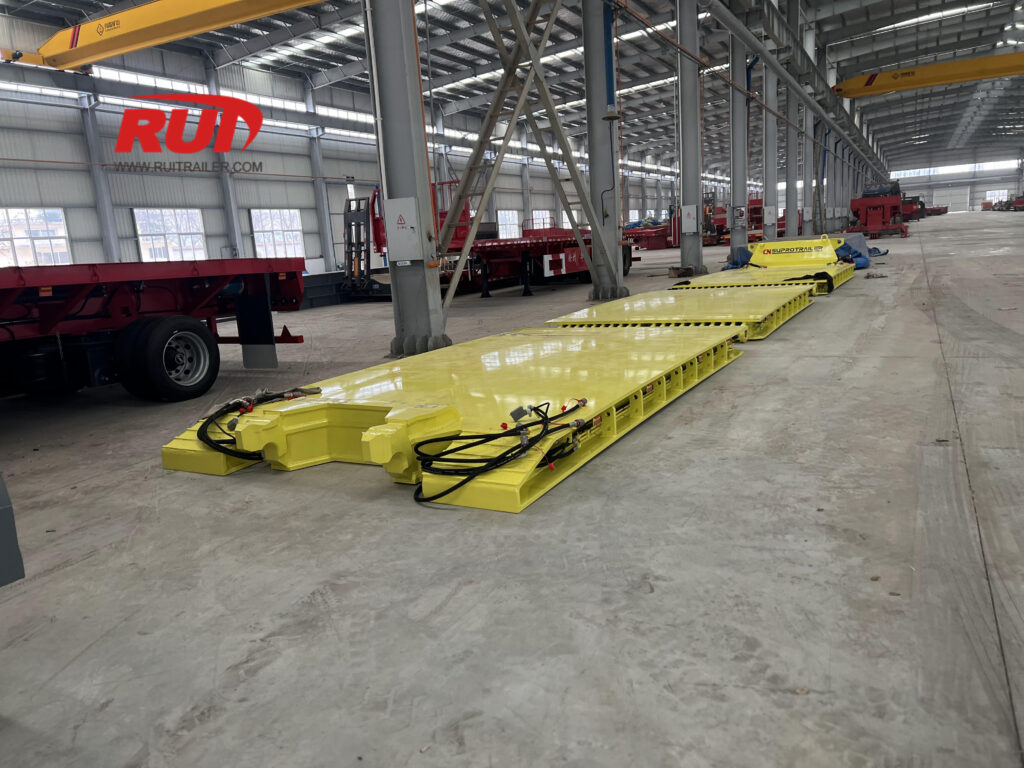
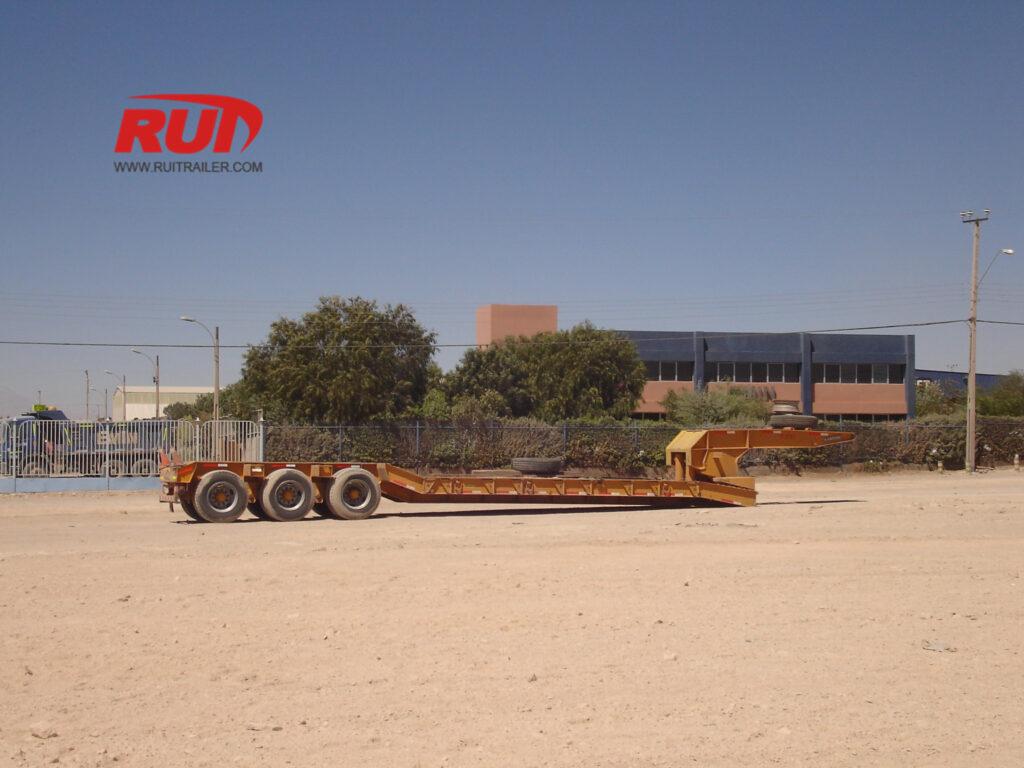
Common Customization Requests For RGN Lowboy Trailers
Most global heavy equipment haulers ask for changes in the same core areas:
| Area | Typical Options (Examples) |
|---|---|
| Tonnage | 40 ton RGN trailer, 50 ton lowboy, 60T+ specialized trailer |
| Axle configuration | Tandem axle RGN trailer, tri axle RGN lowboy, multi‑axle sets |
| Deck design | Drop deck or low bed trailer, well length, width, outriggers |
| Ramps | Hydraulic flip ramps, beaver tail, detachable ramps, front loading options |
| Marejeo | Air ride suspension lowboy, spring suspension lowboy, heavy‑duty off‑road |
| Extendability | Extendable RGN trailer, flip axles, booster axle provisions |
| Tie‑downs & gear | Extra D‑rings, chain pockets, winches, storage for blocking |
For truly specialized tall machinery transport or wind/energy projects, we often combine custom RGN builds with other solutions like a modular low bed heavy haul solution so the fleet can handle both everyday jobs and rare mega‑moves.
What Good After‑Sales Support Looks Like
A removable gooseneck trailer is a working asset, not a one‑time purchase. After‑sales support should include:
- Fast parts and wear items: Gooseneck locks, hydraulic cylinders, hoses, bushings, pins in stock.
- Technical support: Help with loading angles, weight distribution, and oversize/overweight permits.
- Training: Clear guides on detachable gooseneck loading process, safety checklists, and RGN trailer maintenance tips.
- Service network: Local or regional partners who can handle frame, axle, and hydraulic repairs quickly.
If the manufacturer can’t support the trailer in your region, your downtime risk goes up sharply.
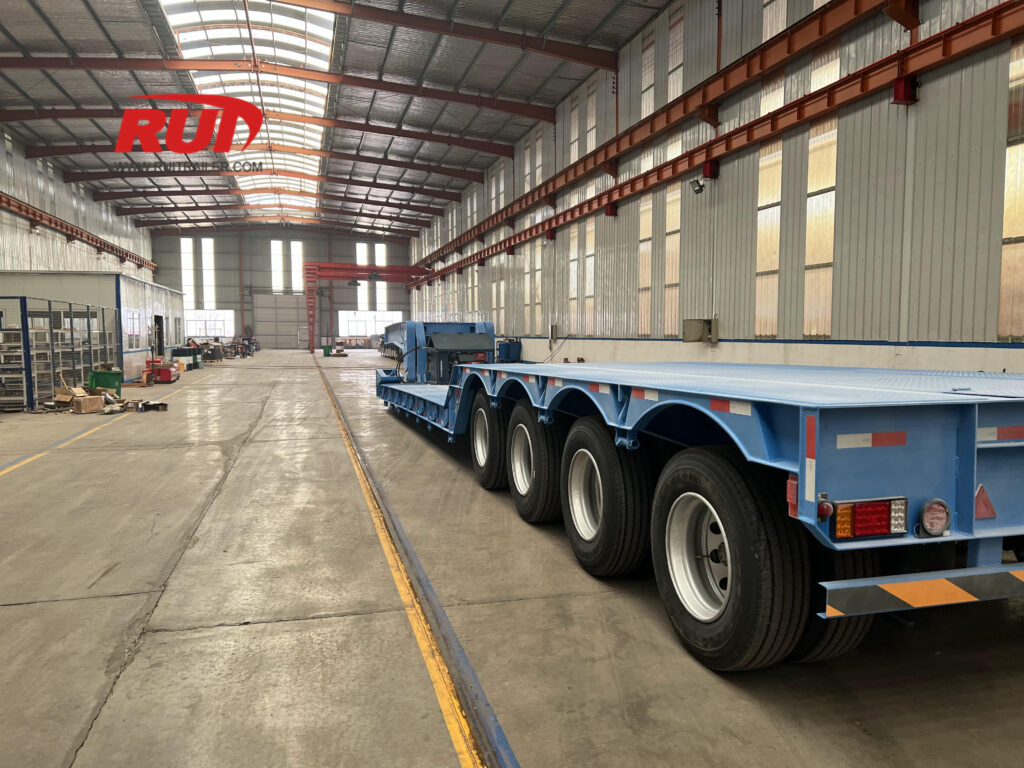
Key Questions To Ask Your RGN Trailer Manufacturer
Before you sign anything on a custom lowboy trailer with removable neck, ask direct questions:
- What max gross capacity does this exact spec support, and under which regulations?
- What is the urefu wa sakafu uliojazwa na usable well length with your heaviest machine?
- Which usanidi wa axle kwa usafirishaji mzito do they recommend for your states/countries, and why?
- Can they show real case studies or fleet references hauling similar heavy equipment?
- What is the warranty on frame, gooseneck, and hydraulics, and what’s excluded?
- How quickly can they ship critical parts to your location?
- What is the lead time, and how stable is pricing during production?
If the answers are vague, you’re taking all the risk. A good custom RGN trailer manufacturer will talk clearly about stability, safety, and lifetime cost, not just upfront price.
 Swahili
  English
  German
  Turkish
  French
  Portuguese
  Russian
  Arabic
  Hindi
Hindi  Vietnamese
  Chinese
  Spanish
  Indonesian