
What is a Self-Propelled Modular Transporter (SPMT)?
Definition and Basic Working Principle
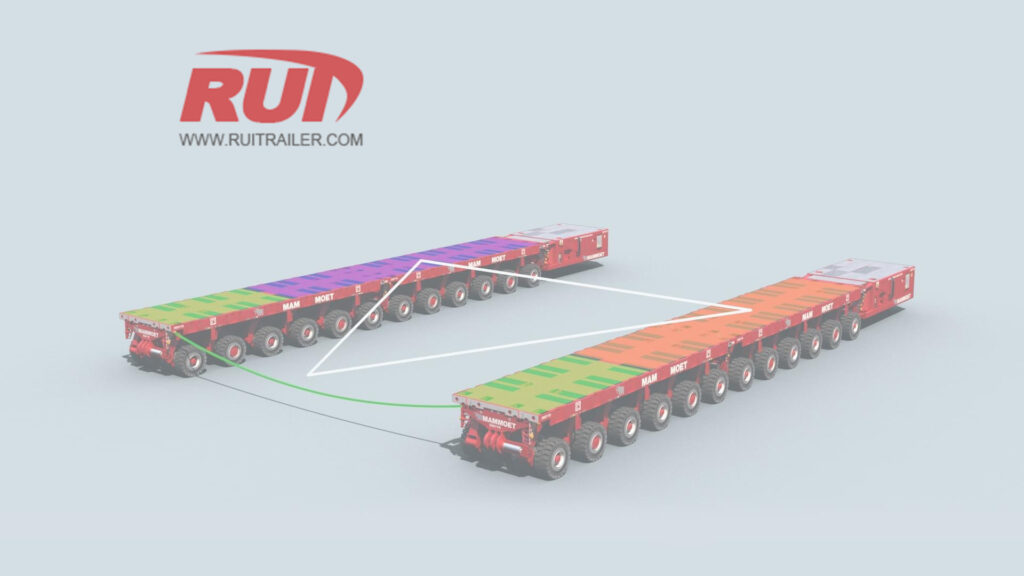
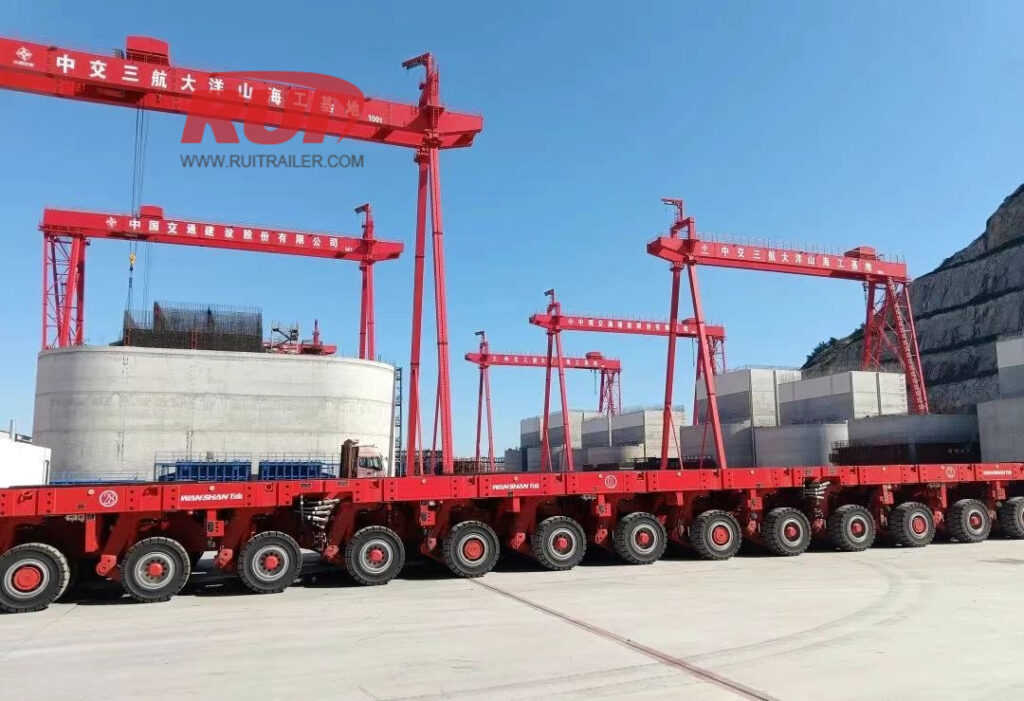
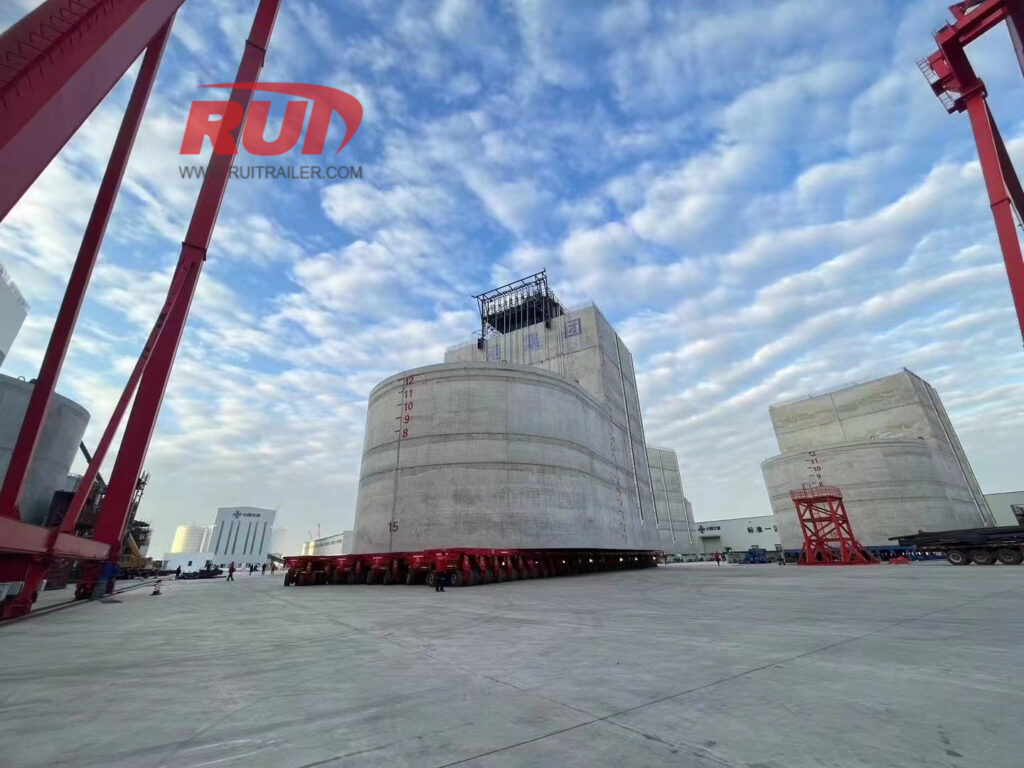
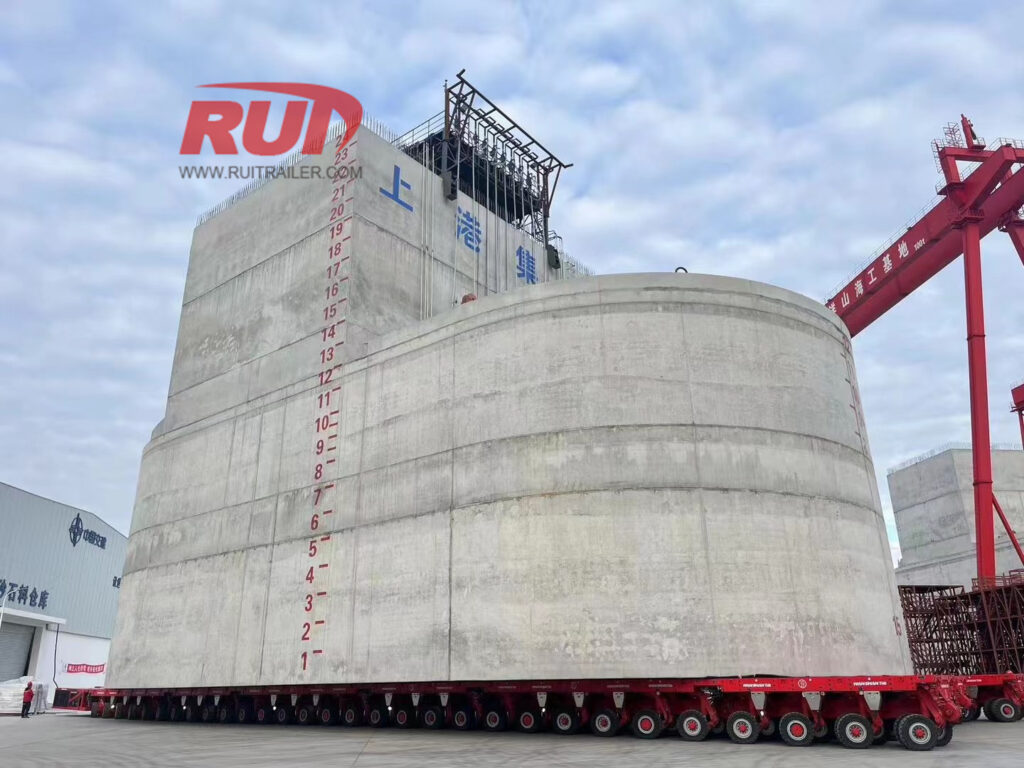
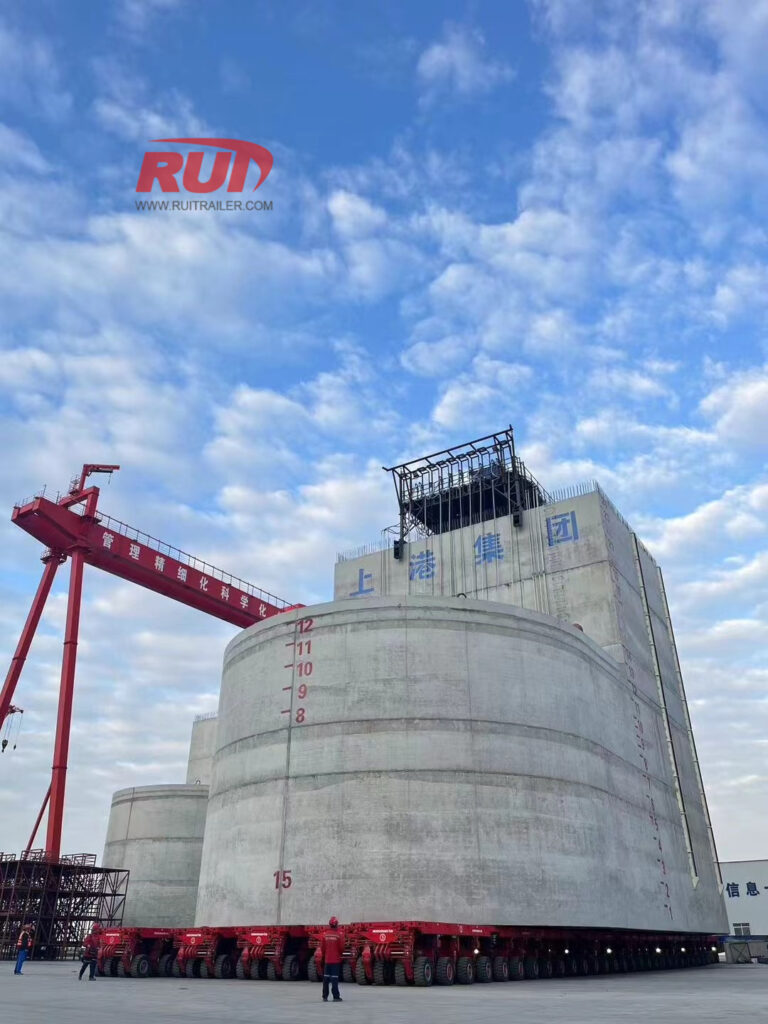
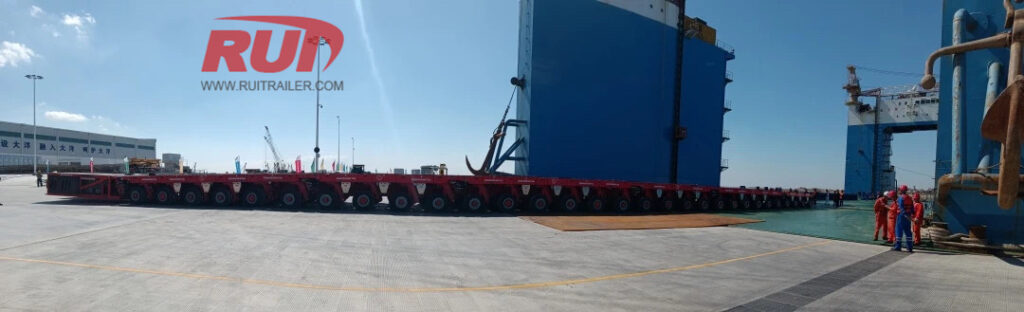
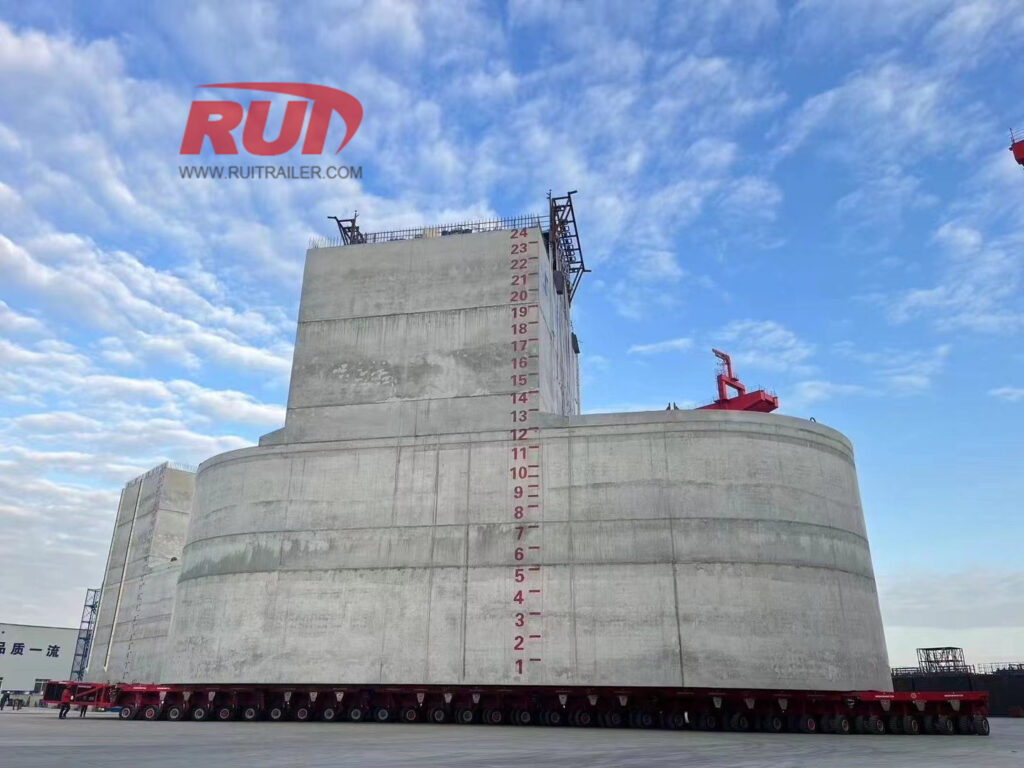
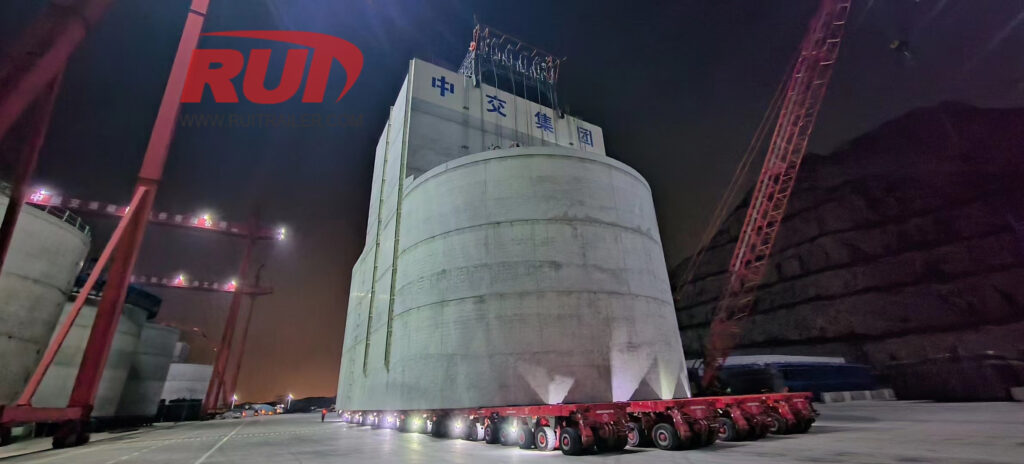
The Self-Propelled Modular Transporter (SPMT) is a specialized platform vehicle engineered for heavy load transportation that exceeds the capabilities of conventional trucks. Unlike a standard modular trailer that requires a towing vehicle, the SPMT is self-propelled, meaning it operates without an external tractor. It features a sophisticated grid of computer-controlled wheels capable of multi-directional movement, allowing for the precise positioning of massive structures such as bridge sections, oil refining equipment, and large motors.
The core principle of the SPMT is ultimate modularity. These units function like heavy-duty building blocks; they can be mechanically and electronically coupled side-by-side or end-to-end to create a transport configuration of virtually any size. This flexibility allows operators to scale payload capacity from 100 tons to over 100,000 tons, providing a tailored solution for the world’s most complex heavy lifting challenges.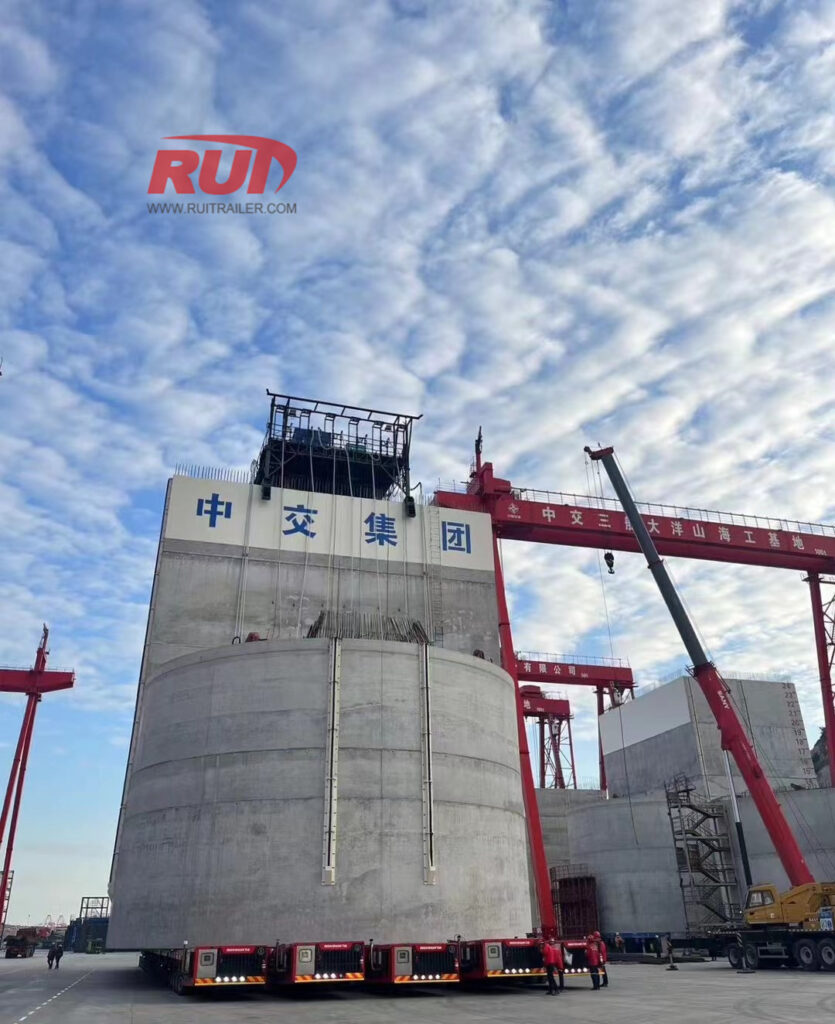
Evolution and History of Modular Heavy Transport
The development of the SPMT represents a shift from rigid transport methods to adaptable, scalable logistics. Historically, moving oversized cargo required fixed configurations that struggled with confined spaces. The modern SPMT revolutionized this by introducing 360-degree steering and independent suspension, enabling movement in tight industrial sites where traditional heavy haulers cannot navigate.
Innovation in this sector continues with a focus on sustainability. The introduction of the eSPMT, an electric version of the transporter, marks a significant evolution in heavy-duty transport logistics equipment. These electric units offer the same power and maneuverability as diesel variants but operate with significantly lower noise levels and a reduced carbon footprint, addressing the growing environmental demands of global infrastructure projects.
Key Components: Platform Modules and Power Pack Units (PPU)
An SPMT configuration is comprised of two essential hardware components that work in unison to ensure stability and power:
- Platform Modules and Axle Lines: The deck is supported by multiple axle lines, each capable of handling an axle load of up to 60 tons. These modules feature integrated hydraulic suspension systems that equalize pressure across all wheels, ensuring the load remains stable even on uneven terrain. Crucially, the modules are designed with standardized dimensions to fit within a standard 20-foot shipping container, minimizing mobilization costs for worldwide deployment.
- Power Pack Units (PPU): The PPU serves as the engine of the system, providing hydraulic power for the drive, suspension, and steering functions. Available in both diesel and zero-emission electric configurations, the PPU ensures the transport units have the necessary torque to move massive payloads while maintaining precise control during operations.
Core Features and Technical Specifications
When we talk about the Self Propelled Modular Transporter SPMT, we are looking at the pinnacle of heavy-duty transport logistics equipment. These vehicles are engineered to handle what conventional trucks simply cannot. The design philosophy centers on modularity and extreme power, allowing us to move massive structures safely and efficiently.
High Load Capacity and Payload Scaling
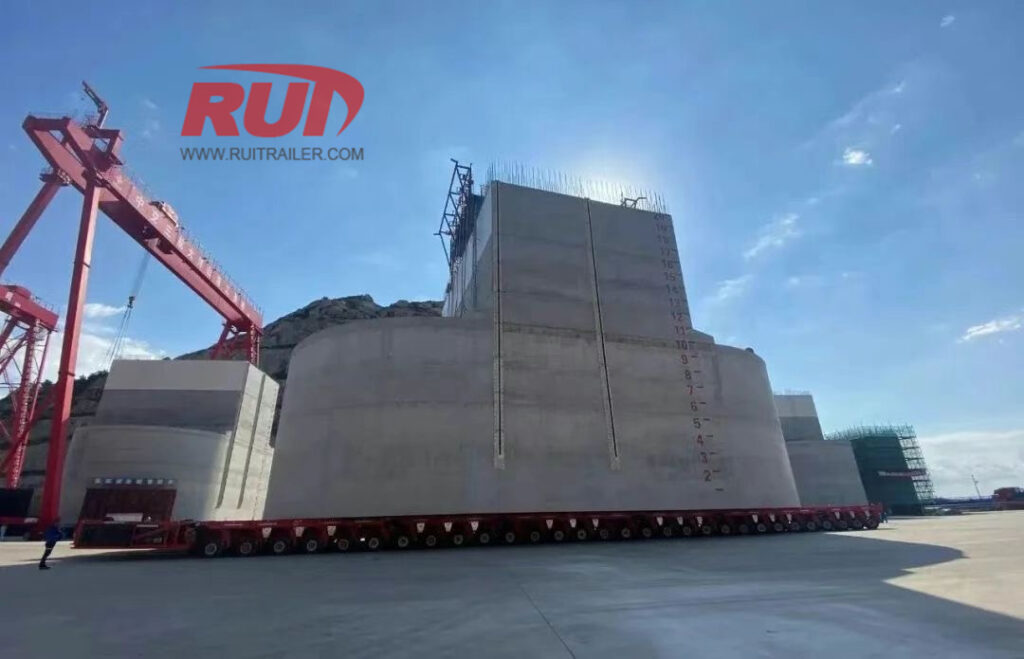
The true strength of an SPMT lies in its scalability. These units function like giant Lego blocks; we can connect them end-to-end or side-by-side to create a platform of any size or shape. This modular means the payload capacity is theoretically limitless, restricted only by the number of axle lines available.
- Axle Load: Each axle line supports up to 60 tons, providing immense lifting power.
- Scalability: We can configure fleets to move loads ranging from 100 tons to over 100,000 tons.
- Mobilization: Despite their size, individual modules are built to standard container dimensions, making them easy to ship worldwide inside a 20-foot container.
This flexibility ensures that whether we are moving a bridge section or a heavy refinery module, the load capacity can be tailored exactly to the project requirements.
Multi-Directional 360-Degree Steering Systems
Maneuverability is critical when operating in tight industrial sites or congested shipyards. The multi-directional movement capabilities of our SPMTs set them apart from standard trailers. Each wheel unit can rotate 360 degrees, allowing the transporter to move in any direction without turning the deck.
Steering Modes Include:
- Carousel: The vehicle spins on its own axis.
- Crab Steering: Moving diagonally or sideways to position loads with millimeter precision.
- 90-Degree Transverse: Driving strictly sideways to dock into tight spaces.
This system is driven by a dedicated Power Pack Unit (PPU) that provides the hydraulic pressure needed for steering and drive functions. It eliminates the need for external towing, making the unit truly “self-propelled.”
Hydraulic Suspension and Axle Compensation Technology
Stability is non-negotiable when transporting high-value assets. Our SPMTs utilize advanced hydraulic suspension systems that equalize pressure across all wheels. This axle compensation technology ensures that the platform remains level, even when traversing uneven terrain or slopes.
If one wheel hits a bump, the hydraulic fluid redistributes the force to other wheels, maintaining constant ground contact and preventing the load from tilting. For a deeper understanding of how these systems support massive weights, reviewing hydraulic modular trailer specs is essential for planning safe operations.
Technical Spec
| Feature | Specification |
|---|---|
| Steering Range | 360-degree multi-directional |
| Axle Load | Up to 60 tons per line |
| Suspension | Hydraulic compensation (600mm+ stroke) |
| Power Source | Diesel or Electric PPU (eSPMT) |
| Transport Dimensions | Fits standard 20ft container |
This combination of hydraulic stability and precision control makes the heavy hauler the safest option for complex transport projects.
Key Advantages of Using SPMTs for Heavy Lifting
When we tackle massive logistical challenges, the Self Propelled Modular Transporter SPMT stands out because it solves problems that conventional trucks simply can’t handle. These units aren’t just about raw power; they are about applying that power intelligently to ensure the project stays on schedule and the cargo remains intact.
Enhanced Operational Safety and Load Stability
Safety is the non-negotiable baseline in our industry. The standout feature here is the hydraulic suspension system. This technology allows for precision load balancing by equalizing pressure across every single axle line. Whether we are moving across uneven terrain or transitioning between surfaces, the suspension automatically compensates to keep the platform level.
This capability significantly reduces the risk of tipping or structural stress on the cargo. For operators managing high-value assets like oil refining equipment or bridge sections, this stability ensures that heavy lifting operations are conducted with maximum control and minimal risk.
Increased Yard Efficiency and Spatial Flexibility
The “ultimate modular” of these transporters transforms how we utilize yard space. We can couple transport units side-by-side or end-to-end, effectively building a vehicle that matches the exact footprint of the load. This is similar to a Lego system, allowing us to scale up capacity from 100 tons to over 100,000 tons depending on the configuration.
Furthermore, the logistical footprint of the equipment itself is optimized. Because the modules are designed to fit within standard 20-foot shipping containers, mobilization costs are kept low. This global transport ability means we can deploy a fleet anywhere in the world without complex shipping logistics. For a deeper understanding of how these systems integrate into broader fleets, our modular trailer guide for heavy-duty transport offers a comprehensive look at configuration strategies.
Precision Maneuvering in Confined Environments
Space is often a luxury we don\’t have on industrial sites. This is where the multi-directional movement capabilities of the SPMT shine. The steering system allows wheels to rotate a full 360 degrees, enabling the vehicle to move sideways (crab steering), diagonally, or rotate on its own axis (carousel steering).
Driven by a high-performance Power Pack Unit (PPU), this steering precision allows us to position massive loads with millimeter accuracy, even in extremely confined spaces where a traditional heavy hauler with a towing truck would be impossible to operate. This eliminates the need for large turning radius and allows for direct positioning onto foundations.
Primary Applications Across Key Industries
The versatility of the Self Propelled Modular Transporter SPMT has made it the backbone of heavy logistics. Because these units are modular—connecting end-to-end or side-by-side—we can scale them to fit almost any load, from 100 tons to over 100,000 tons. Here is how we apply this technology across major sectors.
Shipbuilding, Naval Bases, and Marine Engineering
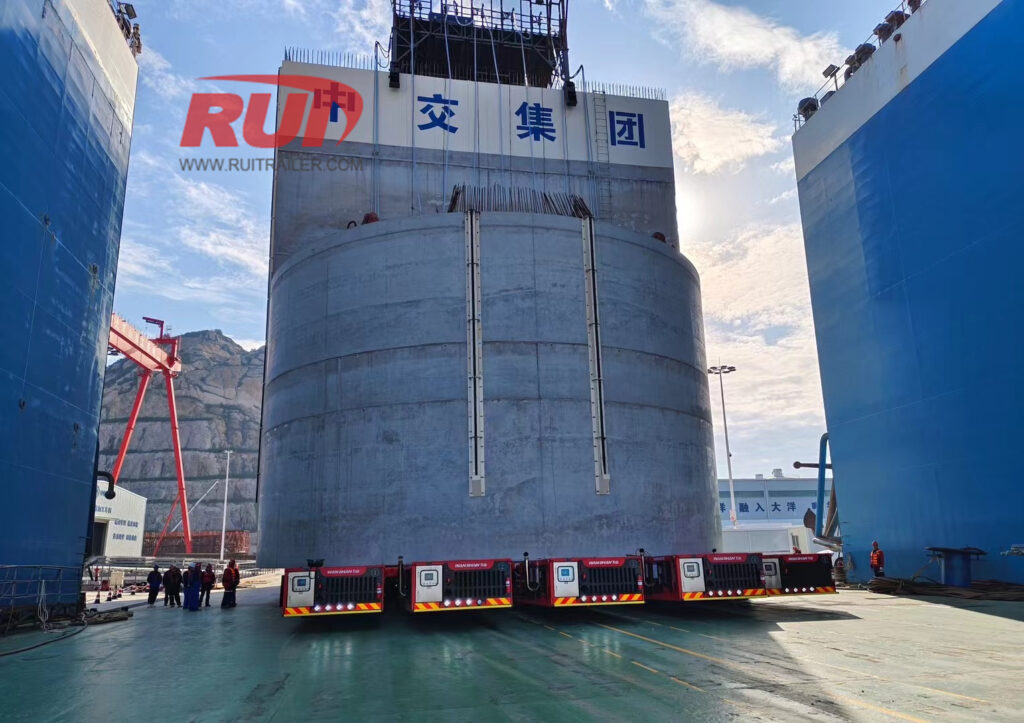
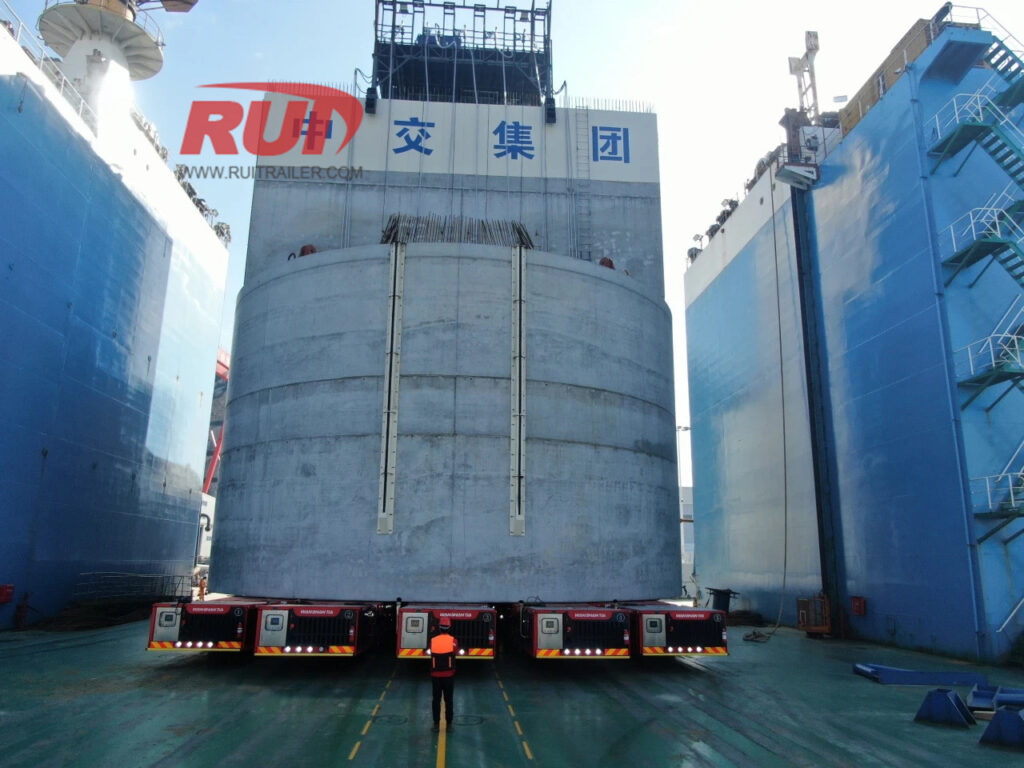
In the maritime sector, precision is everything. We use SPMTs to transport massive ship sections, hull blocks, and entire vessels within shipyards. The 360-degree steering system allows us to navigate these gigantic loads through congested yard spaces where traditional cranes or rails simply cannot reach.
- Hull Assembly: Moving prefabricated blocks to dry docks for final assembly.
- Submarine Transport: Handling sensitive, heavy naval equipment with hydraulic suspension that ensures zero torsion.
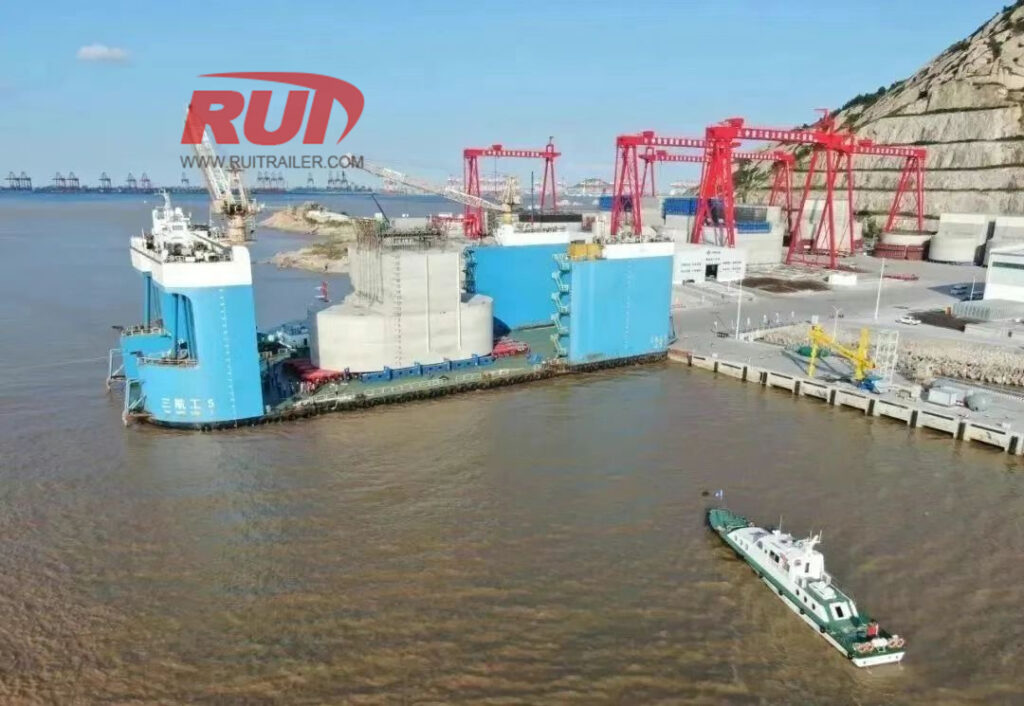
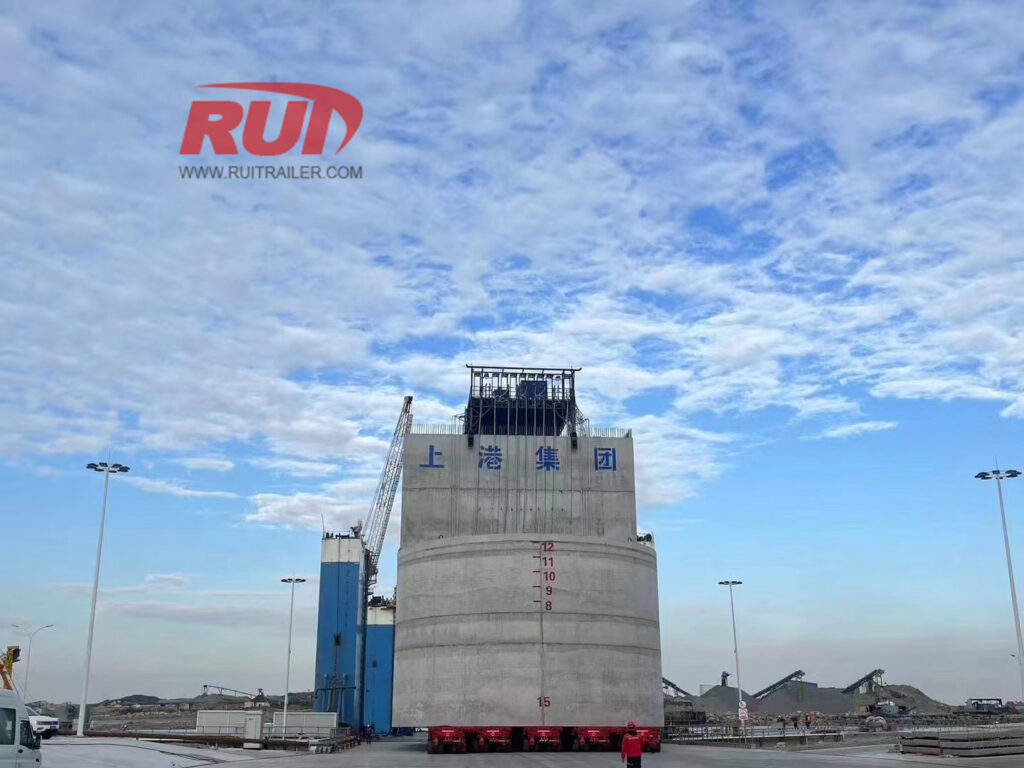
- Port Logistics: Shifting heavy marine engines and port cranes without external towing.
Civil Engineering: Bridge Installation and Removal
Modern civil construction relies heavily on SPMTs for Accelerated Bridge Construction (ABC). Instead of building a bridge in place and disrupting traffic for months, we build it nearby and drive it into position overnight.
- Rapid Replacement: We drive the SPMT under the old bridge to remove it, then immediately transport the new section into place.
- Load Stability: The hydraulic suspension equalizes the weight across all axle lines, ensuring the concrete or steel structure doesn\’t crack during movement.
- Tunneling: Moving massive Tunnel Boring Machines (TBMs) into launch shafts.
Oil, Gas, and Petrochemical Infrastructure
Refineries and chemical plants are dense, complex environments. The Self Propelled Modular Transporter SPMT is the only solution capable of moving new processing modules into existing facilities without dismantling surrounding infrastructure.
- Module Transport: Moving pipe racks and processing units from the fabrication yard to the installation site.
- Turnaround Maintenance: Swapping out heavy reactors or columns during plant shutdowns with minimal downtime.
- Safety: The remote-controlled operation keeps our operators at a safe distance from hazardous environments.
Renewable Energy: Offshore Wind and Turbine Logistics
As wind energy components grow larger, the logistics challenges increase. We use heavy-duty transport logistics equipment to move offshore jackets, and nacelles at port facilities. While specialized road transport might require a wind tower trailer for highway distances, the SPMT handles the massive onsite movements and load-outs onto barges.
- Offshore Components: Transporting tripod foundations and transition pieces weighing thousands of tons.
- Transformer Stations: Moving high-voltage offshore substations onto transport vessels.
- Onshore Wind: Navigating difficult terrain to deliver heavy generator units to remote installation pads.
Types of SPMT Configurations and Modular Systems
The true power of a Self Propelled Modular Transporter SPMT lies in its \”Lego-like\” flexibility. We don\’t view these just as vehicles, but as adaptable building blocks. Whether you are moving a 100-ton transformer or a 15,000-ton offshore platform, the system scales to fit the project. The standardized dimensions allow us to mix and match units to create the perfect transport solution while keeping mobilization costs low since everything fits into standard 20-foot containers.
Standard vs. Heavy Duty Payload Modules
We design our modules to handle extreme weight concentrations. A standard configuration typically offers a robust axle load of up to 60 tons per line. This high capacity allows a relatively compact grid of wheels to support massive structures.
- Standard Modules: Ideal for general heavy transport in civil and industrial projects.
- Heavy Duty: Scaled up for \”impossible\” loads, capable of moving over 100,000 tons when combined.
- Power Source: All modules rely on Power Pack Units (PPUs) for hydraulic drive and steering, available in diesel or electric (eSPMT) for zero-emission zones.
Coupling Options: Side-by-Side and End-to-End Combinations
Modular means we can mechanically couple units in almost any direction. If a load is exceptionally long, like a bridge section or wind turbine blade, we connect units end-to-end to extend the platform length. For loads that are wide and require a broader base for stability, we utilize a side-by-side hydraulic modular trailer configuration.
| Configuration | Connection Type | Primary Benefit |
|---|---|---|
| End-to-End | Longitudinal | Extends deck length for long components. |
| Side-by-Side | Lateral | Increases track width for high stability. |
| Open Compound | Loose Coupling | Supports extremely long loads with spacing. |
Specialized Solutions: Split Modules and Telescopic Spacers
Sometimes a solid block of trailers isn’t the answer. We use specialized setups where modules are spaced apart but electronically synchronized to act as a single vehicle. This “soft coupling” allows us to support a load at its strong points—such as the ends of a vessel—without wasting equipment in the middle. Our self-propelled modular transporter systems feature advanced electronic steering that keeps every wheel coordinated, regardless of the physical distance between the modules. This ensures precision maneuvering and load safety even in complex split configurations.
Operational Planning and Safety Standards
Ground Force Distribution and Surface Assessment
Moving heavy loads requires more than just raw power; it demands careful engineering of the ground interface. When we deploy a Self Propelled Modular Transporter SPMT, calculating ground bearing pressure is the first critical step. The sheer weight of industrial modules—often ranging from 100 to over 100,000 tons—must be spread effectively to prevent ground failure.
Our units utilize advanced hydraulic suspension systems to solve this challenge. This technology equalizes pressure across every wheel in the grid, ensuring that the load remains stable even when traversing uneven terrain. By distributing the weight evenly, we minimize the risk of sinking or structural damage to the surface, allowing for safe transport over bridges or temporary roads.
Remote Control Operation and Precision Positioning
Safety is significantly improved by removing the operator from the immediate danger zone. Unlike traditional trucks, the SPMT is controlled entirely via a remote system linked to the Power Pack Unit (PPU). This allows the operator to walk freely around the transport, maintaining a clear line of sight from the safest vantage point.
The 360-degree steering capability is central to this precision. Operators can execute complex maneuvers, such as crab steering or on-the-spot rotation, to navigate tight industrial spaces without external towing. This level of control ensures that massive components are positioned with millimeter accuracy, reducing the risk of collisions in congested yards.
QHSE Compliance and Risk Management in Logistics
Modern logistics isn’t just about moving weight; it\’s about adhering to strict Quality, Health, Safety, and Environment (QHSE) standards. Risk management starts with equipment selection. For projects in enclosed spaces or urban areas, the electric eSPMT offers a major advantage by eliminating exhaust emissions and significantly reducing noise levels.
This innovation not only lowers the carbon footprint but also improves communication safety for the ground crew. Furthermore, the modular design allows us to pack units into standard container dimensions, streamlining mobilization and reducing transport-related risks. If you need detailed specifications for your safety planning, please use our contact form to get in touch.
Leading Manufacturers and Global Operators
Notable SPMT Manufacturers and Brand Innovations
In the world of heavy logistics, the engineering behind a Self Propelled Modular Transporter SPMT defines project success. Leading manufacturers like Scheuerle and Cometto have set high benchmarks for heavy hauler technology, focusing on modularity and hydraulic reliability. The industry is currently witnessing a significant shift toward sustainability with innovations like the eSPMT. This electric evolution replaces traditional diesel power with battery technology, allowing for zero-emission operations and significantly reduced noise levels—perfect for working inside confined facilities.
We also see a strong emphasis on “ultimate modular.” Manufacturers design these transport units to function like giant Lego blocks. You can couple them end-to-end or side-by-side to create a platform of any size. Whether you are running a standard hydraulic modular trailer or a self-propelled unit, the ability to interchange modules is critical for fleet flexibility.
Major Heavy-Lift Operators and Fleet Capabilities
Owning the equipment is one thing; executing the move is another. Global giants like Mammoet and Sarens dominate the field with massive fleets of axle lines. Mammoet, for instance, operates the world\’s largest fleet of SPMTs, giving them the capacity to handle heavy lifting projects ranging from 100 tons to over 100,000 tons. These operators leverage the unique 360-degree steering and electronic synchronization of the Power Pack Units (PPU) to position massive structures with millimeter precision.
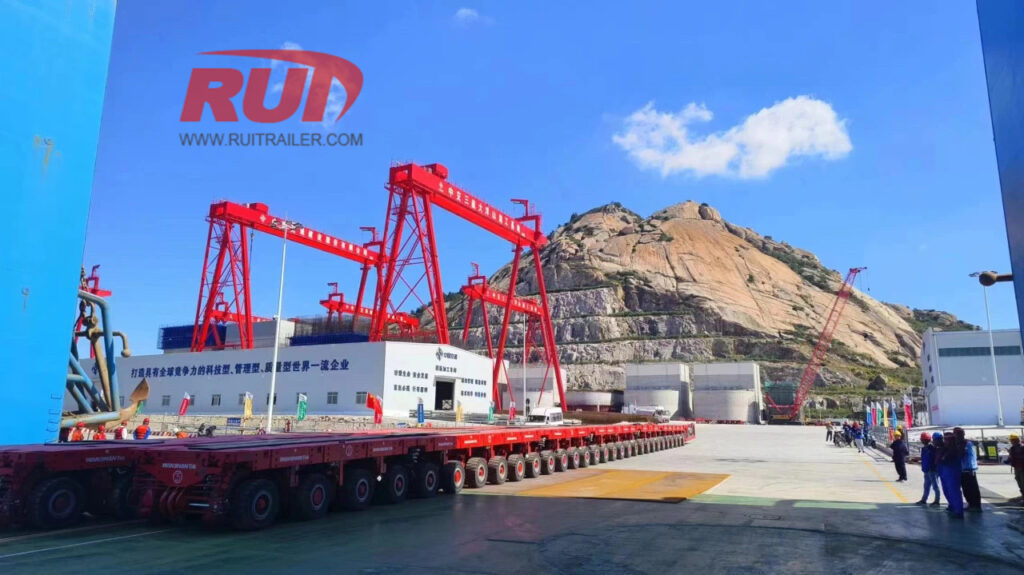
A key advantage for these global operators is mobilization efficiency. The equipment is designed to fit standard container dimensions, allowing fleets to be shipped economically to any corner of the globe. When planning a complex move, finding the right transport solution involves understanding these fleet capabilities:
- Payload Capacity: Up to 60 tons per axle line.
- Suspension: Hydraulic compensation ensures stability on uneven ground.
- Control: Remote-controlled steering for safe operation in hazardous environments.
Frequently Asked Questions (FAQ)
How to Determine the Number of Axle Lines Needed?
Calculating the required axle lines is a critical step in planning heavy lifting operations. We start by looking at the total weight of the cargo and the payload capacity of the specific module. For our standard SPMT units, the technical capacity can go up to 60 tons per axle line.
However, it is not just about raw weight. We must also consider the dimensions of the load and the allowable ground pressure of the site. To ensure stability, we configure the transport units to spread the weight evenly. If the load is exceptionally heavy or has a high center of gravity, we increase the number of lines to improve the safety factor. Utilizing the correct hydraulic modular trailer accessories allows us to couple modules effectively, creating a grid that supports the specific footprint of the cargo.
Difference Between SPMT and Conventional Modular Trailers
The main distinction lies in how the unit moves. A Self Propelled Modular Transporter SPMT is equipped with its own Power Pack Unit (PPU), meaning it drives itself without needing an external prime mover. A conventional modular trailer, on the other hand, relies on a truck or tractor to pull it.
The SPMT offers superior maneuverability with its electronic steering system, allowing for multi-directional movement—including crab steering and on-the-spot rotation. This makes it the preferred choice for heavy-duty transport logistics equipment in tight spaces where a truck simply cannot fit.
Comparison: SPMT vs. Conventional Trailer
| Feature | Self Propelled Modular Transporter (SPMT) | Conventional Modular Trailer |
|---|---|---|
| Power Source | Internal Power Pack Unit (PPU) | External Tow Truck / Tractor |
| Steering | 360-Degree Electronic Steering | Mechanical / Limited Angle |
| Coupling | Side-by-Side & End-to-End | Mostly End-to-End |
| Application | Extreme Loads & Confined Spaces | Long Distance Road Transport |
What are the Maximum Slopes an SPMT Can Navigate?
While SPMTs are engineered for massive loads, they operate best on relatively flat surfaces. However, thanks to the integrated hydraulic suspension and axle compensation technology, they can handle uneven terrain and slight gradients. The hydraulic cylinders allow the platform to remain level even if the ground beneath it is not.
The maximum navigable slope generally depends on the friction coefficient between the tires and the ground, as well as the center of gravity of the payload. The system’s braking power is robust, but for steep inclines, we always conduct a thorough route survey to ensure the heavy hauler maintains traction and stability throughout the move.
 English
  German
  Turkish
  French
  Portuguese
  Russian
  Arabic
  Hindi
Hindi