
Moving oversized excavators, dozers, or tall machinery with the wrong trailer can cost you time, money, and even safety. That’s why more heavy haulers are switching to RGN removable gooseneck trailers.
In this guide, you’ll see exactly how a detachable gooseneck trailer works, why it’s the go‑to heavy equipment hauler for serious fleets, and what to look for in specs like 50 ton lowboy capacity, axle configurations, and hydraulic removable gooseneck systems.
If you’re planning your next heavy haul trailer purchase—or want to upgrade to safer, more efficient oversized load transport—this 2026 guide will help you choose the right RGN removable gooseneck trailer with confidence.
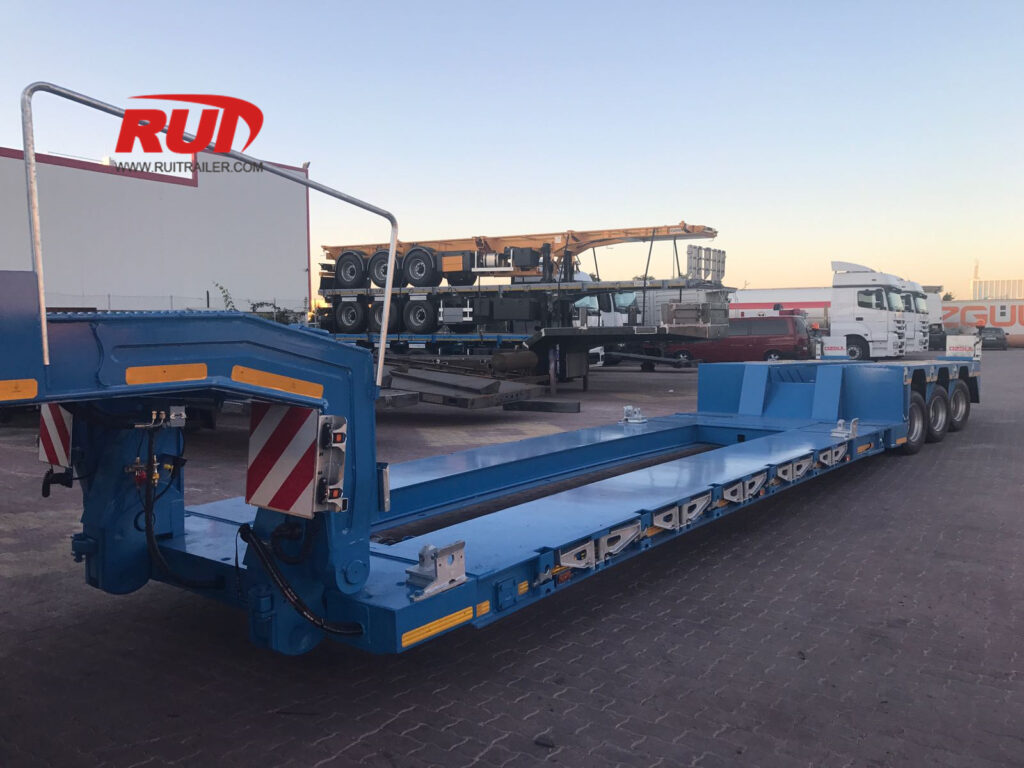
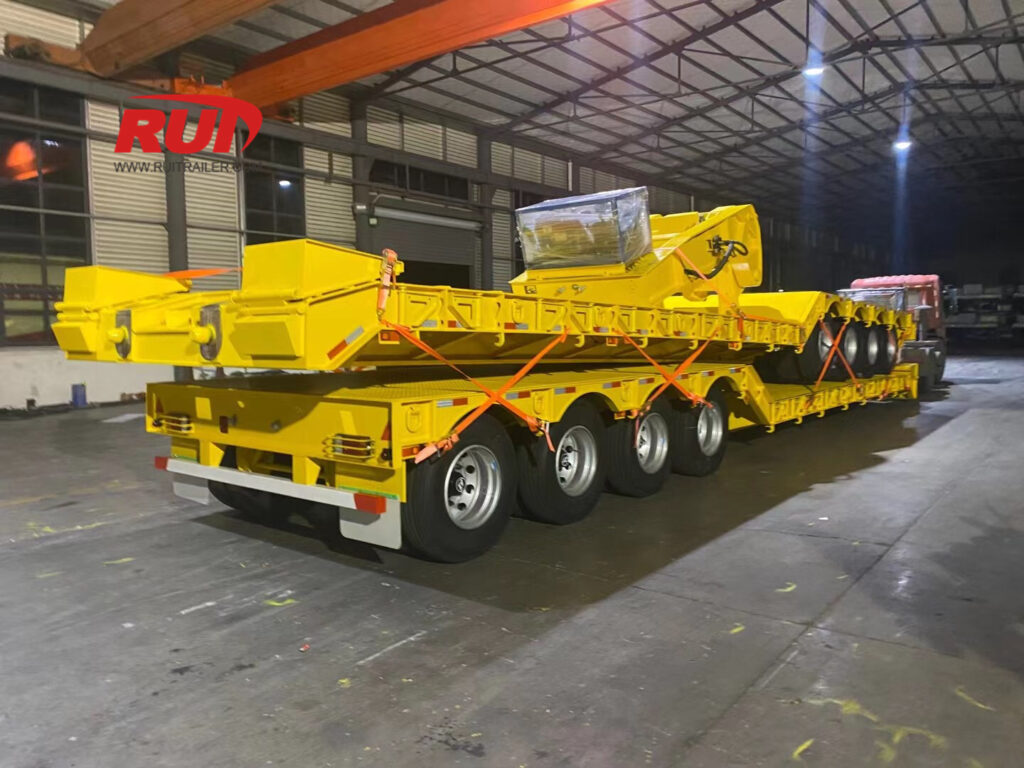
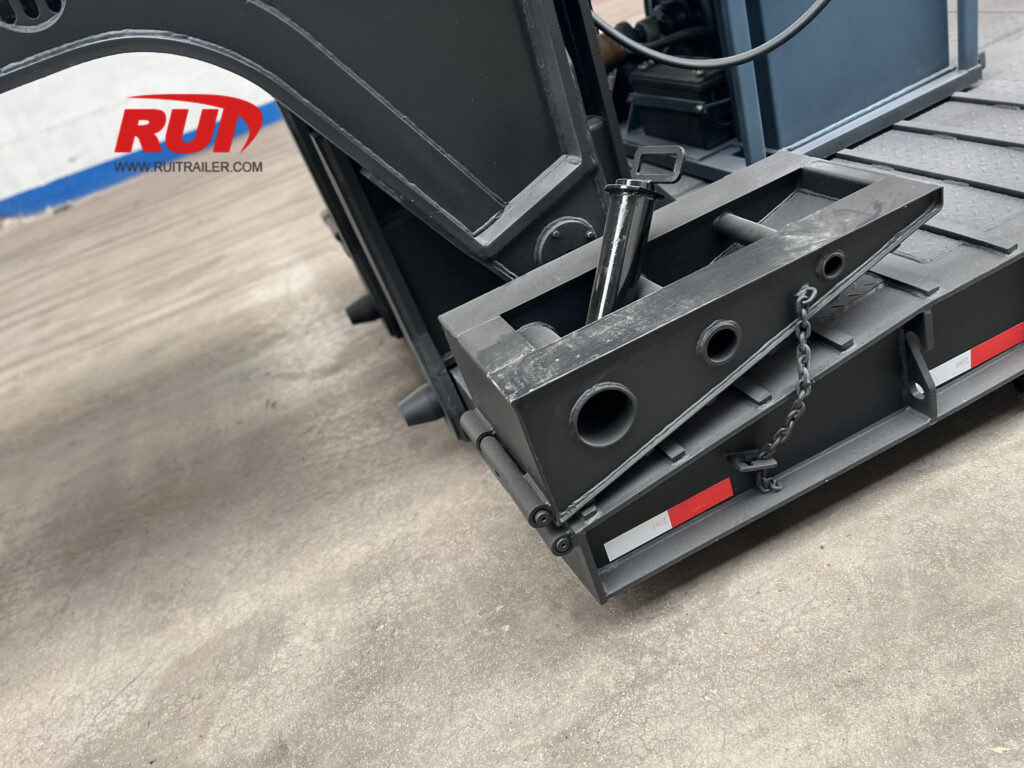
What Is an RGN Removable Gooseneck Trailer?
If you haul heavy equipment, you’ve probably fought with loading angles, height restrictions, and tight jobsites. An RGN removable gooseneck trailer is built to solve those problems.
Clear Definition: RGN Removable Gooseneck Trailer
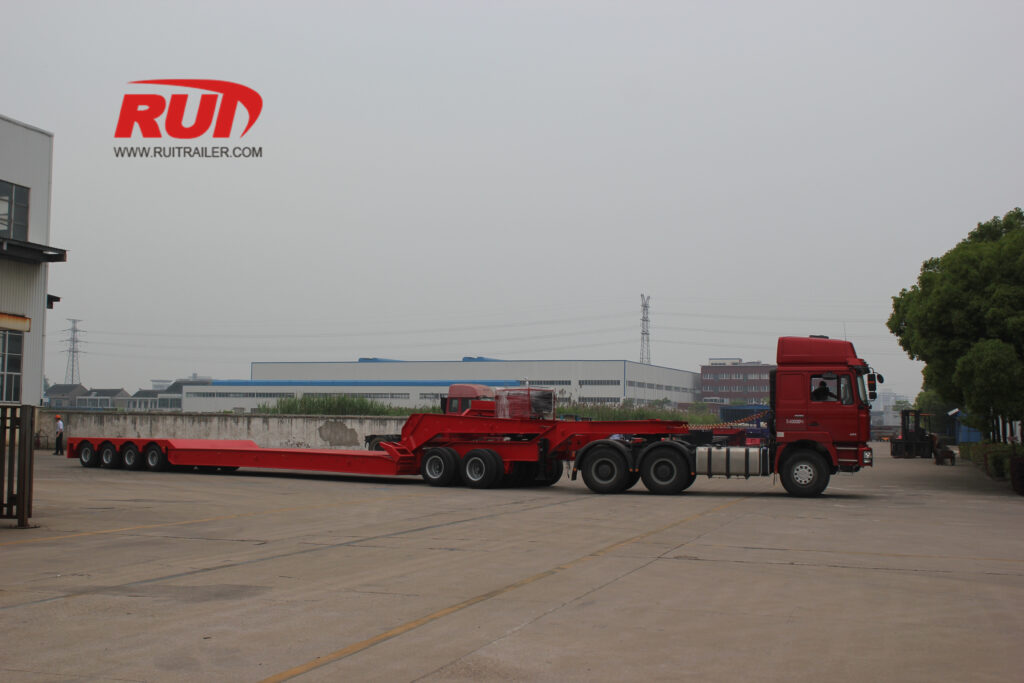
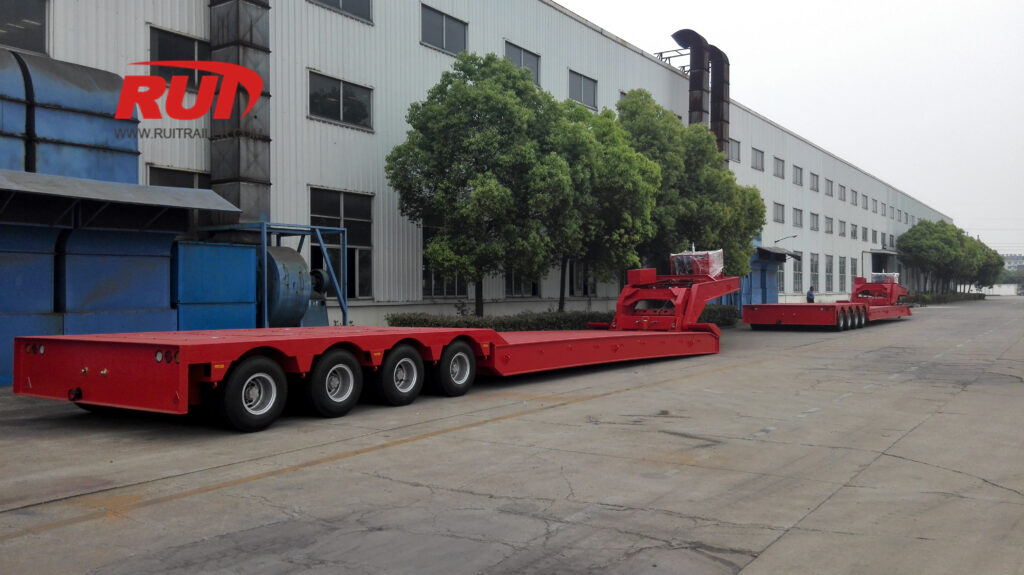
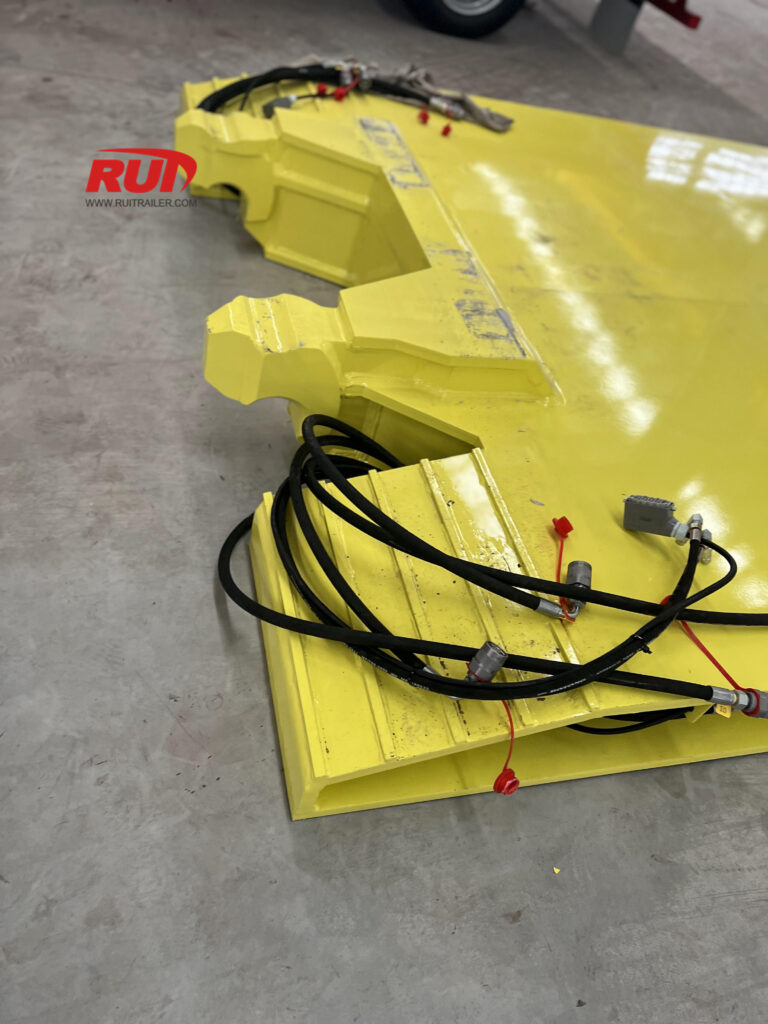
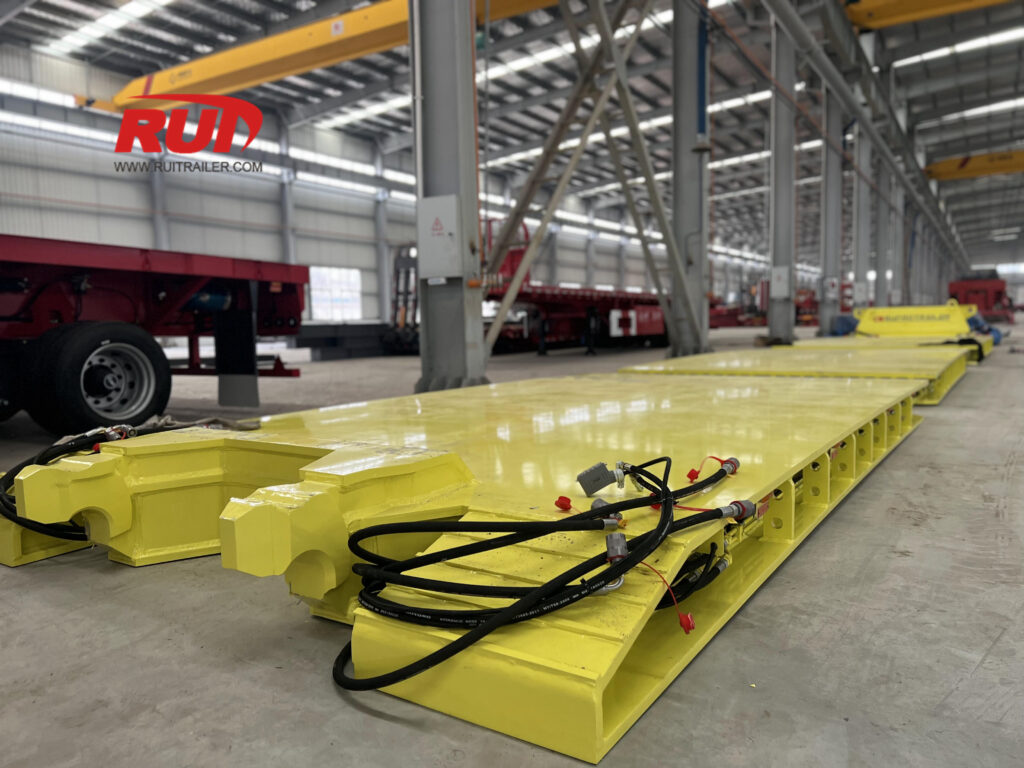
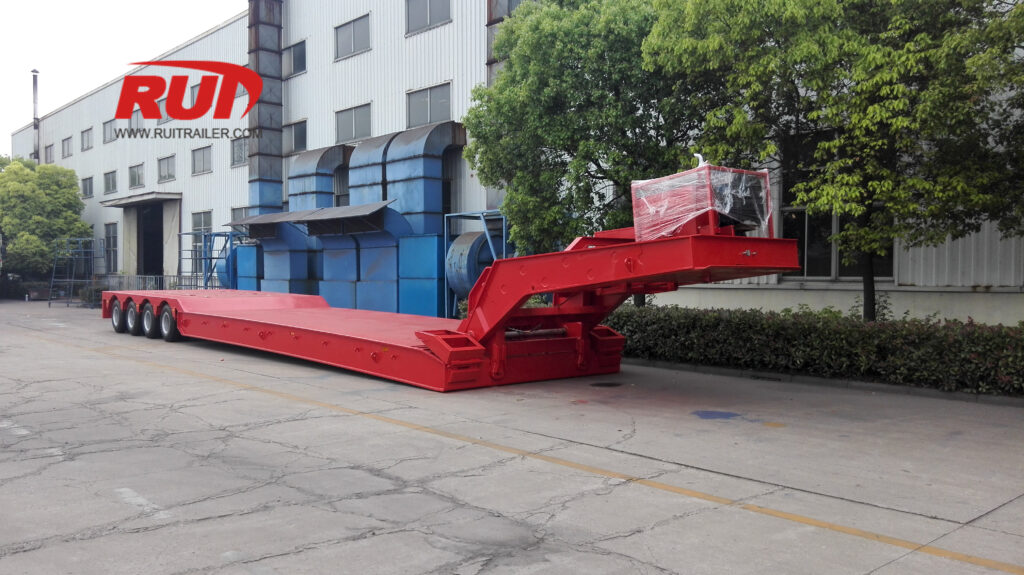
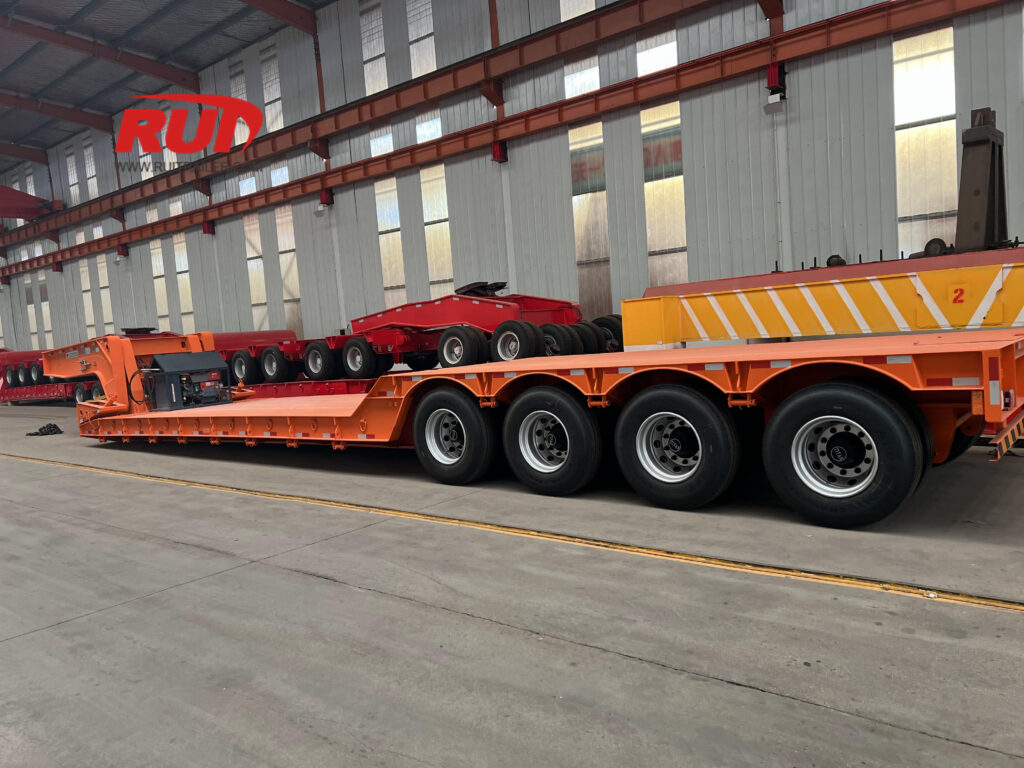
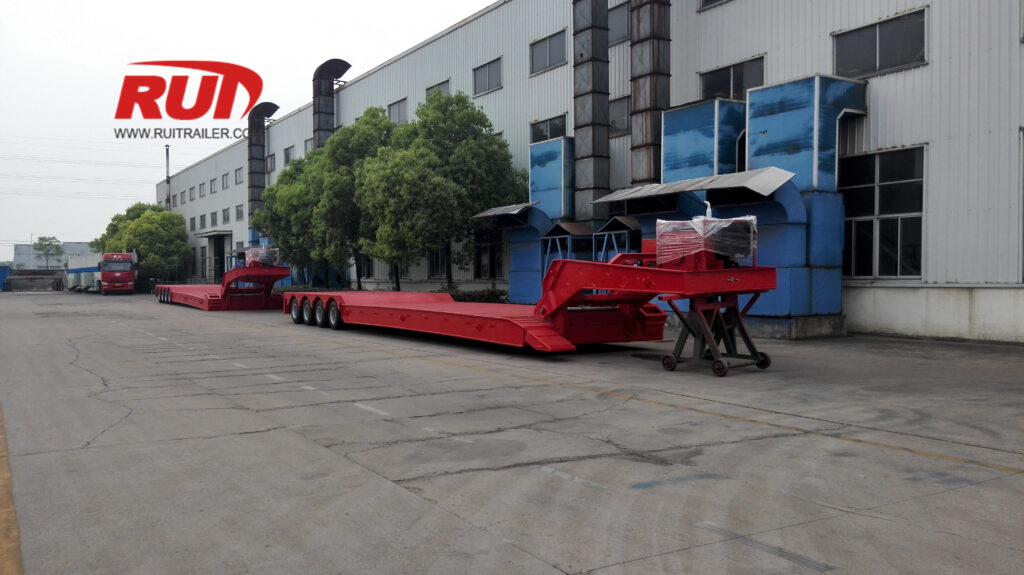
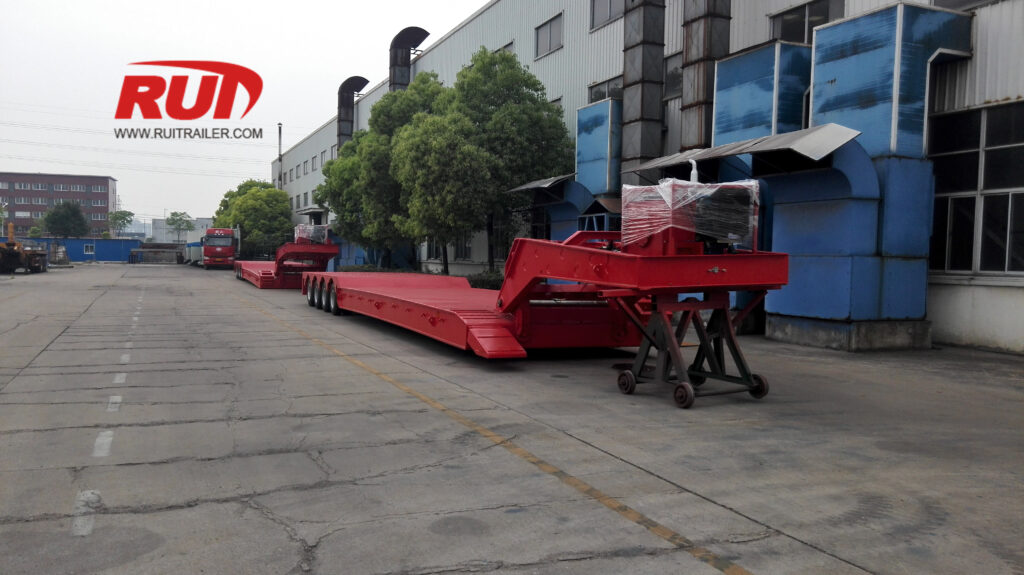
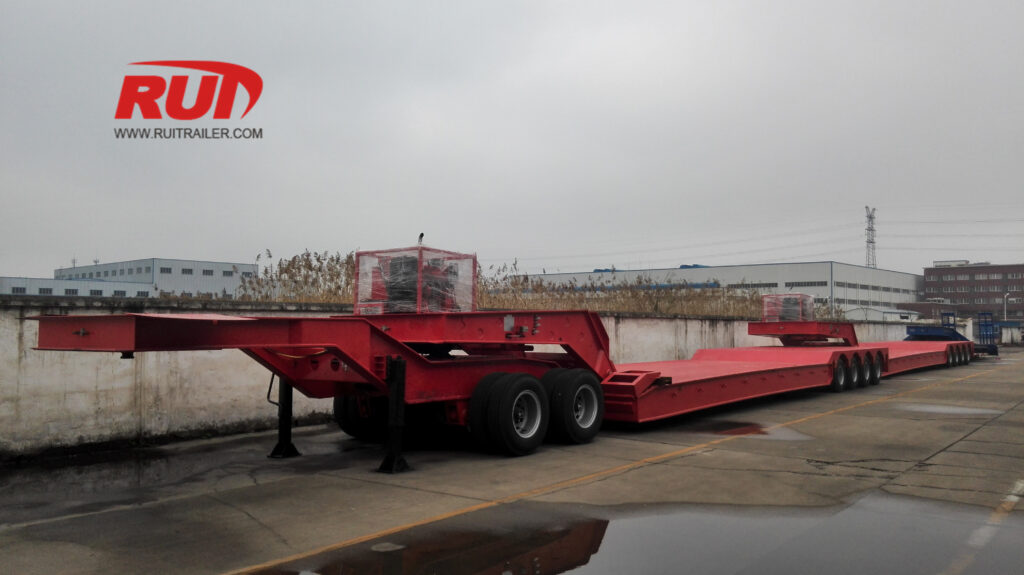
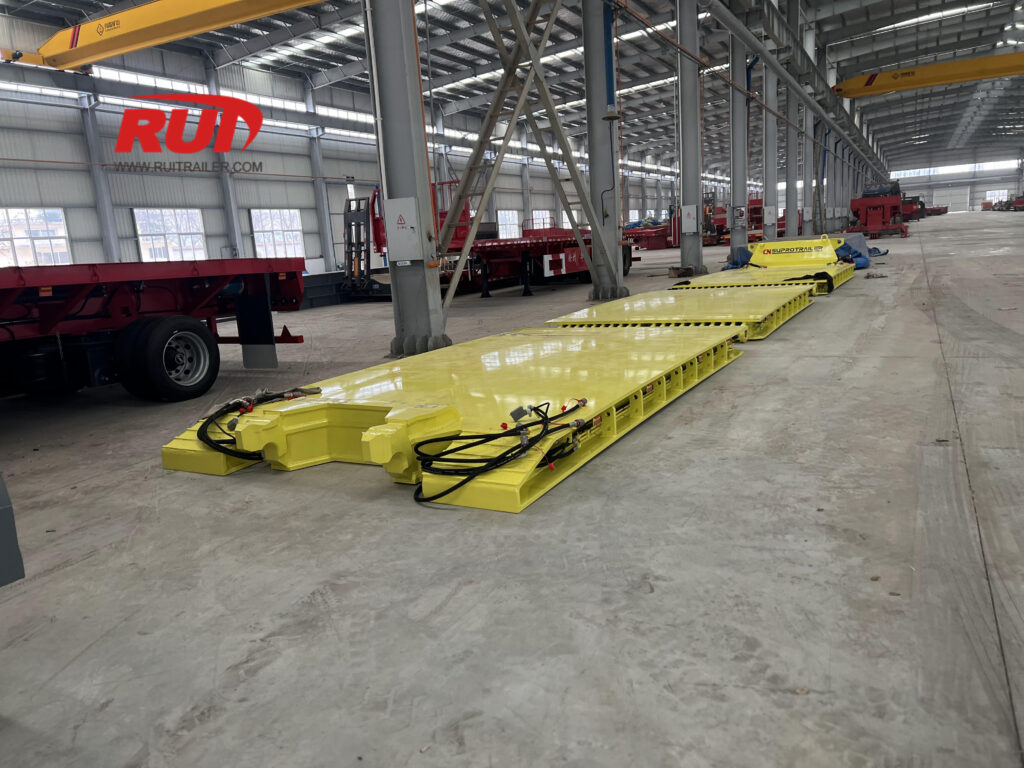
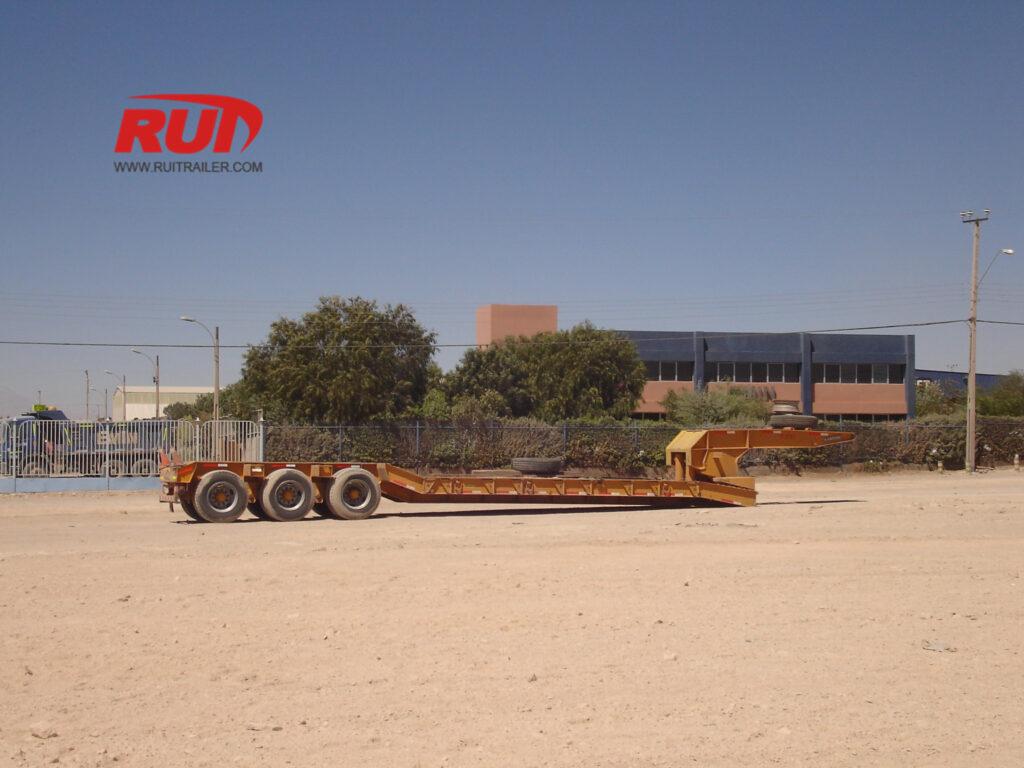
An RGN removable gooseneck trailer (also called a detachable gooseneck trailer or rgn lowboy trailer) is a low bed trailer where the front neck disconnects from the deck so you can load equipment from the front, directly onto the trailer.
- The gooseneck is the front section that hooks to your fifth wheel and kingpin.
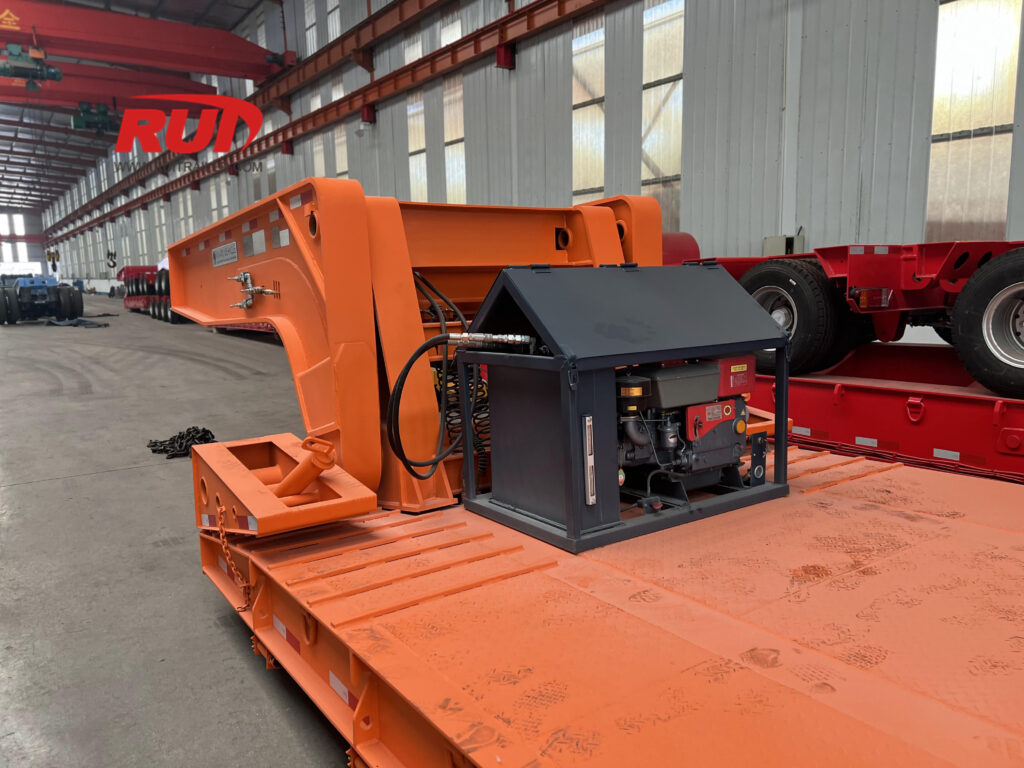
- On an RGN, this neck is mechanically detachable or hydraulic removable, so it can be lowered and moved away from the main deck.
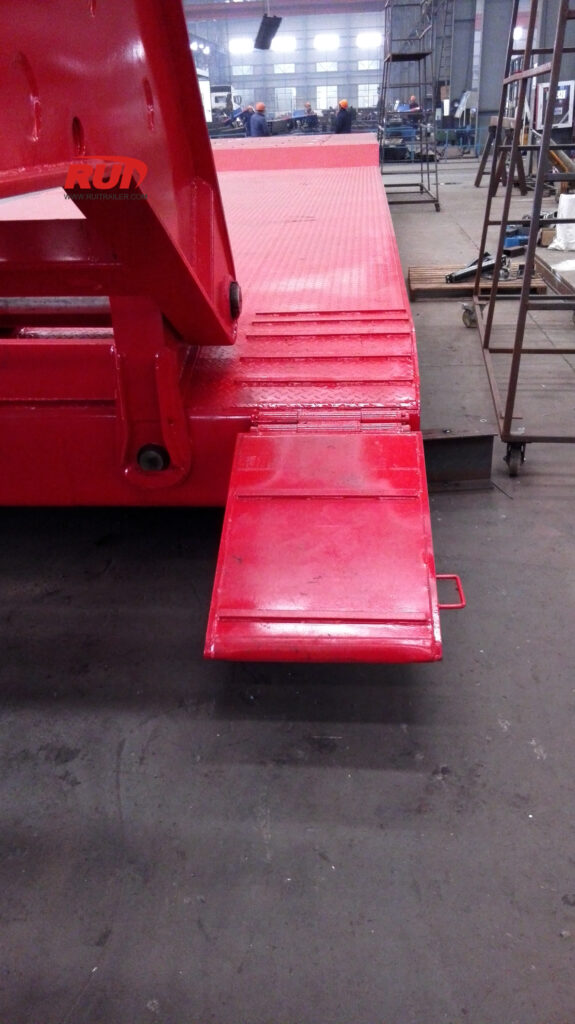
- Once the neck is off, the deck drops to the ground, creating a front loading ramp for self propelled equipment loading like dozers, excavators, or loaders.
In simple terms: instead of lifting machines up onto a trailer, the drive on lowboy trailer comes down to ground level.
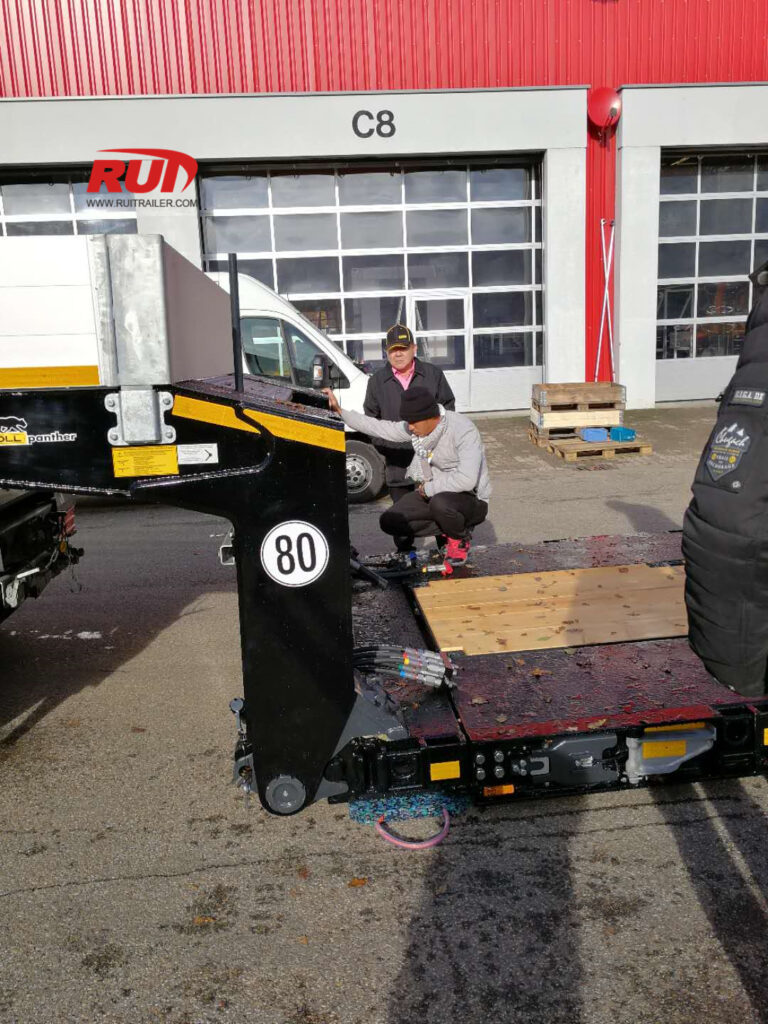
How an RGN Lowboy Differs From a Standard Lowboy or Step Deck
A standard lowboy trailer or step deck trailer has a fixed neck. You load from the rear or use extra ramps or loading docks. An rgn lowboy changes that:
- Loading direction:
- Standard lowboy/step deck: rear loading only.
- RGN: true front loading trailer with a ground-level deck.
- Loaded deck height:
- Step deck: higher deck, less room under bridges.
- RGN lowboy: ultra low deck height trailer with a deep “well” for tall machinery transport and oversized load transport.
- Flexibility for oversize and overweight permits:
- RGN designs prioritize low center of gravity trailer stability and better cargo clearance space, giving you more options on routes with tight height restrictions.
If you’re consistently fighting for every inch of height clearance, an RGN usually wins over a step deck or standard lowboy.
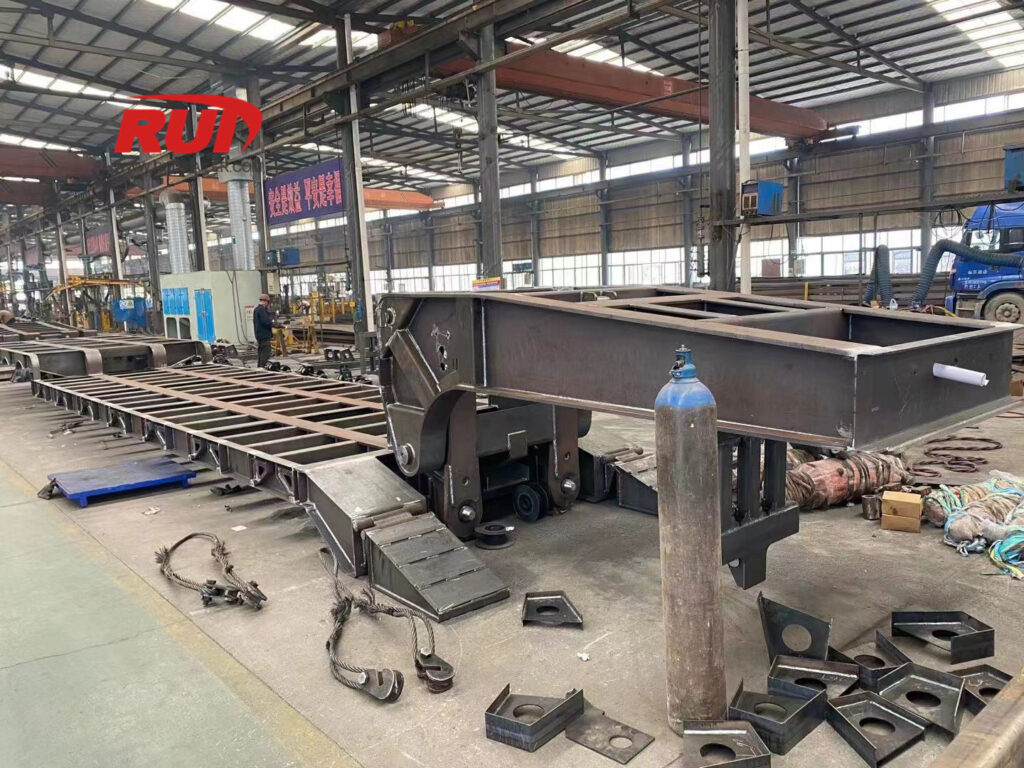
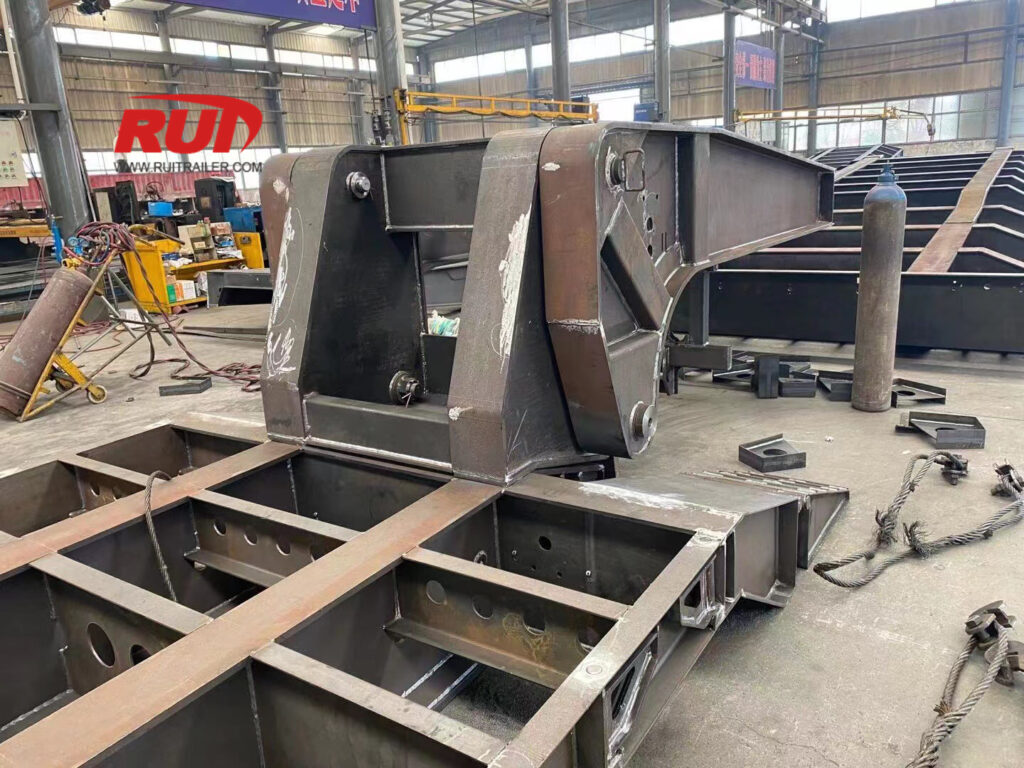
Key Components of a Detachable Gooseneck Trailer
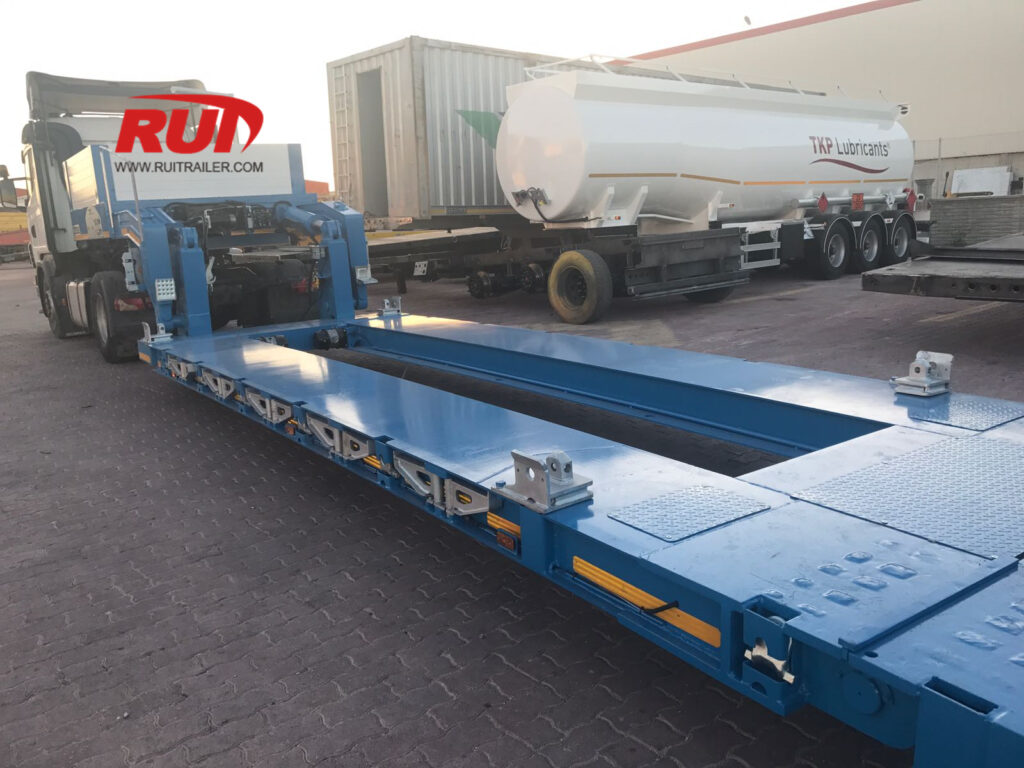
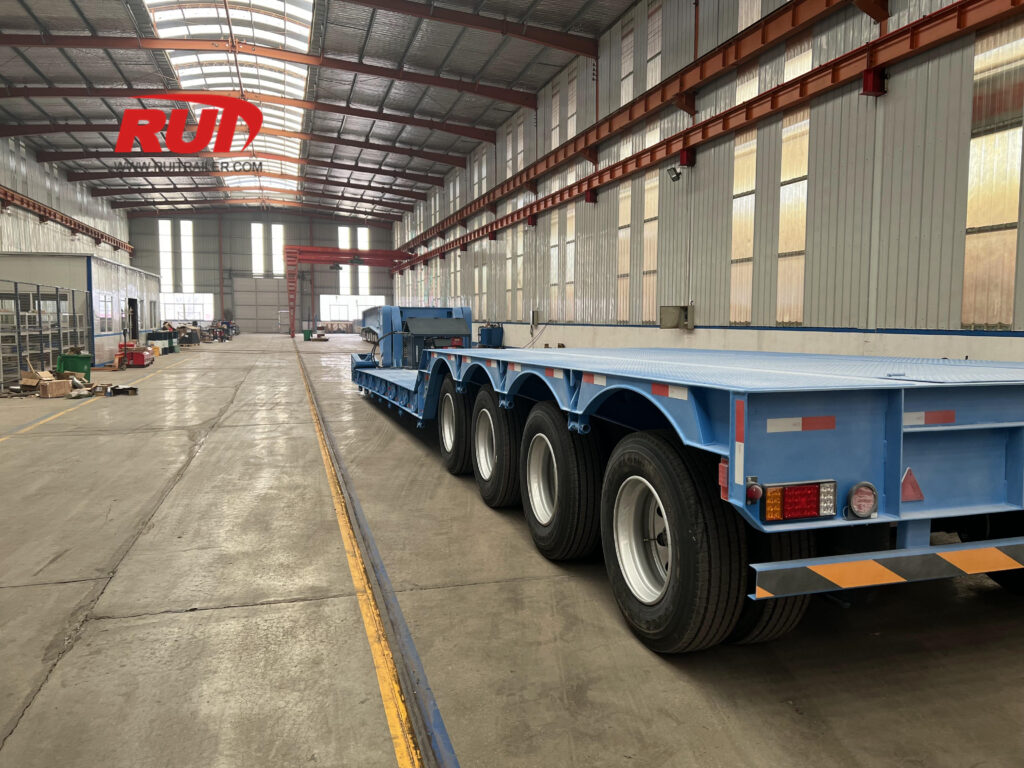
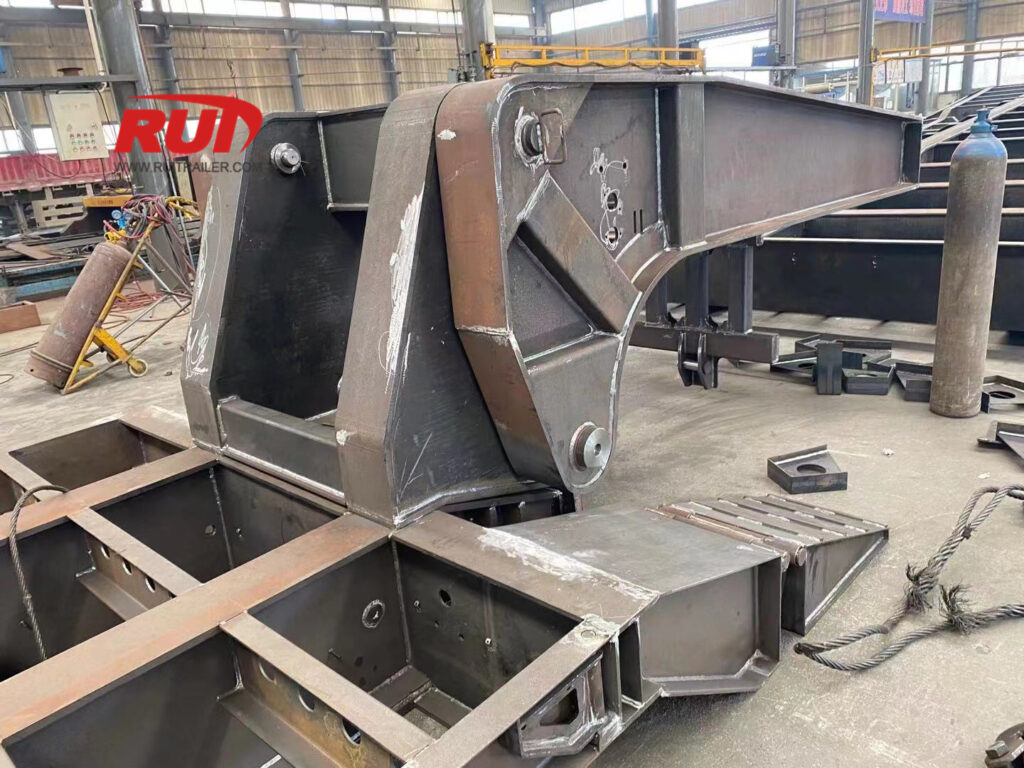
On my heavy duty lowboy trailer platform, the main parts of a lowboy trailer with removable neck are:
- Removable gooseneck
Mechanical or hydraulic system that disconnects from the deck and controls the tilt and height. - Drop deck / low bed
The “well” of the trailer with a low profile equipment trailer design for large excavators, dozers, and industrial machinery. - Rear axles
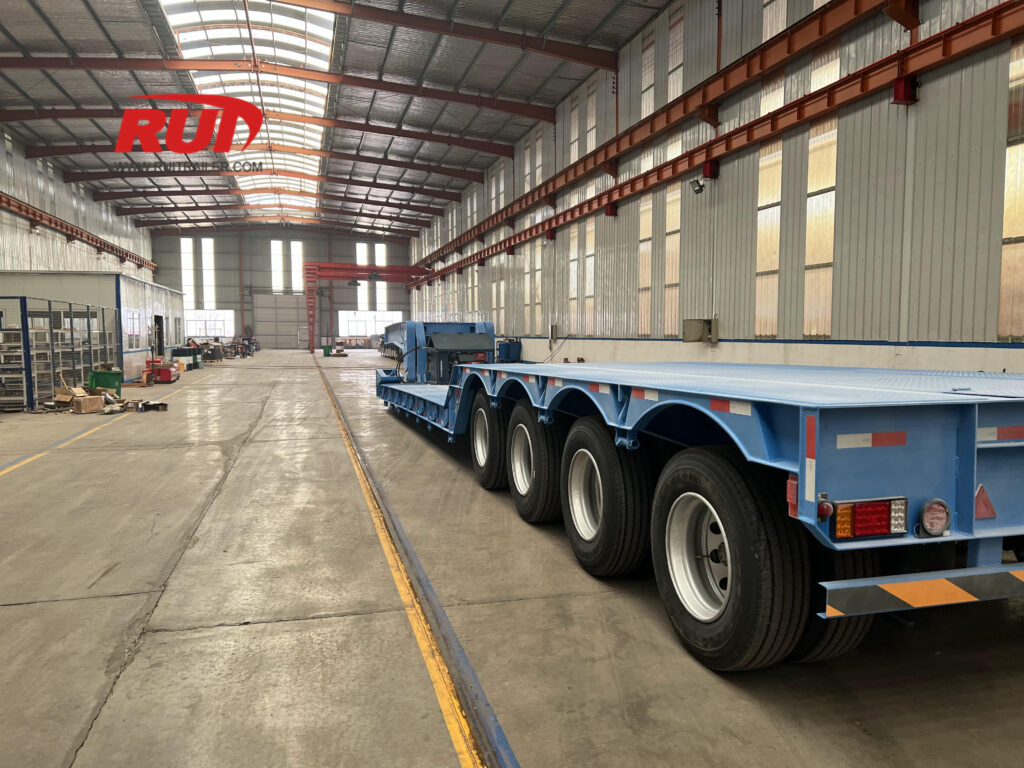
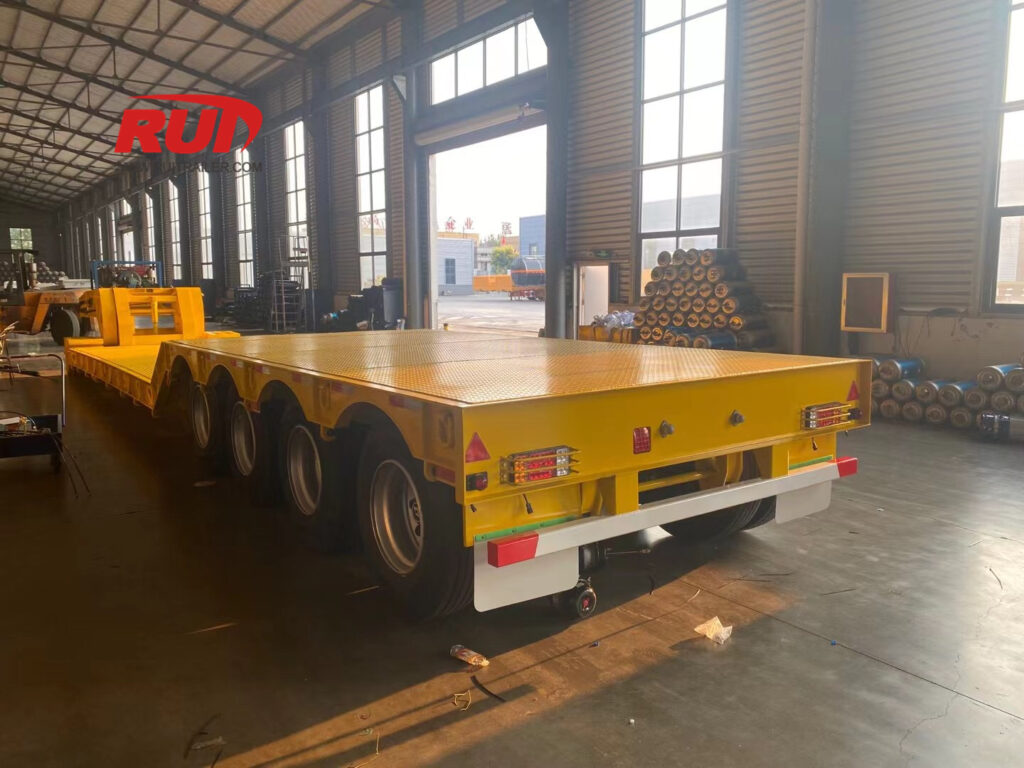
Tandem axle rgn trailer, tri axle rgn lowboy, or multi-axle combos for 40T and 50T (and higher) capacity, tuned for your axle configuration for heavy haul rules. - Ramps and front transition
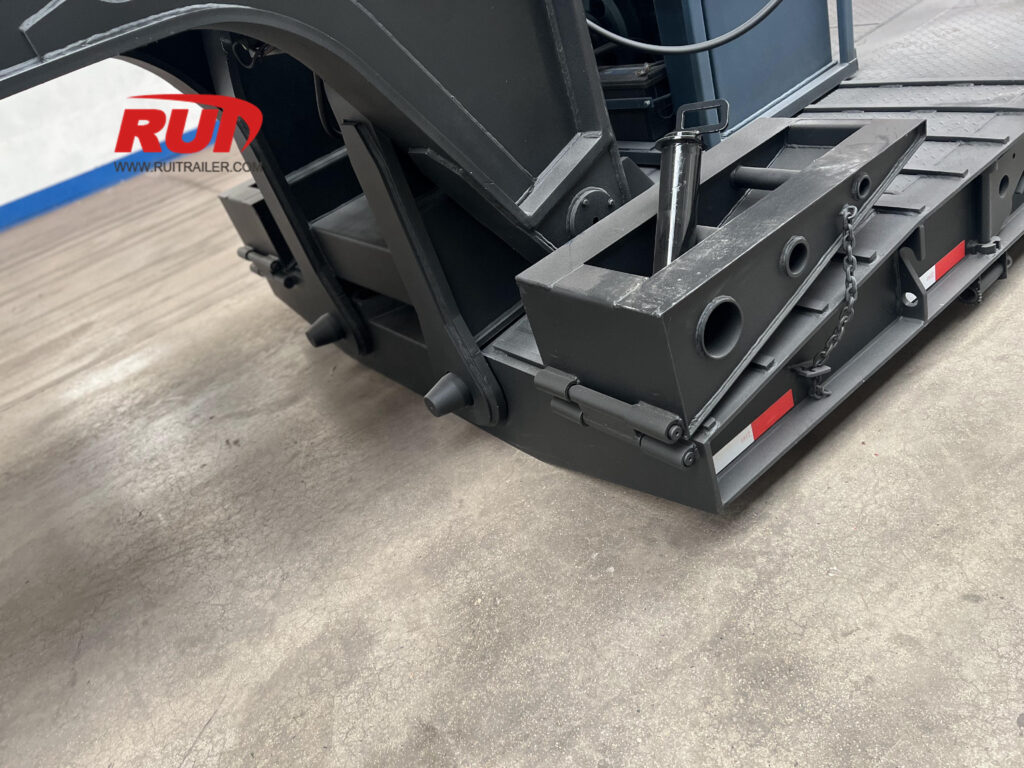
Built-in ramps or front transition plates that create a smooth loading angle when the deck rests on the ground. - Neck locks and latching system
Heavy-duty lock pins, wedges, and safety latches that secure the neck to the deck so the trailer behaves like a single, solid unit at highway speeds.
Each of these components affects stability, loading speed, and long-term durability.
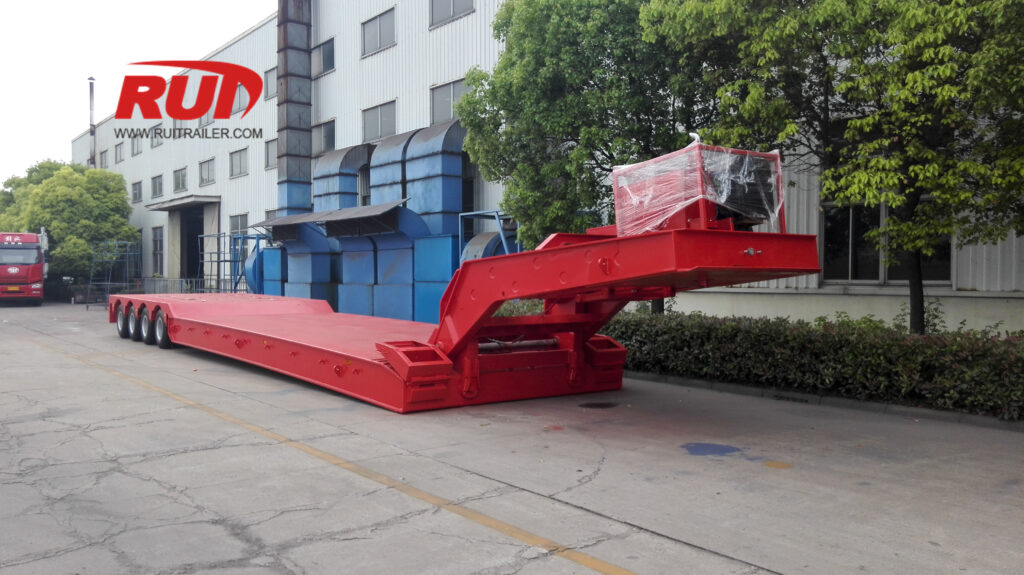
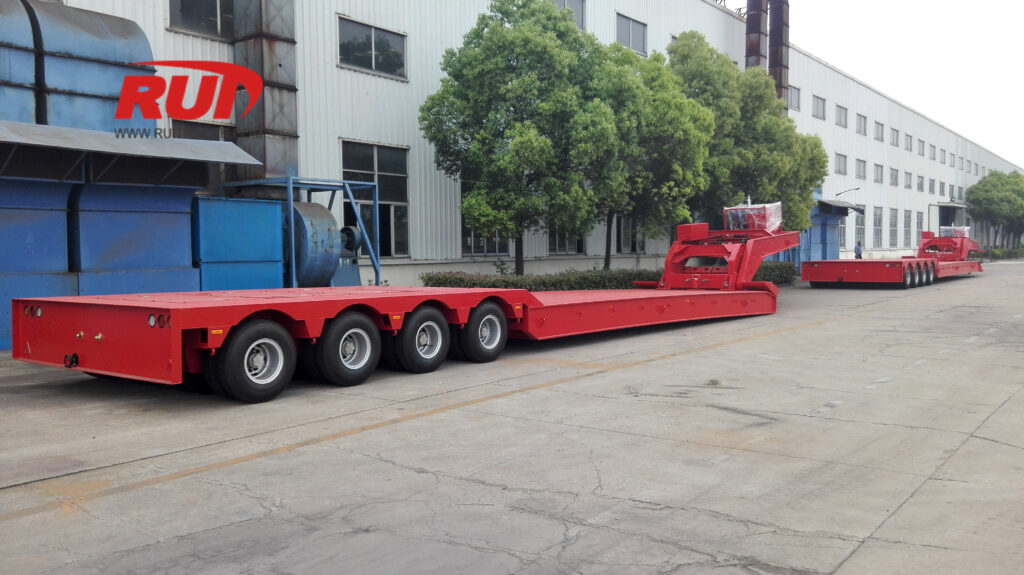
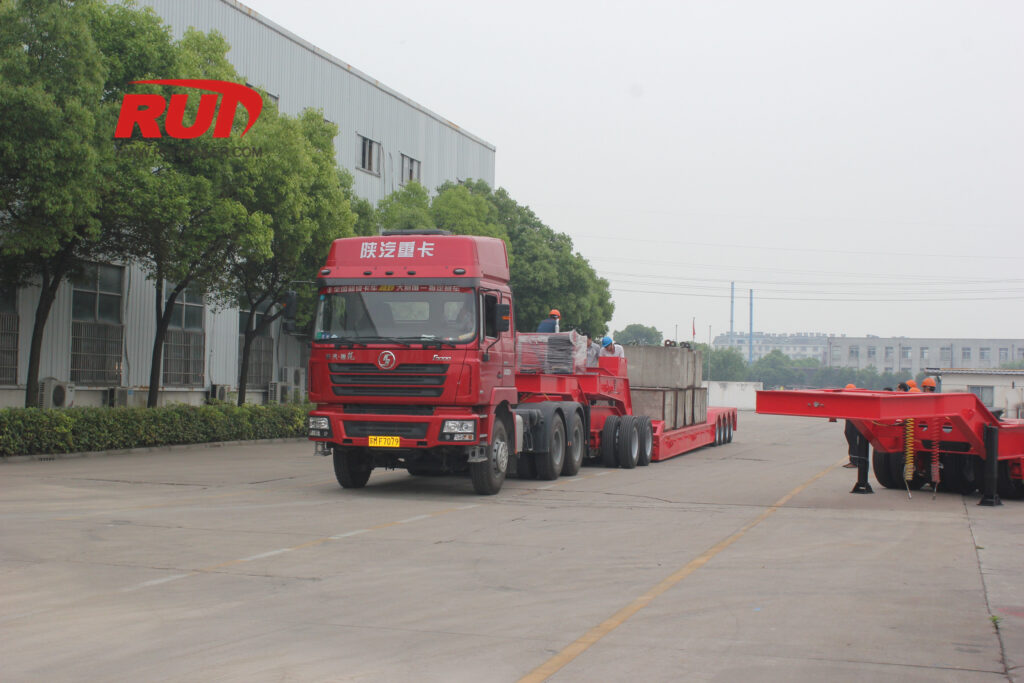
When a Detachable Gooseneck Makes More Sense Than a Fixed Neck
You choose an rgn removable gooseneck trailer over a fixed-neck lowboy when:
- You load a lot of self propelled equipment (excavators, dozers, pavers, loaders) and want fast drive on loading without extra equipment.
- You deal with tall machinery transport where every inch of loaded deck height matters for permits and bridge clearances.
- You need a low center of gravity and maximum stability when hauling heavy equipment at highway speeds or on rough access roads.
- You want to reduce reliance on cranes, forklifts, and high docks and make each jobsite more self-sufficient.
If your work is serious hauling oversized equipment for construction, agriculture, mining, or industrial projects, a well-spec’d rgn removable gooseneck trailer is usually the most practical and productive specialized trailer you can add to your fleet.
Key Advantages of RGN Removable Gooseneck Trailers
An RGN removable gooseneck trailer is built for real-world heavy haul work, and the advantages are obvious as soon as you start loading.
Front loading and faster turns
With a front loading RGN lowboy, operators drive excavators, dozers, and other self propelled equipment straight onto the low bed trailer from ground level. No steep loading angles, no risky backing, and far less time spent spotting. For a busy heavy equipment hauler, that means tighter schedules, fewer yard delays, and lower labor cost per move.
Low deck height for oversized loads
The low deck height trailer design keeps tall machinery under critical height limits on highways and bridges. A properly spec’d 40 ton RGN trailer or 50 ton lowboy with a low loaded deck height gives you more cargo clearance space, reduces permit headaches, and helps you run taller loads that a step deck or flatbed simply can’t handle.
Stable, low center of gravity trailer
Because the RGN lowboy rides low, you get a naturally low center of gravity. That stability matters at highway speeds, in crosswinds, and on rough secondary roads. The removable gooseneck trailer tracks better, feels more planted in curves, and gives drivers more confidence when hauling oversized equipment in tight areas.
Less lifting gear, fewer bottlenecks
The detachable gooseneck trailer design cuts the need for cranes or forklifts when loading self propelled equipment. Operators just drive on and drive off. That saves crane rental fees, avoids waiting on yard resources, and makes it easier to run last‑minute jobs or night moves when lifting support isn’t available.
Smarter axle loading and compliance
A well‑designed tandem axle RGN trailer, tri axle RGN lowboy, or multi‑axle heavy haul trailer spreads weight correctly over each axle group. That helps keep you inside legal axle limits, supports oversize and overweight permits, and reduces the chance of roadside issues. If you’re moving into larger multi‑axle systems, guides like our modular trailer guide for heavy-duty hydraulic transport are a useful next step.
Higher productivity for real fleets
For construction equipment transport, agricultural machinery hauling, and mining equipment transport trailer work, RGN removable gooseneck trailers simply move more in less time. Faster loading, better stability, and fewer permit problems mean:
- More trips per truck each week
- Less damage and rework on tall machinery transport
- Lower total cost per ton moved across your heavy duty lowboy trailer fleet
If you’re running complex heavy haul jobs or looking beyond standard lowboys, it’s also worth understanding how RGNs complement more advanced systems like the Goldhofer-style modular trailer alternatives many fleets use for extreme loads.
How an RGN Removable Gooseneck Trailer Works
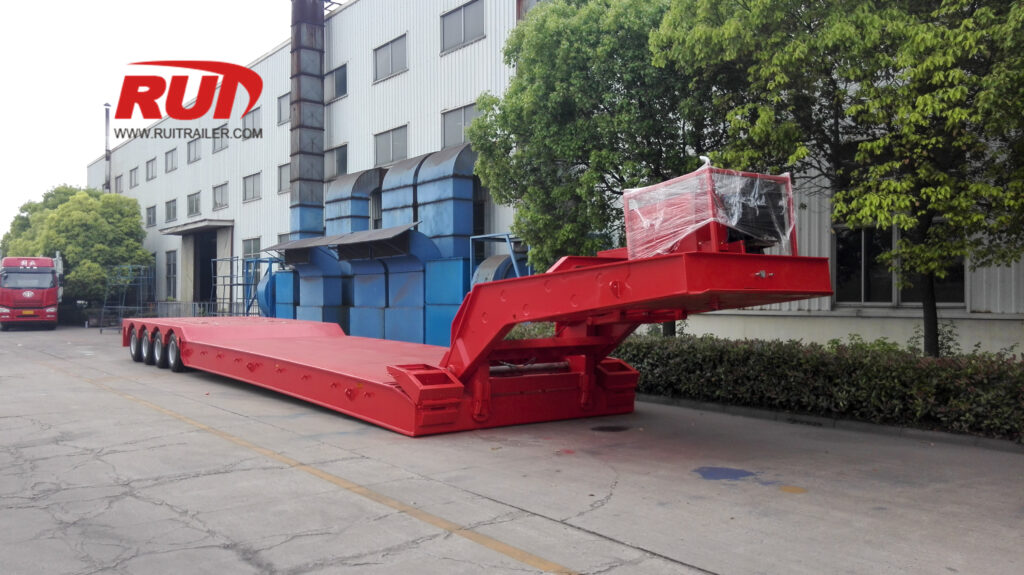
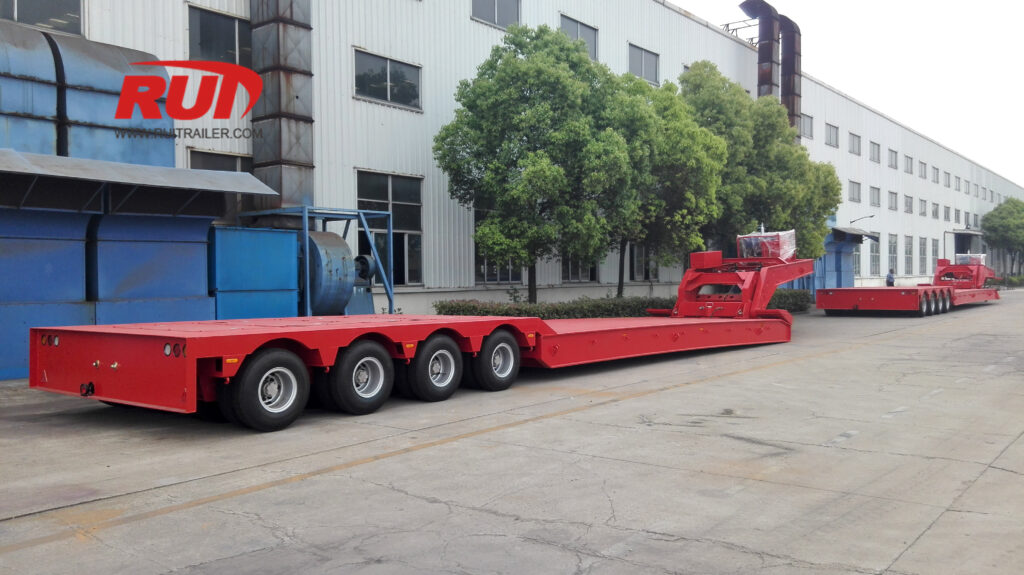
An RGN removable gooseneck trailer is built to make loading heavy equipment fast and safe. The key is the detachable front neck, which lets the deck drop to the ground so you can drive machines straight on instead of lifting them with cranes. If you want a deeper visual overview, I’ve broken this down in our guide on the removable gooseneck lowbed trailer working process.
Step‑by‑step detachable gooseneck process
At a jobsite, the basic detachable gooseneck loading process looks like this:
- Park on level, solid ground and chock the trailer wheels.
- Release the neck locks and safety pins that connect the removable gooseneck to the main deck.
- Use the neck support legs or hydraulics to hold the gooseneck up.
- Move the truck slightly forward so the low bed trailer deck is free and can settle to the ground.
- Once the deck is fully down, you’ve got a low loading angle for hauling oversized equipment.
Mechanical vs hydraulic removable gooseneck
Both mechanical detachable gooseneck and hydraulic removable gooseneck designs do the same job, but they work differently:
- Mechanical removable gooseneck trailer:
- Uses pins, wedges, and manual lock systems.
- Lower cost, fewer hydraulic parts, but more labor to detach and reconnect.
- Hydraulic removable gooseneck:
- Uses hydraulic cylinders to lift, lower, and reconnect the neck.
- Faster and easier for operators, ideal for heavy equipment haulers doing multiple loads per day.
How the deck lowers for drive‑on loading
On an RGN lowboy trailer, the front of the drop deck is designed to hinge and slide when the neck is detached:
- As the gooseneck disconnects, the front of the deck drops until it rests on the ground.
- The result is a very low loading angle, perfect for self‑propelled equipment like dozers, excavators, and wheel loaders.
- This “drive on lowboy trailer” style cuts the need for extra ramps, cranes, or forklifts in most cases.
Securing the gooseneck before transport
Once the machine is loaded and positioned on the low deck height trailer:
- Use jacks or hydraulics to raise the front of the deck back up.
- Back the truck and neck into position and re‑engage all neck locks, wedges, and pins.
- Confirm the kingpin is properly seated in the fifth wheel and the gooseneck trailer stability is solid.
- Do a visual and physical check of every connection point before you pull away.
Best practices for chaining and binding heavy equipment
To keep a 40 ton RGN trailer or 50 ton lowboy safe on the road:
- Use rated chains, binders, and tie‑down points that match or exceed your machine weight.
- Secure all corners of the machine plus any attachments (buckets, blades, rippers).
- Drop any booms, masts, or arms as low as possible to keep a low center of gravity.
- Add extra chains for taller machinery transport and rough routes.
Safety checks for oversized or overweight loads
Before moving any oversized load transport or overweight heavy haul trailer setup:
- Confirm gross weight, axle weights, and spacing match your permits and local rules.
- Check tire pressure, brakes, lights, and air lines one more time.
- Verify loaded deck height and overall height for bridges and overhead lines.
- Walk around the detachable gooseneck trailer, looking for leaks, cracked welds, or loose hardware.
Handled correctly, an RGN removable gooseneck trailer gives you safer loading, smoother handling, and fewer surprises when you’re moving heavy equipment on real‑world roads.
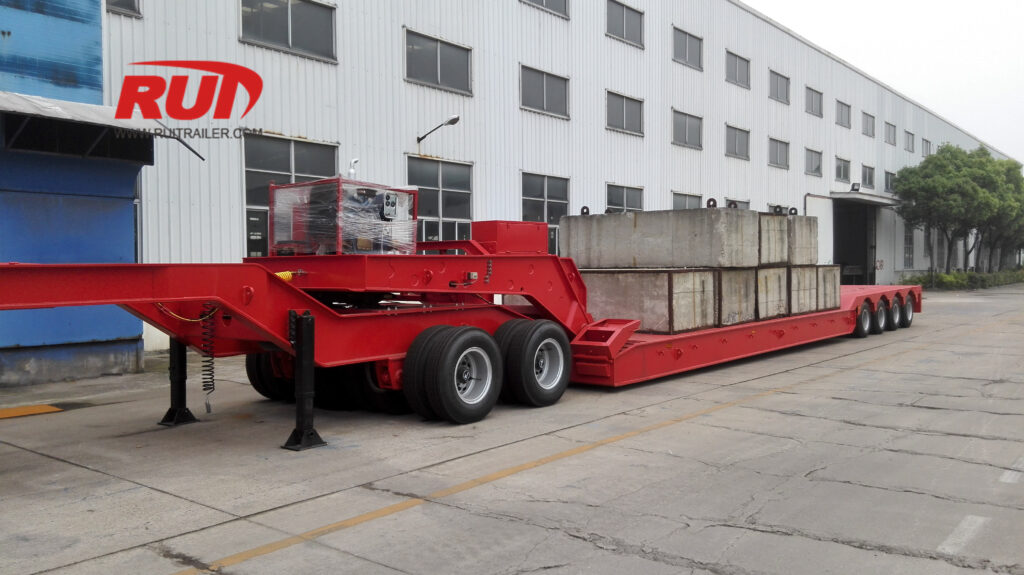
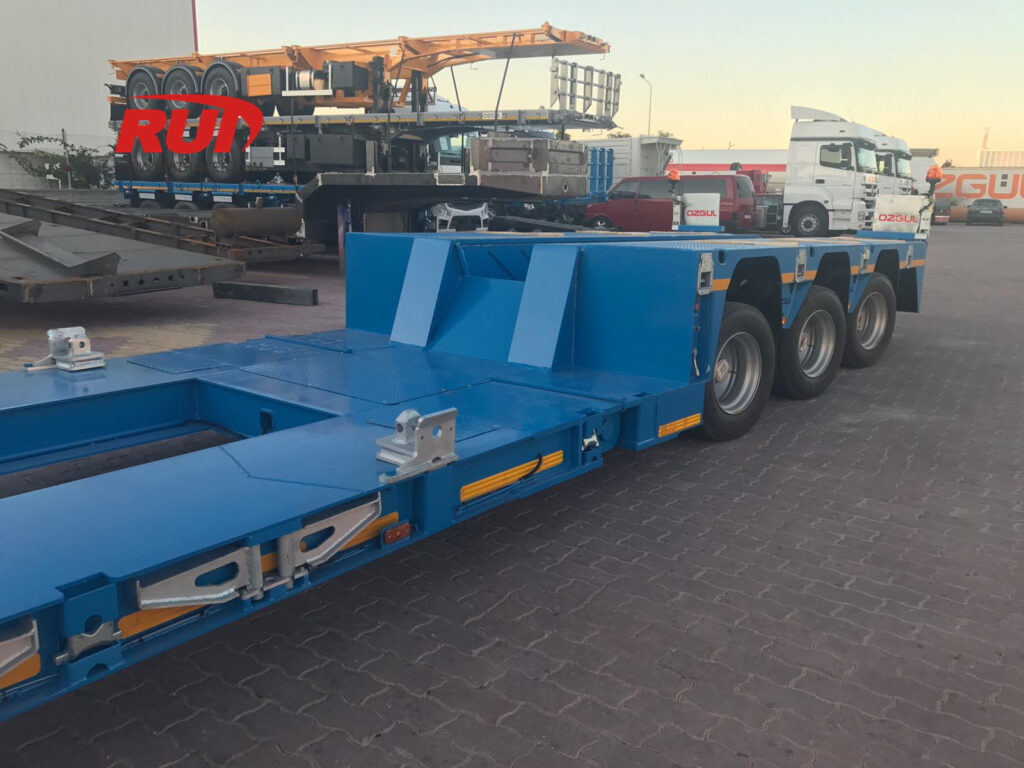
Common Specs and Configurations for RGN Removable Gooseneck Trailers
When I spec an RGN removable gooseneck trailer, I focus on a few core details that actually decide what you can haul and where you can run.
Capacity: 40 Ton vs 50 Ton RGN Lowboy
Most fleets start with a 40 ton RGN trailer and step up to a 50 ton lowboy as machines get heavier and wider.
- 40 ton RGN trailer: good for mid‑size excavators, dozers, loaders, farm tractors.
- 50 ton lowboy: better for mining, oilfield, and bigger construction equipment with attachments.
- Heavy duty lowboy trailer builds can go beyond 50T with multi‑axle or modular combinations.
Deck Lengths and Extendable Options
For tall machinery transport and hauling oversized equipment, deck length is as important as capacity.
- Common lengths: 48 feet and 53 feet loaded deck.
- An extendable RGN trailer gives extra well length for long loads like beams or wind components; for even more reach, I often pair it with a special extendable trailer configuration.
- Always match deck length to your typical machine footprint and turning space on jobsites.
Axle Configurations for Heavy Haul
Axle layout drives legal weight, permits, and maneuverability.
- Tandem axle RGN trailer: cost‑effective for lighter regional work.
- Tri axle RGN lowboy: the sweet spot for many 40T–50T heavy equipment hauler operations.
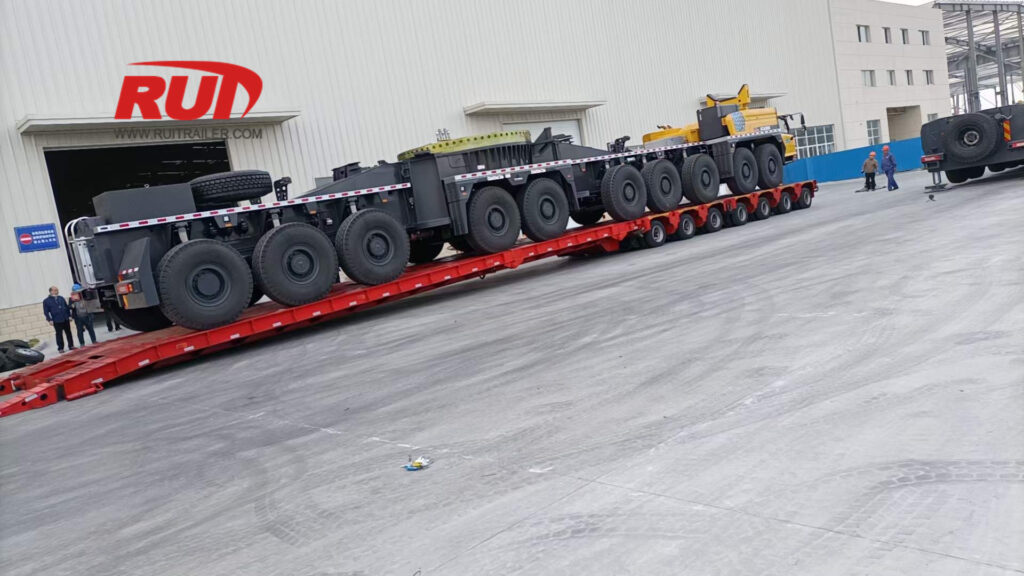
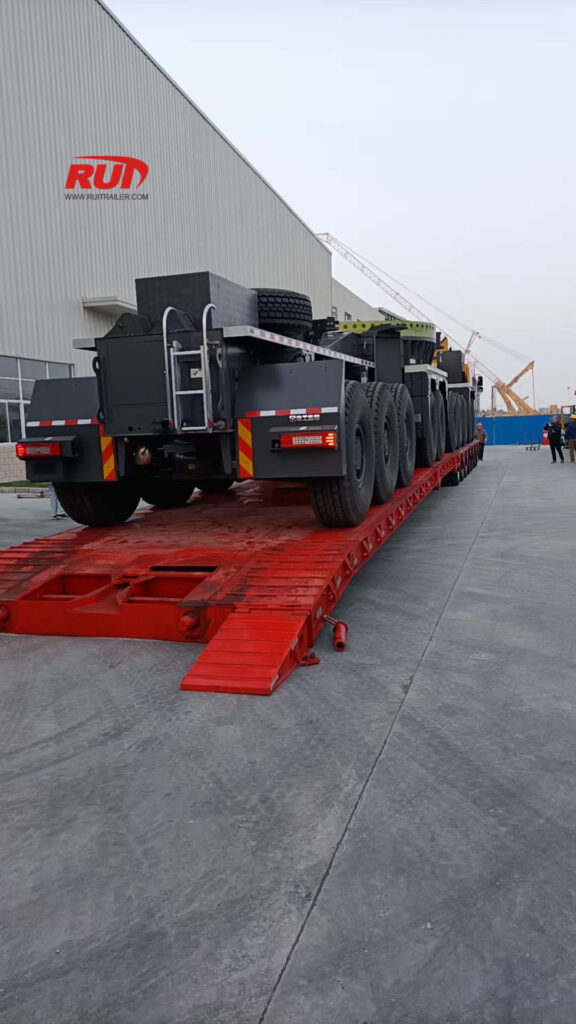
- Multi‑axle heavy haul trailer setups with boosters or jeep dollies help when you need higher gross weights and better axle spacing.
If you regularly run extreme weights or modules, it’s worth looking at multi-axle trailer systems similar to those used in heavy duty modular transport: https://heavydutymodule.com/multi-axle-trailer/
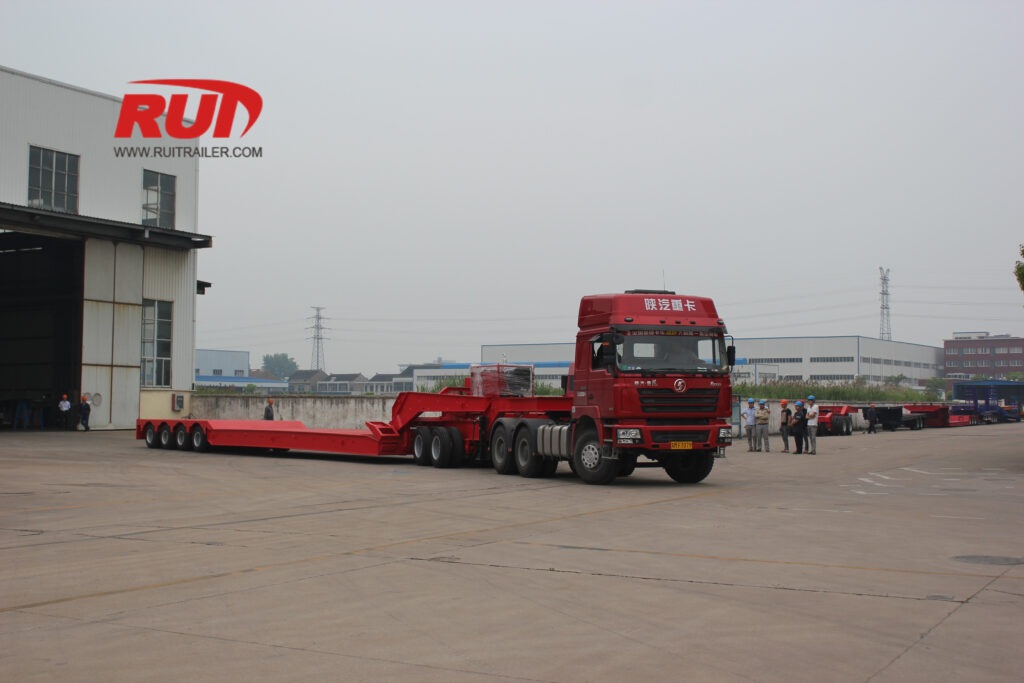
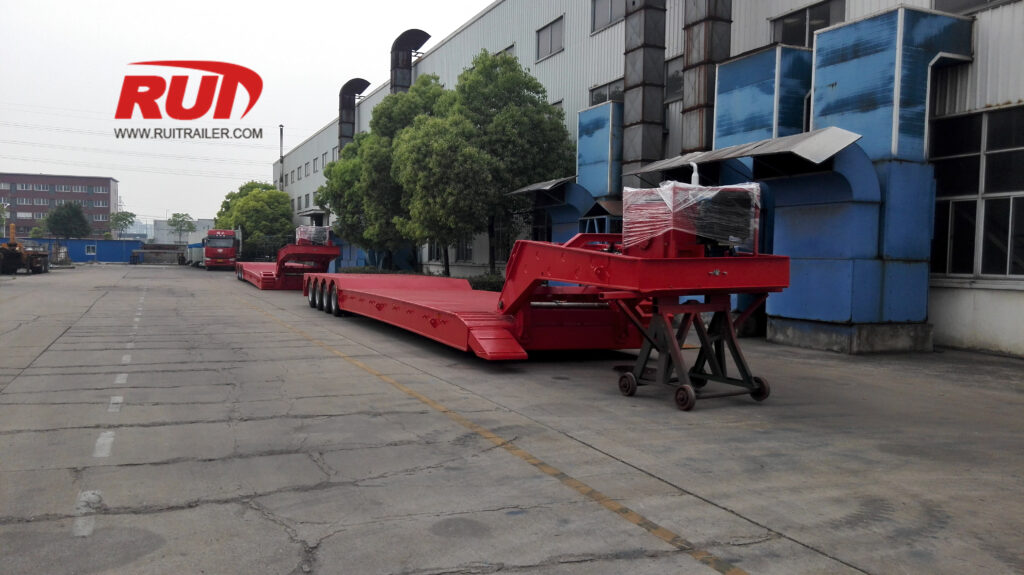
Deck Height, Well Length, and Clearances
The main reason to choose a lowboy trailer with removable neck over a step deck is the low deck height.
- Loaded deck height: lower is better for oversize load transport under bridges and power lines.
- Well length: must fit your longest machine with the boom or blade positioned safely.
- Swing clearance: enough space between the gooseneck and truck to turn without hitting the tractor or headache rack.
These specs control your cargo clearance space, loading angles, and how often you need oversize and overweight permits.
Suspension Options
Ride quality and component life come down to the suspension choice.
- Spring suspension lowboy: simple, tough, and cost‑effective for rough jobsites.
- Air ride suspension lowboy: smoother ride, better for sensitive industrial machinery lowboy work and highway miles.
- Heavy-duty suspension packages are key if you’re running off‑road, mining, or logging conditions day in, day out.
Popular Add‑Ons and Productivity Features
The right add‑ons turn a basic detachable gooseneck trailer into a flexible, money‑making tool.
- Outriggers for wide dozers and tracked machines.
- Flip axles and booster axles to bump legal payload and fine‑tune axle configuration for heavy haul.
- Flip ramps or rear ramps to speed up self propelled equipment loading on low bed trailer setups.
I always spec these options based on real routes, local height restrictions, and the heaviest machines in the fleet, so the RGN lowboy stays productive across different jobs instead of being locked into one niche.
Ideal Uses and Industries for RGN Removable Gooseneck Trailers
Construction equipment hauling
For construction fleets, an RGN removable gooseneck trailer is usually the most efficient way to move heavy equipment like excavators, dozers, loaders, and graders. The low deck height and front loading design let operators drive machines straight onto the deck with a shallow loading angle, even on tight or uneven jobsites. Compared with a standard low bed trailer, an RGN lowboy trailer gives better cargo clearance space under bridges and power lines, while keeping a low center of gravity for stability on rough access roads.
Agricultural and farm machinery transport
For agricultural machinery hauling, an RGN detachable gooseneck trailer handles wide and tall farm equipment that won’t sit safely on a step deck or flatbed. Tractors, combines, harvesters, planters, and self‑propelled sprayers benefit from the drive-on loading process and low loaded deck height. A 40 ton RGN trailer or 50 ton lowboy with removable neck is ideal for mixed fleets that need to move both compact tractors and large articulated units between fields and storage sites without constant permit headaches.
Mining, oil, and gas projects
Mining equipment transport trailers work in some of the harshest conditions. A heavy duty lowboy trailer with mechanical detachable gooseneck or hydraulic removable gooseneck gives you front loading for drills, compressors, pumps, and modular equipment packages. Multi‑axle and tri axle RGN lowboy setups spread the weight across more axles to stay compliant on remote roads and project sites. When you need even lower loaded deck height for extremely tall modules, it’s worth looking at specialized low profile deck solutions similar to a hydraulic modular trailer with ultra‑low bed height.
Industrial and plant moves
For industrial machinery lowboy work, RGN removable gooseneck trailers shine on plant relocations and factory projects. Presses, large generators, transformers, injection molding machines, and other oversized machinery often sit tall and heavy. A low deck height trailer with front loading allows rigging crews to roll or slide machinery into position with controlled loading angles, then secure it with multiple tie‑down points along the well. This reduces the need for extra cranes and helps you keep downtime shorter during plant shutdowns.
Specialty oversized load transport
For specialized tall machinery transport and other oversized load transport, a detachable gooseneck trailer gives the height clearance and stability most flatbeds can’t match. The low center of gravity trailer design keeps high loads more stable in crosswinds and on uneven roads. When you’re dealing with height restrictions, tight bridges, or strict oversize and overweight permits, the combination of low loaded deck height and flexible axle configuration for heavy haul is a major advantage. In many cases, an extendable RGN trailer with flip axles or boosters is the best way to move long or modular cargo safely without over‑permitting.
Everyday low deck height scenarios
Even for everyday heavy equipment hauler work, an RGN removable gooseneck trailer saves time. Front loading reduces setup time compared with ramps on a standard drop deck, and operators spend less time fighting steep loading angles. A tandem axle RGN trailer is often enough for regional work, while larger fleets step up to tri axle RGN lowboys and multi‑axle combinations for mixed heavy haul. Whenever you need quick, safe, drive-on loading and reliable cargo clearance through low bridges and tight urban routes, a low deck height trailer with removable neck is usually the smarter long‑term choice.
RGN vs Other Heavy Haul Trailer Types
RGN Removable Gooseneck Trailer vs Fixed-Neck Lowboy
An RGN removable gooseneck trailer gives you front loading, while a fixed‑neck lowboy does not. That single difference changes everything. With a detachable gooseneck, you drop the neck, lower the deck to the ground, and drive self‑propelled equipment straight on. A fixed‑neck lowboy usually needs ramps, a dock, or even a crane, which slows down loading and adds risk. If you’re moving heavy equipment often, the RGN lowboy trailer is simply more flexible, safer, and easier on your operators.
RGN vs Step Deck and Flatbed for Tall Machinery Transport
For tall machinery transport, a removable gooseneck trailer runs with a much lower loaded deck height than a standard step deck or flatbed. That low deck height gives you more cargo clearance space under bridges and power lines, and it keeps the load’s center of gravity lower for better stability. Flatbeds and step decks are great for general freight, but once you’re fighting height restrictions with excavators, dozers, and industrial machines, an RGN lowboy trailer quickly becomes the more practical heavy equipment hauler.
When Drop Deck or Double Drop Is Enough
A drop deck or double drop low bed trailer is often enough when:
- Your machines are tall but still within legal height on a low profile equipment trailer
- You mainly load by dock, crane, or forklift
- You don’t need front loading and detachable gooseneck loading process features
You really need an RGN removable gooseneck when:
- Self‑propelled equipment must drive on and off at ground level
- You run constant oversize and overweight permits for tall machinery
- You want faster turns and safer loading angles on rough jobsites
RGN vs Schnabel and Multi‑Axle Heavy Haul Systems
Schnabel trailers and big multi‑axle heavy haul combinations are specialized trailer systems for extreme loads like transformers, bridge beams, or heavy duty module projects. They offer huge capacity and complex axle configuration for heavy haul, but they’re expensive, slow to set up, and overkill for most day‑to‑day construction equipment transport. An RGN lowboy with tandem or tri‑axle, or even an extendable RGN trailer, covers 90% of real‑world heavy equipment and industrial machinery moves at a much lower cost and with simpler operation. For ultra‑heavy modular work, we pair RGN fleets with dedicated solutions like a steerable heavy haul trailer or girder frame when the project demands it.
Total Cost of Ownership and Productivity
When I look at total cost of ownership, an RGN removable gooseneck trailer usually wins for mixed fleets:
- Higher productivity: Faster front loading, less waiting for cranes, fewer failed height routes.
- Lower labor cost: One driver and a spotter can handle most jobs; no special rigging crew needed.
- Better utilization: The same 40T–50T RGN can handle construction, agricultural machinery hauling, and industrial machinery lowboy work.
- Resale value: Quality heavy duty lowboy trailer builds with hydraulic removable gooseneck and air ride suspension lowboy specs hold value in global markets.
Compared with fixed‑neck lowboys, step decks, and flatbeds, a well‑spec’d tri axle RGN lowboy or tandem axle RGN trailer simply earns more per mile because it keeps your heavy equipment moving with fewer limitations.
How to Choose the Right RGN Removable Gooseneck Trailer
Match Capacity to Your Heaviest Load
For any RGN removable gooseneck trailer, I size the trailer around the heaviest, worst‑case machine – not the average job.
- Add up machine weight + attachments + fuel + tools.
- For most fleets, a 40 ton RGN trailer covers mid‑range excavators and dozers; a 50 ton lowboy or higher fits serious heavy equipment hauler work.
- If you haul concentrated loads (short wheelbase machines, industrial presses), go up a class or look at modular systems like a Goldhofer hydraulic modular trailer for extreme weights.
Mechanical vs Hydraulic Gooseneck
The gooseneck style changes how fast and how often you can work:
- Mechanical detachable gooseneck:
- Lower price, simpler, fewer things to break.
- Good if you don’t drop the neck many times per day.
- Hydraulic removable gooseneck:
- Push‑button front loading trailer operation, faster turns, less labor.
- Ideal for busy construction, rental, or mining equipment transport fleets.
If your team is loading self propelled equipment all day, hydraulic is usually worth the money.
Deck Height, Well Length, and Clearance
A low deck height trailer keeps you under bridge and overhead line limits.
- Aim for a low loaded deck height for tall machinery transport and strict height restrictions.
- Choose well length (commonly 26–30 ft in a 48 feet or 53 feet RGN lowboy) to fit your longest machine with blade, boom, or counterweight.
- Check your regular routes and the toughest bridge, tunnel, or port access you face, then size deck height and length around that.
Axle Count and Legal Spacing
Your axle configuration for heavy haul decides what you can run legally without constant escorts or route changes.
- Tandem axle RGN trailer: lighter work, regional loads.
- Tri axle RGN lowboy: go‑to setup for many 40T–50T jobs.
- Flip axles / booster axles: add when you need more permitted weight or better load sharing.
- Always match axle spacing and total wheelbase to your state, provincial, or national heavy haul rules.
Steel, Frame, and Build Quality
On a heavy duty lowboy trailer, the frame is where the money is.
- Look for high‑strength steel (T1 or equivalent) and deep main beams.
- Check crossmember spacing, flange thickness, and weld quality.
- Reinforced neck area and strong webbing matter for long‑term gooseneck trailer stability.
- If you’re pushing extreme loads or need more flexibility, combine an RGN lowboy with a hydraulic modular trailer platform for specialized projects.
Must‑Have Operator Features
For daily work, I always spec user‑friendly details that save minutes on every load:
- Controls: clear hydraulic controls, pressure gauges, and easy access to valves.
- Ramps: low loading angles, flip ramps or beavertail options for drive on lowboy trailer loading.
- Lighting: high‑visibility LED work lights and marker lights for night jobs and oversize and overweight permits.
- Tie‑downs: plenty of D‑rings, chain slots, stake pockets along the low bed trailer deck.
- Suspension: air ride suspension lowboy for highway comfort; spring suspension lowboy for rough off‑road work.
If you match these points to your real equipment list, routes, and job rhythm, you’ll end up with an RGN removable gooseneck trailer that works hard for years instead of fighting you on every move.
Buying New vs Used RGN Removable Gooseneck Trailers
Pros and cons of a new RGN lowboy trailer
If you’re running heavy equipment every day, a new RGN removable gooseneck trailer gives you:
- Known specs and warranty – fresh frame, new hydraulics, zero hidden cracks, and factory support.
- Built-to-order options – you can dial in tonnage (40T, 50T+), axle layout, and deck setup for your exact routes and permits.
- Better uptime – fewer surprise breakdowns, predictable maintenance, and easier planning for oversized load transport.
Downside: higher upfront cost and longer lead times, but for serious heavy haul fleets, the total cost per loaded mile usually drops because of reliability and uptime.
What to watch for on a used detachable gooseneck trailer
Used detachable gooseneck trailers can be a smart move if you know what you’re looking at. I’m strict on:
- History – ask what it hauled (light machines vs constant 50T+ rock gear), and whether it lived in corrosive or off‑road environments.
- Repairs – look for plated frames, welds on the gooseneck, and changed suspension components that may hide overload or impact damage.
- Paperwork – confirm VIN, capacity rating, service records, and that the RGN trailer specifications match what’s on the ID plate.
If anything feels vague or rushed, I walk away. There are always more trailers.
Key wear points to inspect
Before you commit to a used lowboy trailer with removable neck, I always do a hands‑on inspection of:
- Gooseneck locks and latch points – look for rounded edges, excessive play, or weld cracks around lock pockets.
- Kingpin and upper coupler – check for wear lip, elongation, or rust; a sloppy kingpin is a serious safety and stability risk.
- Main frame and neck – inspect flanges and web for cracks, ripples, or sagging that signal overload or twisting.
- Deck and crossmembers – soft or rotten wood, bent crossmembers, and uneven loaded deck height all point to heavy abuse.
Bring a mechanic or inspector if you’re not confident reading structural wear.
When a custom lowboy trailer with removable neck makes sense
I look at a custom RGN lowboy when:
- You haul the same heavy equipment (like a fleet of excavators or dozers) and want ideal well length, loading angles, and tie‑down layout.
- Your routes have tight height restrictions and bridges that demand very specific deck height and axle spacing.
- You need options like flip axles, flip ramps, or integration with a modular or specialized heavy duty module trailer system.
Custom builds cost more, but the right spec can save you permits, escorts, and loading time on every single move.
Financing, lead times, and resale value
For global buyers, cash flow and timing often matter more than sticker price:
- Financing – spreading a new RGN lowboy over several years protects your cash while you grow your heavy equipment hauler business.
- Lead times – new or custom builds take time; if you need capacity now, a clean used hydraulic removable gooseneck can bridge the gap.
- Resale value – well‑spec’d 40 ton RGN trailers, 50 ton lowboys, and tri axle RGN lowboys with air ride suspension hold value better than generic builds.
My approach is simple: match the trailer to your heaviest machine, your permits, and your cash flow. Then choose new, used, or custom based on how long you’ll keep it and how hard you’ll run it.
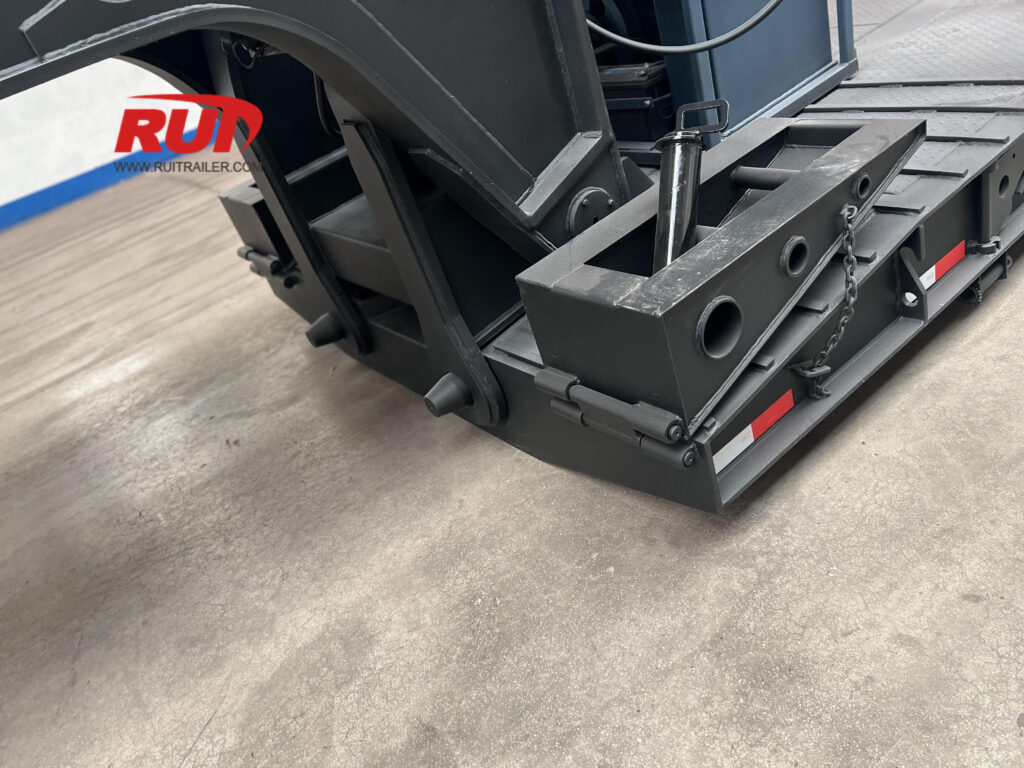
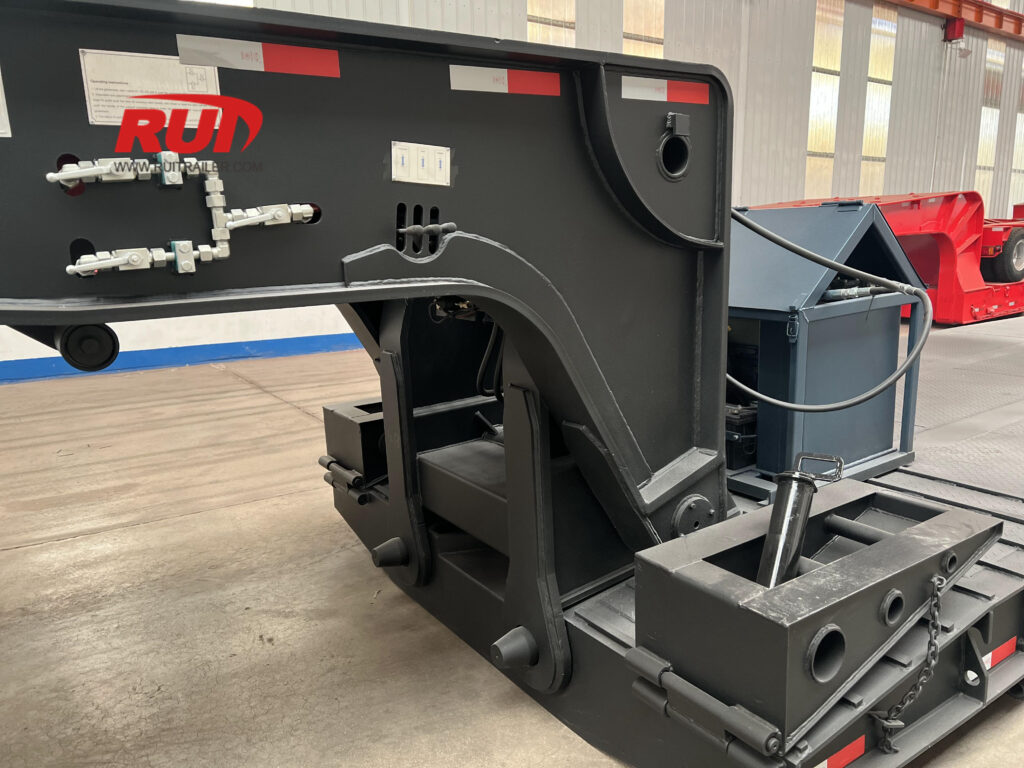
Maintenance and Safety Tips for RGN Removable Gooseneck Trailers
Keeping an RGN removable gooseneck trailer in top shape is non‑negotiable if you haul heavy equipment every day. Good maintenance and a clear safety checklist protect your people, your cargo, and your uptime.
Routine Inspection Of The Removable Gooseneck
For any detachable gooseneck trailer, I always treat the neck as a critical safety item:
- Check gooseneck locks, pins, and wedges before every trip for cracks, wear, or deformation.
- Inspect the kingpin, fifth‑wheel plate, and contact surfaces for grooves, rust, or looseness.
- Look over hydraulic or mechanical latch points on the RGN lowboy for proper engagement and adjustment.
- Make sure electrical and air lines between tractor and lowboy trailer with removable neck are secure and undamaged.
Hydraulic System Care On Hydraulic Removable Gooseneck
On a hydraulic removable gooseneck, poor hydraulics can shut down your operation:
- Monitor hydraulic oil level and condition; change filters and fluid on schedule.
- Inspect hoses, fittings, and cylinders for leaks, chafing, or corrosion.
- Cycle the hydraulic system fully during pre‑trip checks to confirm smooth lifting and lowering.
- Keep control valves and remote controls clean and protected from dirt and water.
If you also run modular gear, the same hydraulic care principles apply to any hydraulic modular trailer accessories.
Axle, Suspension, Tires, And Brakes
Heavy haul trailer components see extreme loads, especially on 40 ton RGN trailers, 50 ton lowboys, and tri axle RGN lowboys:
- Axles: Check seals for leaks, hubs for abnormal heat, and torque on wheel nuts.
- Suspension: Inspect spring suspension lowboys and air ride suspension lowboys for cracked leaves, damaged bags, and worn bushings.
- Tires: Maintain proper pressure for loaded deck height and weight; look for cuts, bulges, and uneven wear.
- Brakes: Measure lining thickness, check air chambers and slack adjusters, and verify ABS function.
Deck, Ramps, And Tie‑Down Gear
A low bed trailer only works safely if the steel under the machine is solid:
- Inspect deck plating, cross members, and outriggers for cracks, bent areas, or soft spots.
- Check flip ramps and front loading ramps for hinge wear, broken welds, and non‑slip surface condition.
- Replace worn chains, binders, hooks, D‑rings, and winches; never use stretched or cracked hardware.
- Keep the deck and ramps clean of mud, oil, and ice to reduce slip risk and improve loading angles.
Driver Best Practices For Oversized Load Transport
For hauling oversized equipment and tall machinery transport, the driver makes or breaks safety:
- Always load on level, stable ground; avoid side slopes with self propelled equipment loading.
- Use a spotter when driving on and off the front loading trailer, especially with narrow track machines.
- Follow a consistent tie‑down pattern based on OEM weight and local oversize and overweight permits.
- Re‑check chains and binders after the first 50–100 km/miles and at every stop.
Extending Trailer Life And Avoiding Downtime
Simple habits keep your detachable gooseneck trailers earning:
- Stick to a written RGN trailer maintenance checklist for monthly and annual inspections.
- Repair small cracks, loose bolts, and hose weeps immediately before they grow.
- Grease all pivot points and moving joints on the mechanical detachable gooseneck or hydraulic neck.
- Store the RGN lowboy under cover when possible to reduce corrosion and protect wiring.
Done right, a well‑maintained low center of gravity trailer will stay stable, safe, and productive for years, even in tough construction, agricultural machinery hauling, and mining equipment transport work.
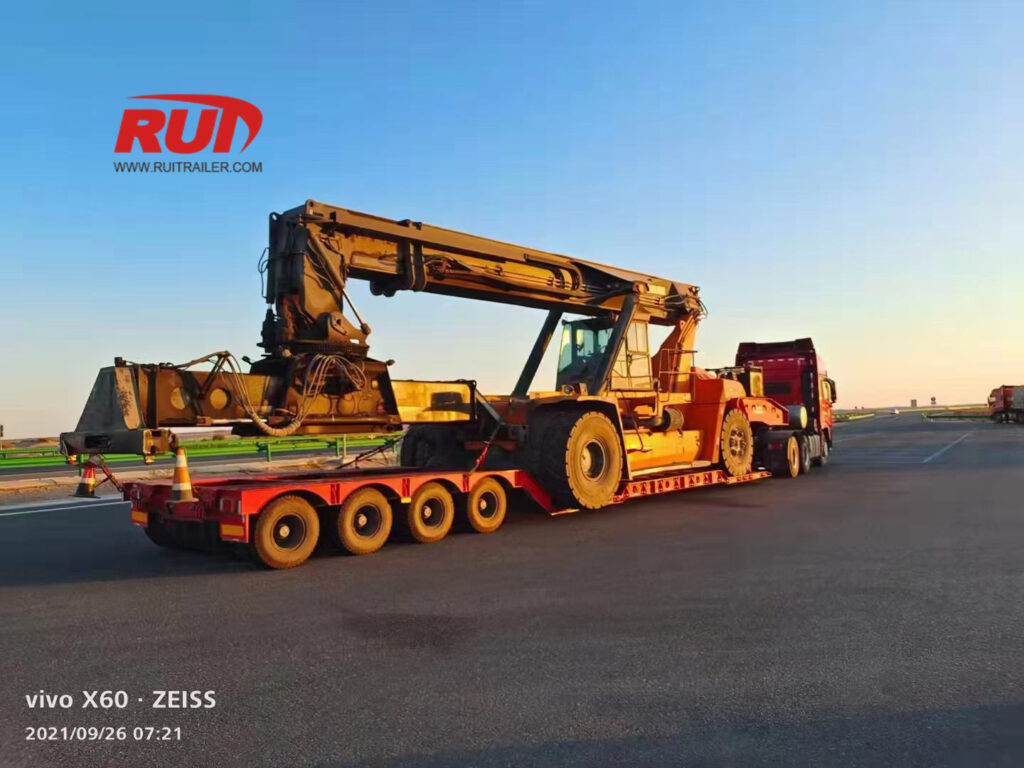
Working With a Manufacturer for Custom RGN Removable Gooseneck Trailers
When you’re hauling heavy equipment every day, a standard RGN lowboy trailer often isn’t enough. A custom removable gooseneck trailer lets you match tonnage, deck height, axle layout, and ramps to your real routes and loads, not the other way around.
Benefits of a Custom RGN Removable Gooseneck Trailer
A tailored RGN removable gooseneck trailer pays off fast in uptime and permits:
- Exact capacity: Spec 40T, 50T or higher tonnage so your heaviest machine plus attachments stay legal.
- Right geometry: Fine‑tuned loaded deck height, well length, and neck design for tight job sites and low bridges.
- Better productivity: Faster front loading, less blocking, fewer permit issues, and fewer “second trips.”
- Future‑proofing: Room to grow with options like flip axles, booster axles or an extendable RGN trailer section.
If you also run other specialized trailers (for example a low bed or heavy duty low bed semi trailer), keeping specs aligned across the fleet makes driver training and maintenance much easier.
How To Share Your Equipment List And Routes
To get the right detachable gooseneck trailer built, you need clean data, not guesses. I always ask customers to bring:
- Equipment list
- Machine type (excavator, dozer, harvester, drill rig, etc.)
- Operating weight and transport weight (with/without attachments)
- Transport dimensions (L × W × H) and track/axle spacing
- Route profile
- Typical states/countries and weight laws
- Lowest bridge/overpass height you regularly see
- Off‑road share (construction sites, mines, fields)
- Usage pattern
- Trips per week and average haul distance
- Percent self‑propelled equipment vs skidded/rigged loads
Once we have that, we can lock in specs for a hydraulic removable gooseneck or mechanical detachable gooseneck that actually fits real work, not brochure specs.
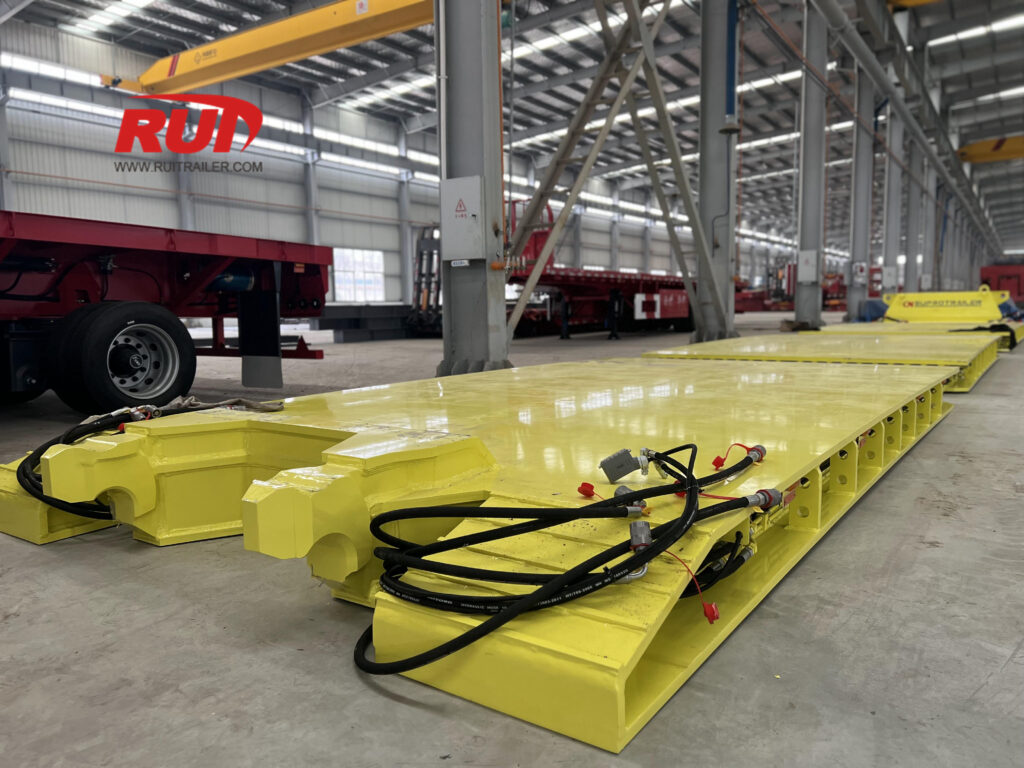
Common Customization Requests For RGN Lowboy Trailers
Most global heavy equipment haulers ask for changes in the same core areas:
| Area | Typical Options (Examples) |
|---|---|
| Tonnage | 40 ton RGN trailer, 50 ton lowboy, 60T+ specialized trailer |
| Axle configuration | Tandem axle RGN trailer, tri axle RGN lowboy, multi‑axle sets |
| Deck design | Drop deck or low bed trailer, well length, width, outriggers |
| Ramps | Hydraulic flip ramps, beaver tail, detachable ramps, front loading options |
| Suspension | Air ride suspension lowboy, spring suspension lowboy, heavy‑duty off‑road |
| Extendability | Extendable RGN trailer, flip axles, booster axle provisions |
| Tie‑downs & gear | Extra D‑rings, chain pockets, winches, storage for blocking |
For truly specialized tall machinery transport or wind/energy projects, we often combine custom RGN builds with other solutions like a modular low bed heavy haul solution so the fleet can handle both everyday jobs and rare mega‑moves.
What Good After‑Sales Support Looks Like
A removable gooseneck trailer is a working asset, not a one‑time purchase. After‑sales support should include:
- Fast parts and wear items: Gooseneck locks, hydraulic cylinders, hoses, bushings, pins in stock.
- Technical support: Help with loading angles, weight distribution, and oversize/overweight permits.
- Training: Clear guides on detachable gooseneck loading process, safety checklists, and RGN trailer maintenance tips.
- Service network: Local or regional partners who can handle frame, axle, and hydraulic repairs quickly.
If the manufacturer can’t support the trailer in your region, your downtime risk goes up sharply.
Key Questions To Ask Your RGN Trailer Manufacturer
Before you sign anything on a custom lowboy trailer with removable neck, ask direct questions:
- What max gross capacity does this exact spec support, and under which regulations?
- What is the loaded deck height and usable well length with your heaviest machine?
- Which axle configuration for heavy haul do they recommend for your states/countries, and why?
- Can they show real case studies or fleet references hauling similar heavy equipment?
- What is the warranty on frame, gooseneck, and hydraulics, and what’s excluded?
- How quickly can they ship critical parts to your location?
- What is the lead time, and how stable is pricing during production?
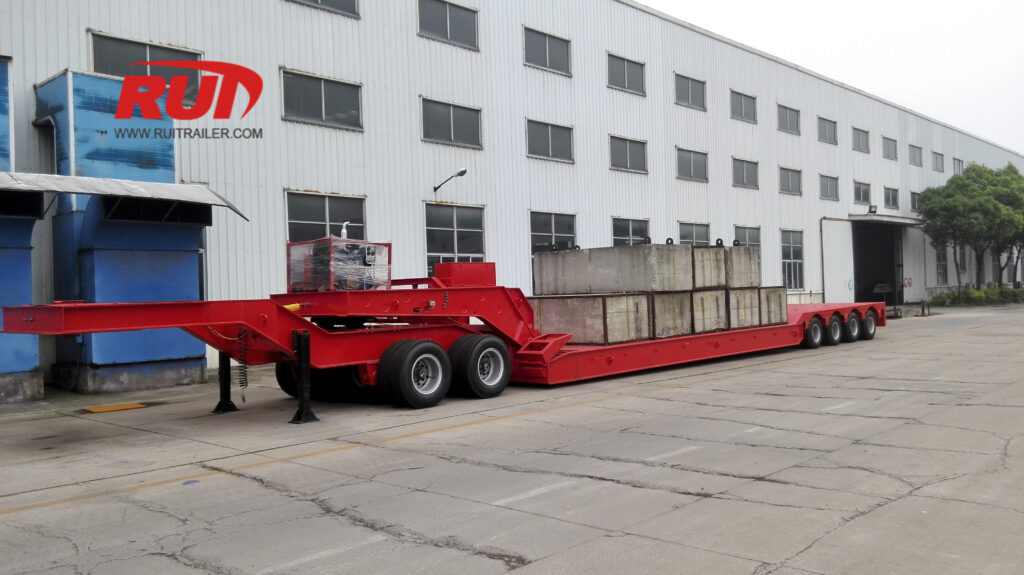
If the answers are vague, you’re taking all the risk. A good custom RGN trailer manufacturer will talk clearly about stability, safety, and lifetime cost, not just upfront price.
 English
  German
  Turkish
  French
  Portuguese
  Russian
  Arabic
  Hindi
Hindi