
What is a Modular Trailer?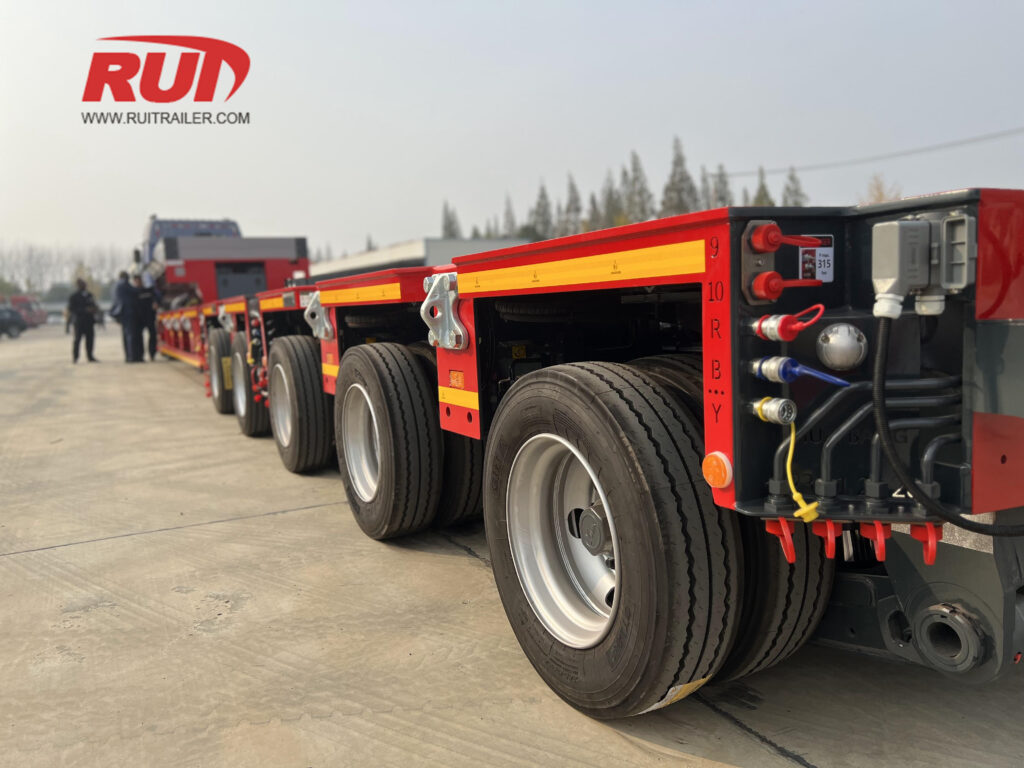
A modular trailer is a specialized series of combination transport modules engineered to handle the world’s heaviest and most complex payloads. Unlike fixed-frame trailers, these vehicles serve as a scale able construction kit for heavy haulage, allowing operators to configure the transport solution precisely around the dimensions and weight of the cargo. Designed for mission-critical logistics, ranges like the Goldhofer THP/SL are built to transport payloads from 100 tons to over 5,000 tons, making them indispensable for industries such as heavy civil engineering, oil and gas, and wind energy.
Definition and Basic Concepts
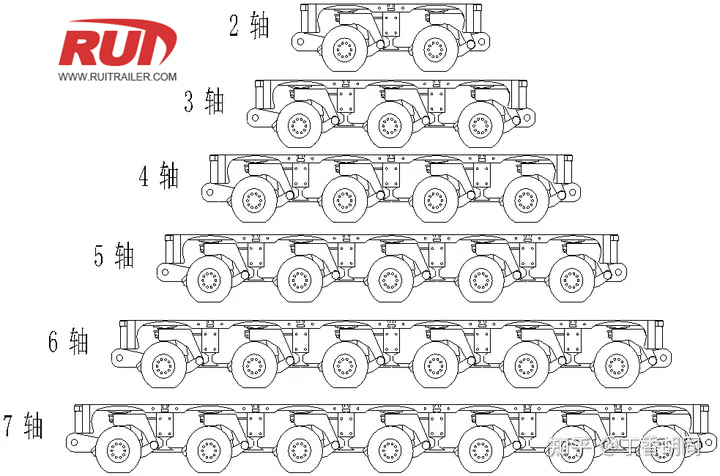
At its core, a modular trailer system consists of individual chassis modules—typically available in 2 to 6 axle lines—that function as building blocks. These units offer exceptional flexibility through:
- Lengthwise and Side wise Combination: Modules can be connected end-to-end or side-by-side to increase the platform area and payload capacity.
- High Payload-to-Dead-Weight Ratio: The design focuses on maximizing the cargo weight while minimizing the trailer’s own weight to ensure efficient on-road transport.
- Versatile Configurations: The system adapts to specific load requirements, utilizing accessories like goosenecks, draw-bar, and various deck types (drop deck or vessel bridge).
How Hydraulic Modular Trailers Work
The operational capability of a hydraulic modular trailer relies on advanced suspension and steering technologies designed to maintain stability under extreme weight.
- Hydraulic Suspension: Each axle line is supported by hydraulic cylinders that compensate for uneven terrain. This ensures the platform remains level and the load is evenly distributed across all tires, protecting both the over sized cargo and the road infrastructure.
- Pivot-Mounted Bogie: The suspension utilizes pivot-mounted bogies with a steering angle of up to +/- 60°. This mechanical steering system allows for high maneuverability in tight spaces.
- Axle Load Capacity: These robust units are engineered to handle massive weights, with technical axle loads reaching up to 45 tons per axle line, providing the strength needed for moving heavy industrial components like transformers and bridge girders.
The Evolution and History of Modular Transport
The evolution of modular transport has moved toward greater interoperability and fleet efficiency. Historically, operators were often locked into closed systems, but modern solutions like the Goldhofer thp/sl utilize “dual-mode” interoperability to break these barriers.
- Universal Compatibility: The G-Module is designed to couple seamlessly with existing Goldhofer THP/SL fleets, while the S-Module is fully compatible with Scheuerle InterCombi vehicles.
- Fleet Integration: This advancement allows logistics companies to combine heavy-duty modular units from different manufacturers, maximizing the utility of their existing equipment.
- Power Integration: The introduction of the SPT allows for self-propelled assist modes, reducing the need for multiple heavy-duty tractors during critical transport phases.
Main Types of Modular Trailers
When tackling heavy haulage projects ranging from 100 to over 5,000 tons, we rely on a versatile range of combination transport modules. The core of this system lies in its interoperability, allowing us to configure vehicles perfectly suited for specific payloads, whether for on-road transport or complex industrial moves.
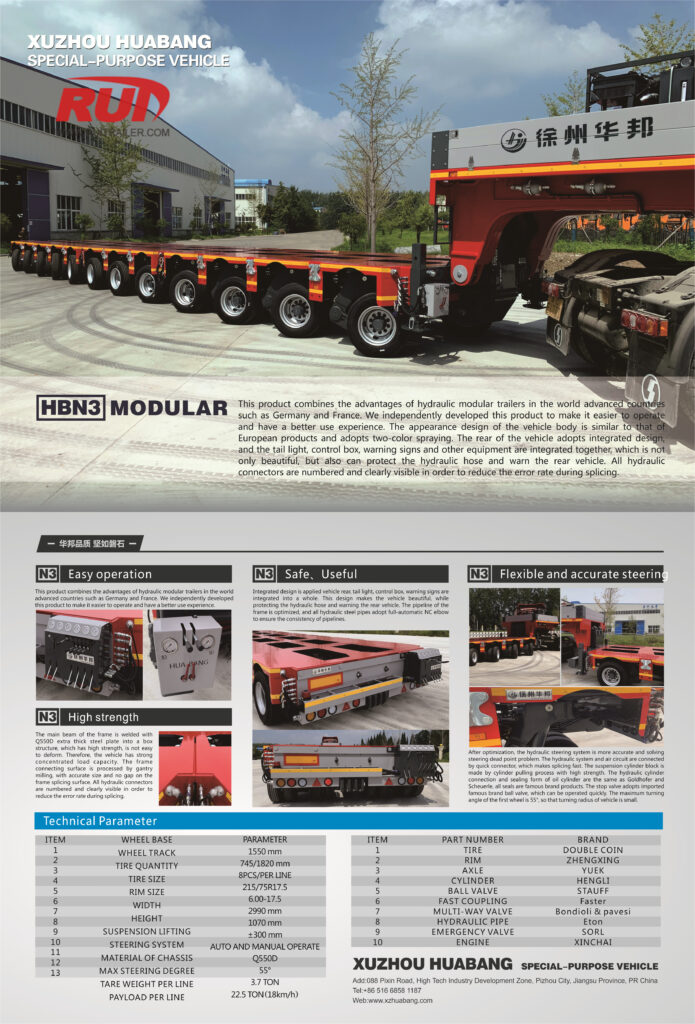
Hydraulic Platform Trailers
The foundation of our heavy transport fleet is the hydraulic platform trailer, specifically designed for flexibility and high payload capacity. These units, such as the Goldhofer series, come in modules of 2 to 6 axle lines and utilize swing axles with a pivot-mounted bogie system. This design ensures optimal weight distribution and stability, even on uneven terrain.
A key advantage here is compatibility. We offer \”dual-mode\” interoperability, meaning our S-Module units connect seamlessly with Scheuerle InterCombi fleets, while our G-Module variants are fully compatible with Goldhofer THP/SL systems. This allows operators to mix and match existing equipment without operational headaches. For those looking to expand their fleet capabilities, our standard hydraulic modular trailer solutions offer a robust starting point with a payload capacity of up to 45 tons per axle line.
- Steering: Hydraulic steering with up to 60° steering angle.
- Suspension: Hydraulic suspension for leveling and load compensation.
- Configuration: Modules can be coupled lengthwise and crosswise (side-by-side).
Self-Propelled Modular Trailers (SPMT)
For projects requiring extreme precision or where a prime mover truck cannot operate, we utilize self-propelled technology. By integrating a dedicated Power Pack Unit (PPU), a standard modular trailer transforms into a self-propelled vehicle.
This system provides two critical operating modes:
- Assist Mode: Provides on-the-fly traction force to assist the tractor truck on steep inclines or heavy heavy grades.
- Self-Propelled Mode: The trailer operates independently, allowing for the precise positioning of oversize cargo like transformers or wind turbine components in tight spaces.
This “plug-and-play” capability means we don’t always need a dedicated SPMT fleet; we simply upgrade the existing modular lines with drive axles and power packs to handle specialized transport tasks efficiently.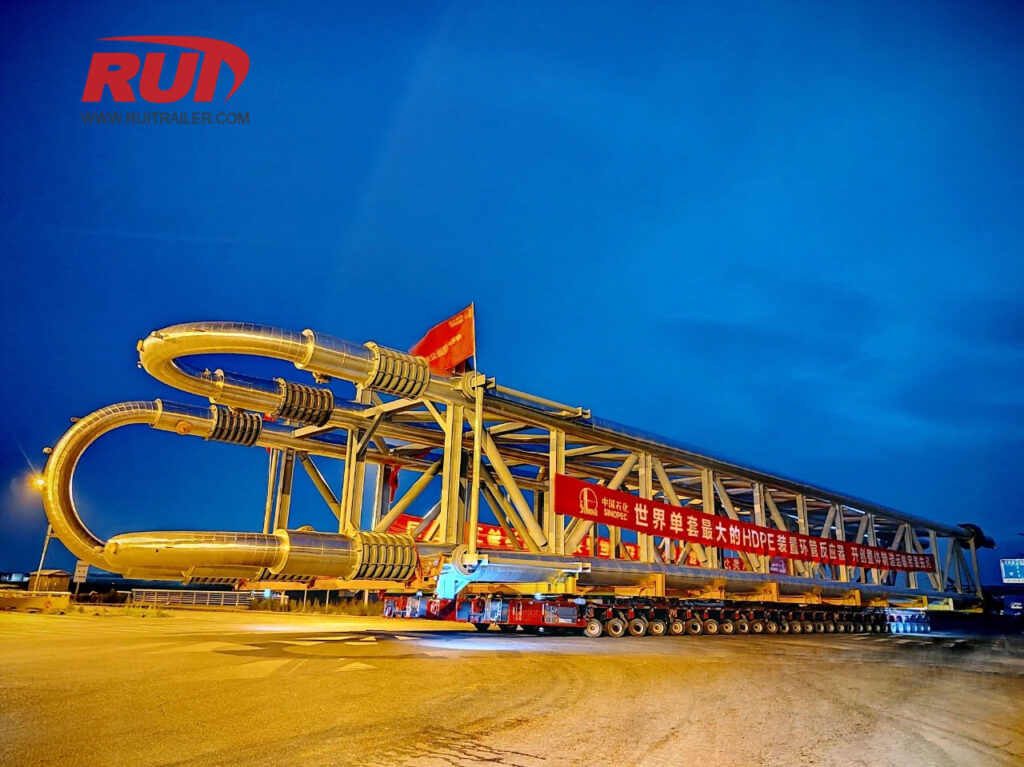
Heavy-Duty Modular Units
When the load exceeds standard limits, we deploy heavy-duty modular units engineered for maximum bending moments and torsion resistance. These configurations, often part of the modular trailer system, are built to handle the most demanding industrial loads and civil constructions.
These units prioritize a high payload-to-dead-weight ratio, ensuring that we maximize the cargo weight while keeping the vehicle weight as low as possible. Whether moving massive vessels or bridge sections, these modules can be combined with specialized decks like drop deck or spacer modules to adapt to the cargo’s shape and weight distribution. For detailed performance data on these high-capacity configurations, reviewing specific hydraulic modular trailer specs is essential to ensure safety and compliance.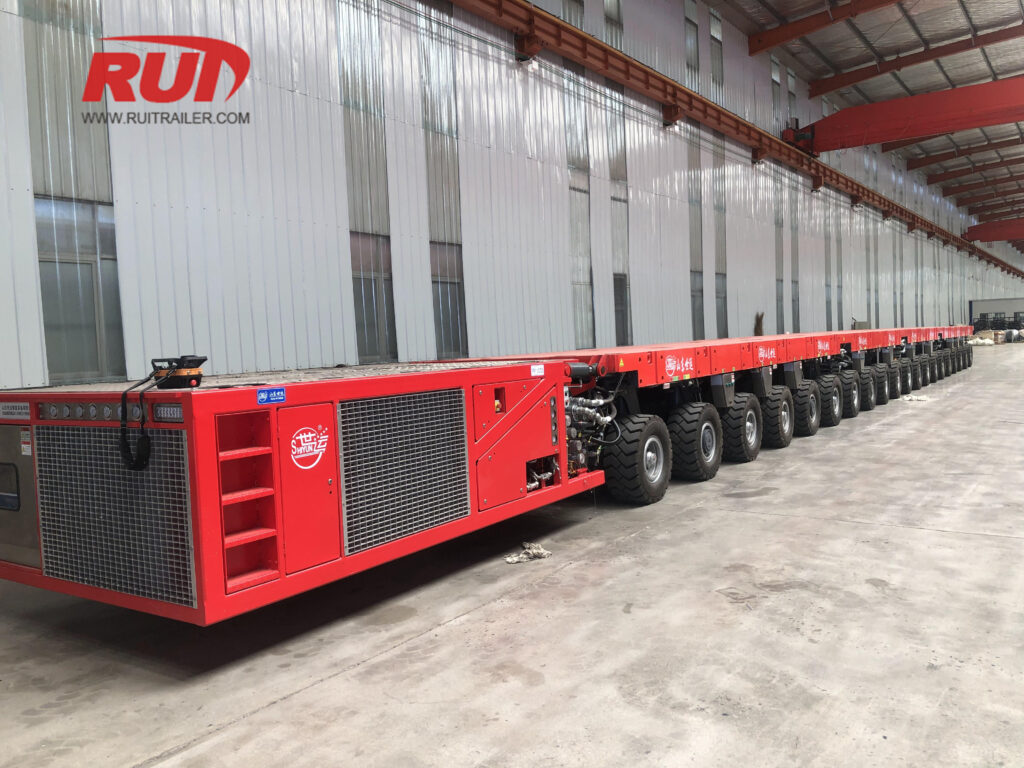
Key Technical Specifications and Features
Axle Load Capacity and Configurations
When we talk about the core strength of a modular trailer, it comes down to the axle lines. Our modular trailers are engineered to handle massive payloads, ranging from 100 tons to over 5,000 tons. The basic units are available in 2 to 6-axle lines, allowing for a completely scaled setup.
We utilize a “building block” principle. You can combine modules lengthwise and side wise to create the exact platform needed for the job. With a technical axle load of up to 45 tons per axle line, these vehicles offer an optimized payload-to-dead-weight ratio. This flexibility is essential for operators who need a setup as versatile as a low bed multi-axle trailer but with significantly higher capacity for extreme loads.
Configuration Highlights:
- Basic Units: 2, 3, 4, 5, and 6-axle lines.
- Max Axle Load: 45 tons.
- Combination Modes: Lengthwise and side wise coupling.
- Compatibility: Interoperable with S-Module (Scheuerle) and G-Module(Goldhofer) fleets.
Hydraulic Suspension and Leveling Systems
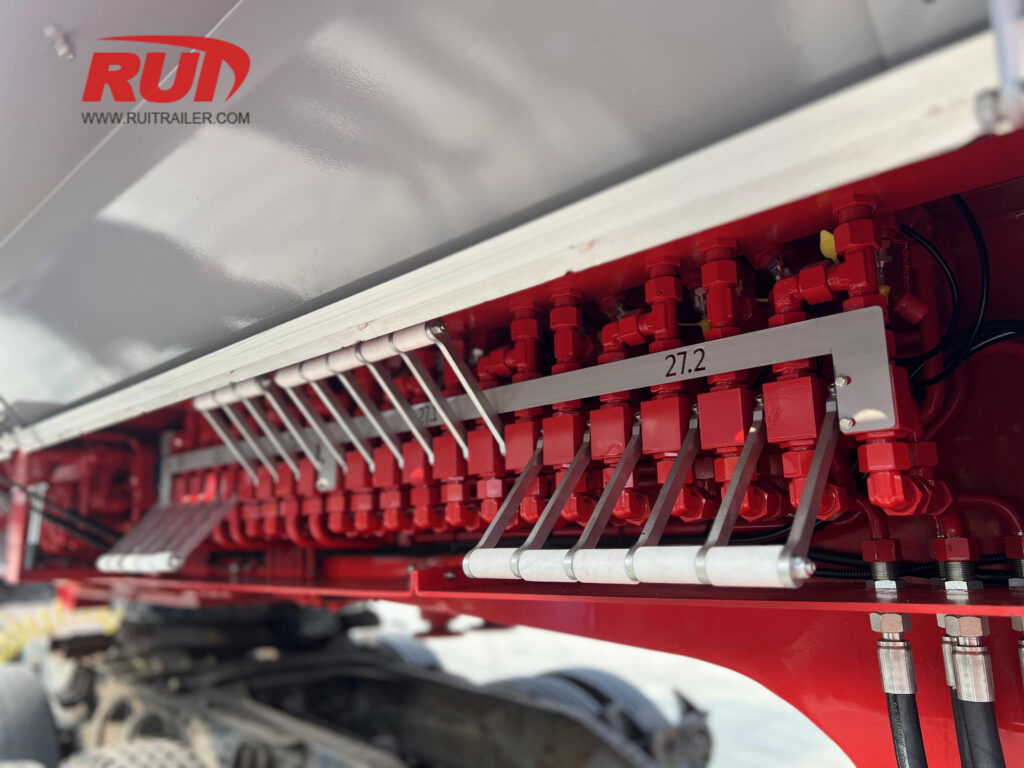
Stability is non-negotiable when transporting high centers of gravity. Our trailers feature pivot-mounted bogies with hydraulic suspension systems designed for the roughest terrains. This design ensures that the heavy-duty platform remains level even on uneven ground, distributing the weight evenly across all tires.
The torsion-resistant frame construction works in tandem with the suspension to handle high point loads. Whether you are moving wind turbine components or heavy civil engineering parts, the hydraulic system actively compensates for road irregularities, protecting both the cargo and the vehicle structure.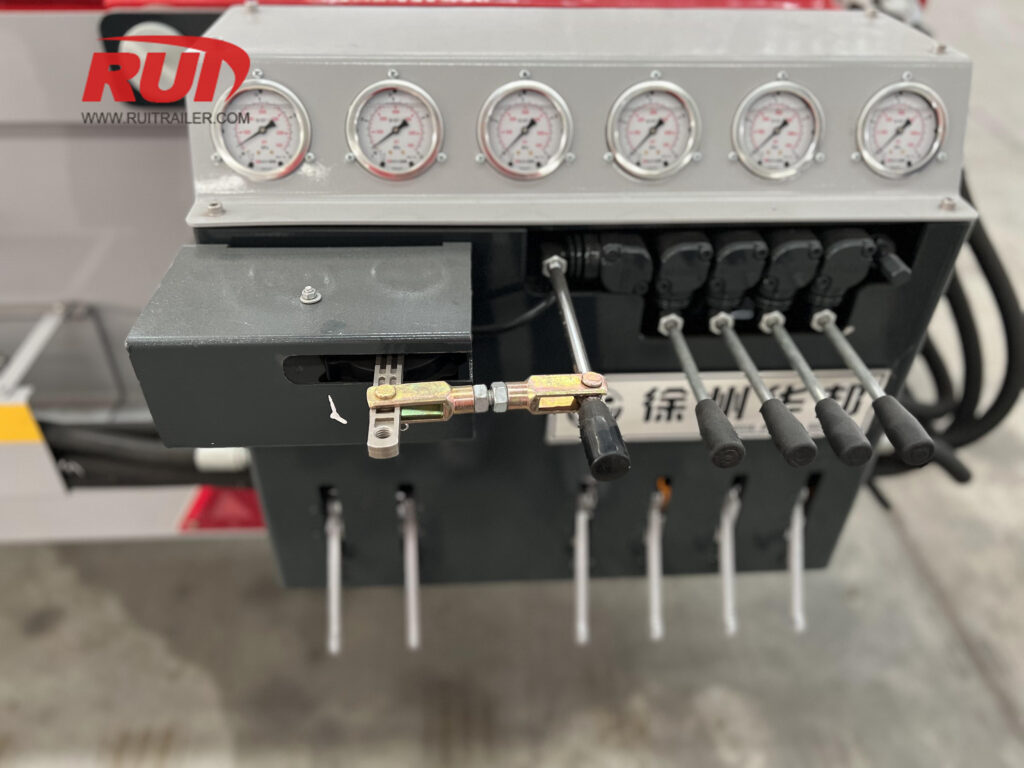
Steering Mechanism and Maneuverability
Navigating oversize cargo through tight spaces requires precision. We offer two primary steering systems to ensure maximum maneuverability for your hydraulic modular trailer:
- Mechanical Steering: This system uses a pivot-mounted bogie with a steering angle of up to 60°. It is robust, reliable, and ideal for standard heavy transport.
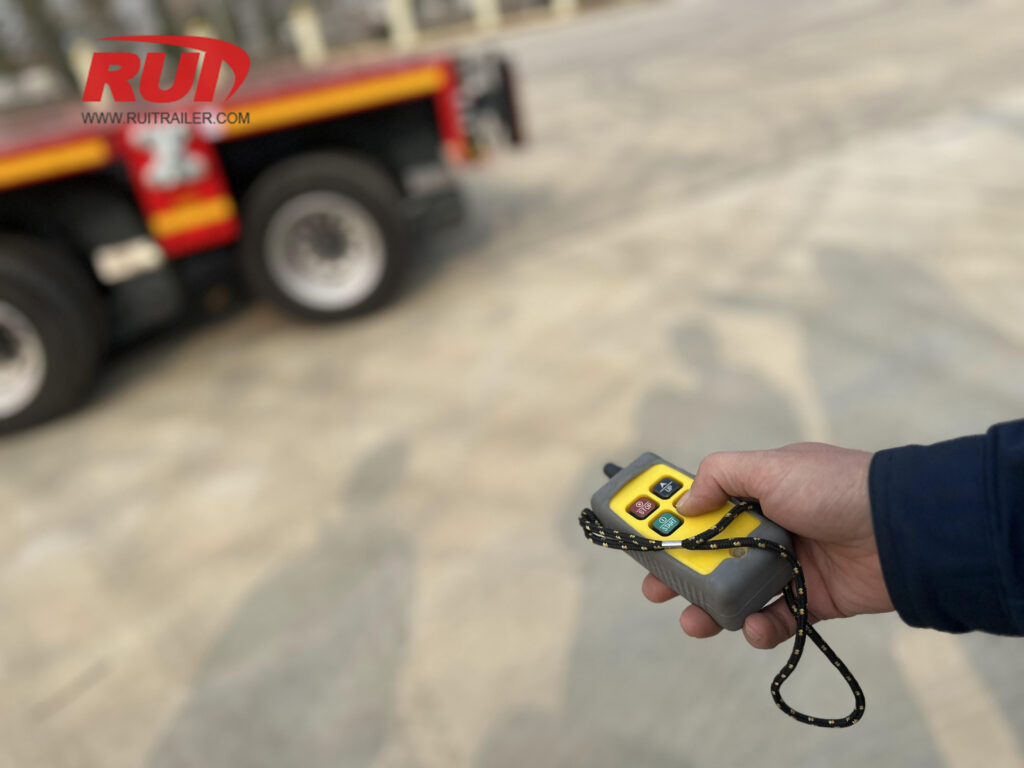
- Electronic Steering: For complex maneuvers, electronic steering allows for independent axle control, enabling the trailer to crab steer or rotate on the spot.
For projects requiring self-propulsion, we integrate the PPU(Power Pack Unit). This transforms the trailer into a solution similar to a self-propelled modular transporter (SPMT), giving you the power to move loads without a prime mover when necessary.
| Feature | Specification | Benefit |
|---|---|---|
| Steering Angle | Up to 60° | Tight turning radius on winding roads. |
| Steering Type | Mechanical & Electronic | Adaptability to different route complexities. |
| Drive Option | PPU(Power Pack Unit) | Self-propelled capability for on-site positioning. |
Common Accessories and Attachments
Goosenecks and Drawbars
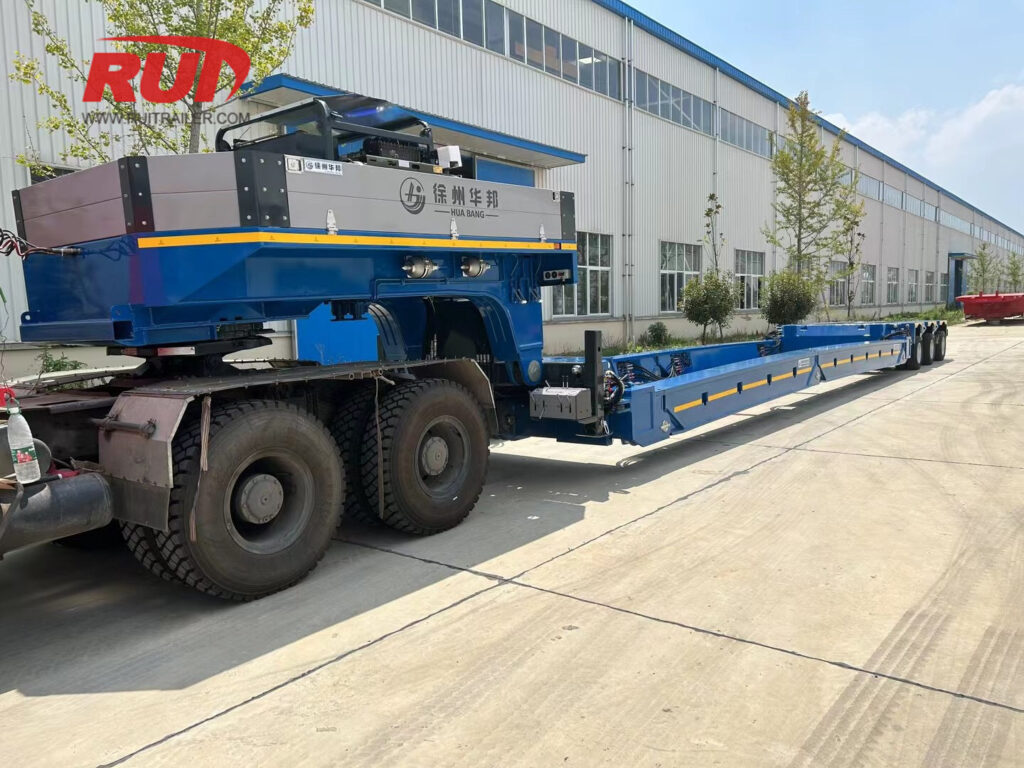
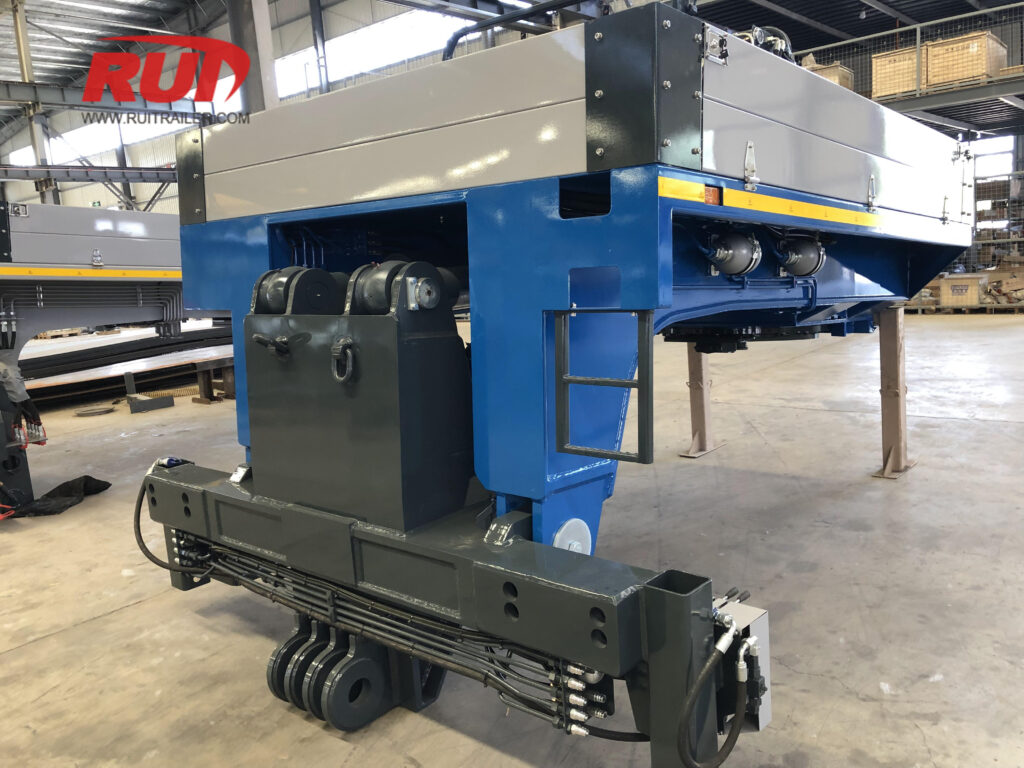
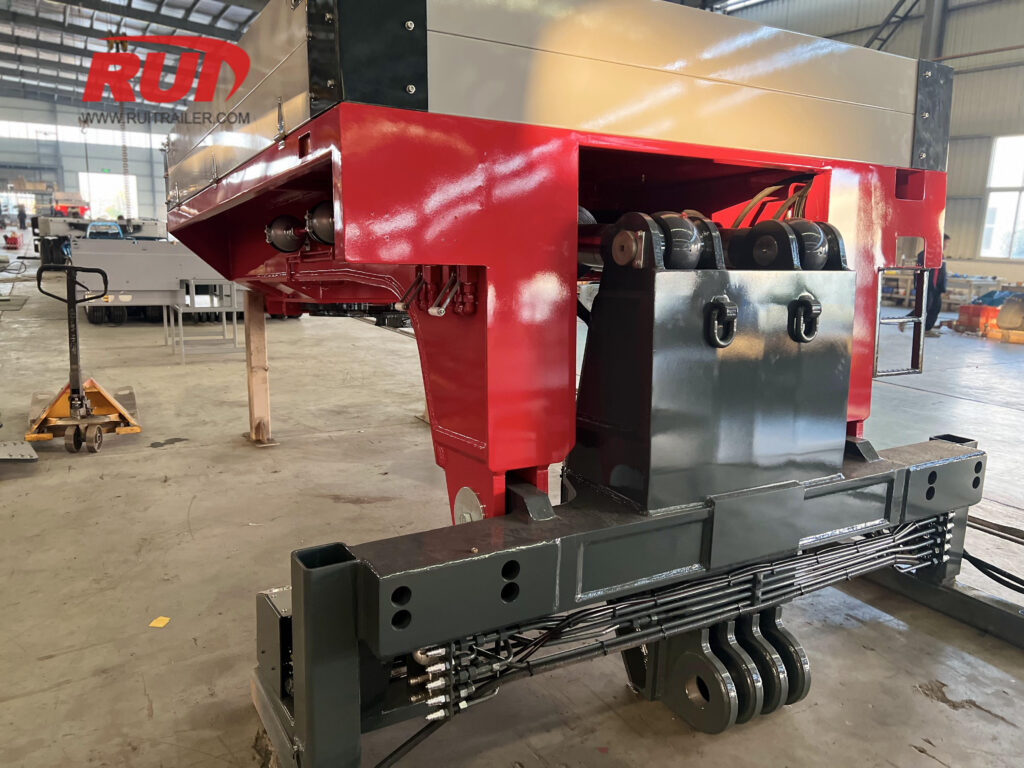
To get your **modular trailer** moving, the connection to the prime mover is critical. We utilize hydraulic goosenecks to transfer the vertical load onto the tractor, ensuring optimal traction and stability for **heavy haulage**. For configurations requiring a drawbar trailer setup, specific drawbar equipment connects the modules directly to the truck. These components are essential for maintaining control and safety, whether you are transporting **construction machinery** or massive industrial components.
Vessel Bridges and Drop Decks
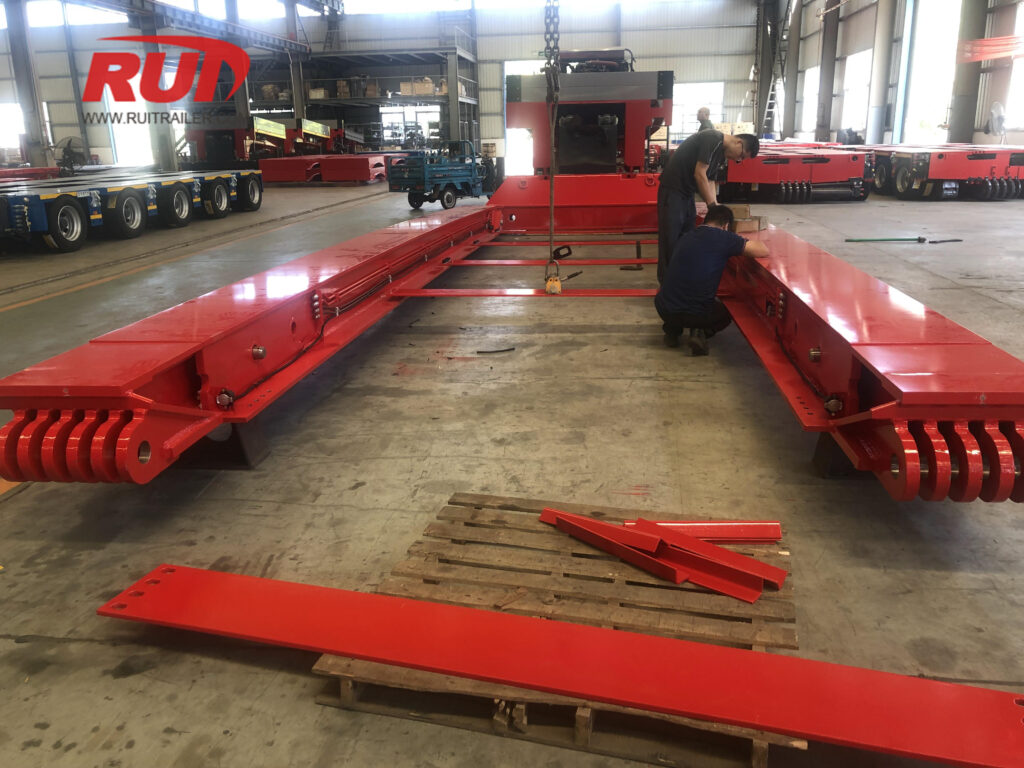
Standard platforms don’t always fit the bill, especially when height is a restriction. We integrate specialized **hydraulic modular trailer accessories** like vessel decks and drop decks to lower the traveling height of the cargo. These **drop deck** are inserted between the front and rear axle lines, significantly reducing the center of gravity. This setup is indispensable for transporting tall transformers, tanks, and other **over-sized cargo** under bridges and through tunnels where every centimeter counts.
- Excavator Decks: For heavy construction equipment.
- Vessel Bridges: For cylindrical industrial loads.
- Drop Deck: For general heavy cargo requiring a lower profile.
Turntables and Bolsters for Long Cargo
When handling extreme lengths, such as wind tower sections or bridge beams, a rigid frame isn’t feasible. We use turntables and bolsters to allow the cargo itself to serve as the structural link between two separate modular units. This configuration provides the necessary flexibility for the vehicle to navigate tight turns and roundabouts. By allowing the load to pivot, we transform a standard **heavy-duty module** into a specialized solution for the longest loads on the road.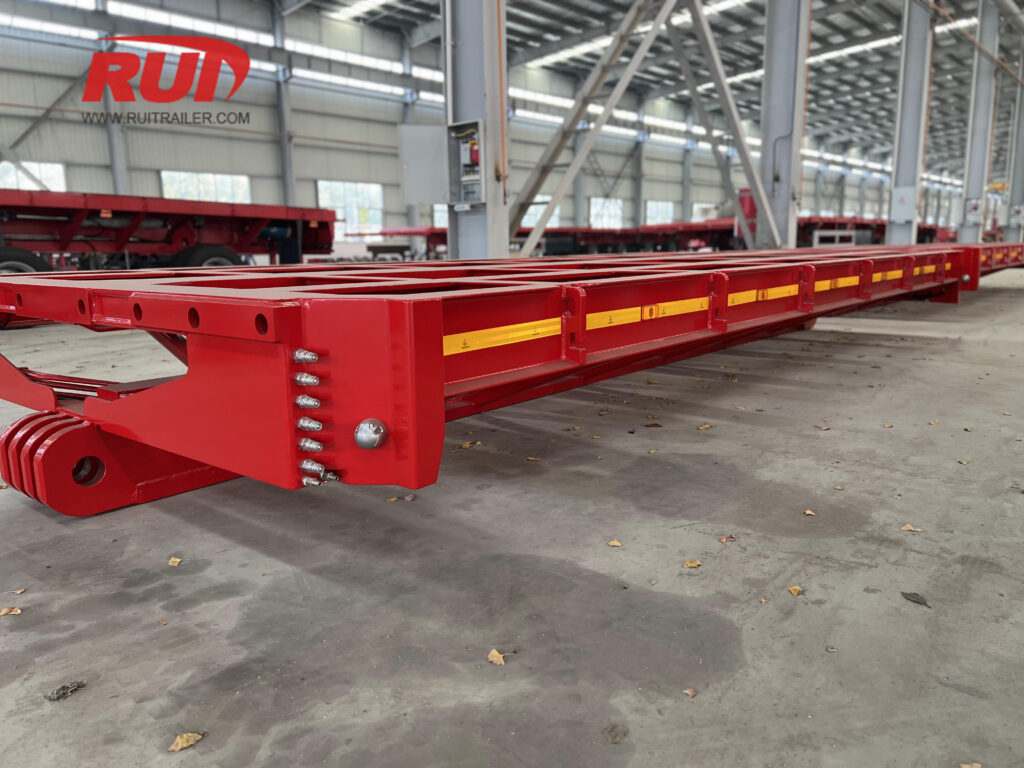
Primary Applications and Industries
Construction and Infrastructure Projects
In the realm of heavy civil engineering, we rely on the modular trailer to solve complex logistical challenges. These vehicles are essential for transporting **heavy machinery** and massive structural elements that standard trucks simply cannot handle. The ability to combine modules lengthwise and side wise allows us to create stable platforms for moving **bridge girders** and concrete beams.
* **Adaptability:** We can adjust the configuration to match the specific weight and dimensions of the load.
* **High Capacity:** Handling payloads from 100 tons up to 5,000 tons makes them suitable for major infrastructure developments.
* **Versatility:** Compatible with various decks like drop deck to reduce travel height for tall construction equipment.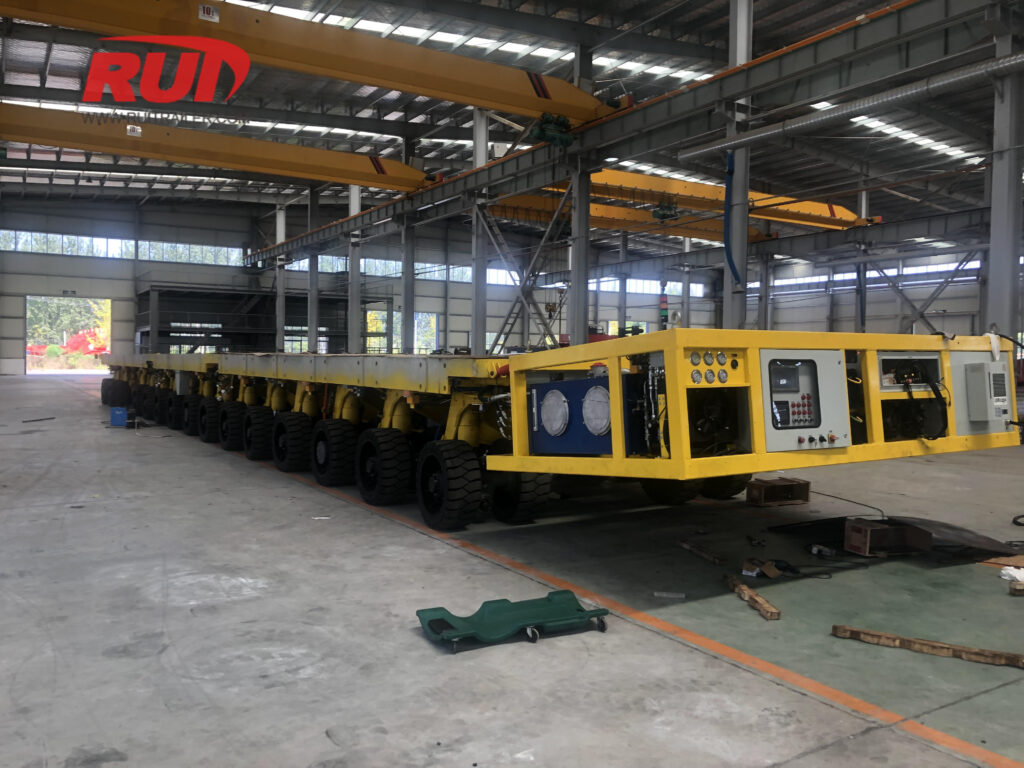
Oil, Gas, and Energy Sector Transport
The energy sector requires specialized transport solutions for some of the heaviest and most sensitive equipment in the world. We frequently deploy these trailers for moving **wind turbine components**, such as long blades and heavy tower sections. In the oil and gas industry, the high axle load capacity is critical for transporting **transformers**, gas turbines, and other **overweight loads**. Our wind turbine trailer guide for blade and tower transport solutions highlights how specific adapters integrate with these modules to ensure safe delivery to remote sites. The robust chassis design ensures stability even when hauling these concentrated **industrial loads** over rough terrain.
Shipbuilding and Maritime Logistics
Moving **vessels** and offshore structures demands extreme precision and massive payload capabilities. In shipyard environments, we often utilize the self-propelled capabilities of the modular system. By integrating Power Pack Units, the trailer functions as a self-propelled modular transporter (SPMT), allowing for independent movement without a prime mover. This setup provides the electronic steering precision needed to position **over sized cargo** and ship sections within confined spaces. The interoperability of the modules ensures we can build a transport platform large enough to support the immense weight of maritime vessels safely.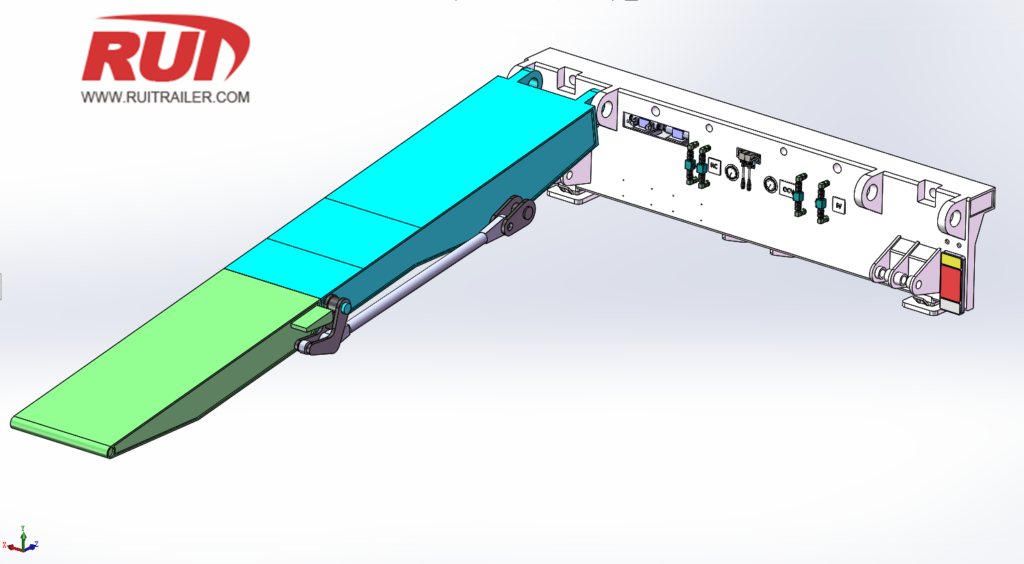
Advantages of Modular Transport Solutions
Flexibility and Scalability for Various Loads
The primary strength of a modular trailer lies in its “building block” design. We can configure these vehicles to handle payloads ranging from 100 tons to well over 5,000 tons by combining modules lengthwise and side wise. This interoperability is crucial for fleet management; for example, our G-Module series is fully compatible with existing Goldhofer modules, allowing you to mix and match equipment from different manufacturers. Whether you need a 2-axle line setup for smaller loads or a complex multi-file configuration for heavy civil engineering projects, the system adapts to the cargo, not the other way around.
Enhanced Stability and Safety Precautions
Safety is non-negotiable when moving over sized cargo. These trailers are engineered with a high payload-to-dead-weight ratio and a torsion-resistant frame, ensuring structural integrity under extreme stress. The hydraulic suspension and pivot-mounted bogies provide excellent stability, keeping the platform level even on uneven terrain. With a standard axle load capacity of up to 45 tons and a steering angle of up to 60°, we ensure precise maneuverability and reduced risk of tipping, which is vital for transporting high-center-of-gravity loads like transformers or wind turbine components.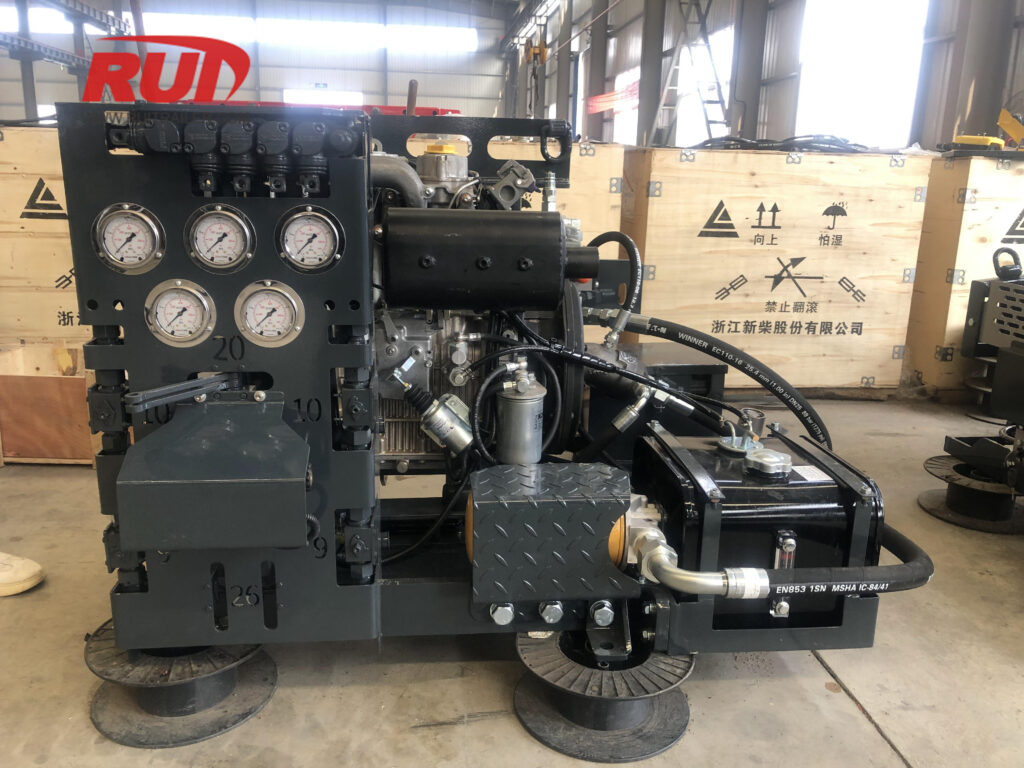
Operational Efficiency for Heavy Hauling
Efficiency in heavy haulage comes down to power and control. Advanced modular systems feature the integration of Power Pack Units (PPU). This technology allows the trailer to switch between towed and self-propelled modes, offering auxiliary traction without needing additional towing trucks. This “dual-mode” capability simplifies logistics for complex transport solutions, reducing the overall convoy length and allowing for tighter turning radii in restricted spaces.
- Interoperability: Seamlessly combine with S-Module (Scheuerle) or G-Module (Goldhofer) fleets.
- Versatile Drive: Utilize PPU for self-propelled assistance on steep gradients.
- Optimized Weight: Designed to maximize payload while minimizing the trailer’s self-weight.
How to Select the Right Modular Trailer
Selecting the right equipment for heavy haulage isn’t just about total capacity; it’s about how the equipment adapts to specific project constraints. We need to look closely at payload distribution, terrain challenges, and fleet compatibility to make a smart investment.
Evaluating Load Weight and Dimensions
The first step is analyzing the payload. For loads ranging from 100 tons to over 5,000 tons, a standard low bed won’t cut it. We need to calculate the necessary axle lines to ensure we don’t exceed ground pressure limits.
- Axle Load: Look for modules offering up to 45 tons per axle line. This high payload-to-dead-weight ratio is crucial for maximizing efficiency.
- Configuration: If the cargo is exceptionally wide or long, the trailer must be combined. We use systems that allow coupling lengthwise or side wise to create a stable platform.
- Deck Type: Depending on the height clearance, you might need specific decks like low beds or flatbeds.
When configuring a multi-axle trailer for extreme weights, precise calculation of the center of gravity is non-negotiable to prevent structural failure during transport.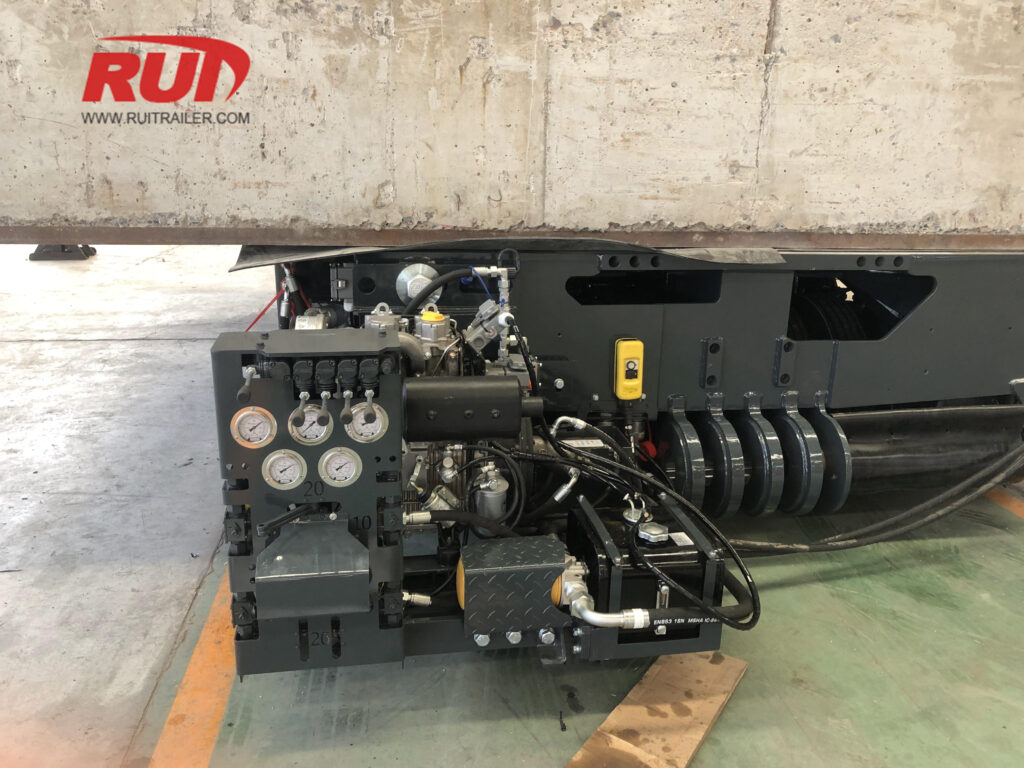
Matching Trailer Type to Terrain Requirements
The route dictates the configuration. A modular trailer must handle tight corners, steep gradients, and uneven surfaces without compromising the load.
- Steering: For complex routes, we rely on pivot-mounted bogies with a steering angle of up to 60°. Electronic steering systems provide even finer control for intricate maneuvers.
- Traction: On steep inclines, a standard prime mover might struggle. This is where Power Pack Units (PPU) come in. They offer “on-the-fly” traction, turning the trailer into a self-propelled unit when needed.
- Suspension: Hydraulic suspension with leveling systems ensures the deck remains stable even when the ground isn’t.
Comparing Leading Manufacturers and Models
In the global market, interoperability is the biggest asset. You don\’t want a fleet of isolated units that can\’t work together. We prioritize modular trailers that are compatible with existing industry standards.
The modular trailer series, for example, offers specific interoperability modes:
| Module Type | Compatibility Target | Key Benefit |
|---|---|---|
| G-Module | Goldhofer THP/SL | Seamlessly connects with existing Goldhofer fleets. |
| S-Module | Scheuerle InterCombi | Fully interoperable with Scheuerle systems. |
| N-Module | Nicolas MEDE | combination with Nicolas. |
Choosing a system with this “dual-mode” capability means you can expand your capacity without making your current equipment obsolete. It allows for a flexible, “plug-and-play” approach to fleet management.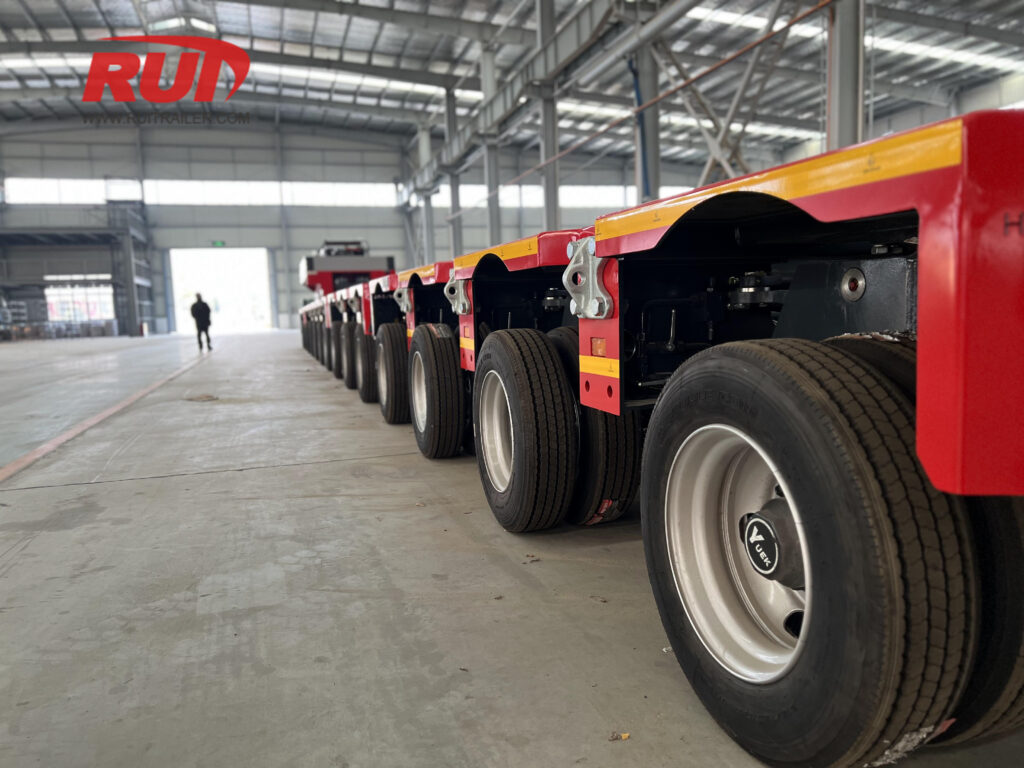
Frequently Asked Questions
Difference Between Platform Trailers and Heavy-Duty Modules
The main distinction lies in scalability and payload capacity. While a standard platform trailer or a fixed low bed semi trailer operates as a single unit for general heavy machinery, a modular trailer is a “building block” system. We design these heavy-duty modules, like the modular trailer, to connect lengthwise and side wise, allowing us to handle payloads ranging from 100 tons to over 5,000 tons.
| Feature | Standard Platform Trailer | Heavy-Duty Modular Trailer |
|---|---|---|
| Configuration | Fixed chassis | Combine modules (2-6 axle lines) |
| Axle Load | Standard road limits | Up to 45 tons per axle line |
| Steering | Fixed or self-steering | Hydraulic/Electronic (60° angle) |
| Application | Construction equipment | Over sized cargo, bridge sections, industrial plant modules |
Essential Maintenance for Hydraulic Systems
To keep a hydraulic modular trailer operational, rigorous maintenance of the hydraulic suspension and steering circuits is critical. Since these vehicles rely on high-pressure systems to level loads on uneven terrain, neglecting them can lead to failure under massive weight.
- Check Hydraulic Fluid: Regularly monitor levels and quality to prevent pump damage in the Power Pack Unit (PPU).
- Inspect Hoses and Seals: Look for leaks in the pivot-mounted bogies, especially after operating at maximum axle load capacity.
- Grease Pivot Points: The mechanical steering system, capable of a 60° steering angle, requires frequent lubrication to ensure smooth maneuverability.
- Test Electronic Systems: If using electronic steering for complex moves, verify sensor calibration before every project.
Safety Standards for Oversize Load Operations
Safety in heavy haulage isn’t just about driving slowly; it’s about engineering stability. Our modular units are built with a high payload-to-dead-weight ratio, ensuring the trailer itself doesn’t add unnecessary bulk while maintaining structural integrity.
When transporting overweight loads, we utilize specific accessories to enhance safety. For instance, integrating a detachable gooseneck trailer assembly distributes weight effectively onto the tractor unit. Additionally, the hydraulic suspension ensures equal load distribution across all axle lines, preventing individual axles from overloading on cambered roads. Always ensure compatibility when mixing modules (e.g., combining S-Module with existing fleets) to maintain a unified safety standard.
 English
  German
  Turkish
  French
  Portuguese
  Russian
  Arabic
  Hindi
Hindi