

What is a Lowboy Trailer?
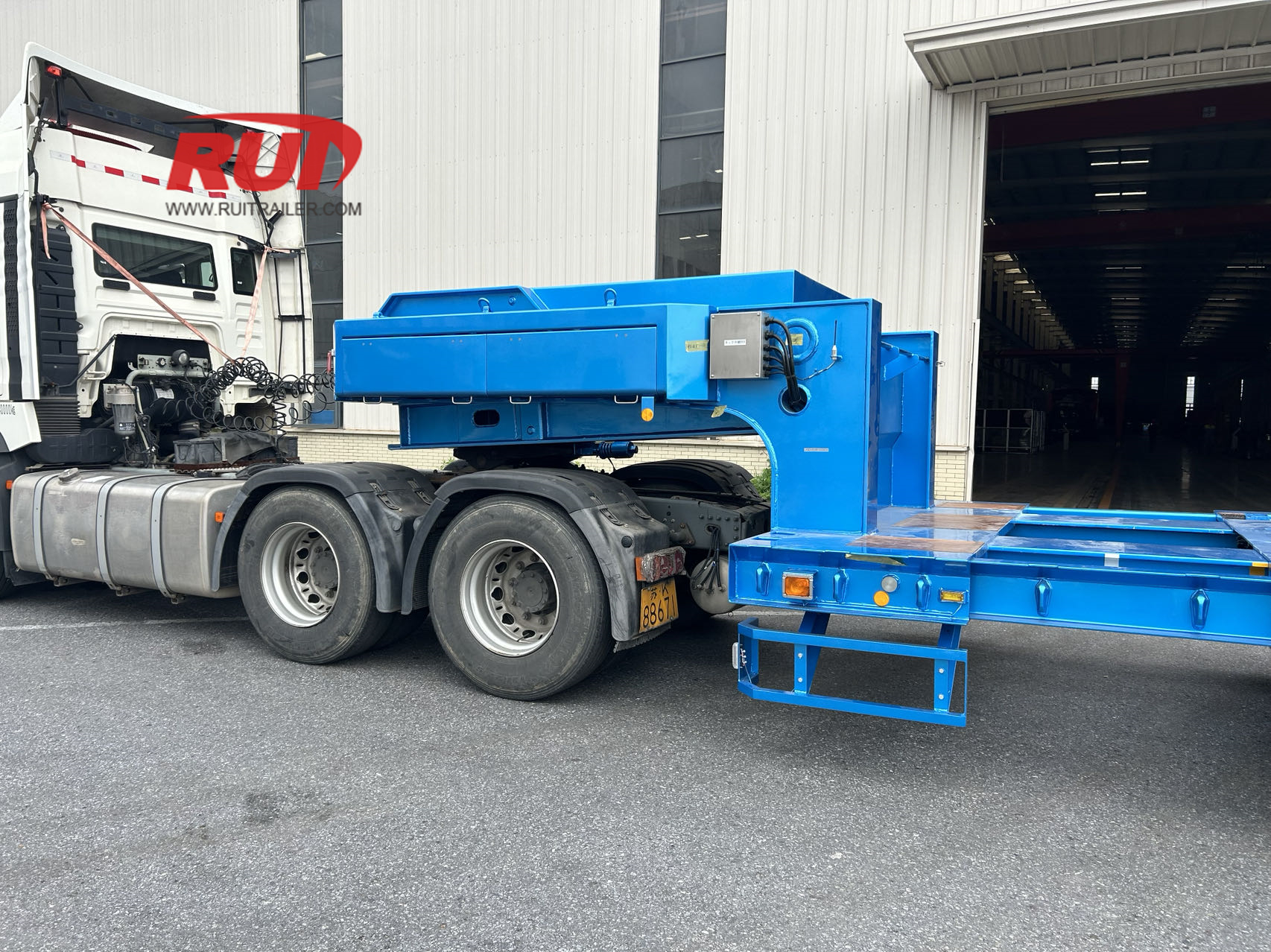
A lowboy trailer is an powered, highly specialized semi-trailer featuring two distinct drops in deck height: one right behind the front neck and another just before the rear axles. This unique double drop design creates an exceptionally low deck height, establishing it as the premier solution for transporting heavy equipment and over sized loads that exceed standard legal height constraints. In the heavy haul industry, this trailer is the definitive standard for moving bulldozers, cranes, and massive industrial machinery safely across global infrastructure networks.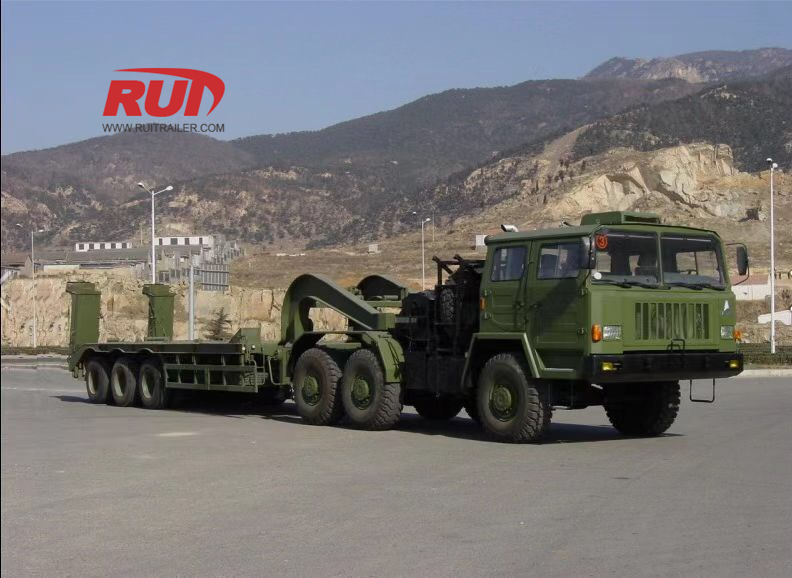
The History and Evolution of Lowboys
The lowboy trailer was first developed in the 1920's to solve a critical industrial bottleneck: transporting heavy, slow-moving machinery between job sites. The earliest models were rudimentary, featuring solid rubber tires, riveted steel frames, and fixed necks that forced operators to load equipment over the rear tires—a dangerous and tedious process.
As global industrialization accelerated, the lowboy evolved rapidly to handle increasing machinery carrying capacity:
- The 1950's Breakthrough: The invention of the removable goose neck (RGN) revolutionized the industry. By detaching the front neck, the trailer could be lowered directly to the ground, creating its own ramp for fast, safe front-loading.
- Modern Advancements: Today's trailers utilize high-tensile steel, hydraulic neck power packs, automatic locking mechanisms, and advanced pneumatic suspensions to manage extreme tonnage securely.

Key Characteristics and Dimensions
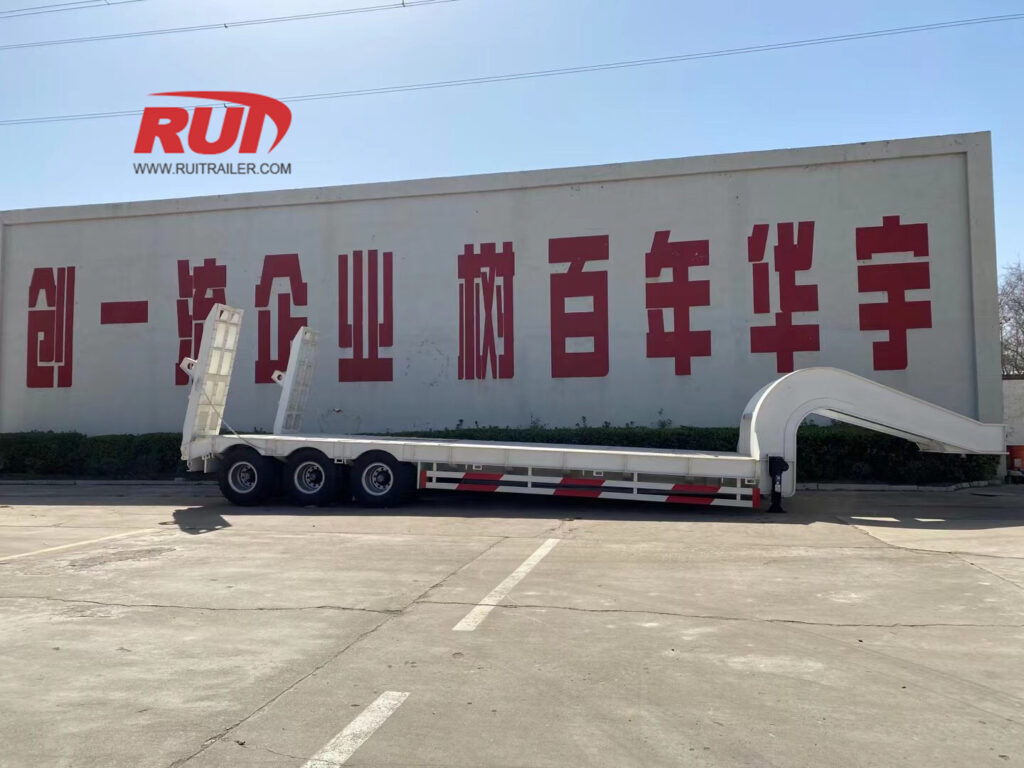
Every aspect of a lowboy trailer is engineered to maximize stability, safety, and compliance with legal loads. Its distinct geometry keeps the center of gravity as low as possible.
- Extreme Low Deck Height: The cargo well typically sits just 18 to 24 inches above the pavement, maximizing vertical clearance for tall freight.
- Well Dimensions: The standard usable load space ranges from 24 to 29 feet in length. Standard width is 8.5 feet (102 inches), often equipped with side outriggers to support wider heavy equipment tracks.
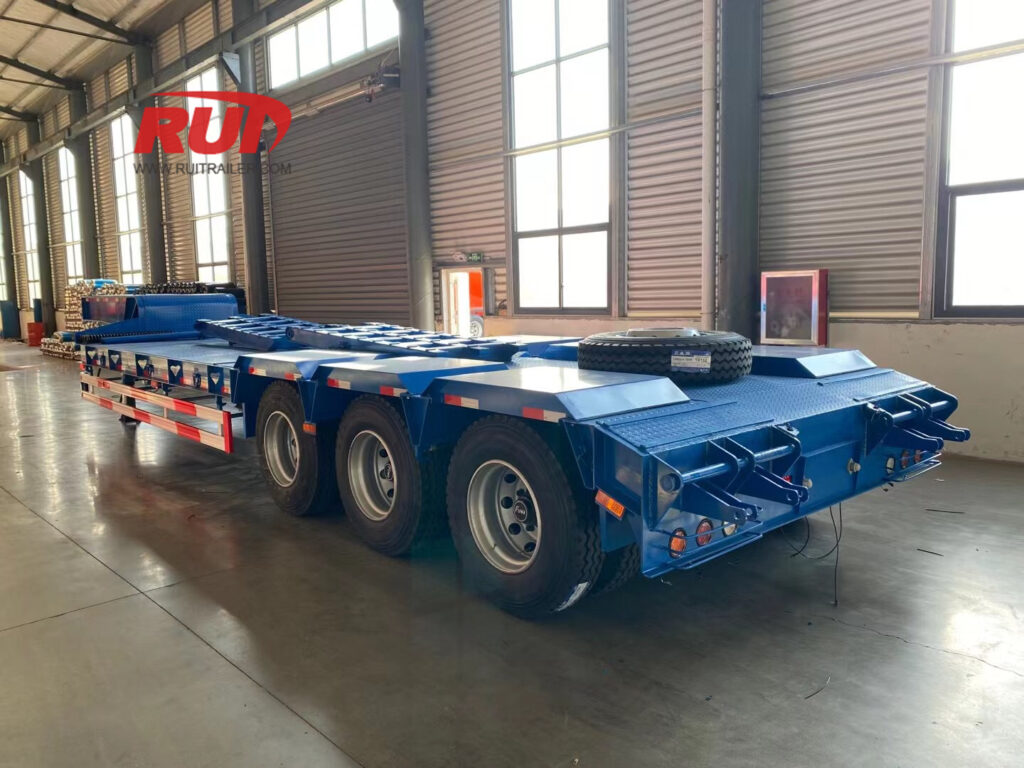
- Weight Capacity: A standard 2-axle lowboy can haul up to 40,000 pounds, but custom built models with additional rear axles can seamlessly transport payloads exceeding 100,000 pounds.

Lowboy vs. Standard Flatbed Trailers
Selecting the right trailer dictates the safety and legality of your transport. While flatbeds are standard for general freight, lowboys are strictly engineered for heavy, towering cargo.
| Specification | Lowboy Trailer | Standard Flatbed Trailer |
|---|---|---|
| Average Deck Height | 18 - 24 inches | 48 - 60 inches |
| Max Legal Freight Height | Up to 11.5 - 12 feet | Maximum 8.5 feet |
| Ideal Cargo | Tall industrial machinery, heavy equipment | Pallet goods, lumber, steel pipes |
| Loading Mechanism | Drive-on front loading (via RGN) | Side-loading via forklifts |
While a standard flatbed offers excellent versatility for modular goods, a lowboy trailer is mandatory when your payload demands extreme weight distribution and maximum overhead clearance.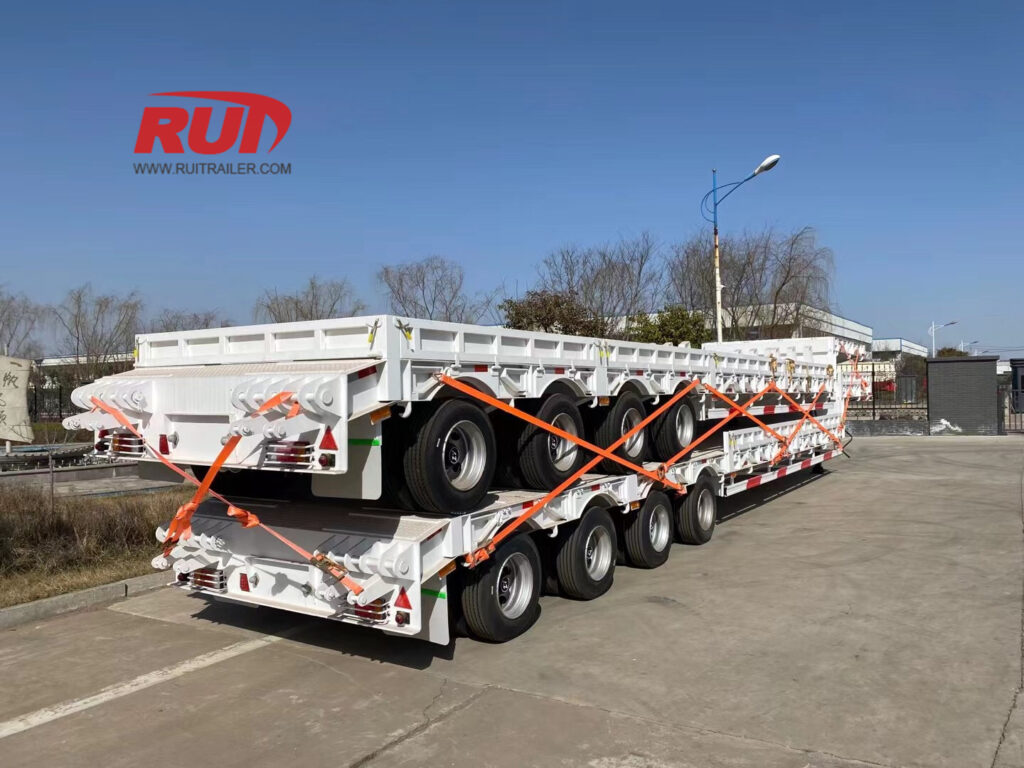
Common Applications for Lowboy Trailers
We provide lowboy trailers specifically to tackle the complex hauling jobs that standard flatbeds simply cannot handle. Their unique drop-deck design makes them the absolute go-to solution for moving heavy, massive, or abnormally tall cargo across global supply chains.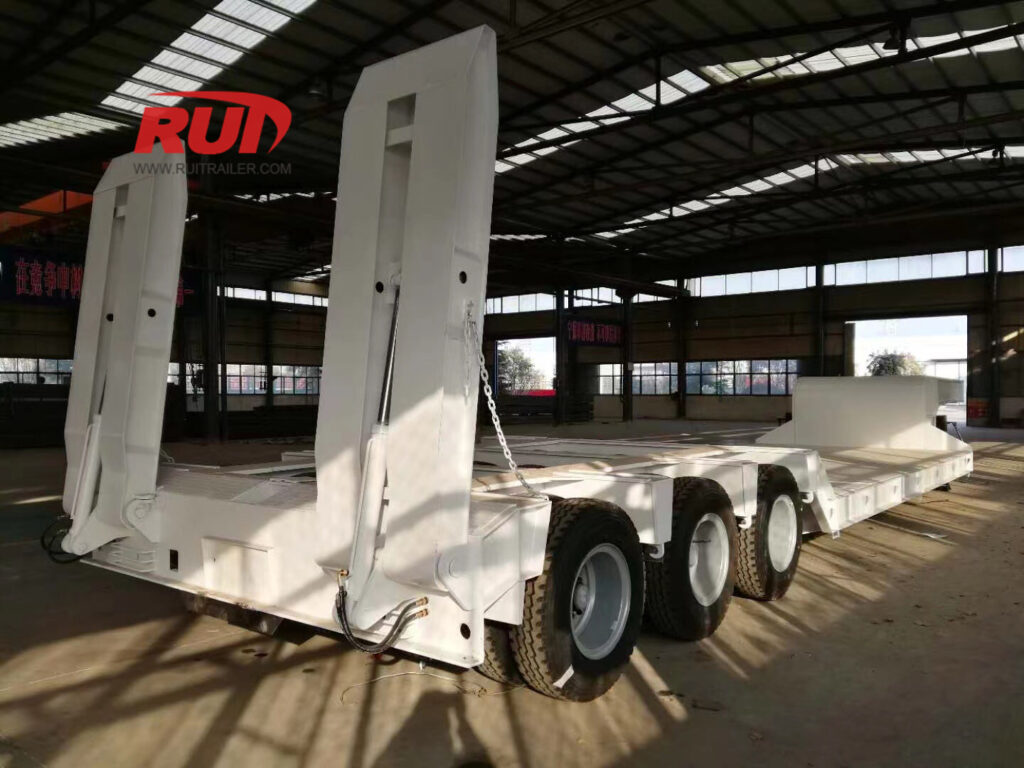
Heavy Equipment and Machinery Hauling
When our clients need to move massive industrial assets, lowboys are the industry standard. The extremely low deck height allows operators to drive or winch heavy machinery directly onto the trailer bed with ease.
- Earth moving Gear: Safely transport heavy equipment like bulldozers, massive excavators, and articulated dump trucks.
- Lifting Equipment: Easily haul large cranes, drill rigs, and structural components directly to job sites.
- Industrial Machinery: Perfect for maximizing machinery carrying capacity without becoming top-heavy. Relying on a removable gooseneck lowbed trailer allows operators to detach the front neck, making drive-on loading incredibly fast and secure.

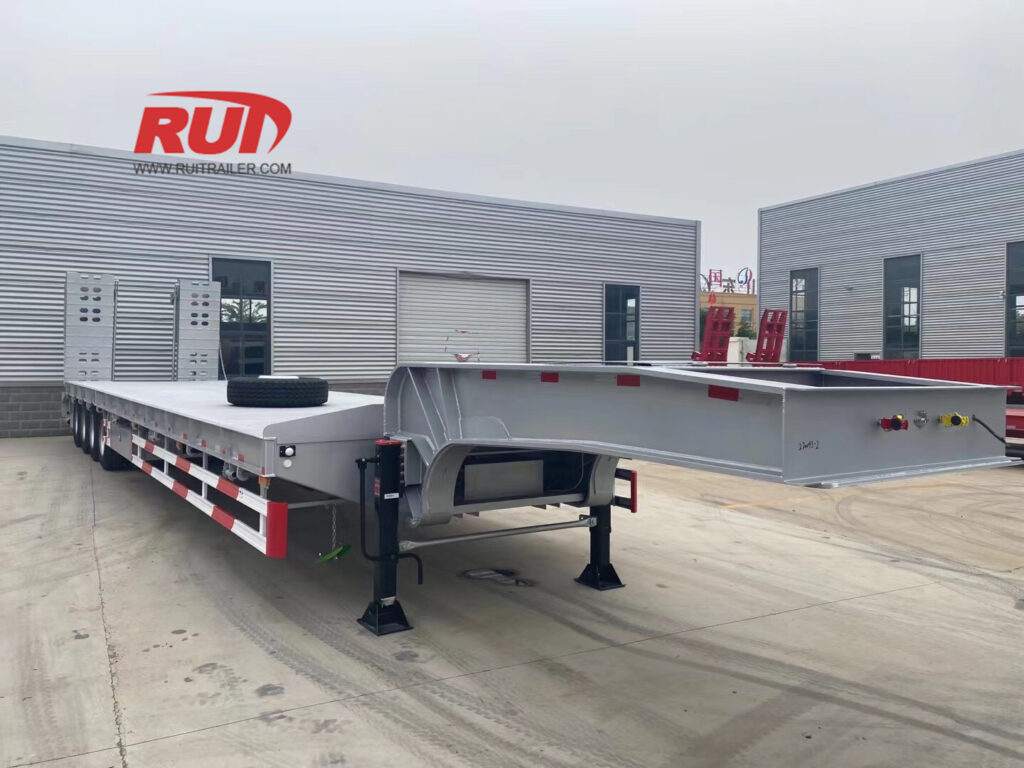
Oversize and Over-Height Cargo Transport
Shipping tall freight often risks hitting bridges, power lines, or overpasses. Lowboy trailers solve this by dropping the cargo much closer to the road surface.
- Maximizing Clearance: Keep tall cargo well within legal loads for height, drastically reducing the need for complex route planning and costly permits.
- Over sized Loads: Easily handle exceptionally bulky items such as wind turbine components, massive power generators, and large agricultural harvesters.
- Superior Stability: The significantly lower center of gravity ensures tall freight remains safe, planted, and stable during high-speed highway transport.

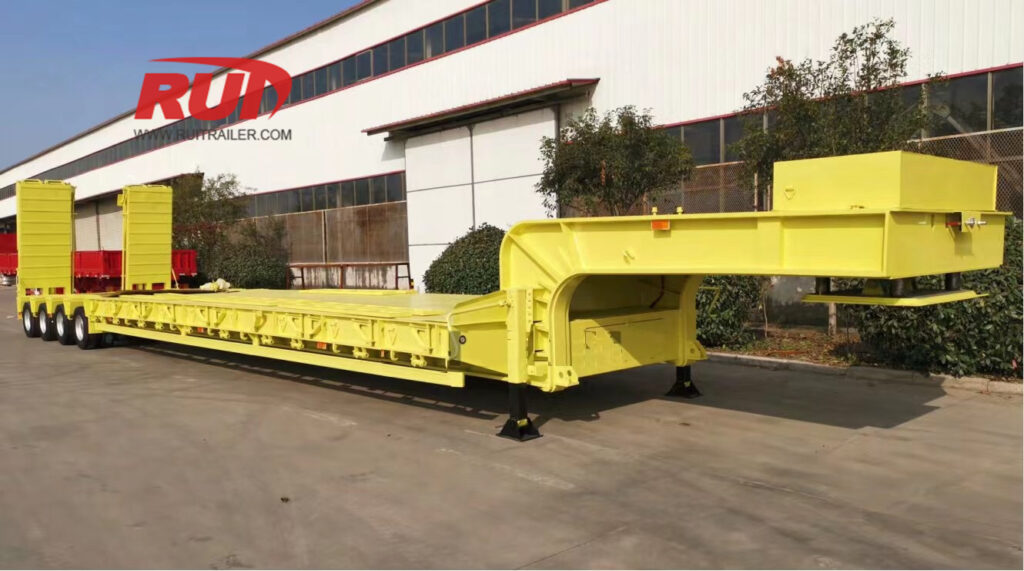
Specialized Vehicle Recovery
Beyond everyday construction and logistics, we frequently see lowboy trailers deployed for the recovery and transport of large, immobilized vehicles.
- Heavy Fleet Recovery: Ideal for moving damaged city buses, commercial semi-trucks, or disabled emergency vehicles.
- Low-Angle Loading: The low ground clearance means broken-down vehicles do not need to be hoisted high into the air, minimizing the risk of further damage during the winching process.
- Tactical Transport: Fully capable of hauling specialized military equipment, armored vehicles, and large mining rigs safely out of rugged environments.
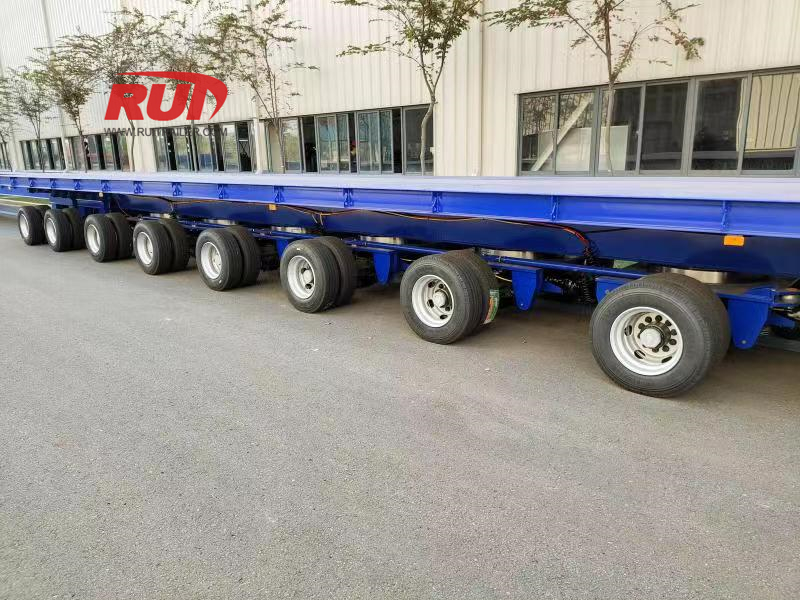
Primary Types of Lowboy Trailers
When we supply fleets globally, matching the right lowboy trailer to the job is critical. The structural design impacts everything from how you load your cargo to your maximum weight capacity.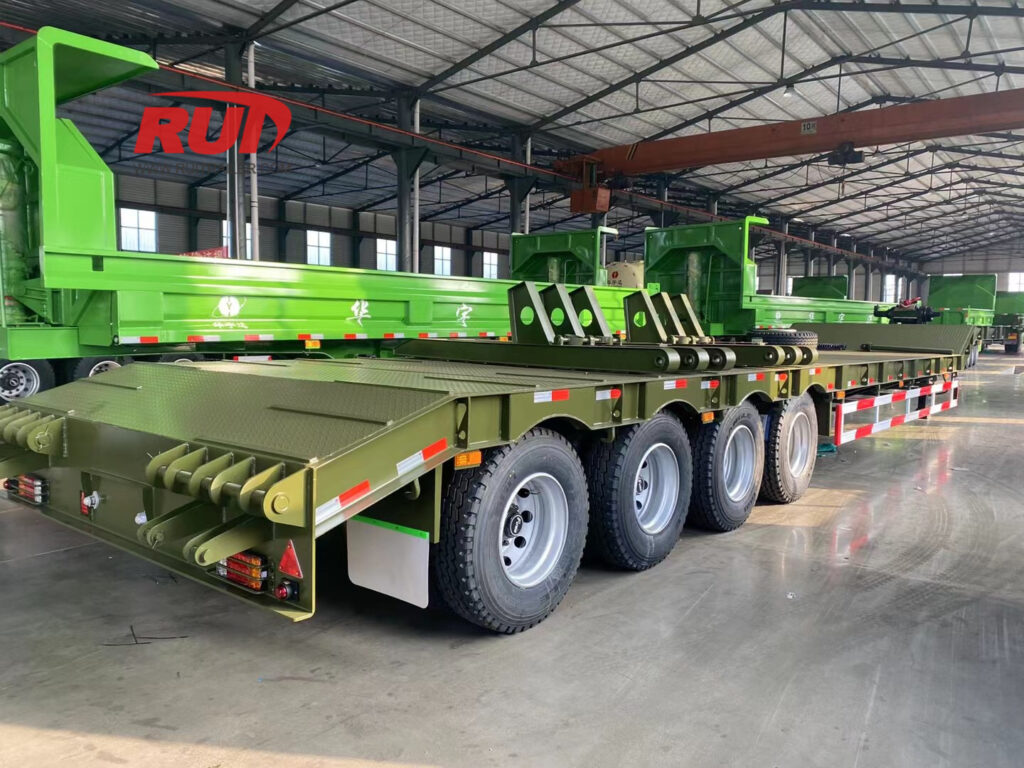
Fixed Goose neck (FGN) Trailers
The FGN features a neck that stays permanently fixed to the trailer base.
- Lighter weight: Because there are fewer moving parts, it offers a slightly higher payload capacity.
- Longer deck: Excellent for standard industrial machinery carrying.
- Rear loading: You must load cargo from the back, driving up and over the rear axles. It works well for high-clearance gear but can be challenging for low-profile machines.

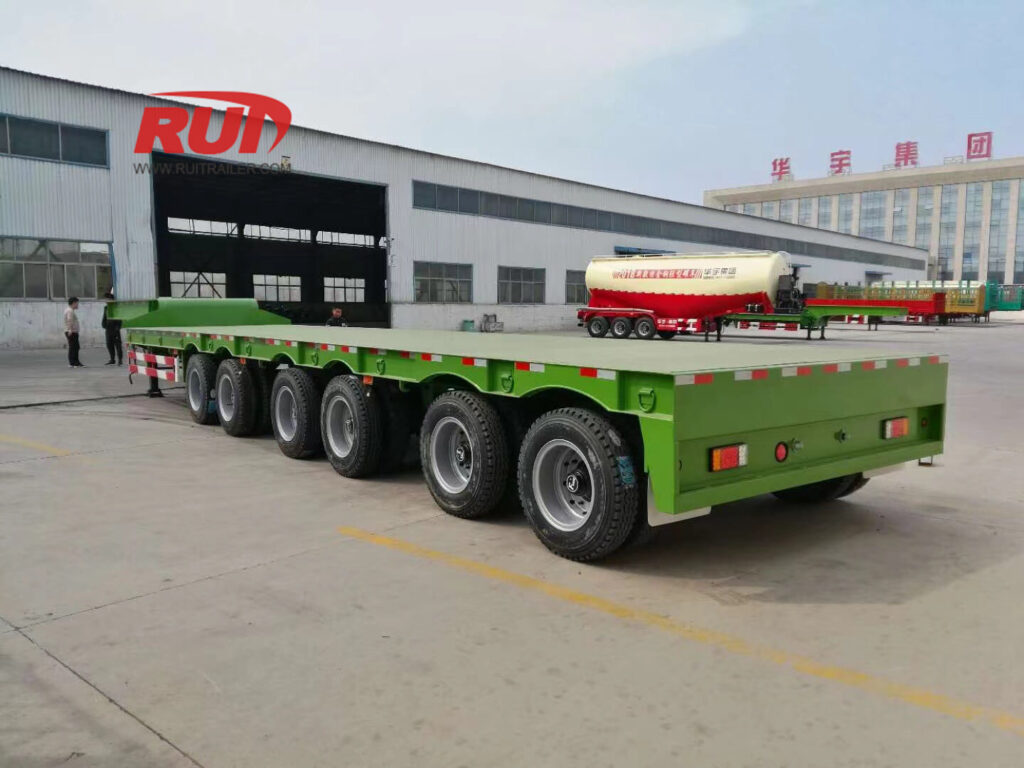
Removable Gooseneck (RGN) Trailers
If you regularly transport massive equipment like bulldozers or cranes, an RGN is exactly what you need. By detaching the front neck, the trailer drops to the ground and acts as its own ramp. You can simply drive heavy equipment directly onto the deck. Investing in a reliable removable gooseneck trailer guarantees the ultra-low deck height required to move oversize loads safely while staying under bridge clearances.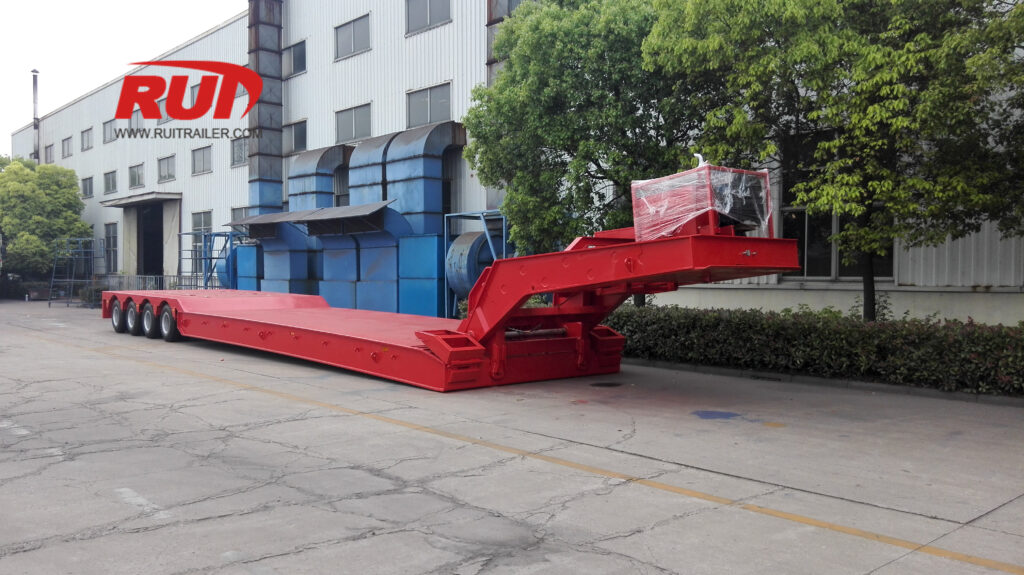
Hydraulic vs. Mechanically Detachable Necks
When selecting a detachable gooseneck, the operational style dictates your loading speed and maintenance needs. We generally see two main configurations:
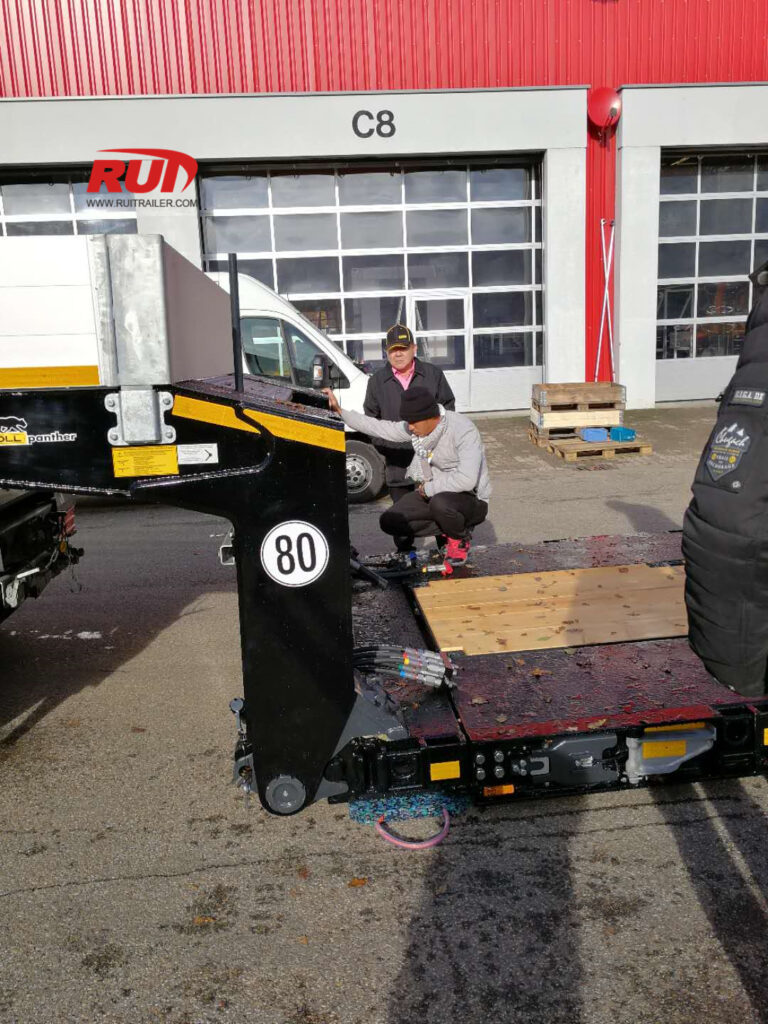
- Hydraulic RGNs: These operate using hydraulic cylinders, powered either by a truck's wet kit or a self-contained neck power pack on the trailer itself. They are incredibly fast to unhook, feature automatic locking mechanisms, and allow you to adjust the ride height effortlessly.
- Mechanical RGNs: These rely on a manual pin system and the truck's forward momentum to separate the neck. They are lighter and cheaper to maintain, though the uncoupling process takes more time. For a closer look at maximizing these features, read our comprehensive RGN trailer guide for heavy haul.

Stretch and Double Drop Trailers
Sometimes, standard trailer specifications won't cut it for complex hauling jobs.
- Stretch Trailers: These are designed to extend in the middle, allowing you to easily accommodate unusually long cargo without risking dangerous overhangs.
- Double Drop Trailer: This style features a "well" that drops drastically below both the front neck and the rear wheels. These specialized dropdeck trailers offer the absolute lowest center of gravity, making it much easier to keep extremely tall cargo within strict legal loads.
Whether you need off-the-lot dimensions or a custom built lowboy trailer, picking the right type ensures your heavy hauls are efficient, safe, and compliant.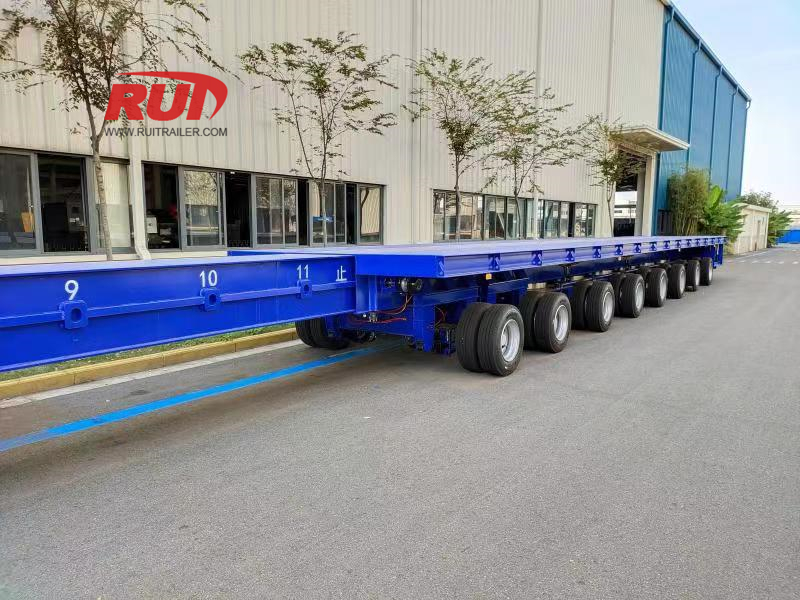
Key Features and Specifications
The Importance of Low Deck Heights
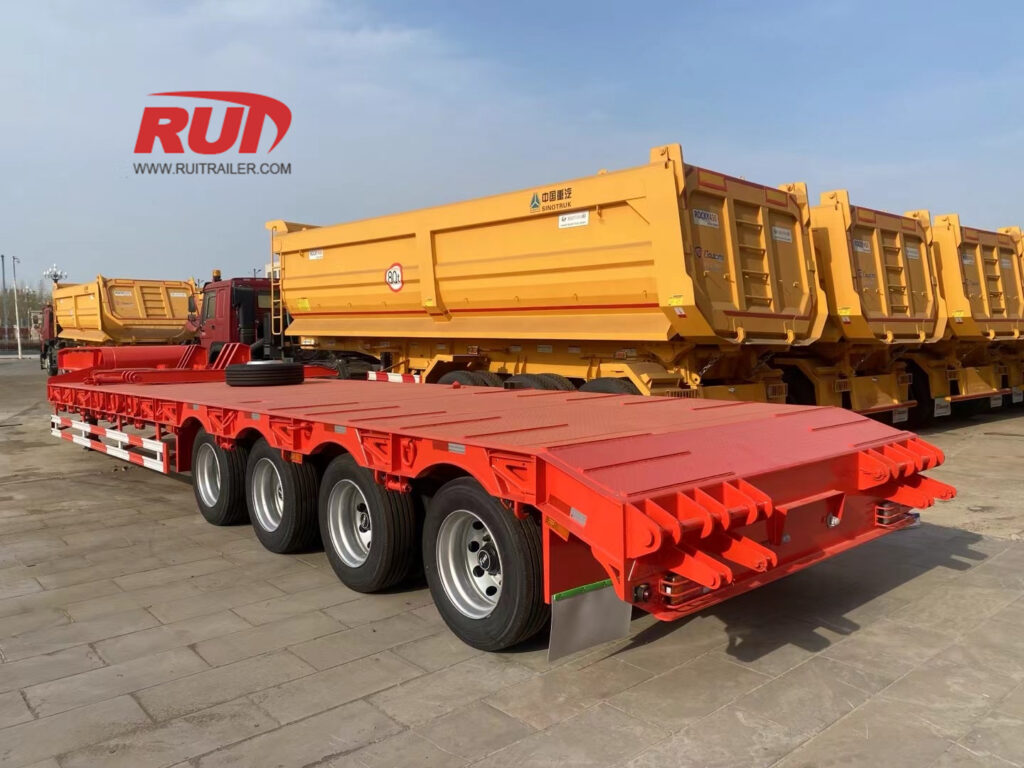
The defining characteristic of a lowboy trailer is its "double drop" design. Unlike a standard flatbed, the deck sits significantly lower than the trailer's tires. This drop is critical for two reasons: height clearance and stability.
By lowering the center of gravity, we can safely haul loads that are exceptionally tall—often accommodating freight up to 10 feet high—without violating standard height restrictions. This design allows operators to transport massive industrial equipment like bulldozers and cranes while maintaining a lower profile for safer cornering and bridge clearance.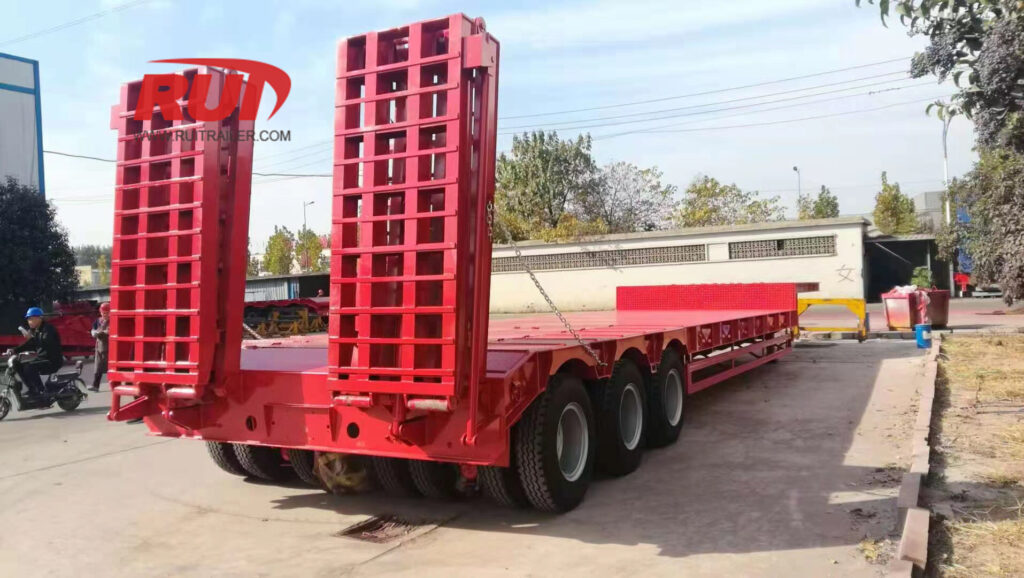
Axle Configurations and Weight Distribution
Standard lowboys typically measure 53 feet in overall length, but the configuration changes based on the load. While a standard 35-ton model operates with two axles, heavier loads often require additional axles to legally distribute the weight.
For those managing complex fleets, understanding the low bed multi-axle trailer guide is essential for compliance. A lightweight 35-ton trailer typically weighs between 15,000 and 18,000 lbs, whereas heavy-duty models built for oversize loads can weigh up to 40,000 lbs.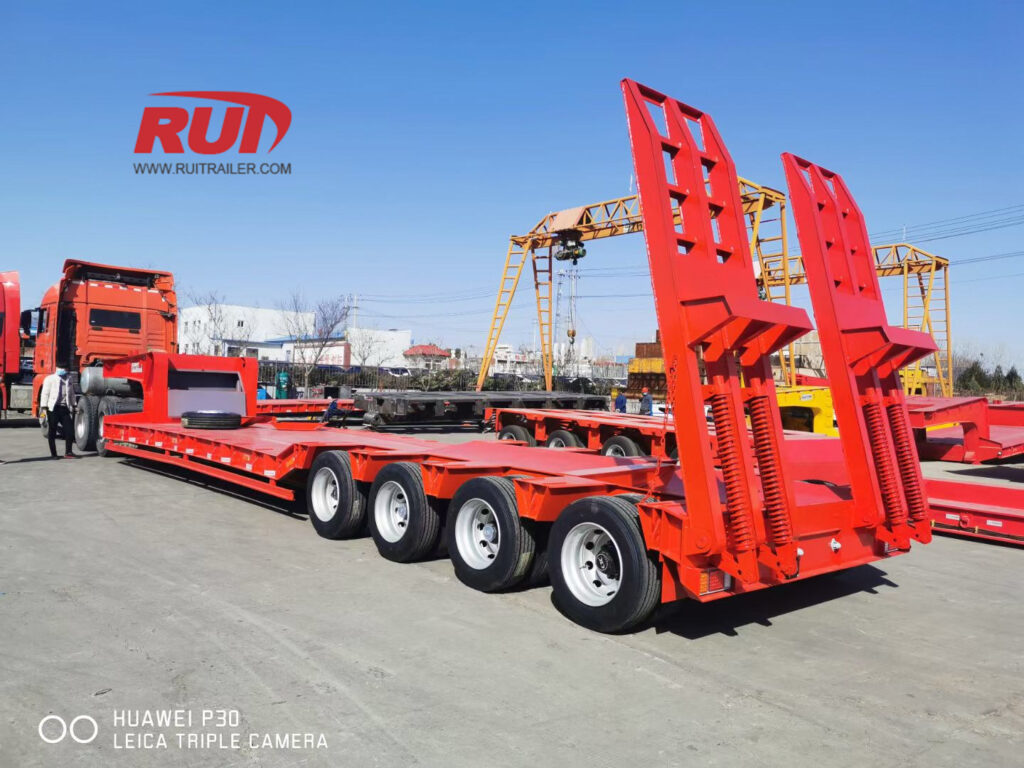
Suspension Options
While the specific suspension setup varies by model, the structural design of the lowboy prioritizes load stability above all else. The "well"—the lower deck section—typically ranges from 24 to 26 feet long, with some stretch models extending up to 29 feet. This long, low well acts as a cradle for heavy machinery, providing a center of gravity that is far superior to single-drop or flatbed trailers, drastically reducing the risk of tipping during transport.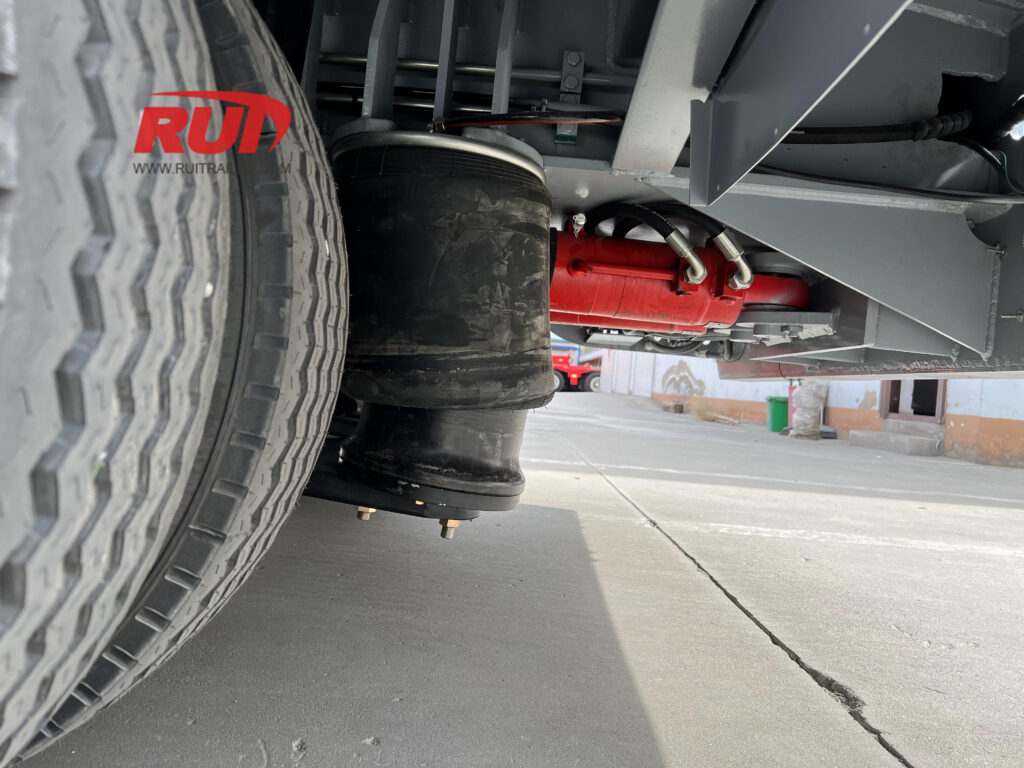
Loading Ramps and Rear Accessories
The method of loading depends entirely on the neck design.
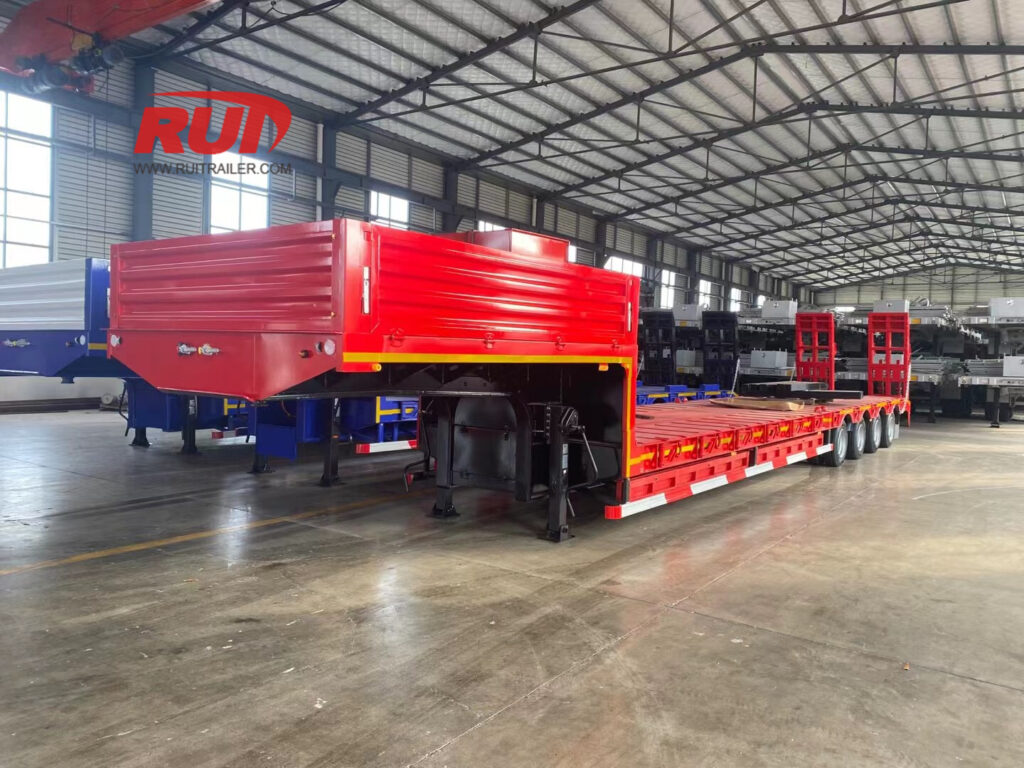
- Fixed Gooseneck (FGN): These feature drop ramps at the rear. Equipment is driven over the back tires and onto the deck. This is a lighter, often more affordable option.
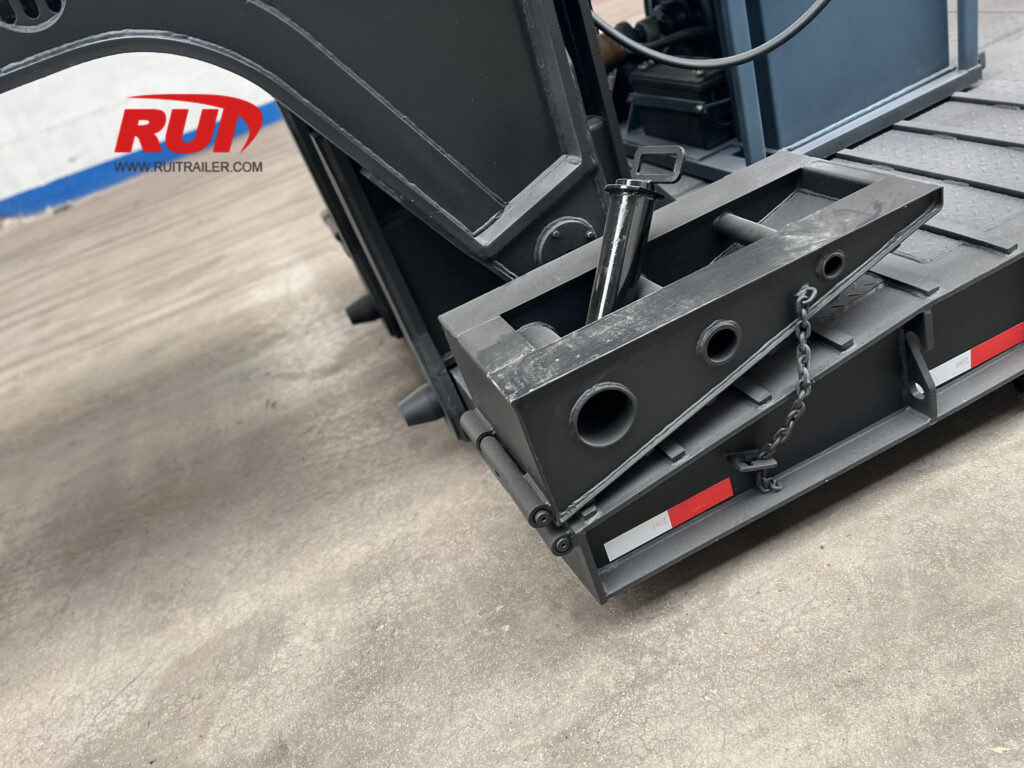
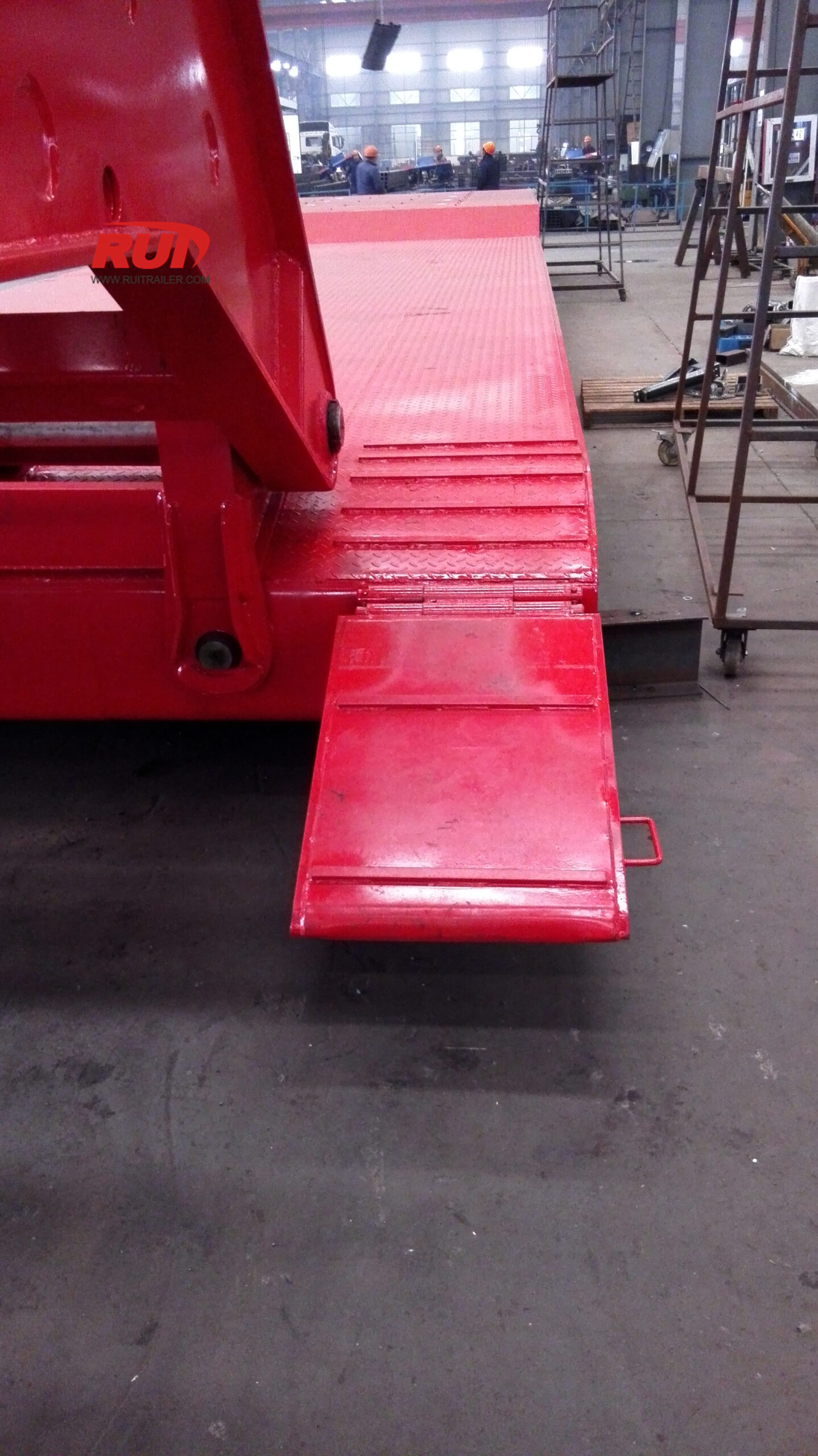
- Removable Gooseneck (RGN): These utilize a hydraulic mechanism to detach the front neck. This allows heavy machinery to be driven, rolled, or pushed directly onto the front of the trailer deck, eliminating the need to climb over the rear axles.
- Stretch / Schnabel: For extremely long loads, these specialized trailers feature a variable well length to prevent dangerous overhangs.
Advantages and Benefits of Using Lowboys
I rely on a lowboy trailer because it tackles the toughest transport challenges head-on. If you move heavy equipment, the functional benefits of these specialized trailers directly impact your bottom line and operational safety.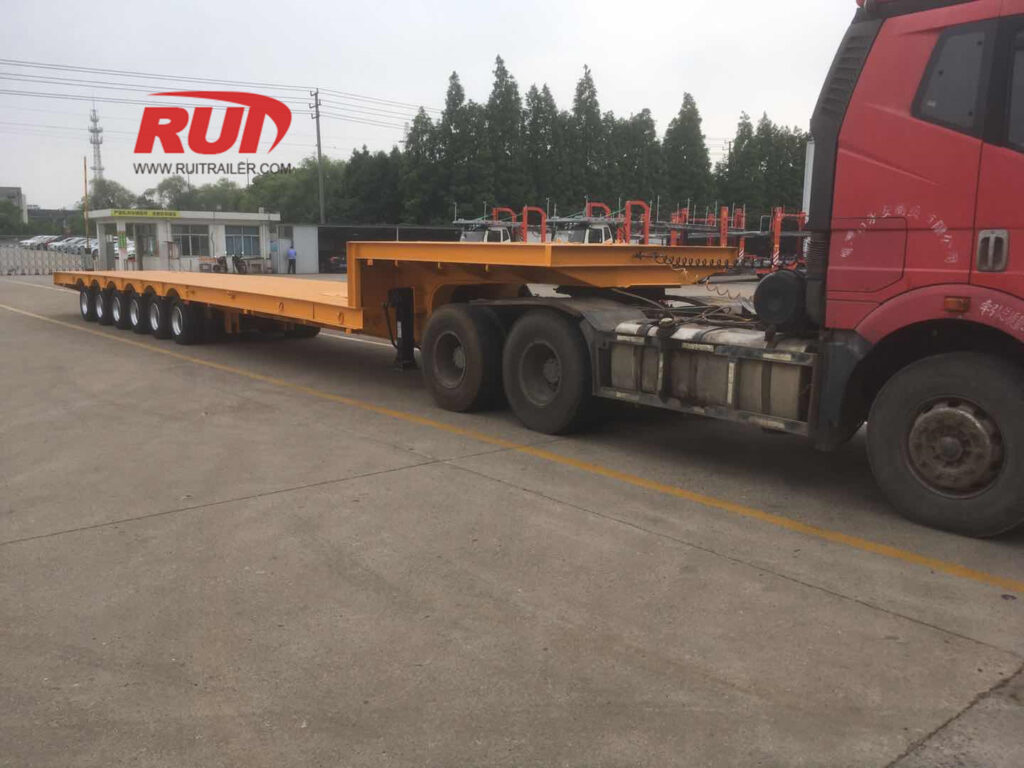
Maximizing Overhead Clearance
A low deck height is the primary reason we deploy these trailers. When hauling tall cranes or massive construction gear, overhead bridges and power lines are constant obstacles. The deep drop design keeps your oversize loads closer to the pavement, ensuring your freight stays within legal loads for height and eliminating the need for complex, time-consuming route detours.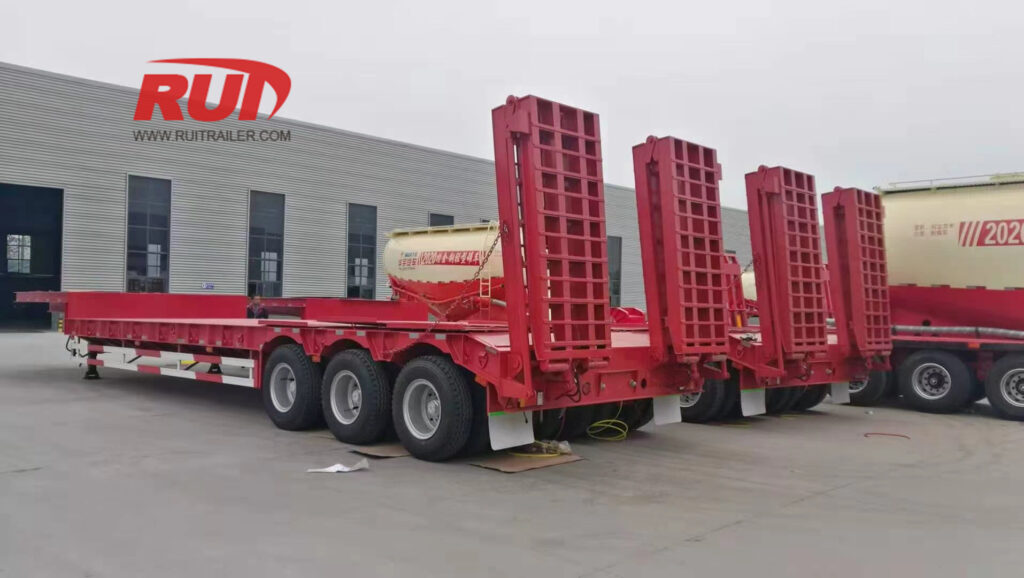
Enhanced Load Stability and Safety
Physics dictates that a lower center of gravity results in a safer ride. Drop deck trailers naturally anchor heavy weight near the road surface, which drastically cuts down the risk of rollover accidents.
- Better Cornering: Reduces trailer sway when taking sharp turns with top-heavy cargo.
- Secure Transit: Provides a stable platform for high-stakes industrial and machinery carrying operations.
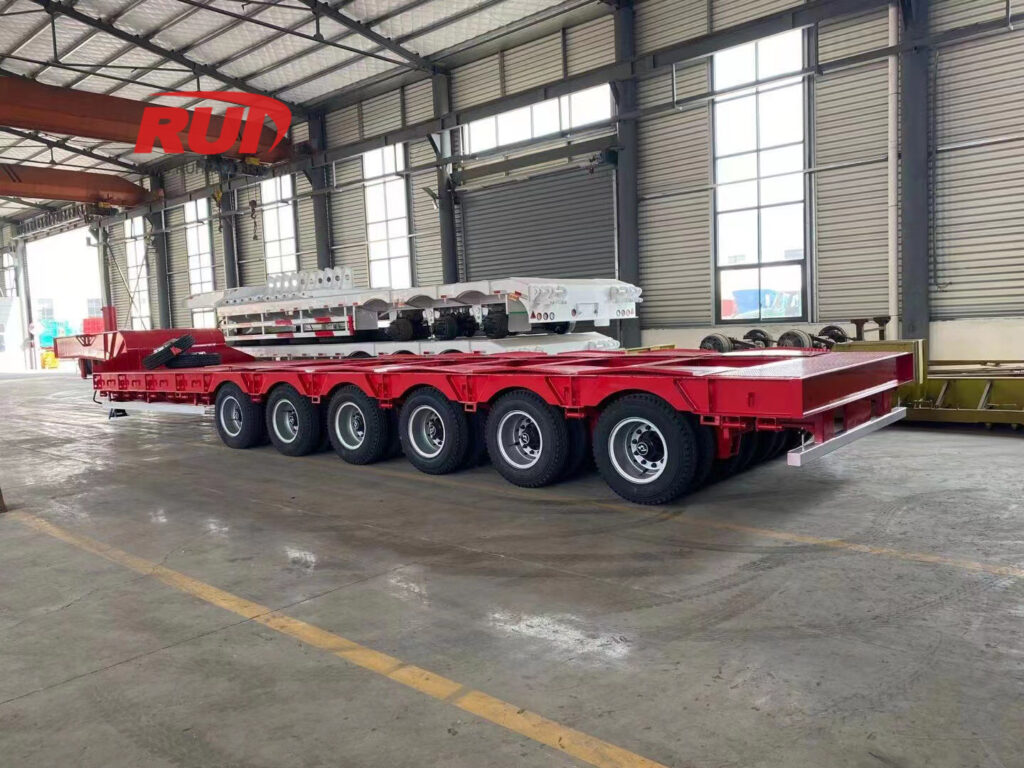
- Scale Safety: For extreme weights, matching your lowboy with the right hydraulic modular trailer for your heavy haul ensures maximum safety and load capacity
 .
.
 .
.Extreme Versatility for Heavy Haul
Lowboys adapt to the machinery, not the other way around. Whether you run a standard model or a custom built setup, the loading flexibility is unmatched.
- Front-Loading Efficiency: By using a removable gooseneck (RGN), operators can detach the front neck and drive tracked assets like bulldozers straight onto the deck.
- Fast Rigging: Integrating a self-contained neck power pack allows for rapid decoupling and reattachment in the field without relying on the truck\'s wet kit.
| Feature | Core Advantage | Ideal Application |
|---|---|---|
| Low Profile Deck | Avoids overhead bridge impacts | Tall oversized loads, heavy cranes |
| Low Center of Gravity | Prevents tipping and load shift | Top-heavy heavy equipment |
| Detachable Neck (RGN) | Ground-level drive-on access | Bulldozers, large wheeled loaders |
How to Choose the Right Lowboy Trailer
When we help clients expand their heavy haul fleets, selecting the exact right lowboy trailer is always the top priority. A mismatch here means wasted money, unsafe transport, and delayed projects. Here is exactly how we break down the decision.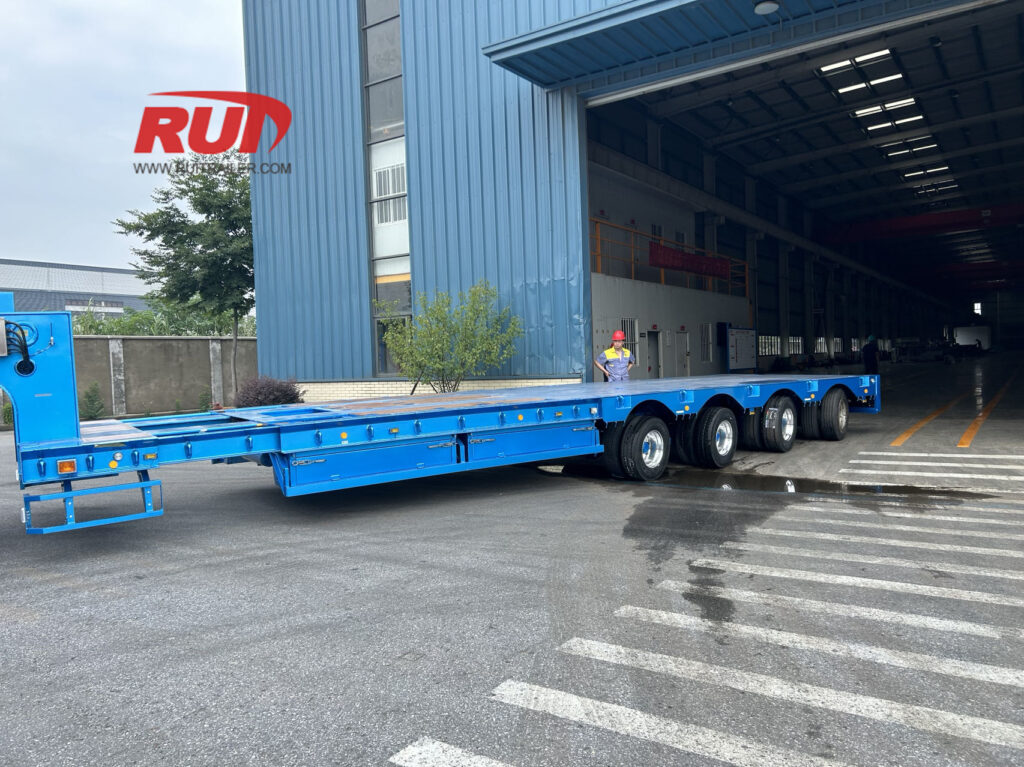
Determining Tonnage and Carrying Capacity
You need a trailer built specifically for your heaviest machinery. Carrying capacity dictates the necessary structural integrity from the front neck down to the rear axles. Whether you are moving standard bulldozers or massive industrial cranes, always cross-reference your heaviest assets with the manufacturer's trailer specifications to ensure safe machinery carrying.
| Load Type | Estimated Weight | Recommended Capacity |
|---|---|---|
| Standard Bulldozers | 15 - 30 Tons | 35 - 50 Tons |
| Industrial Cranes | 40 - 60+ Tons | 55 - 85+ Tons |
| Extreme Machinery | 80+ Tons | 100+ Tons |
Assessing Route Restrictions and Compliance
Keeping your shipments classified as legal loads requires strict attention to regional transport laws. Route restrictions directly impact your equipment choices. You must account for bridge weight limits, tight turning radium, and overhead clearances that absolutely demand an extreme low deck height. When navigating complex routes with massive cargo, integrating a steerable trailer into your operation ensures you meet strict maneuverability and compliance standards on restrictive public roads.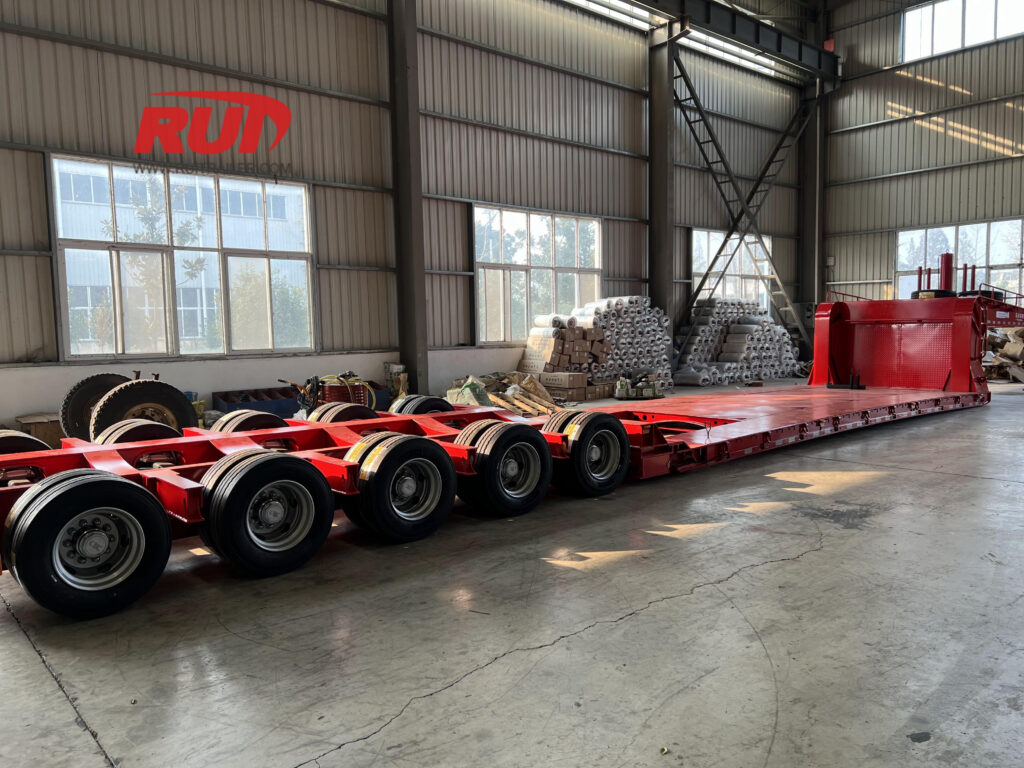
Custom-Built vs. Standard Trailer Options
Your daily operational focus determines whether an off-the-lot solution works or if you need a highly specialized rig.
- Standard Options: Standard drop deck trailers and standard RGN (removable gooseneck) models handle the vast majority of everyday heavy equipment hauling. They offer fast availability and reliable performance for typical construction loads.
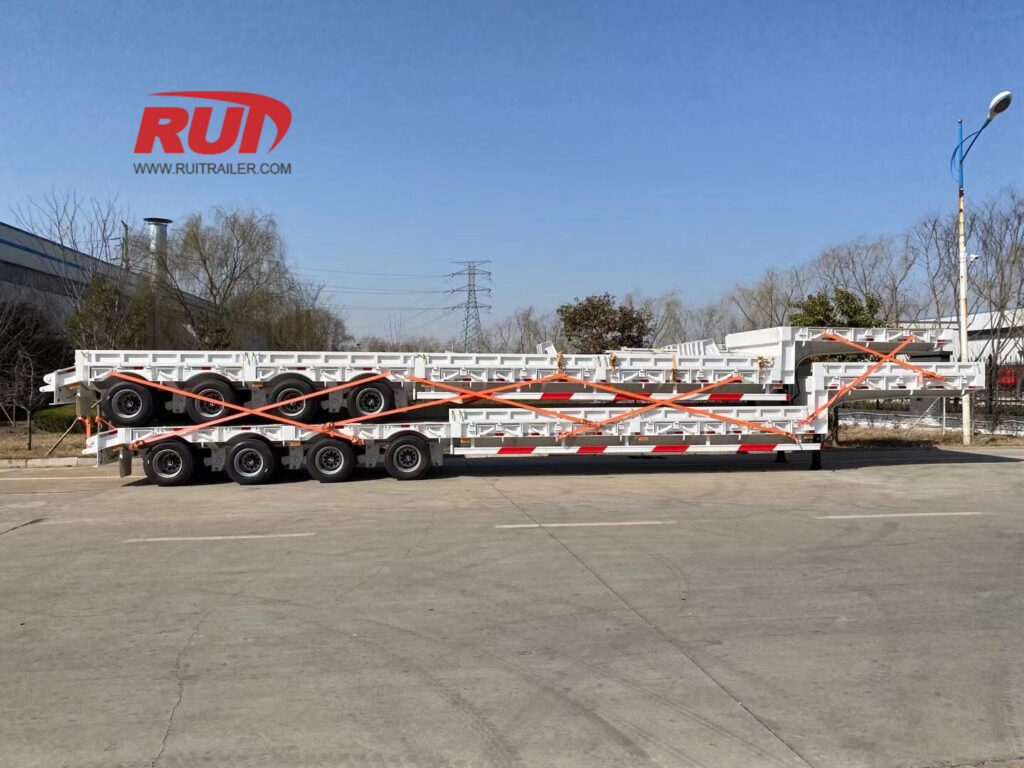
- Custom-Built Options: For unique oversize loads, getting a rig custom built is non-negotiable. You can spec out exact details like a dedicated neck power pack, advanced automatic locking mechanisms, or highly specialized axle spacing. If your fleet frequently handles unusually long cargo, utilizing an extendable trailer gives you the precise structural flexibility required for those demanding, high-revenue industrial jobs.

Frequently Asked Questions
How Much Does a Typical Lowboy Trailer Weigh?
In my experience, a standard empty lowboy trailer weighs anywhere from 15,000 to 25,000 pounds. However, this base weight fluctuates based on your specific trailer specifications. If you are running a heavy-duty removable gooseneck (RGN) or a custom built model designed for extreme capacity, expect the tare weight to climb. Remember, the heavier your trailer, the less capacity you have left for your legal loads before you need to file for special permits.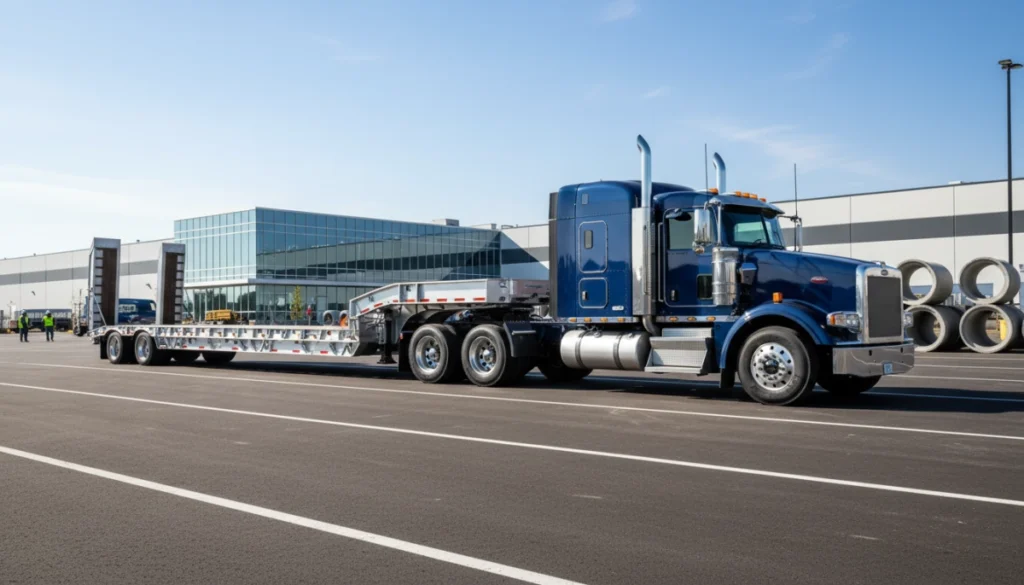
What is the Maximum Legal Length?
For a standard lowboy trailer, the overall legal length typically falls between 48 and 53 feet. The usable low deck height space, commonly called the "well," usually measures between 24 and 29.5 feet. If you are transporting massive oversized loads that extend beyond these standard dimensions, you will need a stretch trailer and must secure the appropriate over-length transport permits for your specific route.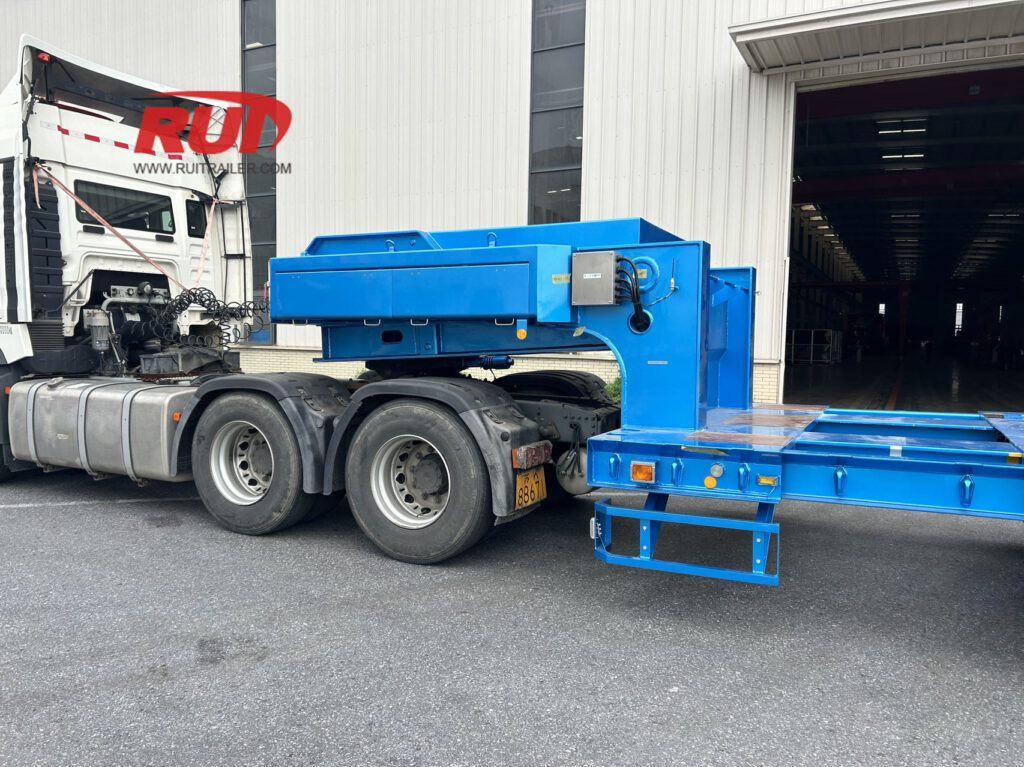
How Many Axles Do I Need for My Load?
The number of rear axles you run dictates your total hauling capacity. Your setup must match the weight of the heavy equipment you plan to move. Here is a quick baseline guide I use to match loads:
- 2-Axle Lowboys: Ideal for standard machinery carrying up to 40,000 lbs.
- 3-Axle Lowboys: The industry sweet spot, handling capacities up to 80,000 lbs.
- 4+ Axle Configurations: Essential for hauling payloads pushing past 100,000 lbs.
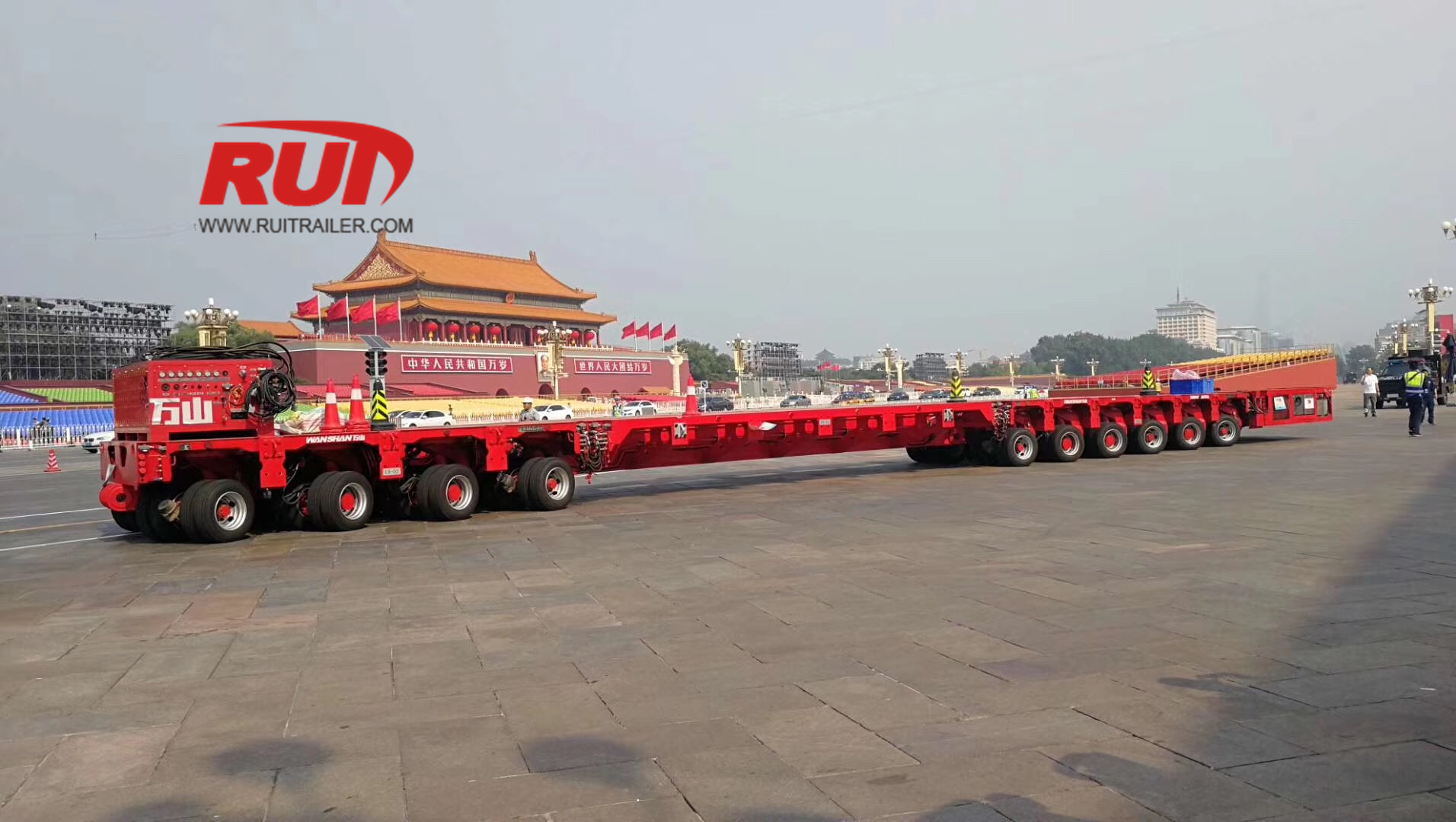
When you start moving massive industrial components, a standard lowboy might not be enough. For those extreme weights, transitioning to a highly configurable multi-axle trailer ensures you spread the tonnage safely and legally across the pavement. If your operations regularly involve ultra-heavy project cargo, integrating a Goldhofer modular trailer into your fleet is the most reliable way to maximize load stability and road compliance.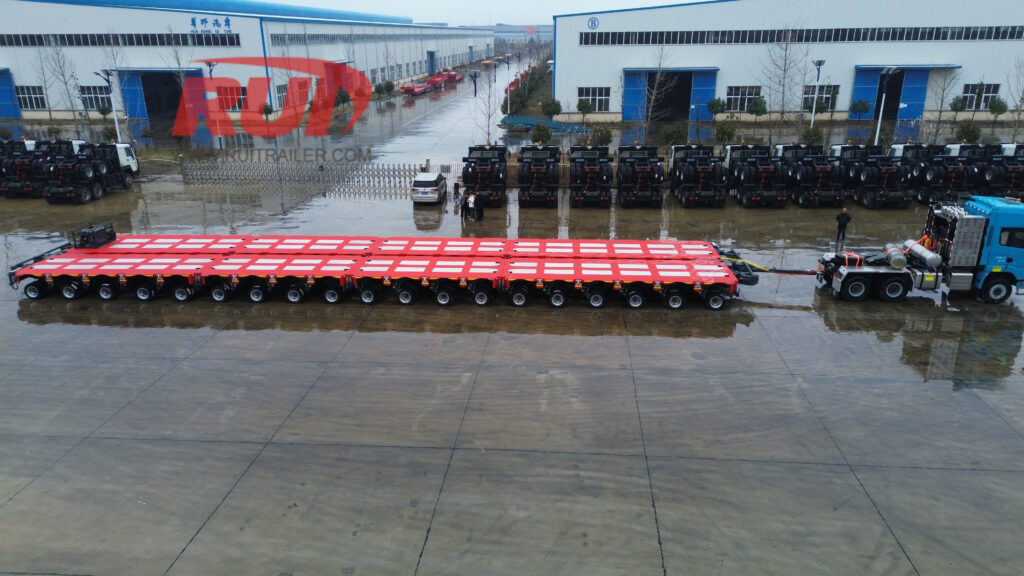
 English
  German
  Turkish
  French
  Portuguese
  Russian
  Arabic
  Hindi
Hindi  Vietnamese
  Chinese
  Spanish
  Indonesian
  Swahili