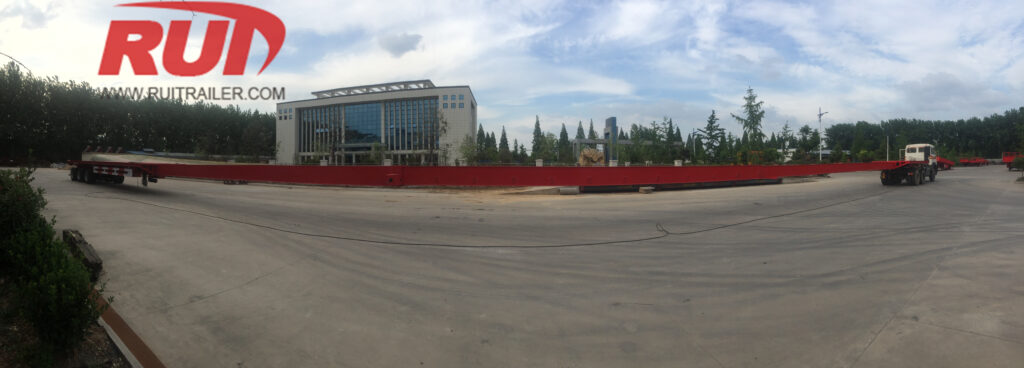
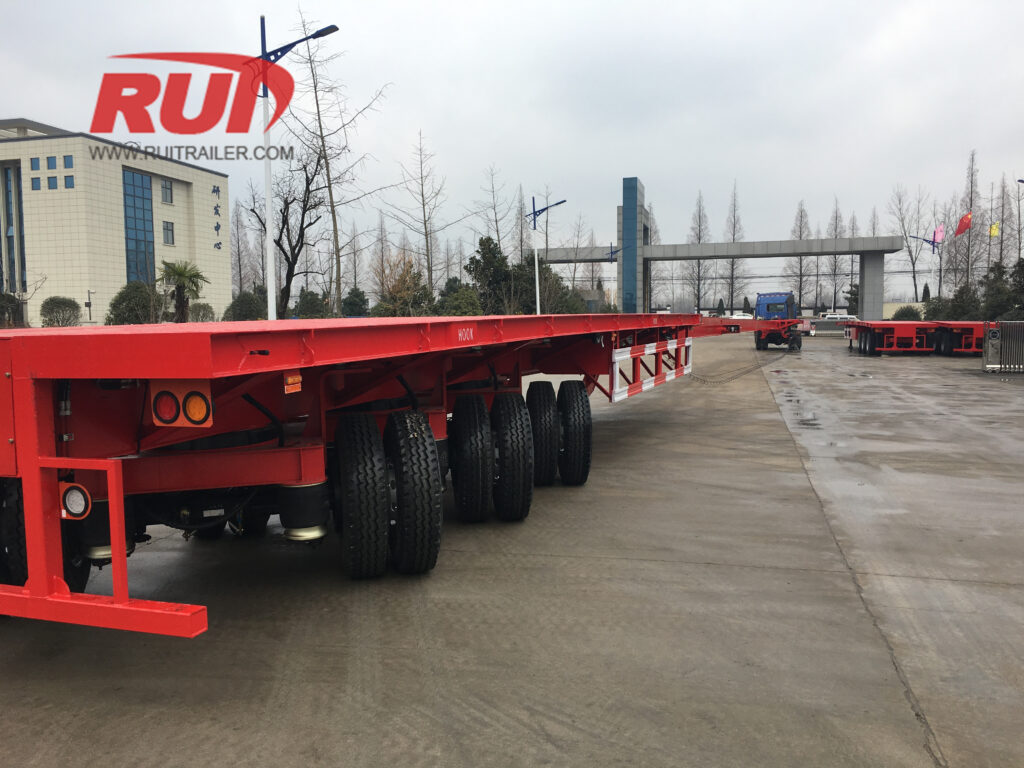
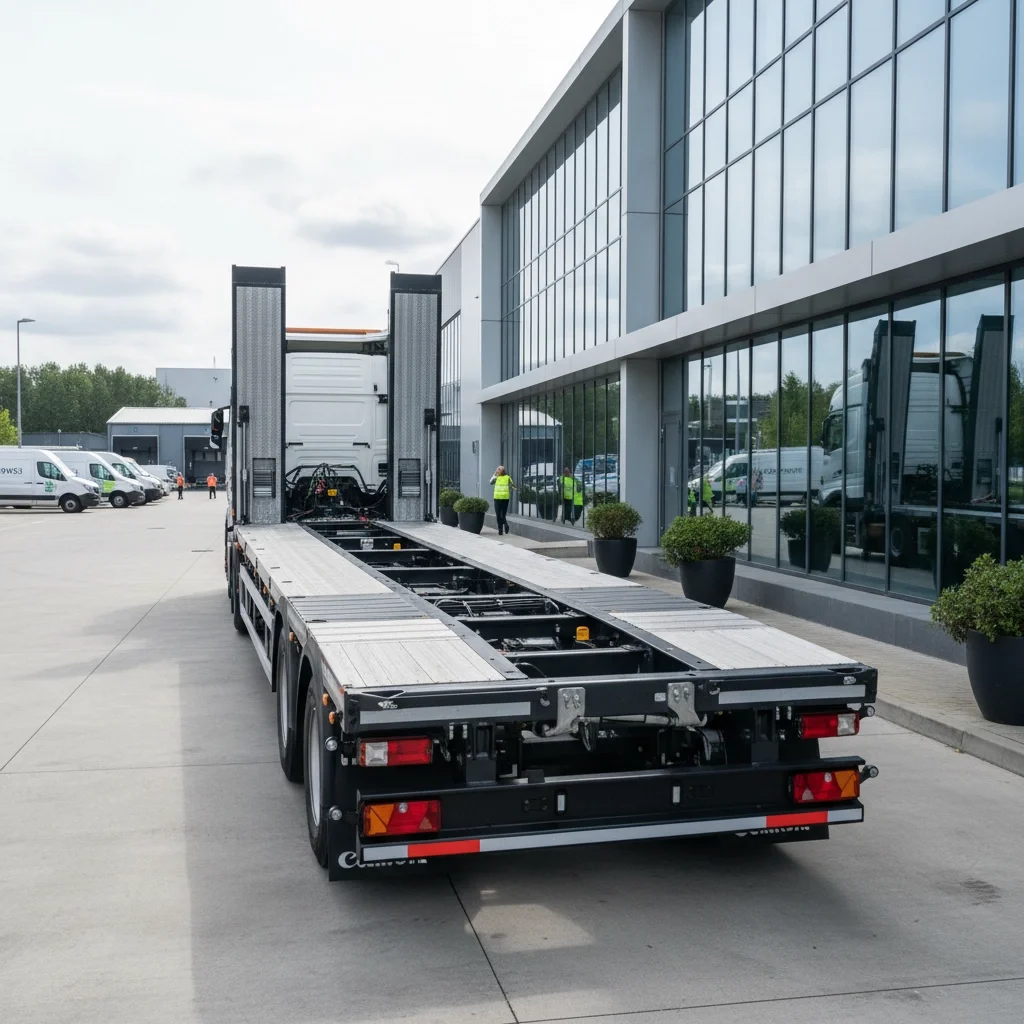
An extendable trailer, often referred to in the industry as a telescopic trailer or Teletrailer, is a specialized semi-trailer engineered specifically for the transport of exceptionally long loads. Unlike standard flatbed trailers with fixed dimensions, these units feature a chassis capable of lengthening to accommodate cargo that exceeds standard legal limits, such as steel structures, concrete beams, and wind turbine blades. The core functionality revolves around a flexible load floor that can be adjusted to the exact length of the cargo, ensuring that self-supporting loads are transported safely and efficiently. These trailers are essential for logistics operations where standard deck length is insufficient, offering a solution that combines high payload capacity with the maneuverability required for complex routes.
How Telescopic Extension Works
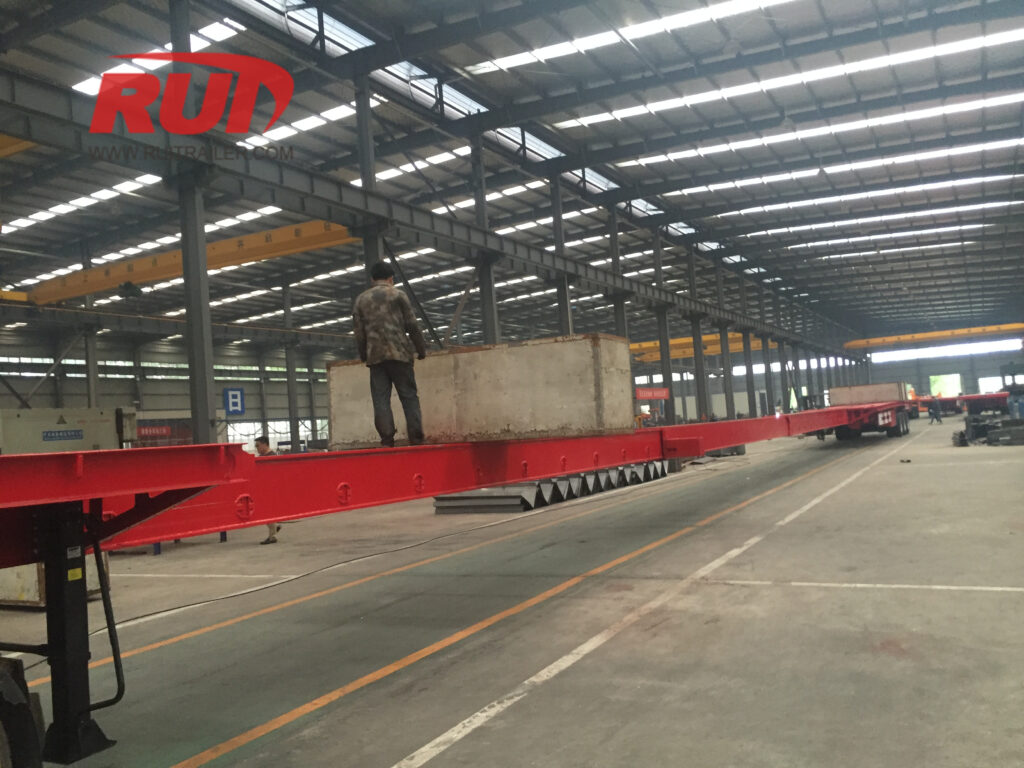
The versatility of an extendable trailer lies in its sophisticated telescopic mechanism. The chassis consists of nested beams that slide out to increase the total length of the vehicle. Depending on the specific transport requirements, these trailers are available in various configurations, ranging from single extendable to quadruple extendable versions.
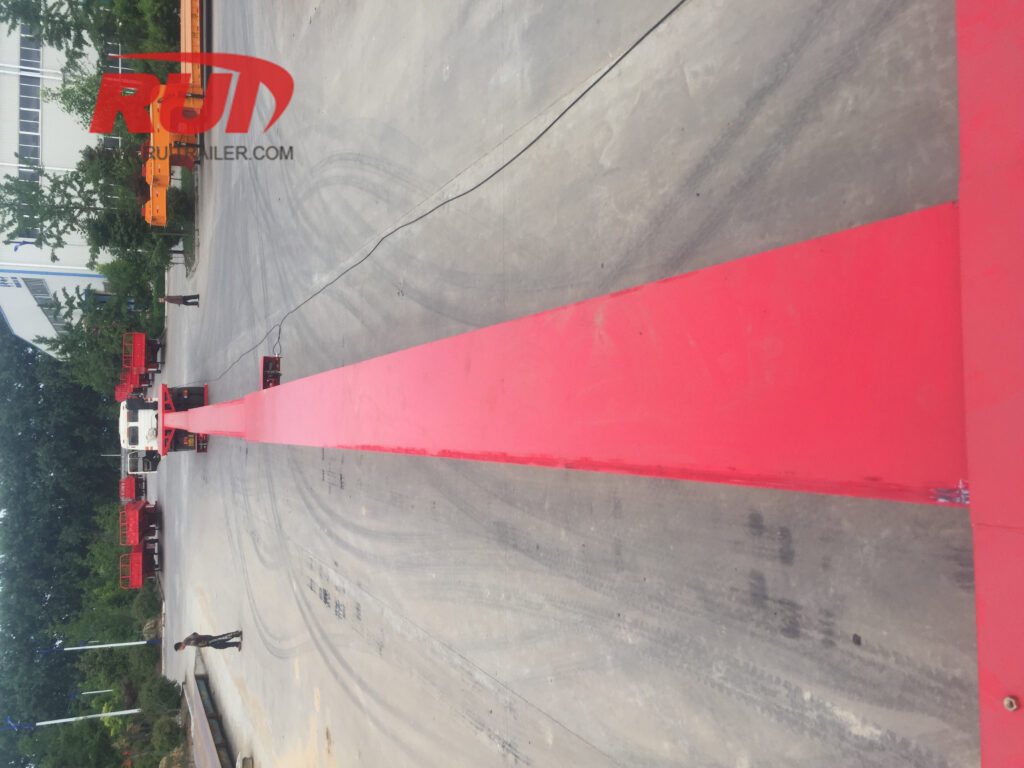
Extension Process: The tractor unit pulls the inner beams out while the trailer wheels remain braked, extending the trailer to the desired length.
Securing the Load: Once the correct length is achieved, pneumatic locking pins engage to secure the beams in place, ensuring structural rigidity during transit.
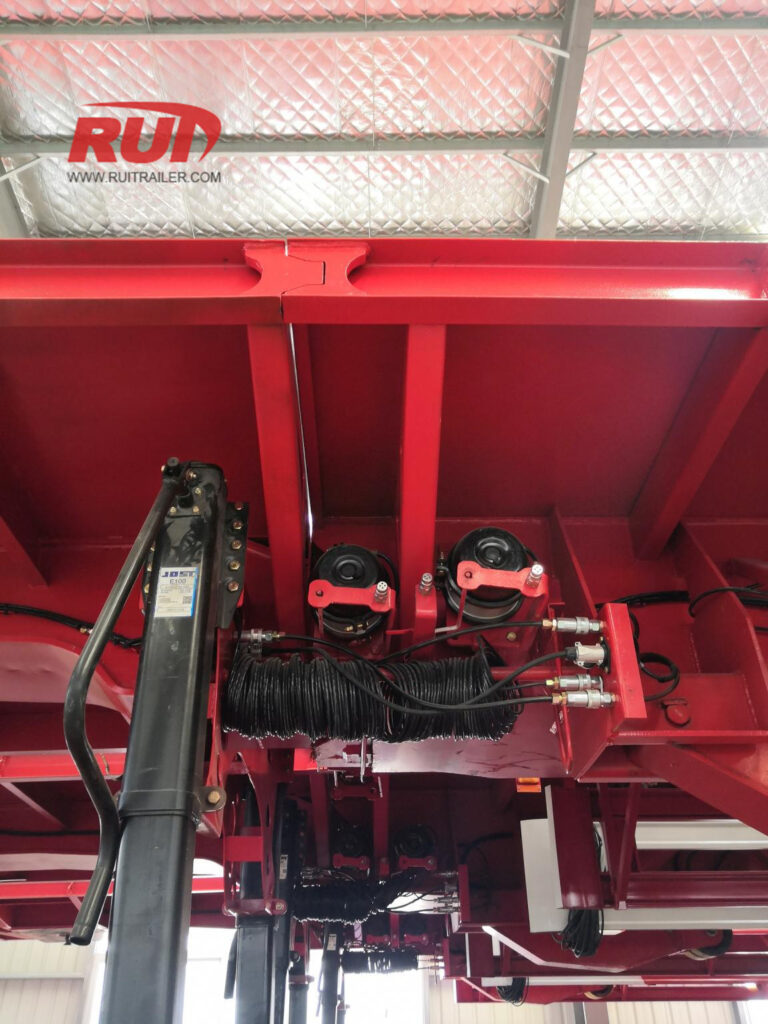
Cable and Hose Management: All cabling and hydraulic lines are housed within a protective energy chain or guide system, extending smoothly alongside the chassis beams without tangling or damage.
Longitudinal vs. Wide Extension
While some specialized transport equipment focuses on width for heavy machinery, the primary design of the Teletrailer is optimized for longitudinal transports. The engineering priority is to maximize length without compromising stability. A quadruple extendable trailer, for instance, can reach extreme lengths to accommodate the latest generation of rotor blades.
Longitudinal Focus: The central beam extends lengthwise, significantly increasing the wheelbase to support long, rigid objects. This setup often requires hydraulic steering systems to navigate corners effectively despite the extreme length.
Width Considerations: While the main focus is length, the flat load floor provides a stable platform. For wider loads, specific semi trailers like the semi-low loader may be utilized, but the classic extendable trailer is the industry standard for conquering length challenges in long load logistics.
Key Benefits and Advantages of Extendable Trailers
Versatility for Varying Cargo Lengths
The primary advantage of an extendable trailer is its ability to adapt to the specific dimensions of the cargo. We design these units to handle everything from standard construction materials to extreme long loads like wind turbine blades. The telescopic trailer mechanism allows the deck to extend in stages—single, double, triple, or even quadruple extendable (4x).This flexibility means you are not limited to a fixed deck length. The extension beams feature adjustable locking pins, allowing operators to set the trailer to the exact length required for the job. This adaptability makes it the ideal solution for transporting self-supporting loads such as steel structures and concrete beams without needing a specialized trailer for every single project.
Cost-Efficiency and Logistics Optimization
In the heavy haulage industry, efficiency directly impacts the bottom line. Our trailers are engineered using high-grade steel to minimize dead weight while maximizing legal payload capacity. A lighter trailer means you can carry heavier cargo while staying within road regulations, optimizing your transport logistics.Key Efficiency Factors:
High Residual Value: Premium build quality ensures the trailer retains value over time.
Low Maintenance: Robust components reduce downtime and repair costs.
Enhanced Stability and Road Safety for Over sized Loads
Transporting over-length cargo requires superior control. To ensure safety, many of our models are equipped with advanced hydraulic steering systems. This technology provides exceptional maneuverability, allowing drivers to navigate tight corners, roundabouts, and construction sites that would be impossible with a standard rigid trailer.Safety is further reinforced by pneumatic locking systems on the extension beams and heavy-duty lashing points. For extremely long items, such as those carried by a specialized extendable wind blade trailer, the steering angle and chassis stability are critical for preventing accidents and ensuring the load reaches its destination intact. The combination of a stable load floor and precise steering gives operators the confidence to handle the most challenging routes.
Common Types of Extendable Trailers
In the heavy transport industry, one size rarely fits all. We categorize extendable trailers based on their deck height, steering capabilities, and extension mechanisms to ensure the right equipment meets specific logistical challenges. From hauling wind turbine blades to transporting massive steel structures, understanding these variations is critical for optimizing your fleet.
Extendable Flatbed and Step Deck Trailers
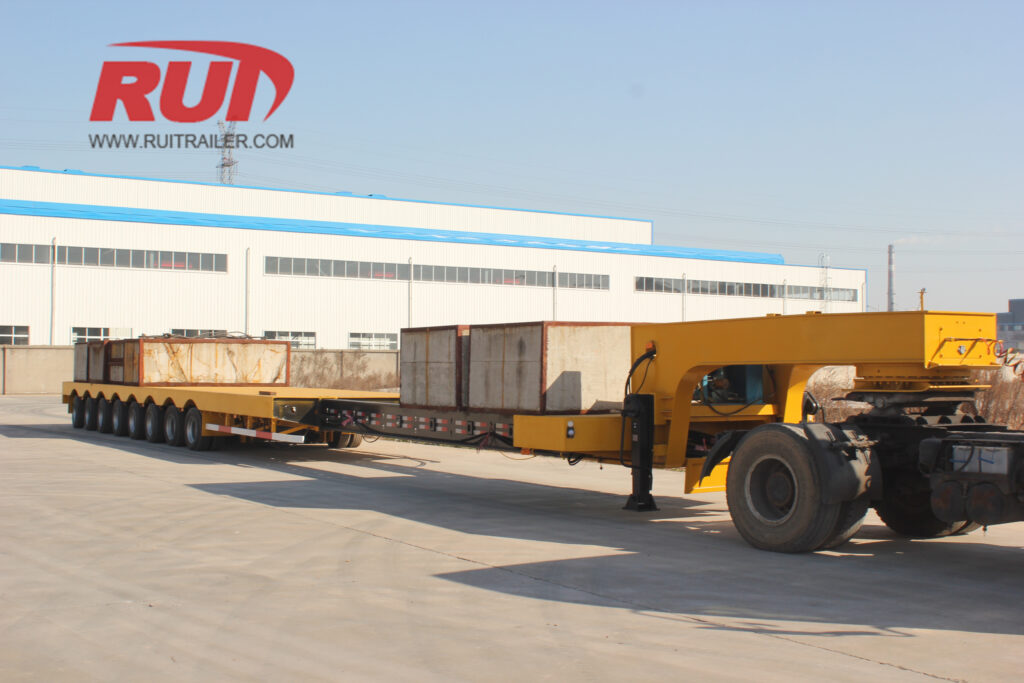
The extendable flatbed, often referred to in our lineup as the Teletrailer, is the standard solution for self-supporting long loads. These units feature a flat extendable load floor that maximizes versatility for cargo like concrete beams and steel structures.
Extension Capacity: These trailers are available in single (1x), double (2x), triple (3x), and even quadruple (4x) extendable versions.
Design: The flat deck allows for easy loading from all sides and accommodates loads that extend significantly beyond the rear, provided the center of gravity is managed.
Step Deck Variation: For slightly taller loads, step deck versions offer a lower rear deck height while maintaining the telescopic mechanism for length.
Telescopic Low Bed and Double Drop Trailers
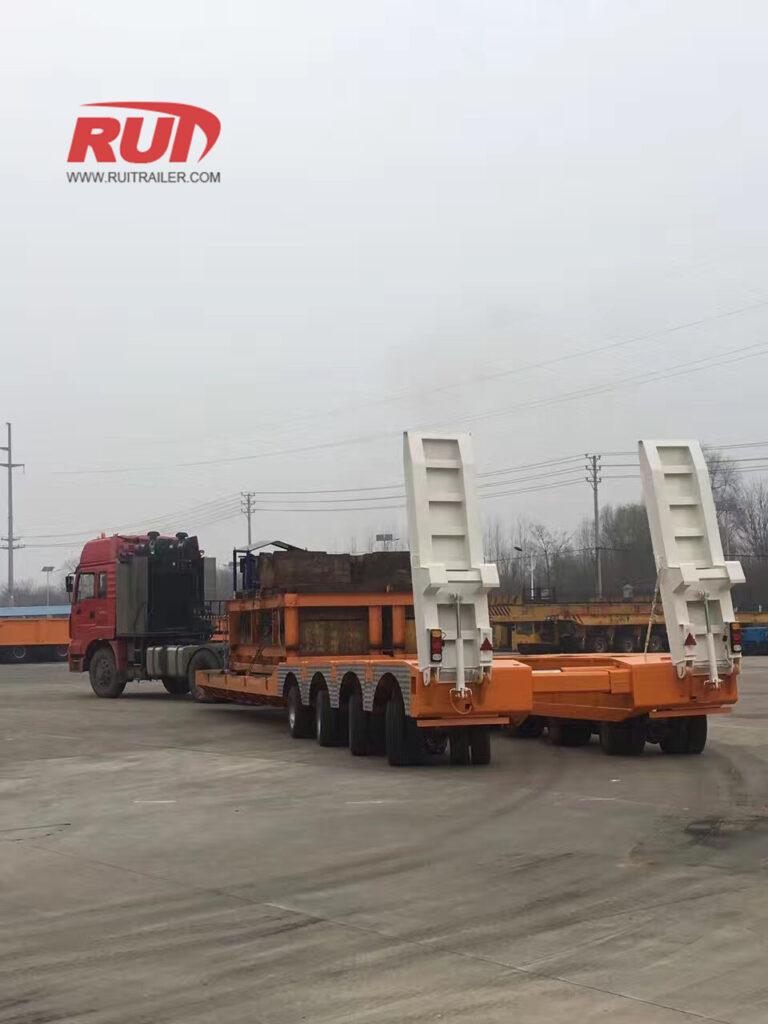
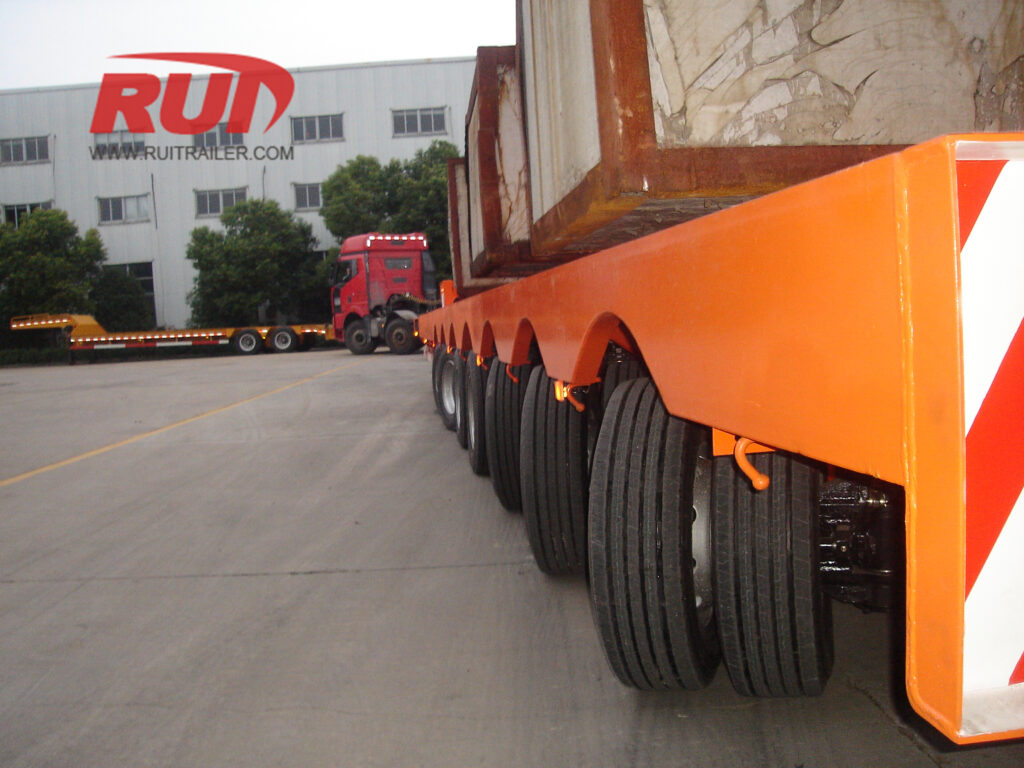
When cargo height becomes a restriction alongside length, we turn to telescopic low loaders. These semi trailers are engineered with a significantly lower deck height to transport tall industrial components under bridges and tunnels legally.
Low Deck Advantage: Ideal for heavy machinery or over-sized industrial parts where vertical clearance is tight.
Stability: The lower center of gravity improves road handling for heavy, long loads.
Configuration: These often feature double drop trailers designs, creating a “well” that extends to accommodate length.
For detailed specifications on height-optimized transport, our guide on the low bed semi trailer provides deeper insights into deck configurations.
Hydraulic vs. Mechanical Detachable Models
The maneuverability of an extendable trailer is defined by its steering system. As the deck length increases—especially in quadruple extendable units—navigating tight corners requires advanced engineering.
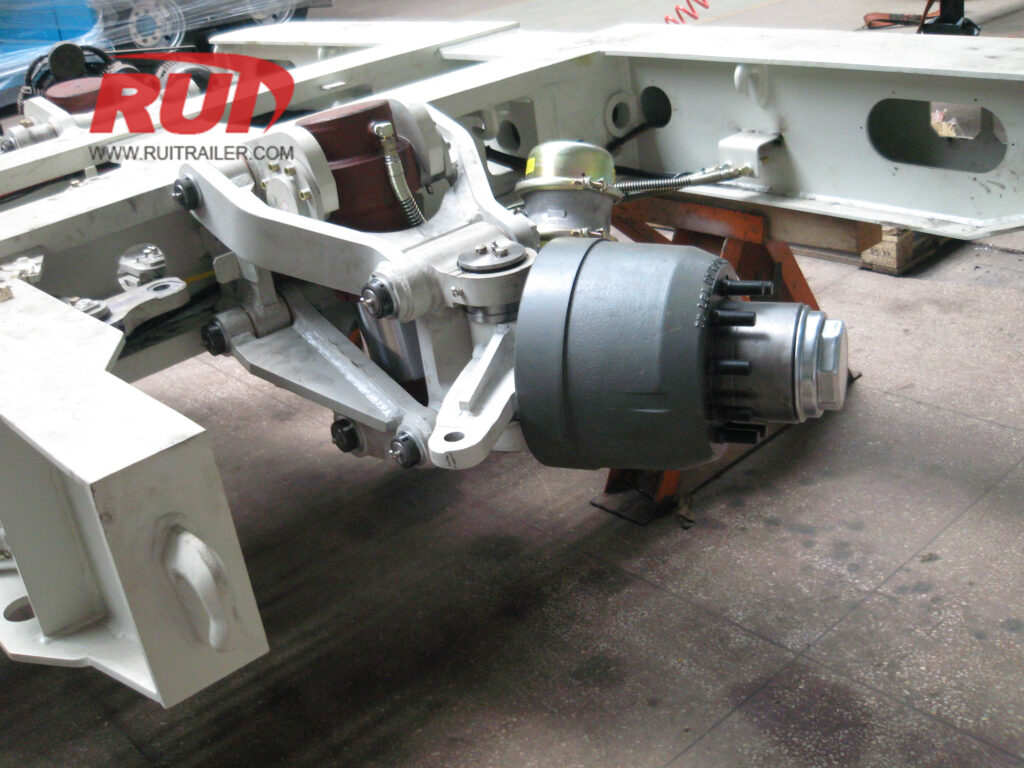
Hydraulically Forced Steering: This is the premium choice for extreme lengths. Systems like the “Command steering” use hydraulic cylinders to force the axles to steer, providing a much larger steering angle. This allows for exceptional maneuverability in reverse and through narrow access roads.
Friction/Mechanical Steering: A more cost-effective option for shorter extensions. These axles steer based on the friction and movement of the tractor but lack the precision of hydraulic systems in tight spots.
Detachable Necks: Many models feature detachable front sections to facilitate front-loading of machinery.
Specialized Gooseneck Extendable Trailers
The gooseneck trailer design is fundamental to heavy haulage, connecting the trailer to the tractor unit and distributing weight effectively. In extendable configurations, the gooseneck must be robust enough to handle the increased leverage of a fully extended beam.
Load Distribution: The gooseneck transfers a significant portion of the payload weight to the truck’s drive axles.
Versatility: These are essential for longitudinal transports where the structural integrity of the connection point is paramount.
To understand how these connection types function in heavy haulage, you can review the mechanics of a detachable gooseneck trailer.
Core Technical Specifications and Components
Main Beam and Reinforced Chassis Design
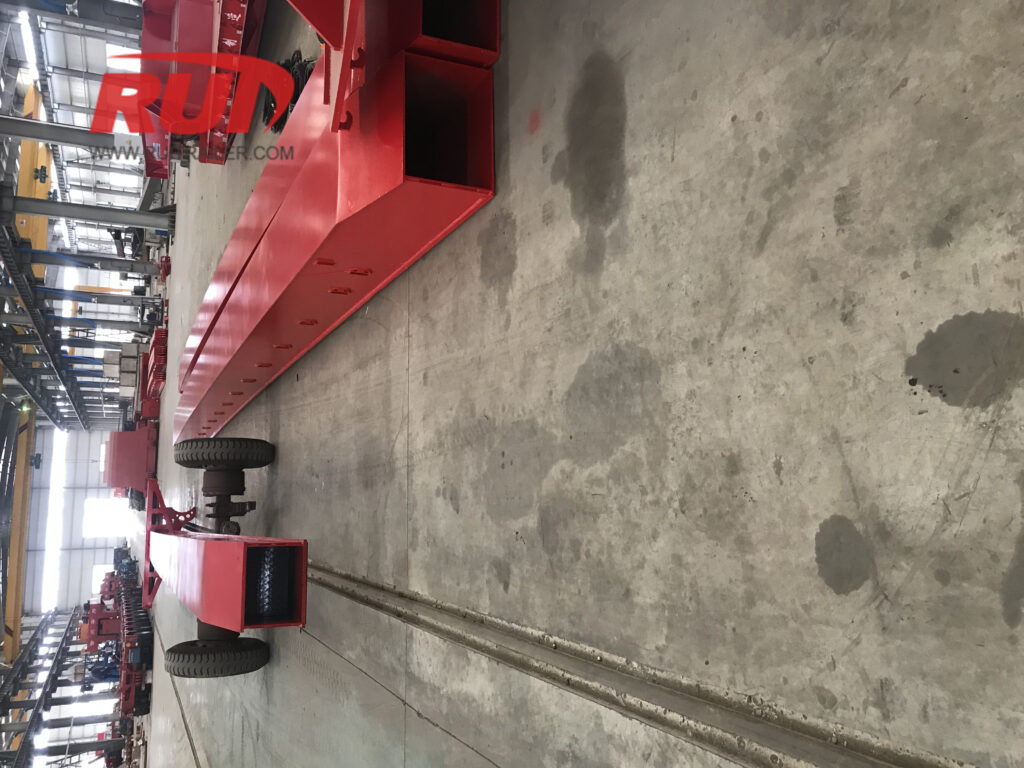
The backbone of any reliable extendable trailer is its central beam. We utilize high-tensile steel to construct a chassis that offers maximum strength with minimum dead weight. This balance is critical because it allows for a higher legal payload without compromising structural integrity. The central box-section beam is pre-cambered, meaning it is slightly arched to counteract sagging when loaded. Whether you are operating a single extendable unit or a quadruple extendable telescopic trailer, this design ensures the deck remains perfectly flat and rigid, even when fully stretched to accommodate extreme lengths like wind turbine blades.
Extension Locking Mechanisms and Securing Systems
Safety is paramount when hauling over length cargo. The extension mechanism relies on a robust pneumatic locking system involving heavy-duty locking pins. These pins engage at pre-set intervals along the beam, allowing the driver to adjust the deck extension length precisely to fit the load.To ensure total cargo security, we integrate certified lashing points along the side raves and directly onto the central beam. This provides flexibility for securing odd-shaped loads at any extension stage.
Component
Function
Benefit
Pneumatic Locks
Secures the beam at specific intervals
Prevents accidental retraction/extension
Central Beam
Telescopic box-section structure
Provides rigidity for self-supporting loads
Lashing Rings
Heavy-duty anchor points
Ensures load stability during transport
Braking and Suspension for Long Loads
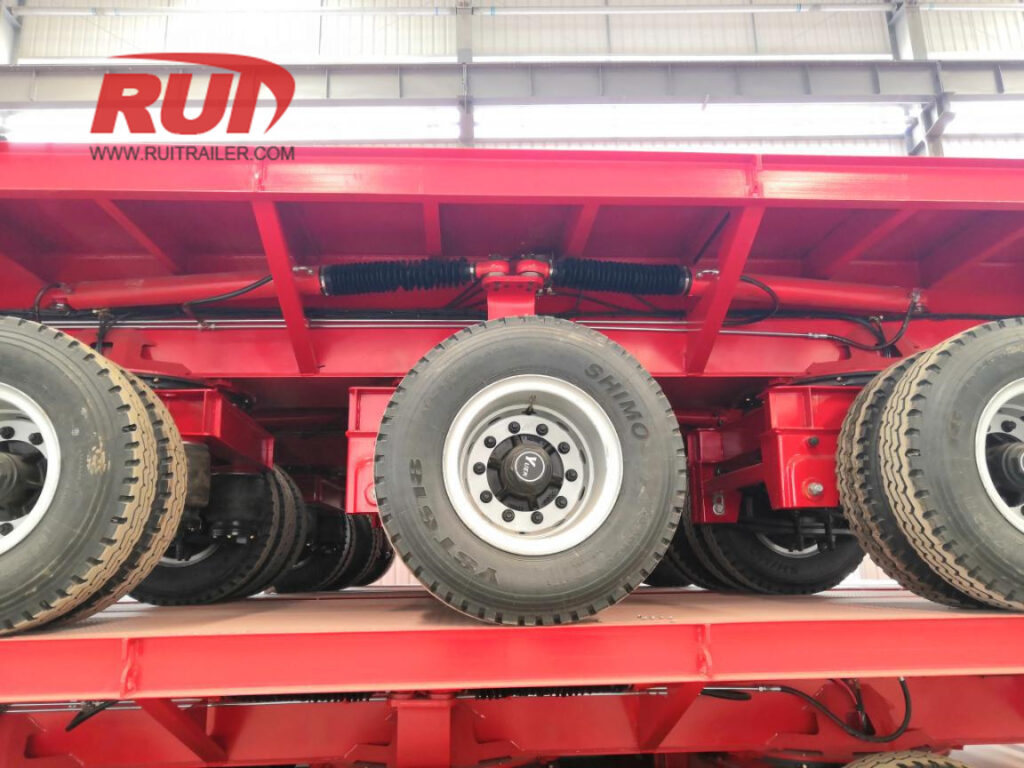
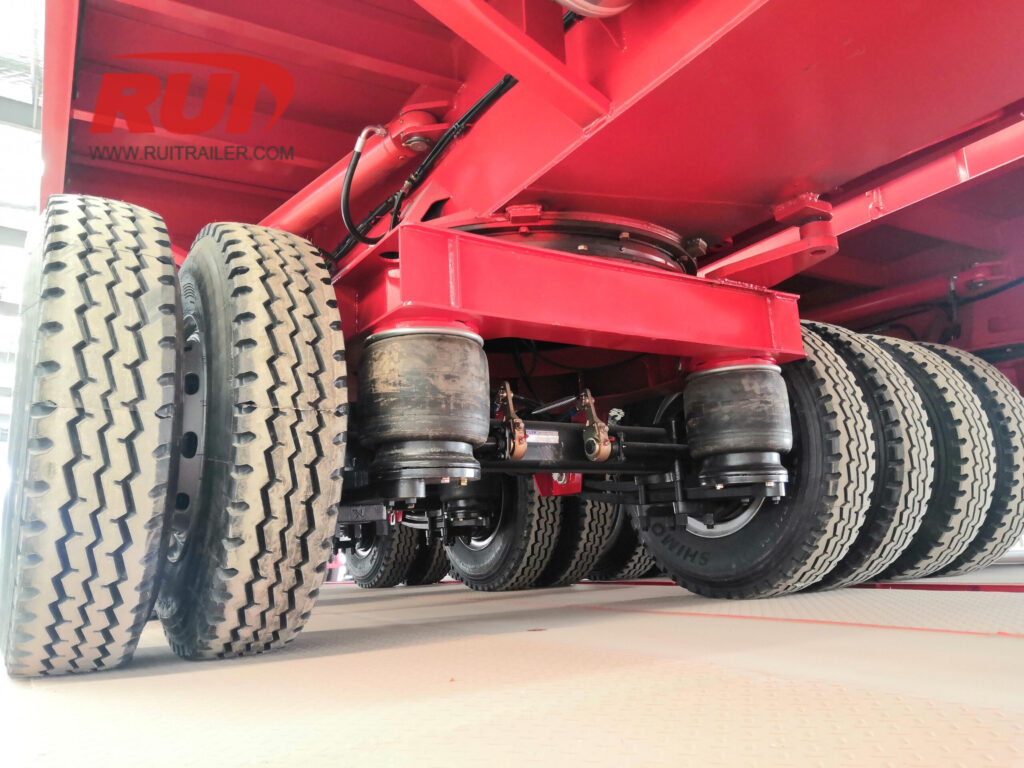
Navigating a trailer that can extend up to four times its length requires superior control. We equip these trailers with advanced air or hydraulic suspension systems to absorb road shocks, protecting both the chassis and sensitive cargo. For maneuverability, standard friction steering is often insufficient for extreme lengths.Instead, we prioritize hydraulic steering systems (like the Nooteboom). This technology allows the axles to be steered independently, enabling the trailer to navigate tight roundabouts and construction sites with a surprisingly small turning radius. This level of engineering is standard across our special trailer lineup, ensuring that the rear axles track the tractor perfectly to minimize tire scrub and maximize stability.
Diverse Industry Applications
The extendable trailer is a cornerstone of modern logistics, specifically designed to solve the problem of transporting exceptionally long, self-supporting loads. By adjusting the trailer length to match the cargo, we maximize efficiency and safety across various sectors.
Heavy Machinery and Construction Transport
In the construction sector, hauling capability is everything. We frequently use the telescopic trailer to move structural components that simply cannot fit on a standard semi-trailer. This includes massive steel structures and pre-stressed concrete beams used in high-rise buildings.
Steel Construction: Transporting long steel girders requires a flat, stable load floor.
Concrete Elements: Heavy concrete beams need a chassis with high torsional stiffness to prevent twisting during transit.
Crane Parts: Long crane jibs and ballast weights are easily accommodated by extending the deck.
Wind Energy Components and Super Wing Carriers
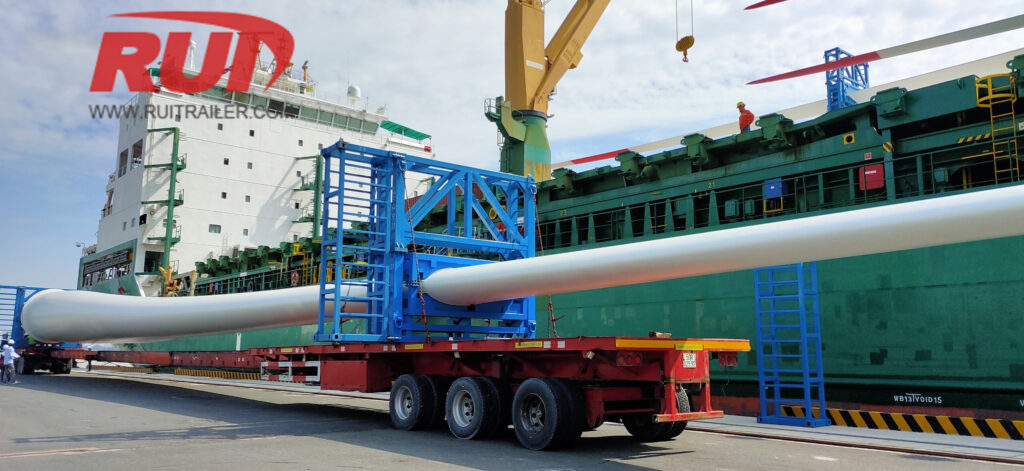
The renewable energy industry drives the innovation behind the quadruple extendable trailer. As wind turbines grow larger, the blades require transport solutions that can extend up to four times their retracted length. We rely on specialized wind turbine trailer solutions to navigate these extreme lengths safely. The hydraulic steering systems, often featuring advanced technology like hydraulic steering, allow us to maneuver 70-meter blades through tight roundabouts and narrow access roads that would be impossible for a standard truck.
Mobile Specialized Spaces: Clinics, Labs, and Events
Beyond heavy industrial materials, expandable trailers serve as the foundation for mobile infrastructure. The technology used in deck extension allows for the transport and deployment of large mobile units.
Mobile Medical Units: Transporting modular clinics or laboratories to remote areas.
Event Trailers: Moving large, expandable stages or hospitality units for roadshows.
Modular Housing: Hauling oversize prefabricated housing sections that require a single extendable or double extendable chassis for safe road travel.
Infrastructure and Oversize Industrial Equipment
Major infrastructure projects, particularly bridge construction, depend heavily on these trailers. We use them to transport bridge sections and heavy industrial columns that are self-supporting. The key advantage here is the maneuverability provided by the steering axles. Whether it is a semi-low loader or a flatbed Teletrailer, the ability to lock the extension beams at different positions ensures that the trailer is always the optimal length for the specific load, reducing the turning radius and improving site access.
How to Choose the Right Extendable Trailer
Selecting the correct equipment is critical when your business relies on transporting long, heavy, or self-supporting loads. An extendable trailer is a significant investment, and the right choice depends on balancing extreme length capabilities with maneuverability and legal payload limits.
Assessing Maximum Load Capacity and Length Requirements
The first step is defining exactly what you need to move. The market offers various extension stages, from single extendable units to quadruple extendable trailers designed for extreme lengths. If you are transporting steel structures or concrete beams, a standard flatbed extendable might suffice. However, for the latest generation of wind energy components, you need significantly more deck length.I always categorize requirements based on the extension capability:
Single to Double Extendable: Ideal for general long loads and structural steel.
Triple to Quadruple Extendable: Mandatory for hauling extremely long cargo like modern wind turbine blades.
It is also vital to consider the dead weight. Top-tier manufacturers use high-grade steel to keep the trailer weight low, maximizing your legal hauling capability. For specific energy sector applications, comparing these with specialized wind turbine blade trailers can help determine if a dedicated or multi-purpose solution is better for your fleet.
Evaluating Build Quality and Material Durability
In heavy haulage, durability directly impacts your return on investment. I look for trailers constructed from high-tensile steel that offer a high payload without compromising structural integrity. A robust chassis design ensures the trailer can handle the stress of being fully extended while carrying a self-supporting load.Key quality indicators include:
Chassis Material: High-grade steel reduces dead weight and increases payload.
Finish: Premium conservation protects against corrosion, ensuring high residual value.
Maintenance: A well-engineered design results in lower maintenance costs over the trailer’s lifespan.
Customization Options for Specific Industry Needs
Standard specs rarely fit every project. Customization is where you ensure the trailer fits your specific logistical challenges. The most critical feature to look for is the steering system. For extreme lengths, hydraulically forced steering (such as the Commandosteer system) is essential for navigating tight corners and roundabouts.You should also look for flexible multi-axle trailer configurations to distribute weight effectively. Other practical include:
Locking Systems: Pneumatic locking systems for the extension beams make operation faster and safer.
Adjustable Positions: Multiple locking positions along the beam allow you to adjust the length precisely to the load.
Axle Options: Choosing between hydraulic or friction-steered axles based on your required maneuverability.
Maintenance and Operation Best Practices
Proper Procedures for Extending and Retracting
Operating an extendable trailer requires strict adherence to a specific sequence to prevent structural damage. We always start by positioning the tractor-trailer on level ground to ensure smooth movement of the beams. Before extending, the pneumatic or manual locking pins must be fully released. The standard procedure involves engaging the trailer brakes on the rear axles while slowly driving the tractor forward. This pulls the inner beam out from the chassis.During this process, we constantly monitor the supply lines (air, electric, and hydraulic) housed in the energy chain to ensure they don’t snag or stretch. Once the desired deck length is achieved, it is critical to re-engage the locking pins immediately. We never load cargo unless these pins are visually confirmed to be locked in position, ensuring the telescopic mechanism remains rigid under load.
Regular Inspection of Moving Parts and Hydraulics
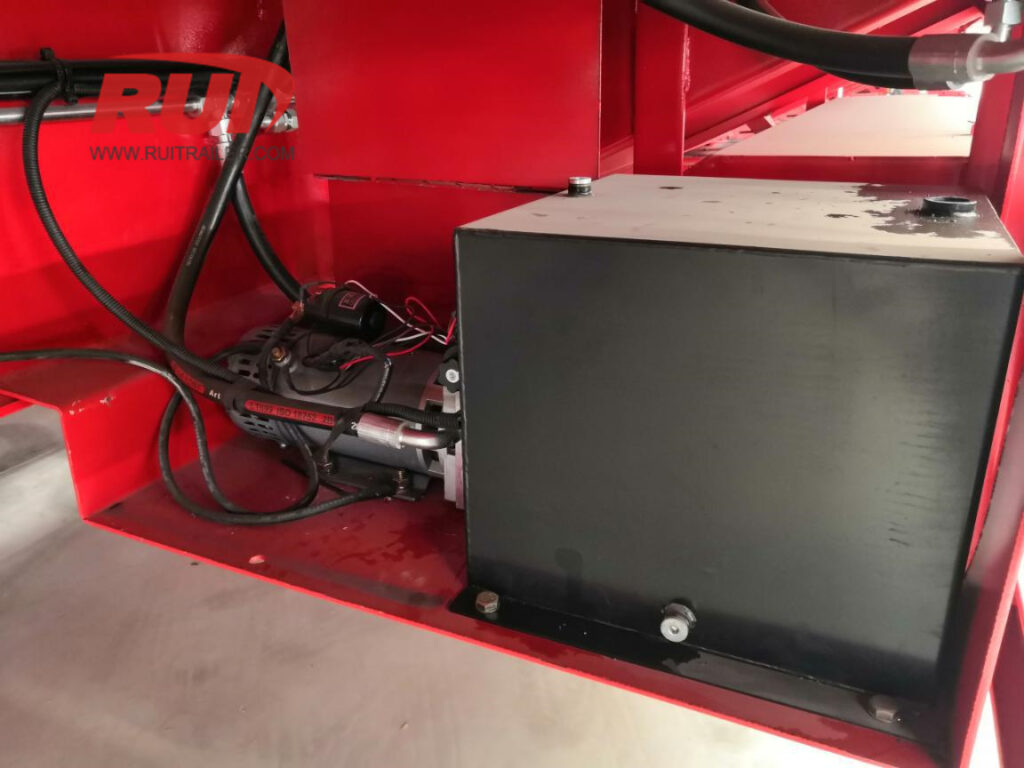
The longevity of a telescopic trailer depends heavily on lubrication and hydraulic health. The sliding surfaces of the extension beams must be kept well-greased to minimize friction and prevent “stick-slip” movements. We inspect the wear pads located between the beams regularly; if these wear down, the extendable load floor can become unstable or sag.For units equipped with hydraulically forced steering, we check the system pressure and look for leaks in the cylinders and hoses. The steering system is vital for maneuverability, functioning similarly to the precision systems found on a hydraulic modular trailer. Additionally, we examine the camber of the trailer. A proper pre-stressed camber ensures that when the trailer is loaded, the chassis straightens out rather than bowing downwards, preserving the structural integrity during longitudinal transports.
Training for Safe Handling of Telescopic Loads
Hauling long loads introduces unique challenges regarding turning radius and swing out. We ensure drivers are trained on how the steering angle changes as the trailer extends. When fully extended, the rear axles may need to be manually steered using a remote control to navigate tight roundabouts or construction sites.Training also covers specific loading procedures and cargo security. Drivers must understand that the payload capacity decreases as the extension increases. We teach our teams to consult the load chart specifically for the extended state, not just the retracted capacity. Proper lashing is equally important; straps and chains must be attached to specific heavy-duty lashing points on the main beam, avoiding any moving parts of the extension system to prevent damage during transit.
Frequently Asked Questions (FAQ)
What are the height and length restrictions for long loads?
Restrictions vary significantly by region and specific road infrastructure. When transporting extreme loads like wind turbine blades or long steel structures, you will typically need **oversize permits** once you exceed standard dimensions. The major advantage of a **telescopic trailer** is its ability to retract when empty, allowing you to travel within legal length limits without special escorts during the return trip.
* **Height:** Dependent on the **load floor** height; semi-low loaders offer better clearance for tall cargo.
* **Length:** Limited by the turning radius of the route; **hydraulic steering** systems are essential for navigating tight corners with extended loads.
How do you maintain the telescopic extension mechanism?
Maintenance is critical to keep the **telescopic mechanism** sliding smoothly. The most important step is regular lubrication of the extension beams and sliding surfaces to prevent friction and seizing. You must also inspect the pneumatic or manual **locking pins** to ensure they engage and disengage correctly at every locking position. For trailers equipped with hydraulic steering, check hoses and cylinders for leaks. keeping the right hydraulic modular trailer accessories and maintenance supplies on hand ensures your fleet remains operational and safe.
Can extendable trailers be used for mobile business spaces?
While the technology is similar, heavy-duty **extendable trailers** (like the Teletrailer) are primarily engineered for high-payload industrial logistics, such as hauling **self-supporting loads** like concrete beams and bridge sections. However, the concept of an **expandable trailer** chassis is frequently adapted for mobile units like medical clinics, laboratories, or event spaces. For these applications, the focus shifts from extreme weight capacity to maximizing internal floor space and stability for personnel.










 include:
 English
  German
  Turkish
  French
  Portuguese
  Russian
  Arabic
  Hindi
Hindi  Vietnamese
  Chinese
  Spanish
  Indonesian
  Swahili