

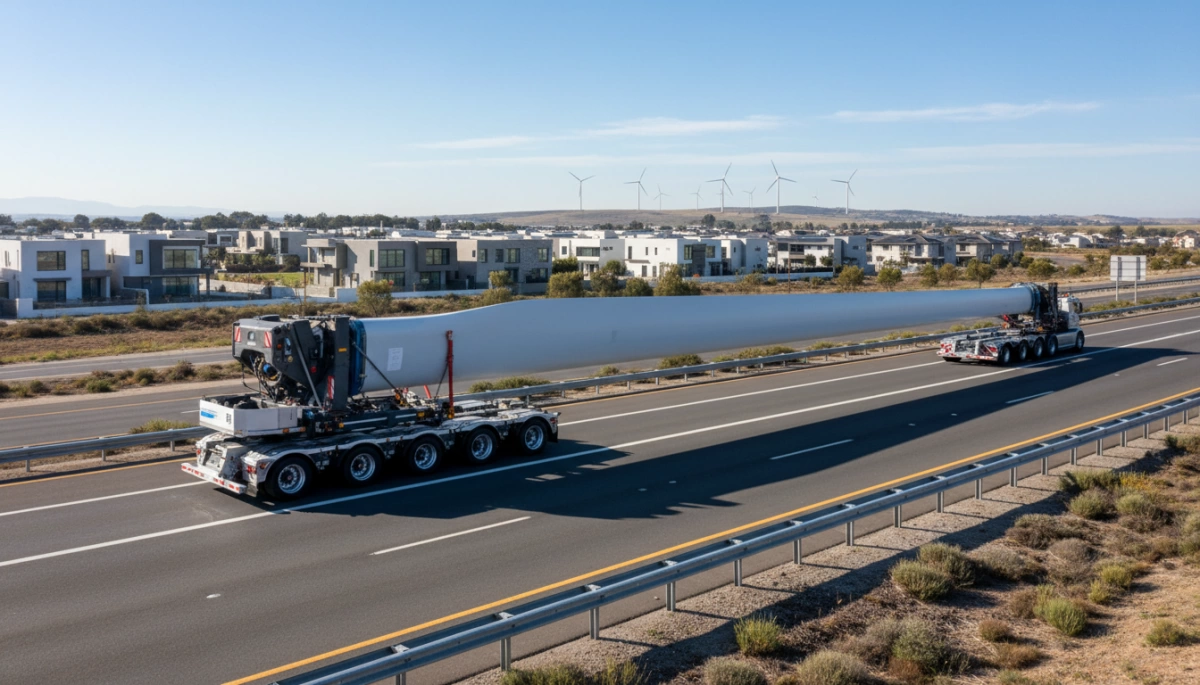
You might already know that wind turbine components are getting larger, heavier, and harder to transport every single year.
But is your current fleet actually ready to handle an 80-meter blade or a 100-ton nacelle?
Finding the right wind turbine trailer is not just about length; it’s about mastering the geometry of the road. As a heavy haulage professional, I know that choosing between a telescopic extendable trailer and a hydraulic blade lifter can determine the profitability of your entire project.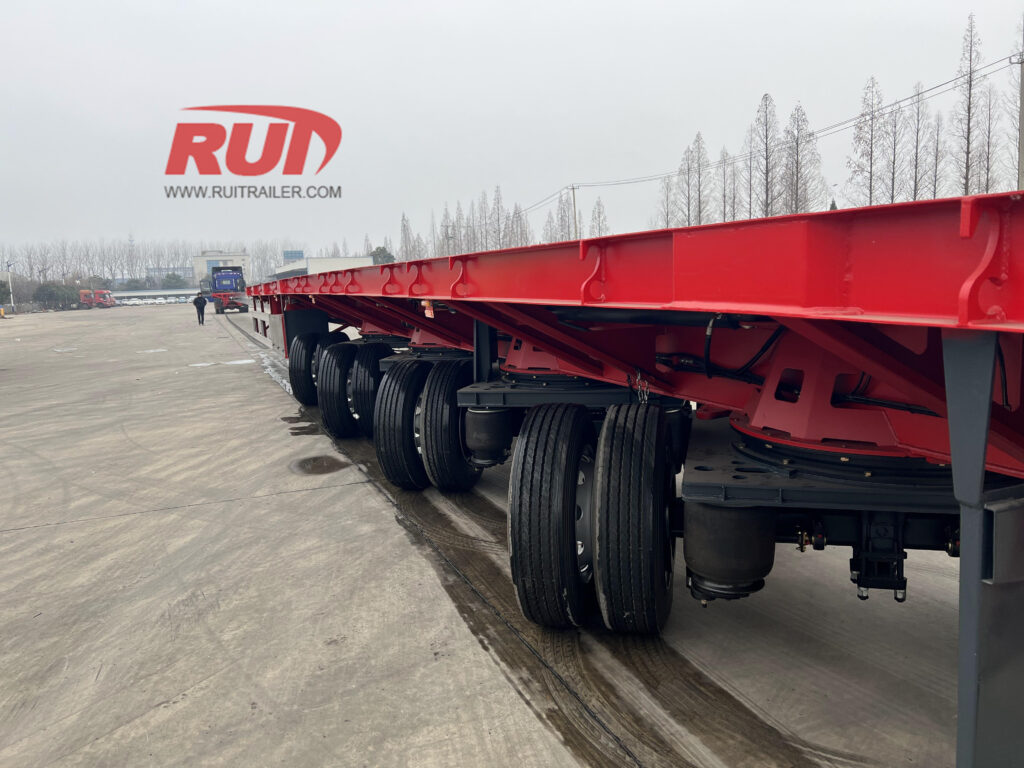
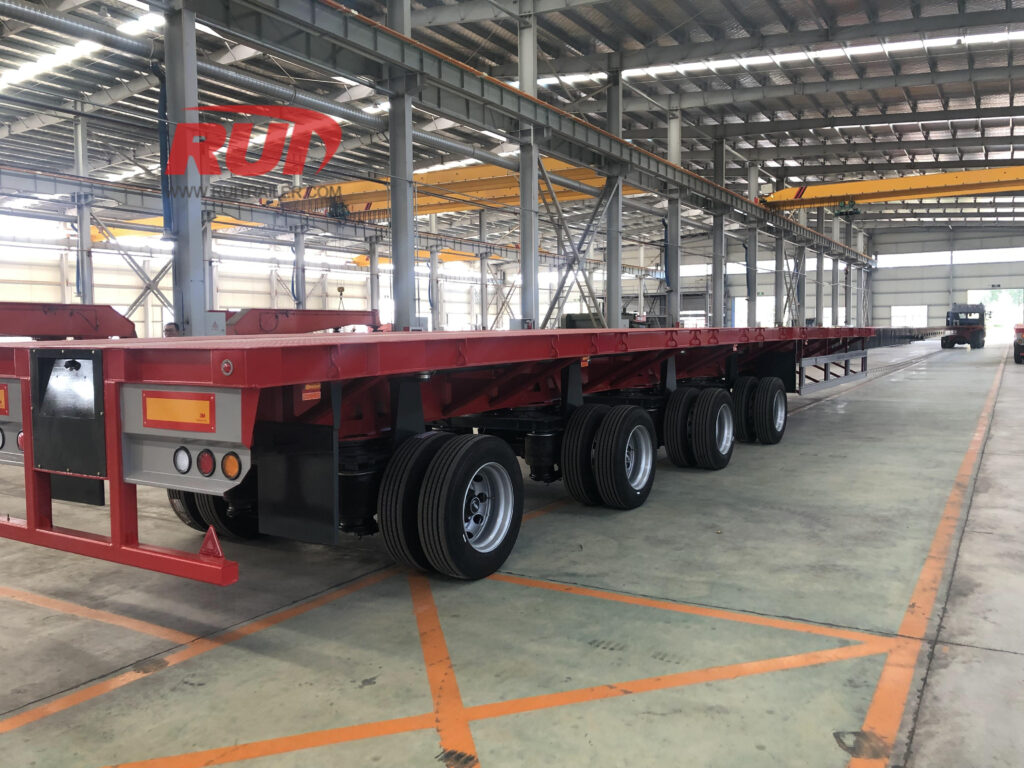
In this guide, you’re going to learn exactly how to select the ultimate transport solution for the next generation of wind energy.
We are cutting through the noise to focus on steering angles, axle load limits, and the engineering that prevents costly logistical bottlenecks.
Let’s dive right in.
The Evolving Challenge of Wind Component Transport
Overcoming Logistics Bottlenecks and Last-Mile Hurdles
The wind energy sector is relentlessly pursuing efficiency, leading to a \"bigger is better\" trend where turbine blades are constantly increasing in length. As a wind turbine trailer manufacturer, we see firsthand how this shift creates significant heavy haulage logistics challenges. Transporting blades that now exceed 60 meters requires more than just a standard extendable trailer; it demands precision engineering to navigate the complex reality of public roads and remote construction sites. The primary bottleneck is no longer just highway travel, but the critical \"last mile\" where tight turns, roundabouts, and roadside obstacles can halt a project.
To solve these over-sized load transport issues, we develop our solutions in direct collaboration with turbine manufacturers and specialized transporters. We understand that equipment must be versatile enough to handle extreme lengths while maintaining superior maneuverability. Our engineering priority focuses on:
- Extreme Reach: Developing configurations capable of extending up to four times to accommodate the industry\'s longest blades.
- Safety First: Ensuring the safety of the driver and the public is our priority number one during these complex movements.
- Operational Efficiency: Reducing the \"investment per year\" through durable, high-quality construction that withstands rigorous use.
We recognize that simply making a trailer longer is not the answer. The real challenge lies in combining massive extend ability with the agility required to clear obstacles. By integrating features like hydraulic steering and high-stroke suspension, we ensure that our wind turbine blade transport trailers can deliver components safely to even the most inaccessible wind farm locations.
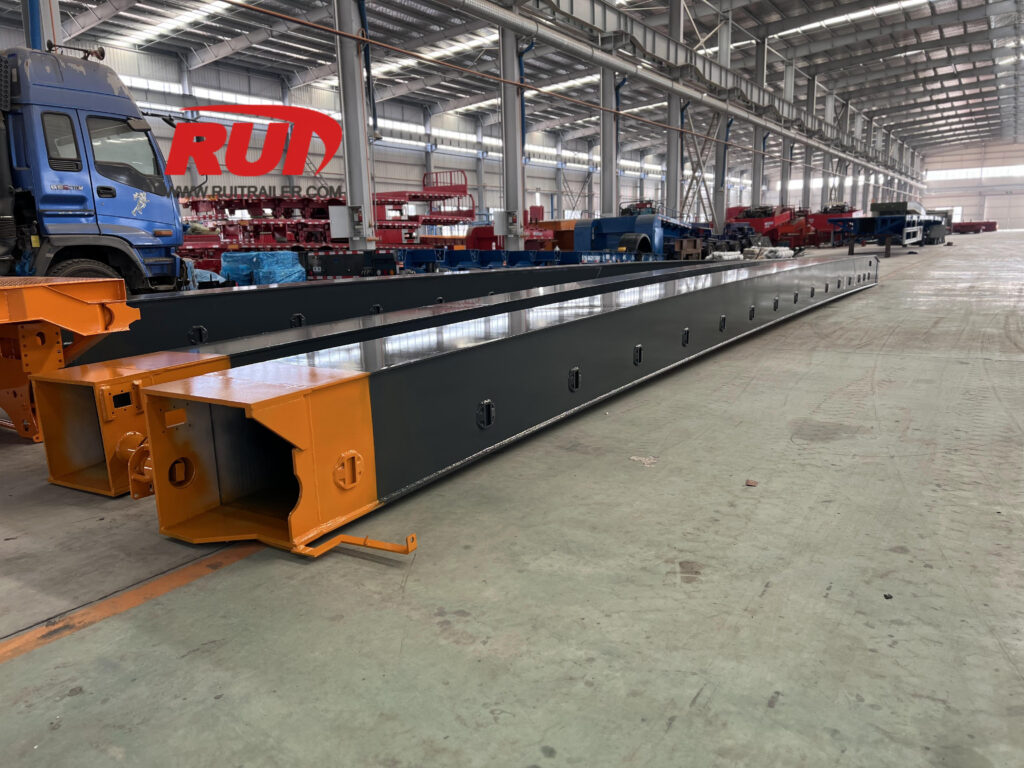
Extendable Telescopic Trailers: The Blade Haulers
When transporting wind energy components, the length of the blade dictates the trailer choice. We design our flat trailers specifically to accommodate these massive structures, offering configurations that extend up to four times their retracted length. Whether handling standard onshore blades or the massive components required for offshore projects, selecting the right telescopic wind blade trailer is critical for safe and efficient delivery.
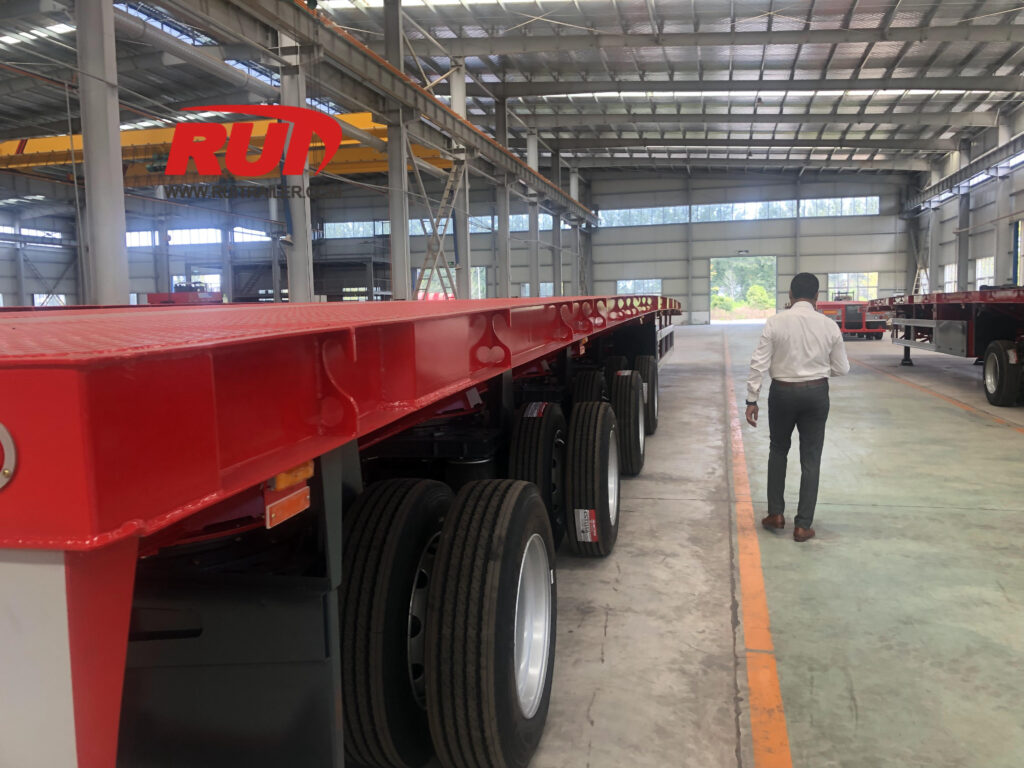
Triple axle wind blade trailer: The Standard for 60 m Blades
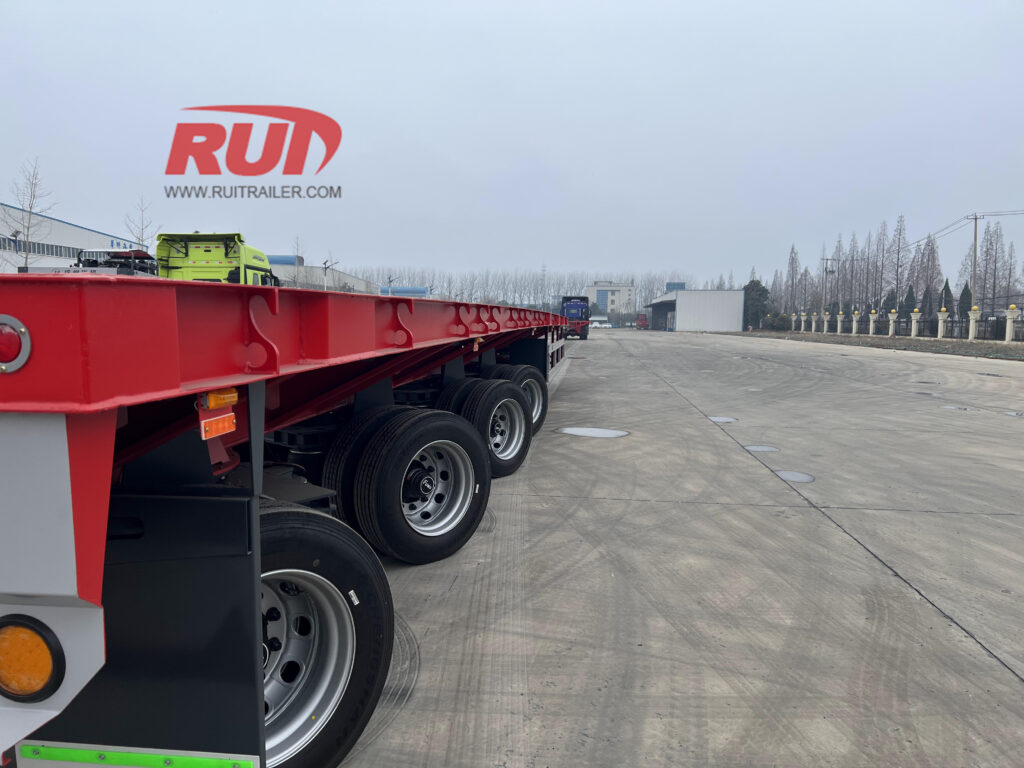
For blades up to approximately 60 meters, our Triple axles wind blade trailer is the industry workhorse. This 3-axle or 4-axle configuration features a beam that extends three times, reaching a maximum length of 53 meters.
- Suspension: Reliable air suspension for smooth transport.
- Payload: Up to 50 tonnes on the 5-axle variant.
- Stability: Built with beam axles for consistent performance on standard routes.
This setup is an ideal extendable wind blade trailer for projects where extreme length is not the primary constraint, offering a lower investment cost while maintaining high safety standards.
Quad Axle Blade Trailers: Extreme Reach for 70m+
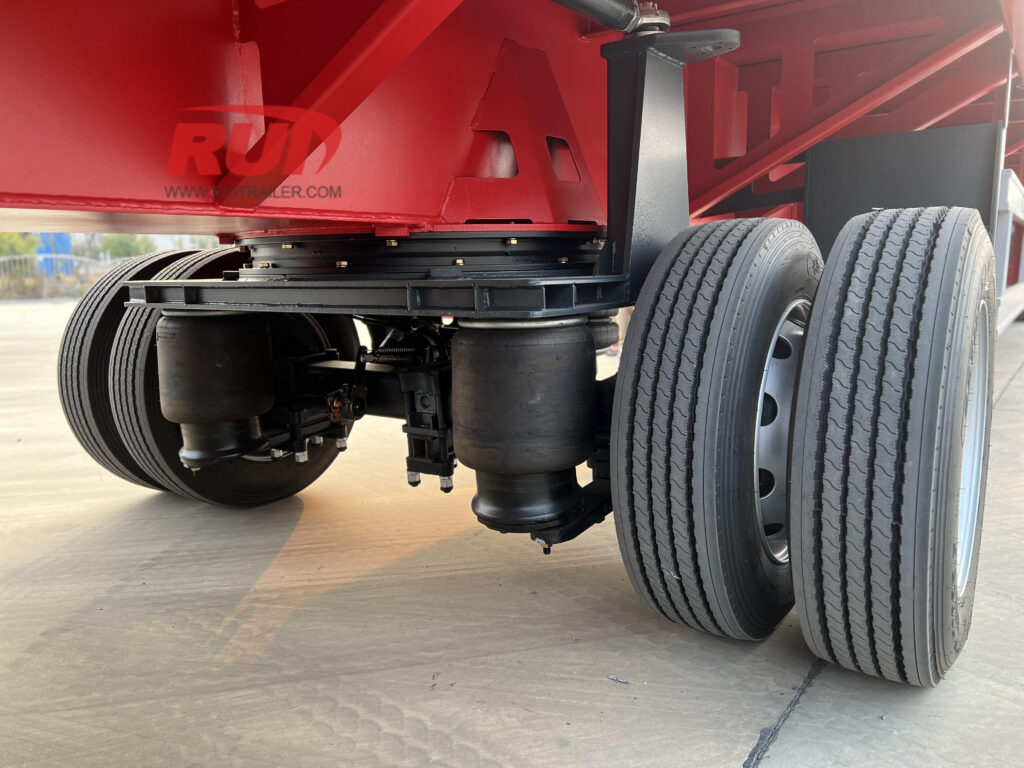
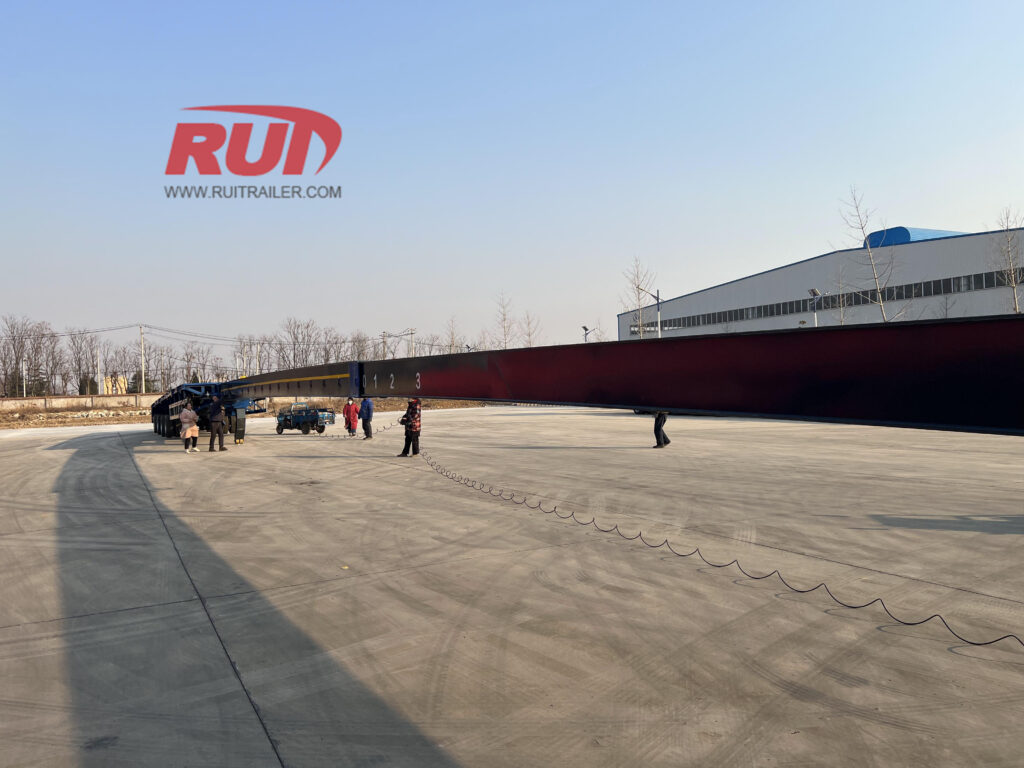
As turbines grow, so must our transport solutions. The quad axle Blade Trailer is engineered for the longest blades on the market. This unit extends four times, achieving a total length of 70 meters (with a 49-meter extension capacity). To manage this extreme length, we equip these trailers with airbag suspension and steerable axles that offer a generous 200 mm stroke and a 50-degree steering angle.
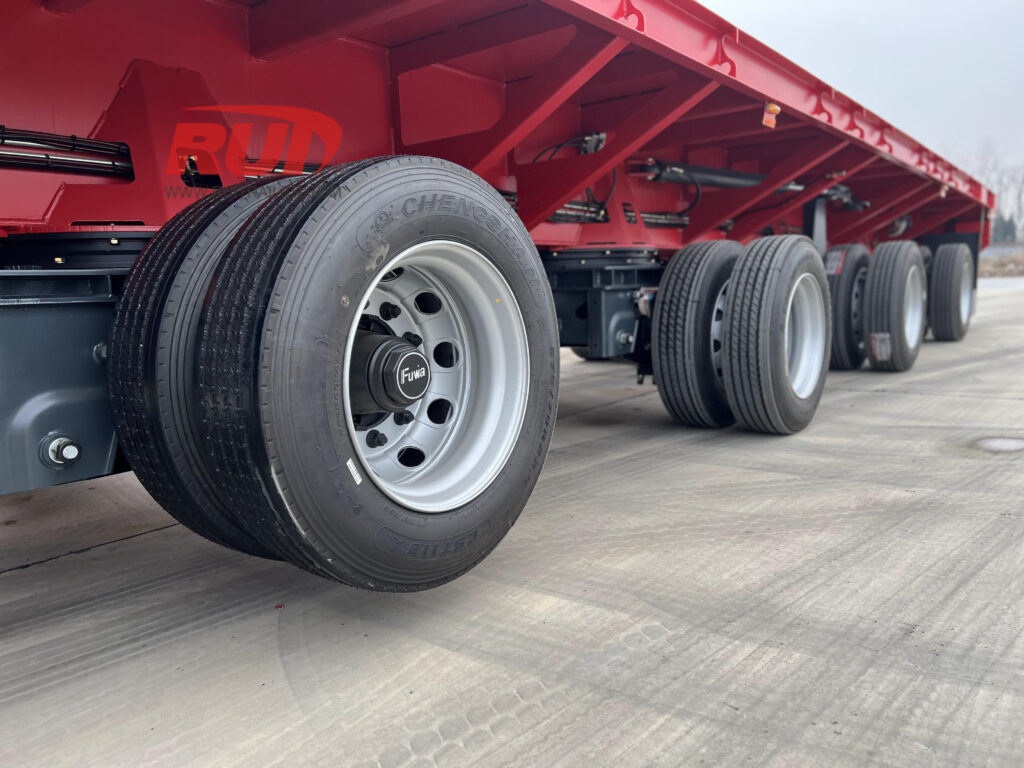
Key Innovations in the quad axle Series:
- Sliding and Lifting System: Exclusive to our 4-axle quad axle wind blade trailer, this feature allows the wind turbine blade transport trailer to partially retract the beam while loaded. This temporarily shortens the wheelbase, significantly improving maneuverability through tight turns and roundabouts.
- Hydraulic Gooseneck: An elevating neck (820 mm lift) allows the beam to be driven at different heights to clear obstacles.
- Automated Alignment: A fully automated steering alignment system minimizes tire wear, reducing long-term maintenance costs.

Wind Blade Lifters: The Mountain Solvers
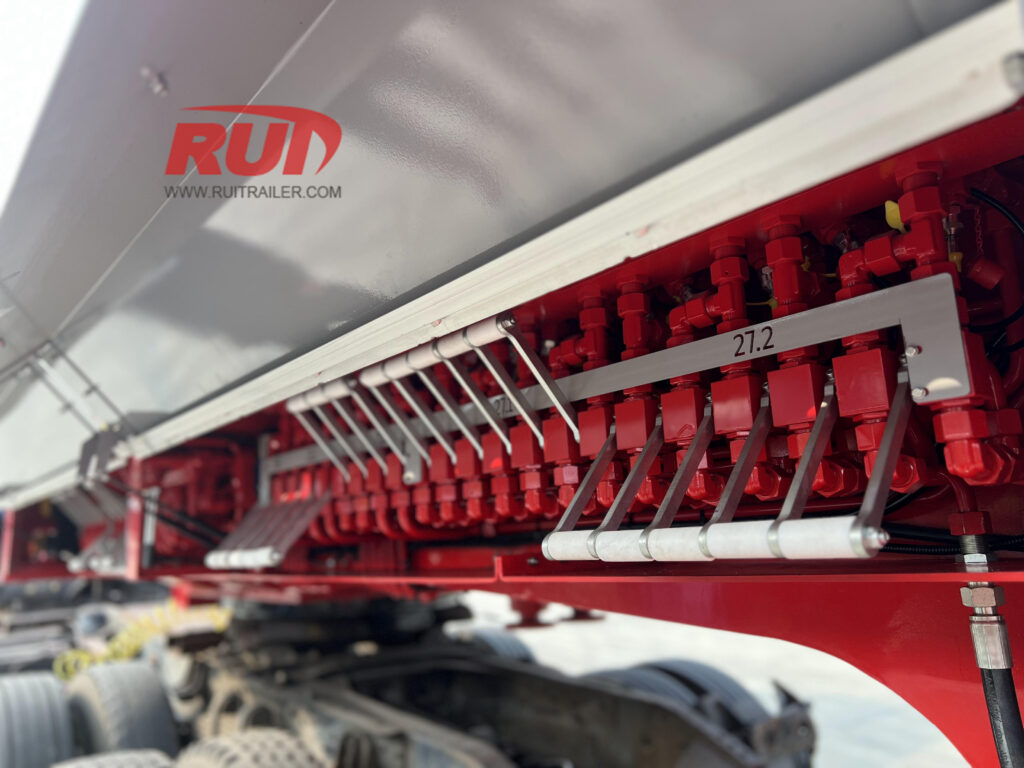
When transporting blades through rugged terrain and tight mountain hairpins, standard length becomes a liability. To overcome this, we utilize advanced engineering like the "Sliding and Lifting System," specifically designed for the 4-axle quad axle wind blade trailer configuration. This technology allows the wind turbine trailer to partially retract even while fully loaded, significantly shortening the wheelbase to navigate sharp corners that would otherwise be impossible.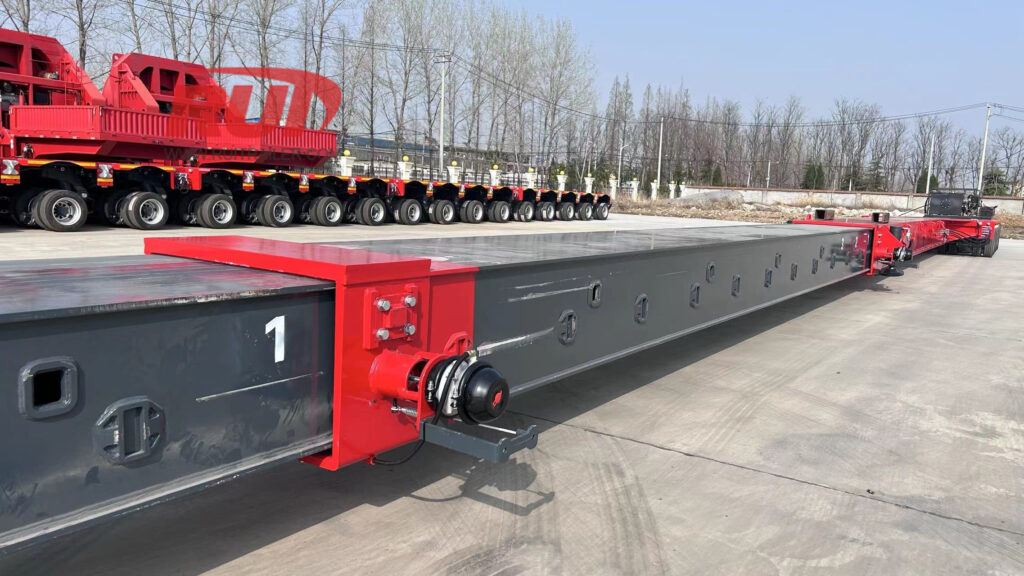
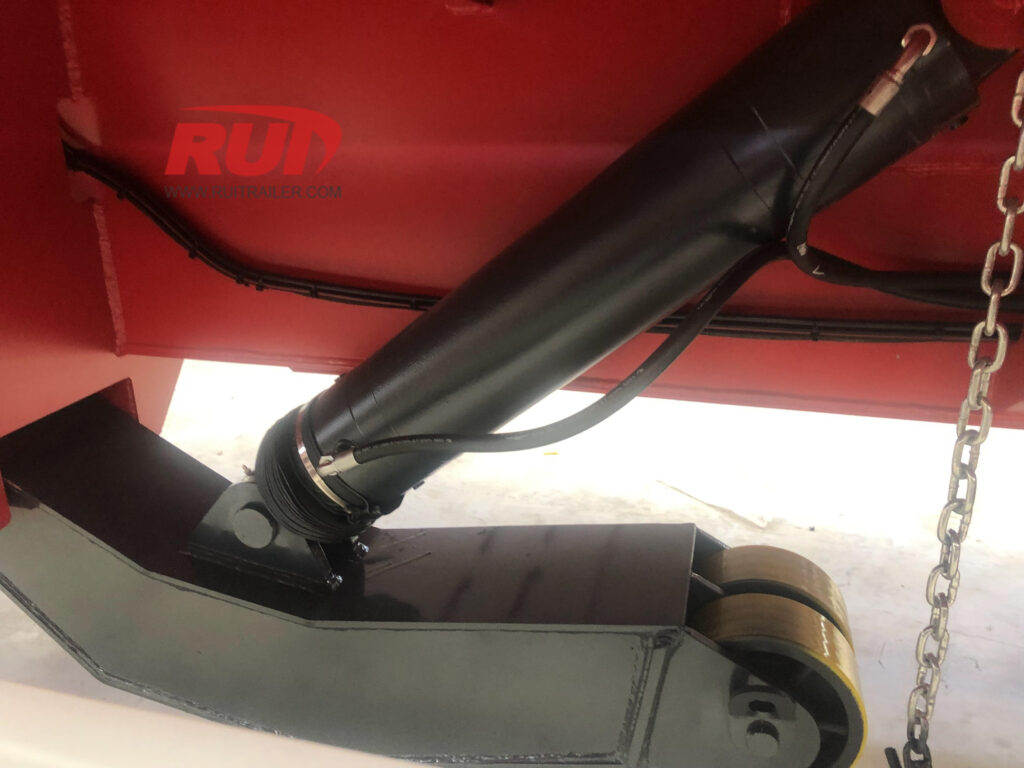
For extreme maneuverability, our specialized wind blade lifter solutions and quad axles trailers rely on high-precision hydraulic systems. These units feature a hydraulically elevating gooseneck with an 820mm lift range and airbag axles offering a generous 200mm stroke to clear obstacles.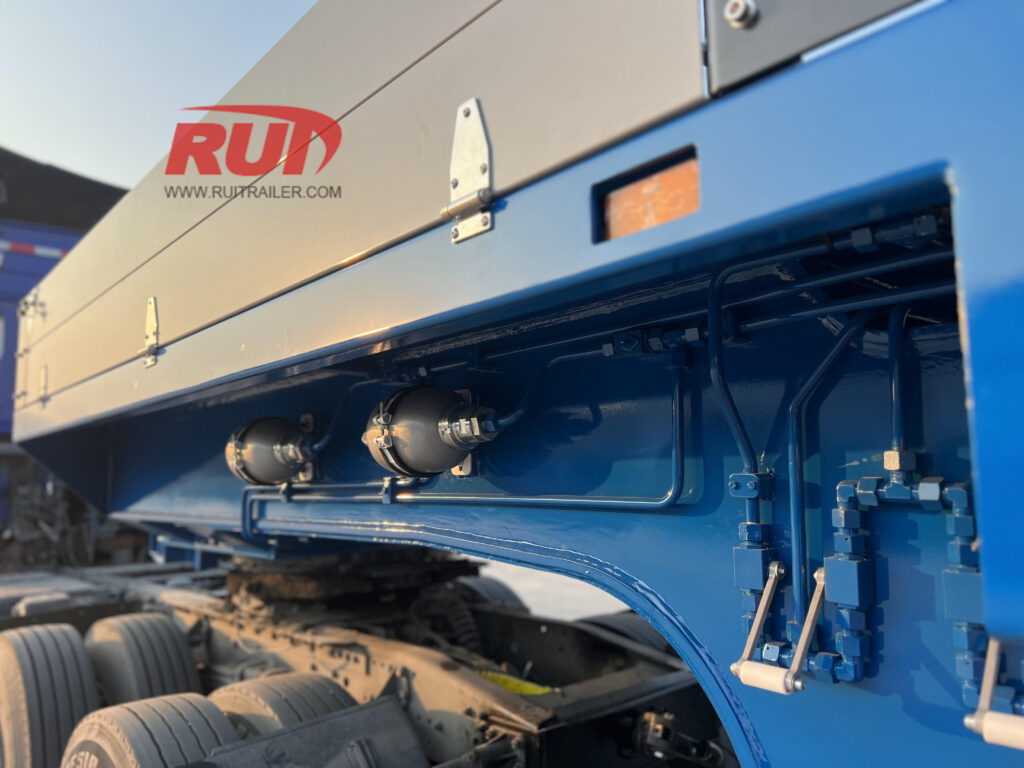
Key Technical Advantages for Difficult Terrain:
- Extreme Steering: Hydraulic steering systems provide up to a 50° steering angle, essential for negotiating winding mountain roads.
- Variable Geometry: The ability to lift and slide the chassis allows for driving at different heights, adapting instantly to the road profile.
- Stability: Automated alignment systems ensure the trailer tracks perfectly, reducing tire wear and maintaining safety as priority number one.
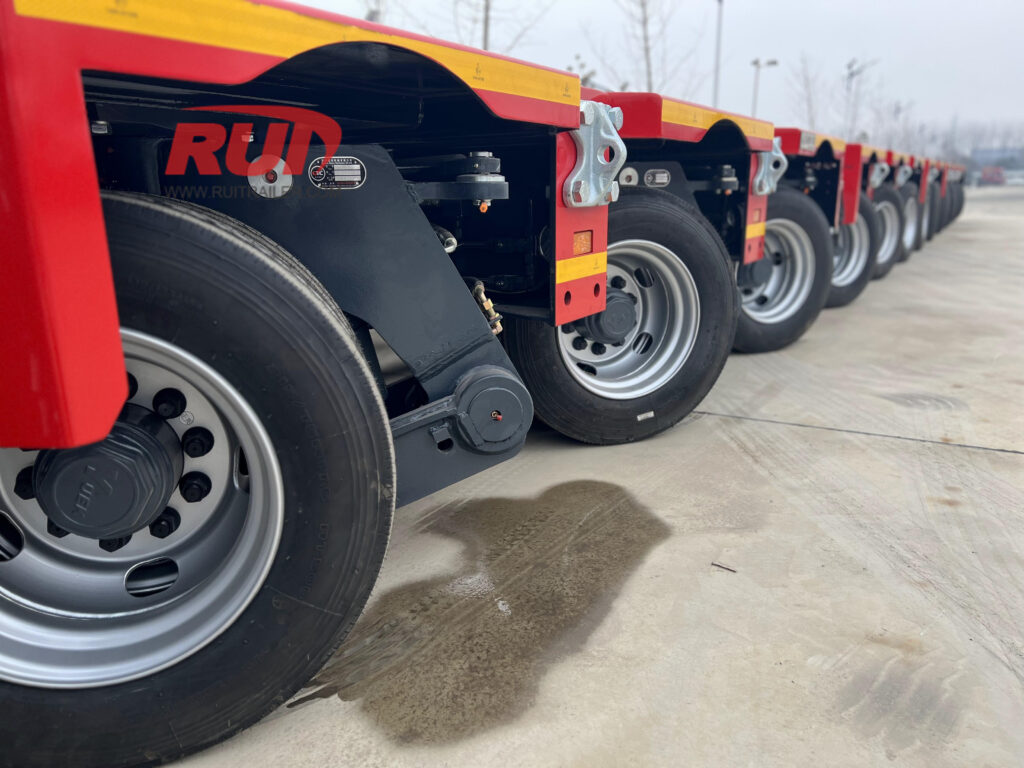
Schnabel Trailers and Tower Adapters
In heavy haulage logistics, vertical clearance is often the hardest constraint to manage. When transporting massive tower sections, we bypass the height limits of standard trailers by using Schnabel tower adapters. Instead of sitting on a deck, the tower itself becomes the structural link between the front and rear modules. This design drastically reduces the overall loaded height, allowing safe passage under bridges and power lines where a standard trailer would fail.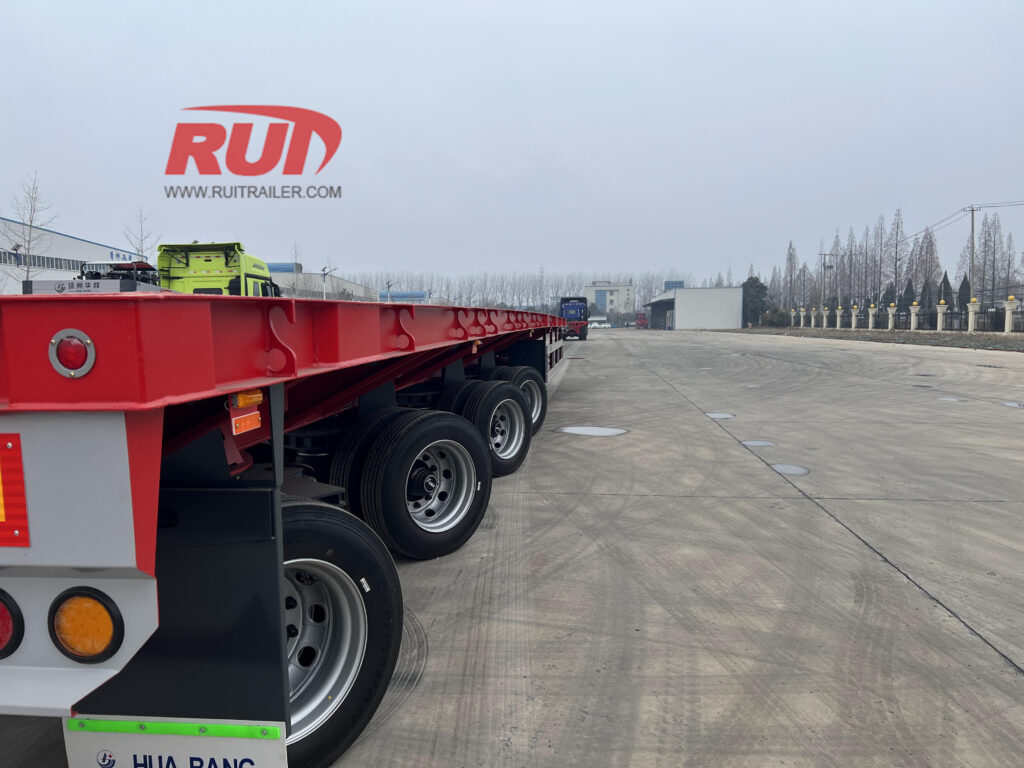
- Zero Deck Height: The load floats just above the road surface to clear overhead obstacles.
- Structural Integrity: Clamps securely to tower flanges, utilizing the component's own strength.
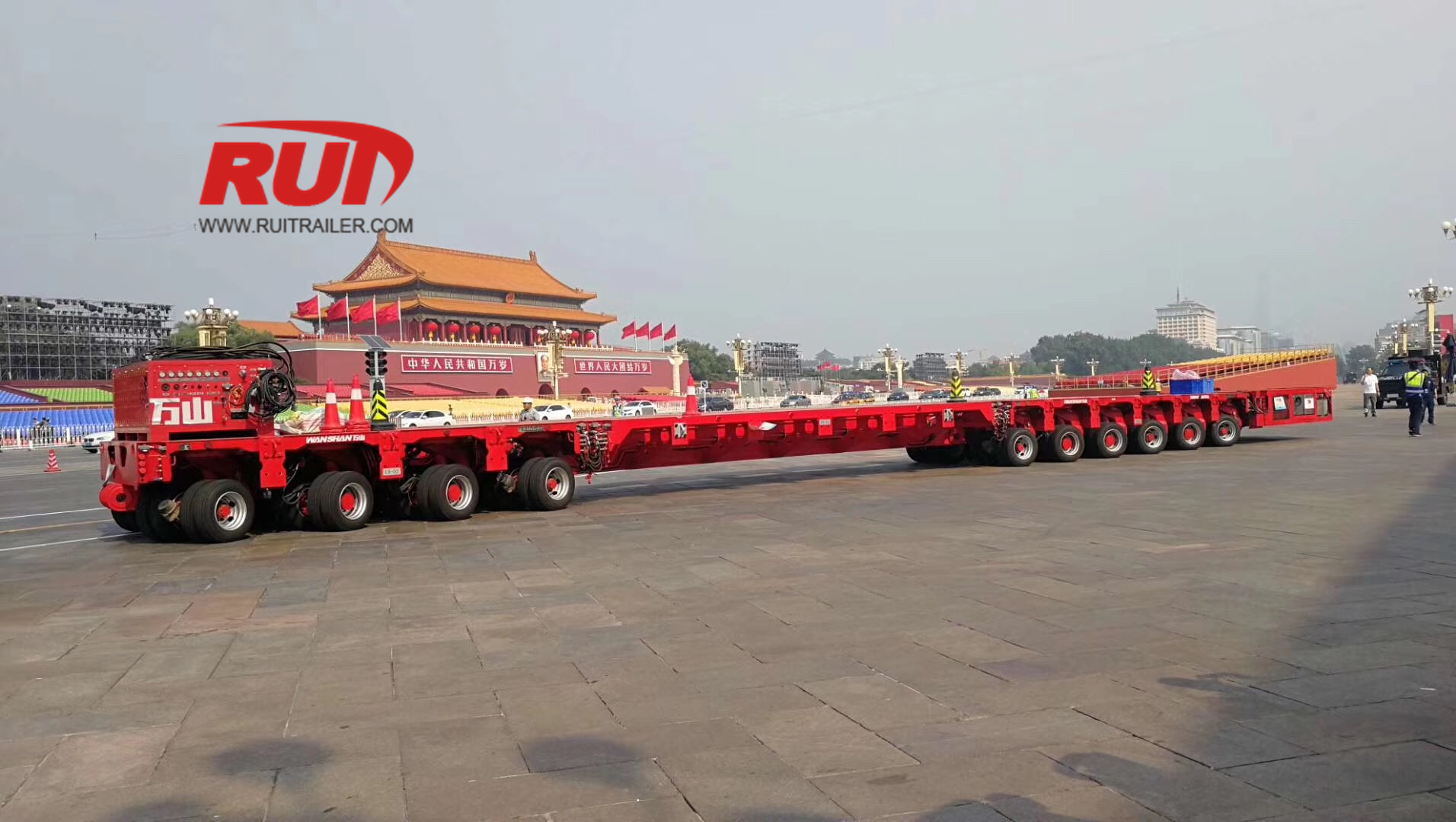
This represents the pinnacle of over sized load transport engineering. By pairing these adapters with a heavy-duty hydraulic modular trailer, we ensure precise steering and load distribution. This approach not only solves the height problem but also maintains stability, ensuring that safety remains priority number one for both the driver and the public.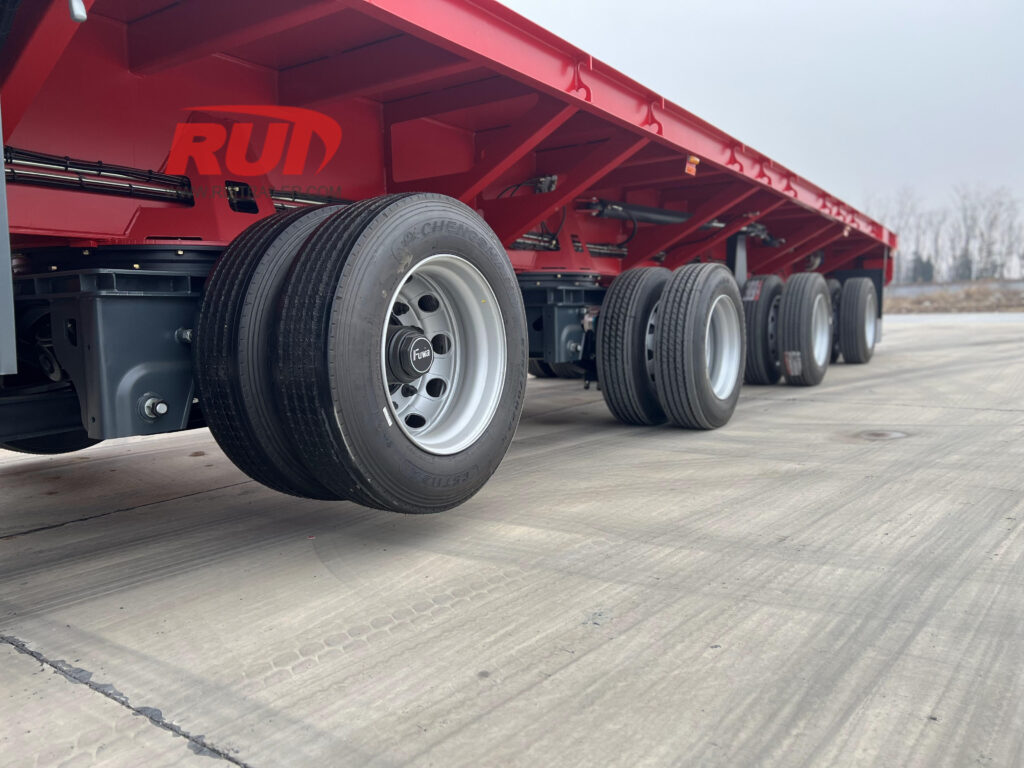
Multi-Axle Lowboys for Nacelle Transport
Transporting the heaviest components of a wind energy system requires a chassis engineered for absolute stability and high load capacity. While our specialized range focuses heavily on blade transport, the engineering principles we apply—such as robust axle configurations and high-strength steel—are vital for ensuring safety in heavy haulage logistics. For heavy loads, maintaining a stable center of gravity is just as critical as it is when operating a low bed multi-axle trailer.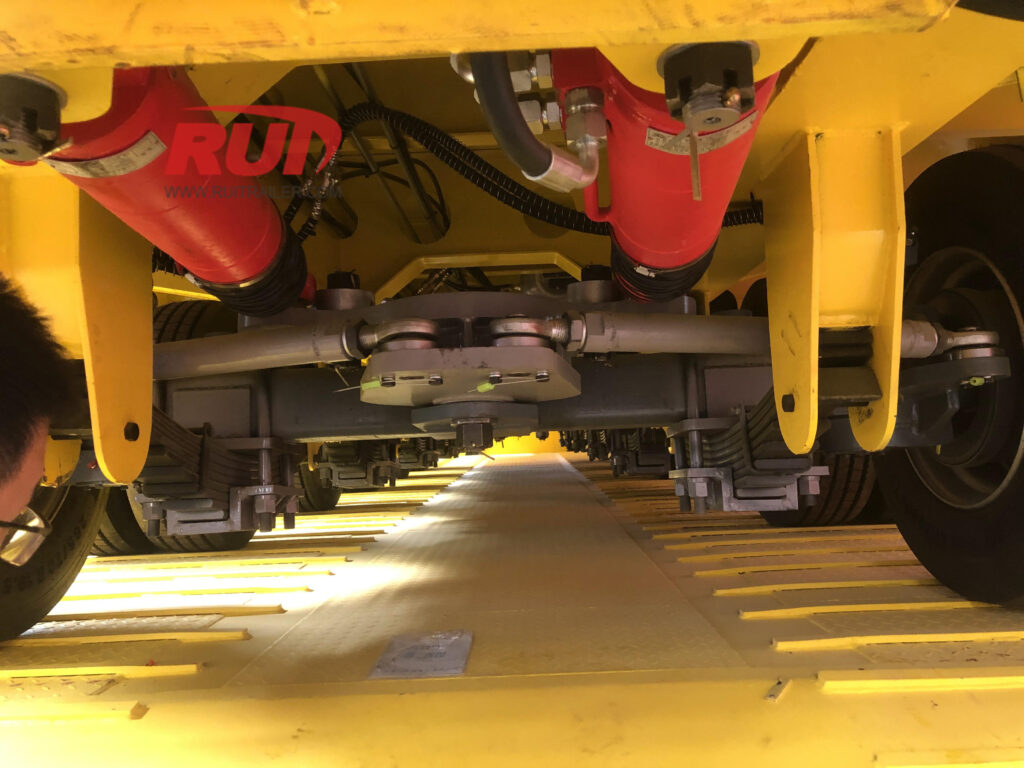
To handle significant weight, we offer configurations like the multi axle trailer, which boasts a payload capacity of 80 tons. This unit utilizes air suspension and beam axles to manage heavy stresses effectively. For more challenging environments, our Quad axle Blade Trailer integrates advanced airbag suspension with steerable axles. This technology provides a massive 200 mm stroke, allowing the wind turbine trailer to navigate uneven terrain without compromising the stability of the load.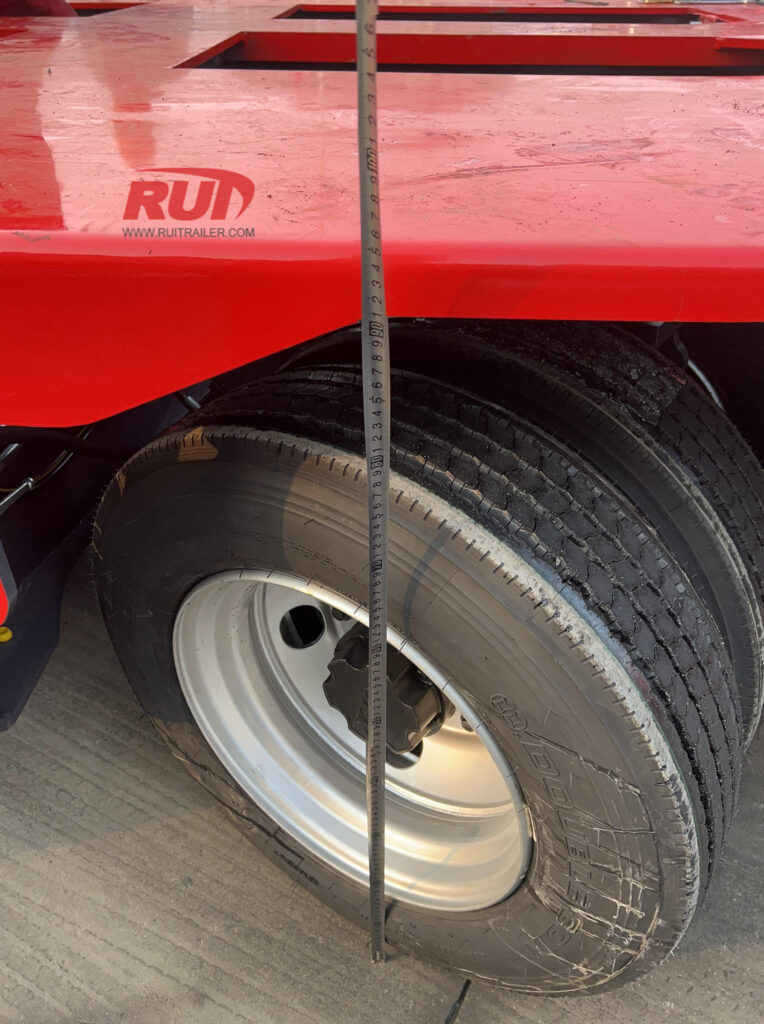
Key Stability Features
- High Payload Capacity: Up to 80 tons on multi axle trailer
- Advanced Suspension: Airbag systems with 200 mm stroke for obstacle clearance.
- Automated Alignment: Reduces tire wear and ensures precise tracking.
Safety is our priority for both the driver and the public. By collaborating directly with manufacturers, we ensure our solutions offer a low investment per year through durability and reduced maintenance, solving the toughest transport challenges in the wind energy supply chain.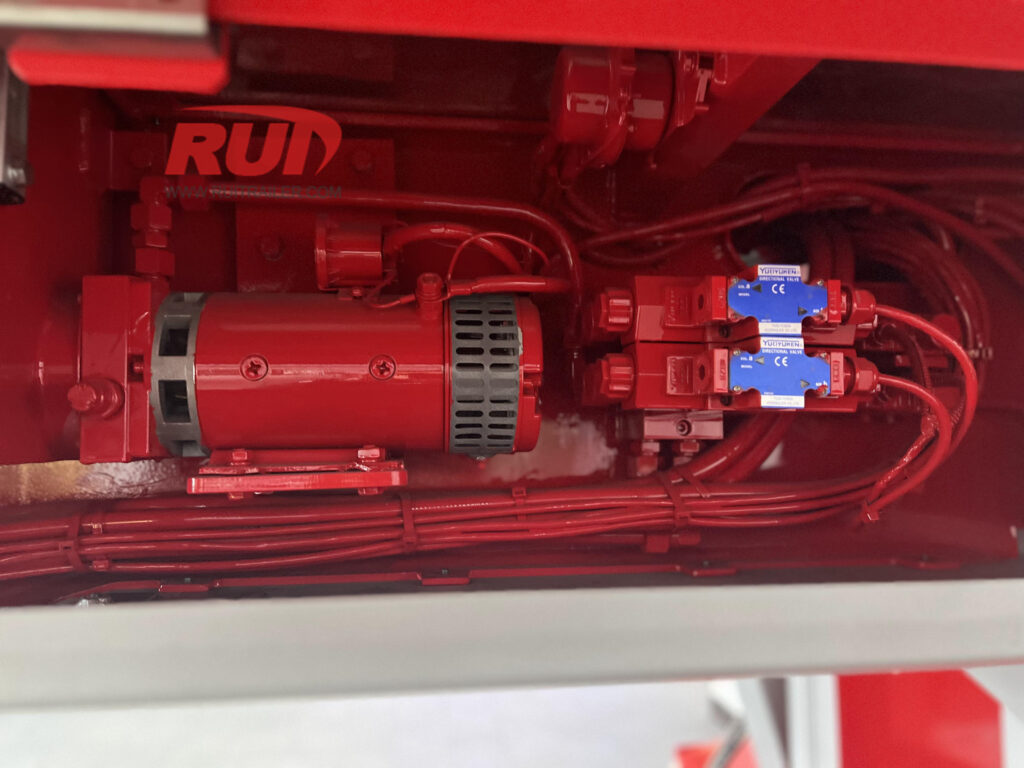
Critical Technologies in Trailer Engineering
Transporting wind energy components requires more than just length; it demands precision engineering to navigate public roads safely. As a manufacturer, we integrate specific technologies into every wind turbine trailer to solve the physical constraints of hauling 60-meter blades and heavy nacelles.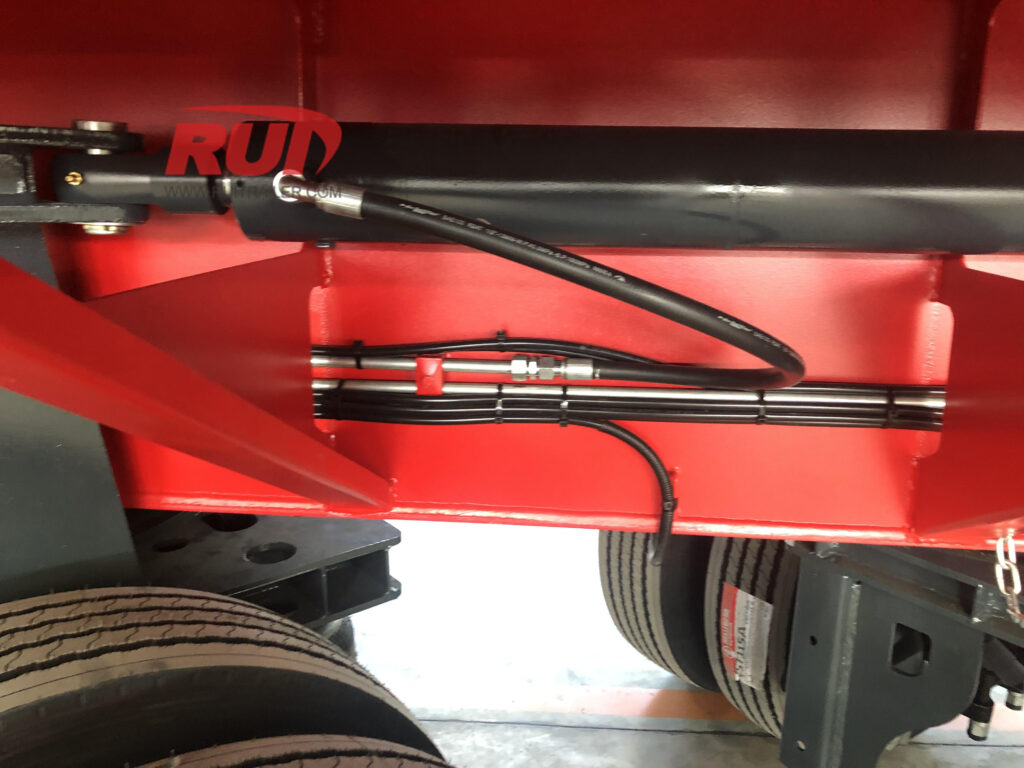
Hydraulic Steering and Maneuverability
The primary challenge with extreme length is turning. Our steerable extendable semi-trailer designs utilize advanced hydraulic steering systems capable of achieving a 55° steering angle. This high degree of articulation is essential for clearing roundabouts and tight corners. Unlike standard friction steering, this hydraulic system gives the driver active control, ensuring the trailer wheels follow the tractor\'s path precisely to minimize tire scrub and road damage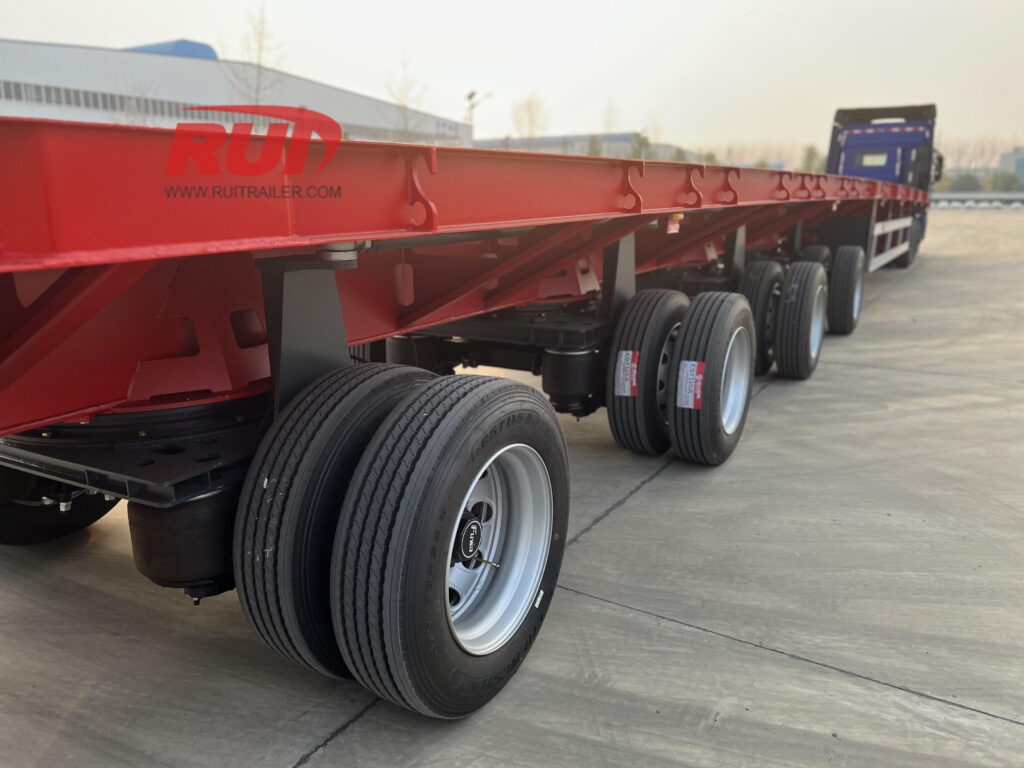
Advanced Axle Configurations
Stability on uneven terrain is critical when the center of gravity is high. We employ two main suspension types depending on the payload:
- Air Suspension: Used on our Triple Wing Carriers for standard blade transport, offering a balance of weight and stability.
- Hydraulic Axles: Featured on the wind Blade Trailers, these offer a massive 600mm stroke. This hydraulic suspension trailer technology allows the axles to compensate for deep potholes or humps, keeping the load platform level.
Integrating robust hydraulic modular trailer components into the chassis design ensures that even at maximum extension, the structural integrity and load distribution remain compromised.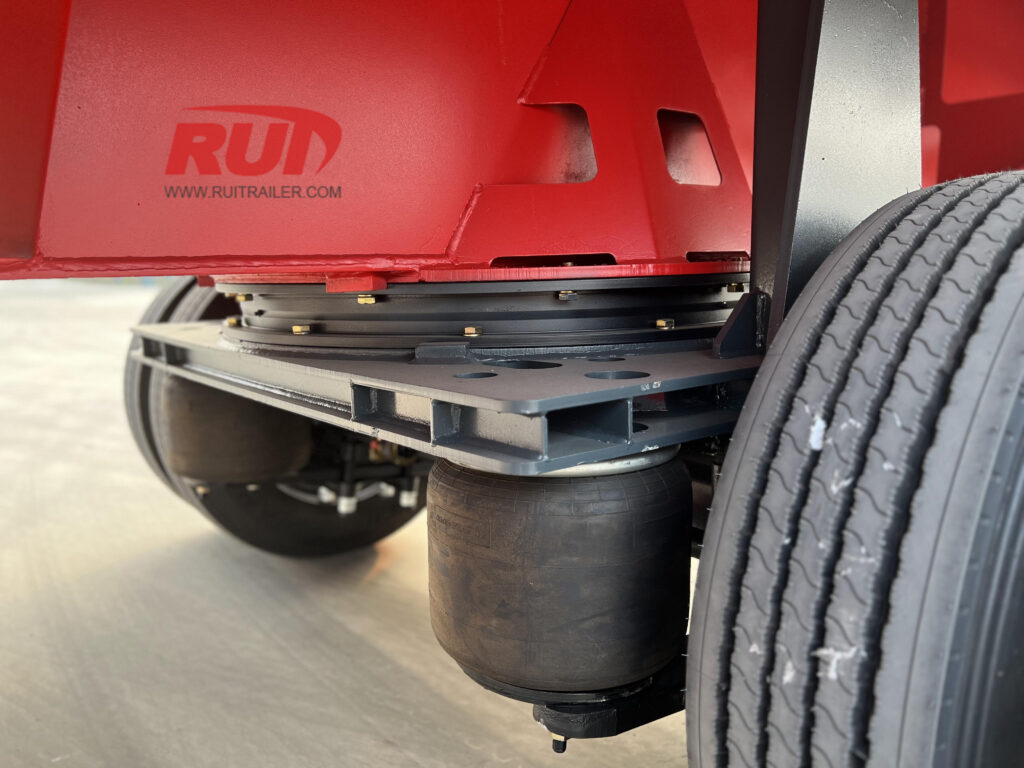
The "Sliding and Lifting" Innovation
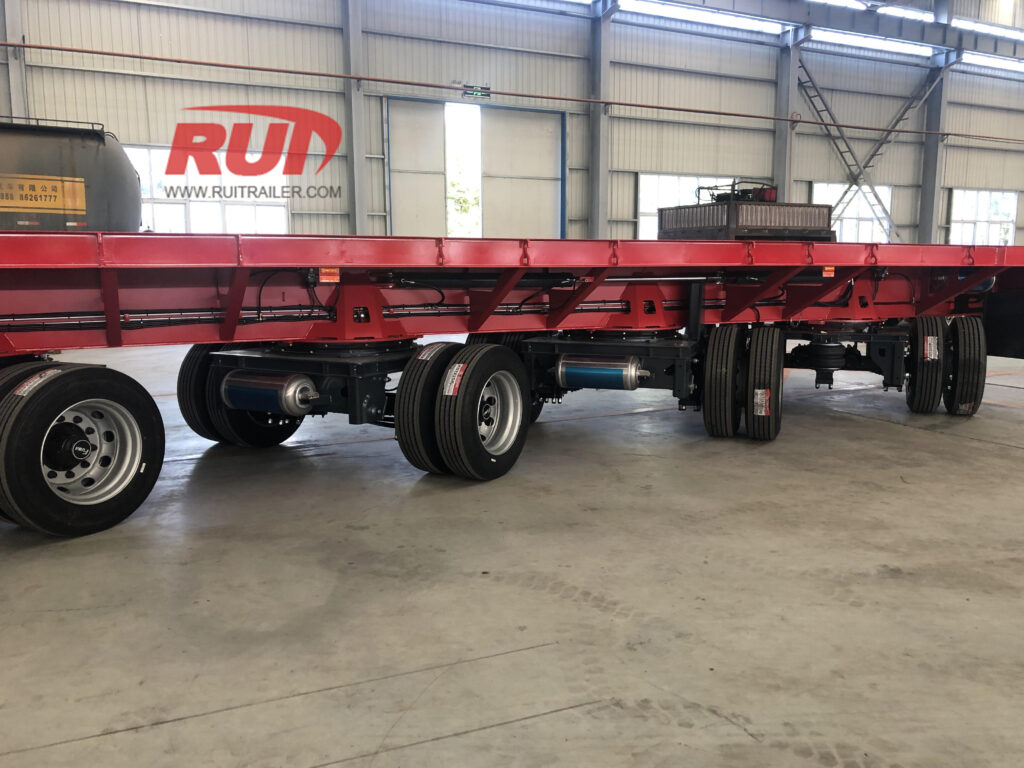
For our 4-axle models, we utilize a specialized "Sliding and Lifting System. " This technology solves a common logistical headache: maneuverability vs. load support.
- Retract While Loaded: The system allows the trailer to partially retract even when carrying a blade.
- Shortened Wheelbase: By shortening the distance between the neck and the axles during transit, the trailer creates a tighter turning radius for difficult sections of the route.
- Elevating Gooseneck: Paired with a hydraulically elevating neck (820mm lift), the driver can adjust the front height to clear obstacles, ensuring the wind turbine trailer adapts to the road, not the other way around.
How to Choose the Right Wind Turbine Trailer
Selecting the correct wind turbine trailer is not just about hauling capacity; it is strictly determined by the length of the blades and the specific challenges of your route. As manufacturers, we see that the primary decision logic always starts with the blade specifications. You need a solution that balances extreme reach with the ability to navigate tight corners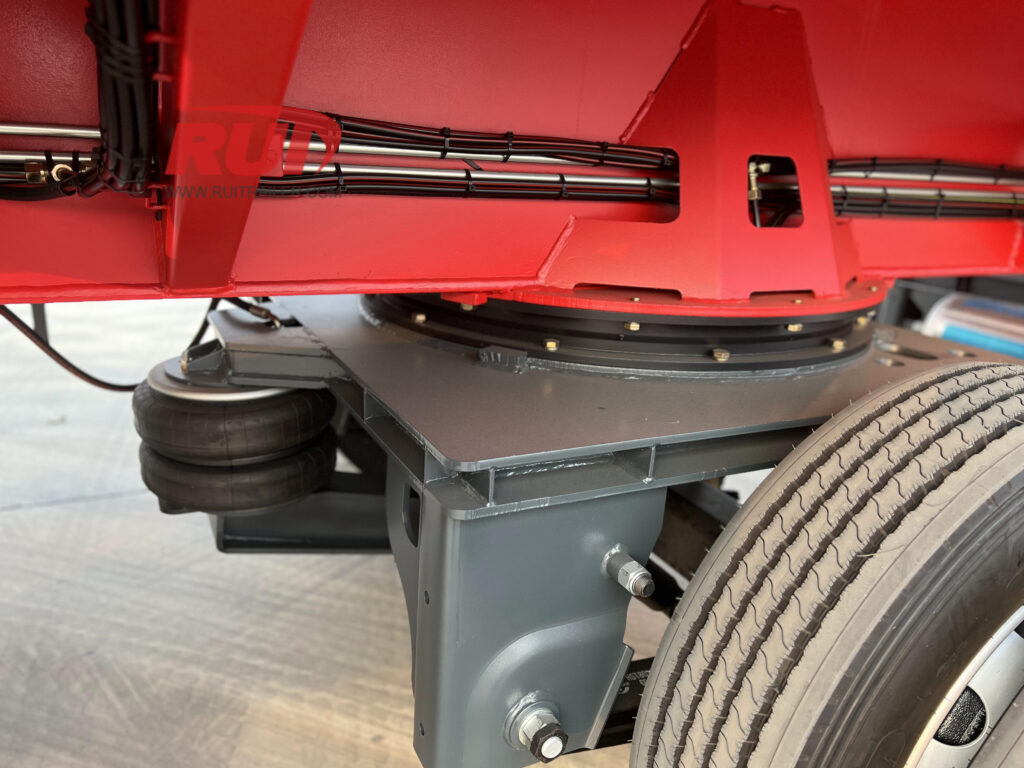
Matching Trailer to Blade Length
The industry standard divides these trailers based on extend-ability. For blades up to approximately 60 meters, a Triple axle wind blade trailer (3 sections extendable) is the most efficient choice, offering a total length of around 53 meters. However, for the newest generation of extreme blades, you must upgrade to a quad axle Wind Blade Trailer. These 4 sections extendable units can reach a total length of 69 meters, ensuring you can transport even the longest components safely.
| Trailer Configuration | Extension Capability | Max Length | Ideal Application |
|---|---|---|---|
| Triple axle blade trailer | 3x Extendable | ~53m | Blades up to +/- 60m |
| Quad axle Blade Trailer | 4x Extendable | ~69m | Extreme length blades |
Analyzing Route Constraints and Maneuverability
Route analysis is critical for heavy haulage logistics. If your transport path involves tight turns or roundabouts, a standard extendable trailer might fail. We recommend looking for trailers equipped with hydraulic steering capable of a 55° steering angle. Additionally, a high suspension stroke (up to 600mm) is essential for clearing obstacles and uneven terrain.
For the most challenging routes, the 4-axle wind blade trailer features a unique "Sliding and Lifting System." This technology allows the trailer to partially retract while loaded, shortening the wheelbase to negotiate tight turns that would otherwise be impossible.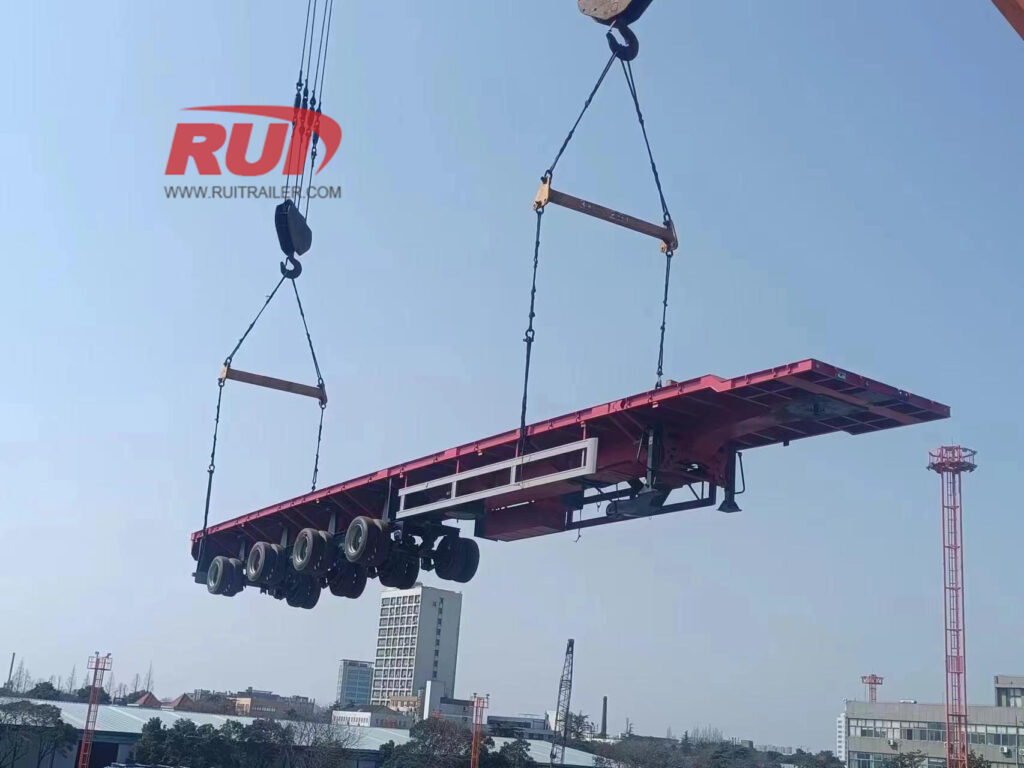
Durability and Long-Term Investment
When evaluating a steerable extendable semi-trailer, look beyond the initial price tag. We focus on "investment per year." Features like fully automated alignment systems significantly reduce tire wear, which is a major operating cost. A robust chassis design ensures a long lifespan, making the trailer a reliable asset for years. High-quality engineering in your low bed semi trailer components ensures that safety remains priority number one for both the driver and the public.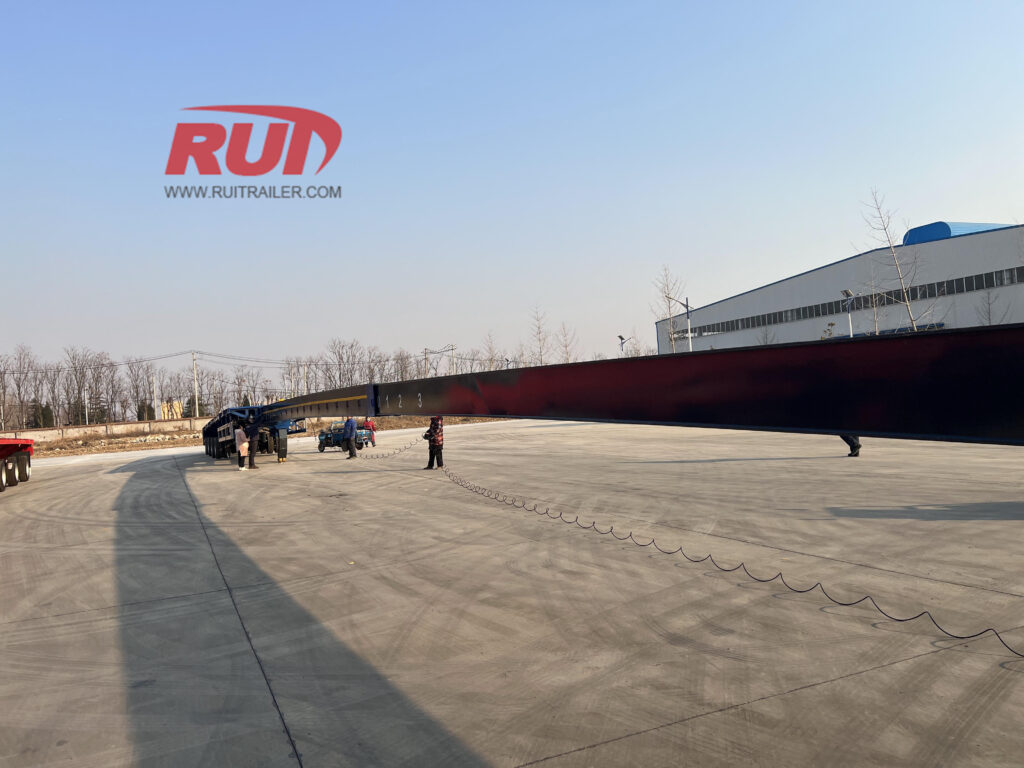
FAQ: Wind Turbine Transport Logistics
Navigating the wind energy supply chain requires precise planning and the right equipment. As a manufacturer deeply involved in heavy haulage logistics, we often field questions about optimizing transport for these massive components. Here are the answers to the most common inquiries regarding our wind turbine trailer range.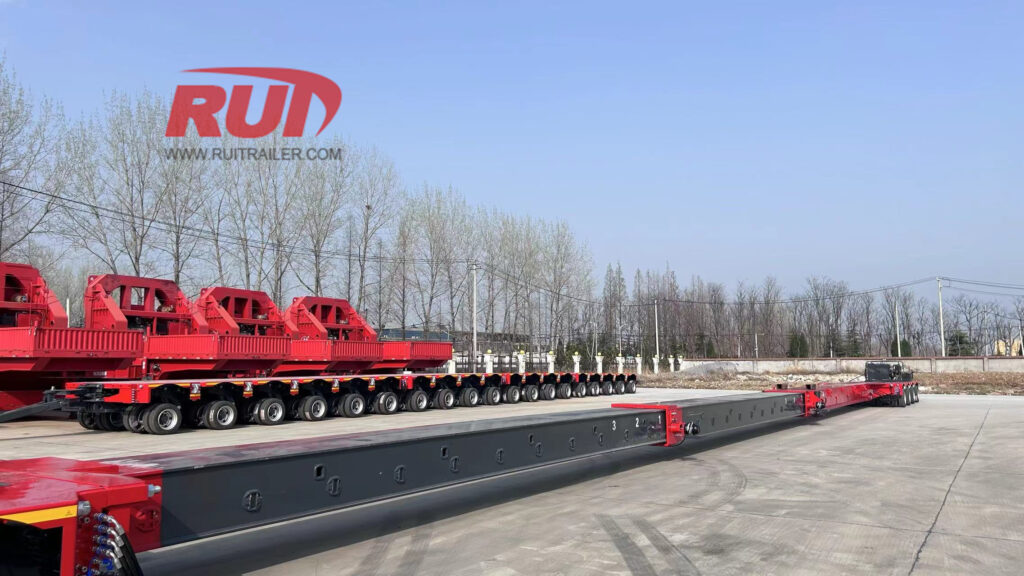
How do I decide between a Triple axle and quad axle configuration?
The choice is strictly determined by the length of the wind turbine blades you need to transport.
- Triple axle wind blade trailer: These are 3 sections extendable trailers with a maximum length of 53 meters. They are the ideal solution for blades up to approximately 60 meters.
- Quad axle Wind Blade Trailers: Designed for the longest blades on the market, these 4 sections extendable units reach a total length of 69 meters. If your project involves extreme lengths, the Quad axle wind blade trailer provides the necessary reach.
How do these trailers handle tight corners and roundabouts?
Maneuverability is engineered into the core of our telescopic wind blade trailer designs. We utilize self-steering axle technology and hydraulic steering systems capable of a 55° steering angle.
For the most challenging routes, the 4-axle wind blade trailer features a unique Sliding and Lifting System. This allows the trailer to partially retract while loaded, shortening the wheelbase to navigate tight turns that would otherwise be impossible for a fully extended trailer.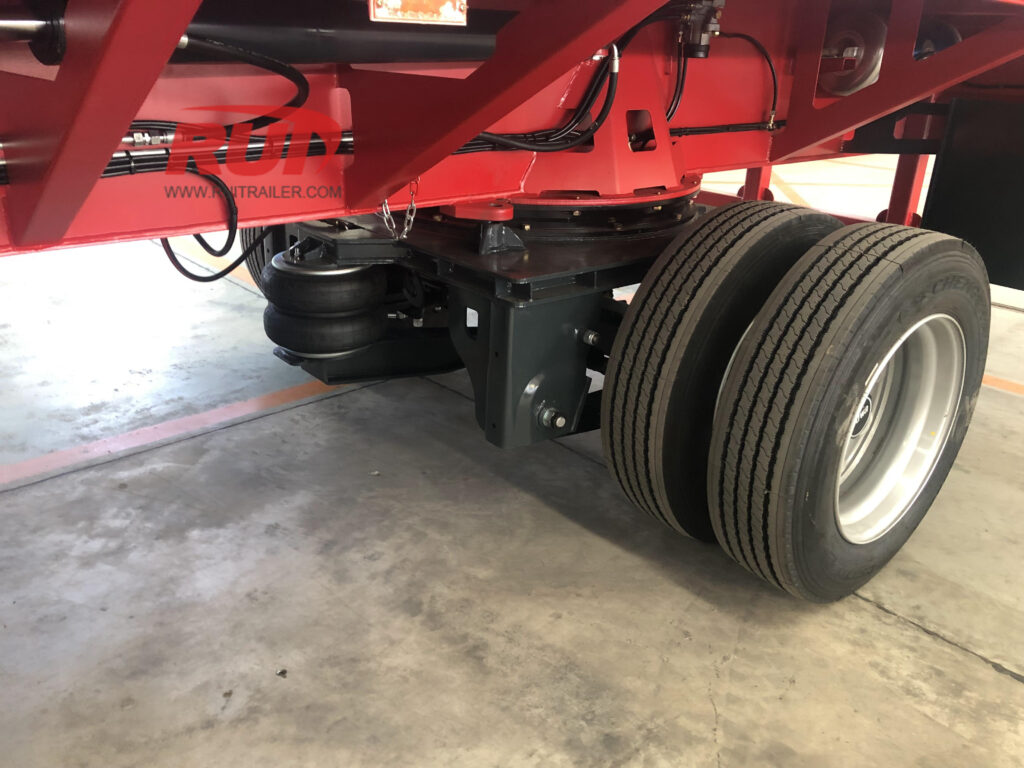
What features assist with uneven terrain?
Transporting blades often means driving off-road to the installation site. Our trailers are equipped with:
- Hydraulic Suspension Axles: Offering a high stroke of 600mm to keep the load stable over rough ground.
- Hydraulic Goose neck: An elevating neck with 820mm of lift, allowing the beam to be driven at different heights to clear obstacles.
How does the trailer minimize maintenance costs?
We focus on a low "investment per year" philosophy. High-quality construction ensures a long lifespan, and features like our fully automated alignment system significantly reduce tire wear. For specific pricing or technical advice on your next project, you can get a quote or advice directly from our engineering team.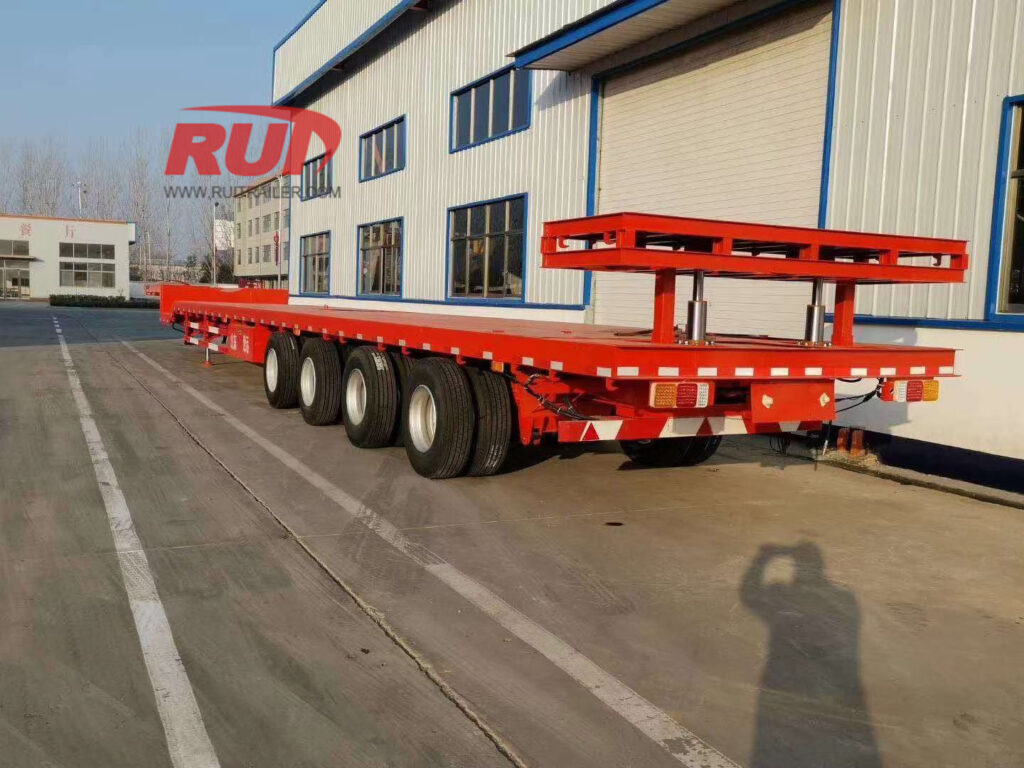
 English
  German
  Turkish
  French
  Portuguese
  Russian
  Arabic
  Hindi
Hindi  Vietnamese
  Chinese
  Spanish
  Indonesian
  Swahili
  Nigerian Pidgin